
Anna de Banguy (1908-1985) - Arlequin

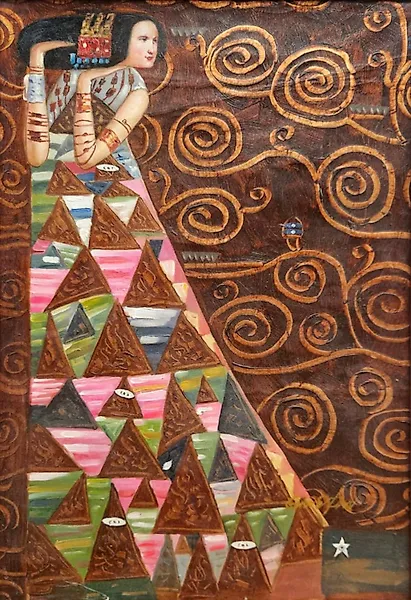
Anna de Banguy (1908–1985) painted "Arlequin," referencing the Harlequin character—a stock figure from the Italian Commedia dell'arte theatrical tradition. The Harlequin typically appears as a colorful, masked trickster garbed in a distinctive diamond-patterned costume. This character symbolizes mischief, playfulness, and sometimes deeper psychological themes such as duality and disguise. Throughout the 20th century, many artists engaged with Arlequin imagery to explore concepts of identity, performance, and emotion in visual art. De Banguy’s representation likely channels this rich theatrical heritage, combining early 20th-century modernist sensibilities with figurative expression. Given her lifespan covering significant periods of European art history, the piece may also incorporate styles from movements such as Expressionism or Cubism, which often employed theatrical motifs to delve into psychological complexity. "Arlequin" paintings offer evocative glimpses into the intersection of theatre, visual art, and cultural symbolism.
VoxFati participates in various affiliate programs. When you click on links to different merchants on this site and take certain actions, such as making a purchase or signing up for a service, it may result in us earning a commission.




Comments
Comments appear after approval.
Log in to comment