
Classical Kabbalah: The Handbook: Luria’s Etz Chaim, Reduced to What You Need on the Table


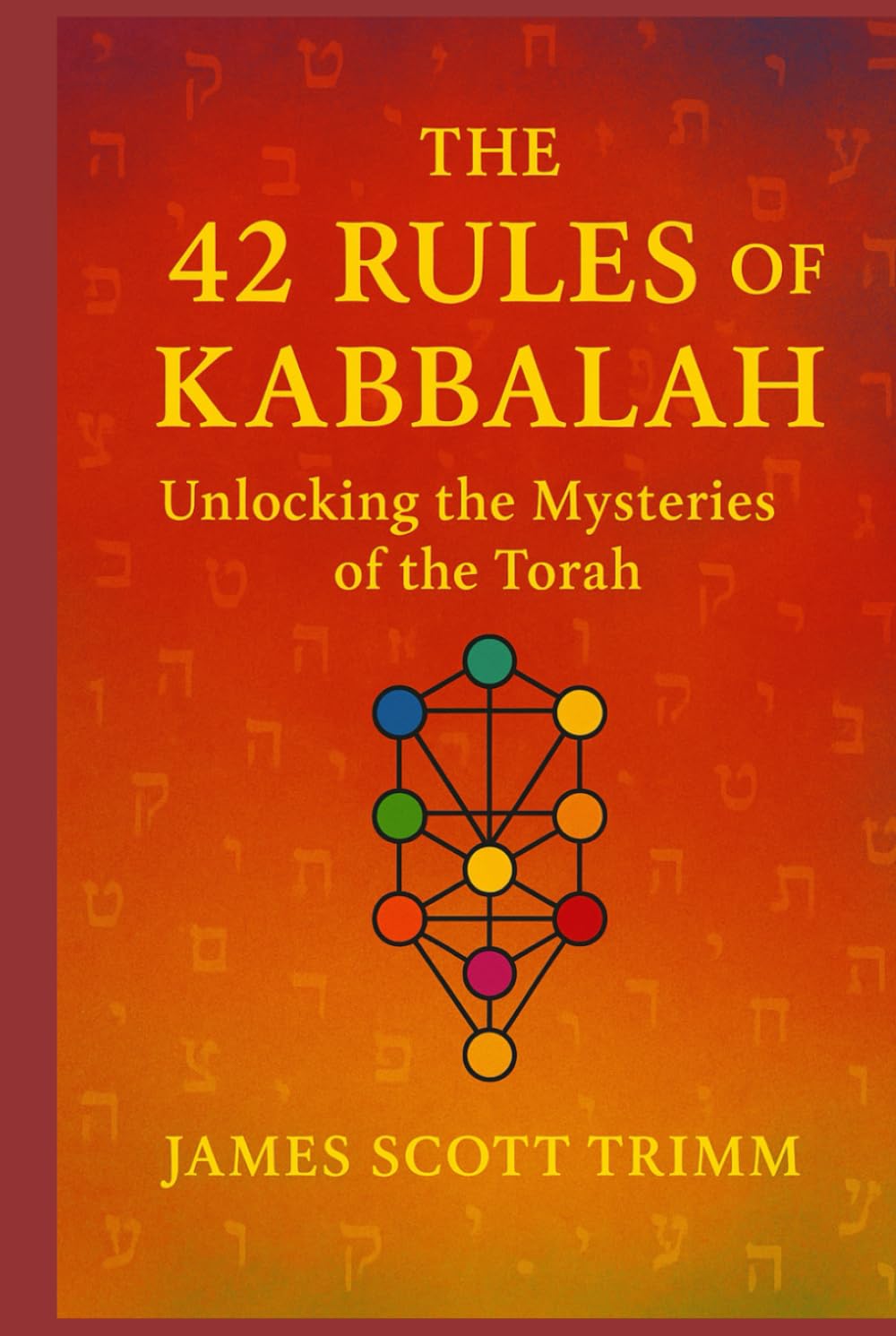
This is an academic textbook of classical Jewish Kabbalah. The prose is the prose of a yeshiva handbook: terms defined before they are used, sources cited, chapters in historical order, a reference apparatus at the back. It was written for readers who are not Jewish and have no Hebrew, because that is the reader who is most often sold a counterfeit.
If you want tarot paths, planetary rulers, or a spiritual method you can practice this week, this is the wrong book. That material comes from Agrippa, the Golden Dawn, and Crowley. It is not in the Zohar, not in Cordovero, and not in Etz Chaim. This volume treats that reception as history, then sets it aside.
What the book does is teach the primary system as the primary texts built it. Sefer Yetzirah. Sefer ha-Bahir. The Zohar, the Idrot, Tikkunei ha-Zohar, Ra’aya Meheimna. Gikatilla’s Sha’arei Orah. Cordovero’s Pardes Rimonim. Luria and Vital’s Etz Chaim and Sha‘ar ha-Gilgulim. Luzzatto’s Kalach Pitchei Chokhmah. The Tanya. Ashlag’s Talmud Eser Sefirot. Each work is asked the same four questions: what is this book; what does it say; what vocabulary does it add or change; how does it relate to what came before it and after it.
The argument is stated up front and held. Kabbalah is not a philosophy that happens to use Jewish images. It is sod: the innermost of the four levels of Torah interpretation. Remove the Torah and the system does not survive, because the system is the interpretation. The sefirot, the names, the four worlds, tzimtzum, the shattering, and tikkun are treated as the tradition treats them — as claims about God, scripture, and the commandments — not as a map of the personality.
Where the tradition and the historians disagree, both accounts are given. The Zohar is dated here to the circle of Moses de León, c. 1290; the attribution to Rabbi Shimon bar Yoḥai is set out beside that dating, with the reasoning on each side. The book does not initiate, does not adjudicate the metaphysics, and does not pretend that reading it makes a non-Jew a participant in the commandments. It makes the sources readable.
The back of the book is built for desk use: correspondence tables for the sefirot and the names, the four fillings of the Tetragrammaton, the alphabet, the partzufim, the ladder of worlds and souls, a chronology, a comparative index of terms across the primary works, a glossary, and a guide to editions.
Yeshiva density. Academic method. Written so an outsider can follow the argument without being lied to about what the argument is.
VoxFati participates in various affiliate programs. When you click on links to different merchants on this site and take certain actions, such as making a purchase or signing up for a service, it may result in us earning a commission.




Comments
Comments appear after approval.
Log in to comment