
Designing Healing Outcomes in Reiki: How Practitioner Expectancy and Belief Create Lasting Change

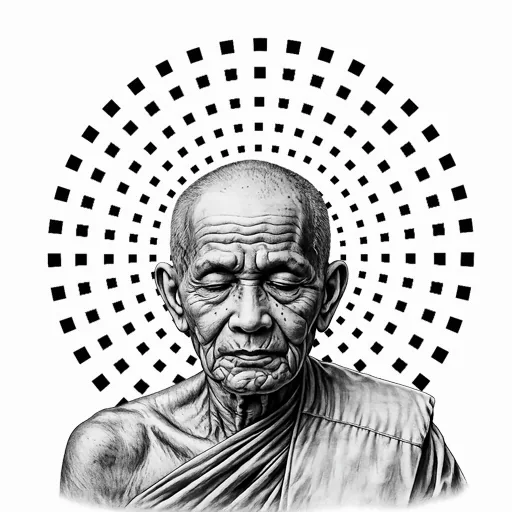
Why does the same Reiki session, delivered by the same practitioner with the same sincere intention, produce outcomes that range from quietly transformative to barely perceptible?
After twenty-five years of practice and two years of meticulous notes, Dr. Prakash began to find an answer — one that reshaped his understanding of his work.
Designing Healing Outcomes in Reiki is the first book to apply the landmark Rosenthal Effect — the finding that expectation alone measurably shapes outcome — to Reiki healing. Drawing on psychology, neuroscience, placebo research, and brief therapy, it offers practitioners a grounded, practical, and intellectually honest framework for why some sessions transform while others simply comfort.
At the heart of the book is a challenge unique to Reiki: the Rosenthal Effect originally unfolded over months of sustained contact. Reiki rarely has that runway. A typical series involves three to eight sessions — sometimes fewer. How do you build, calibrate, and transfer a healing expectancy framework in such a compressed window? How do you ensure the change created does not evaporate once sessions end?
These are the questions this book answers.
Told through vivid case studies — the schoolteacher who hadn’t slept properly in three years, the two equally qualified women whose expectations shaped their job interview outcomes, the grieving lawyer whose headaches eased when something long held finally released — Designing Healing Outcomes in Reiki reads less like a manual and more like a clinician’s honest account of what careful attention to sessions reveals.
The book introduces the ROSENTHAL Model — a complete practitioner framework covering every phase of the therapeutic arc, from intake design and management of the practitioner’s inner state to post session consolidation and a final graduation session that leaves the client genuinely independent.
Practitioners will find specific guidance on: ● Designing the presession environment and intake as the first intervention
● The difference between expectation positivity and expectation pressure
● The three phase transfer arc that moves healing expectancy from practitioner to client
● Language that builds client self-efficacy session by session
● Conducting a final session as a graduation rather than an ending
● Ethical foundations that make honest practice more effective
Written with the quiet honesty of a person who examined what exceeded his frameworks rather than explaining it away — this book is for practitioners who take their work seriously enough to study it closely.
It does not claim Reiki cures everything, nor reduce it to psychology. Instead, it offers something more valuable: a rigorous, compassionate, original account of how the space between practitioner and client — expectancy, belief, and the quality of relationship — shapes what becomes possible in a healing session, and how to design that space deliberately every time.
Ideal for: Reiki practitioners, complementary health professionals, healthcare workers exploring mind-body medicine, psychology readers interested in expectancy research, and anyone who has wondered why some healing encounters transform and others do not.
VoxFati participates in various affiliate programs. When you click on links to different merchants on this site and take certain actions, such as making a purchase or signing up for a service, it may result in us earning a commission.


Comments
Comments appear after approval.
Log in to comment