
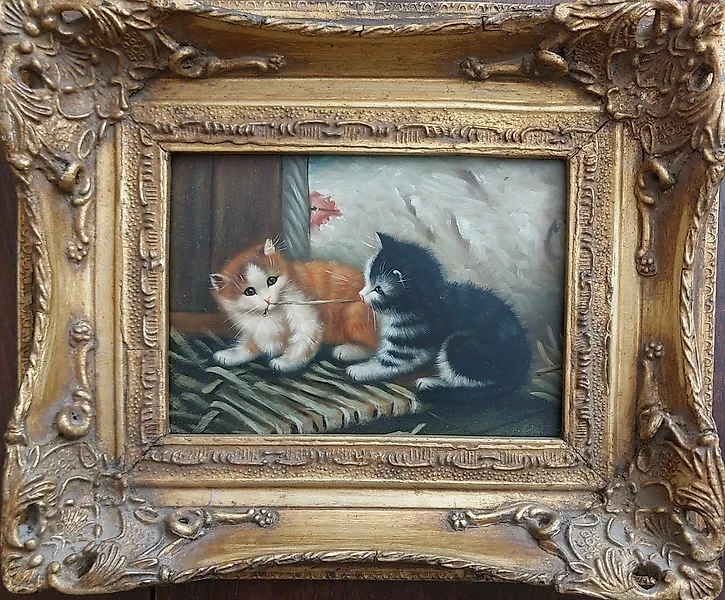
Escuela Centroeuropea (XIX-XX) - La Tejedora

The Central European School spanning the late 19th to early 20th centuries reflects a diverse artistic heritage bridging traditional techniques and emerging modernist trends. "La Tejedora," meaning "The Weaver," likely captures the figure of a woman engaged in weaving, a craft deeply rooted in the cultural fabric of Central Europe. Artworks focused on traditional crafts underscore themes of heritage, labor, and feminine roles, often depicted with a blend of realism and symbolism. This period saw artists exploring national identity through folk motifs and scenes of daily life, sometimes influenced by movements such as symbolism or early expressionism. Such portraits celebrate artisanal skills and evoke cultural pride amid socio-political changes in Central Europe.
VoxFati participates in various affiliate programs. When you click on links to different merchants on this site and take certain actions, such as making a purchase or signing up for a service, it may result in us earning a commission.




Comments
Comments appear after approval.
Log in to comment