
Numerology Update, as Pythagoras of Samos taught, C. 570 BC - C. 495 BC: A Lesson Manul


Numerology, as conceptualized by Pythagoras, is an updated rewrite from Forth Mann's Onomastics and is still a lesson manual and indeed a fascinating and complex subject that intertwines mathematics, philosophy, and spirituality. This ancient practice, which dates back to the 6th century BCE, posits that numbers have unique vibrations and energies that can influence our lives in profound ways. Pythagoras, a revered mathematician and philosopher, believed that the universe could be, explained through numbers, and that these numbers could be used to gain insight into the human experience.
The core of Pythagorean numerology lies in the belief that each number has a specific meaning and significance. For instance, the number one is often associated with leadership and independence, while two might represent balance and partnership. By analyzing the numerical values of the letters in one's name or the digits in one's birthdates, numerology seeks to uncover hidden truths about our personality, life path, and even destiny.
This practice encourages introspection and self-discovery, inviting us to delve into the numerological significance of our names and other personal, identifiers and it, is a journey that can lead to greater self-awareness and understanding, providing a unique perspective on our strengths, challenges, and the potential for personal growth. Numerology is not just about prediction; it is about unlocking the symbolic language of numbers to better comprehend the intricacies of human life and the cosmos.
VoxFati participates in various affiliate programs. When you click on links to different merchants on this site and take certain actions, such as making a purchase or signing up for a service, it may result in us earning a commission.


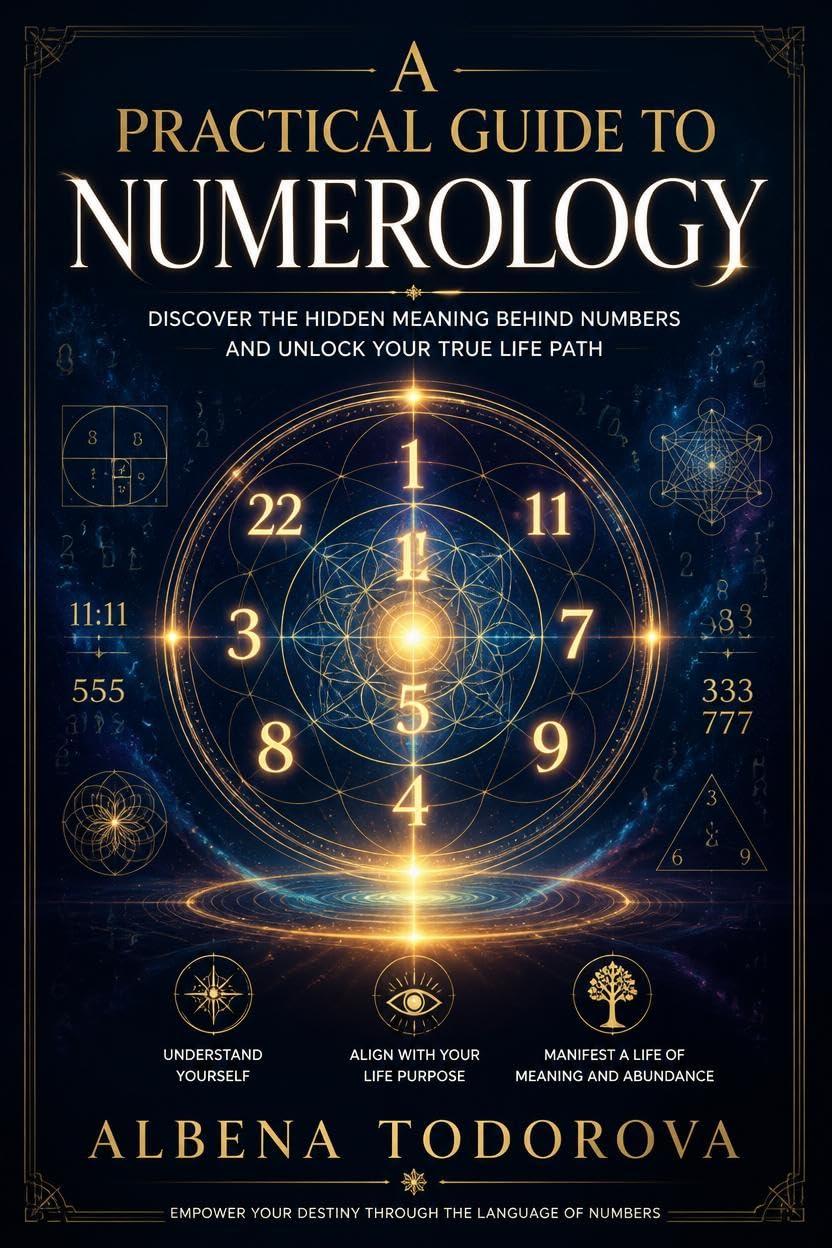


Comments
Comments appear after approval.
Log in to comment