
PRANAYAMA: AND ITS BENEFITS IN SLOWING OF THE AGING PROCESS.

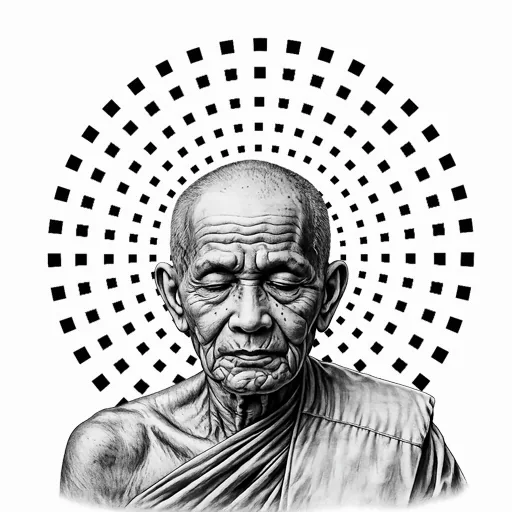
The book is organized in two parts. Part- I, deals with my life experiences in growing up in India and getting exposed to yoga, and meditation. In this section, I have explained in detail the eight disciplines of Patanjali’s Ashtanga Yoga with emphasis on Pranayama and Dhyana. These are more important for the adult population over the age of fifty. The reader will understand the importance of these disciplines after reading the chapter on aging. The Part-II is primarily devoted to the clinical subjects associated with the brain, the neurological pathways, and the respiratory system. I have endeavored to describe the clinical part of this book in a simple and easy to understand language, and with minimum use of clinical terminology. Similarly, I also have avoided, (where possible), explanations of the terms such as panch Vayu, panch Prana, Mudra, etc., which are common in the original books of yoga. I believe these terms may discourage novices and defeat the primary objective of this book, which is, 'to encourage' the reader to make the Pranayama and Meditations practices a part of daily life and attract the clinical researchers to explore it beyond my informal research I have presented in this book.In this book, I have tried to explain the basis of Kundalini Shat Chakras and their relation to the nerve plexuses of the autonomic nervous system. It appears like academic discourse, as there are many clinical terms used which are not easy to understand for a nonclinical individual. I have tried to explain, as much as possible, the meaning of those anatomic and physiologic terms. However, it is an essential part of understanding the basis of notional Kundalini Shat Chakras and their relation to autonomic nerve plexuses. The sages of India practicing yoga detected the Kundalini Shat Chakras by purely occult powers, without dissection of human bodies or microscopic examination of nerve plexuses. Those who are interested can obtain more information from the Internet and many other available sources. Readers should note that this book is not written as a guide for holistic medicine, nor it is a -how-to-do- manual for Ashtanga Yoga. The primary objective is to create interest in this neglected area of the ancient Hindu health care system (Ayurveda) and awaken interest in clinical researchers keen on discovering and establishing successful pathways that will lead to slowing down the debilitating decline of cognitive capabilities caused by illness or aging. I hope someone may undertake this subject as clinical research and promote yoga and Pranayama for the benefit of humanity when longevity has increased worldwide. I have used many sources from available books and articles on Vedic (Hindu) philosophy in forming the basic narrative about the Patanjali Yoga in this book. Because of the antiquity and the universal nature of those works, I have provided references where they are available.
VoxFati participates in various affiliate programs. When you click on links to different merchants on this site and take certain actions, such as making a purchase or signing up for a service, it may result in us earning a commission.


Comments
Comments appear after approval.
Log in to comment