
Aligning Major Choices with Your Values Using the Five Card Decision Spread
This article teaches a reproducible Five Card Decision spread (Decision‑Five) for aligning major family choices with values. Using the exact cards shown — The Hierophant, The Lovers, Justice, The Star, and 2 of Pentacles — it explains each position, how Rider‑Waite‑Smith imagery informs meaning, how to read card‑to‑card relationships, and how to apply the spread to real family decisions without treating tarot as fortune telling. Readers will learn step‑by‑step procedure, interpretive logic, common errors, and exercises to build confidence with the technique.
Decision Five
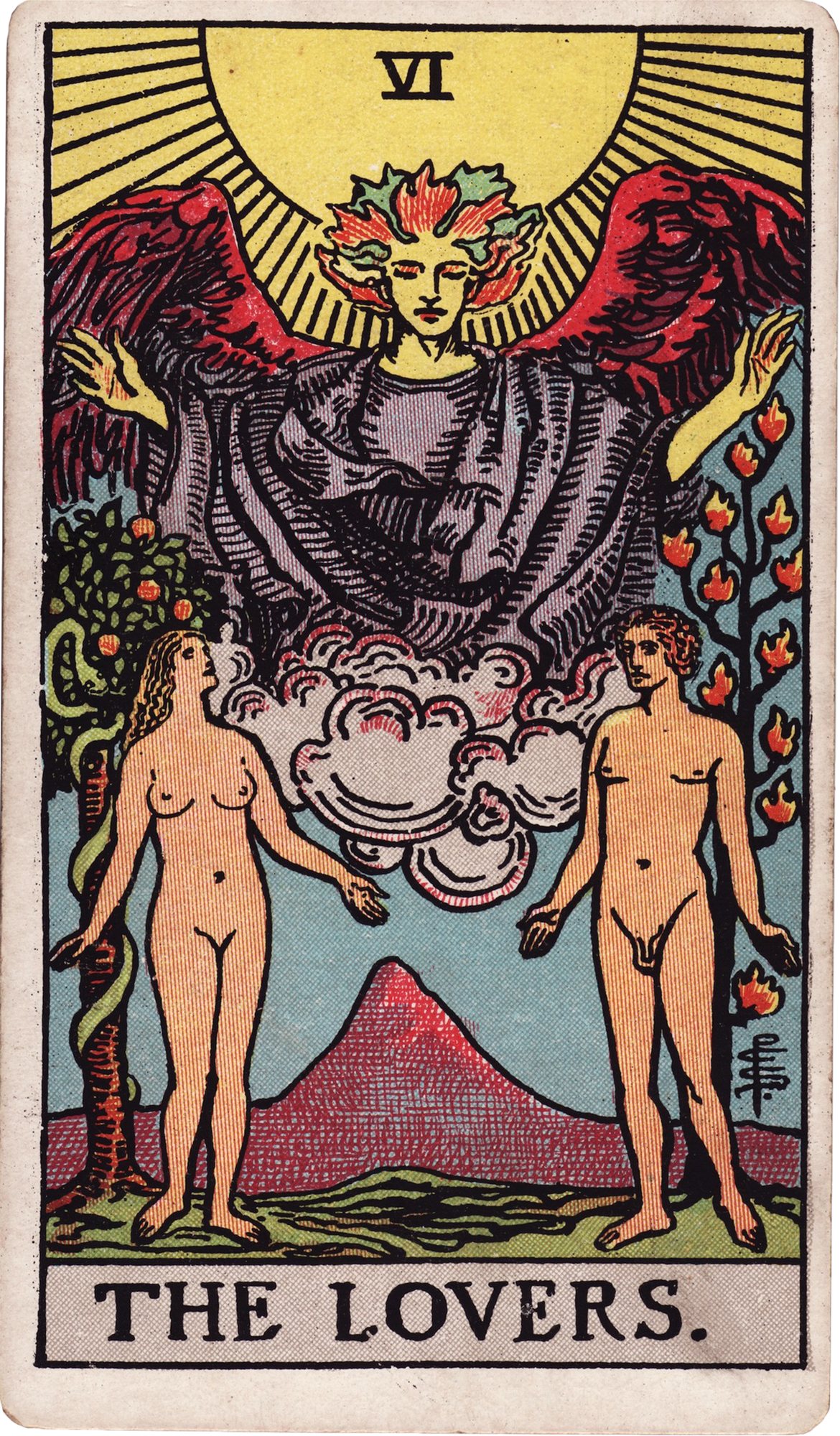 SituationThe Lovers
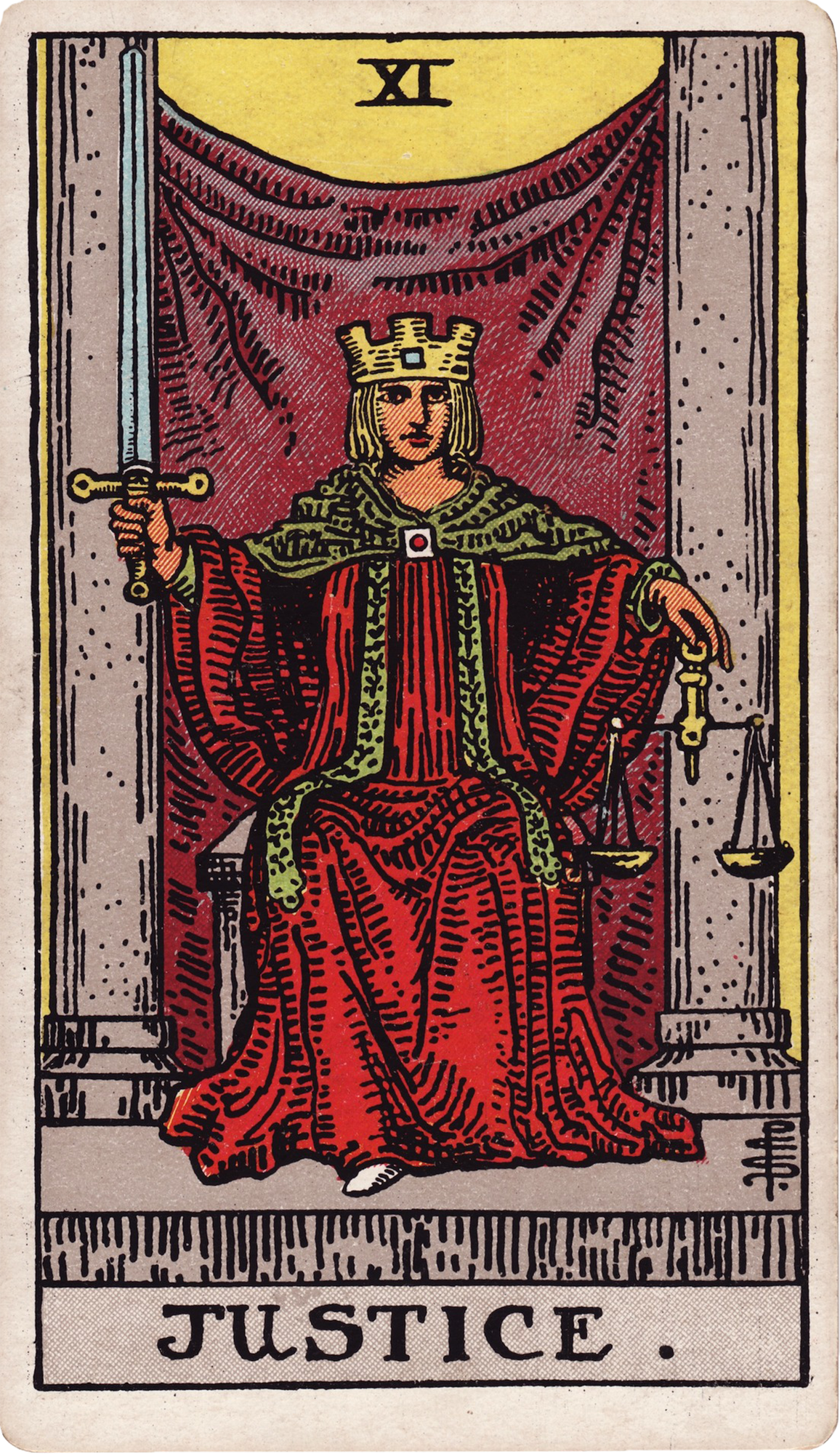 Option AJustice
 Option BThe Star
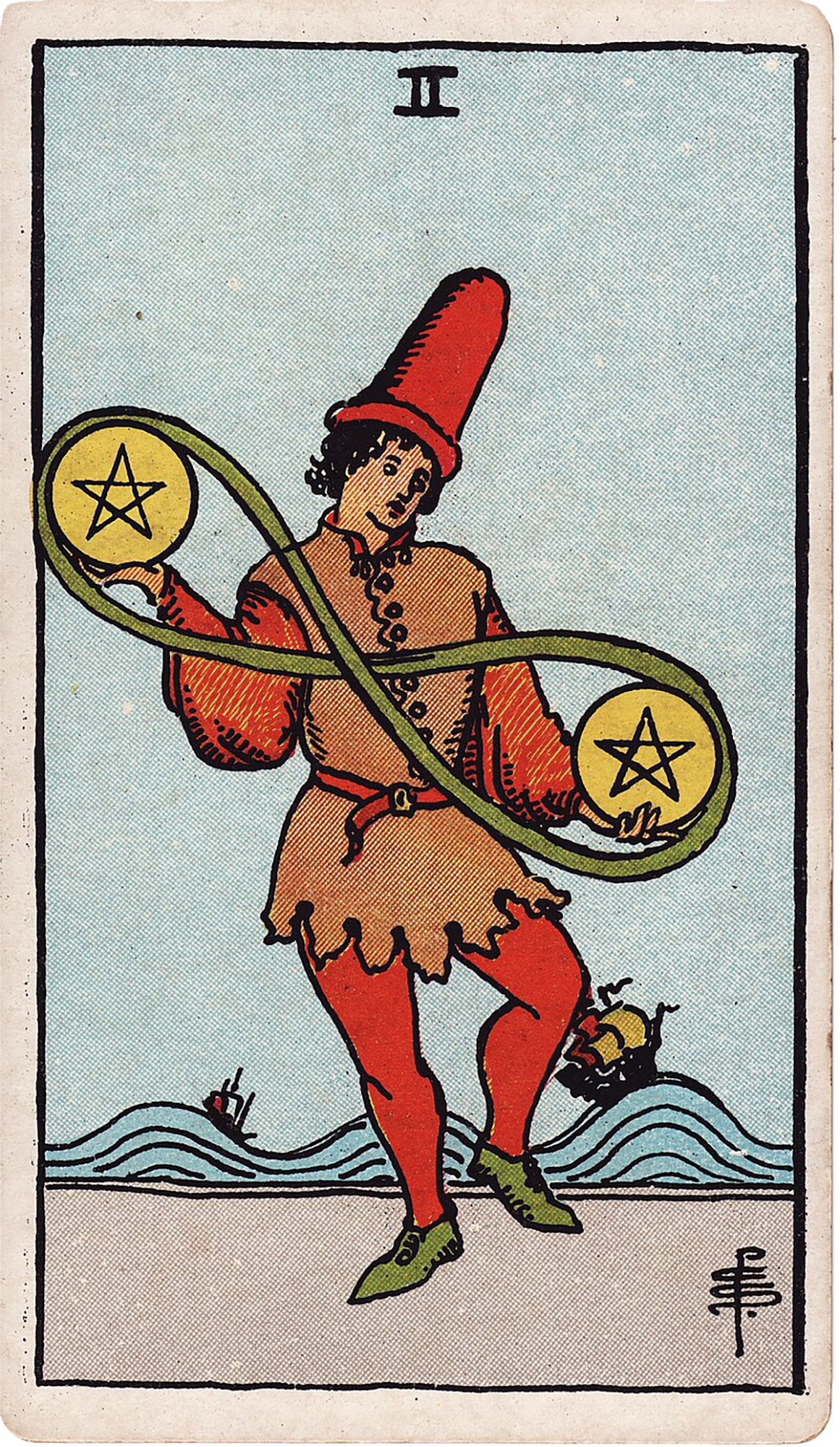 Hidden Factor2 of Pentacles
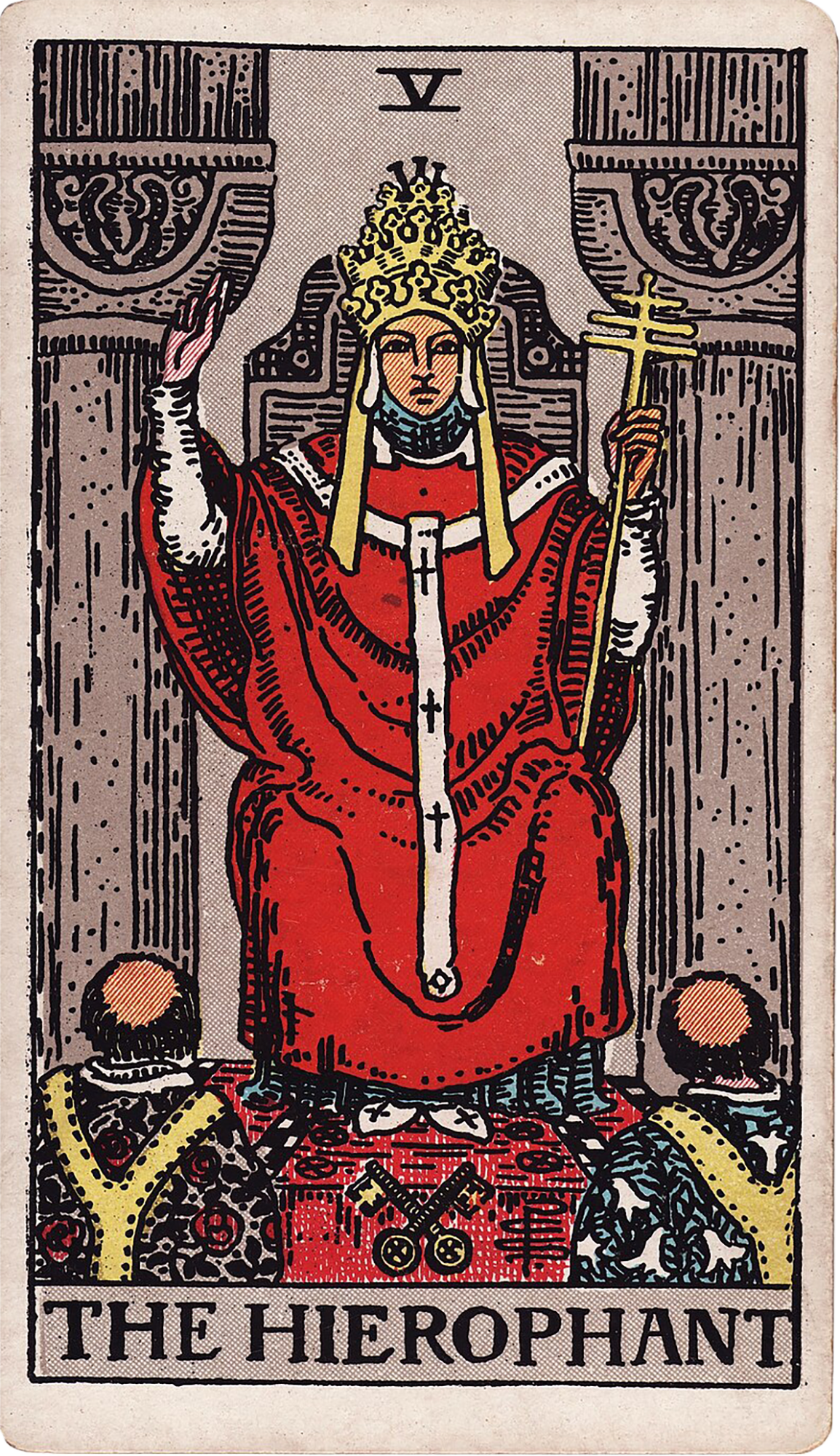 AdviceThe Hierophant
Introduction and Purpose
Major family decisions — moving, caregiving roles, school or care arrangements, financial planning, or eldercare choices — rarely reduce to purely technical calculations. They also involve values, loyalties, and tradeoffs. The Decision Five spread is a compact, practical layout designed to help you surface how options align (or conflict) with what you and your family care about. This article teaches the Decision Five step‑by‑step, using the exact cards provided: The Hierophant, The Lovers, Justice, The Star, and 2 of Pentacles. These images will be referenced repeatedly so you can practice with the same visual cues you will see in the public display of the cards.
Overview of the Decision Five Spread
Structure and purpose - Layout name: Decision Five (also called Decision‑Five). The positions are ordered and read: Situation, Option A, Option B, Hidden Factor, Advice. The spread is intentionally symmetrical: two explicit options, one situational frame, one hidden influence, and one practical recommendation. - Best use cases: family choices that require weighing values against logistics, such as where to live, whether to accept a job that affects dependents, how to share caregiving responsibilities, or whether to change a household pattern. - Tone: educational and exploratory. This spread is a tool for clarifying alignment and risk, not a deterministic oracle. The value of the reading is in the questions it provokes and the concrete actions it suggests. Why five cards? Five cards provide enough complexity for two realistic options plus the context and dynamics that influence them, while remaining compact enough to use in a single focused session. The Decision Five emphasizes comparison and relationship.
The Positions and the Cards Placed There
Position order and the supplied cards - Position 1 Situation: The Hierophant - Position 2 Option A: The Lovers - Position 3 Option B: Justice - Position 4 Hidden Factor: The Star - Position 5 Advice: 2 of Pentacles Below I explain each position, anchor the description in the Rider‑Waite‑Smith imagery and the provided upright/reversed notes, and translate that into practical questions you can ask about a family decision.
Position 1 Situation The Hierophant
Image and core symbols: In RWS imagery the Hierophant sits between two pillars, with an acolyte on each side and two crossed keys at his feet. He represents tradition, institutions, apprenticeship, formal structures, rules, and the transmission of established wisdom. Interpreting The Hierophant in Situation: When The Hierophant represents the situation, the decision is embedded in institutional expectations or long‑standing family traditions. The question is not whether rules exist — they do — but how they shape options and what it would mean to follow or depart from them. Practical reading prompts: Who or what is the institutional frame here (school, religious community, legal expectations, family tradition)? Which rules are explicit and which are assumed? Which experts or formal sources of guidance might help? The upright text provided emphasizes working with what is available now and asking where clearer boundaries or deliberate choices would move things forward. Common family examples: Choosing whether to follow a family precedent for caregiving, abiding by a school district's rules when choosing a home, or deciding whether to accept an arrangement handed down by elders. What to note visually: Look at the Hierophant's keys and the two acolytes: the keys suggest access (what doors open or close); the two acolytes hint at social transmission — others are watching or being instructed. In family contexts, ask which relationships are structured like teacher and student and whether that dynamic is useful or restricting.
Position 2 Option A The Lovers
Image and core symbols: The Lovers in RWS shows a naked couple beneath an angel, with a mountain and tree imagery behind them. It is about conscious choice, the integration of desire with values, relationship commitment, and moral responsibility tied to desire. Interpreting The Lovers as Option A: Option A is explicitly a values‑based pathway. Choosing this option would be an act of aligning desire and ethics, accepting responsibility for the consequences. The upright description supplied stresses making a choice that aligns desire with values and acknowledging the responsibility that follows. Practical reading prompts: If Option A is attractive, what deeper values does it express? Does this choice honor the relationships it affects? Who is genuinely included in the choice, and who is being left out? Are you choosing immediate comfort or long‑term alignment? The Lovers asks you to check: is this decision genuinely reflective of your values or only of short‑term desire? Family application: Option A could be pursuing a partner’s preferred location for the family, committing to a caregiving arrangement that prioritizes relational closeness, or choosing a child’s school for ideological reasons. The Lovers encourages explicit conversations about commitments rather than silent assumptions. Visual notes: The angel above the couple suggests higher guidance or conscience: interpret Option A with both heart and conscience engaged. If the card were reversed (see the supplied reversed text), watch for misalignment or temptation that sacrifices deeper values for immediate attraction.
Position 3 Option B Justice
Image and core symbols: Justice features a seated figure holding scales and a sword, symbolizing impartial balance, consequence, and clear-eyed evaluation of facts. Interpreting Justice as Option B: Option B is the pragmatic, evidence‑oriented choice. It asks for fairness, accountability, and decisions that can stand up to scrutiny. Justice reminds you to weigh tradeoffs carefully and to list facts and consequences. Practical reading prompts: What are the measurable costs and benefits of Option B? Are there legal, financial, or procedural implications that make this option safer or more defensible? Does pursuing this option require sacrifices that must be acknowledged openly? The upright notes emphasize looking at facts clearly and accepting consequences. Family application: Option B might be the plan that minimizes liability, provides even distribution of support, or follows a formal policy. For example, selecting a care facility because it meets regulatory standards, or choosing housing in a school district with documented outcomes. The card asks you to prepare documentation and be ready for accountability. Visual notes: The scales are a useful image for exercises: list what goes on each pan. The sword suggests that clarity sometimes requires decisive action; avoid wishy‑washiness.
Position 4 Hidden Factor The Star
Image and core symbols: The Star shows a naked woman pouring water into a pool and onto the land, under a starry sky — a symbol of hope, renewal, authenticity, and long‑term healing. Interpreting The Star as Hidden Factor: The Star in the hidden position indicates that an underlying current of hope, longing for renewal, or a desire to restore harmony is operating below surface discussions. This factor can inspire options but also make people idealize outcomes or avoid practical constraints. Practical reading prompts: Is optimism or fear of losing hope influencing the decision without being stated? Are family members silently hoping this decision will repair an old hurt or restore a sense of identity? The upright notes emphasize rebuilding confidence through openness and steady renewal — this suggests nurturing a realistic path to renewed stability. Family application: The Star might be an unspoken wish that moving will heal a fractured relationship, or that switching schools will 'fix' behavioral issues. Bringing The Star into conversation can help the family distinguish supportive hope from unrealistic rescue fantasies. Visual notes: The figure’s steady pouring implies small, consistent actions. Translate that into steps: realistic timeline, incremental trust‑building, and concrete ways to maintain hope without indulging in wishful thinking. If the card appears reversed (per supplied reversed text), watch for discouragement or passive waiting for external rescue.
Position 5 Advice 2 of Pentacles
Image and core symbols: The 2 of Pentacles shows a figure juggling two pentacles within a lemniscate (infinity symbol), often with ships riding waves in the background. It symbolizes active balance, flexible management of priorities, and the need to adapt to change. Interpreting 2 of Pentacles as Advice: The spread’s practical recommendation is to actively manage priorities — not to find a static perfect balance, but to move with changing circumstances. This card suggests practical techniques: schedules, trial periods, contingency plans, and honest conversations about who will carry which responsibilities. Step‑level advice you can apply: Break big choices into phased tests (trial move, part‑time caregiving rotation), create transparent checklists for resource allocation, and schedule regular review points. The card's upright text emphasizes the pragmatic domains of Pentacles: work, money, routine, health and long‑term stability. Use those dimensions to craft concrete measures of success. Visual notes: The juggler’s infinity ribbon reminds you to watch long cycles — short term flexibility plus long term plans. If reversed, as the supplied reversed text warns, the difficulty might be overcommitment or poor organization; then the advice pivots toward simplification and honest delegation.
Card to Card Relationships and Reading Sequence
How to read relationally A useful sequence: read Situation (The Hierophant) first to ground the issue, then both options (The Lovers and Justice), then the Hidden Factor (The Star) to see what unseen current supports or undermines both options, and finally Advice (2 of Pentacles) for practical next steps. Key relationships to check: - The Hierophant and The Lovers: Tradition versus personal values. Ask how institutional expectations in The Hierophant will receive or resist a values‑based choice in The Lovers. Will following The Lovers require negotiating with institutions, or could it be supported by them? Visual cue: the Hierophant’s acolytes mirror the couple in The Lovers — are you repeating a relational script? - The Hierophant and Justice: Rulebook versus fairness. Justice may point out the consequences of deviating from institutional norms suggested by The Hierophant. Use the Hierophant’s keys to ask which doors open legally or socially and whether Justice demands transparency. - The Lovers and Justice: Heart and head. This classic pairing asks: can the morally satisfying choice (The Lovers) survive scrutiny (Justice)? If not, how must the values be reframed to meet Justice’s demands? A pragmatic mode is to make the Lovers’ commitments explicit so they pass the scales. - The Star interacting with Options: As Hidden Factor, The Star either sustains hope behind both options or skews their perceived viability. If The Star leans toward The Lovers, it can indicate that hope is motivating a relationship‑based choice; that’s constructive if paired with 2 of Pentacles’ management. If The Star leans toward Justice, hope could be invested in a fair solution that restores balance. - Advice tying it together: 2 of Pentacles moderates tensions. It asks how to actively balance the demands of The Hierophant (institutional constraints), The Lovers (values), Justice (consequences), and The Star (hope). The practical takeaway is not to ignore any single card but to design adaptive management that tracks the tradeoffs each card identifies. Reading tips: map each card to a measurable item where possible: list the institution named by The Hierophant, the ethical commitments named by The Lovers, the costs/legalities named by Justice, the hopes and timeframes suggested by The Star, and the specific juggling actions suggested by 2 of Pentacles.
A Worked Example in a Family Context
Scenario (illustrative learning exercise): A multi‑generational family must choose whether to move grandmother into a family member’s home (Option A) or find a licensed care facility (Option B). The situation feels bound by family expectations and past tradition. Reading anchored to the supplied cards: - Situation The Hierophant: The family is operating within a tradition of in‑home caregiving. The Hierophant shows elders’ expectations and cultural norms pressuring the decision. Ask who enforces that tradition and what the unstated obligations are. - Option A The Lovers: In‑home care aligns with love, closeness and relational commitment. Choosing this is a heartfelt commitment to keep family together, but it requires acknowledging the responsibility and accepting consequences. - Option B Justice: A licensed facility represents the Justice option: formal standards, documented accountability, and transparent costs. Justice asks for a candid accounting of safety, liability, and fairness across siblings. - Hidden Factor The Star: Unspoken hope that keeping grandmother at home will restore family cohesion or heal earlier conflicts. The Star suggests optimism, but you should test whether that hope is realistic and what small actions can be taken to allow it to manifest slowly. - Advice 2 of Pentacles: The practical path is to juggle: a phased trial of in‑home care with regular check‑ins, a contingency budget for professional support, or a rotating schedule shared among siblings. Use checklists and scheduled reviews to manage expectations. Synthesis and action plan: Use The Hierophant to identify who needs to be consulted (a family elder, a cultural advisor, a doctor). Let The Lovers guide a written agreement to clarify commitments. Let Justice frame a budget and safety checklist. Use The Star to set realistic timelines to reassess emotional goals. Finally, set the 2 of Pentacles process: trial period, task sharing, budgeting and review dates.
Step‑by‑Step Method to Reproduce the Spread
Materials: your deck (preferably in familiar condition), a quiet surface, paper for notes, a timing device. 1. Ground and set intention: State the decision clearly in one sentence. Example: "We must decide whether to move Grandma into our home or find a care facility within the next three months." Keep the focus narrow and practical. 2. Shuffle and focus: Shuffle in a way that feels natural while holding the question in mind. You can say aloud or under your breath: "Show me how these two options align with our values and what we should consider." When you feel ready, cut the deck. 3. Lay the cards in order horizontally or in a simple cross with Situation leftmost; Option A and B in the middle positions side by side; Hidden Factor slightly above; Advice below. The exact geometric pattern matters less than the order and clarity of positions. 4. Turn cards and record orientation: Note if cards are upright or reversed. Use the provided upright/reversed notes as a primary reference, especially for The Hierophant, The Lovers, Justice, The Star, and 2 of Pentacles. 5. Read in sequence: Situation → Option A → Option B → Hidden Factor → Advice. Write short bullet points for each card: imagery, keywords, and how they answer the prompts offered earlier. 6. Compare and map: Draw lines between cards that seem to respond to each other (Hierophant ↔ Lovers, Lovers ↔ Justice, Star ↔ both options). List conflicts and supports. 7. Translate into actions: From 2 of Pentacles, create 2–4 concrete next steps with timelines. Make them measurable and reversible where possible. 8. Close the reading: Thank your deck, store notes, and schedule the agreed review. The Decision Five is designed for revisiting; track outcomes and adjust.
Common Mistakes and How to Avoid Them
1. Treating cards as prescriptions rather than prompts: Tarot is most useful as a structured way to surface questions. Avoid reading a single card as an absolute order. 2. Ignoring visual cues: Because this method is visual, spend time with the card images. The keys of The Hierophant, the angel over The Lovers, the scales of Justice, the water of The Star, and the juggling of 2 of Pentacles are not decoration — they give practical metaphors for action. 3. Forcing a binary where none exists: The spread frames two explicit options, but many real decisions include hybrid solutions. Use the cards to design combined approaches (for example, Justice’s fairness implemented in a Lovers‑style commitment with 2 of Pentacles management). 4. Neglecting the Hidden Factor: People often skim the hidden card. The Star may be an emotional current that undermines logic if left unexamined. Make it explicit in conversations. 5. Skipping measurable steps: 2 of Pentacles requires plans, not abstractions. Convert advice into dates, budgets, and responsibilities. 6. Reading without consultation: When The Hierophant points to institutions or experts, consult them. Tarot should inform choices, not replace professional advice where needed. 7. Over‑reliance on upright-only meanings: Reversals give useful nuance. Use the supplied reversal notes for each card to see if energies are blocked or internalized.
Practice Exercises for Learners
1. Quick drill: Pull these five cards repeatedly in one session (shuffle between casts) and practice summarizing the spread in a single paragraph. This builds synthesis skills. 2. Values list: For a pending family choice, make a list of five core family values. Map each value to imagery on The Lovers and The Hierophant. Note where Justice would test the value. 3. Roleplay conversation: Use the spread to prepare for a family meeting. Assign someone to argue for The Lovers perspective, someone to raise Justice concerns, and someone to propose 2 of Pentacles measures. Use The Star to frame the meeting’s emotional goals. 4. Outcome tracking: After applying the spread to a real decision, track the results at each 2 of Pentacles review date and note which parts of the reading proved most accurate or useful. 5. Reversal practice: Intentionally interpret how each supplied card would shift if it appeared reversed based on the provided reversed texts, and write short notes on how that would change your recommended actions.
Ethical Considerations and Tone
As a learner, keep the reading ethical and consent‑based. When decisions directly affect other people, do not use tarot as a substitute for informed consent, legal counsel or professional care. Use the reading to prepare better conversations and decisions, not to coerce or bypass necessary consultations. Be explicit when a card points you toward seeking outside expertise (The Hierophant) or legal clarity (Justice). The Decision Five is about aligning choices with values while accepting responsibility for consequences.
Conclusion and Integration
The Decision Five spread offers a compact, visually anchored way to weigh major family choices. With The Hierophant, The Lovers, Justice, The Star, and 2 of Pentacles as your guideposts, you can map institutions, values, consequences, hopes, and practical management into one coherent plan. Use imagery, pair cards relationally, and convert advice into measurable steps. Over time, tracking outcomes and repeating the spread helps refine your judgment and builds trust in using tarot as a decision‑support tool rather than a deterministic forecast.
Practice questions
• What institutional expectations (The Hierophant) currently shape this decision, and who enforces them?
• Which core values does Option A (The Lovers) express, and are those values explicitly acknowledged by everyone involved?
• What facts, costs, or legalities does Option B (Justice) require you to list and accept?
• Is the hope or desire represented by The Star supporting a realistic plan or encouraging an avoidance of hard tradeoffs?
• What two practical experiments or trial steps would the 2 of Pentacles recommend for the next month?
Comments
Sign in to comment.
Continue learning
Interpreting the Dance of Justice and The Devil: Balancing Morality and Temptation in Tarot Readings
The combination of Justice and The Devil in tarot presents a profound exploration of morality, temptation, and personal accountability. This article unpacks how these cards influen...
Mastering Decision Making with the Five Card Cross Tarot Spread
The Five Card Cross Tarot Spread is a powerful tool for deepening decision-making skills by examining the present situation, past influences, future possibilities, challenges, and...
Enhancing Clarity in Complex Choices with the Five Card Cross Tarot Spread
The Five Card Cross Tarot Spread is a practical tool designed to clarify complex choices by breaking down the decision into manageable parts. This article explores each position in...
Using the Five Card Cross Spread to Make Confident Life Decisions
The Five Card Cross spread is a practical and insightful tarot layout designed to assist with complex life decisions by clarifying the situation, presenting options, uncovering hid...
Making Confident Life Choices with the Five Card Cross Tarot Spread
The Five Card Cross Tarot Spread is a powerful tool designed to aid practical decision-making, particularly within family or life-altering situations. This article explains the spr...
Using the Five Card Cross Tarot Spread to Gain Confidence in Difficult Decisions
The Five Card Cross spread is a powerful practical tool for navigating difficult decisions with confidence. By placing cards in positions representing Situation, Option A, Option B...
Using the Five Card Cross Spread to Gain Clarity in Difficult Life Decisions
The Five Card Cross Spread is a structured tarot layout designed to help clarify challenging life decisions by examining the situation, options, hidden influences, and advice. This...
Using the Five Card Cross Spread to Clarify Complex Decisions
The Five Card Cross Spread is a practical tarot method designed to clarify complex decisions by laying out the situation, contrasting options, hidden factors, and advice. This arti...
Using the Five Card Cross Spread to Gain Insight into Relationship Dynamics
This article provides an in-depth guide to using the Five Card Cross Spread for gaining clarity on relationship dynamics, especially within family contexts. Anchored by a worked ex...
Using the Five Card Cross Spread to Make Balanced and Informed Life Decisions
The Five Card Cross Spread is a powerful Tarot layout designed to aid balanced and informed decision-making. This article teaches learners how to use this spread effectively, focus...