
Choose Between Two Job Offers with the Decision Five Spread
This article teaches the Decision Five spread for comparing two job offers. Using the exact cards Justice, 7 of Wands, Ace of Swords, 2 of Pentacles, and 10 of Pentacles, we walk through position meanings, card-to-card relationships, practical questions to ask, how to read imagery and Rider–Waite symbolism, and how to reproduce the method for practice readings.
Decision Five
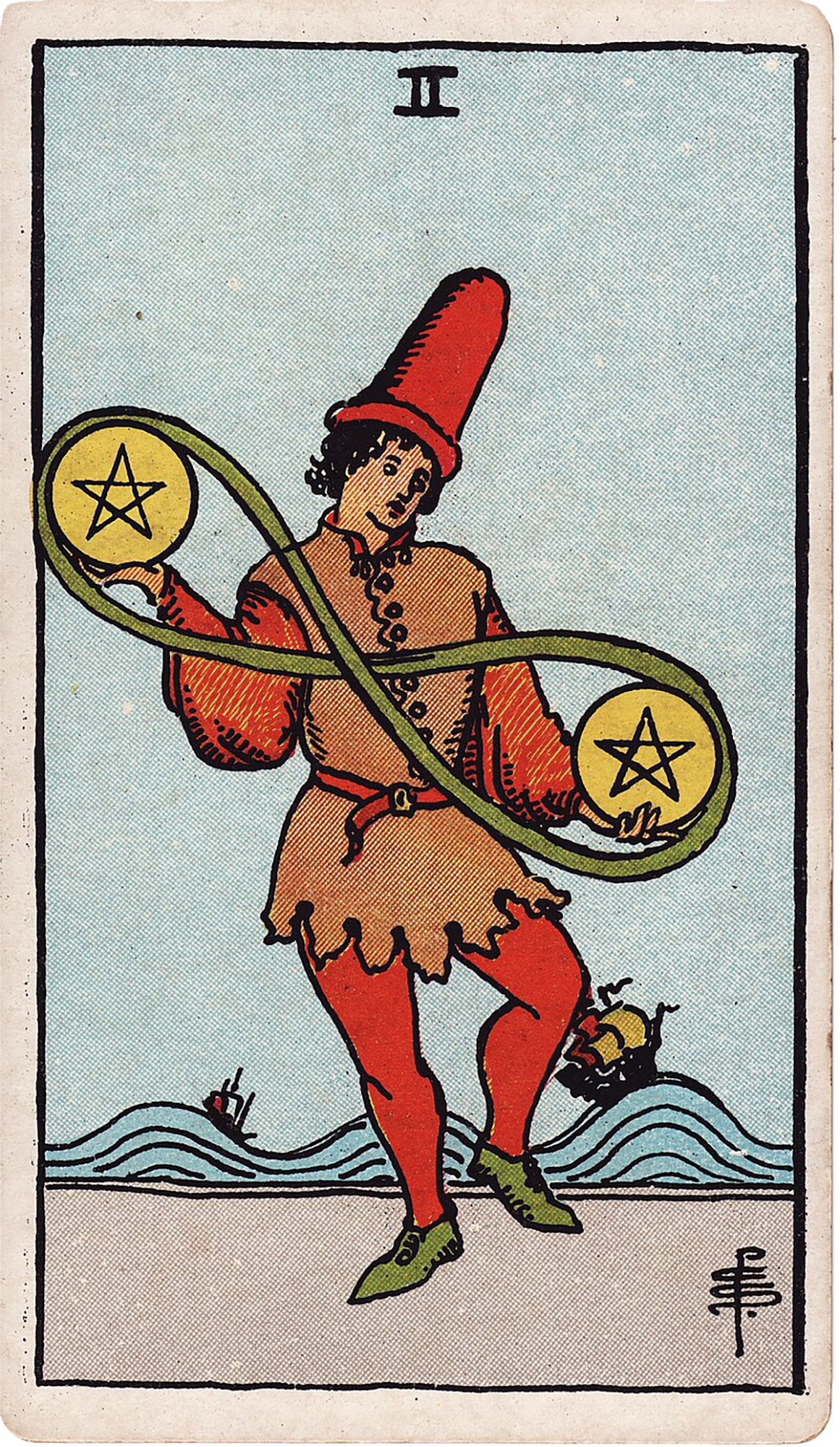 Situation2 of Pentacles
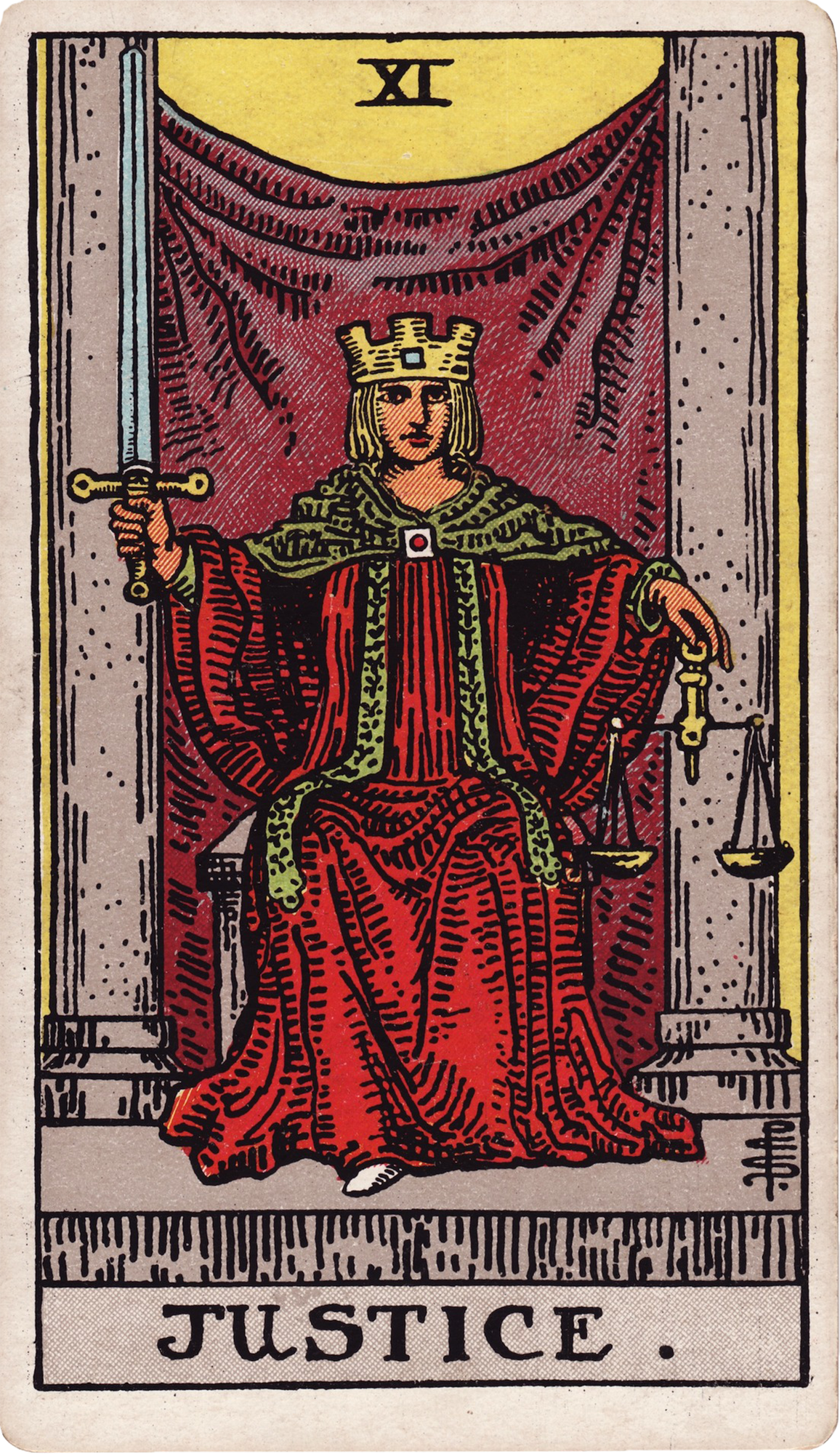 Option AJustice
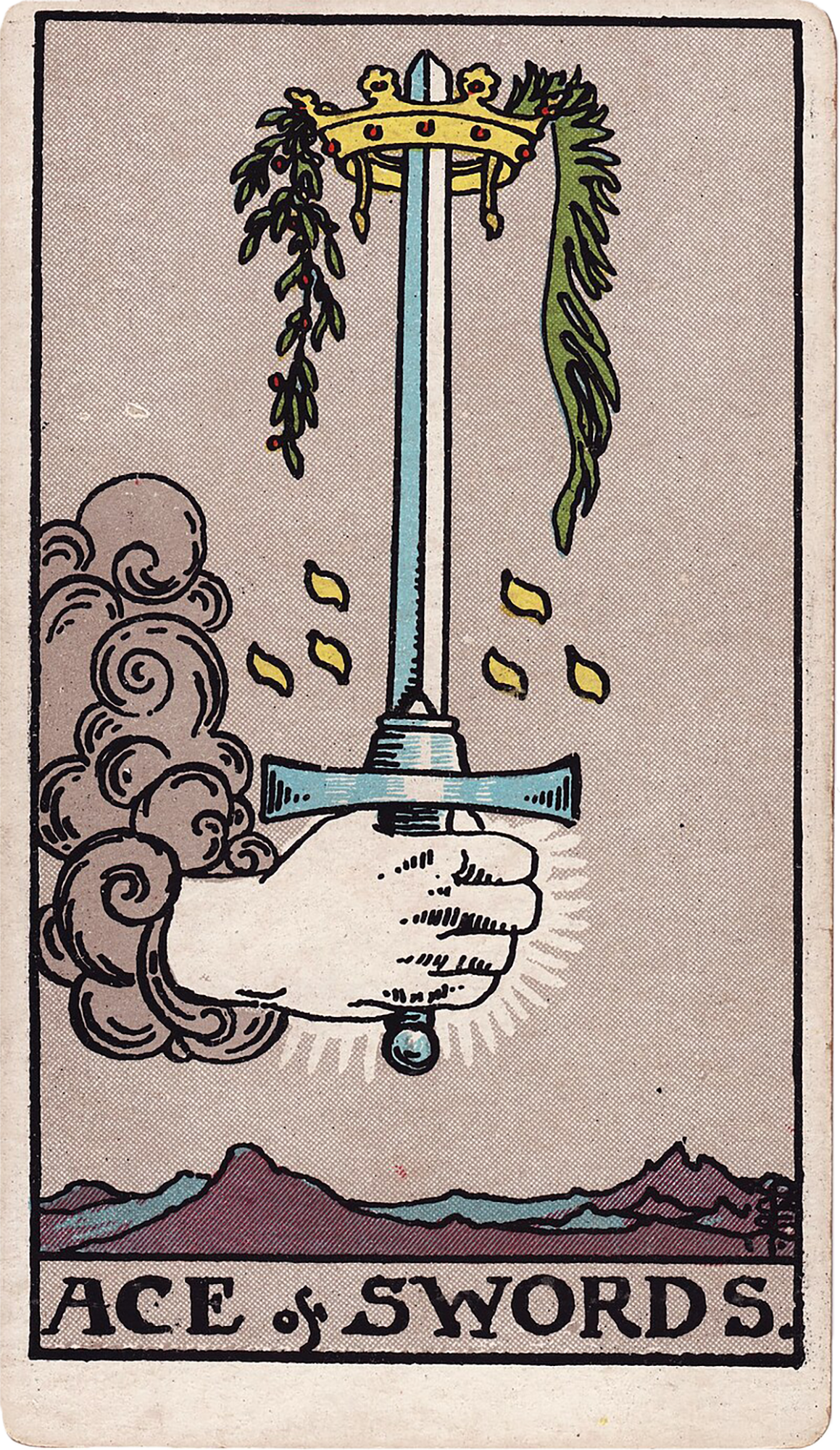 Option BAce of Swords
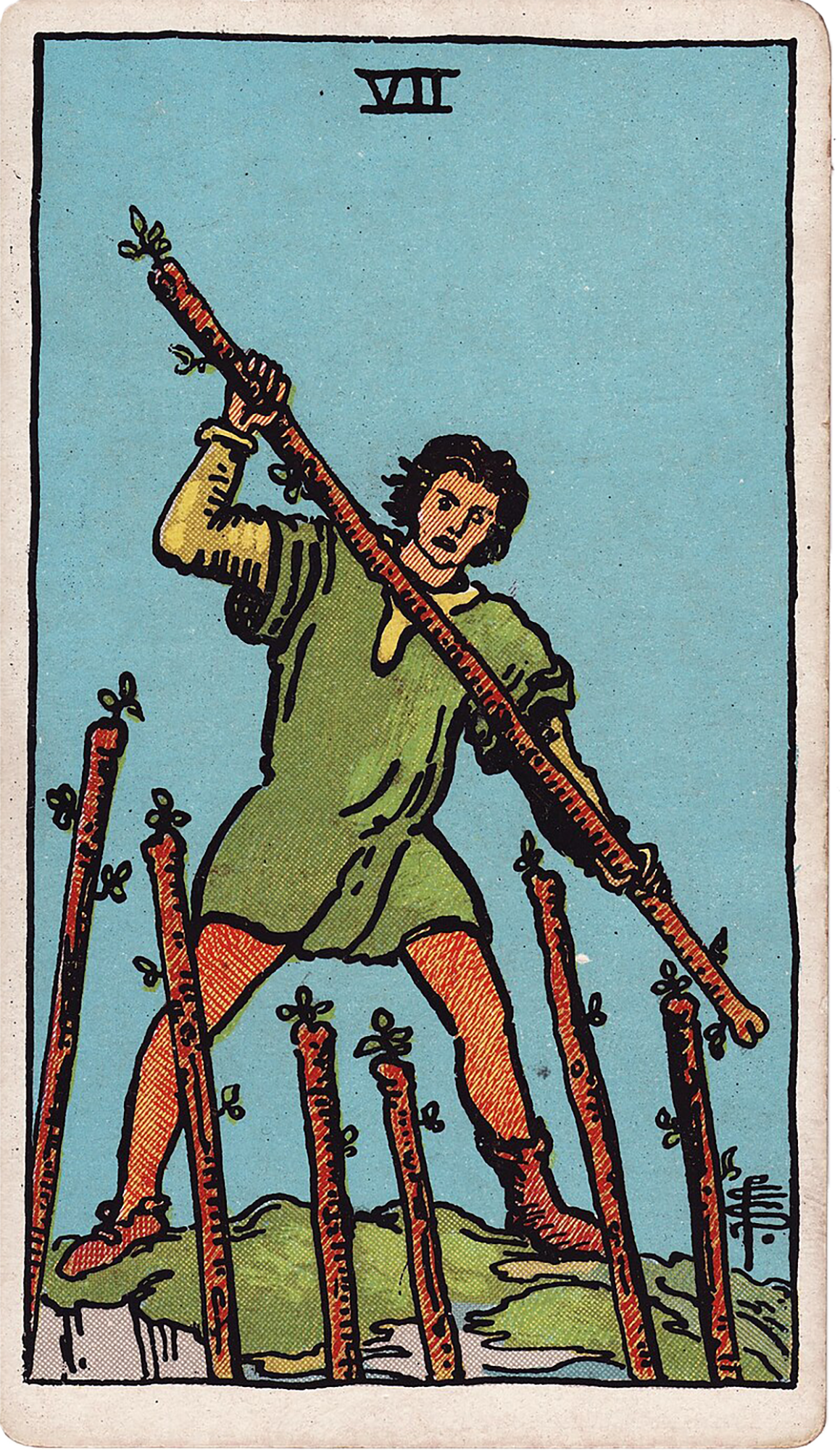 Hidden Factor7 of Wands
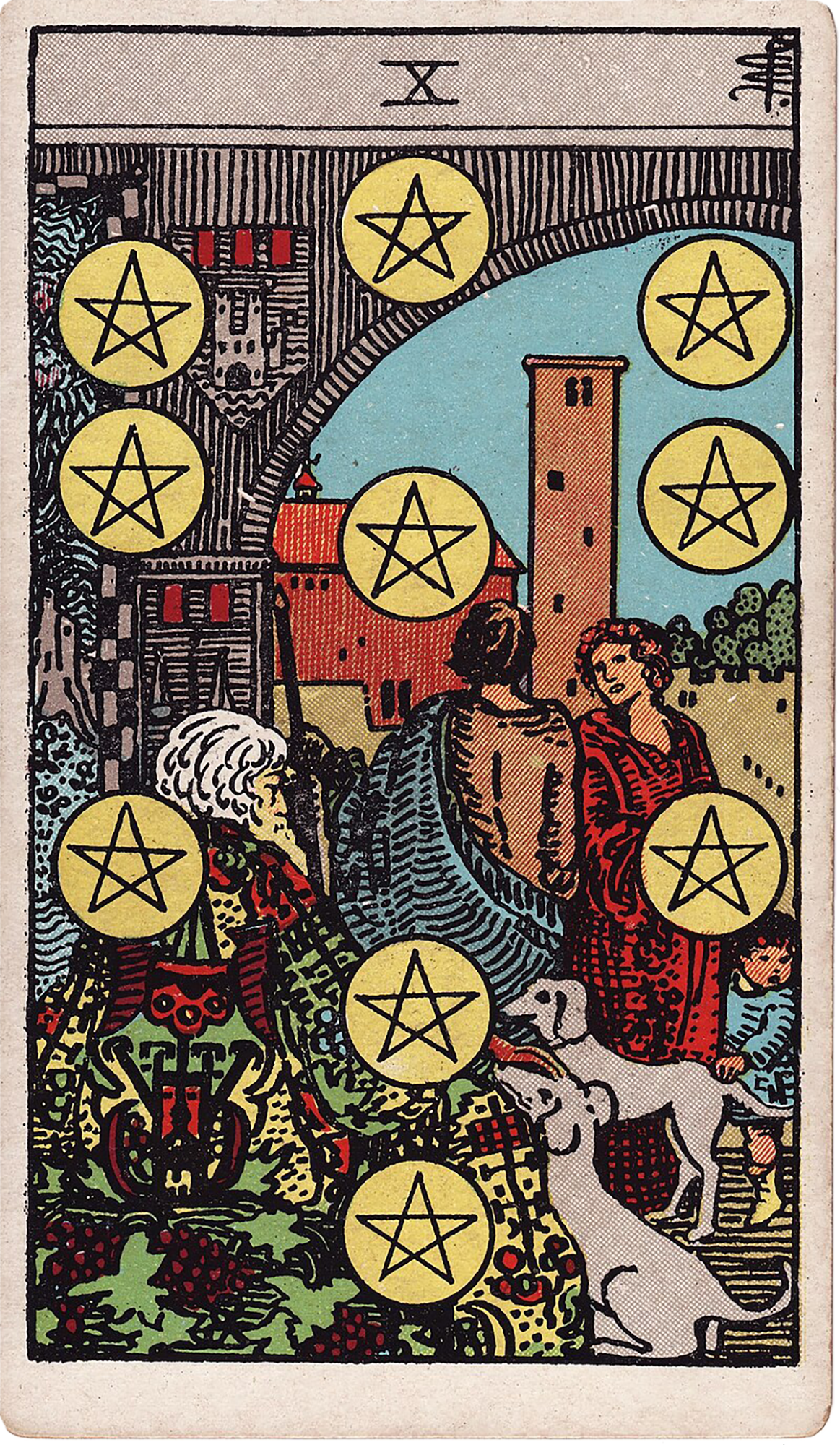 Advice10 of Pentacles
Introduction and when to use the Decision Five
Choosing between two job offers is a practical, often time-sensitive decision that benefits from structured inquiry. The Decision Five spread is designed to deliver a concise comparison: a clear statement of the situation, focused portraits of the two options, one card that clarifies hidden dynamics, and a single card of advice. In this worked example we use the supplied cards in order: Justice (Situation), 7 of Wands (Option A), Ace of Swords (Option B), 2 of Pentacles (Hidden Factor), and 10 of Pentacles (Advice). This article is instructional: it teaches method, interpretation logic, and how to reproduce the spread. It is not a guarantee of outcome but a way to illuminate considerations and internal dynamics relevant to deciding between two offers.
Layout and practical setup
Decision Five layout: place five cards left-to-right or in a T-shape. Use these position labels in order: Situation, Option A, Option B, Hidden Factor, Advice. Prepare by writing a neutral, specific question, for example: "I have two job offers. Option A is X, Option B is Y. What helps me decide?" Shuffle while holding that question. Draw five cards in order and place them into the positions listed above. In this worked reading we follow the exact sequence of supplied cards so learners can map meaning to the displayed images.
Position 1 Situation Justice
Position label: Situation. Card: Justice. Upright Justice emphasizes looking at facts clearly, accepting consequences, and making a fair decision that can withstand scrutiny. Visually, in Rider–Waite symbolism, Justice holds a sword and scales: the sword cuts through ambiguity and the scales measure proportion. Applied to a job-choice reading, Justice as the Situation card says the decision-making field is now sufficiently visible. Contracts, benefits, duties, compensation, and legal or ethical questions matter here. The image asks you to inventory what is factual: salary numbers, non-compete clauses, benefits, commute times, and written expectations. Justice in this spot also invites you to ask where clearer boundaries, a direct conversation, or documentation will change the stakes. This card does not promise an easy path; it requires precise accounting and accountability. When you look at the supplied Justice card image, notice the sword and scales as prompts: what needs to be measured? What needs to be spoken plainly and in writing?
Position 2 Option A 7 of Wands
Position label: Option A. Card: 7 of Wands. Upright, 7 of Wands highlights holding ground when values or hard-won progress are challenged. The RWS image of a lone figure above a hill, defending against multiple wands, suggests that Option A likely involves a role where you must defend your position, keep initiative, or use motivation to protect what you’ve earned. The card indicates that Option A will call for visible effort and perhaps ongoing negotiation or boundary-setting. Look at the imagery: the raised wand and elevated stance show that this job might place you in a competitive, visible, or leadership position where defending ideas matters. If you already have energy for that kind of active, public work, 7 of Wands as Option A is promising. If you are exhausted or dislike ongoing conflict, the card warns that Option A may demand repeated assertion. Pair this with Justice in the Situation slot: Option A will be judged on concrete performance and fair metrics—you will likely have to justify outcomes under scrutiny.
Position 3 Option B Ace of Swords
Position label: Option B. Card: Ace of Swords. Upright, Ace of Swords highlights a clear insight, decisive conversation or intellectual breakthrough. In RWS imagery the upright sword pierces clouds and is often crowned—signaling clarity, new contracts, decisive offers or honest communication. Option B, therefore, may present itself as the more transparent or strategically clear choice: a role that promises intellectual clarity, direct communication, or a fresh idea to pursue. The Ace of Swords suggests potential for a clean start and for negotiations that hinge on truth, terms, and well-framed agreements. In contrast to 7 of Wands’ defensive energy, Ace of Swords emphasizes initiation, honest contracting, and decisions that cut through uncertainty. With Justice as Situation, this suggests Option B could be easier to document, discuss directly, or refine through a single clear conversation or negotiation.
Position 4 Hidden Factor 2 of Pentacles
Position label: Hidden Factor. Card: 2 of Pentacles. Upright, 2 of Pentacles highlights managing changing priorities with flexibility. In RWS visuals the juggler’s pentacles are linked by an infinity-shaped ribbon, suggesting ongoing balancing and shifting of resources. As a hidden factor, 2 of Pentacles implies there are logistical juggling acts behind the scenes: shifting schedules, variable workloads, part-time or gig elements, or the need to manage cashflow and benefits across both roles. It may indicate that neither option is a perfectly stable, single-track path—one or both offers might require you to balance multiple responsibilities, freelance clients, or family commitments. Look at how the twinned pentacles link processes: the hidden issue is not a single number but an ongoing balancing act that will affect your daily life. Since it’s hidden, you might only discover this juggling after you accept, or it could be something a hiring manager assumes you can handle without clarifying. The card asks you to make juggling visible: ask concrete questions about hours, on-call duties, expectations for overtime, and what happens during periods of change.
Position 5 Advice 10 of Pentacles
Position label: Advice. Card: 10 of Pentacles. Upright, 10 of Pentacles highlights long-term material stability, shared resources, legacy and systems that outlast one individual. RWS imagery typically shows multiple generations, a family scene, and a stable household, signaling systems and outcomes that extend beyond immediate gain. As advice, 10 of Pentacles asks you to prioritize long-term stability and system-level fit: consider which job best supports your material continuity, family plans, retirement, savings, or the institutional structures you want to be part of. This card advises evaluating which option contributes to building a lasting foundation rather than a short-lived boost. Visually, look at the figures and architecture in the 10 of Pentacles: ask which offer connects you to a supportive network, predictable benefits, or a workplace that invests in longevity. Combined with Justice and the Ace of Swords and 7 of Wands, the Ten suggests that the morally and legally clear option that also supports long-term resources should carry more weight.
Card-to-card relationships and synthesis
Reading cards relationally is crucial. Start with Situation (Justice) as the frame: the decision must be fair, documented, and accountable. Option A (7 of Wands) and Option B (Ace of Swords) represent different operational energies: A requires standing your ground and sustained defense of value, B offers clarity and decisive communication. The Hidden Factor (2 of Pentacles) warns both options may involve ongoing juggling—time, side projects, or variable pay—so don’t let surface clarity (Ace of Swords) or confident bravado (7 of Wands) hide logistical strain. The Advice (10 of Pentacles) weighs heavily in favor of long-term material stability and legacy. Practical synthesis: Justice + 10 of Pentacles together indicate you should favor the option that your facts and contracts show most likely to provide sustainable resources and clear, enforceable terms. If 7 of Wands (Option A) is a place where you can build legacy but at the cost of constant defense and burnout, weigh that against Ace of Swords (Option B) which may offer clearer terms but might lack long-term systems. Use the 2 of Pentacles to ask: can I realistically juggle the demands implied? Which option aligns with building the 10 of Pentacles’ longevity?
How to reproduce this method and workbook steps
1) Write a neutral, specific question: include brief descriptions of both offers. 2) Shuffle and cut while holding the question; draw five cards in order. 3) Place them into the Decision Five positions: Situation, Option A, Option B, Hidden Factor, Advice. 4) Note upright/reversed status; consult symbolic cues: scales and sword in Justice, the defending figure in 7 of Wands, the crowned sword of Ace of Swords, the juggling pentacles of 2 of Pentacles, and the family/legacy architecture of 10 of Pentacles. 5) Read each position as above: describe concrete facts (Justice), the active demands of each option (7 of Wands and Ace of Swords), logistic pressures (2 of Pentacles), and the metric for choosing (10 of Pentacles). 6) Make a pro/con checklist aligned to cards: facts to verify, communication to have, boundaries to set, balancing strategies, and structural benefits to prioritize. Practice by journaling a short sentence for each card-image: what the scales/sword, defender, sword crown, juggling ribbons, and family scene ask you to confirm or negotiate.
Common mistakes, pitfalls, and troubleshooting
Common mistakes: 1) Reading with wishful thinking rather than facts—Justice warns against this. 2) Treating the Ace of Swords as a moral guarantee; it signals clarity when used, but you must confirm terms in writing. 3) Ignoring the 2 of Pentacles’ workload warnings; only discovering juggling after acceptance leads to regret. 4) Overvaluing dramatic imagery (e.g., seeing 7 of Wands and assuming constant fight) without checking context—ask whether defensive work is intermittent or ongoing. Troubleshoot by asking clarifying questions to employers, requesting written offers, and making a short spreadsheet comparing long-term benefits (10 of Pentacles criteria) and immediate demands (2 of Pentacles workload).
Practice exercises and sample questions
Practice 1: Do three mini-spreads with the same five position labels but different shuffles: record how Justice frames your facts differently each time. Practice 2: After pulling cards, write one action per card: what fact to verify (Justice), what boundary to set for Option A (7 of Wands), what conversation to initiate for Option B (Ace of Swords), what time-management experiment to run (2 of Pentacles), and one long-term financial step to prefer (10 of Pentacles). Sample questions to ask employers: ‘‘Can you confirm in writing the expected hours, overtime policy, and remote/hybrid rules?’’ (targets Justice and 2 of Pentacles); ‘‘What training, promotion track, or retirement contributions exist?’’ (targets 10 of Pentacles).
Closing considerations for learners
This Decision Five spread is practical and repeatable. Anchor your readings to the supplied card imagery: use the scales and sword of Justice to demand clarity, the defensive posture of 7 of Wands to assess stamina, the sharp crown of Ace of Swords to request clear terms, the juggling ribbon of 2 of Pentacles to plan schedules, and the multigenerational scene of 10 of Pentacles to evaluate long-term fit. Combine emotional sense with measurable questions. Your best choice will often be the one that Justice confirms on paper and the 10 of Pentacles supports in long-term material terms. Use the spread as a decision aid, verify facts with employers, and treat the cards as a map of considerations rather than an oracle that removes responsibility.
Practice questions
• What concrete facts have I not yet confirmed that Justice highlights (salary, benefits, contract terms)?
• Which elements of Option A match the defensive energy of 7 of Wands and can I maintain that level of assertion sustainably?
• What clear conversation or contract terms could I request from Option B that the Ace of Swords suggests?
• Where might I need to juggle responsibilities (2 of Pentacles) and what contingency plans would make that manageable?
• Which offer better aligns with the long-term stability and systems represented by 10 of Pentacles?
Comments
Sign in to comment.
Continue learning
Mastering Decision Making with the Five Card Cross Tarot Spread
The Five Card Cross Tarot Spread is a powerful tool for deepening decision-making skills by examining the present situation, past influences, future possibilities, challenges, and...
Exploring The High Priestess in Career Relationships and Personal Growth
The High Priestess card in the tarot deck invites readers to explore intuition, hidden knowledge, and inner wisdom across various life contexts. This article examines how The High...
Understanding The Chariot Card in Personal Ambition and Overcoming Obstacles
The Chariot card represents the power of focused will, disciplined action, and choosing a clear direction amid competing impulses. Upright, it encourages decisive steps forward usi...
Enhancing Clarity in Complex Choices with the Five Card Cross Tarot Spread
The Five Card Cross Tarot Spread is a practical tool designed to clarify complex choices by breaking down the decision into manageable parts. This article explores each position in...
Using the Five Card Cross Tarot Spread to Navigate Career Changes with Confidence
The Five Card Cross Tarot Spread is a versatile and insightful tool for navigating career changes. This article guides learners through the method step-by-step using a practical ex...
Understanding The Hermit in Self Discovery and Spiritual Enlightenment
The Hermit card in the Rider-Waite-Smith deck embodies themes of introspection, solitude, and spiritual wisdom. This article examines how The Hermit's upright and reversed position...
Using the Five Card Cross Spread to Make Confident Life Decisions
The Five Card Cross spread is a practical and insightful tarot layout designed to assist with complex life decisions by clarifying the situation, presenting options, uncovering hid...
Unlocking Emotional Depth with The Moon and The Lovers in Tarot Combinations
This article delves into the nuanced interplay between The Moon and The Lovers tarot cards, emphasizing how their combination unlocks emotional depth and complexity. By examining u...
Making Confident Life Choices with the Five Card Cross Tarot Spread
The Five Card Cross Tarot Spread is a powerful tool designed to aid practical decision-making, particularly within family or life-altering situations. This article explains the spr...
Using the Five Card Cross Tarot Spread to Gain Confidence in Difficult Decisions
The Five Card Cross spread is a powerful practical tool for navigating difficult decisions with confidence. By placing cards in positions representing Situation, Option A, Option B...