Decoding Transformation and Renewal with Death and The Star in Tarot Combinations
This article delves into the card combination of Death and The Star, two powerful Major Arcana cards from the Rider-Waite-Smith deck. It explores how their imagery and meanings interact to reveal complex themes of transformation, endings, hope, and renewal. Readers will learn to interpret these cards together in various life contexts such as relationships, career, and emotional growth, moving beyond simplistic one-card-at-a-time readings. Practical techniques and examples help deepen understanding and avoid common mistakes like ignoring card interplay or overgeneralizing reversals.
Read the cards together
 Death
Death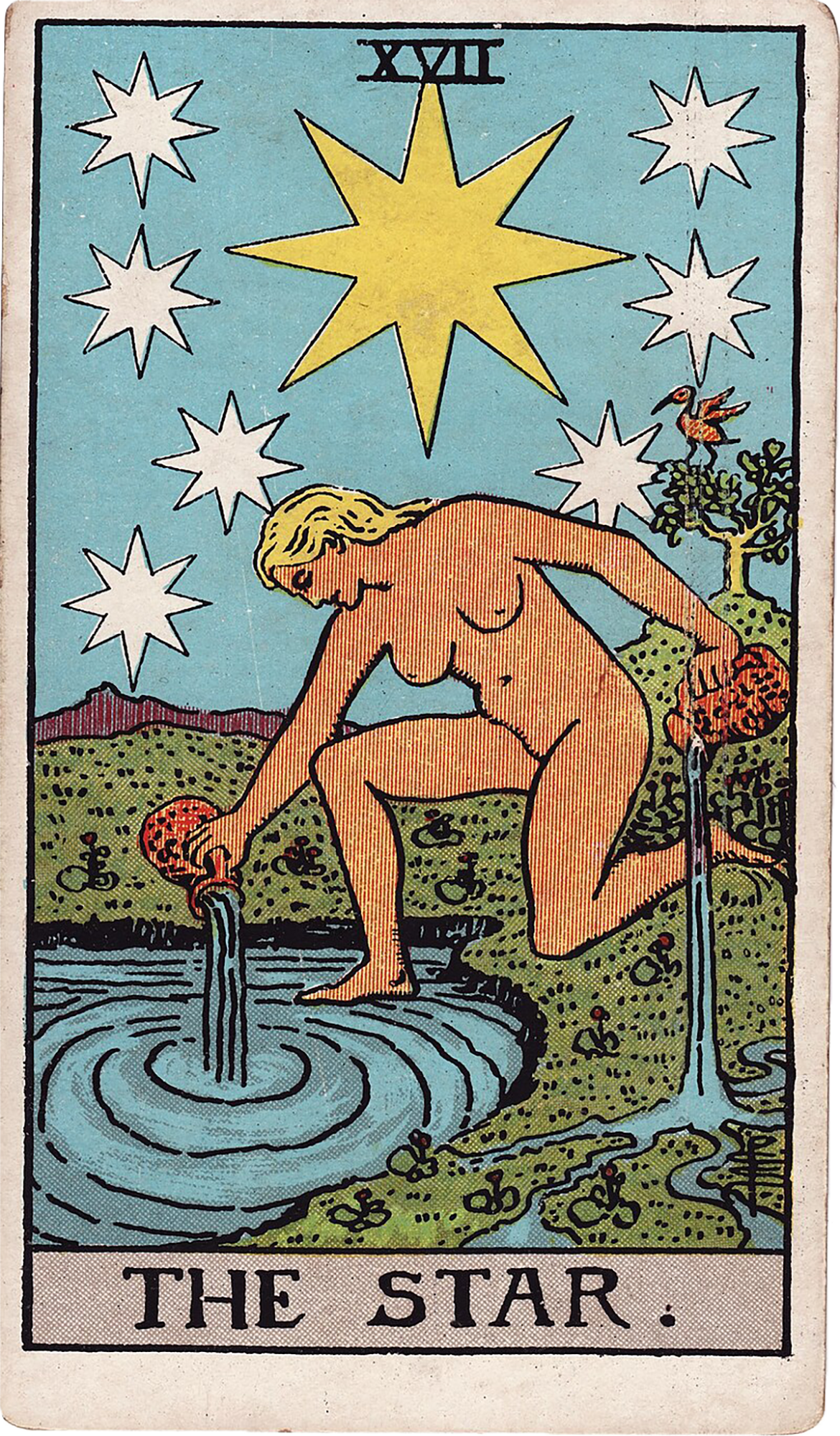 The Star
Understanding Death and The Star as Individual Cards
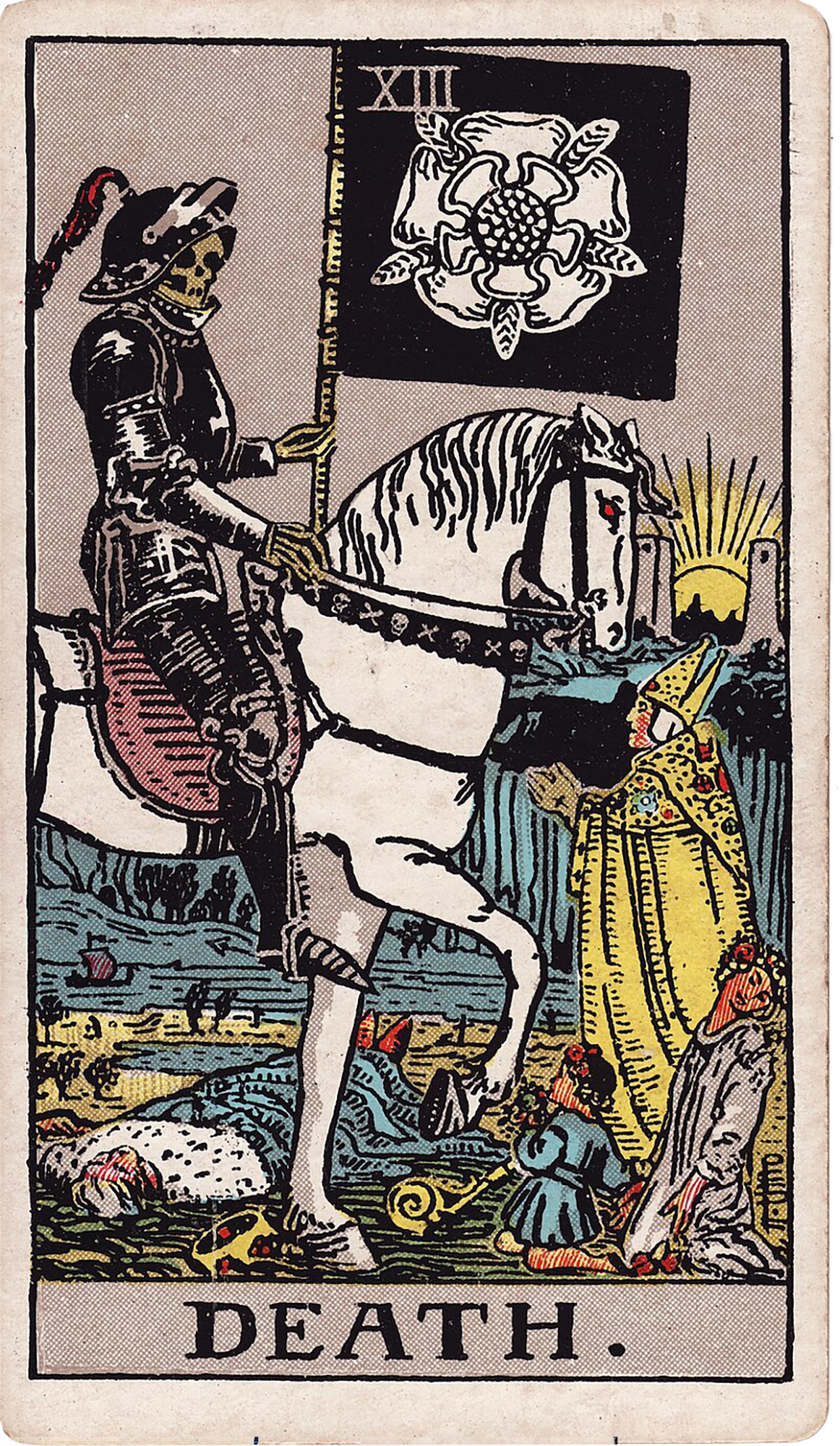
To appreciate the combination of Death and The Star, start by grounding yourself in each card’s fundamental symbolism and messages. The Death card in its upright position signals the necessity of a clear ending — allowing what is complete to pass so transformation can occur. It emphasizes conscious engagement with endings and the courage to release attachments, not as a guarantee of ease, but as a constructive quality to embrace. Visually, Death rides a pale horse, symbolizing the inevitability and impartiality of change, surrounded by imagery of renewal such as the rising sun. The Star, upright, offers a complementary but distinct message: the return of hope, healing, and steady renewal through authenticity and openness. It encourages actively participating in rebuilding confidence rather than passively waiting. The image of a woman pouring water back into the earth and a pool symbolizes replenishment and the flow of life energy. When reading these cards, avoid viewing them as isolated symbols. Instead, consider their messages as part of a narrative — Death calls for transformation by shedding old forms, while The Star provides the hope and inspiration needed to move forward with openness and trust in the future.
How Death and The Star Modify Each Other’s Meanings in Combination
When Death and The Star appear together, their interplay deepens the reading beyond their individual interpretations. Death’s emphasis on endings and transitions sets the stage for The Star’s promise of renewal and hope. This sequence suggests not only that change is required but that healing and positive growth will follow if the transformation is embraced consciously. In practical terms, Death can highlight the painful or necessary nature of letting go, while The Star reassures that this process is not destructive alone but leads to restoration. The combination urges a balance: clearly recognize and engage with what must end (Death), but simultaneously cultivate hope, openness, and a vision for the future (The Star). This synergy helps avoid common tarot reading mistakes such as interpreting Death only as loss or The Star only as positivity. Instead, their partnership shows a dynamic cycle where endings fuel renewal, and hope informs how we let go. The Rider-Waite-Smith imagery reinforces this — Death’s skeletal figure on a white horse signals impartial change, while The Star’s radiant figure brightens the path forward.
Reading Death and The Star in Relationship Contexts
In relationships, pairing Death and The Star invites a nuanced exploration of transformation and hope. Death upright suggests a crucial ending or a necessary clearing of old dynamics — perhaps the conclusion of a phase, habit, or unhealthy pattern. This card signals that staying stuck or clinging may hinder growth. The Star alongside Death brings reassurance that despite endings, renewal and healing are possible. The Star’s imagery of water flowing back to the earth symbolizes emotional replenishment, encouraging partners or individuals to nurture trust and authenticity even amid change. For example, a couple facing a breakup (Death) might also receive The Star as a sign that healing and new hopeful beginnings await if they embrace honest communication and self-care. Alternatively, within ongoing relationships, this combination might indicate the need to release outdated expectations to restore connection with renewed openness. This pairing teaches readers not to rush closure or ignore grief but to balance acceptance of endings with fostering future possibilities. Recognizing these cards together prevents overly pessimistic or overly optimistic interpretations.
Interpreting Death and The Star in Career and Practical Life Situations
In career or practical contexts, Death coupled with The Star signals both challenge and opportunity. Death may represent the end of a job, project, or phase of professional development — possibly sudden or unavoidable. It invites the querent to confront this ending directly, establishing clearer boundaries or making deliberate choices to progress. The Star’s presence reassures that after this necessary closure, the seeds of renewal and inspiration exist. It encourages the seeker to act from authenticity and open-mindedness, envisioning new possibilities rather than succumbing to discouragement or waiting passively. For instance, a person facing job loss (Death) may also receive The Star, indicating that while the ending is real, it also clears space for a fresh start grounded in hope and steady rebuilding. The Star’s water symbolism reminds them to nurture their resources and remain connected to their inner guidance. Together these cards discourage avoidance or fear of change and highlight the importance of balancing acceptance with proactive faith in the future. Avoid reading Death as purely negative or The Star as naïvely optimistic; their interaction reflects the complex emotional reality of career transitions.
Emotional and Psychological Dimensions of Death and The Star
Emotionally, Death and The Star together articulate a journey from releasing old emotional patterns to embracing renewed hope and healing. Death upright challenges the querent to confront areas where they may be clinging to outdated beliefs, fears, or identities that no longer serve them. This process can be difficult and may require honest self-reflection and setting new boundaries. The Star’s role is to encourage an authentic return to inner balance and faith. It suggests that healing arises through openness, vulnerability, and steady renewal rather than denial or avoidance. The imagery of The Star pouring water symbolizes the flow of emotional nourishment and the restoration of depleted energy. In psychological readings, this combination might indicate a person is undergoing a significant internal transformation — moving through grief or loss toward emotional recovery. It also signals the importance of patience and deliberate choice in this process. Reading these cards as a pair helps avoid simplistic judgments like “endings mean failure” or “hope means everything is fine.” Instead, it highlights that emotional transformation is complex, involving both surrender and active participation in healing.
Practical Techniques for Reading Death and The Star Together
To interpret Death and The Star effectively, follow these practical steps: 1. Observe each card’s upright or reversed position and consider how that modifies the primary message. For example, reversed Death may show resistance to change, while reversed Star might indicate discouragement impacting renewal. 2. Look closely at the imagery — Death’s skeletal rider and The Star’s nurturing figure provide visual cues about the nature of endings and hope. Notice symbols like the white horse, the flowing water, and the stars themselves. 3. Frame questions for the querent that explore where endings are occurring and how they are embracing or resisting renewal. Examples: “What are you ready to release?” and “Where can you cultivate hope in this situation?” 4. Contextualize the combination within the querent’s life area — relationship, career, emotional journey — and avoid generic or overly deterministic interpretations. 5. Avoid reading each card separately and then combining summaries. Instead, synthesize their interaction as a narrative about cycles of transformation and healing. 6. Use neighboring cards (if present) to clarify whether resistance, recovery, or other nuances are emphasized. By practicing this integrated approach, readers develop richer, more nuanced insights that honor the complexity of real-life transitions.
Common Pitfalls and How to Avoid Them in Reading These Cards
A frequent mistake is treating Death as solely ominous and The Star as purely positive without exploring their dynamic tension. This leads to oversimplified predictions and misses opportunities for deeper guidance. Another error is ignoring the card positions — upright versus reversed — which can reveal if energies are blocked, delayed, or expressed out of balance. For example, reversed Death might highlight fear of change, and reversed Star discouragement, which alters the overall reading. Some readers separate the cards too rigidly, offering two distinct messages rather than weaving a coherent story. This approach fails to leverage the synergy that occurs when these cards combine. Lastly, neglecting the querent’s personal context and asking generic questions reduces the reading’s relevance. Each combination should be tailored in light of the seeker’s situation and emotional state. Avoid these pitfalls by focusing on integration, symbolism, position, and context, allowing the cards to guide a nuanced exploration of transformation and hope.
Summary and Integration for Learners
The combination of Death and The Star in tarot offers a profound story of transformation paired with healing hope. Death urges conscious engagement with necessary endings, encouraging clarity and release. The Star complements this by nurturing optimism, authenticity, and steady renewal. Together, these cards form a cycle: endings clear space for renewal, and hope guides the path forward. Their Rider-Waite-Smith imagery reinforces this message through powerful symbols — the impartial horse of Death and the nurturing figure of The Star. For learners, the key is to resist simplistic interpretations and instead explore how these cards interact dynamically across life contexts such as relationships, careers, and emotional growth. By focusing on integration, symbolism, and context, readers can offer insightful, compassionate guidance that honors the complexity of change. This combination teaches that transformation is both a challenge and an opportunity — one requiring both release and faith. Approached thoughtfully, Death and The Star encourage readers and seekers alike to navigate life’s cycles with courage and hope.
Practice questions
• In what areas of your life might you be resisting an ending or transformation indicated by Death?
• How can you cultivate the renewing hope and openness symbolized by The Star during times of change?
• What does the imagery of Death’s horse and The Star’s flowing water teach you about cycles of endings and renewal?
• How might the combination of these cards inform your approach to difficult conversations in relationships or work?
• Where in your current situation can you set clearer boundaries to facilitate transformation?
• What practical steps can you take to balance acceptance of endings with active hope for the future?
Comments
Sign in to comment.
Continue learning
Interpreting the Dance of Justice and The Devil: Balancing Morality and Temptation in Tarot Readings
The combination of Justice and The Devil in tarot presents a profound exploration of morality, temptation, and personal accountability. This article unpacks how these cards influen...
Harnessing the Power of The Magician and Ace of Wands: Igniting Creativity and Manifestation in Tarot Readings
The combination of The Magician and the Ace of Wands in tarot readings offers a potent blend of creative energy and manifestation power. This article delves into the ways these car...
Understanding the Synergy Between The Empress and The Emperor in Tarot Card Combinations
This article delves into the intricate synergy between The Empress and The Emperor cards in Tarot, focusing on how their combined energies modify and enrich readings across various...
Balancing Ambition and Compassion with The Emperor and Queen of Cups in Tarot Combinations
This article delves into the nuanced Tarot card combination of The Emperor and Queen of Cups, emphasizing how their energies complement and challenge each other. By analyzing their...
Finding Emotional Healing and Renewal with The Star and The Moon Tarot Combination
This article examines the rich interplay between The Star and The Moon tarot cards when they appear together in a reading. Using the traditional Rider-Waite-Smith symbolism and the...
Unlocking Emotional Wisdom with The High Priestess and The Queen of Cups in Tarot Combinations
This article delves into the card combination of The High Priestess and The Queen of Cups, emphasizing their shared themes of intuition, emotional depth, and receptivity. By examin...
Unlocking Emotional Resilience with Strength and The Star in Tarot Combinations
This article delves into the Tarot card combination of Strength and The Star, revealing how their interplay highlights pathways to emotional resilience. Anchored in the Rider-Waite...
Unveiling Emotional Strength with Strength and The Queen of Cups in Tarot Combinations
This article delves into the dynamic Tarot combination of Strength and The Queen of Cups, emphasizing how these cards together illuminate emotional strength, compassionate boundari...
Unlocking Emotional Transformation with Death and The Moon Tarot Combination
This article explores the rich and complex interaction between the Death and The Moon tarot cards within the Rider-Waite-Smith tradition, focusing on their combined potential to un...
Unlocking Personal Ambition and Emotional Balance with The Chariot and Queen of Cups
The Chariot and Queen of Cups together represent a compelling combination of disciplined ambition and emotional maturity. This article guides learners through understanding how the...