
Developing Dual Card Combinations for Deeper Intuitive Tarot Readings
This article explores the technique of developing dual card combinations to enrich intuitive tarot readings. Using The High Priestess and The Hermit as key examples, it guides readers through foundational and advanced methods to connect, compare, and synthesize the messages of two cards. Readers will learn how to engage with symbolism, balance upright and reversed meanings, and avoid common pitfalls. Practical steps and interpretive logic are provided to help both beginners and advanced readers integrate dual card analysis into their practice for deeper insight and resonance.
Cards explored in this article
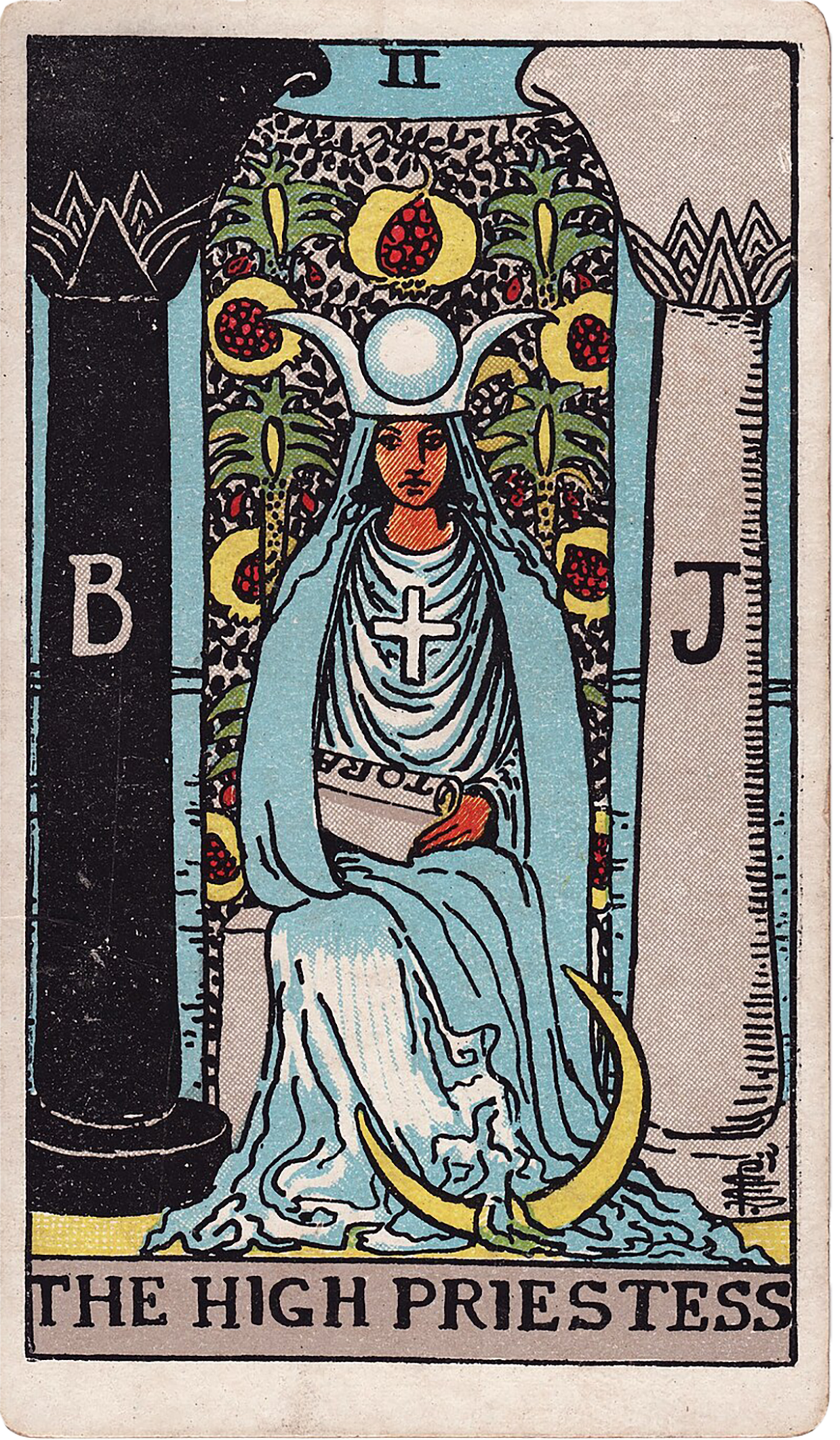 The High Priestess
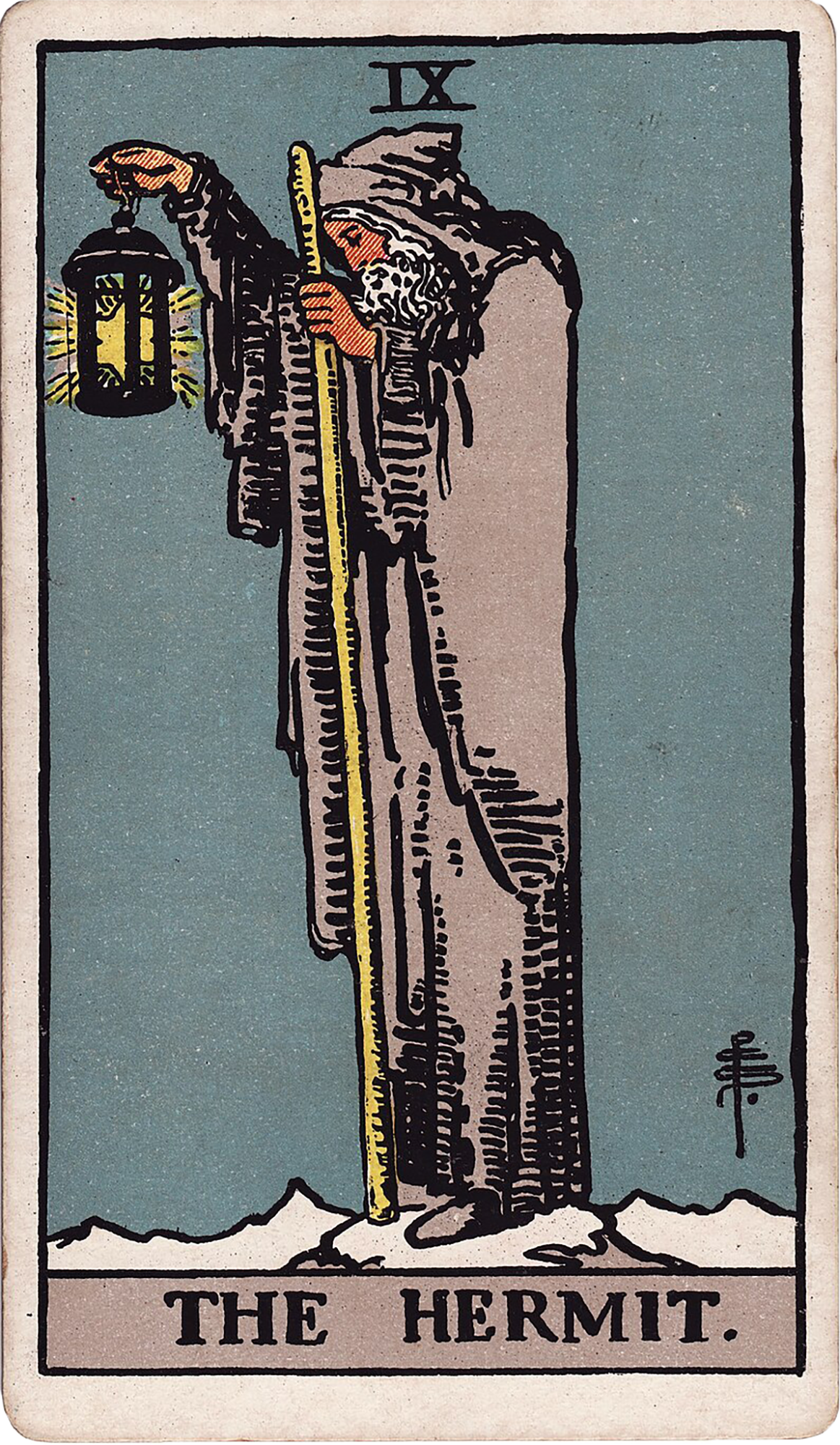 The Hermit
Introduction to Dual Card Combinations
In tarot reading, the power of a single card is undeniable, yet combining cards can unlock richer narratives and subtle emotional nuances. Dual card combinations involve interpreting two cards together, not simply as isolated symbols but as interconnected energies that amplify, contrast, or complement each other. This technique can deepen intuitive understanding and provide a multi-dimensional perspective on a question or situation. Using the Rider-Waite-Smith tradition as a foundation, this article focuses on The High Priestess and The Hermit—two Major Arcana cards embodying introspection, wisdom, and subtle insight. Their pairing serves as a perfect case study for developing dual card interpretive skills, bridging beginner curiosity with advanced synthesis.
Understanding The High Priestess and The Hermit in Isolation
Before combining cards, it is crucial to understand each card’s individual meaning and symbolism. The High Priestess, upright, embodies listening beneath surface appearances, trusting quiet discernment, and engaging with what is subtly revealed. She encourages working with the information presently available and invites asking where honesty, boundaries, or deliberate choice could propel development. Reversed, she signals disconnection from intuition, secrecy, or distorted inner knowing, prompting the reader to explore where these energies may be blocked or exaggerated. Similarly, The Hermit upright emphasizes stepping back, seeking clarity through solitude, and valuing depth over distraction. He represents a conscious withdrawal to gain insight, encouraging deliberate reflection and honest assessment. When reversed, The Hermit warns of isolation, avoidance, or excessive analysis that impedes engagement with reality. Both cards share themes of introspection and inner work but express it differently: The High Priestess as receptive wisdom and The Hermit as active searching.
Theoretical Foundations for Combining Cards
Combining cards involves more than merging meanings; it requires exploring the dynamic interplay between their energies. A good dual card technique considers: 1. Symbolic resonance: How do the symbols on each card interact? For instance, The High Priestess’s crescent moon and scroll meet The Hermit’s lantern and cloak of solitude. These symbols together highlight illuminated inner knowledge revealed through quiet contemplation. 2. Upright/reversed dynamics: When cards appear in different orientations, their interplay can reveal tensions or harmonious balances. For example, an upright High Priestess paired with a reversed Hermit might suggest intuitive awareness hampered by isolating tendencies. 3. Narrative sequencing: Reading two cards as a progression or dialogue can expose evolving psychological or spiritual processes. The High Priestess may indicate initial inner receptivity, while The Hermit represents deeper active seeking following that awareness. 4. Complementary versus contrasting themes: Recognizing whether cards support or challenge each other helps refine interpretation. Both cards share introspective qualities, but subtle contrasts in the nature of their inner work enrich the reading.
Step-by-Step Technique for Developing Dual Card Interpretations
To develop dual card combinations effectively, follow these steps: 1. Observe each card individually: Note upright or reversed positions, key symbols, and traditional meanings. For The High Priestess and The Hermit, focus on their respective themes of receptive knowing versus active searching. 2. Identify thematic overlaps: Both cards call for introspection, but distinguish the nuances; receptive silence (High Priestess) versus deliberate solitude (Hermit). 3. Analyze symbolism interplay: Consider how the moon, scroll, lantern, and solitary figure interact. Does illumination come from inner wisdom, external guidance, or a synthesis? 4. Consider orientation effects: Explore how reversed meanings add complexity, such as blocked intuition or harmful isolation. 5. Formulate a combined narrative: Create a short story or progression that connects the two cards’ messages. For example, a seeker might first encounter intuitive uncertainty (High Priestess reversed) but then consciously engage in honest self-reflection (Hermit upright). 6. Anchor your intuition: Use your gut feelings alongside analytical reasoning to enrich meaning. 7. Consult the querent’s context: Tailor interpretation to their question and situation to avoid generic answers. This structured approach builds both beginner confidence and advanced nuance in dual card readings.
Common Mistakes and How to Avoid Them
Dual card combinations can be challenging, especially for beginners or those accustomed to single card readings. Common pitfalls include: - Overgeneralizing meanings: Avoid simply stacking definitions from two cards. Instead, seek how they modify or inform each other. - Ignoring card orientation: Reversed cards carry distinct messages that impact the dynamic between cards. - Neglecting symbolism: Focusing solely on keywords misses the richness of visual cues like The High Priestess’s pomegranate veil or The Hermit’s lantern glow. - Forcing narratives: Don’t artificially connect cards if the relationship isn’t clear; sometimes the message is contrast or tension. - Forgetting querent context: Interpretations divorced from the question can become vague or irrelevant. Avoid these by remaining present, methodical, and open to multiple layers of meaning, always returning to the cards’ imagery and traditional symbolism.
Practical Exercises for Enhancing Dual Card Reading Skills
To build skill and intuition with dual card combinations, try these exercises: 1. Daily Pair Draw: Draw The High Priestess and The Hermit daily, study their upright and reversed meanings, and journal how their combined message might apply to your day. 2. Imagery Focus: Spend time visually examining the supplied cards. Note every detail, then write how these details shape your reading. 3. Role Reversal: Read the pair in both possible orders (High Priestess first, then Hermit, and vice versa) and compare insights. 4. Scenario Practice: Create hypothetical querent questions (e.g., about decision-making or personal growth) and practice dual card interpretations, adapting meanings to context. 5. Peer Discussions: Exchange readings with others to see different perspectives on the same two cards. Consistent practice using these techniques will deepen intuitive mastery and foster confidence in applying dual card combinations.
Interpretation Logic Illustrated by The High Priestess and The Hermit
Let’s illustrate interpretation logic by analyzing a few dual card combinations from the supplied cards: - Both Upright: The High Priestess upright paired with The Hermit upright suggests a powerful synergy of inner wisdom and active searching. This combination indicates that trusting subtle intuition (Priestess) combined with deliberate reflection and withdrawal (Hermit) can lead to meaningful insights and clarity in a situation. - High Priestess Reversed, Hermit Upright: This pairing may reflect a tension where intuitive knowledge feels blocked or distorted, but conscious contemplation is still possible. The reader might advise the querent to acknowledge confusion or secrecy (Priestess reversed) while using honest self-reflection (Hermit upright) to gradually regain clarity. - High Priestess Upright, Hermit Reversed: Here, receptive inner knowing is intact, but excessive isolation or avoidance (Hermit reversed) may cause stagnation. The guidance may involve balancing intuitive receptivity with active social or external engagement. These examples demonstrate how the cards’ upright and reversed qualities interact dynamically, creating nuanced narratives rather than fixed predictions.
Advanced Techniques for Expanding Dual Card Combinations
For advanced readers seeking to deepen dual card work, consider integrating these techniques: - Elemental Correspondence: Both cards can be linked to intuitive water (High Priestess) and reflective earth/air (Hermit) energies. Explore how elemental qualities influence their interaction. - Numerological Analysis: Both are Major Arcana with numerical values (II and IX). Reflect on the symbolism of these numbers (duality and introspection) and how it informs the combination. - Psychological Archetypes: Frame The High Priestess as the archetype of the intuitive feminine wisdom and The Hermit as the wise elder seeker. Analyze how these archetypes dialogue within the reading. - Color Symbolism: Study the blues, grays, and whites on the cards to uncover emotional and spiritual tones. - Layered Contextualization: Combine dual card interpretations with spread position meanings or surrounding cards for multi-layered insights. These approaches enrich your reading toolbox and allow more subtle, complex interpretations of dual card combinations.
Conclusion and Integrating Dual Card Combinations into Practice
Developing skill with dual card combinations is a valuable step in evolving your tarot practice. Using The High Priestess and The Hermit as exemplars demonstrates how deep symbolism, upright/reversed dynamics, and narrative interplay create rich, nuanced messages. By applying a structured technique—observing, analyzing, synthesizing, and contextualizing—you enhance both intuitive insight and analytical clarity. Whether you are a beginner or an advanced reader, practicing these methods fosters confidence in navigating complex psychic landscapes and offers querents more layered, resonant guidance. Remember to always honor the cards’ imagery, remain flexible in interpretation, and ground your reading in the querent’s lived experience. With time and practice, dual card combinations become a powerful bridge between surface meaning and profound intuitive wisdom.
Practice questions
• How do the symbols on The High Priestess and The Hermit complement or challenge each other in a reading?
• In what ways can upright and reversed positions of these cards alter their combined message?
• How can you use narrative sequencing to connect the messages of two cards effectively?
• What are some signs that you might be forcing a connection between two cards, and how can you avoid this?
• How might you tailor a dual card interpretation to better fit the querent’s specific question or context?
Comments
Sign in to comment.
Continue learning
Harnessing the Power of The Magician and Ace of Wands: Igniting Creativity and Manifestation in Tarot Readings
The combination of The Magician and the Ace of Wands in tarot readings offers a potent blend of creative energy and manifestation power. This article delves into the ways these car...
Understanding the Synergy Between The Empress and The Emperor in Tarot Card Combinations
This article delves into the intricate synergy between The Empress and The Emperor cards in Tarot, focusing on how their combined energies modify and enrich readings across various...
Advanced Techniques for Combining The Moon and The Star to Enhance Intuition in Tarot Readings
This article explores advanced techniques to combine the symbolism and energy of The Moon and The Star Tarot cards to enhance intuition during Tarot readings. Drawing from traditio...
Using the Five Card Cross Tarot Spread to Navigate Career Changes with Confidence
The Five Card Cross Tarot Spread is a versatile and insightful tool for navigating career changes. This article guides learners through the method step-by-step using a practical ex...
Finding Emotional Healing and Renewal with The Star and The Moon Tarot Combination
This article examines the rich interplay between The Star and The Moon tarot cards when they appear together in a reading. Using the traditional Rider-Waite-Smith symbolism and the...
Using the Career Five Card Spread to Uncover Professional Strengths and Opportunities
This article presents a comprehensive guide to the Career Five Card Spread, designed to help learners explore professional strengths and opportunities using five specific Tarot car...
Unlocking Emotional Resilience with Strength and The Star in Tarot Combinations
This article delves into the Tarot card combination of Strength and The Star, revealing how their interplay highlights pathways to emotional resilience. Anchored in the Rider-Waite...
Unlocking Emotional Transformation with Death and The Moon Tarot Combination
This article explores the rich and complex interaction between the Death and The Moon tarot cards within the Rider-Waite-Smith tradition, focusing on their combined potential to un...
Unlocking Personal Ambition and Emotional Balance with The Chariot and Queen of Cups
The Chariot and Queen of Cups together represent a compelling combination of disciplined ambition and emotional maturity. This article guides learners through understanding how the...
Using the Three Card Spread to Gain Clarity on Past Present and Future Influences
This article guides learners through the practical use of the Three Card Spread to gain clarity on past, present, and future influences. Using the specific cards The Emperor in the...