
Evaluate a Job Offer with the Celtic Cross Spread
This worked Celtic Cross demonstrates how to use a classic ten-card spread to evaluate a job offer. Each position is explained in practical terms and illustrated with the supplied cards in order: The Emperor (Present / Heart), Justice (Challenge), 2 of Swords (Foundation), Ace of Pentacles (Recent Past), 3 of Pentacles (Possibility), 6 of Pentacles (Near Future), 8 of Pentacles (Self), 10 of Pentacles (Environment), Page of Pentacles (Hopes & Fears), King of Pentacles (Outcome). The article covers how to lay the spread, read card-to-card relationships, turn symbolism into negotiation questions and action steps, common mistakes learners make, and an easy reproducible method so you can practice with real offers.
Celtic Cross
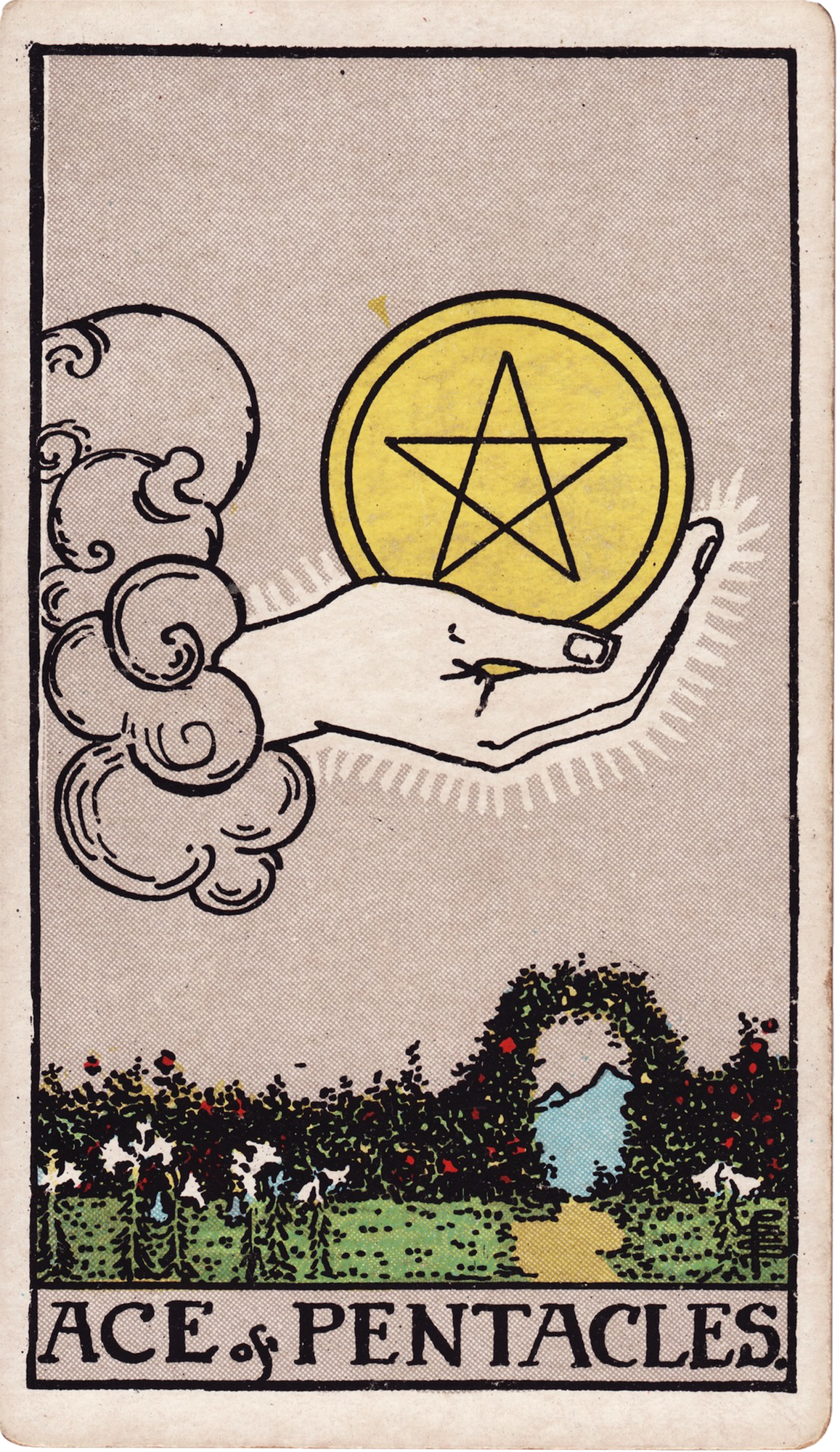 Present / HeartAce of Pentacles
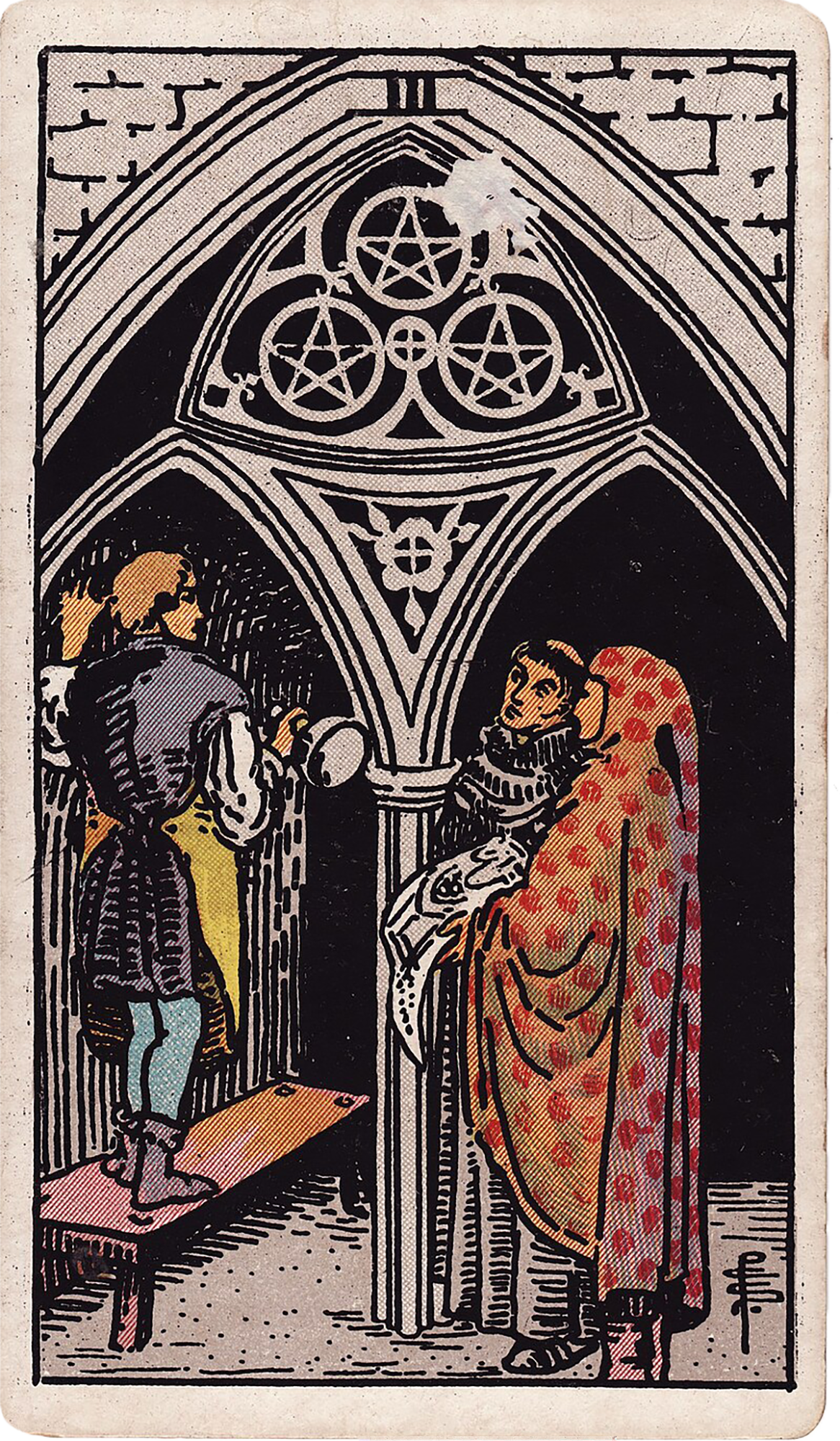 Challenge3 of Pentacles
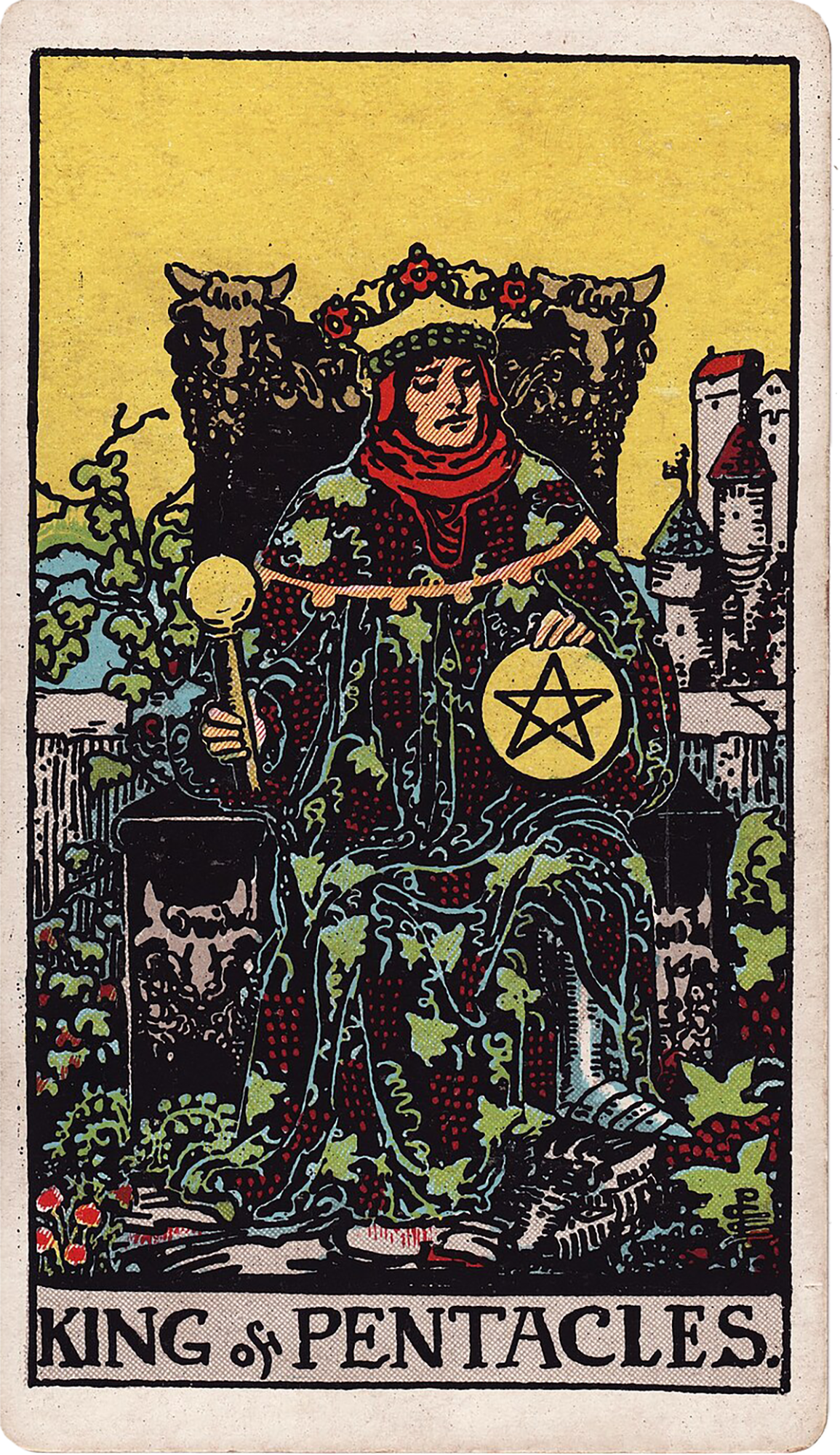 FoundationKing of Pentacles
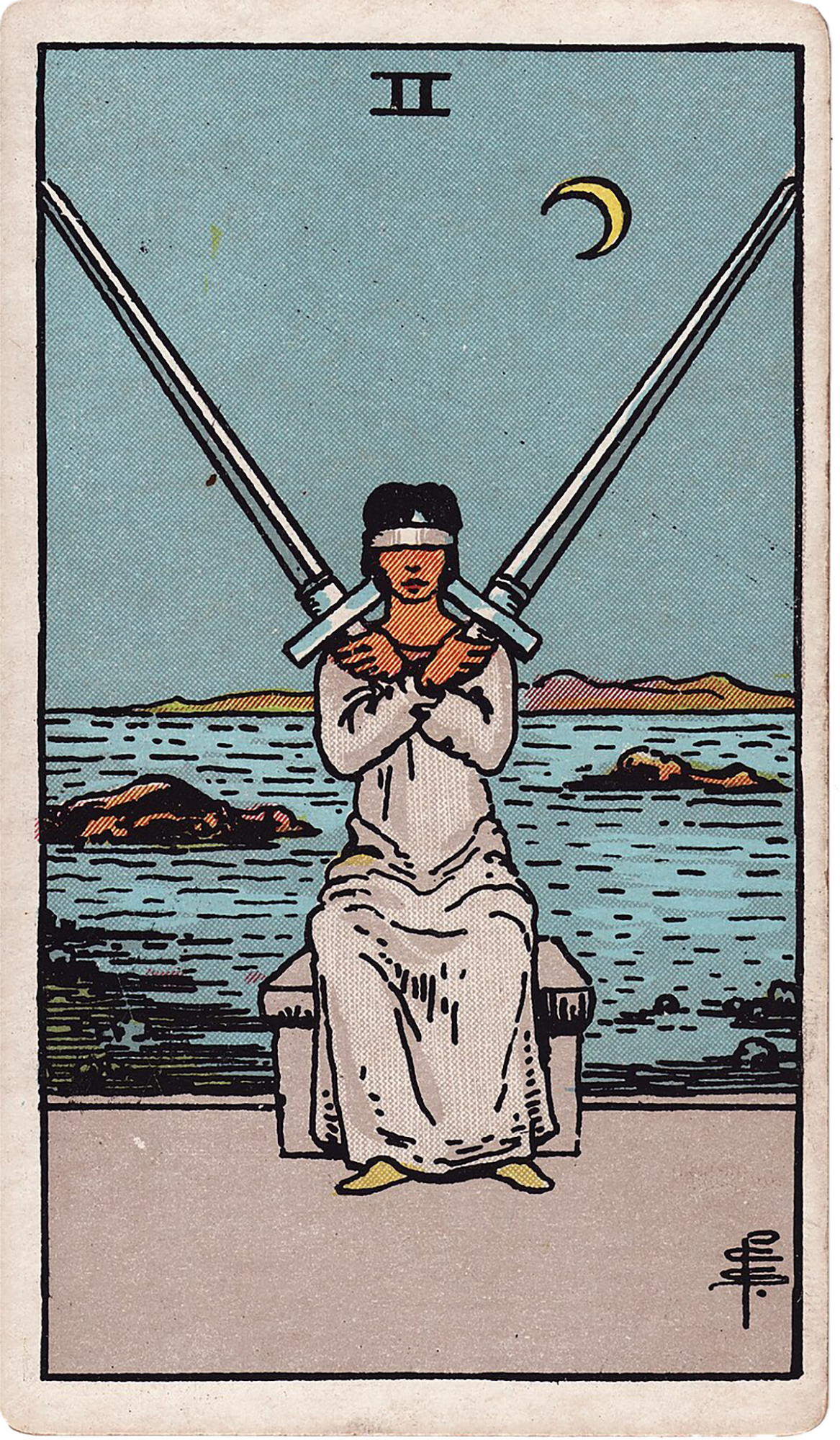 Recent Past2 of Swords
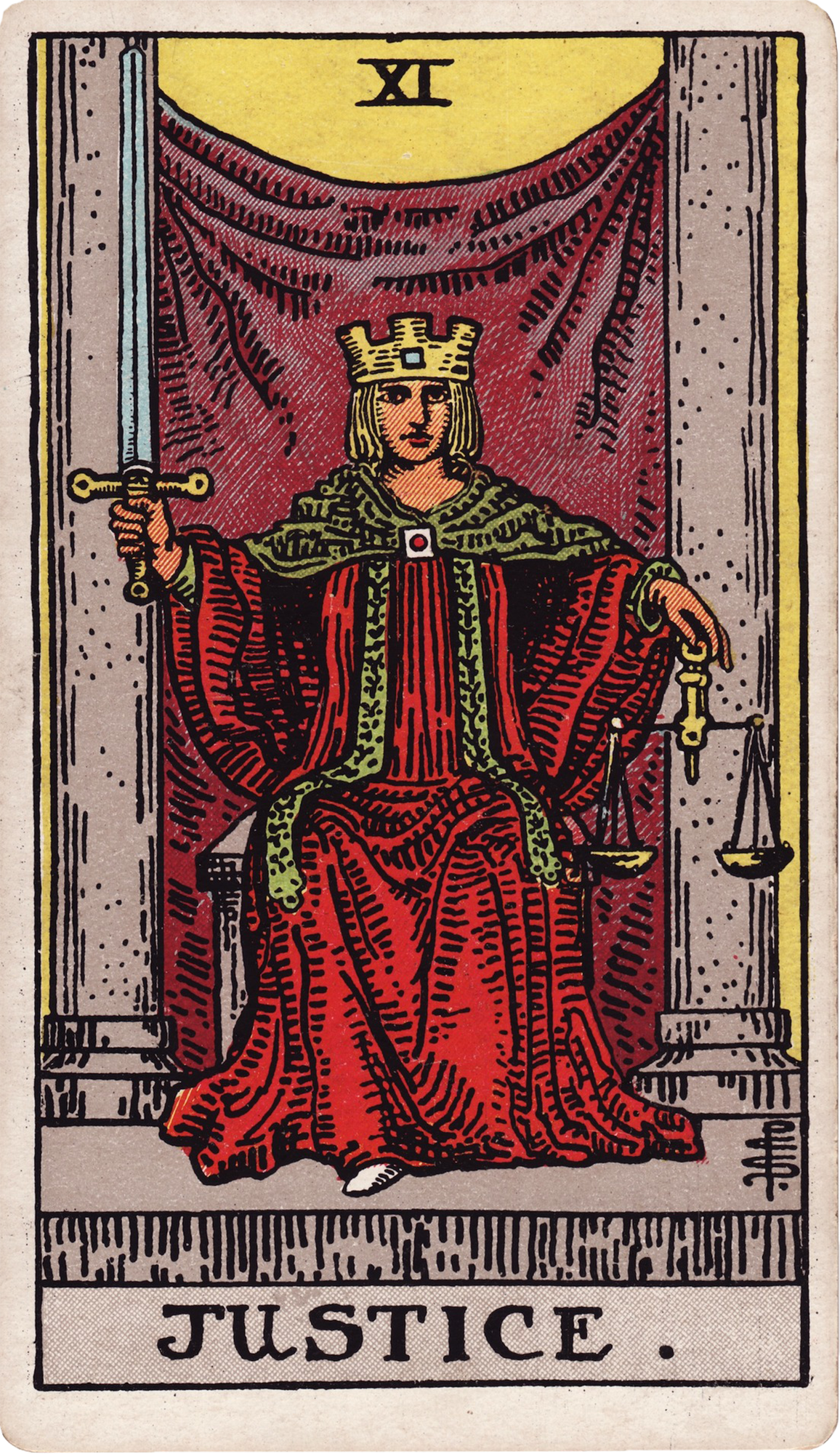 PossibilityJustice
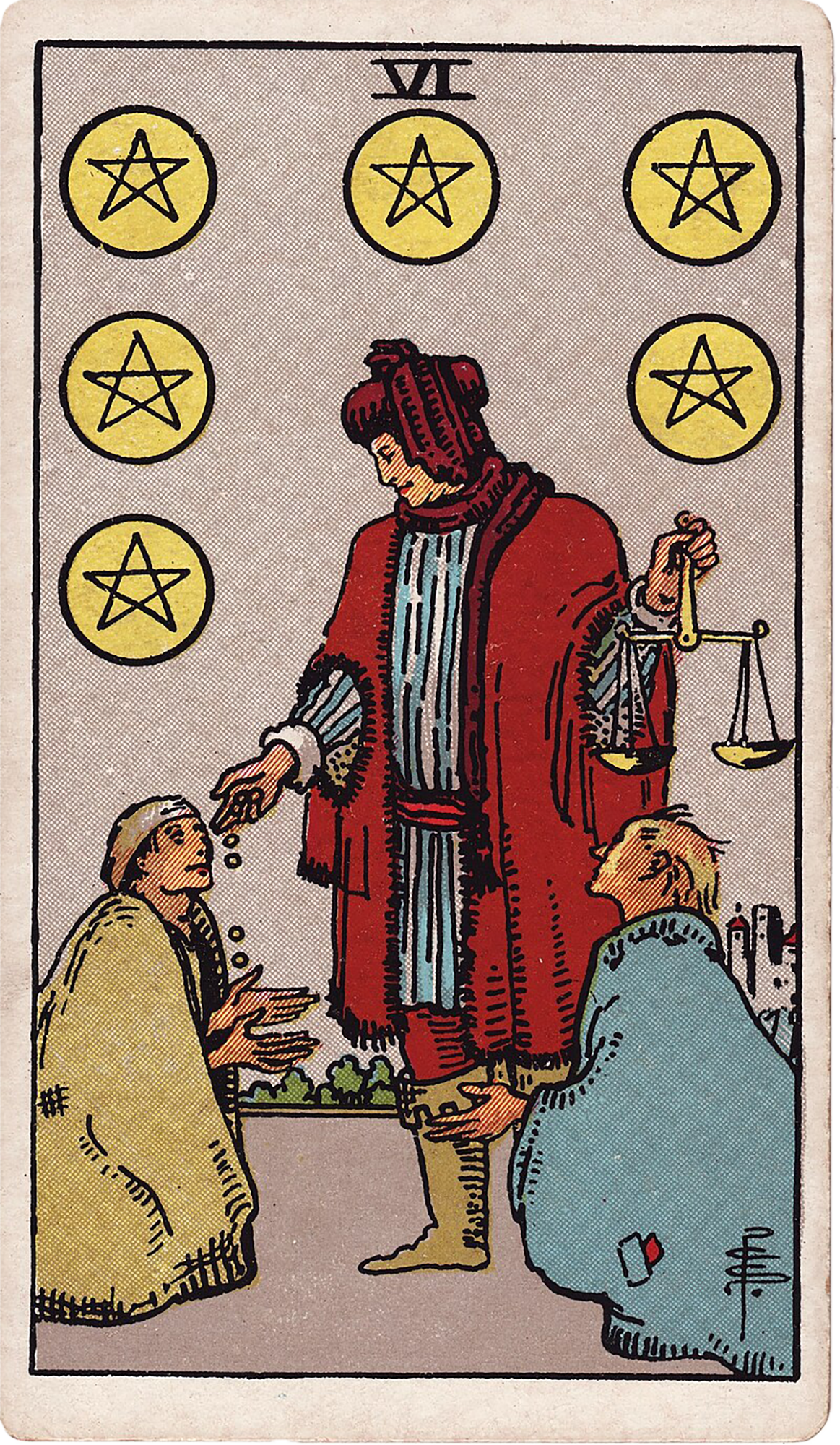 Near Future6 of Pentacles
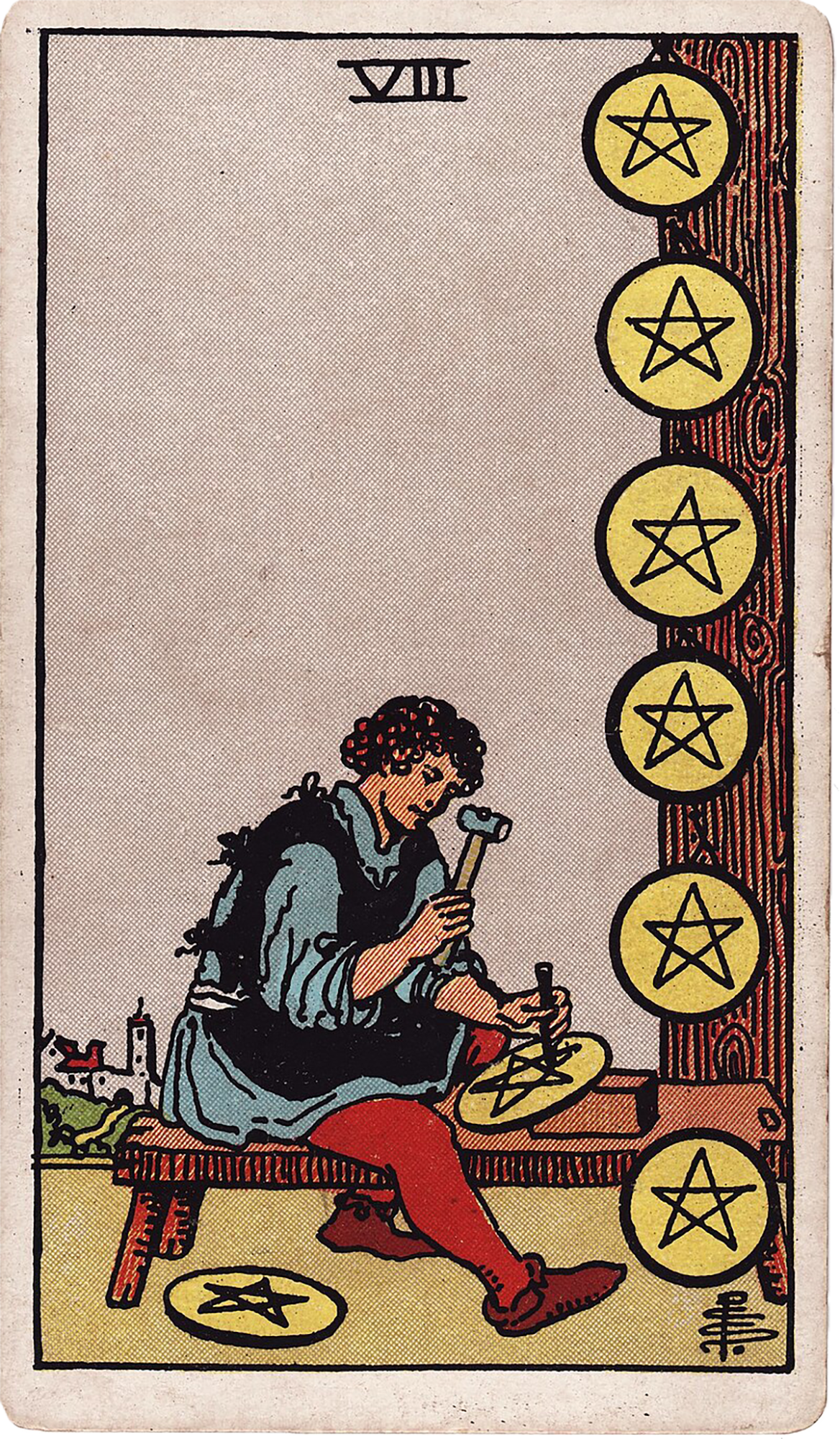 Self8 of Pentacles
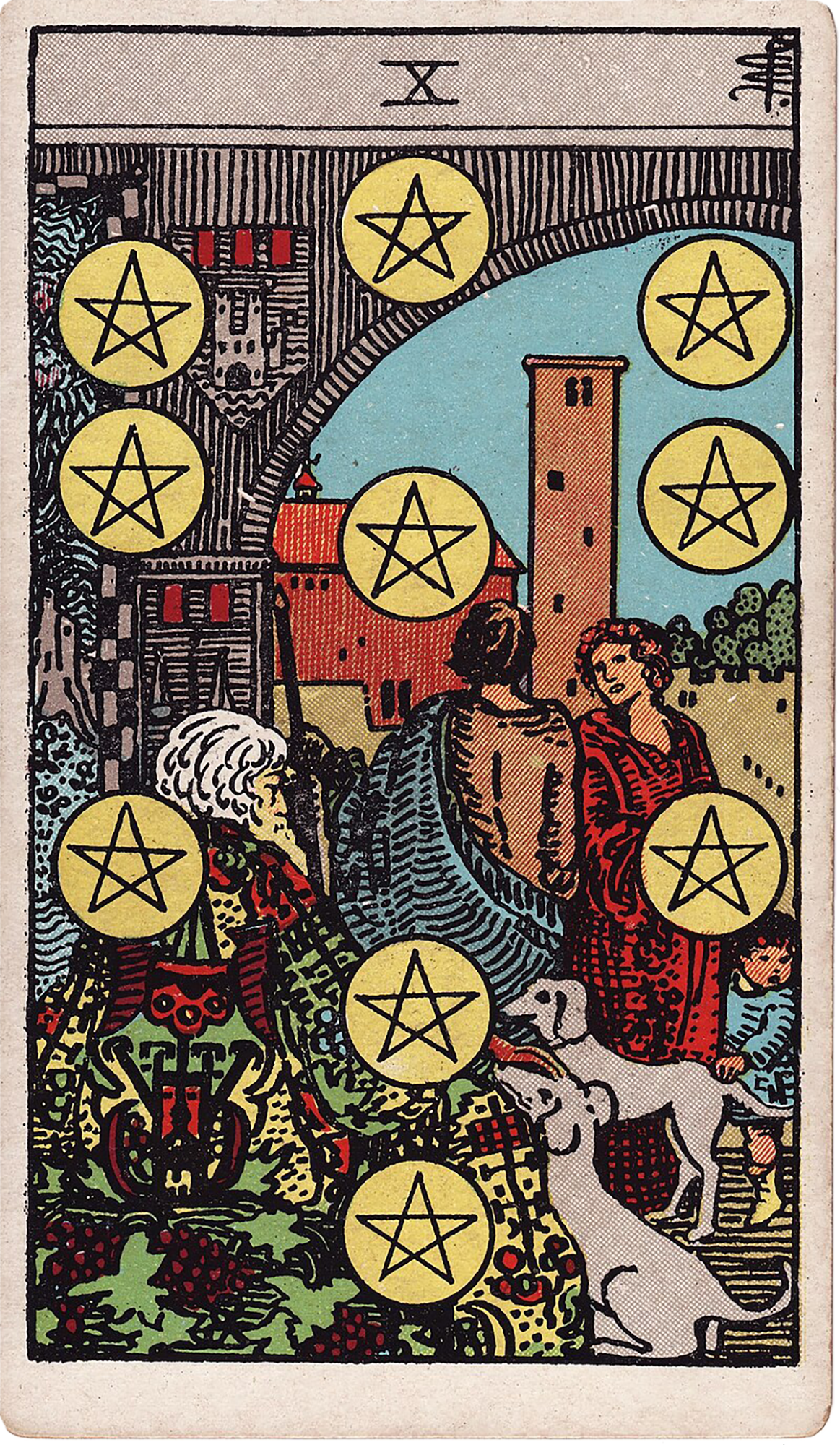 Environment10 of Pentacles
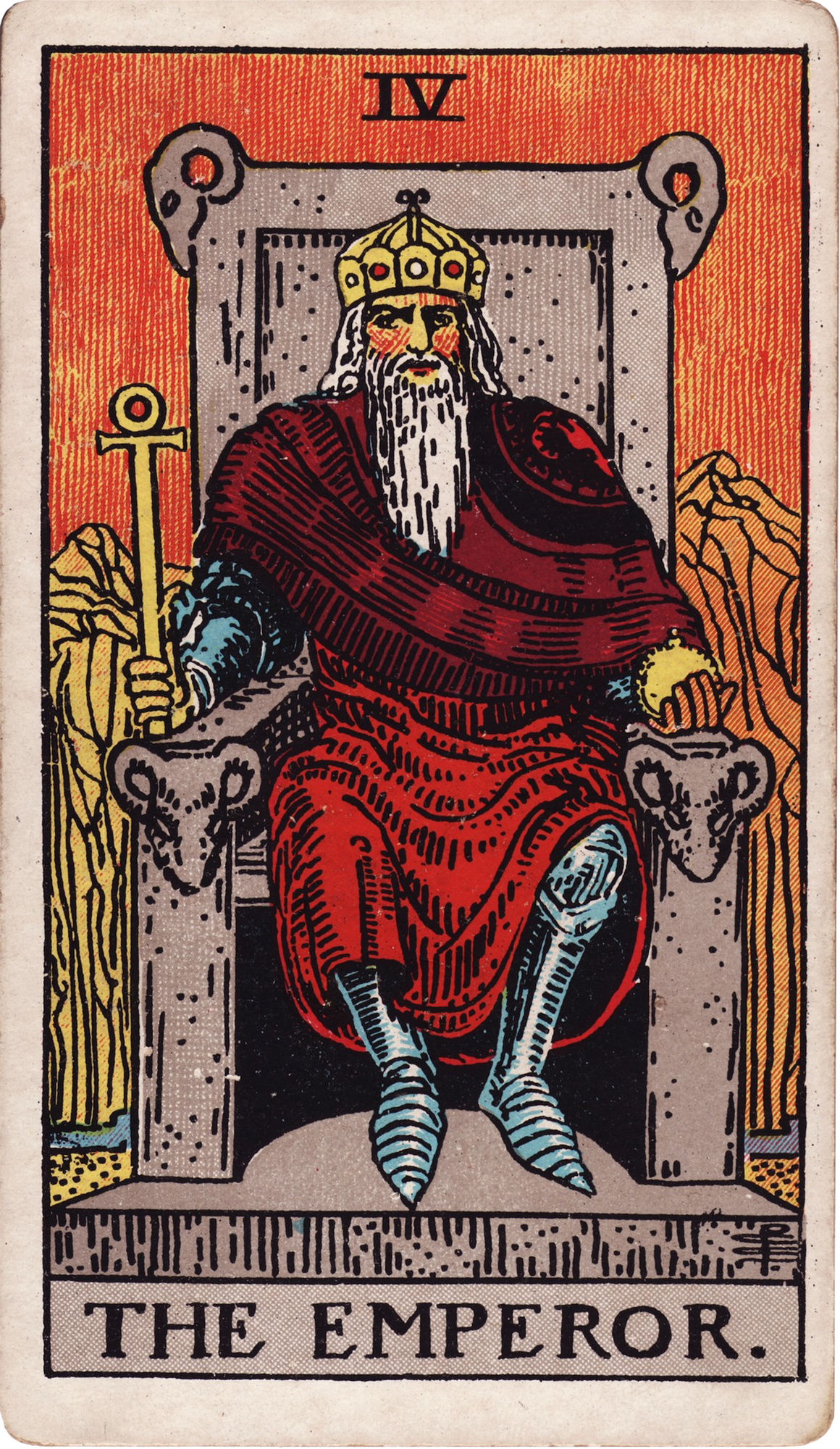 Hopes & FearsThe Emperor
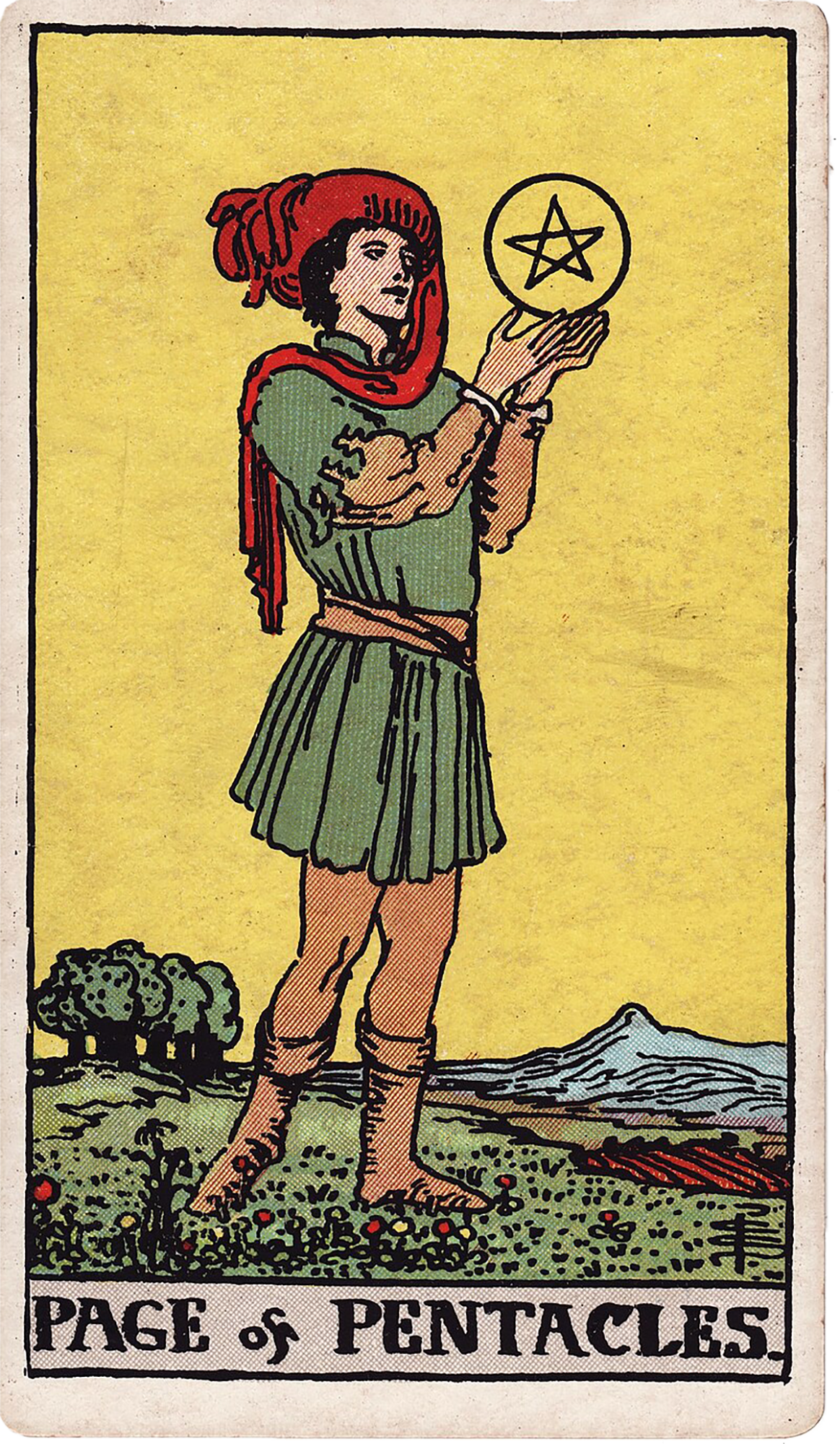 OutcomePage of Pentacles
Introduction and learning goals
This article teaches a practical method for evaluating job offers using the Celtic Cross spread. Rather than predicting a single future, we use the spread to surface concrete themes you can act on: power dynamics, fairness in the contract, the practical foundation of the offer, collaborative fit, likely negotiations, and long-term stability. The supplied cards are used in order so you can follow visually: The Emperor, Justice, 2 of Swords, Ace of Pentacles, 3 of Pentacles, 6 of Pentacles, 8 of Pentacles, 10 of Pentacles, Page of Pentacles and King of Pentacles. You will learn: how to lay the spread, how to read each position in a job context, how to link cards into a coherent narrative, how to translate symbolism into practical questions and negotiation steps, and how to practice responsibly.
When to use this spread for career decisions
The Celtic Cross is useful when a decision feels complex and you need layered perspective rather than a yes/no answer. Use it when an offer involves multiple dimensions: salary, role, team dynamics, career progression, legal terms, or family/long-term effects. With so many Pentacles among the supplied cards (Ace, 3, 6, 8, 10, Page, King), this reading is especially tuned to material and career questions: resources, remuneration, practical skill, and stewardship. The two Major Arcana (The Emperor and Justice) show the situation involves authority, governance and fairness—key concerns when evaluating a contract or negotiating terms.
Set-up: preparing the question and the deck
Be specific about your question before you shuffle. Example intention: "What should I know about this job offer to decide whether to accept, decline, or negotiate?" Keep the intention focused on information and action. Shuffle until you feel ready. Draw ten cards and place them in the classic Celtic Cross layout described below. If you record orientation (upright or reversed), include that; if you don't, read upright meanings but remain sensitive to nuance. For learners practicing on a supplied reading, assume upright unless you intentionally reverse cards when laying them.
Layout and position labels
Use this layout and the exact position labels. The cross is formed by cards 1–6; the staff (a vertical line of four) is cards 7–10 to the right of the cross. Position labels in order: 1 Present / Heart. 2 Challenge (crossing card placed horizontally over card 1). 3 Foundation (below the cross). 4 Recent Past (left of the cross). 5 Possibility (above the cross). 6 Near Future (right of the cross). 7 Self (bottom of the staff). 8 Environment (above 7). 9 Hopes & Fears (above 8). 10 Outcome (top of the staff). In this worked example the supplied cards are placed in order into those exact positions so you can follow the visual narrative.
Card-by-position reading with supplied cards
Below each position is explained in plain language for a job-offer reading. I name the card supplied for that position, show the key symbolic images and conventional meanings (anchored to Rider–Waite–Smith where relevant), and give practical questions or actions you can derive. 1 Present / Heart — The Emperor The Emperor sits at the heart of the matter. In Rider–Waite imagery he is a throne-bound figure of authority, stability and structure. Upright, the Emperor emphasizes boundaries, responsibility, systems and disciplined leadership. For a job offer this can mean that the central energy is about authority: the role may come with clear hierarchy, managerial control, or the employer expects discipline and results. Practical prompts: Where will you be accountable? Which boundaries (hours, scope, reporting lines) need to be clarified? If you prefer autonomy, is the Emperor energy compatible with your working style, or would you need to negotiate flexibility? 2 Challenge — Justice Justice crosses the Emperor as the obstacle or point of tension. The Justice image (scales, sword) draws attention to facts, fairness and legal clarity. This suggests the main difficulty is contractual clarity and fairness: are terms transparent? Is the role fairly described? Do consequences and benefits balance? In practical terms, the challenge could be unclear job duties, ambiguous compensation terms, or missing written agreement. Action: insist on precise job description, clear salary and benefits language, and take time to read contractual clauses. Ask: "What must be spelled out so that the Emperor’s authority becomes predictable and not arbitrary?" 3 Foundation — 2 of Swords The foundation is a suspended decision. In RWS the 2 of Swords shows a blindfolded figure holding two crossed swords—decision held in stasis because information or emotional readiness is incomplete. Underlying this offer is a stalemate or a need to simplify: perhaps you or the employer are waiting for more data (background checks, team confirmations) or you’re avoiding a hard conversation. The practical lesson is to reduce paralysis: list missing facts, name the smallest decisive step (ask a single clarifying question or request a specific document) that will break the stalemate. 4 Recent Past — Ace of Pentacles The Ace of Pentacles in recent past indicates a tangible opportunity recently arrived: the employer extended the offer, or a concrete resource (signing bonus, equipment, budget) became visible. The Ace’s imagery—often a single pentacle offered by a hand from a cloud—reminds you this was a material beginning. It answers why the issue is current: a practical seed planted that requires cultivation. Note how this pairs with the 2 of Swords foundation: a new offer exists, yet a decision remains suspended. That is a common real-world scenario. 5 Possibility — 3 of Pentacles The 3 of Pentacles above the cross shows the best possible development if you act well: collaboration and skill-growing in a team. RWS shows artisans and a figure pointing to plans—this card suggests the role has potential for meaningful teamwork, clear standards and recognition for craft. If the offer can be shaped into a role where skill and collaboration matter, it’s a positive sign. Use this card as a vision: request trial projects, meet potential colleagues, ask about performance feedback and professional development. 6 Near Future — 6 of Pentacles The 6 of Pentacles on the right signals the near future will center on exchange: fairness, negotiation, and flow of resources. The image of scales and a giver distributing coins warns you to examine whether the exchange will be equitable. Will salary and benefits match the demands? Will raises and promotions come with genuine transparency? Practically, the near future likely involves negotiation moments—offer/counter-offer, clarifications about bonuses or equity. Prepare a list of fair asks anchored in market data and the job’s responsibilities. 7 Self — 8 of Pentacles On the staff bottom, the 8 of Pentacles shows your current attitude: focused practice, willingness to learn, and quality through repetition. RWS imagery—an apprentice carving pentacles—suggests you bring craft, diligence and humility. This is useful to remember when negotiating: your competence and eagerness to grow are assets, but they can be undervalued. Frame your negotiation around the concrete value you will deliver and the learning path you expect to follow. 8 Environment — 10 of Pentacles The environment card describes the company, culture, or broader system surrounding the role. The 10 of Pentacles, with its multi-generational imagery and symbols of long-term stability, suggests an environment with legacy, shared resources or an established structure. That can be reassuring if you want stability or legacy benefits; it can also signal entrenched processes that resist change. When you explore the company, ask about tenure, decision-making speed, and whether the firm’s long-term goals align with yours. 9 Hopes & Fears — Page of Pentacles The Page of Pentacles in hopes & fears shows a mixture: you hope for a concrete, learnable start and fear being inexperienced or failing to follow through. The Page imagery—youth inspecting a coin—captures ambition, practical beginnings and a desire to study. Practically, this means you may oscillate between optimism about growth and worry about being overwhelmed. Transform the worry into a plan: what mentorship, onboarding and measurable early wins will reduce the Page’s fear? 10 Outcome — King of Pentacles The King of Pentacles as outcome is a strong material sign: potential for mature stewardship, financial security and leadership in a stable role. In RWS the King is a confident steward of resources. If you negotiate well and secure fair terms (Justice) while accepting appropriate boundaries (Emperor), the reading suggests long-term success and material stability. Keep in mind the King can also warn against becoming overly attached to security at the expense of flexibility. Use this outcome as a yardstick: does accepting now put you on a path to become a sustainable steward of your career?
Card-to-card relationships and reading logic
Understanding a Celtic Cross is mostly about relationships between positions. Here are key linkages in this reading and how to read them. - The Emperor (1) crossed by Justice (2): authority vs fairness. Read this as an immediate tension: the employer’s power (job role, hierarchy, expected obedience) must be balanced by clear, fair terms. If Justice is weak or reversed in a real reading, the job might be powerful but unfair; if strong, you can expect enforceable clarity. - Foundation 2 of Swords supporting Ace of Pentacles in recent past (3 under 4): a new material offer exists (Ace) but the decision remains stalled (2 of Swords). The teaching is procedural: gather missing facts and acknowledge emotional hesitation. - Possibility 3 of Pentacles leading to Near Future 6 of Pentacles: a collaborative role can solidify into a fair exchange—if the employer values craft. If the 3 of Pentacles appears but the 6 of Pentacles is reversed or shows strings attached, that possibility may be undermined by unequal power. - Self 8 of Pentacles interacting with Outcome King of Pentacles: your commitment to craft (8) is the path to mature stewardship (King). This is a classic Pentacles apprenticeship-to-master arc. Use it as a career plan: acceptance can lead to mastery and stable reward if you continue to deliver. - Environment 10 of Pentacles influencing Hopes & Fears Page of Pentacles: legacy company vs novice ambition. The environment may offer security but also expectations; your hope for a learning entry (Page) is plausible, but verify whether the company will truly support early-stage growth. - The arc from Ace (4) → 3 (5) → 6 (6) → King (10): a narrative of seed → collaboration → fair exchange → maturity. This chain is a straightforward material trajectory: the offer (Ace) can develop into recognized collaborative work (3), result in negotiated fair pay (6), and ultimately lead to stability (King). If any link is weak in practice (e.g., poor team dynamics, unfair compensation), the chain will stumble. In general, many Pentacles plus two Majors directs attention to negotiation, contractual clarity, and career-building rather than purely emotional or spiritual concerns. That informs practical questions to ask and records to request.
From symbolism to practical actions and negotiation steps
Tarot gives language to actions. Translate each card into concrete steps you can take with a job offer: - The Emperor: clarify reporting lines, decision authority, schedule and remote/on-site expectations. Request an org chart and a list of first-quarter responsibilities. - Justice: insist on a written offer letter with salary, benefits, bonus metrics, notice period, intellectual property clauses, non-competes and probation terms. If necessary, consult HR or legal counsel for red flags. - 2 of Swords: make a checklist of what you don’t know. Prioritize three clarifying questions you will ask in your next conversation; ask them succinctly. - Ace of Pentacles: note the tangible elements already on the table (equipment, signing bonus, relocation). Decide which of these are dealmakers and which are negotiable. - 3 of Pentacles: request meetings with teammates, discuss performance review processes and ask for mentoring arrangements. - 6 of Pentacles: prepare a data-backed counteroffer if needed. Use market salary data and detailed deliverables to justify asks. - 8 of Pentacles: propose a 90-day plan to show how you will create value; ask for clear metrics tied to compensation reviews. - 10 of Pentacles: discuss long-term benefits—retirement contributions, equity vesting schedules, parental leave, and company stability indicators. - Page of Pentacles: ask about onboarding, training budgets and professional development stipends. Frame learning needs as investments that increase your output. - King of Pentacles: evaluate long-term promotion paths and leadership opportunities. Ask who the role leads to and how success is defined at senior levels. These steps turn the reading into a negotiation roadmap: identify the Emperor’s boundaries, ensure Justice in contract, convert Ace into ongoing resources, and aim for King-level stability without surrendering flexibility.
How to reproduce this Celtic Cross reading practice
Reproduce the method with your own deck and a real or hypothetical job offer. Step-by-step: 1. Set intention: "What should I know about this job offer to decide whether to accept, decline, or negotiate?" Write it down. 2. Shuffle and cut until you feel ready. 3. Lay cards into the Celtic Cross positions described earlier. If you track orientation, note upright/reversed. 4. Read card 1 for the present heart; read card 2 as the immediate challenge; then read the cross foundation (3), recent past (4), possibility (5), near future (6); finally read the staff (7–10): self, environment, hopes & fears, outcome. 5. After reading each position, list three practical questions or actions derived from the card’s image and meaning. 6. Look for chains and dominant themes (suits, majors/minors): here a Pentacle-heavy spread calls for negotiation and practical steps. 7. Record the session and review in a week if you expect the offer to evolve. Practicing this routine builds fluency in translating tarot imagery into concrete career moves.
Common mistakes learners make and how to avoid them
1. Treating tarot as a final verdict. The cards map tendencies and information, not inevitable fates. Use them to inform actions. 2. Skipping the translation step. Say the card’s insight out loud and then convert it into a concrete question or action (e.g., "Justice → request written terms"). 3. Ignoring card relationships. Read positions in isolation instead of noticing chains (seed → collaboration → exchange → outcome). 4. Overlooking suits: many Pentacles mean material questions; Swords indicate decision or communication work. 5. Letting wishful thinking bias interpretation. If the Emperor suggests rigid hierarchy and you dislike hierarchy, don’t force a positive meaning—treat it as a negotiating point. 6. Rushing answers. Major Arcana like Justice or The Emperor ask for careful scrutiny—take time to read documents or consult experts. Avoid these pitfalls by always producing at least two concrete actions from each key card and by treating the reading as a planning tool rather than a prophecy.
Practice exercises and case examples
Exercise 1: Take a recent offer (real or sample). Perform a Celtic Cross and map each card to an item on your negotiation checklist. Exercise 2: Shuffle and re-deal the spread with the same intention but deliberately flip two cards reversed; note how nuances change. Exercise 3: Roleplay a negotiation using the reading—one person is candidate (8 of Pentacles energy) the other is hiring manager (Emperor energy); practice asking the Justice questions. Example synthesis from the supplied cards: The Emperor + Justice show authority that must be balanced by clear contract. The Ace shows a real offer arrived; the 3 and 6 show collaboration and negotiation are possible; your readiness to work and learn (8) makes long-term stewardship (King) plausible. The practical path: request clarity on duties and compensation, propose a 90-day success plan, ask for mentorship and transparent promotion criteria, and prepare a data-backed counteroffer. If these requests are resisted, the King outcome is less likely and you should reassess.
Ethics, limits and final advice
Use tarot ethically: do not make financial decisions based solely on cards. Use the reading as a way to see what to investigate further. If Justice shows legal complexity, consult a professional before signing. Remember that tarot is a tool for reflection and planning. The Celtic Cross is powerful because it layers immediate detail with context and outcome. In this worked spread the imagery repeatedly points to negotiation, clarity and craftsmanship: act to clarify, practice the role, and negotiate fairly. That turns cards into actionable career moves.
Practice questions
• What specific terms or clauses does Justice (Challenge) make you want to inspect closely in the written offer?
• What is one small, decisive action you can take right now to break the stalemate suggested by the 2 of Swords (Foundation)?
• Which boundary (hours, scope, reporting) does the Emperor (Present) demand you state explicitly?
• How can you convert the Page of Pentacles’ hope for learning into a written onboarding or training agreement?
• What evidence would you need to feel confident the King of Pentacles (Outcome) is realistically attainable?
• Which team member or stakeholder could you meet to test the 3 of Pentacles (Possibility) before accepting?
• What market data will you prepare to make a fair request aligned with the 6 of Pentacles (Near Future)?
• How will you measure your first 90 days to reflect the 8 of Pentacles (Self) and support future negotiations?
Comments
Sign in to comment.
Continue learning
Mastering Decision Making with the Five Card Cross Tarot Spread
The Five Card Cross Tarot Spread is a powerful tool for deepening decision-making skills by examining the present situation, past influences, future possibilities, challenges, and...
Exploring The High Priestess in Career Relationships and Personal Growth
The High Priestess card in the tarot deck invites readers to explore intuition, hidden knowledge, and inner wisdom across various life contexts. This article examines how The High...
Understanding The Chariot Card in Personal Ambition and Overcoming Obstacles
The Chariot card represents the power of focused will, disciplined action, and choosing a clear direction amid competing impulses. Upright, it encourages decisive steps forward usi...
Enhancing Clarity in Complex Choices with the Five Card Cross Tarot Spread
The Five Card Cross Tarot Spread is a practical tool designed to clarify complex choices by breaking down the decision into manageable parts. This article explores each position in...
Using the Five Card Cross Tarot Spread to Navigate Career Changes with Confidence
The Five Card Cross Tarot Spread is a versatile and insightful tool for navigating career changes. This article guides learners through the method step-by-step using a practical ex...
Understanding The Hermit in Self Discovery and Spiritual Enlightenment
The Hermit card in the Rider-Waite-Smith deck embodies themes of introspection, solitude, and spiritual wisdom. This article examines how The Hermit's upright and reversed position...
Using the Five Card Cross Spread to Make Confident Life Decisions
The Five Card Cross spread is a practical and insightful tarot layout designed to assist with complex life decisions by clarifying the situation, presenting options, uncovering hid...
Unlocking Emotional Depth with The Moon and The Lovers in Tarot Combinations
This article delves into the nuanced interplay between The Moon and The Lovers tarot cards, emphasizing how their combination unlocks emotional depth and complexity. By examining u...
Making Confident Life Choices with the Five Card Cross Tarot Spread
The Five Card Cross Tarot Spread is a powerful tool designed to aid practical decision-making, particularly within family or life-altering situations. This article explains the spr...
Using the Five Card Cross Tarot Spread to Gain Confidence in Difficult Decisions
The Five Card Cross spread is a powerful practical tool for navigating difficult decisions with confidence. By placing cards in positions representing Situation, Option A, Option B...