
Five Card Decision Spread for Ethical Clarity and Value Aligned Choices
This article teaches a reproducible Five Card Decision Spread called decision-five, designed to help readers make value-aligned, ethically informed choices. Using the exact cards Justice, The Hanged Man, Judgement, Queen of Cups, and Queen of Swords in the layout positions Situation, Option A, Option B, Hidden Factor, and Advice, the piece explains symbolism, card-to-card dynamics, interpretive logic, practical technique, common mistakes, and a worked interpretation. The tone is instructional and oriented toward learners who want to practice readings responsibly rather than treating results as prophecy.
Decision Five
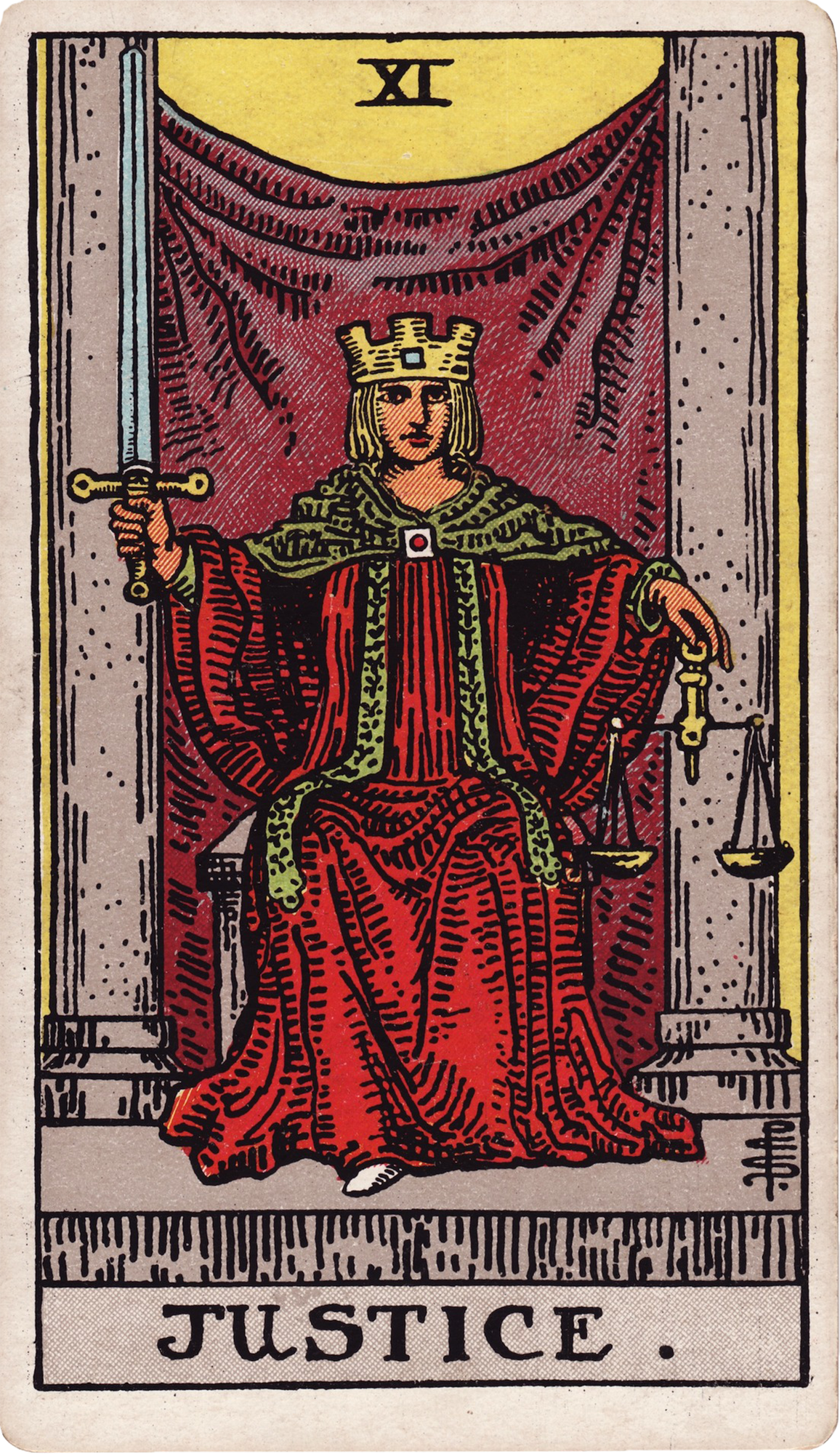 SituationJustice
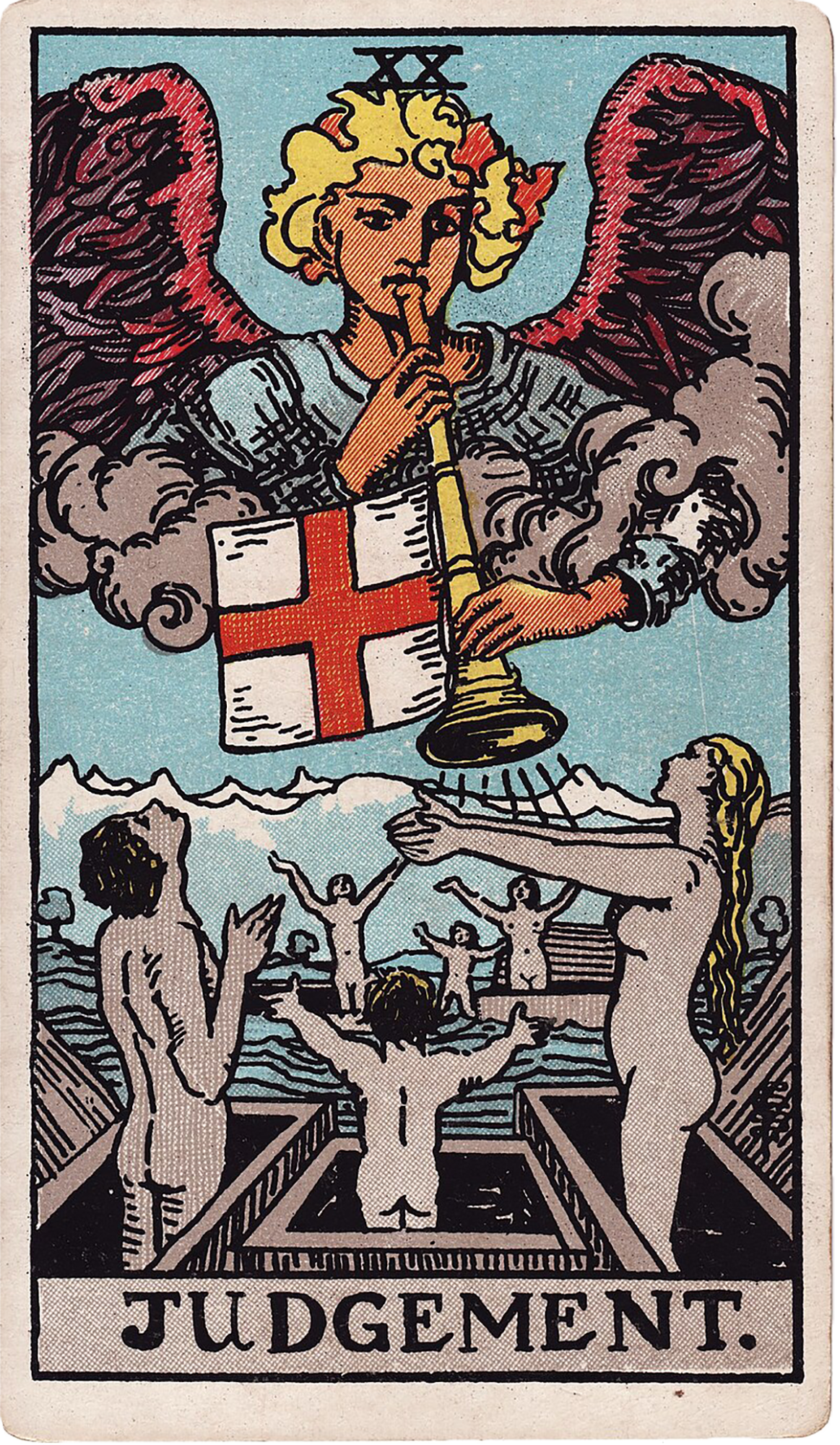 Option AJudgement
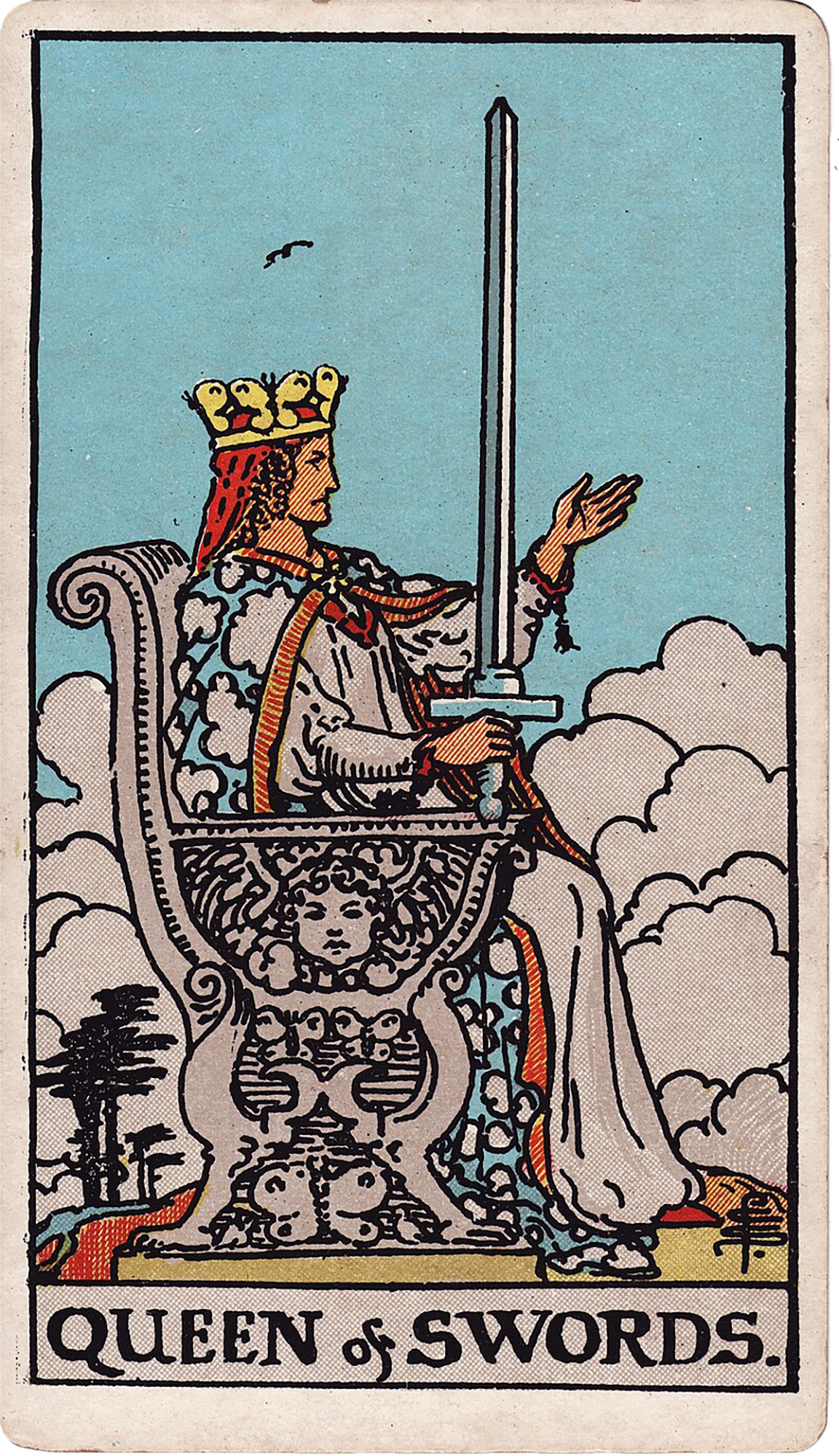 Option BQueen of Swords
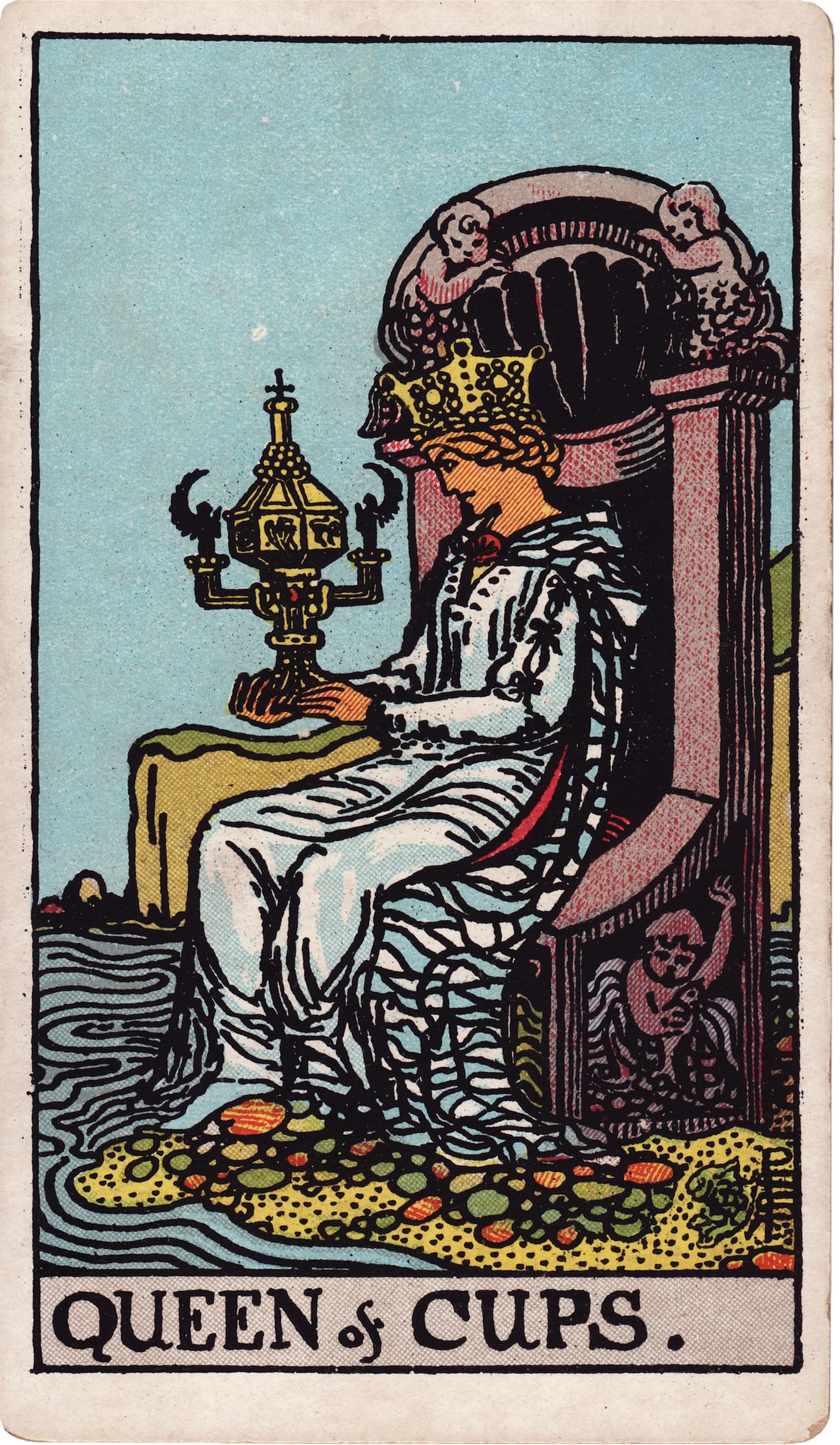 Hidden FactorQueen of Cups
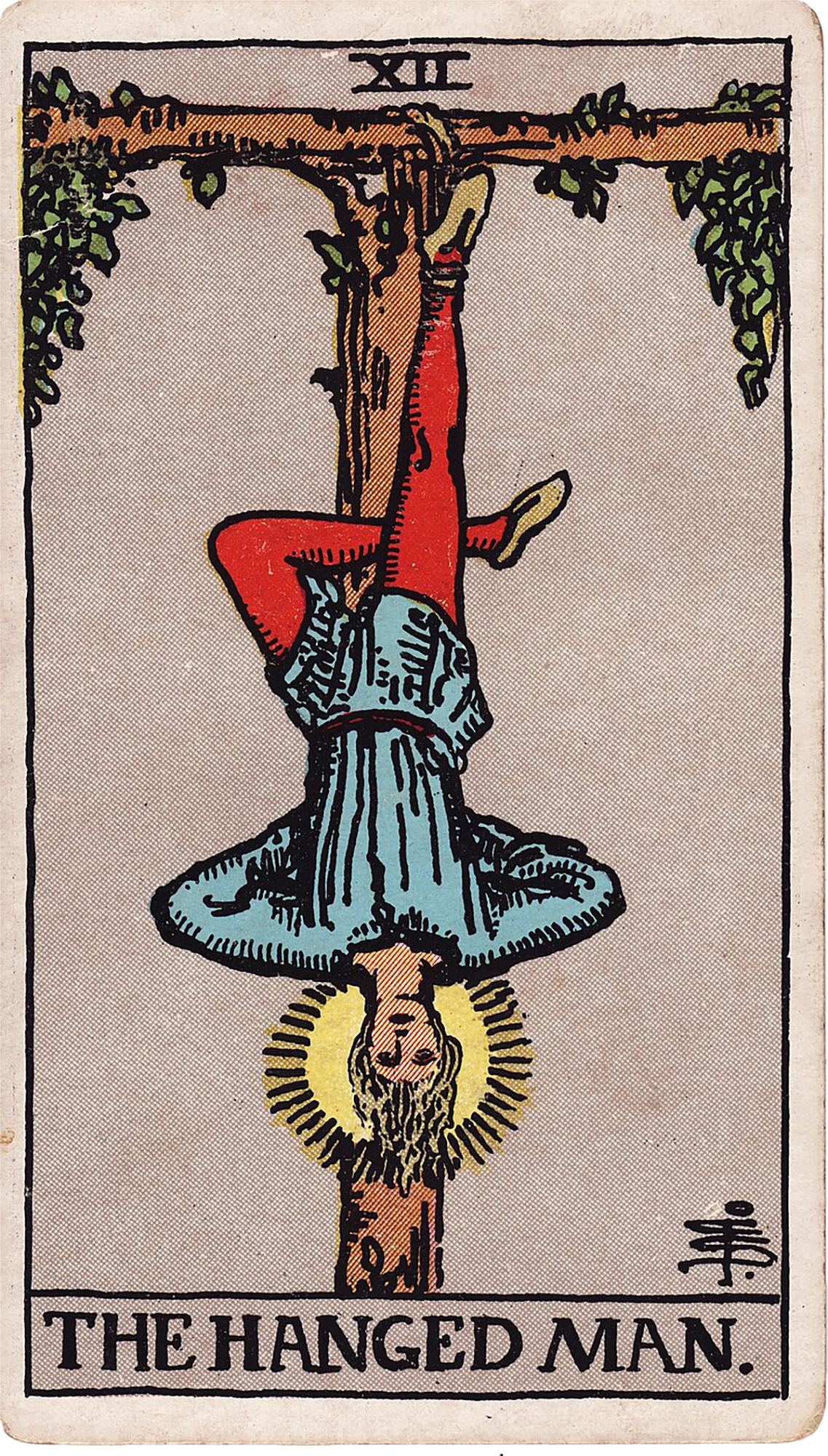 AdviceThe Hanged Man
Overview and Purpose
This decision-five spread is built for ethical clarity and value-aligned choices. It is intentionally focused and practical: five cards examine the situation, two contrasted options, one hidden or emotional factor, and a recommendation for action or stance. The version taught here uses these exact cards in this order: Justice in Situation, The Hanged Man in Option A, Judgement in Option B, Queen of Cups in Hidden Factor, and Queen of Swords in Advice. The goal is to help the querent surface the moral dimensions of a decision, test options against values, and orient to communication and boundaries that honor those values. This is a learning article. It explains Rider-Waite-Smith symbols found on the supplied cards (scales and sword in Justice; the suspended figure and halo in The Hanged Man; the angelic trumpet and rising figures in Judgement; the serene water and covered cup of the Queen of Cups; the clear blade and austere throne of the Queen of Swords). You will be shown how to read each card in position, how neighboring cards affect interpretation, how to build an ethical reading from the images, and how to practice the spread reliably.
Layout and Labels
The spread uses a linear but balanced layout called decision-five. Lay the cards left to right or in a T-shape that matches your practice, keeping the position labels consistent. The position labels are strict: Situation, Option A, Option B, Hidden Factor, Advice. Position 1 Situation: Justice (first supplied card) Position 2 Option A: The Hanged Man (second supplied card) Position 3 Option B: Judgement (third supplied card) Position 4 Hidden Factor: Queen of Cups (fourth supplied card) Position 5 Advice: Queen of Swords (fifth supplied card) Tip: Use card orientation if you work with reversals. If you do, note whether each of these cards appears upright or reversed and incorporate the appropriate upright/reversed texts. If orientation is not part of your routine, use the upright meanings as the baseline and mention possible internalized or delayed versions of those themes.
How to Prepare and Ask the Question
Preparation sets the ethical tone. The spread is best for specific decisions where values and consequences matter: choosing between jobs, responding to conflict, selecting governance policies, or family and care choices. Use a question that names the decision and invites ethical framing, such as: "Which option will best align me with my stated values of fairness and care?" or "What should I consider when choosing between A and B to act justly and compassionately?" Practical preparation steps: - Clean the surface and choose a comfortable space. - Hold the question in a concise sentence. Avoid open-ended broad questions like "What should I do with my life?" This spread is for comparatives and clarity. - Shuffle while thinking of the decision. If you use reversals, shuffle until you feel done and then cut the deck into five piles or draw sequentially. - Place the five drawn cards into the positions labeled above. Note orientation if you use reversals. Ethical note: Remind querents that Tarot is a tool for clarifying values and options, not a substitute for legal, medical, or professional advice. The spread is intended to illuminate perspective, motivation, and likely consequences so the querent can act with clearer responsibility.
Card in Position 1 Situation: Justice
Justice in the Situation slot sets the reading’s frame. In Rider-Waite-Smith imagery, Justice holds scales and a sword; she is the archetype of proportion, accountability, and discernment. Upright, Justice emphasizes clear facts, accepting consequences, and making decisions that stand up to scrutiny. It signals that the core issue is visible enough to engage with intentional fairness. You ask: what needs to be acknowledged, measured, and balanced? Interpretation specifics here: - If upright: The querent’s situation is asking for an explicit weighing of evidence, responsibilities, and consequences. There may be legal, contractual, or moral duties in play. The card invites applying proportionate responses rather than emotional reactivity. - If reversed: Look for bias, denial, or avoidance of accountability. The reading could point to unfairness—either in the querent’s favor or against them—or to internalized guilt preventing clear decision-making. In practice: Begin the reading by stating the ethical frame Justice offers: "This decision centers on fairness, responsibility, and the measurable consequences of your choice." Use the visual cues—the scales, the upright sword, the calm authority—to guide questions such as who is affected, what promises exist, and what standards of fairness apply.
Card in Position 2 Option A: The Hanged Man
The Hanged Man in Option A describes a choice characterized by deliberate pause, perspective shift, and surrender. In Rider-Waite-Smith imagery the figure hangs by one foot, often with a serene expression and a halo, symbolizing voluntary suspension for a new view. Interpretation specifics for Option A: - Upright: Choosing A asks you to pause, accept short-term sacrifice, or change perspective. This option may delay action but yields insight. It asks: can you tolerate temporary inertia to gain a clearer ethical stance? - Reversed: Option A might represent pointless delay, martyrdom, or refusal to learn. It could be a passive avoidance disguised as principled patience. Read practically: Compare The Hanged Man’s call to surrender with Justice’s requirement for accountability. Is the pause endorsed by Justice because it yields fairer outcomes? Or is it a stalling tactic that undermines duty? Focus on how a change in viewpoint might illuminate hidden obligations identified by Justice.
Card in Position 3 Option B: Judgement
Judgement in Option B brings themes of review, awakening, and decisive transformation. Rider-Waite-Smith imagery depicts an angelic trumpet and figures rising; the card is about answering a call and acting from integrated learning. Interpretation specifics for Option B: - Upright: Choosing B points toward decisive action informed by honest review. It suggests you must answer a call to change and make a choice born of integration—past lessons made active. This option can resolve guilt or repair relationships by moving forward. - Reversed: Option B could be avoidance of accountability, repeated rumination without action, or excessive self-judgment preventing movement. Practical contrast with Option A: Judgement is proactive compared with The Hanged Man’s pause. If Justice cares about proportion, Judgement may satisfy the need for accountability through a corrective action. Contrast the moral costs and benefits: will acting now (Judgement) create a more just outcome, or is a pause needed to avoid rashness?
Card in Position 4 Hidden Factor: Queen of Cups
The Queen of Cups as the hidden factor signals an emotional, intuitive, or relational influence beneath the surface. In Rider-Waite-Smith imagery she sits by the sea, holding a covered cup—deep feeling contained and examined. Interpretation specifics: - Upright: Emotion and empathy are operating subtly, perhaps driving decisions or shaping perceptions the querent has not fully acknowledged. This card can represent a person—nurturing, sensitive, attuned to others’ needs—or an internal readiness to prioritize care. - Reversed: Emotional overwhelm, blurred boundaries, or excessive emotional absorption might be the hidden steering force, making impartial Justice harder to apply. Practical reading: Since the Queen of Cups is hidden, it may explain why Justice feels charged and why Option A or B looks morally significant. Does the querent unconsciously prioritize relationships and care? Is fear of hurting someone impelling a pause or rapid action? Make this factor explicit and test options against it: can fairness be maintained without sacrificing essential care?
Card in Position 5 Advice: Queen of Swords
Queen of Swords as Advice recommends clear-minded communication, firm boundaries, and honest speech. Rider-Waite-Smith imagery shows a stern but fair figure holding a sword upright, signifying clarity, discrimination, and directness. Interpretation specifics: - Upright: The practical advice is to speak truthfully, set clear limits, and use reasoned judgment to implement the chosen option. The Queen of Swords encourages compassion that is balanced by honesty rather than sentimentality. - Reversed: Beware cutting words, excessive coldness, or using logic to avoid emotional responsibility. How to act on this card: After comparing A and B and surfacing the Queen of Cups influence, the Queen of Swords offers an implementation plan: communicate your decision clearly, explain the reasons in terms of fairness, and set the boundaries needed to protect everyone’s dignity and rights. This card emphasizes that ethical clarity often requires explicit articulation.
Card to Card Relationships and Reading Logic
A good reading is not a list of separate meanings but a conversation among cards. Here are the central relationships to watch and how to interpret them visually and ethically. Justice (Situation) ↔ The Hanged Man (Option A): Justice asks for proportion; The Hanged Man asks for pause. Ask whether the pause is a proportional response. If the scales tip toward fairness only after reflection, The Hanged Man may be endorsed. If delay causes harm, Justice may counsel against it. Visually: the scales suggest weighing the sacrifice implied by the suspended figure. Justice ↔ Judgement (Option B): Both cards are judicial in tone. Judgement is more active—awakening and corrective—while Justice is impartial weighing. If Judgement answers Justice’s call, Option B may offer accountable repair. Visually: the angelic trumpet of Judgement can be read as sounding the verdict the scales require. The Hanged Man ↔ Judgement: These two options present different tempos. The Hanged Man is reflective suspension, Judgement is decisive awakening. Read their interplay as a tempo choice: deeper perspective vs integrated action. Consider which tempo better serves fairness and care. Queen of Cups (Hidden) ↔ Choices A and B: The Queen of Cups can be the emotional motive for either pausing or acting. Perhaps empathy makes you reluctant to act (Hanged Man) or impels immediate repair (Judgement). Bring the Queen’s imagery forward by naming which relationships or feelings she represents. Queen of Swords (Advice) ↔ Justice: Advice and Situation form a governance pair. Justice asks for a fair outcome; Queen of Swords tells you how to implement it—through clear communication and firm boundaries. The sword and scales together symbolize action executed with reasoned fairness. Reading logic summary: Begin with Justice’s frame, weigh the tempo and moral implications represented by The Hanged Man and Judgement, surface the Queen of Cups’ emotional energies as the hidden engine, and conclude with the Queen of Swords’ procedural advice. The final decision should satisfy the demands of the scales while honoring essential care and being articulated clearly.
Worked Example Interpretation
Below is a concise worked interpretation using the supplied cards in their positions. This is an example of how you might speak the reading aloud. Situation — Justice: "At the heart of this decision is a question of fairness and responsibility. There are obligations here—explicit or implied—that need careful weighing. Evidence and consequences must be considered." Option A — The Hanged Man: "Option A asks you to pause and accept a delay or sacrifice in order to gain perspective. It may be the morally cautious route, but it risks indefinite stalling if not intentional." Option B — Judgement: "Option B asks for decisive action rooted in honest review. It promises transformation and accountability; it could repair harm if implemented with integrity." Hidden Factor — Queen of Cups: "Beneath the surface, emotional care and empathy are influencing things—perhaps you or someone else is prioritizing relationships and feelings. That may be why you hesitate or why action feels urgent to protect another person." Advice — Queen of Swords: "The practical step is to combine fairness with clarity: choose the path that best honors obligations, then communicate decisively. Set clear limits, use candid language about reasons and consequences, and resist letting emotion alone determine the outcome." Synthesis: "Justice frames the reading: fairness matters. If a pause (Hanged Man) genuinely clarifies what is fair and protects people without shirking duty, it is viable. If you have enough honest review to act (Judgement), that action may restore balance faster. Either way, the Queen of Cups warns that emotions are present and must be acknowledged; the Queen of Swords instructs you to make your choice explicit and enforceable. The ethically aligned option is the one that balances proportional consequence with care and is carried out through clear communication."
Practical Reading Method for Learners
Step-by-step method for practicing decision-five: 1. Formulate a concise question about a specific choice and state any relevant values aloud. 2. Shuffle and draw five cards, place them in the labeled positions. 3. Start at Situation and describe the card’s archetypal imagery and moral frame. 4. Move to Option A and Option B, describing tempo, costs, and likely consequences for each, using symbols (suspension, trumpet, scales, cup, sword) to anchor meaning. 5. Reveal the Hidden Factor and ask: who or what emotional force is influencing the decision unconsciously? 6. Read Advice as a practical implementation plan: what to say, how to set boundaries, what legal or moral steps to take. 7. Evaluate which option aligns with stated values and which best honors those affected. Use the card-to-card relationships to test your choice. 8. Close by asking the querent to restate the decision in one sentence and one next action to promote accountability. Practice exercise: Repeat the spread weekly for a month's worth of hypothetical or low-stakes decisions. Note how the presence of Justice or the Queens alters the outcome and refine your habit of translating imagery into concrete actions.
Common Mistakes and How to Avoid Them
Mistake 1: Treating Tarot as deterministic. Fix: Use the spread as a values-check and decision aid, not a guarantee of outcomes. Mistake 2: Ignoring the card relationships. Fix: Always ask how one card modifies or informs another; narrate their interaction. Mistake 3: Over-valuing emotion or logic exclusively. Fix: The layout balances both—Queen of Cups as hidden emotional influence and Queen of Swords as implementation. Integrate both. Mistake 4: Vagueness in questions. Fix: Ask specific comparative questions. Decision-five is designed for choice; vague questions produce fuzzy answers. Mistake 5: Skipping the Advice step. Fix: Even if the querent already knows their preference, the Queen of Swords can name how to enact it ethically which is essential for value alignment.
Teaching Notes and Variations for Learners
Teaching notes: - Emphasize the imagery when coaching newcomers: point to scales, sword, halo, trumpet, cup and throne. Encourage students to describe what they see before naming meanings. - Ask students to list stakeholders and map them to the scales of Justice. Variations: - Time-based reading: assign The Hanged Man a specific delay period and Judgement a timeline for action. - Role-play: have the querent practice a Queen of Swords-style script to communicate their decision. - Reversal-aware reading: if cards appear reversed, teach students to treat reversals as internalized, delayed, or exaggerated versions of upright meanings rather than simple negatives. Ethical teaching point: always encourage obtaining consent when involving other people’s privacy in readings and remind learners that ethical decisions often require consultation with those affected.
Closing Guidance for Responsible Use
This spread is a focused tool for aligning decisions with values and for clarifying moral responsibility. The supplied cards create a coherent narrative: Justice frames the problem, The Hanged Man and Judgement offer tempoed options, Queen of Cups reveals the emotional undercurrent, and Queen of Swords prescribes how to act with clarity. Use the spread as a conversational device: ask hard questions, insist on naming obligations, and require an actionable next step. Keep records of readings and outcomes to learn how your interpretive habits evolve. Above all, remember that Tarot strengthens ethical decision-making when combined with honest facts, direct communication, and an acceptance of responsibility.
Practice questions
• What obligations, explicit or implicit, are appearing on the scales of Justice in your situation?
• Is your inclination to pause (The Hanged Man) a principled perspective shift or a form of avoidance?
• Does the urgency in Judgement reflect a genuine need for corrective action or an attempt to resolve discomfort quickly?
• Who or what might the Queen of Cups represent in your life as an emotional influence on this decision?
• How would you phrase a Queen of Swords-style message that explains your decision clearly and sets necessary boundaries?
• Which option best balances fairness and care, and what concrete step will you take next to enact it?
Comments
Sign in to comment.
Continue learning
Interpreting the Dance of Justice and The Devil: Balancing Morality and Temptation in Tarot Readings
The combination of Justice and The Devil in tarot presents a profound exploration of morality, temptation, and personal accountability. This article unpacks how these cards influen...
Mastering Decision Making with the Five Card Cross Tarot Spread
The Five Card Cross Tarot Spread is a powerful tool for deepening decision-making skills by examining the present situation, past influences, future possibilities, challenges, and...
Enhancing Clarity in Complex Choices with the Five Card Cross Tarot Spread
The Five Card Cross Tarot Spread is a practical tool designed to clarify complex choices by breaking down the decision into manageable parts. This article explores each position in...
Using the Five Card Cross Spread to Make Confident Life Decisions
The Five Card Cross spread is a practical and insightful tarot layout designed to assist with complex life decisions by clarifying the situation, presenting options, uncovering hid...
Making Confident Life Choices with the Five Card Cross Tarot Spread
The Five Card Cross Tarot Spread is a powerful tool designed to aid practical decision-making, particularly within family or life-altering situations. This article explains the spr...
Using the Five Card Cross Tarot Spread to Gain Confidence in Difficult Decisions
The Five Card Cross spread is a powerful practical tool for navigating difficult decisions with confidence. By placing cards in positions representing Situation, Option A, Option B...
Using the Five Card Cross Spread to Gain Clarity in Difficult Life Decisions
The Five Card Cross Spread is a structured tarot layout designed to help clarify challenging life decisions by examining the situation, options, hidden influences, and advice. This...
Using the Five Card Cross Spread to Clarify Complex Decisions
The Five Card Cross Spread is a practical tarot method designed to clarify complex decisions by laying out the situation, contrasting options, hidden factors, and advice. This arti...
Using the Five Card Cross Spread to Gain Insight into Relationship Dynamics
This article provides an in-depth guide to using the Five Card Cross Spread for gaining clarity on relationship dynamics, especially within family contexts. Anchored by a worked ex...
Using the Five Card Cross Spread to Make Balanced and Informed Life Decisions
The Five Card Cross Spread is a powerful Tarot layout designed to aid balanced and informed decision-making. This article teaches learners how to use this spread effectively, focus...