
Five Card Decision Spread for Weighing Risk Reward and Long Term Impact
This article teaches the Decision-Five five-card spread using the exact cards Temperance, 10 of Wands, Ace of Swords, 2 of Pentacles, and 7 of Pentacles placed in the positions Situation, Option A, Option B, Hidden Factor, and Advice. You will learn how to read each card in context, how cards relate to one another, how to weigh risk versus reward and long-term impact, and practical methods for reproducing the spread reliably in your learning practice. The emphasis is on clear technique, Rider-Waite-Smith symbolism, and concrete guidance for family or everyday choices rather than prediction.
Decision Five
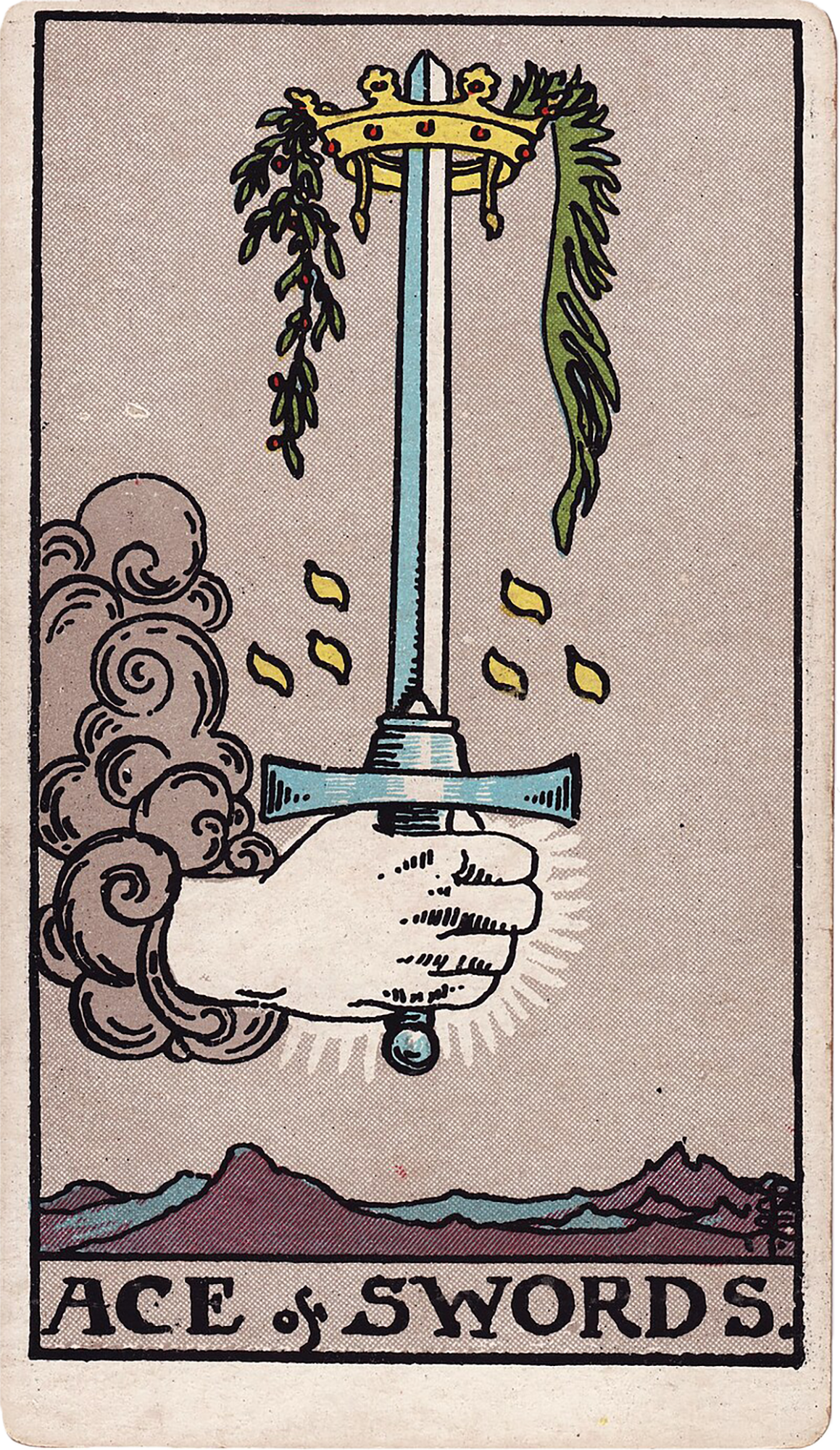 SituationAce of Swords
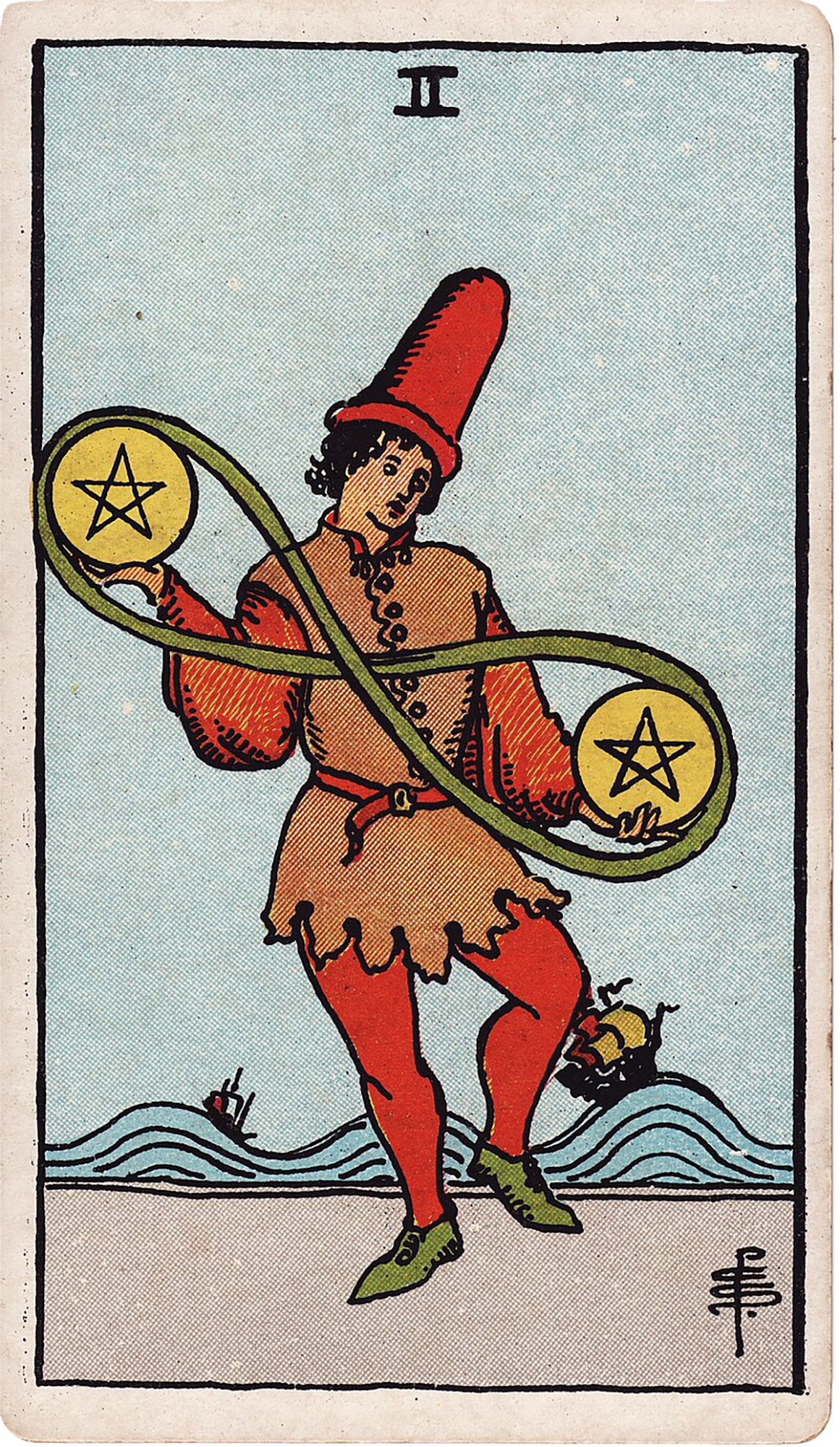 Option A2 of Pentacles
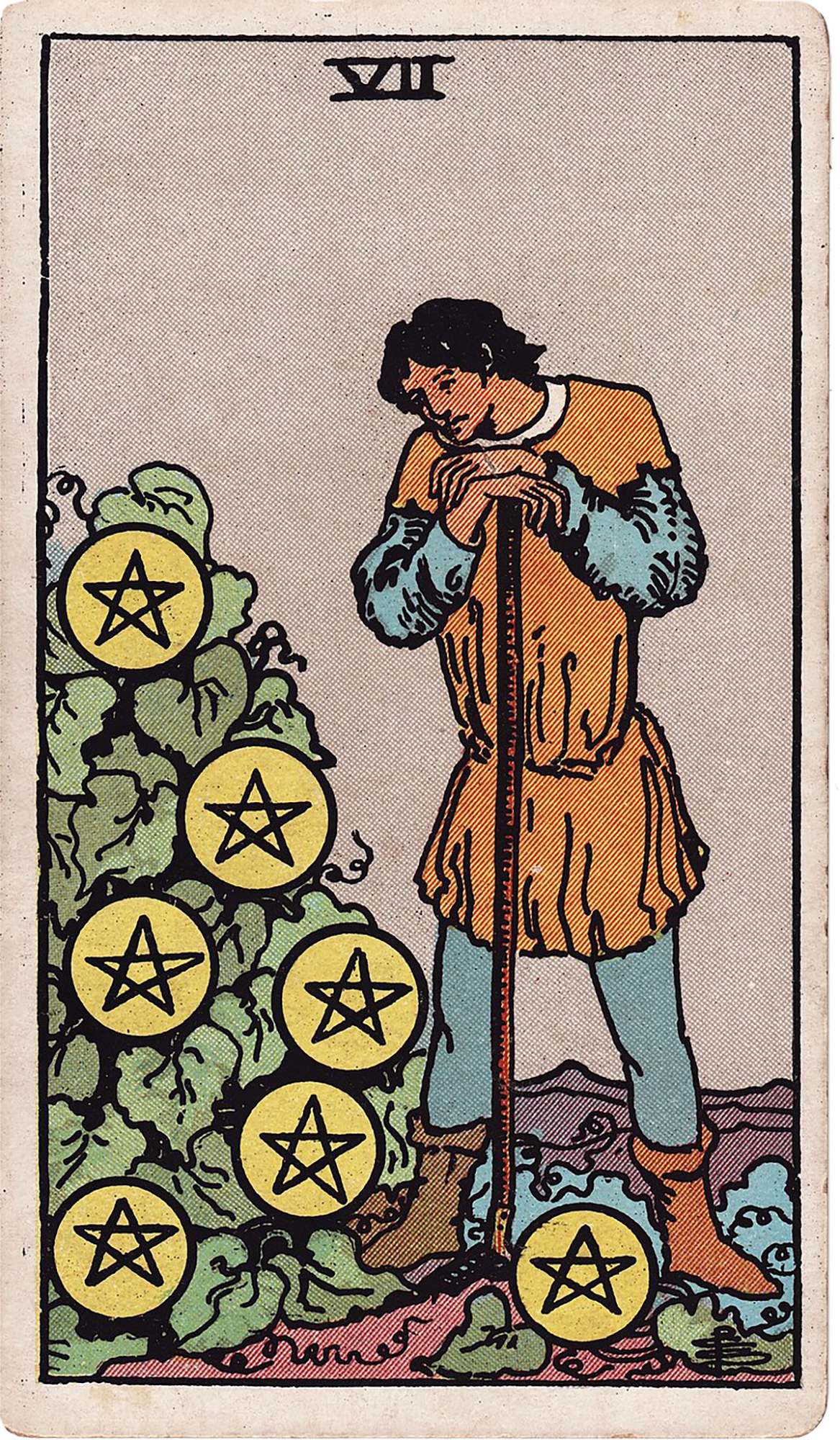 Option B7 of Pentacles
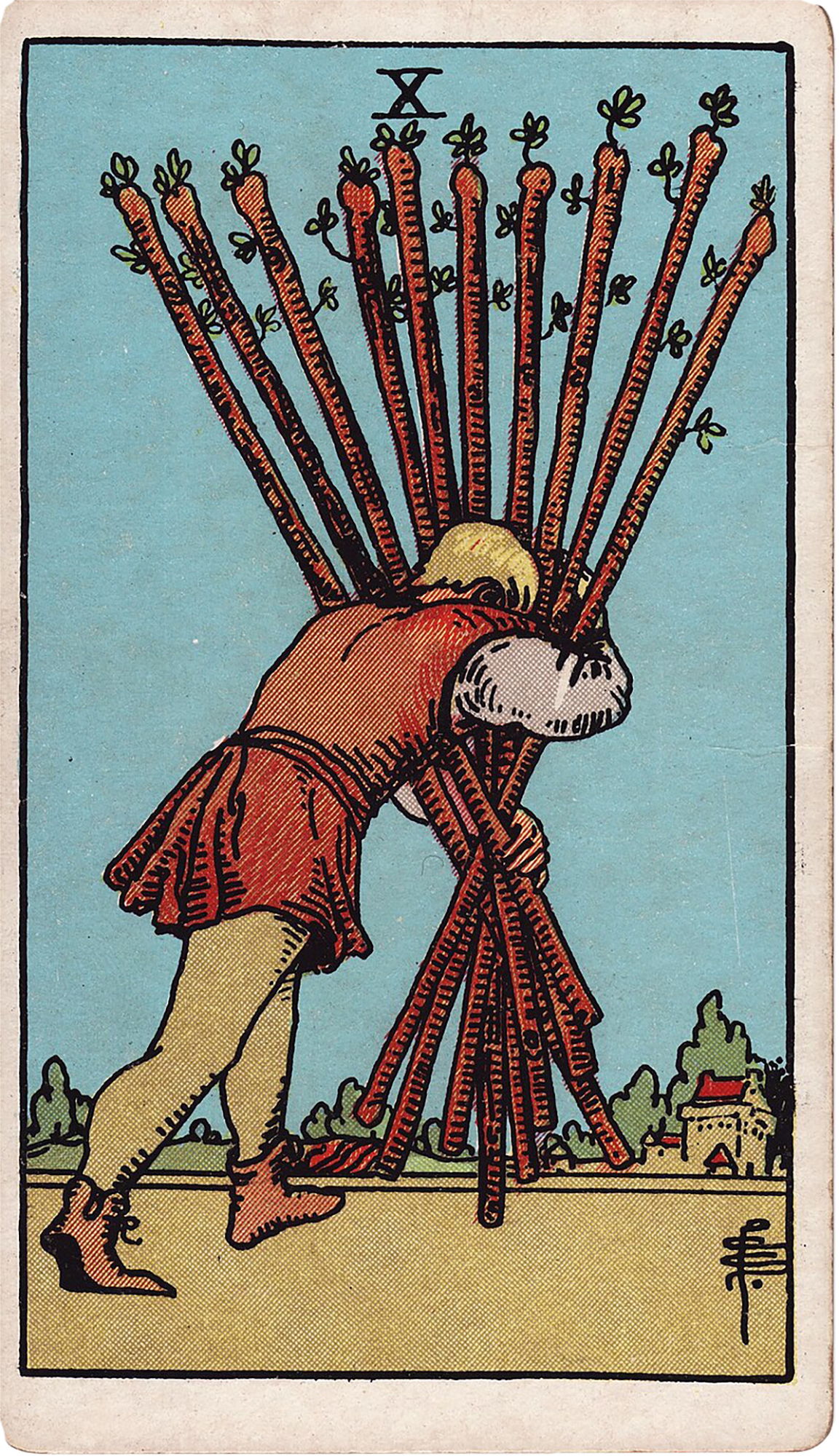 Hidden Factor10 of Wands
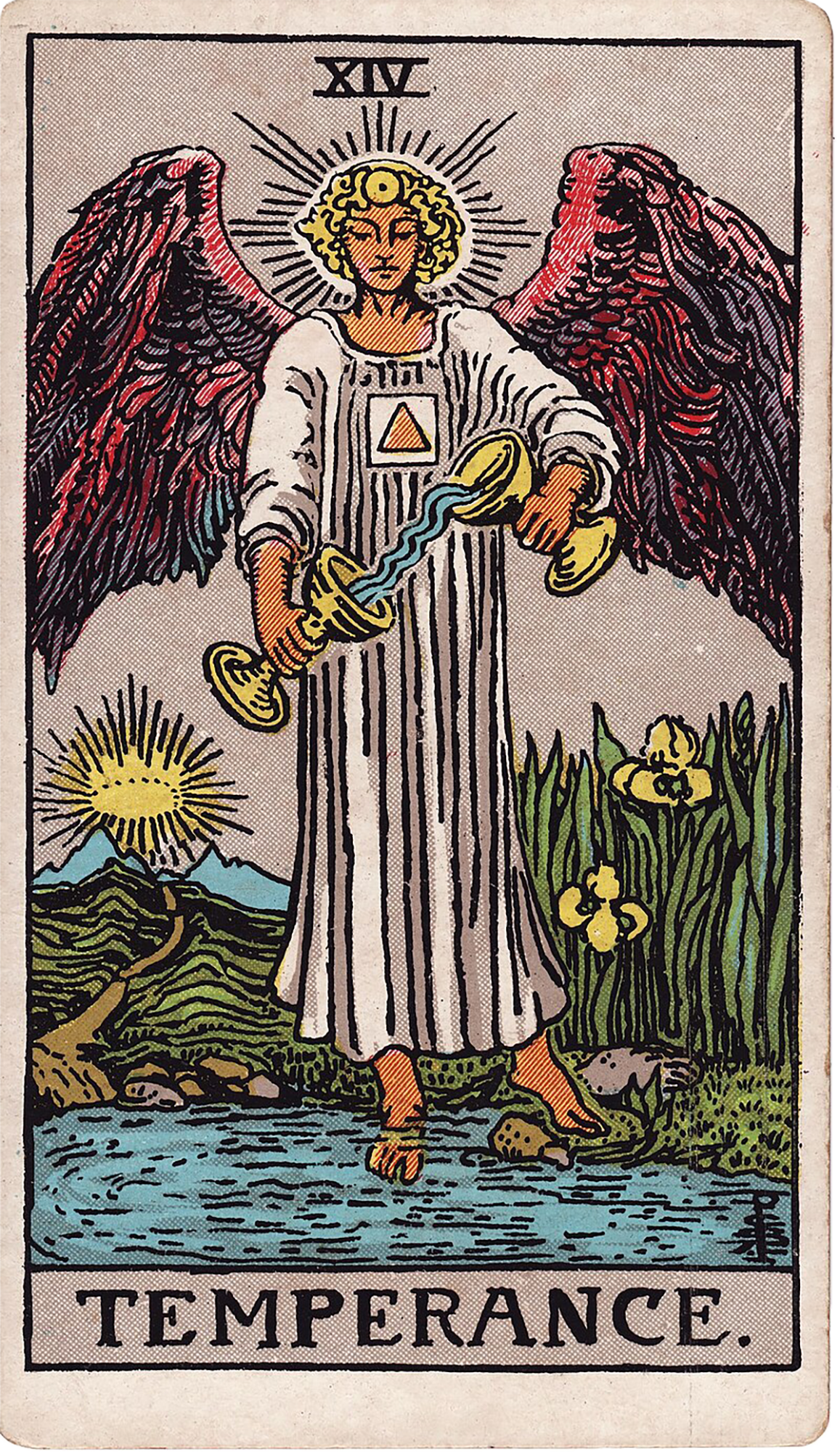 AdviceTemperance
Introduction and purpose
Decision-Five is a focused five-card spread designed for comparing two clear options while keeping an eye on the present situation, hidden constraints, and a single piece of strategic advice. This article uses the exact card sequence supplied: Temperance in Position 1 (Situation), 10 of Wands in Position 2 (Option A), Ace of Swords in Position 3 (Option B), 2 of Pentacles in Position 4 (Hidden Factor), and 7 of Pentacles in Position 5 (Advice). Because readers will see the supplied card images, the interpretation anchors to Rider-Waite-Smith imagery—Temperance’s angel mixing cups and a path to the sun, the burdened figure in the 10 of Wands, the single bright sword in the Ace of Swords, the juggling figure of the 2 of Pentacles, and the gardener’s pause in the 7 of Pentacles. The aim is practical: teach you how to weigh risk and reward, estimate long-term consequences, and produce a usable reading for real-world family decisions.
When to use this spread
Use Decision-Five when you face a binary choice with meaningful consequences and need a structured way to compare practical outcomes, emotional cost, and long-term return. Examples in a family context: deciding between continuing extra caregiving responsibilities (Option A) or negotiating a different arrangement (Option B); choosing between two job offers that affect family life; deciding whether to keep a family home or sell and relocate. This spread is best when you want a clear head-to-head comparison and an honest view of hidden pressures and sensible next steps.
The layout and positions
Lay the cards left-to-right in a single row or in a shallow arc. Label the positions clearly before reading: 1. Situation — where you are now. 2. Option A — the first choice to weigh. 3. Option B — the second choice. 4. Hidden Factor — unseen constraint or variable affecting both options. 5. Advice — an action or stance to apply. The supplied cards are used in this exact order: Temperance (Situation), 10 of Wands (Option A), Ace of Swords (Option B), 2 of Pentacles (Hidden Factor), and 7 of Pentacles (Advice). Keep this order when practicing so you learn the relationships and the consistent mapping of meaning to position.
Position 1 Situation — Temperance
Temperance in the Situation position frames the whole question as one asking for moderation, integration, and deliberate pacing. In Rider-Waite-Smith imagery the angel pours liquid between two cups, one foot on land, one in water, with a winding path to a distant sun: symbols of blending, steady integration, and a long-term horizon. Upright Temperance asks where a calm, measured synthesis or a middle-path approach is possible. In a family decision this can mean 'find a working compromise,' 'combine resources rather than choose extremes,' or 'introduce measured changes over time.' Reversed, Temperance points to impatience, extremes, or poor coordination—useful to flag burnout or emotional volatility that makes decision-making harder. As the Situation card, Temperance shapes how you read both Options: ask which choice better supports integration and steady progress and whether either option will push you into extremes.
Position 2 Option A — 10 of Wands
10 of Wands as Option A shows an alternative characterized by heavy responsibility and nearing completion. RWS imagery shows a figure carrying a large bundle of wands toward a town—practical, burdensome, and focused on finish-line effort. Upright, the card warns that Option A carries accumulated duties that may be managed but are heavy; completion may be near if the load is restructured. Reversed, it may indicate collapse under pressure, refusal to delegate, or the necessary release of burdens. Compare this Option directly against Temperance: does this heavy, end-stage energy harmonize with the Situation’s call for moderation and integration? If Temperance asks for steady blending, the 10 of Wands may succeed if responsibilities can be reorganized; it becomes riskier if the load forces extremes and undermines balance.
Position 3 Option B — Ace of Swords
Ace of Swords as Option B presents a different polarity: clarity, decisive conversation, and new intellectual strategy. RWS shows a single upright sword crowned and often circled by a laurel, sometimes with a hand from the clouds—imagery of a breakthrough, a new principle, or a clear decision. Upright, Ace of Swords suggests Option B can cut through confusion; it may be a bold clarifying step, an honest conversation, or a legal/strategic move. Reversed, the Ace of Swords warns about misuse of truth, premature judgment, or abrasive communication. Against Temperance in the Situation, Ace of Swords raises the question: will cutting clarity support an integrative path, or will blunt truth create fracture? Use the imagery—sword as instrument of clear separation—to decide whether Option B’s advantage (clarity) aligns with your need for balance.
Position 4 Hidden Factor — 2 of Pentacles
2 of Pentacles in the Hidden Factor position points to juggling, shifting priorities, and active balance as the unseen engine behind the decision. The RWS card depicts a figure juggling two pentacles with a lemniscate ribbon and distant ships on wavy seas—a visual metaphor for handling change and external pressures. Upright, 2 of Pentacles says that resource management, timing, and adaptability are at play even if you don’t consciously notice them. Reversed, it warns of overcommitment or disorganization. As the Hidden Factor, the 2 of Pentacles suggests that both Option A and Option B may be affected by how you manage time, money, or shifting family roles: perhaps your capacity is already spread thin, or external schedules create friction. Because it sits between the option cards and advice, it modifies how risk and reward actually manifest over time.
Position 5 Advice — 7 of Pentacles
7 of Pentacles as Advice invites patient assessment and realistic evaluation before radical change. RWS imagery shows a gardener pausing with a hoe, looking at pentacles growing on a plant—symbol of long-term investment and review. Upright, 7 of Pentacles recommends an honest review of returns, a pause to assess, and willingness to adjust expectations. Reversed, it warns impatience, poor return on effort, or staying stuck in a sunk-cost trap. As advice, the 7 of Pentacles encourages you to measure effort against outcome: take time to evaluate what has been invested and whether the expected returns justify continuing. In family terms, this might mean giving an arrangement more time with small adjustments rather than making a rushed, extreme choice.
Card to card relationships and comparative reading
Reading Decision-Five requires more than isolated card meanings: compare Temperance to both options, compare the two options to each other, factor in the Hidden Factor, and let Advice resolve tensions. Key relationships in this exact layout: - Temperance + 10 of Wands: Look for whether the burdened energy of the 10 can be integrated without tipping into extremes. Temperance can transform heavy responsibility into coordinated effort if boundaries and delegation are introduced. If 10 of Wands shows a reversed pattern, Temperance suggests the need to correct imbalance before proceeding. - Temperance + Ace of Swords: See whether clarity (Ace of Swords) will be applied with moderation or bluntness. Temperance asks for a tempered truth: a clearly spoken boundary or plan rather than a cutting declaration that severs support. - 10 of Wands + Ace of Swords: These two show the core tradeoff. 10 of Wands describes continued effort and potential burnout; Ace of Swords offers a clean, decisive alternative. Compare risk and reward: does continuing the burden yield material or emotional payoff (10 of Wands), or will decisive clarity (Ace of Swords) free resources but create short-term conflict? Use imagery—burden vs. sword—to visualize outcomes. - Option cards + 2 of Pentacles (Hidden Factor): The juggling theme of 2 of Pentacles suggests that both options will be filtered by your capacity to adapt and re-balance. If your personal or family resources are volatile (upside-down ships in the background), an option that looks good in theory may fail in practice unless you can manage shifting demands. - Overall to 7 of Pentacles Advice: Use the patient gardener as the final arbiter. Even a decisive Ace of Swords move should be measured against long-term returns; a continued 10 of Wands path should be assessed for whether the harvest justifies ongoing strain. The advice is often to pause, track outcomes, and make incremental changes rather than dramatic, irreversible moves.
Weighing risk, reward, and long-term impact
A practical method to weigh options in this spread: score each option on three axes and then read the cards to adjust your score qualitatively. Suggested axes: Immediate Risk (chance of short-term harm or friction), Reward Potential (material, relational, or strategic payoff), and Sustainability (the likely long-term ability to maintain the option). Rate each axis on 0–5, then use the cards to justify or alter scores. Apply the supplied cards: With 10 of Wands, Immediate Risk might be higher because of overload; Reward Potential could be moderate if completion yields material or relational gains; Sustainability is questionable unless workload is redistributed (Temperance can increase Sustainability if its moderation is applied). With Ace of Swords, Immediate Risk could be social friction from blunt clarity but Reward Potential is high in terms of decisiveness and strategic clarity; Sustainability depends on whether the clarity is implemented with consideration (Temperance) and whether you can juggle consequences (2 of Pentacles). Let 2 of Pentacles adjust scores: if you or your family are already juggling too much, lower Sustainability across options. Use 7 of Pentacles as a tiebreaker: if patience and review favor incremental improvements, prefer the route with higher long-term return even if initially slower.
Practical, step-by-step reading method
1) Prepare: Formulate a neutral question: 'Given my current situation, what are the likely risks, rewards, and long-term impacts of Option A versus Option B?' Avoid leading language that favors one choice. 2) Shuffle and draw five cards, or if practicing with the supplied deck images, place the cards in order: Temperance (Situation), 10 of Wands (Option A), Ace of Swords (Option B), 2 of Pentacles (Hidden Factor), 7 of Pentacles (Advice). 3) Observe imagery first: name concrete elements you see—Temperance’s cups and path; 10 of Wands’ bundle; Ace of Swords’ crown; 2 of Pentacles’ looping ribbon and ships; 7 of Pentacles’ gardener. Let these images evoke specific practical associations (who pays the price, who talks, what needs balancing, what’s worth waiting for). 4) Read positions individually with upright/reversed meanings. Decide if each card is upright or reversed and apply both the supplied upright/reversed text and RWS symbolism. 5) Compare side-by-side: Temperance vs. each option; Option A vs. Option B; Options vs. Hidden Factor; then fold these comparisons into the Advice. 6) Score risk/reward/sustainability if useful and let the cards modify those scores. 7) Close with practical action steps grounded in the Advice card: what to try this week, what to monitor, and when to reassess (7 of Pentacles suggests a review interval). Record the reading and revisit after following the advice for measurable feedback.
Worked family example
Imagine a parent deciding whether to keep taking on evening caregiving shifts (Option A) or to request a schedule reconfiguration and open a search for external help (Option B). With the supplied cards placed as prescribed: Temperance in Situation signals the parent needs an integrative solution—moderation and phased changes rather than extremes. 10 of Wands as Option A confirms that continuing the shifts is sustainable only with reorganization—it is a heavy load, close to breaking point. Ace of Swords as Option B suggests that asking for a formal schedule change or having a clear conversation (perhaps establishing boundaries or a written plan) can cut through ambiguity. 2 of Pentacles as Hidden Factor warns that the family’s current juggling of work, money, and child schedules is fragile; the ships on rough seas indicate external instability. 7 of Pentacles advice recommends pausing to assess past investments (how much effort has gone into the current arrangement), set measurable goals for change, and check results after a trial period. Practically this might mean negotiating a two-week schedule change (Ace of Swords) while delegating specific tasks or hiring occasional help to reduce the 10 of Wands burden—then measure outcomes for two to six weeks (7 of Pentacles) and adjust.
Common mistakes and how to avoid them
1) Treating cards as literal fate: This spread helps you make choices; it does not remove agency. Use cards as tools for seeing dynamics, not as commands. 2) Overemphasis on one card: Don’t let a striking image dominate. Temperance in the Situation must shape the reading; but weigh it against Option cards and Hidden Factor. 3) Ignoring reversals: Reversed meanings are not merely negative—they mark distortion, delay, or internalization. The supplied reversed texts help you ask useful questions: where is the energy blocked? 4) Leading questions: Frame neutral decision questions. If your question presumes a desired outcome you will bias the read. 5) Forgetting to track outcomes: Because the spread addresses long-term impact, record your reading and review as 7 of Pentacles suggests. Learn from the results.
Reproducing the method for study and practice
Practice with journaling. Do weekly mock readings where you propose two small family options (dinner routines, screen-time rules) and lay the five cards. Write down the images, the upright/reversed meanings, a comparative score on risk/reward/sustainability, and a concrete action plan based on Advice. Revisit after the agreed trial period and log actual results. Over time you will learn how Temperance frames your personal decision style, how you tend to interpret Wands’ workload vs. Swords’ clarity, and how Pentacles reveal resource limits. If you keep seeing 2 of Pentacles in the Hidden Factor in many readings, that pattern teaches you something consistent about your life: you’re habitually juggling.
Conclusion and responsible practice
Decision-Five is a compact, practical spread for weighing options with attention to both immediate tradeoffs and long-term consequences. Using the supplied cards—Temperance, 10 of Wands, Ace of Swords, 2 of Pentacles, and 7 of Pentacles—creates a coherent narrative: a situation calling for moderation, one option that risks burden, one that offers clarity, an underlying juggling dynamic, and advice to pause and evaluate. Read the images and RWS symbolism alongside the upright/reversed guidance. Use the scoring technique and a short trial-and-review plan to turn insight into responsible action. Above all, treat the cards as a decision-support system: an aid to clearer thinking in family and practical contexts rather than a substitute for your judgment.
Practice questions
• How does Temperance’s image of blending cups and a path to the sun change the way you think about the decision in front of you?
• If Option A is the 10 of Wands, what specific responsibilities could be delegated or removed to reduce the burden?
• If Option B is the Ace of Swords, how can you express necessary clarity in a way that respects Temperance’s call for moderation?
• Which elements of your life right now resemble the 2 of Pentacles’ juggling, and how might they constrain both options?
• What would a practical 7 of Pentacles trial period look like (duration, metrics to monitor, check-in points)?
• Are you leaning toward a short-term fix or a long-term solution—how do the supplied cards validate or challenge that leaning?
• What reversal interpretations (from the supplied reversed meanings) might appear in your reading and how would they change your plan?
• After following the Advice for a set period, what evidence would make you change course?
Comments
Sign in to comment.
Continue learning
Mastering Decision Making with the Five Card Cross Tarot Spread
The Five Card Cross Tarot Spread is a powerful tool for deepening decision-making skills by examining the present situation, past influences, future possibilities, challenges, and...
Exploring The High Priestess in Career Relationships and Personal Growth
The High Priestess card in the tarot deck invites readers to explore intuition, hidden knowledge, and inner wisdom across various life contexts. This article examines how The High...
Understanding The Chariot Card in Personal Ambition and Overcoming Obstacles
The Chariot card represents the power of focused will, disciplined action, and choosing a clear direction amid competing impulses. Upright, it encourages decisive steps forward usi...
Enhancing Clarity in Complex Choices with the Five Card Cross Tarot Spread
The Five Card Cross Tarot Spread is a practical tool designed to clarify complex choices by breaking down the decision into manageable parts. This article explores each position in...
Using the Five Card Cross Tarot Spread to Navigate Career Changes with Confidence
The Five Card Cross Tarot Spread is a versatile and insightful tool for navigating career changes. This article guides learners through the method step-by-step using a practical ex...
Understanding The Hermit in Self Discovery and Spiritual Enlightenment
The Hermit card in the Rider-Waite-Smith deck embodies themes of introspection, solitude, and spiritual wisdom. This article examines how The Hermit's upright and reversed position...
Using the Five Card Cross Spread to Make Confident Life Decisions
The Five Card Cross spread is a practical and insightful tarot layout designed to assist with complex life decisions by clarifying the situation, presenting options, uncovering hid...
Unlocking Emotional Depth with The Moon and The Lovers in Tarot Combinations
This article delves into the nuanced interplay between The Moon and The Lovers tarot cards, emphasizing how their combination unlocks emotional depth and complexity. By examining u...
Making Confident Life Choices with the Five Card Cross Tarot Spread
The Five Card Cross Tarot Spread is a powerful tool designed to aid practical decision-making, particularly within family or life-altering situations. This article explains the spr...
Using the Five Card Cross Tarot Spread to Gain Confidence in Difficult Decisions
The Five Card Cross spread is a powerful practical tool for navigating difficult decisions with confidence. By placing cards in positions representing Situation, Option A, Option B...