
Kabbalah and Tarot Mapping the Tree of Life for Modern Readers
This article explains how Kabbalah's Tree of Life has been used in Tarot tradition, especially in Golden Dawn-influenced systems, and gives modern readers concrete, practical ways to work with path and sephirot correspondences. Using the supplied images and card texts for The Magician, The High Priestess, and The Hierophant, the piece demonstrates interpretation logic, reading technique, common mistakes, and ethical/contextual cautions so learners can integrate Kabbalistic mapping without turning it into dogma.
Cards explored in this article
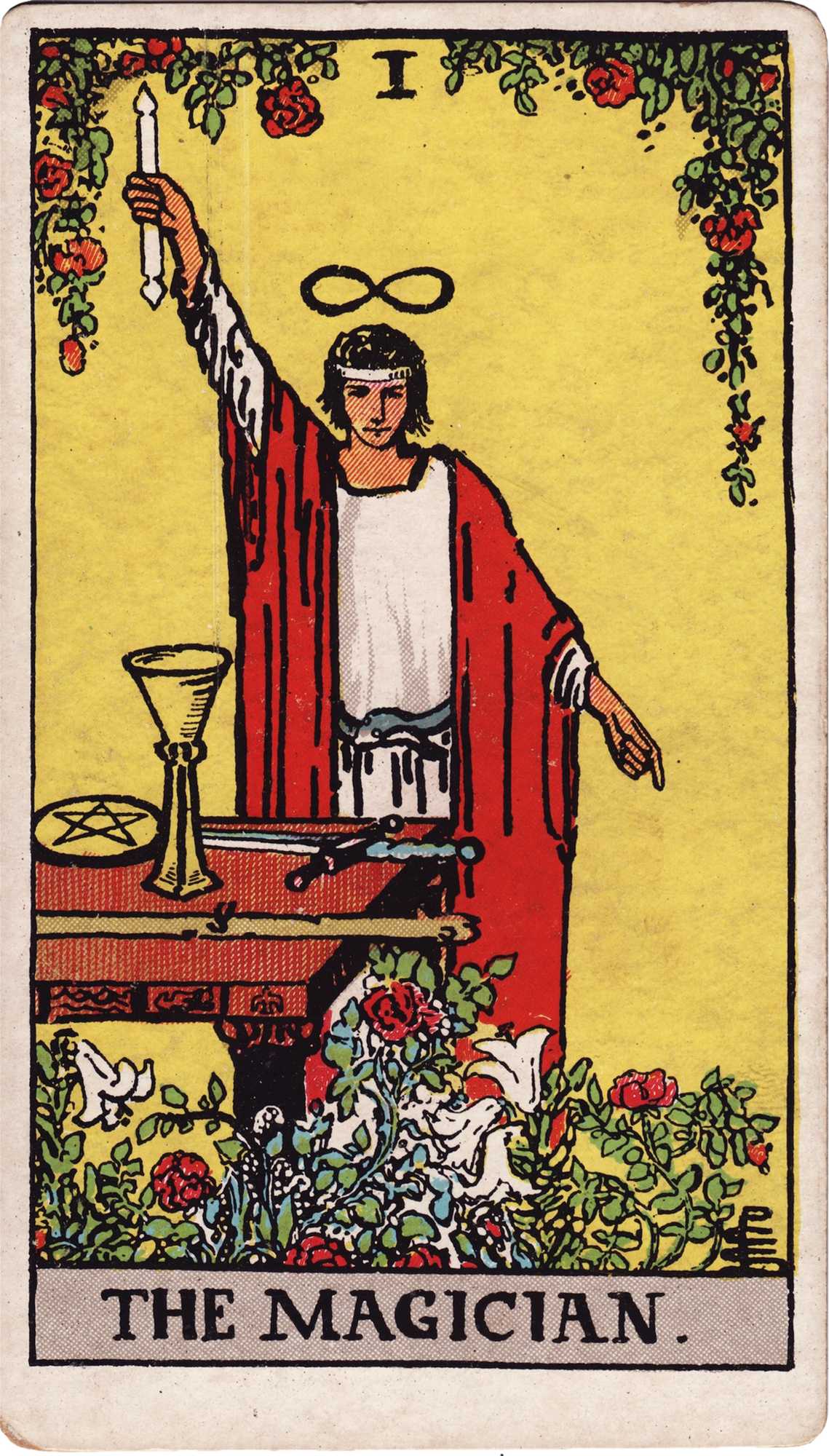 The Magician
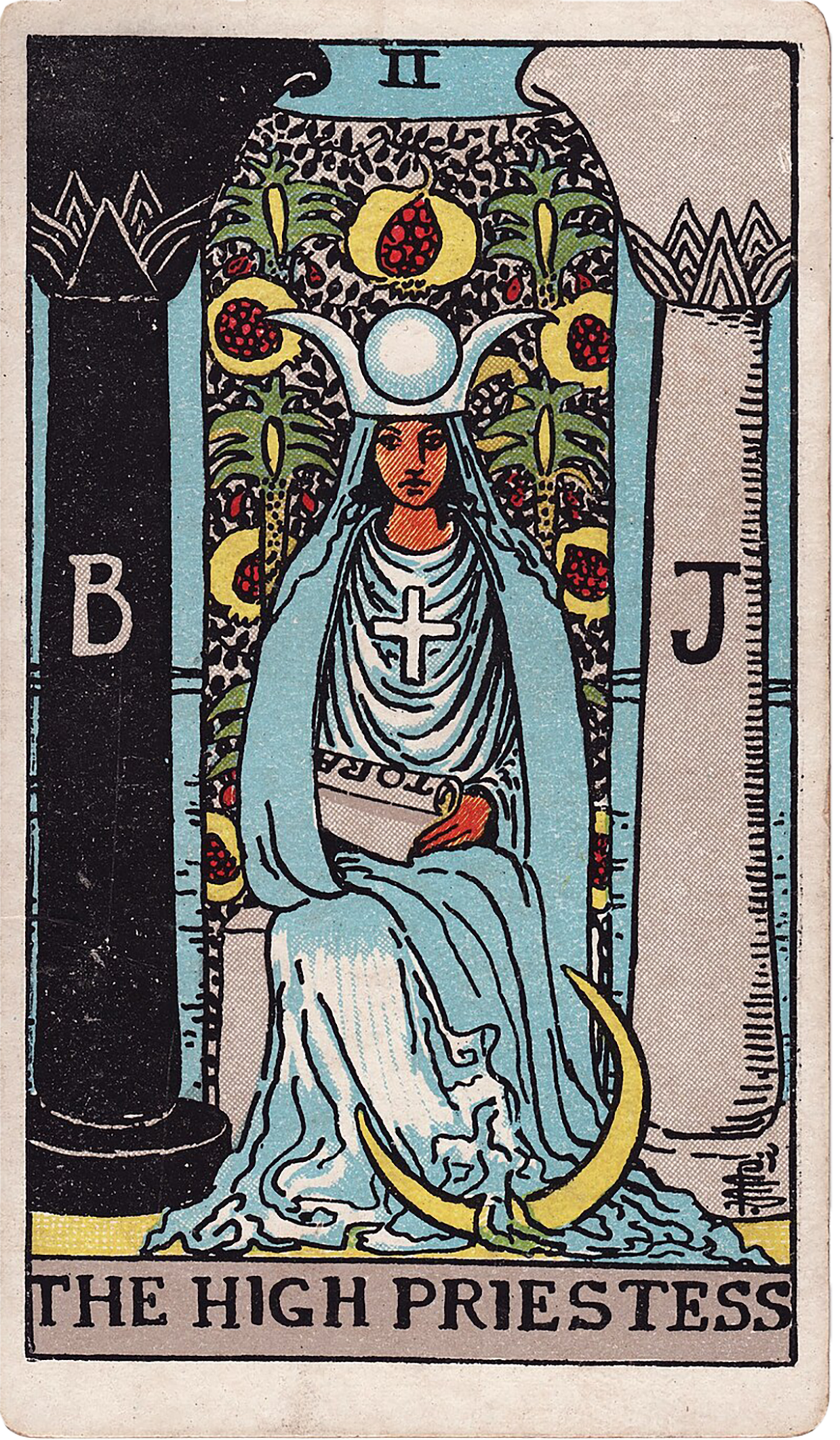 The High Priestess
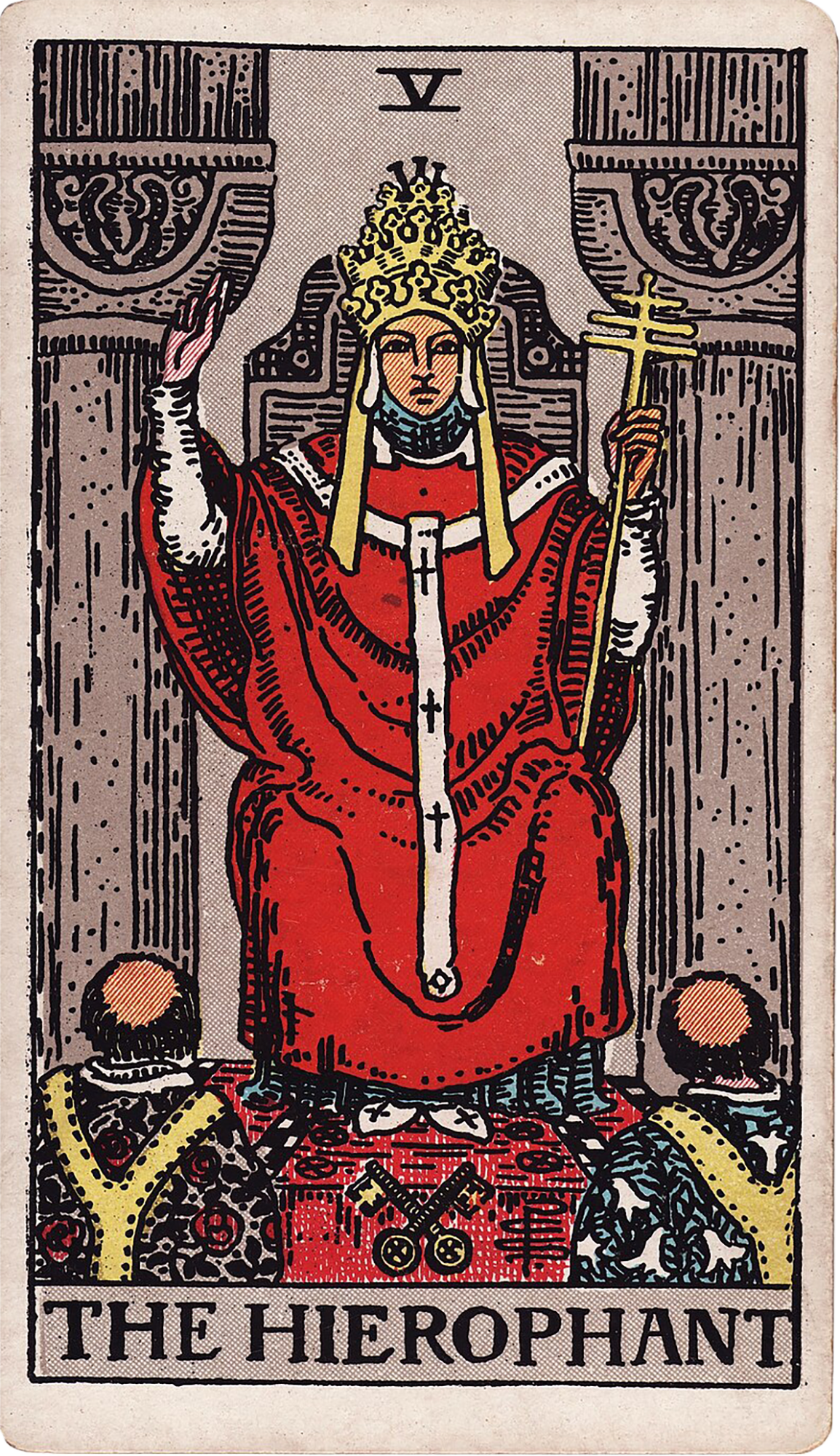 The Hierophant
Introduction: Why map Tarot to the Tree of Life
For many 20th- and 21st-century Tarot practitioners the Tree of Life offers a layered symbolic map that enriches interpretation. Kabbalah does not replace standard Tarot questions about motive, timing, or practical steps; rather, it supplies an additional axis: spiritual psychology and process. Mapping helps when a reading feels diffuse or when you want to trace inner development over time. In this article we use three supplied Major Arcana cards as touchstones — The Magician, The High Priestess, and The Hierophant — and repeatedly refer to their Rider‑Waite‑Smith imagery and the upright/reversed summaries supplied with them. That visual anchor keeps Kabbalistic ideas connected to everyday reading work.
A brief history of the Tarot–Kabbalah link
The connection between Tarot and Jewish Kabbalah is relatively modern. It became visible in the 19th and early 20th centuries, most famously in the Hermetic Order of the Golden Dawn, which assigned Hebrew letters and paths on the Tree of Life to the 22 Major Arcana and to astrological and elemental correspondences. Later occultists and esoteric writers expanded on or reinterpreted those assignments. Important caveats: these are Western esoteric adaptations, not traditional Jewish Kabbalah practice. For learners, that means the Tree of Life functions here as a symbolic, hermeneutic tool for psychological and mythic reading rather than a literal theological map.
Core elements: sephirot, paths, letters, and correspondences
The Tree of Life has ten sephirot (spheres) that represent qualities or centers of consciousness, and 22 paths that connect them. In Golden Dawn–derived systems each Major Arcana aligns to one of these 22 paths and to a Hebrew letter. There is also a layer of planetary and elemental correspondence: The Magician commonly corresponds to Mercury, The High Priestess to the Moon, and The Hierophant to Taurus or to certain priestly traditions, depending on the system. Practically, think of sephirot as locations on a map (qualities such as will, understanding, compassion), and paths as the dynamic connections — the processes or movements a querent is undergoing. When a Major Arcana card appears in a reading, you can ask whether it is describing a sephirotic quality (a place to work) or a path (a movement or transition).
Traditional correspondences for the three supplied cards
To anchor abstract discussion, here are commonly used associations from Golden Dawn-style mappings; they are presented as historically common, not absolute laws. The Magician (I) — usually associated with the Hebrew letter Beth and with Mercury. The Magician's RWS imagery (the table with the four suits, the infinity symbol, the wand pointing between 'as above, so below') supports reading him as the conscious channeler of inner resources into outward activity. The High Priestess (II) — commonly associated with the Hebrew letter Gimel and the Moon. RWS imagery (the veil, the pomegranate pattern, the scroll or Torah partially hidden) aligns her with hidden knowing, receptive intelligence, and the liminal space between manifest and divine. The Hierophant (V) — commonly associated with the Hebrew letter Vav in many systems and with institutional teaching, tradition, and sacred law. The RWS figure flanked by acolytes, the keys and triple crown, visually emphasizes mediation between spiritual law and cultural or communal order. Use these as working correspondences: letter, planetary tone, and a sephirotic feel rather than dogmatic endpoints.
Reading technique: how to use Tree-of-Life mapping in practice
1) Choose your mapping scope. You can map a single significant card to a path, map every Major Arcana in a Major Arcana spread, or overlay a small spread onto sephirot chosen for the question (for example, Tiphareth for integration, Netzach for victory/persistence). For beginners, start small: place one Major Arcana on one chosen path or sephirah and interpret the composite. 2) Anchor to imagery first. Before invoking Hebrew letters or sephirot jargon, describe what you see on the card. The Magician's tools, the High Priestess's veil, the Hierophant's seated posture — these details are your primary data. 3) Add Kabbalistic lens second. Ask: does the card describe a quality (sephirah) — for instance, The High Priestess describing a space of concealed intuition — or a movement (path) — for instance, The Magician as a channeling gesture from inner impulse into outward action? 4) Integrate upright/reversed nuance. Use the supplied upright/reversed descriptions: The Magician upright encourages deliberate use of available skills; reversed warns about manipulation or scattered talent. The High Priestess upright invites listening and quiet discernment; reversed highlights secrecy or mistrust of intuition. The Hierophant upright emphasizes learning from established wisdom; reversed flags dogma or rebellion without understanding. 5) Weigh surrounding cards. Paths and sephirot always sit in a systemic field. If The Magician appears but nearby cards emphasize withdrawal, then his outward initiative is delayed or internalized. Conversely, The High Priestess next to The Magician can show inner knowledge supplying the technique that will be applied.
Example reading using the three supplied cards
Question: 'Should I accept a leadership role at work?' Spread: three positions — inner readiness (where the querent is now), necessary inner work (what must be prepared), and outer alignment (how the environment will respond). Position 1: The High Priestess (upright) — image and supplied text emphasize listening beneath surface appearances and trusting quiet discernment. Interpretation: the querent's current strength is introspective discernment; they have a capacity to notice subtleties and to hold boundaries. Position 2: The Magician (upright) — the card's emphasis on using available skills deliberately suggests the next practical step: identify one concrete competency to display (communication, negotiation, or technical skill). The Magician encourages the querent to convert a general readiness into a deliberate first move — perhaps a specific proposal or boundary setting in the role. Position 3: The Hierophant (upright) — the environment values established wisdom, structure, and mentoring. If the Hierophant were reversed, it would suggest institutional resistance or an environment of dogma. Combined reading: inner wisdom is present, a deliberate outward demonstration of skill is required, and the workplace will evaluate you by traditional standards. Practical advice: choose one visible, ethical demonstration of competence, consult a mentor, and use quiet discernment in when to speak up. Note how each card's Rider‑Waite symbolism and the supplied upright/reversed text inform the practical steps.
Interpretation logic and synthesis: three-layered reading
When you combine Tarot and Kabbalah, use a three-step interpretive logic: 1) Image-first description. What does the card depict? Cite details: the Magician's infinity sign, the High Priestess's veiled Torah, the Hierophant's hand gesture and crown. 2) Card-meaning layer. Bring in the supplied upright/reversed text to establish the card's temperament: deliberate use of skills, listening beneath appearances, learning from established wisdom. 3) Kabbalistic/process layer. Ask how that temperament operates within a system: is the card describing a place to rest (sephirah), a bridge (path), or a planetary/elemental tone that colors the situation? For example, The Magician's Mercury association gives it speed and communication focus; placed on a path makes it about movement from possibility to action; placed as a sephirotic quality (or near Tiphareth) it can indicate the integration of will into visible achievement. Always re-check the reading against the querent's situation — the Tree of Life is a symbolic frame, not an oracle override.
Common mistakes and how to avoid them
Mistake 1: Treating mapping as fixed truth. Correspondences were created in a specific Western esoteric milieu; they are useful metaphors, not immutable facts. Mistake 2: Over-mapping — slapping a Hebrew letter or sephirah label on every card without first describing the image. Start with the card, then apply the mapping as an interpretive layer. Mistake 3: Ignoring cultural context and appropriation. Kabbalah has Jewish roots; respect that lineage and avoid presenting Kabbalah as a generic magic label. Mistake 4: Forcing complexity in simple readings. If a querent needs practical steps, do not layer a full Tree-of-Life mapping that confuses rather than clarifies. Mistake 5: Using reversed cards as moral judgments. Use the supplied reversed texts as cues to distortion, blockage, or interiorization, not as verdicts of failure. For instance, The Magician reversed can indicate scattered talent or manipulation; investigate how that shows up concretely rather than declaring the querent dishonest.
Practice exercises for learners
1) Image-to-path exercise: Pull a single Major Arcana and describe its image in three sentences. Then add one Kabbalistic question: does this card feel like a place to rest (sephirah) or a way to move (path)? Write both interpretations. 2) Triad mapping: Using the three supplied cards, make three short readings applying each card once to different positions (e.g., past, present, near future). Note how Kabbalistic framing alters priorities. 3) Reverse-swap drill: For each of the supplied card upright and reversed descriptions, write two possible real-life behaviors that match the card text (one adaptive, one distorted). For The High Priestess reversed, adaptive could be 'recognizing anxiety as not wise counsel'; distorted could be 'hiding important facts from a partner.' 4) Pairing practice: Pull a Minor Arcana card and pair it with The Magician on a path. Ask: how does the specific suit (cups, swords, wands, pentacles) color the Magician's action? Journal the results.
Ethical, cultural, and practical cautions
Kabbalah in Western occultism has often been decontextualized. Acknowledge this history with your querents and students: the Tree of Life is a symbolic tool adapted by Western esotericists; it does not represent Jewish religious practice in this context. When teaching, present the system as one of several lenses and encourage students to use it respectfully and critically. Practically, avoid overwhelming beginners with Hebrew letters and dense correspondences; prioritize image, narrative, and clear behavioral advice. Finally, remember that Tarot is a counseling and reflective practice for many people — when readings touch on trauma or mental-health questions, recommend professional support rather than over-relying on symbolic mappings.
Further reading and study strategy
If you want to go deeper, study three streams in parallel: (1) basic Kabbalistic concepts (ten sephirot, the idea of emanation), (2) Golden Dawn correspondence tables and how they were historically constructed, and (3) careful observation of Rider‑Waite‑Smith imagery by working with the cards daily in simple spreads. Balance reading occult histories with primary historical sources about Jewish Kabbalah to maintain perspective. Practice by doing focused months of work: one month track The Magician in readings, another month The High Priestess, another month The Hierophant, and journal how the Kabbalistic lens changes your advice and question framing.
Practice questions
• When you look at the supplied image of The Magician, which detail demands your first sentence of description, and how would that visual detail relate to the idea of a path or a sephirah?
• How does The High Priestess's veil in the Rider‑Waite image change your sense of what 'hidden knowledge' means when you map her to a place on the Tree of Life?
• If The Hierophant appears in a reading about career, what practical moves follow from interpreting him primarily as institutional guidance versus spiritual mediation?
• Which common mistake listed in the article do you recognize in your own practice, and what concrete habit will you change to avoid it?
• Choose a recent reading you did: could adding the Tree-of-Life frame clarify a follow-up question for the querent? If so, what single clarifying question would you ask?
• How do the upright and reversed supplied texts for each of the three cards guide you to differentiate between an interior process and an outward behavior?
Comments
Sign in to comment.
Continue learning
Harnessing the Power of The Magician and Ace of Wands: Igniting Creativity and Manifestation in Tarot Readings
The combination of The Magician and the Ace of Wands in tarot readings offers a potent blend of creative energy and manifestation power. This article delves into the ways these car...
Understanding the Synergy Between The Empress and The Emperor in Tarot Card Combinations
This article delves into the intricate synergy between The Empress and The Emperor cards in Tarot, focusing on how their combined energies modify and enrich readings across various...
Advanced Techniques for Combining The Moon and The Star to Enhance Intuition in Tarot Readings
This article explores advanced techniques to combine the symbolism and energy of The Moon and The Star Tarot cards to enhance intuition during Tarot readings. Drawing from traditio...
Using the Five Card Cross Tarot Spread to Navigate Career Changes with Confidence
The Five Card Cross Tarot Spread is a versatile and insightful tool for navigating career changes. This article guides learners through the method step-by-step using a practical ex...
Finding Emotional Healing and Renewal with The Star and The Moon Tarot Combination
This article examines the rich interplay between The Star and The Moon tarot cards when they appear together in a reading. Using the traditional Rider-Waite-Smith symbolism and the...
Using the Career Five Card Spread to Uncover Professional Strengths and Opportunities
This article presents a comprehensive guide to the Career Five Card Spread, designed to help learners explore professional strengths and opportunities using five specific Tarot car...
Unlocking Emotional Resilience with Strength and The Star in Tarot Combinations
This article delves into the Tarot card combination of Strength and The Star, revealing how their interplay highlights pathways to emotional resilience. Anchored in the Rider-Waite...
Unlocking Emotional Transformation with Death and The Moon Tarot Combination
This article explores the rich and complex interaction between the Death and The Moon tarot cards within the Rider-Waite-Smith tradition, focusing on their combined potential to un...
Unlocking Personal Ambition and Emotional Balance with The Chariot and Queen of Cups
The Chariot and Queen of Cups together represent a compelling combination of disciplined ambition and emotional maturity. This article guides learners through understanding how the...
Using the Three Card Spread to Gain Clarity on Past Present and Future Influences
This article guides learners through the practical use of the Three Card Spread to gain clarity on past, present, and future influences. Using the specific cards The Emperor in the...