
Mapping Emotional Labor and Reciprocity with the Relationship Five Card Spread
This article teaches the Relationship Five Card Spread (positions: You, The Other Person, Connection, Challenge, Direction) and demonstrates how to map emotional labor and reciprocity in family relationships using the exact cards Justice, 2 of Cups, 5 of Cups, Queen of Cups, and 6 of Pentacles. The piece explains each position, connects imagery and RWS symbolism to the theme, explores card-to-card relationships, offers a worked interpretation, lists practical actions and conversation prompts, and gives a reproducible technique for learners who want to practice responsibly.
Relationship Five
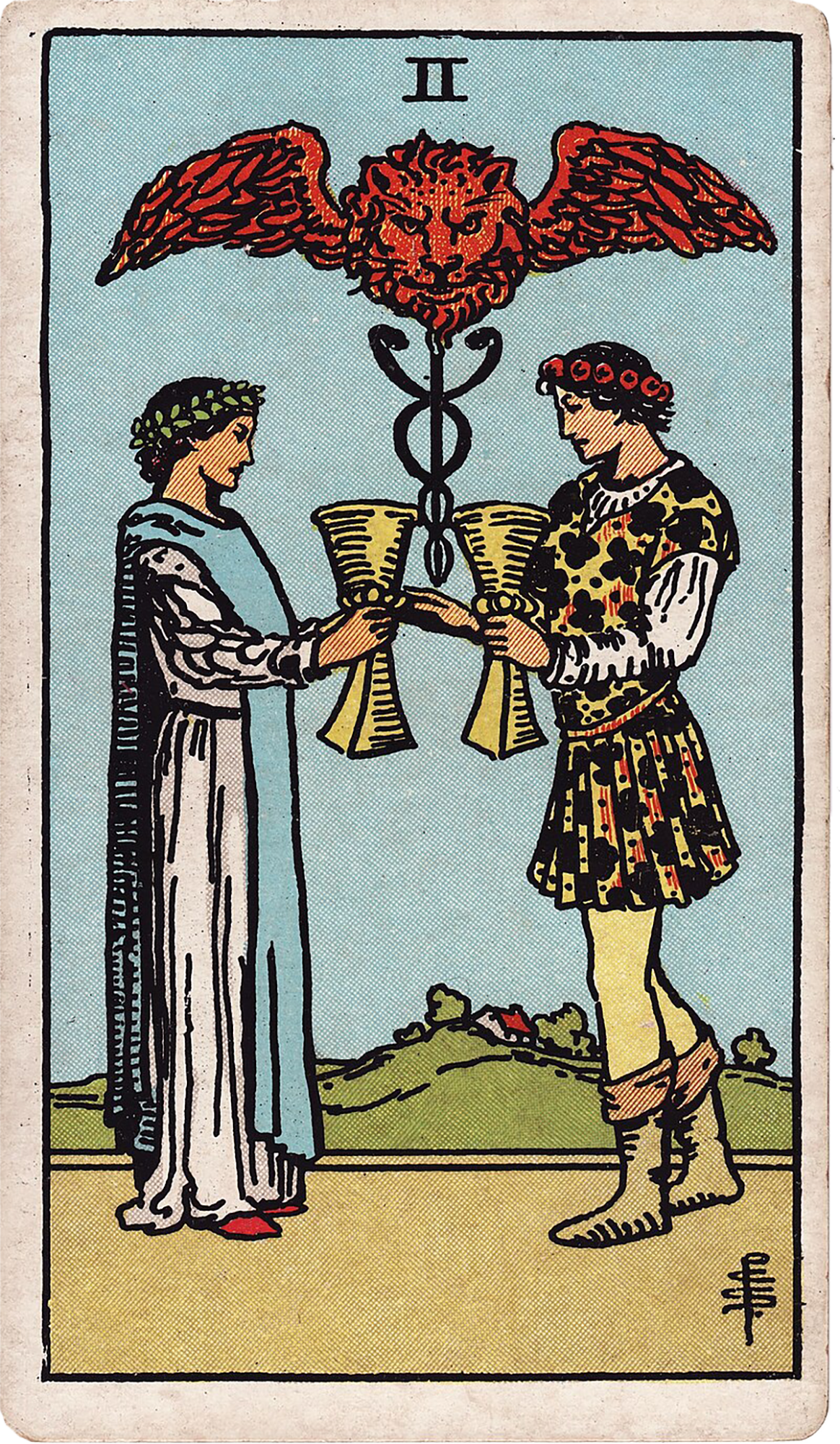 You2 of Cups
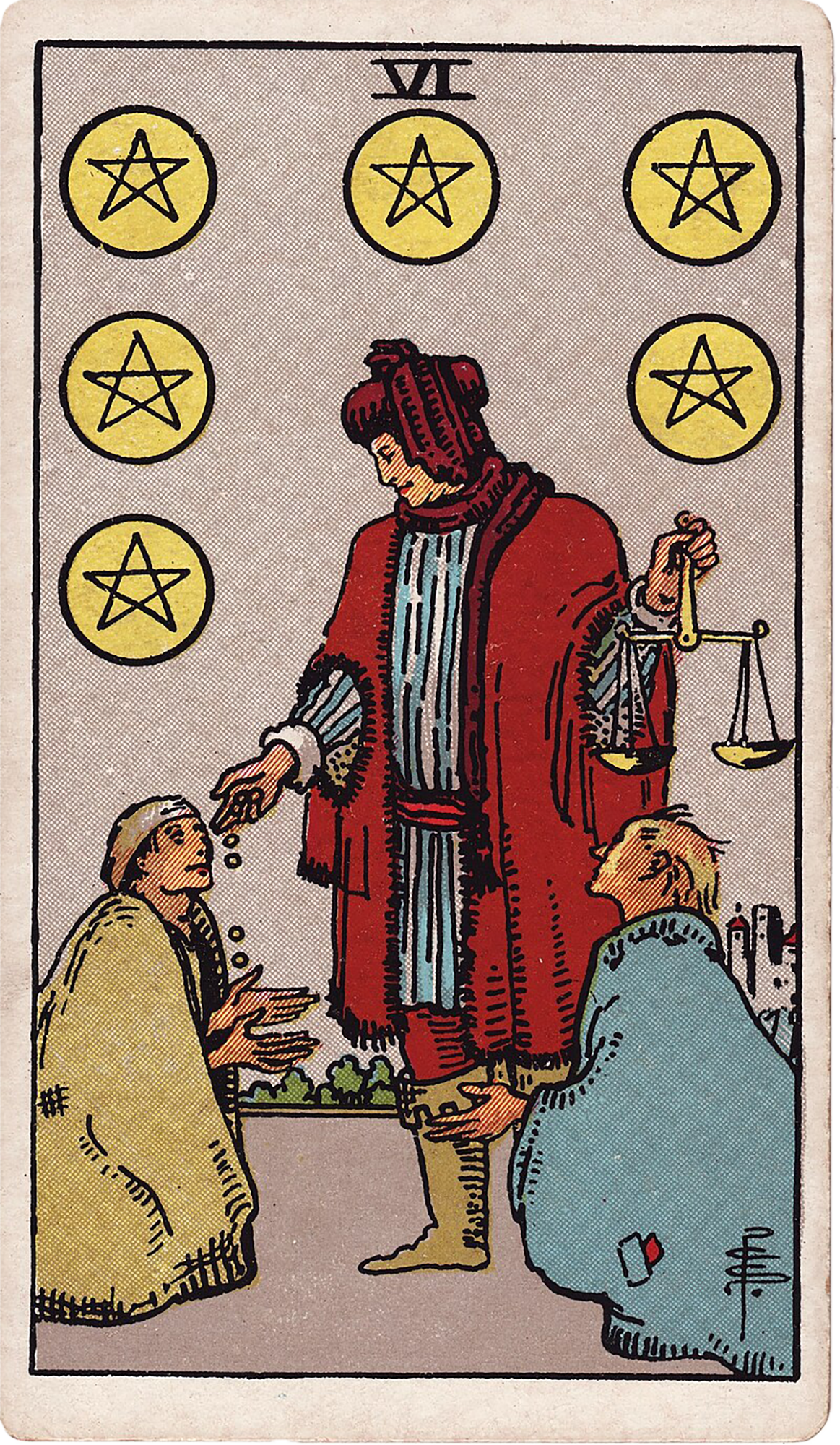 The Other Person6 of Pentacles
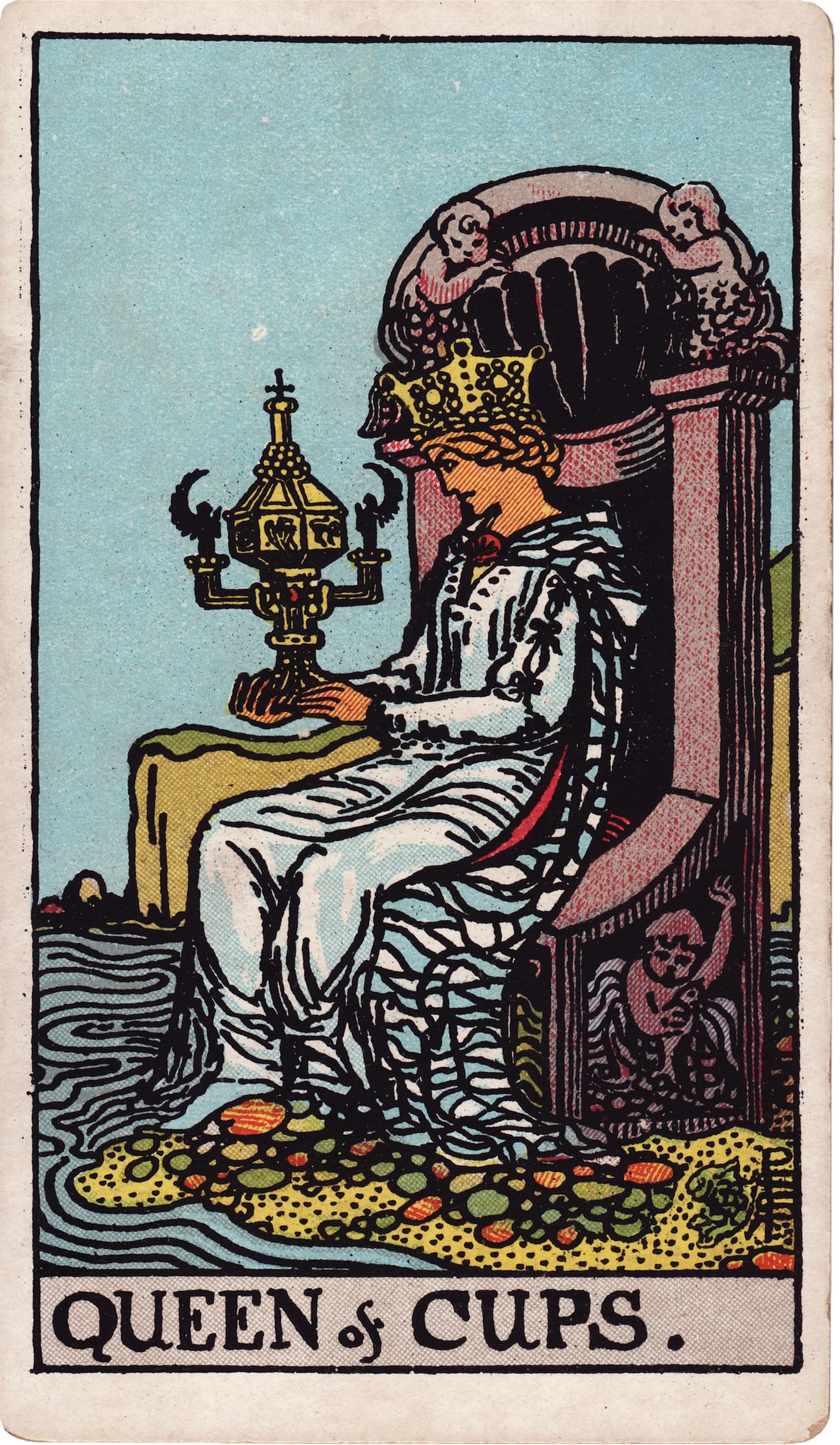 ConnectionQueen of Cups
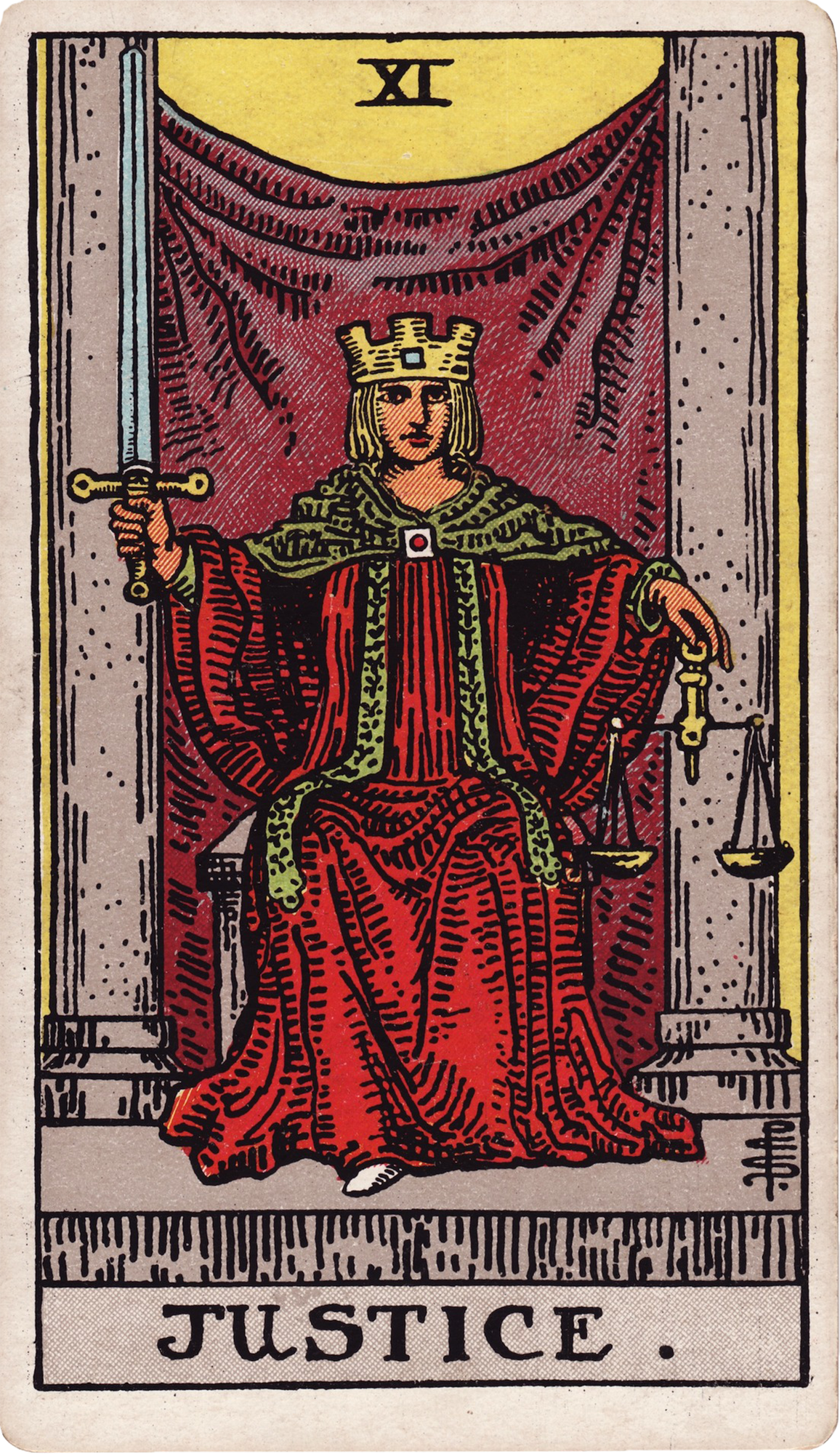 ChallengeJustice
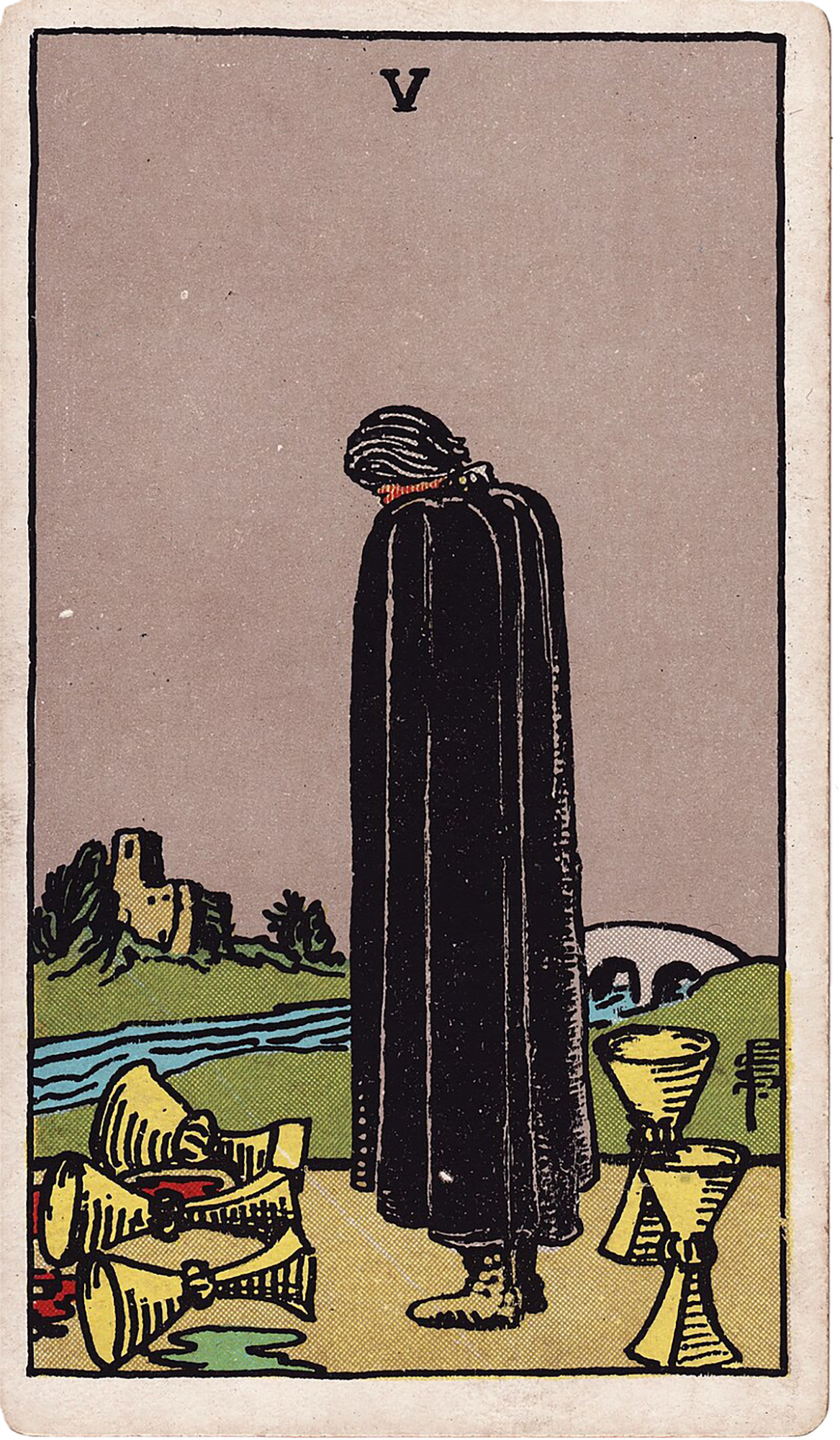 Direction5 of Cups
Why this spread matters for family emotional labor
Emotional labor and reciprocity are core concerns in family life: who notices, who comforts, who organizes, who sacrifices, and how those exchanges are balanced. The Relationship Five Card Spread is compact but specific: it names the two people involved (You and The Other Person), it maps the emotional terrain they share (Connection), it identifies what strains that terrain (Challenge), and it points to a practical next step (Direction). The cards supplied for this worked example — Justice, 2 of Cups, 5 of Cups, Queen of Cups, and 6 of Pentacles — are especially apt for conversations about fairness, mutuality, grief, empathy, and material/energetic exchange. Because the public article will display those exact images, this lesson constantly anchors interpretation in their visible symbols: scales and sword, two hands offering cups, a cloaked mourner and two standing cups behind, a reflective queen with a cup, and a merchant with scales distributing coins. That visual anchor helps learners read more concretely and practice with sharper technique.
The spread layout and how to set it up
The Relationship Five Card Spread uses five positions in a linear or slight arc layout. Position labels in order are: You, The Other Person, Connection, Challenge, Direction. Sit facing your space so 'You' is on the left and 'Direction' is on the right, or arrange columns vertically — what matters is the logical left-to-right flow. Before you shuffle, set a focused question like, 'How is emotional labor shared between me and X, and what would improve reciprocity?' Use a calm timer or 5–10 deep breaths, then shuffle until you feel done. Draw five cards in order and place them face up into the five positions. Note orientation (upright or reversed) and any immediate emotional reaction. For this article's worked example we will treat the cards as upright to build a coherent narrative, then explain how reversals would shift meaning.
Position 1 You Justice
Position label: You. Card: Justice. Image anchor: a seated figure holding scales and a sword, an emblem of measured judgment and clear consequence. Upright meaning (from the supplied card context): Justice emphasizes looking at facts clearly, accepting consequences, and making a fair decision that can withstand scrutiny. It asks where direct response, clearer boundary, deeper honesty, or a deliberate choice would move the situation forward. Applied to "You" in a family emotional labor question, Justice suggests the querent is being invited or required to take a conscious, proportionate stance: to inventory their contributions, to note what is being asked of them, and to decide where to set firm but fair boundaries. RWS symbolism useful here: the scales ask you to weigh inputs and outputs; the sword asks for clarity, not dramatics. Practical reading note: Justice rarely says 'blame'; it asks for integrity — working with what is available now and choosing the next measurable step. If Justice were reversed (see the supplied reversed text), it would suggest bias, avoidance of accountability, or denial — a useful warning that your own self-assessment may be distorted, or that fairness has been internalized as overcorrection or paralysis.
Position 2 The Other Person 2 of Cups
Position label: The Other Person. Card: 2 of Cups. Image anchor: two figures exchanging cups, often with a symbolic caduceus or lion-suggestive element above them in Rider-Waite-Smith decks. Upright meaning: 2 of Cups highlights reciprocity and mutual recognition; it emphasizes exchange rather than one-sided pursuit. Placed for The Other Person, this card suggests that the person across from you is either open to mutual exchange or has a relational orientation that recognizes partnership. In family contexts this can indicate someone who is capable of meeting you halfway emotionally — or at least, their pattern leans toward reciprocal gestures. Important nuance: 2 of Cups does not promise perfect alignment; it points to a capacity for meeting each other and the practical skills of Cup-sphere: emotion, receptivity, and memory. If the card is reversed, the supplied text instructs us to look for misalignment, unequal effort, or hidden internal difficulty — the other person may want reciprocity but be blocked, or they may be making gestures that are incompletely felt.
Position 3 Connection 5 of Cups
Position label: Connection. Card: 5 of Cups. Image anchor: a cloaked figure mourning three spilled cups while two full cups stand behind them. Upright meaning: 5 of Cups highlights grief that deserves acknowledgement while also reminding the reader that resources remain; healing begins when loss and the remaining are both seen. When 5 of Cups occupies the Connection slot, the shared relationship contains loss, disappointment, or unresolved regret. The mutual field may be colored by past hurts (missed promises, unattended needs, a moment of betrayal, or the ongoing exhaustion of one party's caregiving). This card asks both people to notice what is being mourned together and to recognize what is still intact in the bond. Its Cup energy means the issue is felt and remembered as much as it is argued about. Reversed, the 5 of Cups would call attention to fixation, difficulty moving on, or the early stages of turning toward what remains — useful to note whether the shared grief is beginning to loosen or is stuck as blame.
Position 4 Challenge Queen of Cups
Position label: Challenge. Card: Queen of Cups. Image anchor: a seated queen holding a cup, looking inward — a symbol of mature emotional receptivity, empathy, and an inner container. Upright meaning: Queen of Cups emphasizes empathetic listening, clear boundaries within care, and a practiced sensitivity. As the Challenge card, the Queen shows that emotional containment is both a resource and a hazard. The difficulty might be: who is doing the holding? Are boundaries being blurred because someone is over-absorbing, or is emotional labor being systematized by one person who is then drained? This card warns against two pitfalls described in the supplied reversed text: emotional overwhelm and codependency. The spread points to a recurring challenge in the relationship: the need to balance empathy with self-protection. If the Queen appears reversed, expect signs of withdrawal into fantasy, emotional flooding, or the risk that one party is unconsciously taking on others' moods and therefore becoming depleted.
Position 5 Direction 6 of Pentacles
Position label: Direction. Card: 6 of Pentacles. Image anchor: a benefactor holding scales and giving coins to two recipients. Upright meaning: 6 of Pentacles highlights resources moving through a relationship of giving and receiving; it asks whether exchange is fair, empowering, and transparent. As the Direction card, 6 of Pentacles gives a concrete next step for balancing emotional labor: make exchanges visible and equitable. In family practice that can mean converting vague expectations into explicit agreements (times for caregiving, defined chores, a rotating emotional-support schedule, or shared financial contributions toward childcare or therapy). The RWS image of scales reinforces Justice's call for measured exchange: here the focus shifts from moral clarity (Justice) to operationalizing fairness (6 of Pentacles). If 6 of Pentacles were reversed, follow the supplied reversed meaning: look for strings attached, unequal power dynamics, shame around receiving help, or resentment. That would advise more careful negotiation and perhaps the involvement of a neutral third party if there is a risk of exploitation.
Reading the card-to-card relationships
A spread is more than five separate meanings; it is a network. Anchor your reading in the visual symbols and the supplied interpretations, then trace pairings and tensions. Key relationships here: 1) You (Justice) and The Other Person (2 of Cups): These two cards suggest a meeting where you are bringing discernment and the other person is oriented toward partnership. The question: can your clear boundaries and fair assessment be translated into the kind of mutual exchange 2 of Cups promises? Justice wants explicit rules; 2 of Cups prefers a responsive rhythm. A useful synthesis is: offer your honest layout of contributions (Justice) and invite a reciprocal gesture (2 of Cups). 2) Connection (5 of Cups) and Challenge (Queen of Cups): The shared field of grief (5 of Cups) is what makes emotional containment (Queen of Cups) so difficult. If both people have been holding sorrow, one of them may have become the 'container' and the other the mourner, or both may be stuck. The Queen as challenge asks: who is doing the holding and at what cost? 3) Direction (6 of Pentacles) with other cards: 6 of Pentacles operationalizes the moral clarity of Justice into concrete exchange and can also ease the grief in 5 of Cups by redistributing burden. For instance, if Justice asks you to set boundary X, 6 of Pentacles tells you to propose a tangible swap — 'I will take mornings for meal prep if you cover evening check-ins twice a week' — making reciprocity measurable. 4) Cross-influences: Justice either supports fair negotiation or, if misapplied, becomes rigid; its interaction with Queen of Cups determines whether fairness is applied with empathy or weaponized as cold logic. Justice with 5 of Cups indicates that fairly acknowledging loss (a ritual, apology, or repair) is necessary before reciprocity can flow. 5) 2 of Cups and 6 of Pentacles together emphasize that reciprocity includes both emotional recognition and material/temporal exchange. The images line up: two people offering cups, and a third party distributing coins on scales — together they suggest balancing heart and practical resources.
A worked interpretation for a family example
Read as a coherent narrative, the upright spread tells this story: You (Justice) are being called to assess and state what is fair. The Other Person (2 of Cups) is capable of mutuality; they have the relational will to respond. The Connection (5 of Cups) is marred by shared disappointment or grief that hasn't been fully addressed. The Challenge (Queen of Cups) is learning to hold emotions without becoming overwhelmed — likely one person has been the primary emotional container. The Direction (6 of Pentacles) recommends practical, transparent exchange: make giving and receiving visible and equitable. Concretely, if you are the primary caregiver in a family and you hold Justice in the 'You' slot, the card asks you to make an inventory: how many hours of emotional labor do you do weekly? What are concrete examples? Present those facts calmly. If the other person shows 2 of Cups, they are likely to respond when invited to reciprocate, but the 5 of Cups in the connection warns that the relationship still carries hurt: perhaps past promises were broken or supportive gestures were inconsistent. The Queen of Cups as challenge indicates you must guard against either (a) taking responsibility for everybody's feelings to your detriment, or (b) retracting empathy completely because of exhaustion. 6 of Pentacles as direction gives a practical next step: propose an explicit exchange that is easy to track. Example script: 'I feel that I'm doing X and it's becoming unsustainable. Would you be willing to take on Y twice a week for a month so we can see if it helps?' The cards together ask for clarity (Justice), an invitation to mutual exchange (2 of Cups), a shared acknowledgement of loss (5 of Cups), emotionally balanced holding (Queen of Cups), and concrete redistribution (6 of Pentacles). Remember: this is a learning tool, not a deterministic prophecy. Use it to structure conversations and experiments.
How to reproduce this method and practice safely
Step-by-step reproduction: 1) Set intention: specify the relational question and name the other person. 2) Shuffle with the question in mind until you feel done. 3) Draw five cards in order and place them into positions You, The Other Person, Connection, Challenge, Direction. 4) Note card orientation and immediate bodily/emotional reactions; write them down. 5) Read each card's imagery and the supplied upright/reversed meanings. Anchor interpretations to visible symbols: scales, sword, cups spilled, the queen's gaze, the distributive scales. 6) Map card relationships (pair the You + Other cards, Connection + Challenge, and Direction against the rest). 7) Ask practical follow-up questions: What step is proportionate? Who will try it, when, and how long? 8) Convert the Direction into a small experiment with measurable endpoints (two weeks, four weeks). 9) Journal outcomes and repeat the spread after the trial. Safety notes: avoid reading for others without consent; if the reading shows risk (abuse, exploitation, or imminent harm) encourage professional or community support. Keep the focus on practical changes, not moralizing.
Common mistakes and how to avoid them
1) Overloading with prediction: This spread is practical; use it to make tests and agreements rather than to forecast fixed outcomes. 2) Ignoring orientation: reversals change the tone — a reversed Justice might mean self-deception; a reversed 2 of Cups might show hidden misalignment. Always record orientation. 3) Reading cards in isolation: meaning emerges in relationships; note how Justice's sword interacts with the Queen of Cups' containment, or how 6 of Pentacles translates 2 of Cups into material exchange. 4) Leading the reading: avoid asking biased questions like 'Will they finally help me?' Instead ask 'How can we fairly share this work?' 5) Skipping image reading: don't let keyword lists replace visual observation. Point to the scales in Justice, the spilled cups in 5 of Cups, or the giver's posture in 6 of Pentacles. 6) Forgetting to operationalize Direction: if the Direction card suggests fair exchange, write the exchange into a schedule and revisit it; a spoken promise is less reliable than a trial period with measurable steps.
Practice exercises for learners
1) Solo practice: Pull the spread for a low-stakes domestic task (laundry, dinner planning). Note cards and design a one-week experiment to balance chores. 2) Role-play with a trusted friend: one person reads the spread and practices presenting a Justice-style inventory while the other practices a 2 of Cups receptive response. Swap roles and reflect on emotional barriers. 3) Journal the Connection: when the 5 of Cups appears, write the shared losses in the relationship that you both might be mourning — then list two things that remain and can be built on. 4) Boundary mapping: with Queen of Cups as Challenge, practice saying one compassionate boundary sentence and one self-care follow-up action. 5) Convert Direction into a checklist: if 6 of Pentacles asks for visible exchange, create a weekly checklist of who does what and review it together every Sunday. These exercises develop both tarot literacy and relational skills.
Interpreting reversals in this worked spread
Because the supplied card context includes reversal notes, learners should treat reversals as modifiers, not doom signals. Examples of reversal read-throughs: - Justice reversed in You: warn of biased self-judgment, denial, or paralysis. The practical step is self-audit with an external datum (a time log) rather than relying on feelings alone. - 2 of Cups reversed in The Other Person: expect misalignment; ask clarifying questions rather than assuming reciprocity. - 5 of Cups reversed in Connection: this can be a hopeful sign that grief is loosening, but watch for premature cheerleading that skips necessary mourning work. - Queen of Cups reversed as Challenge: prioritize emotional boundaries and supervision of caretaking tasks so one person isn't absorbing everything. - 6 of Pentacles reversed as Direction: instead of proposing a simple give-and-take, design safeguards against strings attached and clarify intent openly. Always pair reversal reading with the images: a skewed image of scales or an inward-looking queen can tell you whether the distortion is internal/private or external/relational.
Closing guidance on ethics and learner mindset
Tarot is an interpretive tool best used to clarify choices and possibilities, not to replace consent or professional help. When working with family dynamics, prioritize safety, consent, and accountability. Use Justice to guide integrity in your proposals, 2 of Cups to invite mutual recognition, 5 of Cups to validate grief, Queen of Cups to model empathic boundaries, and 6 of Pentacles to design transparent, measurable exchanges. Practice with humility: test small steps, take notes, and revisit the spread after actions are taken. Over time, the pattern of cards and outcomes will teach you how to translate images into sustainable behavioral changes.
Practice questions
• When you picture the Justice card as your own posture, what practical boundary could you name and propose this week?
• If the other person embodies the 2 of Cups, what specific reciprocal gesture would feel like recognition to you?
• What grief or disappointment does the 5 of Cups bring into the open between you, and what remains that you can build on?
• Where are you acting like the Queen of Cups by absorbing others' emotions, and how can you protect your container without withdrawing care?
• What concrete exchange could you and the other person test for two weeks that honors the 6 of Pentacles' call for visible fairness?
Comments
Sign in to comment.
Continue learning
Interpreting the Dance of Justice and The Devil: Balancing Morality and Temptation in Tarot Readings
The combination of Justice and The Devil in tarot presents a profound exploration of morality, temptation, and personal accountability. This article unpacks how these cards influen...
Mastering Decision Making with the Five Card Cross Tarot Spread
The Five Card Cross Tarot Spread is a powerful tool for deepening decision-making skills by examining the present situation, past influences, future possibilities, challenges, and...
Enhancing Clarity in Complex Choices with the Five Card Cross Tarot Spread
The Five Card Cross Tarot Spread is a practical tool designed to clarify complex choices by breaking down the decision into manageable parts. This article explores each position in...
Using the Five Card Cross Spread to Make Confident Life Decisions
The Five Card Cross spread is a practical and insightful tarot layout designed to assist with complex life decisions by clarifying the situation, presenting options, uncovering hid...
Making Confident Life Choices with the Five Card Cross Tarot Spread
The Five Card Cross Tarot Spread is a powerful tool designed to aid practical decision-making, particularly within family or life-altering situations. This article explains the spr...
Using the Five Card Cross Tarot Spread to Gain Confidence in Difficult Decisions
The Five Card Cross spread is a powerful practical tool for navigating difficult decisions with confidence. By placing cards in positions representing Situation, Option A, Option B...
Using the Five Card Cross Spread to Gain Clarity in Difficult Life Decisions
The Five Card Cross Spread is a structured tarot layout designed to help clarify challenging life decisions by examining the situation, options, hidden influences, and advice. This...
Using the Five Card Cross Spread to Clarify Complex Decisions
The Five Card Cross Spread is a practical tarot method designed to clarify complex decisions by laying out the situation, contrasting options, hidden factors, and advice. This arti...
Using the Five Card Cross Spread to Gain Insight into Relationship Dynamics
This article provides an in-depth guide to using the Five Card Cross Spread for gaining clarity on relationship dynamics, especially within family contexts. Anchored by a worked ex...
Using the Five Card Cross Spread to Make Balanced and Informed Life Decisions
The Five Card Cross Spread is a powerful Tarot layout designed to aid balanced and informed decision-making. This article teaches learners how to use this spread effectively, focus...