
Mastering Decision Making with the Three Card Tarot Spread
This article teaches how to use the Three Card Tarot Spread—comprising Past, Present, and Future positions—to support decision making. Using the cards The Fool, Justice, and The Hanged Man, we explore the symbolic and practical meanings of each position. Emphasis is placed on understanding card relationships, applying Rider-Waite-Smith symbolism, and avoiding common pitfalls. Practical advice guides learners to reproduce this spread for family or personal readings, deepening insight into decision challenges and pathways.
Three Card
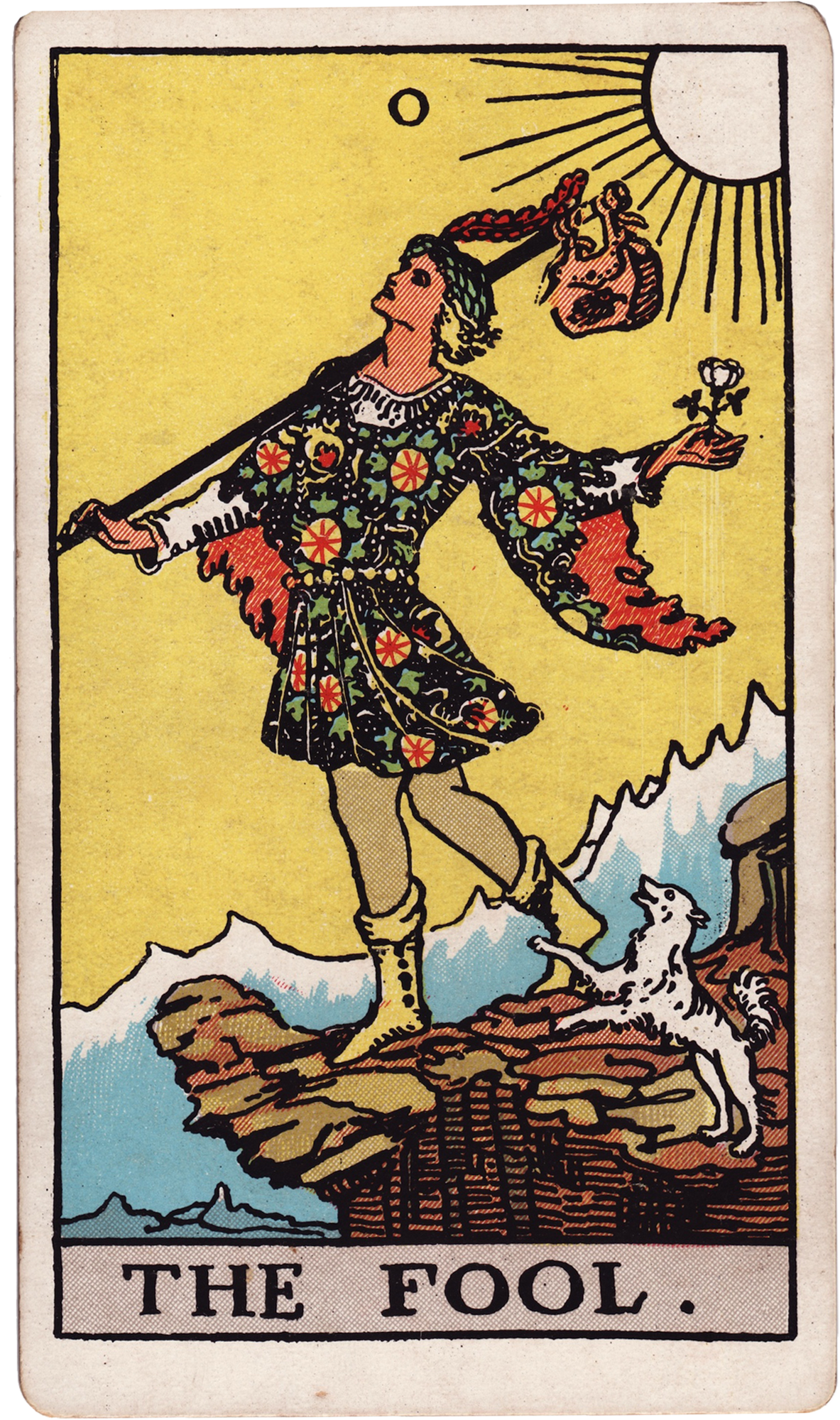 PastThe Fool
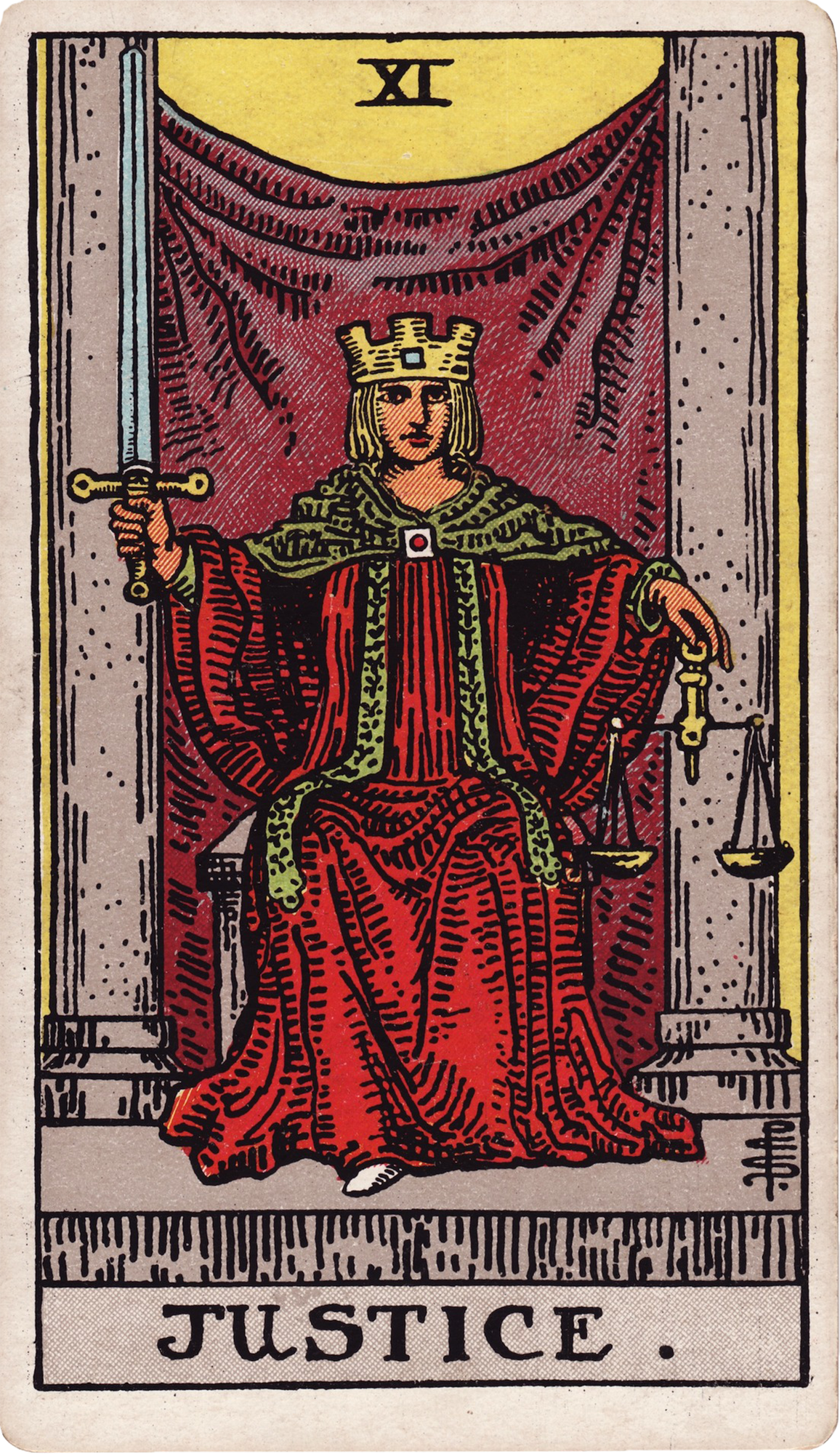 PresentJustice
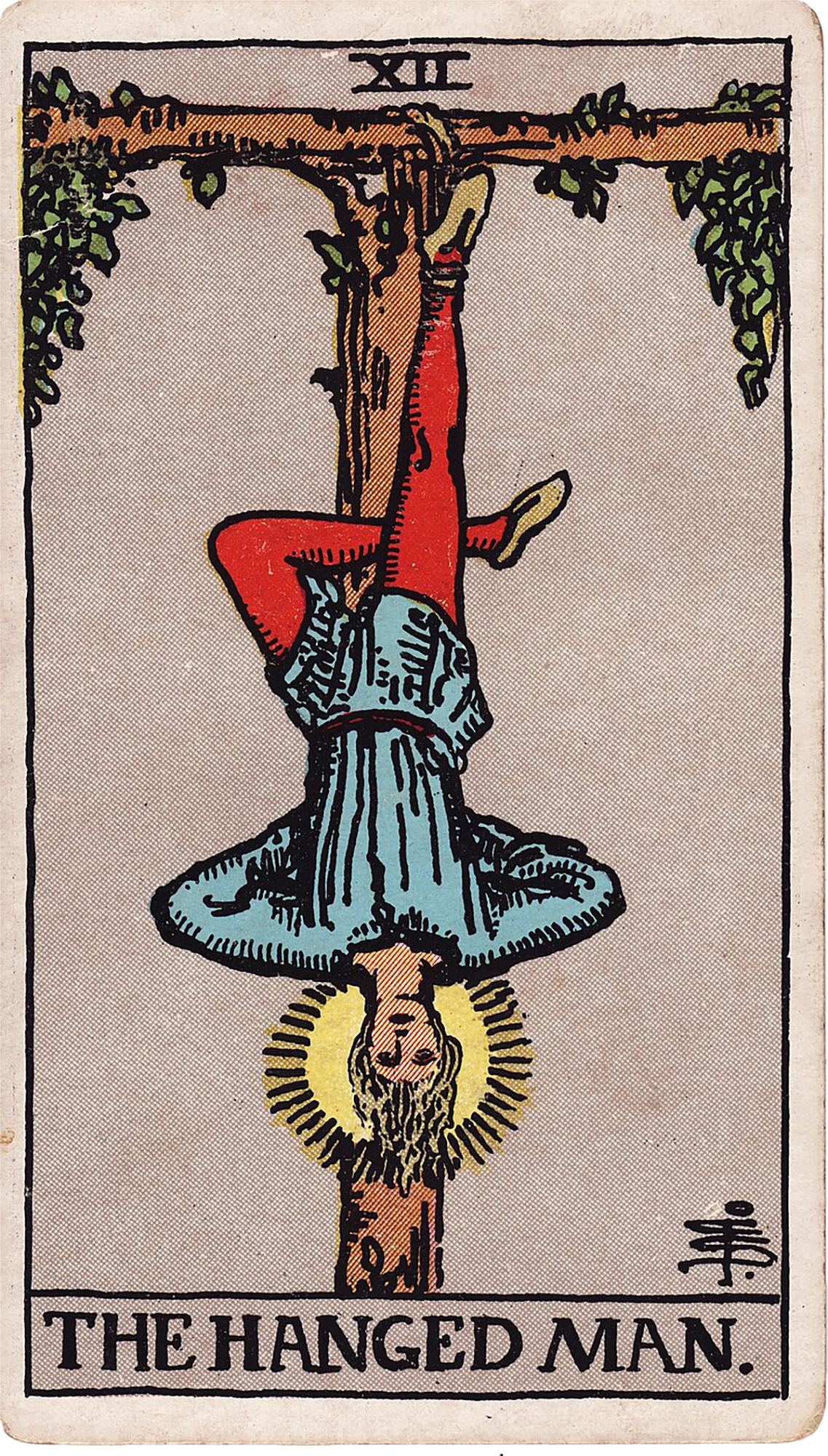 FutureThe Hanged Man
Introduction to the Three Card Tarot Spread for Decision Making
The Three Card Tarot Spread is among the most accessible and versatile layouts, ideal for learners and experienced readers alike. When focused on decision making, it provides a clear temporal framework—Past, Present, and Future—that helps illuminate the evolution of an issue, current dynamics, and possible outcomes. This method supports practical reflection rather than deterministic prediction. The cards selected for this exercise—The Fool, Justice, and The Hanged Man—offer rich archetypes that exemplify themes of beginnings, fairness, and perspective shifts critical to decision processes. Throughout this article, we will analyze each card in its positional context, explore their interrelationships, and guide the reader on how to replicate this spread effectively to master decision making in family or practical life settings.
Understanding the Spread Positions and Their Significance
Each of the three positions in this spread carries a temporal meaning that frames the decision at hand. The Past position reflects the foundations or earlier influences that shape the current situation. The Present position reveals the immediate context, challenges, or attitudes affecting the decision. The Future position offers insight into likely consequences or the direction emerging from current dynamics. By maintaining this structure, readers can track how the decision evolved, where it stands now, and how it might unfold. This temporal framing encourages a narrative approach to reading, helping the querent see their situation as a process rather than a static moment, which is essential for meaningful decision making.
Card Analysis in Context: The Fool in the Past Position
The Fool in the Past position symbolizes the initial leap or beginning phase of the situation. Upright, The Fool emphasizes embarking on a new journey with curiosity and openness despite uncertainty. This encourages embracing a direct response or deliberate choice even when all details are not yet revealed. In the Rider-Waite-Smith imagery, The Fool stands at the precipice, carrying minimal baggage, symbolizing potential and freedom unbounded by past constraints. In a decision-making context, this suggests that earlier in the situation, there was a courageous or spontaneous step taken—perhaps a risk, a fresh start, or a willingness to face the unknown. For learners, recognizing The Fool here means acknowledging the past choice to engage with the issue without paralysis. The card asks: Where did the decision process begin with openness? This awareness can ground the reading by reminding the querent that the foundation was built on a willingness to act even without full certainty.
Card Analysis in Context: Justice in the Present Position
Justice appearing in the Present position brings the critical theme of fairness, accountability, and clear-eyed evaluation of facts. Upright Justice, depicted with scales and a sword, invites the querent to weigh evidence impartially, accept consequences, and make balanced decisions. In the Rider-Waite-Smith deck, Justice’s sword points upward, symbolizing clarity and deliberate choice, while the scales emphasize equilibrium. This card urges the reader to examine the current situation with honesty and integrity, recognizing where boundaries must be set or fairness upheld. Applied to decision making, Justice in the Present position suggests that the querent is at a pivotal moment where unbiased assessment and ethical considerations are paramount. The card’s presence encourages asking: What facts need clearer recognition? Where is accountability required? This helps learners focus on practical steps that maintain balance and transparency in their choices.
Card Analysis in Context: The Hanged Man in the Future Position
The Hanged Man in the Future position signals the value of pause, perspective shifts, and surrendering control to achieve deeper understanding. Upright, The Hanged Man hangs upside-down calmly, symbolizing voluntary suspension and seeing the world from a new angle. Traditionally, this card advocates for intentional delay to reevaluate priorities, suggesting that future outcomes may require patience and acceptance of uncertainty. For decision making, this implies that the next phase involves letting go of rigid control or previous assumptions to allow transformation. Readers should consider: Where might a step back or altered viewpoint be necessary? How might releasing resistance lead to growth? The card's message helps temper impulsive moves by highlighting the benefits of reflection and strategic waiting.
Exploring Card-to-Card Relationships and Narrative Flow
In this spread, the cards create a coherent story about the decision process. The Fool in the Past illustrates the bold initiation, Justice in the Present demands evaluation and fairness, and The Hanged Man in the Future advises pause and perspective. Together, they suggest a journey: starting with open curiosity, moving toward balanced judgment, and then embracing surrender or transformation. This narrative flow reflects a healthy decision-making cycle that incorporates action, reflection, and adaptability. For learners, noting how cards relate across positions is crucial. The impulsive energy of The Fool is tempered by Justice’s rational weighing, which then leads to The Hanged Man’s call for a strategic pause rather than immediate resolution. This interplay encourages complexity in interpretation rather than simplistic yes/no answers.
Practical Steps to Reproduce This Spread in Your Readings
To apply the Three Card Tarot Spread for decision making in your practice, follow these steps: 1. Formulate a clear question or issue related to a choice or dilemma. 2. Shuffle your deck while focusing on the question. 3. Draw three cards and place them left to right, labeling them Past, Present, and Future. 4. Interpret each card in its temporal position, referencing traditional symbolism and how it relates to the question. 5. Look for connections and narrative flow among the cards. 6. Summarize the reading by integrating insights into practical advice or reflections. This technique works well in family or personal contexts where decisions benefit from clarity and balanced reflection. Encourage querents to engage with the cards’ lessons actively rather than passively seeking predictions.
Common Mistakes and How to Avoid Them
When using the Three Card Spread for decision making, beginners may encounter pitfalls such as: - Reading cards in isolation without connecting their story. - Overemphasizing one card’s meaning while ignoring positional context. - Expecting definitive answers rather than nuanced guidance. - Ignoring reversed card nuances or the possibility of internal psychological processes. - Rushing to interpret without sufficient reflection on the question’s specifics. Avoid these by consistently grounding interpretations in the positional framework, using Rider-Waite-Smith symbolism as a foundation, and treating the spread as a tool for insight rather than fortune telling. Allow space for ambiguity and learner curiosity.
Example Interpretation Summary Using The Fool, Justice, and The Hanged Man
Imagine a querent facing a family decision about moving to a new city. Drawing The Fool in the Past suggests they initially embraced the idea with excitement and openness, willing to take a risk. Justice in the Present indicates they are now carefully weighing pros and cons, considering fairness to all family members, and seeking balance. The Hanged Man in the Future advises patience and possibly delaying immediate action to allow new perspectives to emerge. This reading encourages the querent to honor their initial courage, maintain honest evaluation, and prepare to shift perspective rather than rushing. Learners can see how each card’s imagery and meaning supports a layered understanding of the decision process.
Conclusion and Encouragement for Mastery
Mastering decision making with the Three Card Tarot Spread is a practical exercise in narrative, symbolism, and ethical reflection. The Fool, Justice, and The Hanged Man provide archetypal guidance for beginning boldly, balancing fairly, and pausing wisely. By focusing on the temporal framework, card relationships, and Rider-Waite-Smith symbolism, learners develop confidence in reading for clarity rather than prediction. Practice reproducing this spread in diverse personal and family contexts to build fluency. Remember that tarot is a tool for empowerment, helping querents understand their choices with depth, honesty, and openness to transformation.
Practice questions
• How does understanding the temporal positions of Past, Present, and Future deepen your approach to decision making?
• In what ways does The Fool’s energy of beginning relate to your own experiences when making important choices?
• How can Justice’s themes of fairness and accountability influence the way you weigh options in family decisions?
• What situations in your life might benefit from the patience and perspective shift symbolized by The Hanged Man?
• How can you balance intuitive insights with rational evaluation when using this spread?
• What challenges do you face when trying to tell a story or narrative from multiple cards in a spread?
Comments
Sign in to comment.
Continue learning
Interpreting the Dance of Justice and The Devil: Balancing Morality and Temptation in Tarot Readings
The combination of Justice and The Devil in tarot presents a profound exploration of morality, temptation, and personal accountability. This article unpacks how these cards influen...
Mastering Decision Making with the Five Card Cross Tarot Spread
The Five Card Cross Tarot Spread is a powerful tool for deepening decision-making skills by examining the present situation, past influences, future possibilities, challenges, and...
Enhancing Clarity in Complex Choices with the Five Card Cross Tarot Spread
The Five Card Cross Tarot Spread is a practical tool designed to clarify complex choices by breaking down the decision into manageable parts. This article explores each position in...
Using the Five Card Cross Spread to Make Confident Life Decisions
The Five Card Cross spread is a practical and insightful tarot layout designed to assist with complex life decisions by clarifying the situation, presenting options, uncovering hid...
Making Confident Life Choices with the Five Card Cross Tarot Spread
The Five Card Cross Tarot Spread is a powerful tool designed to aid practical decision-making, particularly within family or life-altering situations. This article explains the spr...
Using the Five Card Cross Tarot Spread to Gain Confidence in Difficult Decisions
The Five Card Cross spread is a powerful practical tool for navigating difficult decisions with confidence. By placing cards in positions representing Situation, Option A, Option B...
Using the Five Card Cross Spread to Gain Clarity in Difficult Life Decisions
The Five Card Cross Spread is a structured tarot layout designed to help clarify challenging life decisions by examining the situation, options, hidden influences, and advice. This...
Using the Five Card Cross Spread to Clarify Complex Decisions
The Five Card Cross Spread is a practical tarot method designed to clarify complex decisions by laying out the situation, contrasting options, hidden factors, and advice. This arti...
Using the Five Card Cross Spread to Gain Insight into Relationship Dynamics
This article provides an in-depth guide to using the Five Card Cross Spread for gaining clarity on relationship dynamics, especially within family contexts. Anchored by a worked ex...
Using the Five Card Cross Spread to Make Balanced and Informed Life Decisions
The Five Card Cross Spread is a powerful Tarot layout designed to aid balanced and informed decision-making. This article teaches learners how to use this spread effectively, focus...