
Mastering Intuitive and Analytical Techniques for Advanced Tarot Reading
This article guides tarot learners through mastering both intuitive and analytical reading techniques, anchored by the archetypes and symbolism of The Magician, The High Priestess, and The Emperor cards. By integrating deliberate skill application, quiet discernment, and structured leadership qualities, readers develop a nuanced approach to advanced tarot interpretation. The article covers practical methods, common pitfalls, and interpretation logic to elevate reading accuracy and depth.
Cards explored in this article
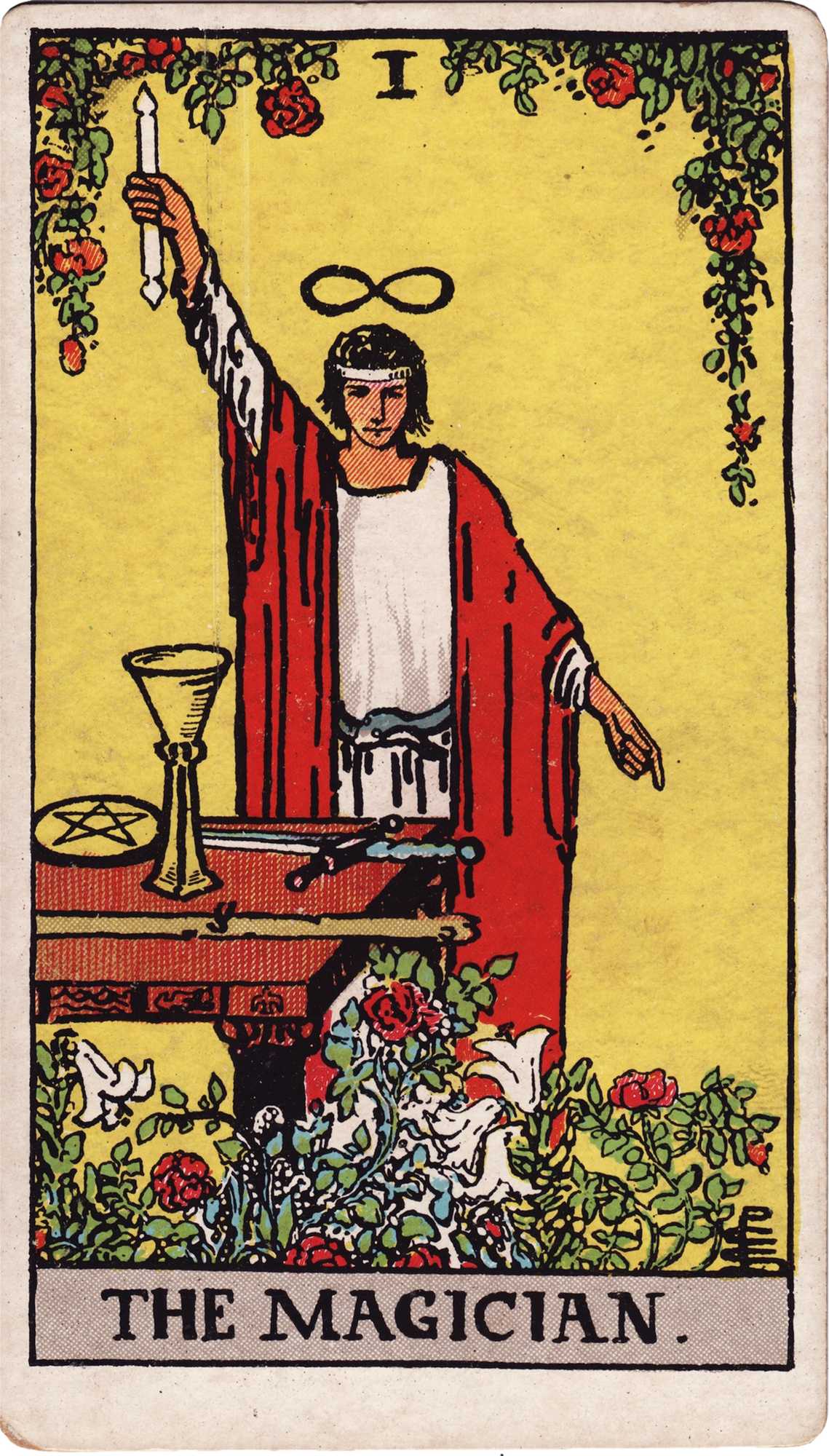 The Magician
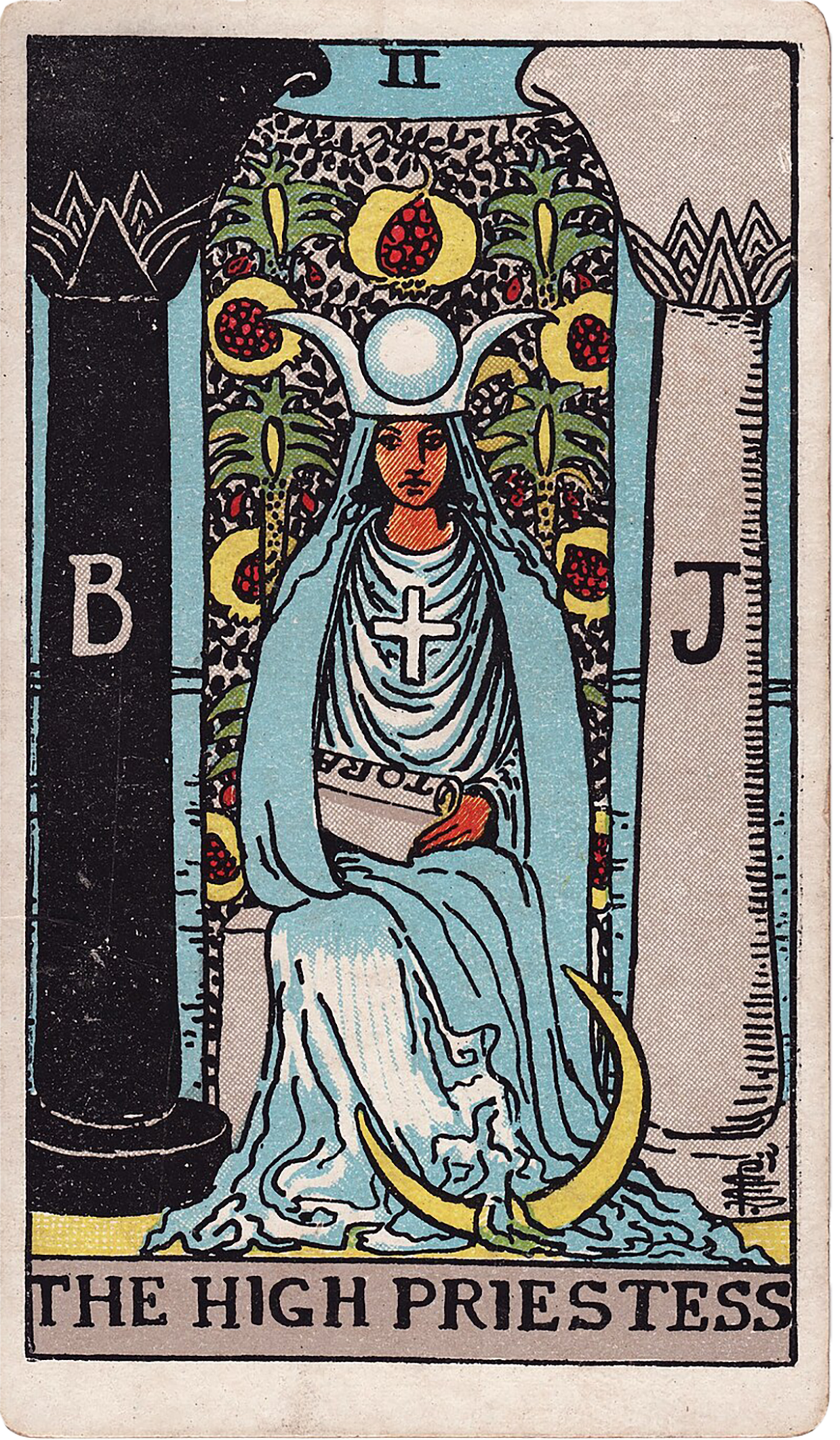 The High Priestess
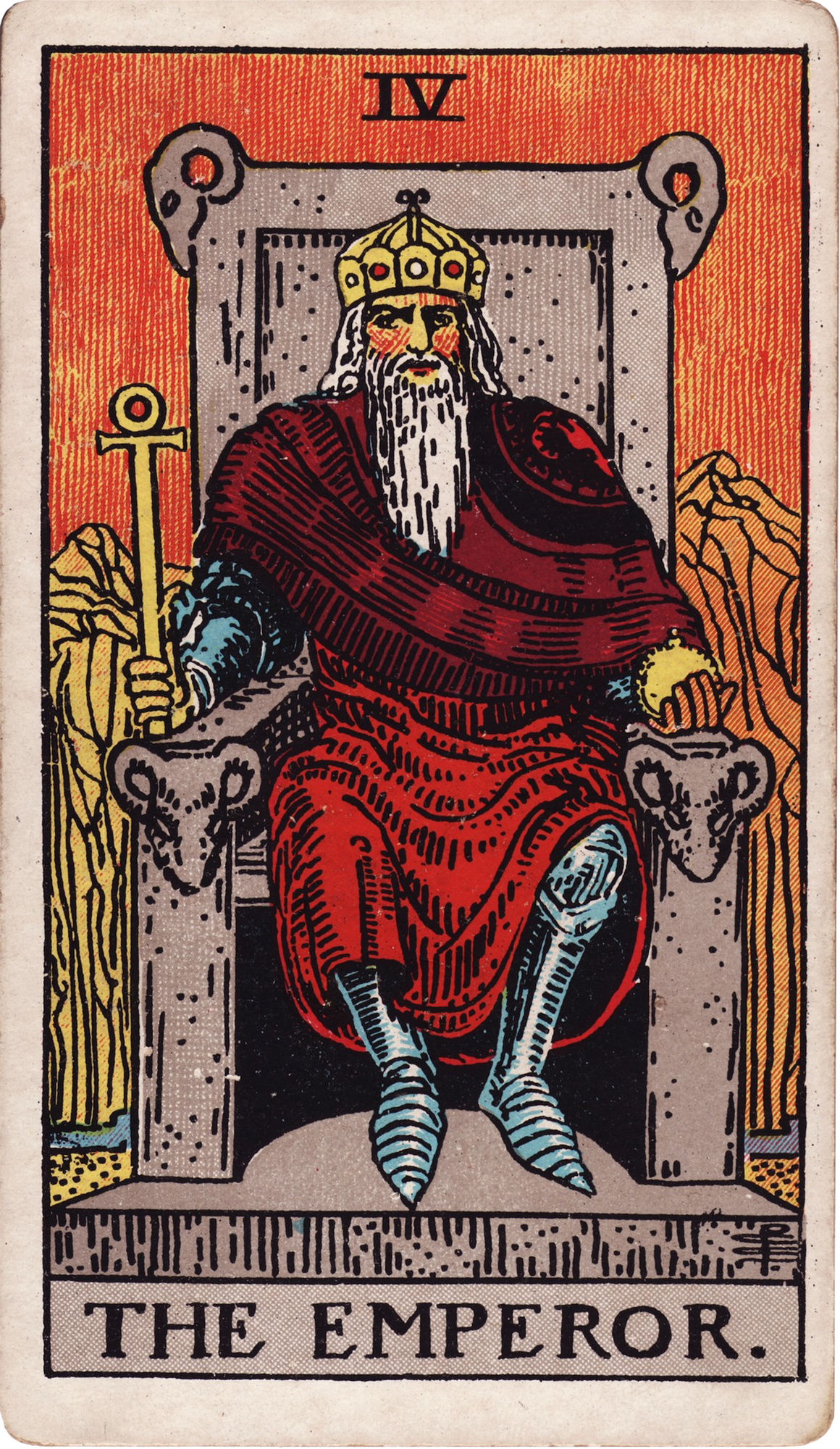 The Emperor
Introduction to Blending Intuition and Analysis in Tarot Reading
Tarot reading thrives at the intersection of intuition—the quiet inner knowing—and analytical thinking—the clear, structured interpretation of symbols. Beginners often favor one style over the other, but mastery requires balancing both. Analytical techniques provide structure and clarity, while intuition offers depth and subtlety. This article focuses on practical ways to develop these complementary skills, using The Magician, The High Priestess, and The Emperor cards as visual and thematic anchors. These cards exemplify the essential qualities of deliberate skill, quiet discernment, and structured leadership that form the foundation of advanced reading.
Understanding The Magician’s Role in Analytical Technique
The Magician, a card rich with symbolism, encourages readers to focus on using available skills deliberately and taking a concrete first step. Upright, this card signals a readiness to engage consciously with the central issue, emphasizing clarity and communication. In practice, this means the analytical reader should identify the elements present in the spread, assess the querent’s situation objectively, and formulate a proportional next step based on the card's lesson. For example, if The Magician appears upright, check what skills or resources are immediately accessible to the querent. Are there talents that have been overlooked? What deliberate choice could clarify or move the situation forward? Analytical reading here involves breaking down the symbolism—the wand and tools on the table, the figure’s confident posture—and translating them into practical advice without overreaching. Common mistakes include rushing to prediction without confirming the querent’s context or neglecting the card’s call for conscious action. By working patiently with the card’s upright energy, the reader sharpens skills in communication and deliberate interpretation.
Cultivating Intuitive Insight through The High Priestess
The High Priestess symbolizes listening beneath surface appearances and trusting inner discernment, making her a perfect guide for developing intuition. Upright, she invites the reader to slow down, observe hidden currents, and allow information to emerge naturally rather than forcing conclusions. To use intuitive techniques effectively, begin by observing the card’s imagery—her serene face, the scroll partially hidden, the pillars of Boaz and Jachin—and notice what thoughts, feelings, or impressions arise spontaneously. Rather than immediately rationalizing, sit with these impressions and let them deepen. Ask questions like, “What is not being said?” or “Where might hidden knowledge influence the situation?” This practice trains the reader to detect subtle energies and unspoken truths. In practical readings, incorporating The High Priestess’s energy means balancing the analytical facts with silent, receptive contemplation. A common error is mistaking anxious thoughts or projections for genuine intuition; instead, try to distinguish calm inner knowing from mental chatter. This card encourages patience and trust in the gradual unfolding of insight.
Applying The Emperor’s Lessons for Structured Interpretation
The Emperor represents authority, responsibility, and clear boundaries, making him an ideal model for disciplined, systematic analysis in tarot reading. When The Emperor appears upright, it signals an invitation to impose order and build stable frameworks around the querent’s issue. For readers, this means organizing information logically, defining limits, and setting realistic expectations. Look at the card’s throne, the ram symbolizing assertive energy, and the armor signifying protection—each detail reminds the reader to blend strength with responsibility. Analytical reading here involves categorizing the querent’s circumstances, identifying where control is possible or needed, and suggesting structured action. A practical method is to outline the problem into clear parts, then apply The Emperor’s principle of leadership to suggest where boundaries or systems can help. Avoid over-controlling interpretations that stifle flexibility; instead, strive for balanced authority. This approach helps move beyond vague insights to actionable guidance.
Combining Intuitive and Analytical Approaches in Practice
Mastery emerges when readers fluidly alternate between The Magician’s active skill use, The High Priestess’s responsive listening, and The Emperor’s structured judgment. Start by analyzing the cards’ surface meanings and context, then pause to sense any deeper intuitive messages. For instance, if The Magician and The High Priestess appear together, the reading invites both deliberate action and quiet reflection—notice which dominates and how they interplay. During readings, use a two-step process: first, identify concrete facts and resources analytically; second, engage your intuition to detect nuances or emotional undercurrents. This dual method prevents common pitfalls such as over-intellectualizing or vague mysticism. For example, a querent facing career decisions might see The Emperor upright alongside The High Priestess reversed. Analytical reading highlights the need for clear boundaries and leadership, while intuition notices the reversed High Priestess’s warning about blocked inner knowing or secrecy. Together, these insights suggest balancing external control with inner clarity, perhaps by addressing hidden doubts or blind spots.
Common Mistakes and How to Avoid Them
New and intermediate readers often fall into traps such as: - Over-relying on intuition without grounding interpretations in card symbolism or querent context, leading to vague or inaccurate readings. - Focusing solely on analytical meanings and missing subtle emotional or energetic layers, resulting in mechanical or incomplete advice. - Misinterpreting reversals as inherently negative instead of exploring the nuanced meanings of blocked or internalized qualities, as seen with the supplied cards. - Ignoring the interplay between cards, which diminishes the richness of the reading. To avoid these pitfalls, always return to the images and archetypal lessons of the cards, ask clarifying questions about where energies may be distorted or balanced, and maintain awareness of the querent’s unique situation. Practice regularly with intention to develop both your rational and intuitive faculties.
Practical Methods for Developing Advanced Reading Skills
Begin with daily card draws focusing on The Magician, The High Priestess, and The Emperor to deepen your familiarity with their symbolism and energetic qualities. Use journaling prompts that explore: - For The Magician: What skills am I using deliberately today? Where can clearer communication move things forward? - For The High Priestess: What subtle messages am I noticing beneath the surface? How can I trust intuitive guidance? - For The Emperor: Where do I need to set boundaries or exercise responsible leadership? In readings, consciously alternate between explaining the card’s traditional meanings and noting your intuitive impressions. Use a spread that clarifies the querent’s skills/resources, hidden influences, and structural challenges, mirroring the three cards’ themes. Additionally, role-play readings with peers to practice explaining your interpretive process, which strengthens clarity and confidence. Over time, this disciplined yet receptive approach cultivates mastery.
Interpretation Logic Anchored in Supplied Cards
The supplied cards—The Magician, The High Priestess, and The Emperor—each embody a critical dimension of tarot reading mastery. The Magician teaches deliberate skill and proactive engagement; The High Priestess invites quiet receptivity and deeper insight; The Emperor demands clear structure and responsible leadership. When interpreting, always relate back to these core lessons. For example, if The Magician appears reversed, explore where the querent might be misusing talents or doubting their abilities—do not jump to judgment but ask where energy is distorted or blocked. Similarly, a reversed High Priestess warns of disconnect from intuition or secrecy, prompting questions about inner honesty. By anchoring interpretation logic in these cards’ dual upright and reversed meanings, readers develop balanced, nuanced readings that empower querents rather than dictate outcomes. This framework encourages continuous reflection and skill integration.
Practice questions
• How can I balance intuitive insights with analytical reasoning in my tarot readings?
• In what ways do The Magician, The High Priestess, and The Emperor guide my understanding of reader energy and querent situations?
• Where might I be inadvertently blocking or exaggerating the qualities represented by these cards?
• How can I develop patience and trust when working with subtle intuitive messages?
• What strategies help me set clear boundaries in readings without becoming rigid or over-controlling?
Comments
Sign in to comment.
Continue learning
Understanding the Synergy Between The Empress and The Emperor in Tarot Card Combinations
This article delves into the intricate synergy between The Empress and The Emperor cards in Tarot, focusing on how their combined energies modify and enrich readings across various...
Mastering Decision Making with the Five Card Cross Tarot Spread
The Five Card Cross Tarot Spread is a powerful tool for deepening decision-making skills by examining the present situation, past influences, future possibilities, challenges, and...
Using the Career Five Card Spread to Identify Growth Opportunities and Challenges
This article explores the Career Five Card Spread, a practical tarot method designed to spotlight growth opportunities, strengths, and obstacles within a career context. By analyzi...
Balancing Ambition and Compassion with The Emperor and Queen of Cups in Tarot Combinations
This article delves into the nuanced Tarot card combination of The Emperor and Queen of Cups, emphasizing how their energies complement and challenge each other. By analyzing their...
Unlocking Personal Insight with the Seven Card Horseshoe Spread
The Seven Card Horseshoe Spread is a practical and insightful Tarot layout ideal for exploring personal and family dynamics. This article breaks down each position—Past, Present, H...
Using the Career Five Card Spread to Uncover Professional Strengths and Opportunities
This article presents a comprehensive guide to the Career Five Card Spread, designed to help learners explore professional strengths and opportunities using five specific Tarot car...
Using the Three Card Spread to Gain Clarity on Past Present and Future Influences
This article guides learners through the practical use of the Three Card Spread to gain clarity on past, present, and future influences. Using the specific cards The Emperor in the...
Using the Five Card Cross Spread to Gain Insight into Personal Challenges
The Five Card Cross spread offers a structured yet flexible approach to examine personal challenges through tarot. This article unpacks the significance of each position—Present, P...
Making Confident Career Decisions with the Five Card Cross Tarot Spread
This article presents an in-depth guide to the Five Card Cross Tarot Spread designed specifically to aid confident career decision-making. By exploring the symbolism and interplay...
Using the Five Card Cross Spread to Gain Clarity in Difficult Life Decisions
The Five Card Cross Spread is a structured tarot layout designed to help clarify challenging life decisions by examining the situation, options, hidden influences, and advice. This...