
Mastering the Art of Combining Intuition and Analysis in Tarot Reading
Mastering Tarot reading requires a harmonious balance between intuitive perception and analytical reasoning. This article guides learners through techniques that integrate these complementary skills, anchored in the symbolism and meanings of The High Priestess, The Hermit, and Ace of Swords. Starting with foundational concepts and progressing to advanced strategies, readers will discover how to manage the subtle tension between trusting inner knowing and applying clear-headed logic. Practical methods, common pitfalls, and interpretive frameworks are illustrated with detailed references to key cards, helping both beginners and advanced readers enhance their Tarot practice.
Cards explored in this article
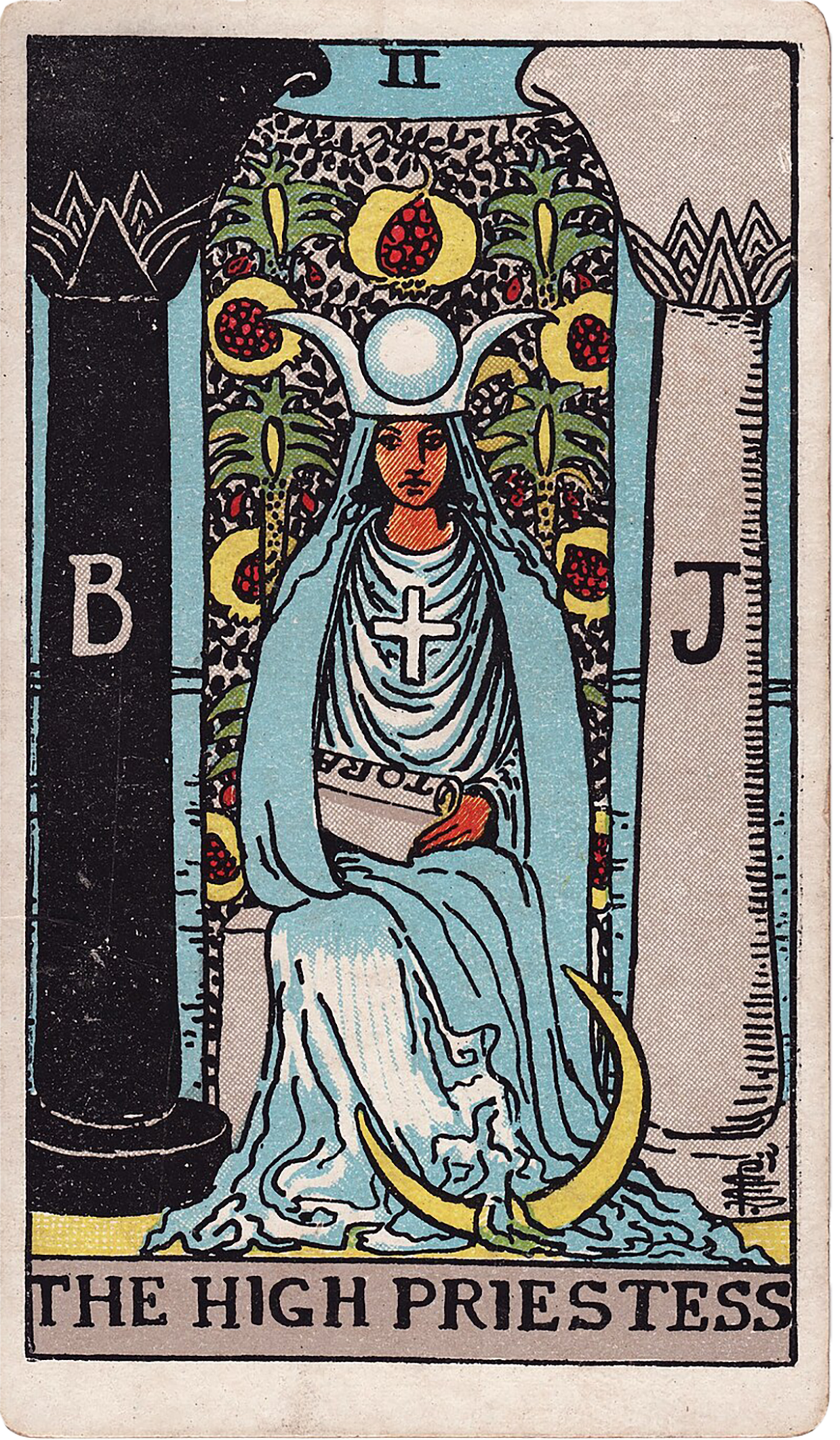 The High Priestess
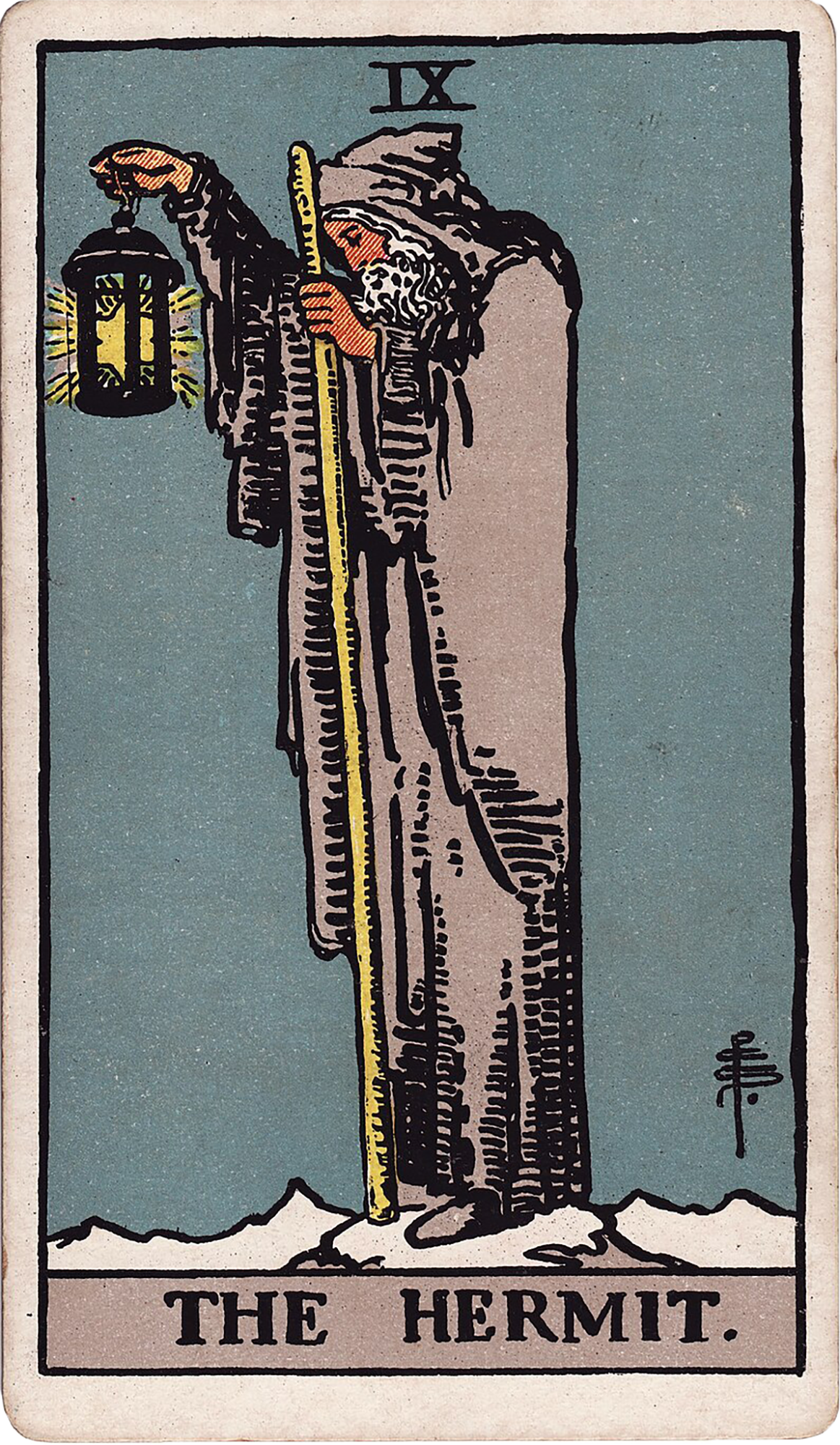 The Hermit
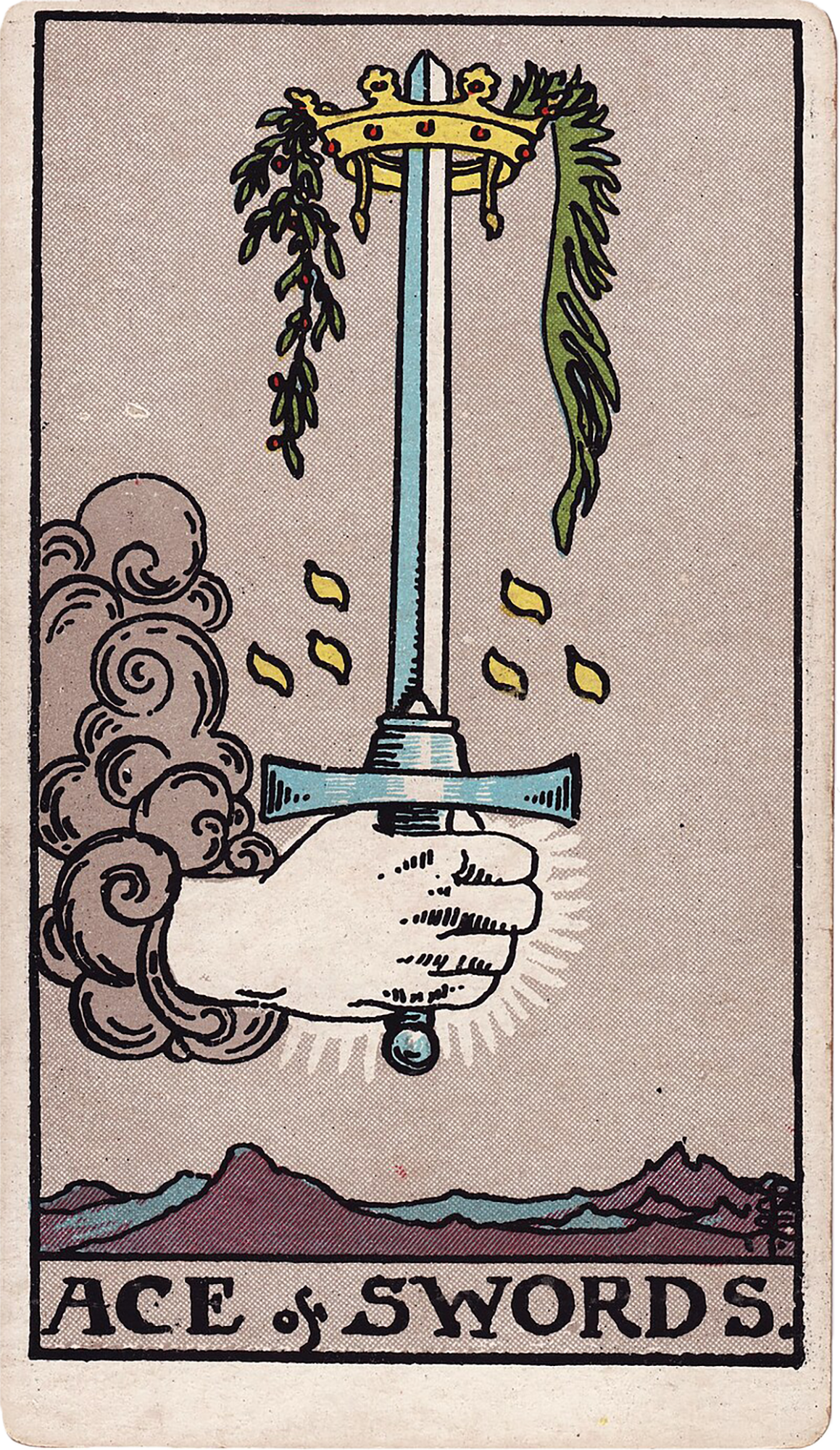 Ace of Swords
Understanding the Dual Nature of Tarot Reading
Tarot reading is uniquely poised between the realms of intuition and analysis. On one hand, Tarot symbolism invites the reader to access subconscious insights, emotional undercurrents, and subtle energies. On the other, it demands clear interpretation, logical structure, and thoughtful synthesis. Without intuition, a reading risks becoming a cold, clinical exercise lacking depth. Without analysis, it can drift into vague speculation or projection. Recognizing this dual nature is the first step in mastering Tarot reading — appreciating that both faculties are not opposing forces but complementary tools. The High Priestess card exemplifies this balance: she represents deep inner knowing yet encourages conscious engagement with what is present. The Hermit similarly embodies inward reflection coupled with deliberate clarity, while the Ace of Swords symbolizes intellectual breakthrough and decisive communication.
The Role of Intuition in Tarot Reading Anchored by The High Priestess
Intuition in Tarot is often described as an inner voice, a subtle sense, or a quiet discernment that cannot be fully explained by logic alone. The High Priestess, as a guardian of mysteries and hidden knowledge, encourages readers to listen beneath surface appearances and trust this inner guidance. When this card appears upright, it invites the reader to notice what is emerging unconsciously and to ask where deeper honesty or deliberate choice can move the situation forward. Intuition is not about guessing or superstition; it involves perceiving patterns, feelings, and symbols beyond immediate facts. To cultivate this skill, readers can practice meditation on the card's imagery — the book, the veil, the moon — and learn to allow information to rise naturally rather than forcing answers. However, The High Priestess reversed warns against confusing anxiety or projection with true intuitive insight, reminding readers to remain grounded and check their impressions against reality and context.
Analytical Skills Exemplified by The Hermit and Ace of Swords
Analytical skills in Tarot involve clear thinking, structured interpretation, and the ability to communicate findings effectively. The Hermit card illustrates the necessity of stepping back from distractions and noise to seek deeper insight through solitude and focused reflection. Upright, The Hermit encourages identifying the central issue consciously and using this clarity to guide the next step. Reversed, it cautions against becoming lost in excessive analysis or isolation that hinders participation in the situation. The Ace of Swords represents the culmination of intellectual breakthrough: a sharp moment of clarity or decisive conversation that cuts through confusion. This card asks the reader to respond proportionately and practically, using truth and strategy rather than abstract ideals. Together, these cards teach that analysis is not mere mental exercise but an active, engaged process aimed at resolution and understanding.
Techniques to Combine Intuition and Analysis in Readings
To effectively marry intuition and analysis in Tarot readings, several practical techniques can be employed: 1. Sequential Focus: Begin with a quiet, intuitive scan of the cards, allowing feelings and images to surface naturally (following The High Priestess’s guidance). Then, shift into a focused analysis phase where you methodically consider card meanings, positions, and relationships (inspired by The Hermit and Ace of Swords). 2. Dual Questioning: For each card or spread element, ask both "What is this card quietly revealing?" and "What practical, intellectual insight can I draw from this?" This balances inner knowing with clear-headed interpretation. 3. Symbolic Anchoring: Use the vivid imagery of the cards to ground both intuitive impressions and logical deductions. For example, the veil of The High Priestess suggests what is hidden but accessible, the lantern of The Hermit illuminates clarity gained through reflection, and the sword in the Ace represents the piercing power of truth. 4. Reflective Journaling: After readings, write down intuitive feelings and analytical conclusions separately before comparing them. This helps identify congruences and areas where intuition or analysis may be dominating or lacking. 5. Feedback Loop: Test interpretations against feedback from querents or real-life outcomes, adjusting your balance of intuition and analysis accordingly. These methods aim to prevent common pitfalls such as overthinking, ignoring gut feelings, or relying solely on memorized meanings.
Common Mistakes When Balancing Intuition and Analysis
Many readers struggle to maintain equilibrium between intuition and analysis, leading to several frequent errors. One common mistake is over-intellectualizing, treating Tarot as a purely cognitive puzzle and ignoring the emotional or symbolic subtleties. This can result in readings that feel mechanical or disconnected. For example, focusing only on the Ace of Swords’ intellectual breakthrough while missing The High Priestess’s invitation to trust deeper knowing limits insight. Conversely, some readers rely too heavily on intuition without verification, causing projections or wishful thinking to cloud interpretation. The reversed High Priestess warns against mistaking anxiety or secrecy for true inner wisdom. Another error is impatience—expecting immediate certainty rather than working with gradual unfolding, as advised by The Hermit’s emphasis on thoughtful solitude. Recognizing these pitfalls helps readers develop a balanced, mature Tarot practice.
Practical Reading Method Integrating Both Approaches
A step-by-step reading method that integrates intuition and analysis might look like this: 1. Preparation: Create a quiet space and center yourself, invoking The Hermit’s reflective solitude. 2. Initial Impression: Lay out the cards and allow The High Priestess’s quiet discernment to reveal what feelings, images, or thoughts emerge spontaneously. Note these without judgment. 3. Contextual Analysis: Examine each card systematically — noting upright or reversed meanings, traditional Rider-Waite-Smith symbolism, and how each card’s message interacts within the spread. For instance, with The High Priestess, ask where deeper honesty or clearer boundaries are needed. With the Ace of Swords, identify where clarity or communication can cut through confusion. 4. Synthesis: Combine intuitive impressions with analytical insights. Ask, "How does my inner knowing align with the logical messages?" and "Where do conflicts or gaps appear?" 5. Guidance Formation: Develop practical advice or next steps that respect both subtle inner signals and clear rational understanding. The Hermit teaches patience here—allow the guidance to crystallize consciously. 6. Verification and Reflection: After delivering the reading, observe how the insights unfold over time, adjusting your approach to intuition and analysis accordingly. This method ensures a holistic, grounded, and insightful Tarot experience.
Interpreting The High Priestess, The Hermit, and Ace of Swords Together in Readings
When these three cards appear together, they form a powerful narrative about balancing intuition and analysis. The High Priestess invites the querent to listen to inner wisdom and acknowledge what is hidden or emerging beneath the surface. The Hermit suggests stepping back for deep reflection, ensuring clarity develops in solitude rather than rushing. The Ace of Swords signals that following this process can lead to a decisive breakthrough or a moment of truth cutting through confusion. Upright appearances of these cards often show a healthy progression: intuitive receptivity (High Priestess), introspective clarity (Hermit), and intellectual action or communication (Ace of Swords). Reversed positions may highlight blocks such as disconnection from intuition (High Priestess reversed), excessive isolation or avoidance (Hermit reversed), or confusion and misuse of mental energy (Ace reversed). Using these cards as a teaching trio, readers learn to identify how their own intuitive and analytical capacities interplay within each reading, guiding querents toward conscious, balanced decisions.
Advanced Techniques to Refine the Balance
Experienced readers can further refine their mastery by incorporating techniques such as: 1. Layered Timing: Use The Hermit’s energy to time your reflections, perhaps returning to a reading after a period of quiet contemplation to see how intuition and analysis evolve. 2. Reversal Nuance: Pay special attention to reversed cards as indicators of where balance is disrupted internally or externally. Ask where energies related to The High Priestess or The Hermit are distorted or trapped, guiding corrective insight. 3. Multi-Card Narrative Building: Construct stories that integrate the intuitive moods of The High Priestess with the Hermit’s philosophy and the Ace of Swords’ clarity, using each card as a thematic anchor. 4. Symbol Meditation: Regularly meditate on the elemental, astrological, and mythological symbols within these cards to deepen subconscious connection and intellectual comprehension. 5. Client Dialogue: Engage querents in conversations that encourage them to reflect inwardly (High Priestess), step back for clarity (Hermit), and express or decide (Ace of Swords), turning the reading into a participatory process rather than a one-sided declaration. These advanced strategies strengthen the dynamic interplay between intuition and analysis, enhancing interpretive confidence and depth.
Practice questions
• How do I currently prioritize intuition versus analysis in my Tarot readings?
• In what ways can I better notice when my intuition is clouded by anxiety or projection?
• How can I incorporate moments of solitude and reflection like The Hermit suggests to improve clarity?
• What practical steps can I take to apply insights symbolized by the Ace of Swords in my readings?
• How do reversed cards indicate imbalances between intuition and analysis in my practice?
Comments
Sign in to comment.
Continue learning
Harnessing the Power of The Magician and Ace of Wands: Igniting Creativity and Manifestation in Tarot Readings
The combination of The Magician and the Ace of Wands in tarot readings offers a potent blend of creative energy and manifestation power. This article delves into the ways these car...
Understanding the Synergy Between The Empress and The Emperor in Tarot Card Combinations
This article delves into the intricate synergy between The Empress and The Emperor cards in Tarot, focusing on how their combined energies modify and enrich readings across various...
Advanced Techniques for Combining The Moon and The Star to Enhance Intuition in Tarot Readings
This article explores advanced techniques to combine the symbolism and energy of The Moon and The Star Tarot cards to enhance intuition during Tarot readings. Drawing from traditio...
Using the Five Card Cross Tarot Spread to Navigate Career Changes with Confidence
The Five Card Cross Tarot Spread is a versatile and insightful tool for navigating career changes. This article guides learners through the method step-by-step using a practical ex...
Finding Emotional Healing and Renewal with The Star and The Moon Tarot Combination
This article examines the rich interplay between The Star and The Moon tarot cards when they appear together in a reading. Using the traditional Rider-Waite-Smith symbolism and the...
Using the Career Five Card Spread to Uncover Professional Strengths and Opportunities
This article presents a comprehensive guide to the Career Five Card Spread, designed to help learners explore professional strengths and opportunities using five specific Tarot car...
Unlocking Emotional Resilience with Strength and The Star in Tarot Combinations
This article delves into the Tarot card combination of Strength and The Star, revealing how their interplay highlights pathways to emotional resilience. Anchored in the Rider-Waite...
Unlocking Emotional Transformation with Death and The Moon Tarot Combination
This article explores the rich and complex interaction between the Death and The Moon tarot cards within the Rider-Waite-Smith tradition, focusing on their combined potential to un...
Unlocking Personal Ambition and Emotional Balance with The Chariot and Queen of Cups
The Chariot and Queen of Cups together represent a compelling combination of disciplined ambition and emotional maturity. This article guides learners through understanding how the...
Using the Three Card Spread to Gain Clarity on Past Present and Future Influences
This article guides learners through the practical use of the Three Card Spread to gain clarity on past, present, and future influences. Using the specific cards The Emperor in the...