
Mastering the Three Card Spread for Effective Conflict Resolution and Decision Making
This article explores how to master the Three Card Spread for practical conflict resolution and decision making, focusing on the Past, Present, and Future positions. Using the cards Justice, 2 of Swords, and Queen of Swords, it provides a detailed framework for learners to understand card meanings, positional significance, and card-to-card interactions. The guide emphasizes balanced judgment, mental clarity, and honest communication to navigate family disputes or personal dilemmas effectively. Readers will gain tools to reproduce this method confidently, avoid common mistakes, and apply Tarot readings to real-life situations with strategic insight.
Three Card
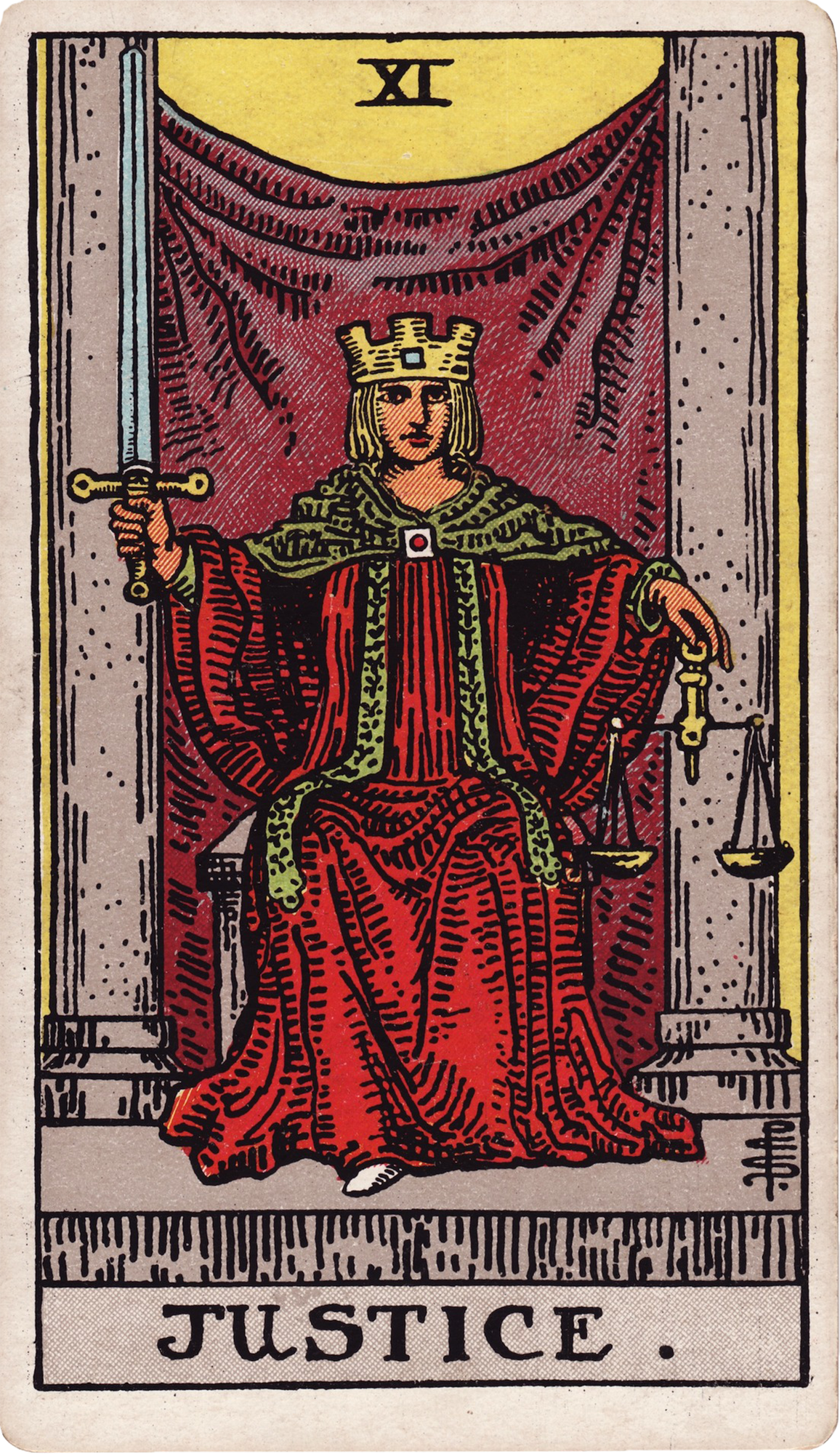 PastJustice
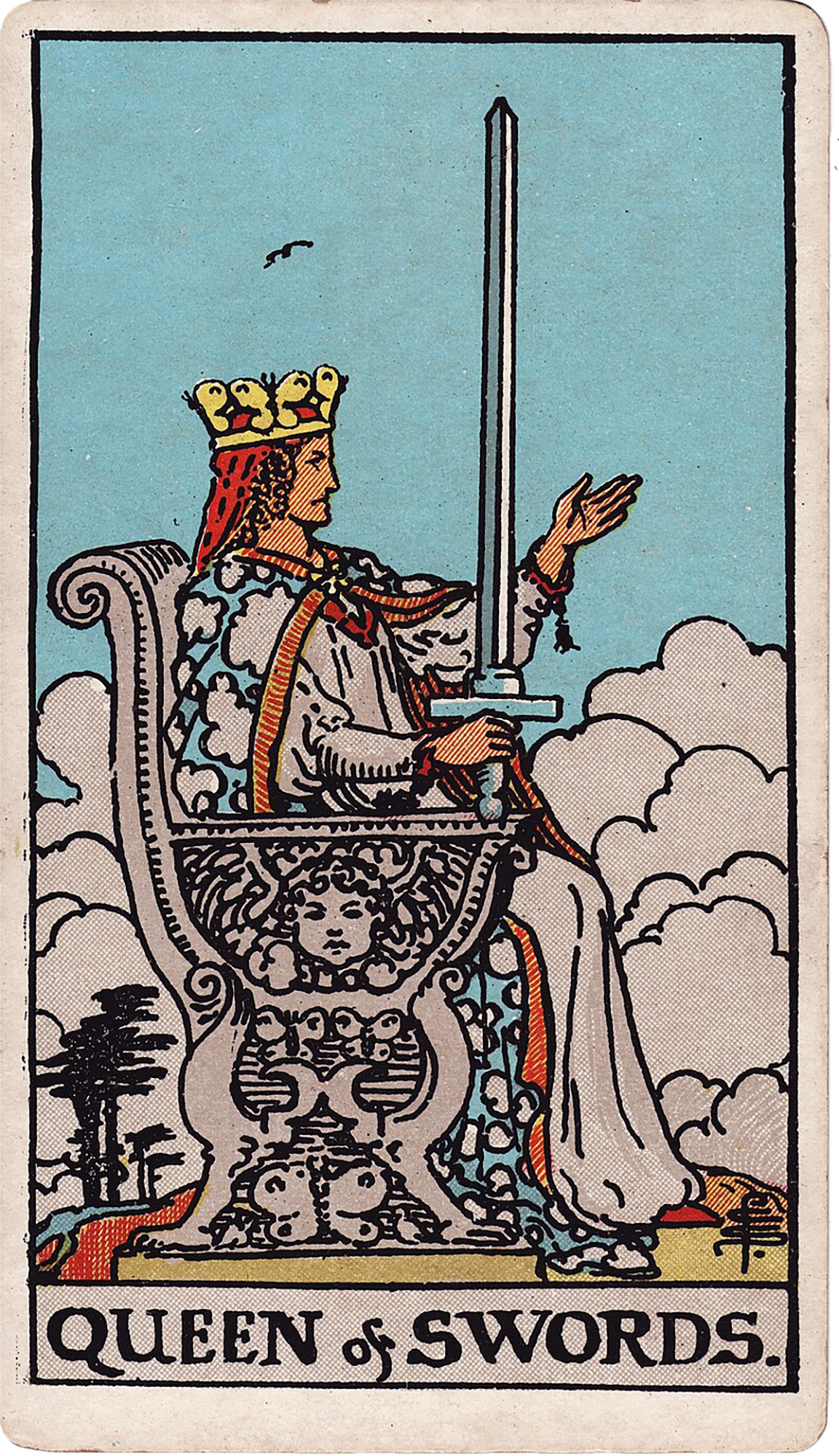 PresentQueen of Swords
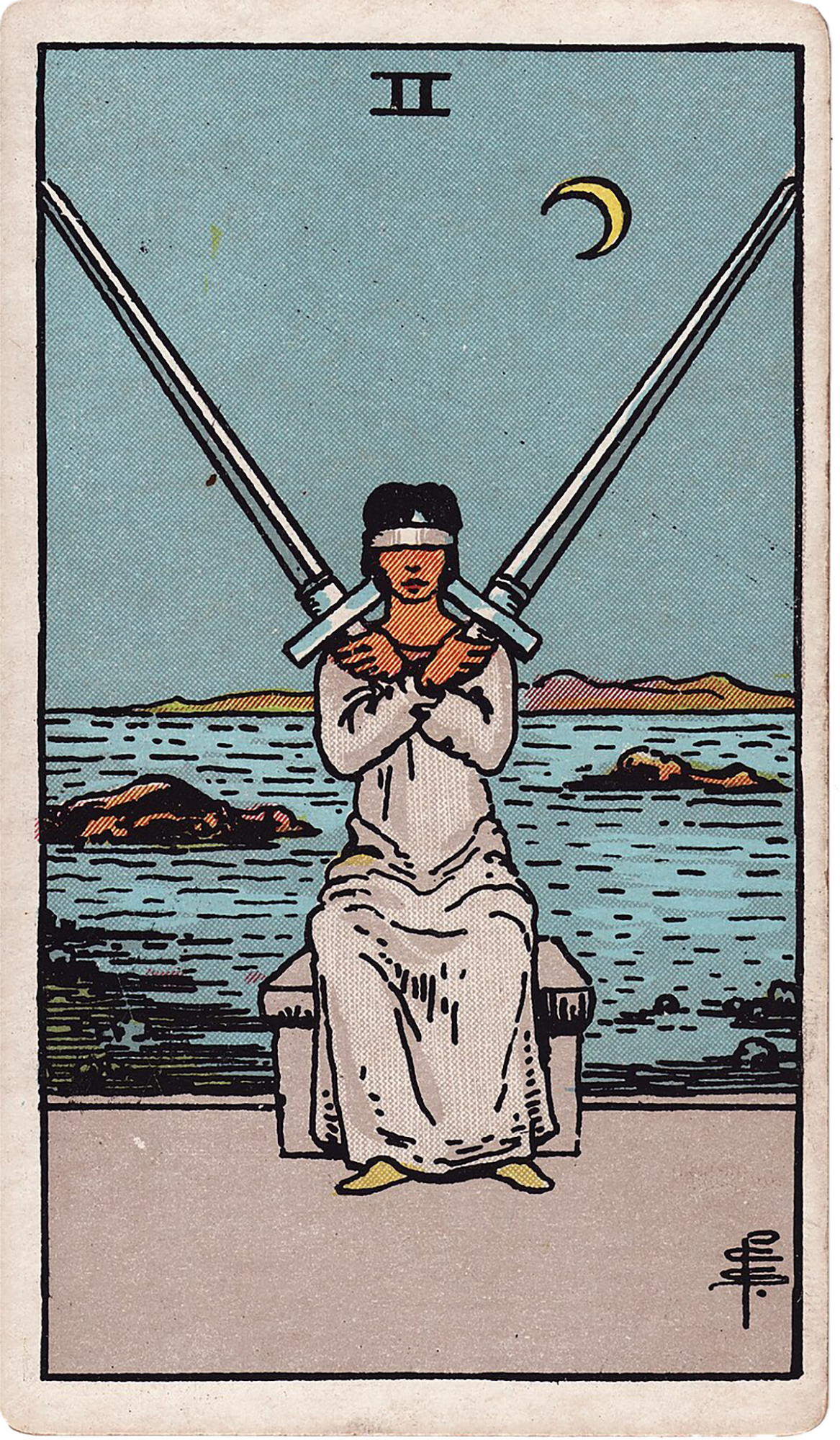 Future2 of Swords
Introduction to the Three Card Spread for Conflict Resolution
The Three Card Spread is one of the most versatile and accessible layouts in Tarot, ideal for learners and seasoned practitioners alike. Its simplicity allows a clear narrative to emerge by dividing the reading into Past, Present, and Future positions. This structure is particularly effective for conflict resolution and decision making within family or practical settings. By assigning a temporal context to each card, the reader can trace how past influences shape the present situation and anticipate potential outcomes. The cards Justice, 2 of Swords, and Queen of Swords offer a rich combination of themes around fairness, mental process, and communication skills—key elements when navigating disputes or decisions that affect relationships.
Understanding Each Position in the Spread
The Past position holds the foundation of the current conflict or decision. It highlights influences, attitudes, or events that have led to the present state. The Present card reveals the core challenge or decision point, often clarifying the emotional or intellectual stance needed now. The Future card suggests the direction the situation may take if current energies and choices continue, providing guidance on the next steps. This three-part timeline encourages readers to see conflict or decisions as dynamic processes, not static states, and promotes a conscious approach to progression rather than reaction.
Justice in the Past Position: Recognizing the Foundation of Fairness
Placed in the Past position, Justice underscores that the current situation stems from a need for balance, accountability, or truth that has already been activated. The card’s upright meaning stresses a clear-eyed acknowledgment of facts, acceptance of consequences, and the pursuit of fairness. Visual elements such as the scales and sword emphasize measurement and decisive action. In practice, this means the conflict or decision is rooted in an earlier moment where fairness was sought or required—perhaps a boundary was set, an agreement was made, or a wrong was confronted. For learners, recognizing Justice here invites reflection on how past fairness or imbalance shapes present challenges. It cautions against ignoring accountability or hiding from inconvenient truths since these early dynamics often dictate the conflict’s trajectory.
2 of Swords in the Present Position: Facing the Decision or Stalemate
The 2 of Swords in the Present position vividly illustrates the core tension. Upright, the card shows a figure blindfolded and holding crossed swords, symbolizing mental blockage, indecision, or emotional suspension. This image captures the uncomfortable pause before a decision is made, where information or emotional readiness feels incomplete. In a conflict or family decision context, this card asks the reader to consider where avoidance or denial might be occurring. It encourages confronting uncomfortable truths with balanced intellect rather than rushing. For learners, it’s essential to understand that the 2 of Swords does not imply paralysis but rather a protective state to gather strength, clarity, or evidence. The card’s presence here directs the querent to assess what needs acknowledgment and what can be communicated more honestly to break the stalemate.
Queen of Swords in the Future Position: Cultivating Clear Communication and Boundaries
Looking ahead, the Queen of Swords represents the ideal outcome of applying hard-earned wisdom and clear communication to resolve conflict or make informed decisions. The Queen is a figure of intellectual independence, honest boundaries, and direct expression without cruelty. Her imagery—often a stern but fair woman holding a sword upright—reminds us of the power of truth articulated with compassion and precision. In the Future position, this card signals that adopting the Queen’s qualities will guide the situation toward resolution. For learners, the Queen of Swords challenges them to cultivate clarity and honesty, to avoid bitterness or cutting remarks, and to strive for balanced emotional detachment that still respects family ties. The card promises progress if mental clarity and truthful dialogue are prioritized.
Analyzing Card-to-Card Relationships in the Spread
Examining the relationship between Justice, 2 of Swords, and Queen of Swords reveals a coherent narrative about conflict and decision making. Justice in the Past sets a foundation of fairness and accountability, indicating that the core issues are not new but have historical weight. The 2 of Swords in the Present reflects the natural pause or indecision born from this foundation—an honest recognition that more clarity or emotional preparation is needed before moving forward. The transition to the Queen of Swords in the Future suggests that once the present hesitation is resolved, the situation can benefit from clear-minded communication and firm boundaries. This progression illustrates an ideal conflict resolution arc: acknowledgment of fairness, intellectual and emotional processing, then clear and compassionate expression.
Step-by-Step Guide to Performing and Interpreting This Spread
1. Prepare your space and focus on the question related to family conflict resolution or decision making. 2. Shuffle the deck mindfully and draw three cards, placing them left to right in the order: Past, Present, Future. 3. Identify each card’s traditional meaning and note upright or reversed status. 4. Begin with the Past card (Justice), explore how past fairness, accountability, or imbalance has influenced the present. 5. Move to the Present card (2 of Swords), assess current mental or emotional blockages, and what is needed to move forward. 6. Reflect on the Future card (Queen of Swords), envision how clarity, honest communication, and boundaries can resolve or improve the situation. 7. Examine how the cards interact to form a narrative: Are they consistent, or do they reveal tension or contradictions? 8. Summarize the reading’s practical advice, emphasizing conscious choices, communication, and awareness of underlying fairness. 9. Encourage journaling and reflection to deepen understanding and track outcomes over time.
Common Mistakes to Avoid When Using This Spread
A frequent mistake is treating the cards as fixed predictions rather than dynamic guides. The Three Card Spread is a tool for reflection and strategy, not fortune-telling. Another error is ignoring card reversals or forcing interpretations that don’t fit the question. For example, Justice reversed would invite examination of bias or denial rather than simple fairness. Similarly, mislabeling positions can confuse the timeline and dilute insight. Learners should avoid overcomplicating the reading by adding unnecessary cards or ignoring the spatial flow from Past to Future. Finally, it’s important not to overlook the emotional context behind the intellectual themes of Swords cards—the Queen of Swords can be harsh if misunderstood, so balancing empathy with truth is key.
Using Imagery and Symbolism to Deepen Understanding
The Rider-Waite-Smith imagery invites direct engagement with symbolism. Justice’s scales represent balance and weighing options objectively, while her sword signals decisive, clear action. The 2 of Swords’ blindfold suggests the need to remove mental or emotional barriers to decision making. The crossed swords symbolize conflict and choice. The Queen of Swords holds her sword upright, ready to cut through confusion with truth and clear boundaries. Learners should spend time observing these details in the cards themselves, not just reading definitions. Reflect on how the imagery makes you feel and what personal associations arise. This sensory engagement enhances intuitive insight and helps translate abstract concepts into practical wisdom during readings.
Practical Applications and Examples
Imagine a family dispute over caregiving responsibilities. Justice in the Past shows that fairness was expected but may have been unevenly applied. The 2 of Swords in the Present indicates a stalemate caused by reluctance to confront feelings or communicate needs honestly. The Queen of Swords in the Future advises clear, honest dialogue with respectful boundaries. Using this spread, a querent can identify where past expectations shape current conflict and what mental or emotional steps are needed now to navigate toward resolution. Over time, practicing this spread with different family concerns can build confidence in recognizing patterns, managing difficult conversations, and making decisions that honor both truth and empathy.
Practice questions
• How does recognizing past fairness or imbalance influence your approach to current conflicts?
• What mental or emotional barriers do you notice when facing difficult decisions, and how can you begin to remove them?
• In what ways can adopting the qualities of the Queen of Swords improve your communication and boundary-setting?
• How can the timeline of Past, Present, and Future help you see conflict as a process rather than a fixed state?
• What steps can you take to balance intellectual clarity with emotional sensitivity in family disputes?
Comments
Sign in to comment.
Continue learning
Interpreting the Dance of Justice and The Devil: Balancing Morality and Temptation in Tarot Readings
The combination of Justice and The Devil in tarot presents a profound exploration of morality, temptation, and personal accountability. This article unpacks how these cards influen...
Mastering Decision Making with the Five Card Cross Tarot Spread
The Five Card Cross Tarot Spread is a powerful tool for deepening decision-making skills by examining the present situation, past influences, future possibilities, challenges, and...
Enhancing Clarity in Complex Choices with the Five Card Cross Tarot Spread
The Five Card Cross Tarot Spread is a practical tool designed to clarify complex choices by breaking down the decision into manageable parts. This article explores each position in...
Using the Five Card Cross Spread to Make Confident Life Decisions
The Five Card Cross spread is a practical and insightful tarot layout designed to assist with complex life decisions by clarifying the situation, presenting options, uncovering hid...
Making Confident Life Choices with the Five Card Cross Tarot Spread
The Five Card Cross Tarot Spread is a powerful tool designed to aid practical decision-making, particularly within family or life-altering situations. This article explains the spr...
Using the Five Card Cross Tarot Spread to Gain Confidence in Difficult Decisions
The Five Card Cross spread is a powerful practical tool for navigating difficult decisions with confidence. By placing cards in positions representing Situation, Option A, Option B...
Using the Five Card Cross Spread to Gain Clarity in Difficult Life Decisions
The Five Card Cross Spread is a structured tarot layout designed to help clarify challenging life decisions by examining the situation, options, hidden influences, and advice. This...
Using the Five Card Cross Spread to Clarify Complex Decisions
The Five Card Cross Spread is a practical tarot method designed to clarify complex decisions by laying out the situation, contrasting options, hidden factors, and advice. This arti...
Using the Five Card Cross Spread to Gain Insight into Relationship Dynamics
This article provides an in-depth guide to using the Five Card Cross Spread for gaining clarity on relationship dynamics, especially within family contexts. Anchored by a worked ex...
Using the Five Card Cross Spread to Make Balanced and Informed Life Decisions
The Five Card Cross Spread is a powerful Tarot layout designed to aid balanced and informed decision-making. This article teaches learners how to use this spread effectively, focus...