
Mastering the Three Card Spread for Effective Time Management and Prioritization
This article explores how to master the three card Tarot spread specifically tailored for managing time and priorities effectively. By examining the Past, Present, and Future positions through the 2 of Pentacles, 7 of Pentacles, and 8 of Pentacles, learners will gain practical insights and tools for balancing changing demands, assessing progress, and committing to skillful work. The guide covers spread setup, card-by-card interpretation, connection between cards, common pitfalls, and how to reproduce this spread for ongoing practical use.
Three Card
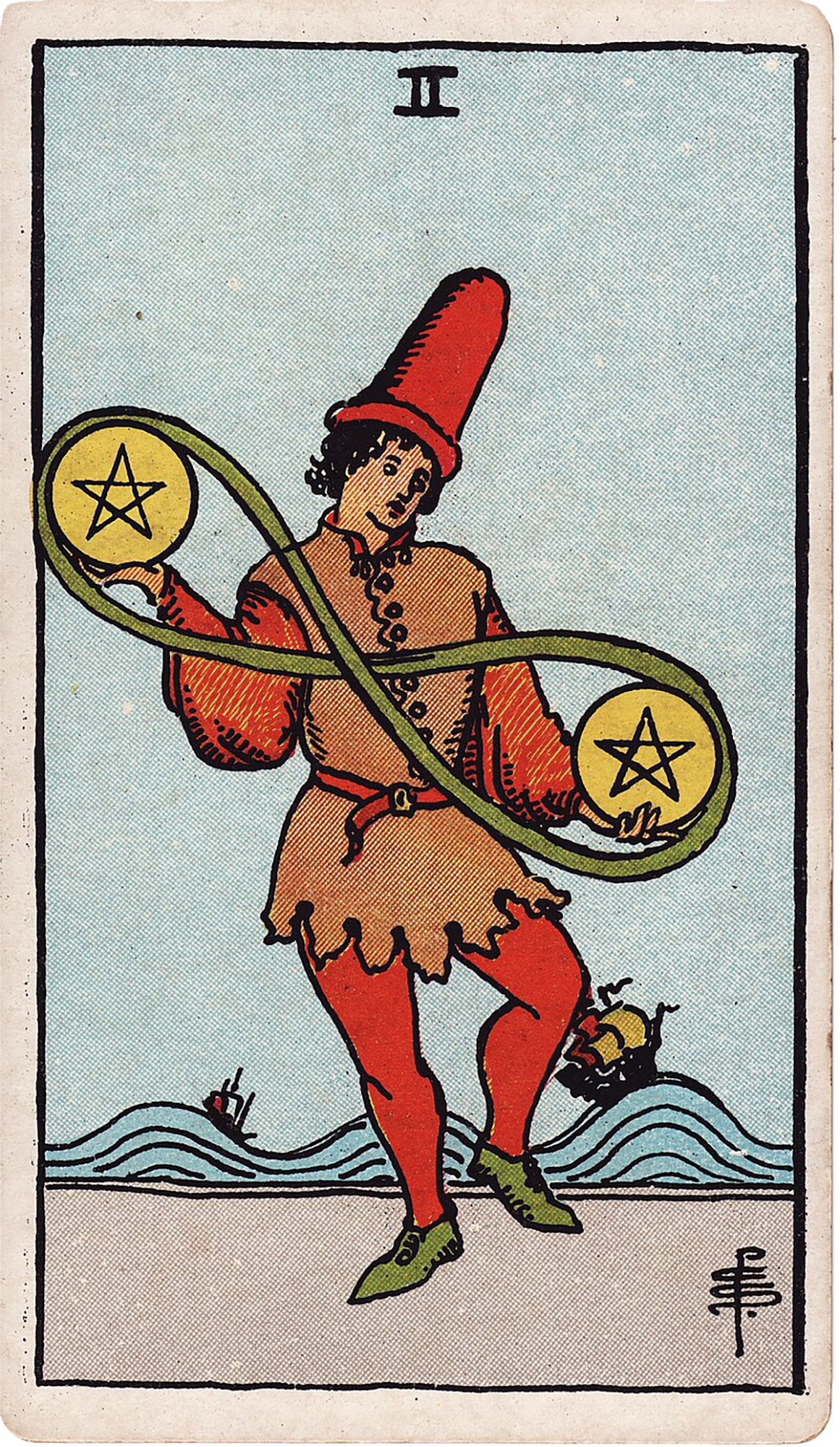 Past2 of Pentacles
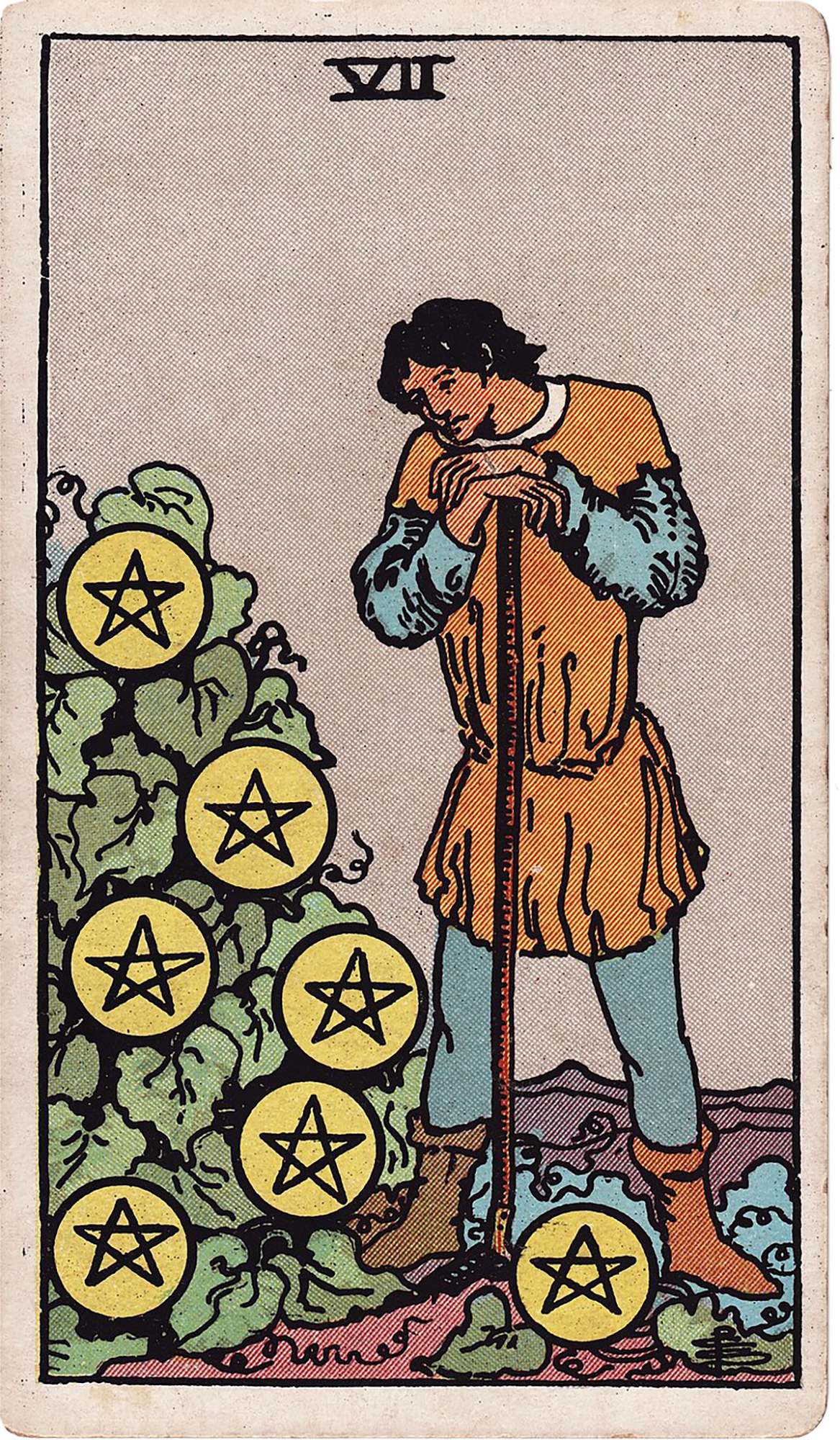 Present7 of Pentacles
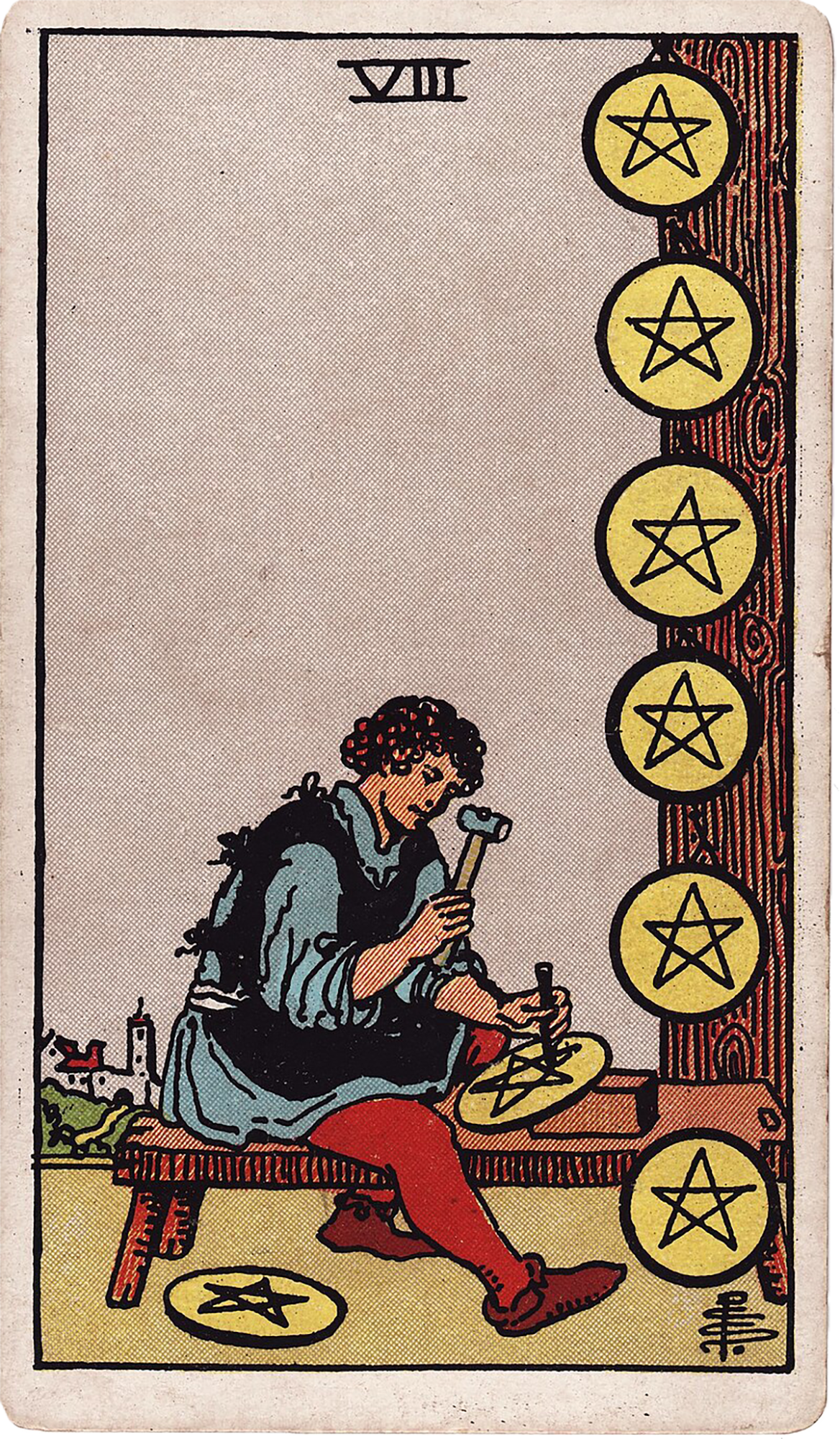 Future8 of Pentacles
Introduction to the Three Card Spread for Time Management
The three card Tarot spread is a versatile and accessible method for exploring many topics, including practical challenges like time management and prioritization. This spread divides the reading into three clear temporal segments—Past, Present, and Future—allowing the querent or reader to analyze how previous habits and decisions affect current circumstances and anticipate the next steps needed to improve outcomes. Using carefully chosen cards such as the 2 of Pentacles, 7 of Pentacles, and 8 of Pentacles, which are grounded in the suit of Pentacles, the focus centers around material stability, work, routine, and long-term effort. These cards offer a powerful framework to reflect on managing shifting priorities, reviewing progress, and developing skills through deliberate practice.
Setting Up the Spread and Card Positions
To begin, shuffle your deck while focusing on time management or prioritization challenges. Lay out three cards from left to right, labeling the first card as Past, the second as Present, and the third as Future. This linear timeline helps to trace the flow of energy and lessons from what has been experienced, what is currently unfolding, and what is coming. In this example, the cards drawn are: - Past: 2 of Pentacles - Present: 7 of Pentacles - Future: 8 of Pentacles This placement invites an interpretation that traces the evolution from juggling tasks, through evaluation of investments, to focused skill-building.
Interpreting the Past Position with 2 of Pentacles
The 2 of Pentacles in the Past position signals a period marked by managing changing priorities with flexibility. Traditionally, the card depicts a figure balancing two pentacles connected by an infinity symbol, symbolizing ongoing movement and adaptation rather than static balance. This active balance indicates that the querent has been responding to shifting demands, likely involving work, resources, or routine matters. The card's upright meaning emphasizes practical management rather than ideals, suggesting the person has been actively juggling responsibilities or projects. In a time management context, this highlights an earlier phase of accommodating fluctuating priorities, possibly requiring rapid adjustment and balancing. However, the energy may also include effort and discomfort, reflective of the challenge in keeping all parts moving smoothly. Recognizing this stage is crucial for learners to appreciate how past strategies and adaptations set the foundation for current evaluation and growth.
Understanding the Present Position with 7 of Pentacles
Currently, the 7 of Pentacles asks the querent to pause and assess the long-term efforts invested so far. The card imagery, often showing a figure leaning on a tool while watching pentacles growing on a bush, embodies patience and evaluation. It signals a necessary moment of review: Is the current investment of time and energy producing worthwhile results? Does the plan still make sense, or is an adjustment needed? In practical terms, the 7 of Pentacles encourages honest reflection on ongoing projects or routines. It is less about immediate gains and more about sustainable growth. Learners interpreting this card should focus on how to measure progress realistically and decide whether to continue as planned, modify strategies, or redirect efforts to more fruitful activities.
Forecasting the Future Position with 8 of Pentacles
Looking ahead, the 8 of Pentacles represents dedicated practice, skill-building, and improvement through focused repetition. The card usually shows a craftsman engrossed in carving pentacles, highlighting the value of sustained effort and attention to quality. Within a time management and prioritization reading, this card suggests that the next phase involves committing to refining skills or processes. It encourages deepening focus rather than multitasking or rapid shifts. The lesson here is about cultivating mastery by dedicating time to what matters most and improving through consistent work. This card promises growth through diligence and attention to detail, essential for effective prioritization.
Exploring Card-to-Card Relationships and Narrative Flow
The flow from the 2 of Pentacles through the 7 of Pentacles to the 8 of Pentacles creates a cohesive narrative about evolving time management. Starting with the 2 of Pentacles, we see an active juggling phase where flexibility is necessary to keep multiple demands in balance. This sets the stage for the 7 of Pentacles, where the querent pauses to evaluate whether their balancing acts have yielded meaningful progress or require recalibration. This moment of reflection is key to avoiding burnout or ineffective persistence. Finally, the 8 of Pentacles points toward the future path of committed, focused effort—moving from reactive multitasking to proactive mastery. The progression illustrates the natural cycles of managing priorities: adapt, assess, and refine. These connections remind readers to respect the process of time management as dynamic and iterative, involving shifts between flexibility and focus.
How to Reproduce This Spread for Practical Use
Learners can regularly use this three card spread on their own or with clients to gain insights into time management and prioritization challenges. Follow these steps: 1. Set a clear intention related to time, priorities, or productivity. 2. Shuffle and draw three cards, placing them left to right as Past, Present, and Future. 3. Interpret each card carefully, using both upright and reversed meanings where applicable, and consider the card’s traditional symbolism and Pentacles suit themes. 4. Analyze how the cards connect to form a narrative about managing change, assessing progress, and focusing efforts. 5. Reflect on what practical actions or mindset shifts the spread suggests, especially regarding what to continue, adjust, or initiate. Practicing this spread regularly helps develop self-awareness and strategic thinking about time use, reducing overwhelm and enhancing meaningful productivity.
Common Mistakes and How to Avoid Them
When working with this spread, several pitfalls can arise: - Overlooking the significance of the card positions and treating the cards as isolated meanings rather than part of a timeline. - Ignoring the Pentacles suit context, which grounds the reading in practical, material concerns rather than abstract ideas. - Interpreting reversals as simply the opposite of upright meanings instead of exploring where the process is stuck or imbalanced. - Rushing the reading without allowing reflection on how past choices impact present realities and future possibilities. To avoid these mistakes, approach the spread deliberately, take time to connect the cards in sequence, and apply the imagery and traditional symbolism thoughtfully. Use the detailed card meanings to anchor interpretations in concrete scenarios related to routines, work, and resource management.
Practical Examples of Applying This Spread
Consider a professional overwhelmed by multiple projects (2 of Pentacles in Past). They may have been juggling tasks reactively, trying to keep all priorities afloat. The 7 of Pentacles in Present invites them to pause and honestly evaluate if their current workload is sustainable and whether the effort aligns with their goals. The 8 of Pentacles in Future suggests that by focusing more deeply on developing core skills or refining key projects, they can improve productivity and satisfaction. Another example could be a student managing study, work, and family life. The 2 of Pentacles reveals past struggle balancing these areas. The 7 of Pentacles encourages reflection on study methods and time allocation. The 8 of Pentacles points toward committing to consistent practice, such as focused study sessions, to achieve mastery and better manage competing demands.
Conclusion and Empowering Time Management through Tarot
Mastering the three card spread using the 2 of Pentacles, 7 of Pentacles, and 8 of Pentacles offers a clear and practical framework for understanding and improving time management and prioritization. This spread’s strength lies in its simplicity and strong narrative flow from flexibility, through assessment, to skillful dedication. By engaging deeply with the symbolism and relationships of these cards, readers can gain valuable insights that translate into actionable strategies. Tarot is not a tool for rigid prediction but a mirror reflecting patterns and possibilities. When used with intention and reflection, this spread empowers learners to navigate their priorities with balance, patience, and purposeful effort.
Practice questions
• How have you been managing shifting priorities in the recent past? Can you identify moments where flexibility helped you?
• What is your current method for reviewing progress on your projects or goals? Is it thorough or rushed?
• Where might focusing on skill development or routine improvement enhance your effectiveness moving forward?
• Are there areas where you feel stuck or overwhelmed in your time management? What can you simplify or release?
• How does balancing adaptability with consistent effort show up in your daily routines?
Comments
Sign in to comment.
Continue learning
Harnessing the Power of The Magician and Ace of Wands: Igniting Creativity and Manifestation in Tarot Readings
The combination of The Magician and the Ace of Wands in tarot readings offers a potent blend of creative energy and manifestation power. This article delves into the ways these car...
Understanding the Synergy Between The Empress and The Emperor in Tarot Card Combinations
This article delves into the intricate synergy between The Empress and The Emperor cards in Tarot, focusing on how their combined energies modify and enrich readings across various...
Advanced Techniques for Combining The Moon and The Star to Enhance Intuition in Tarot Readings
This article explores advanced techniques to combine the symbolism and energy of The Moon and The Star Tarot cards to enhance intuition during Tarot readings. Drawing from traditio...
Using the Five Card Cross Tarot Spread to Navigate Career Changes with Confidence
The Five Card Cross Tarot Spread is a versatile and insightful tool for navigating career changes. This article guides learners through the method step-by-step using a practical ex...
Finding Emotional Healing and Renewal with The Star and The Moon Tarot Combination
This article examines the rich interplay between The Star and The Moon tarot cards when they appear together in a reading. Using the traditional Rider-Waite-Smith symbolism and the...
Using the Career Five Card Spread to Uncover Professional Strengths and Opportunities
This article presents a comprehensive guide to the Career Five Card Spread, designed to help learners explore professional strengths and opportunities using five specific Tarot car...
Unlocking Emotional Resilience with Strength and The Star in Tarot Combinations
This article delves into the Tarot card combination of Strength and The Star, revealing how their interplay highlights pathways to emotional resilience. Anchored in the Rider-Waite...
Unlocking Emotional Transformation with Death and The Moon Tarot Combination
This article explores the rich and complex interaction between the Death and The Moon tarot cards within the Rider-Waite-Smith tradition, focusing on their combined potential to un...
Unlocking Personal Ambition and Emotional Balance with The Chariot and Queen of Cups
The Chariot and Queen of Cups together represent a compelling combination of disciplined ambition and emotional maturity. This article guides learners through understanding how the...
Using the Three Card Spread to Gain Clarity on Past Present and Future Influences
This article guides learners through the practical use of the Three Card Spread to gain clarity on past, present, and future influences. Using the specific cards The Emperor in the...