
Mastering the Three Card Spread for Practical Decision Making and Outcome Forecasting
The Three Card Spread remains one of the most accessible yet profound tools in Tarot for practical decision making and outcome forecasting. This article breaks down the spread into Past, Present, and Future positions using a worked example of the Ace of Swords, 2 of Swords, and 3 of Swords. By examining each card’s meaning, the interplay between them, and how to apply these insights practically, readers learn how to approach real-life dilemmas with clarity and strategic foresight. The article also covers common pitfalls and offers step-by-step guidance for learners to replicate the method confidently.
Three Card
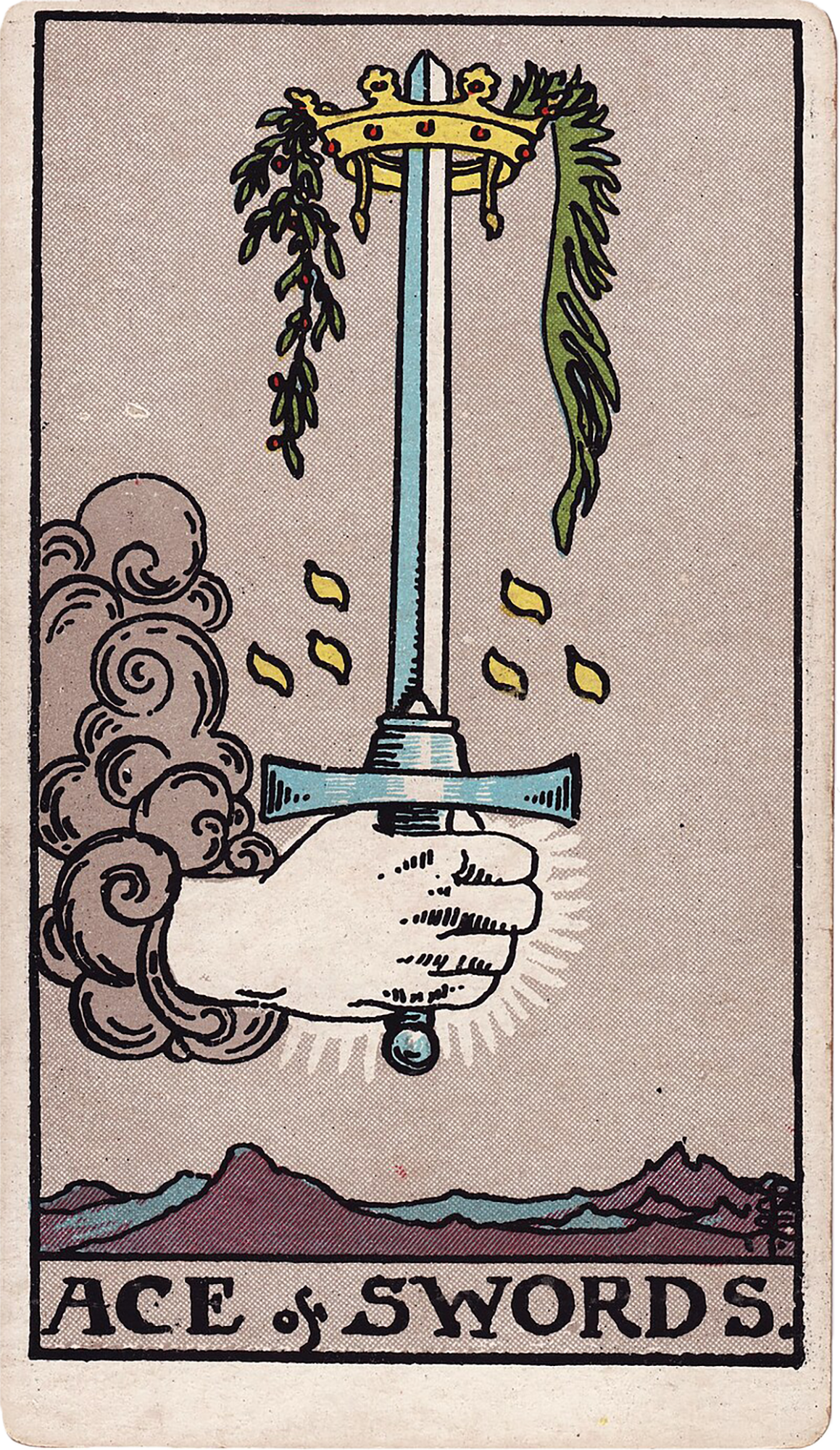 PastAce of Swords
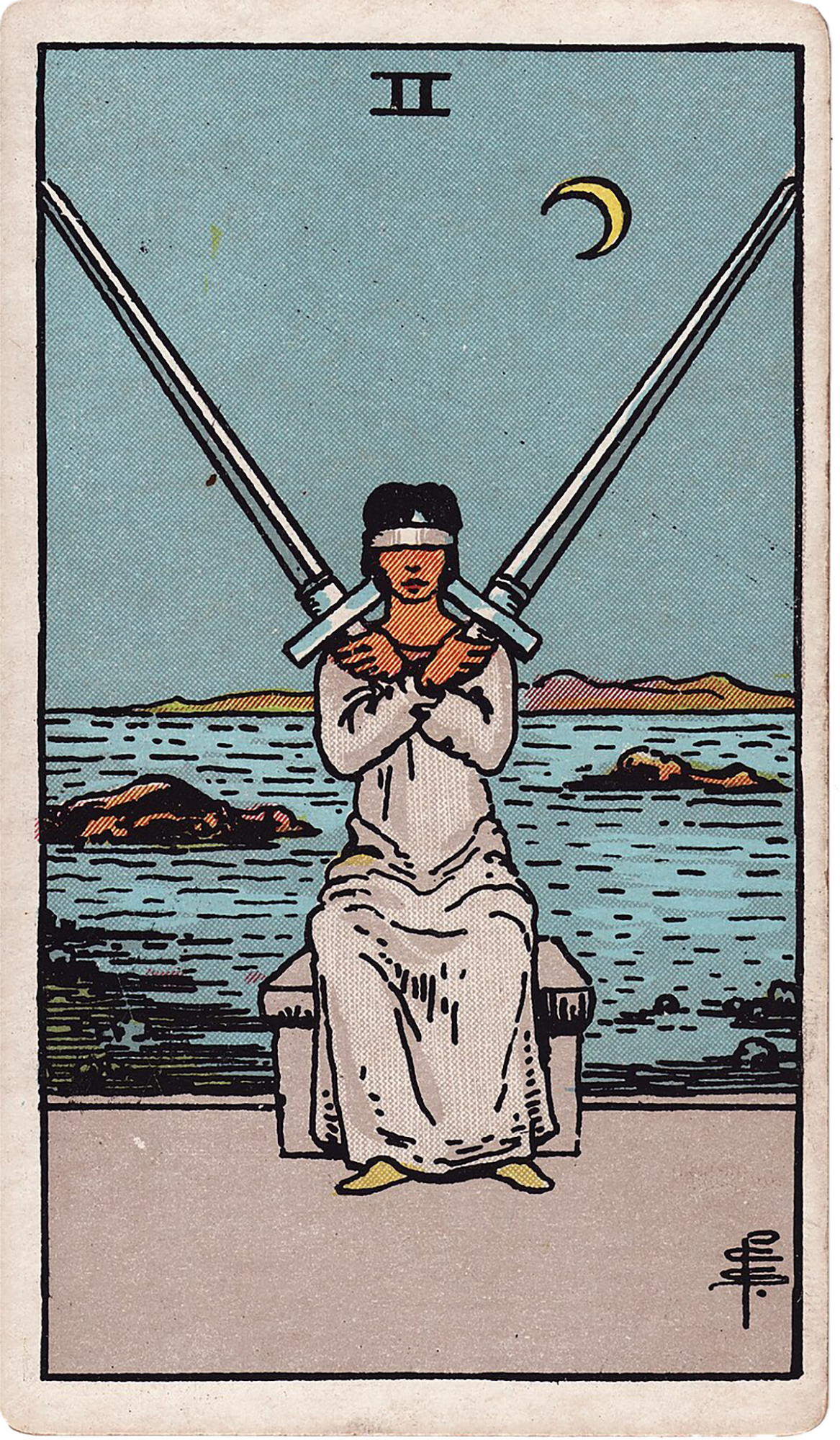 Present2 of Swords
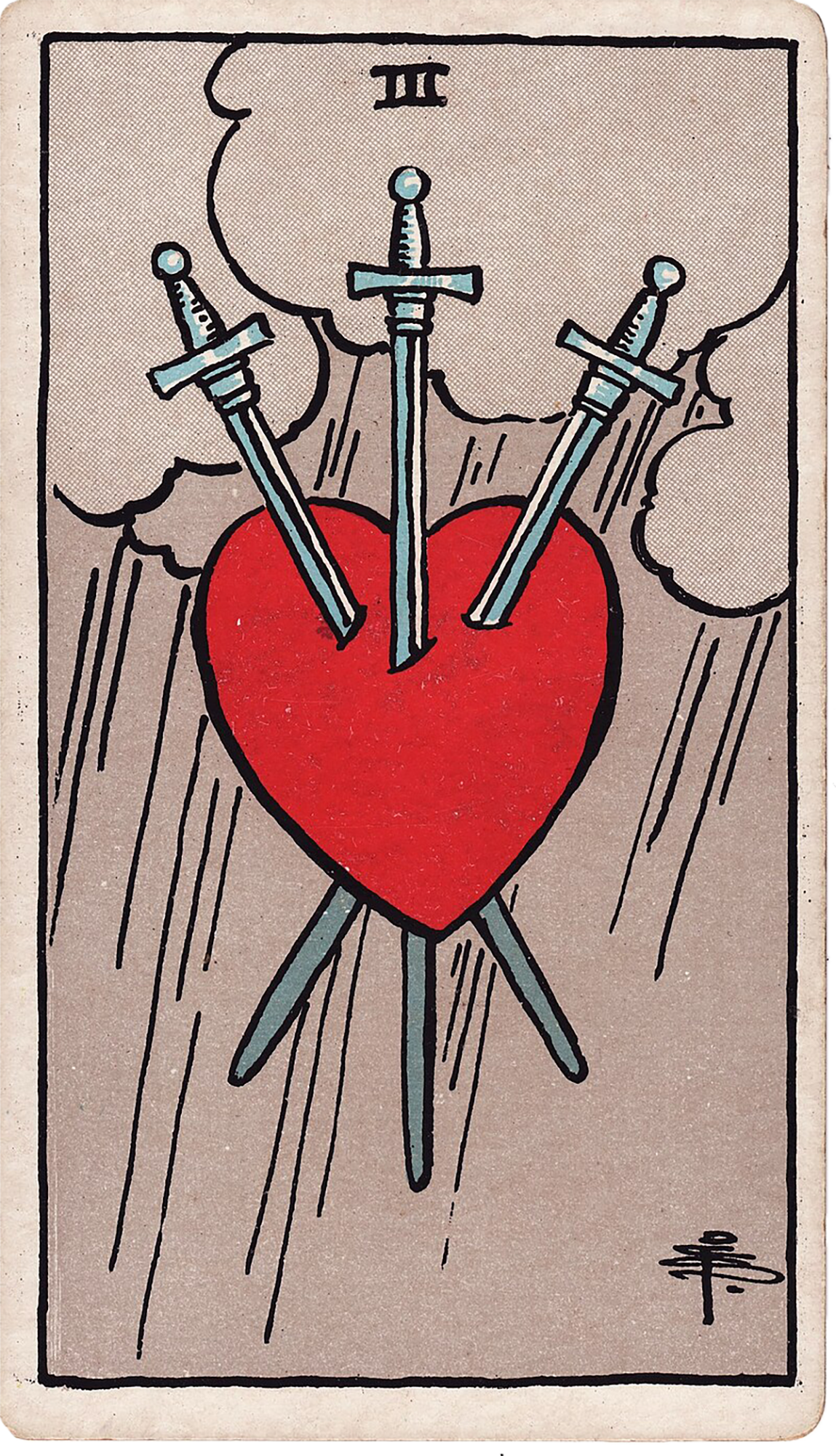 Future3 of Swords
Introduction to the Three Card Spread in Practical Tarot
The Three Card Spread is arguably the most popular and versatile Tarot layout, widely used for quick yet insightful readings. Its simplicity allows it to fit diverse questions and themes, making it ideal for practical decision making and outcome forecasting. By dividing the query timeline into three distinct phases — Past, Present, and Future — the spread provides a clear narrative arc that helps the querent understand where they have been, where they currently stand, and where things are heading. In this article, we focus on mastering this spread with a special emphasis on clarity, practical application, and accurate interpretation using three specific Swords cards: the Ace of Swords, 2 of Swords, and 3 of Swords.
Understanding the Positions: Past, Present, and Future
Each position in the Three Card Spread serves a unique function: - Past: This card reflects the background context, influences, or patterns that have led to the current situation. It often contains lessons or unresolved issues that shape present circumstances. - Present: This card reveals the current state of affairs, including challenges, opportunities, or the querent’s mindset. It highlights what needs immediate attention or awareness. - Future: This card suggests likely outcomes or the direction of the situation based on current trajectories. It is not absolute but rather a forecast subject to change through conscious action. By maintaining these positions, learners can avoid common mistakes such as conflating past influences with present realities or expecting the future card to be an unchangeable fate.
Card Analysis in the Spread: Ace of Swords in the Past Position
The Ace of Swords in the Past position introduces a foundation of clear insight, intellectual breakthrough, or a decisive conversation that has shaped the querent’s journey. Traditional Rider-Waite-Smith symbolism shows a single upright sword piercing through a crown-like wreath, symbolizing clarity, truth, and mental breakthrough. In a practical decision-making context, this card suggests that the querent recently experienced a moment of truth or a cutting through of confusion. This breakthrough defines the starting point or root cause of the current situation. For example, a sudden clarity about a relationship, a professional direction, or a personal belief could have emerged. Practically, learners should ask: What decision or insight did I gain that influences my current mindset? What mental habits or communication styles have emerged from this 'cutting edge' moment? Recognizing this helps set a grounded tone for interpreting the rest of the spread.
Card Analysis in the Spread: 2 of Swords in the Present Position
Placed in the Present, the 2 of Swords symbolizes suspended decision-making, emotional or intellectual stalemate, and the feeling of holding off on a crucial choice. The Rider-Waite imagery traditionally depicts a blindfolded woman holding two crossed swords, representing blocked vision or avoidance. In practical terms, this card indicates the querent is currently wrestling with incomplete information, uncertainty, or emotional unreadiness to proceed. It highlights the tension between the clarity gained in the Past (Ace of Swords) and the difficulty of acting on it now. Readers should examine the internal barriers causing this suspension: Is there fear of conflict? Are external facts still unclear? Is the querent avoiding necessary communication? The 2 of Swords asks for acknowledgment of these blocks and encourages seeking balance before moving forward.
Card Analysis in the Spread: 3 of Swords in the Future Position
The 3 of Swords in the Future position forecasts a probable outcome involving emotional pain, heartbreak, or truth that must be faced for healing to begin. The classic image of a heart pierced by three swords is stark, symbolizing the naming of pain without romanticizing suffering. This card advises the querent to prepare for a difficult but necessary truth or emotional challenge ahead. Practically, it does not mean inevitable devastation but rather the need to confront and process difficult realities to enable growth. Learners should guide querents to consider how healing or release can be integrated into their decision-making. What actions or mindset shifts can soften the impact? What support systems can be engaged? This card completes the narrative arc, making the reading deeply practical and grounded in emotional honesty.
Exploring Card-to-Card Relationships and Narrative Flow
The relationship between the Ace of Swords, 2 of Swords, and 3 of Swords in this spread creates a compelling story: - The Ace of Swords in the Past sets the stage with a breakthrough or necessary clarity. - The 2 of Swords in the Present reflects hesitation or the mental stalemate that arises when trying to act on that clarity. - The 3 of Swords in the Future reveals the emotional consequences or necessary heartbreak that may follow. This progression illustrates a natural psychological process many face: gaining insight, struggling to decide, and ultimately confronting emotional truths. For learners, observing how the swords’ suit qualities — intellect, decision-making, and pain — unfold across time highlights the Tarot’s skill in mapping mental and emotional landscapes. It also emphasizes the importance of considering the suit’s elemental association with Air, symbolizing thought and communication, in interpreting the flow.
Practical Reading Method and Step-by-Step Guide for Learners
To replicate this method, learners should follow these steps: 1. Formulate a Clear Question: Focus on a practical decision or desired outcome. 2. Shuffle and Draw Three Cards: Lay them left to right. 3. Assign Positions: From left to right, designate cards as Past, Present, and Future. 4. Interpret Each Card Individually: Use traditional meanings, Rider-Waite imagery, and card text to understand each card’s message in its position. 5. Analyze Relationships: See how the cards interact across time, uncovering narrative flow or thematic progression. 6. Synthesize a Practical Narrative: Frame the reading in terms of real-life choices, emotional readiness, and consequences. 7. Offer Actionable Advice: Suggest tangible steps or mindset shifts based on the cards’ guidance. 8. Encourage Reflection and Reassessment: Highlight that future outcomes are mutable based on decisions and new information. By following this process, learners ensure clarity, relevance, and practical value in their readings.
Common Mistakes and How to Avoid Them
Some pitfalls to watch for when learning the Three Card Spread include: - Overlooking Position Context: Treating cards as isolated symbols rather than interpreting them relative to Past, Present, and Future. - Assuming Fixed Futures: Forgetting that the Future card represents a likely outcome, not an absolute fate. - Ignoring Card Reversals or Nuances: While this example uses upright cards, recognizing reversals can add depth. - Forcing Abstract Ideals: The Swords suit demands practical, clear-eyed interpretations, not wishful thinking. - Neglecting Emotional and Intellectual Balance: Particularly with Swords, balancing thought and feeling is crucial; ignoring either skews the reading. Avoiding these mistakes strengthens the learner’s confidence and accuracy.
Applying This Spread to Real-Life Situations
Consider a querent facing a tough career decision. The Ace of Swords in Past suggests an insightful moment — perhaps a sudden realization about their true goals or an honest conversation about job satisfaction. The 2 of Swords in Present indicates they are currently stuck, unable to make the leap due to conflicting pros and cons or emotional hesitation. The 3 of Swords in Future warns that any choice may involve sacrifices or disappointments, possibly cutting ties with colleagues or leaving a familiar environment. Using this spread, the reader can guide the querent to acknowledge the clarity they possess, confront their indecision, and emotionally prepare for the consequences. This practical framework helps the querent approach the decision with eyes wide open and a realistic strategy.
Reflection and Continued Practice
Mastering the Three Card Spread is a foundational skill that improves with reflection and repeated practice. Learners should continuously ask themselves: - How does each card’s imagery and traditional meaning relate to the querent’s real-world context? - What internal or external factors influence the progression from Past insight to Present hesitation to Future challenge? - How can I communicate the reading in a way that empowers rather than frightens? Journaling spreads, practicing with different questions, and comparing outcomes over time will deepen understanding and skill.
Practice questions
• How does considering the timeline positions (Past, Present, Future) change the way you interpret individual cards?
• In what ways can the Swords suit’s association with mental processes guide your reading of decision-making spreads?
• How might you help a querent navigate the tension shown by the 2 of Swords between intellectual clarity and emotional indecision?
• What practical steps can a querent take when the 3 of Swords appears as a forecast of difficult but necessary emotional truths?
• How can repeated practice with a simple spread like the Three Card help you build confidence and accuracy in Tarot reading?
Comments
Sign in to comment.
Continue learning
Harnessing the Power of The Magician and Ace of Wands: Igniting Creativity and Manifestation in Tarot Readings
The combination of The Magician and the Ace of Wands in tarot readings offers a potent blend of creative energy and manifestation power. This article delves into the ways these car...
Understanding the Synergy Between The Empress and The Emperor in Tarot Card Combinations
This article delves into the intricate synergy between The Empress and The Emperor cards in Tarot, focusing on how their combined energies modify and enrich readings across various...
Advanced Techniques for Combining The Moon and The Star to Enhance Intuition in Tarot Readings
This article explores advanced techniques to combine the symbolism and energy of The Moon and The Star Tarot cards to enhance intuition during Tarot readings. Drawing from traditio...
Using the Five Card Cross Tarot Spread to Navigate Career Changes with Confidence
The Five Card Cross Tarot Spread is a versatile and insightful tool for navigating career changes. This article guides learners through the method step-by-step using a practical ex...
Finding Emotional Healing and Renewal with The Star and The Moon Tarot Combination
This article examines the rich interplay between The Star and The Moon tarot cards when they appear together in a reading. Using the traditional Rider-Waite-Smith symbolism and the...
Using the Career Five Card Spread to Uncover Professional Strengths and Opportunities
This article presents a comprehensive guide to the Career Five Card Spread, designed to help learners explore professional strengths and opportunities using five specific Tarot car...
Unlocking Emotional Resilience with Strength and The Star in Tarot Combinations
This article delves into the Tarot card combination of Strength and The Star, revealing how their interplay highlights pathways to emotional resilience. Anchored in the Rider-Waite...
Unlocking Emotional Transformation with Death and The Moon Tarot Combination
This article explores the rich and complex interaction between the Death and The Moon tarot cards within the Rider-Waite-Smith tradition, focusing on their combined potential to un...
Unlocking Personal Ambition and Emotional Balance with The Chariot and Queen of Cups
The Chariot and Queen of Cups together represent a compelling combination of disciplined ambition and emotional maturity. This article guides learners through understanding how the...
Using the Three Card Spread to Gain Clarity on Past Present and Future Influences
This article guides learners through the practical use of the Three Card Spread to gain clarity on past, present, and future influences. Using the specific cards The Emperor in the...