
Mastering the Three Card Spread to Explore Decision Making and Outcomes
This article explores the three card Tarot spread focusing on decision making and outcomes. Using The Chariot, Justice, and 2 of Swords in Past, Present, and Future positions, it guides learners through understanding card meanings, relationships, and how to interpret them cohesively. It offers practical advice on conducting readings, common pitfalls, and how to apply the method for clear insights into personal choices.
Three Card
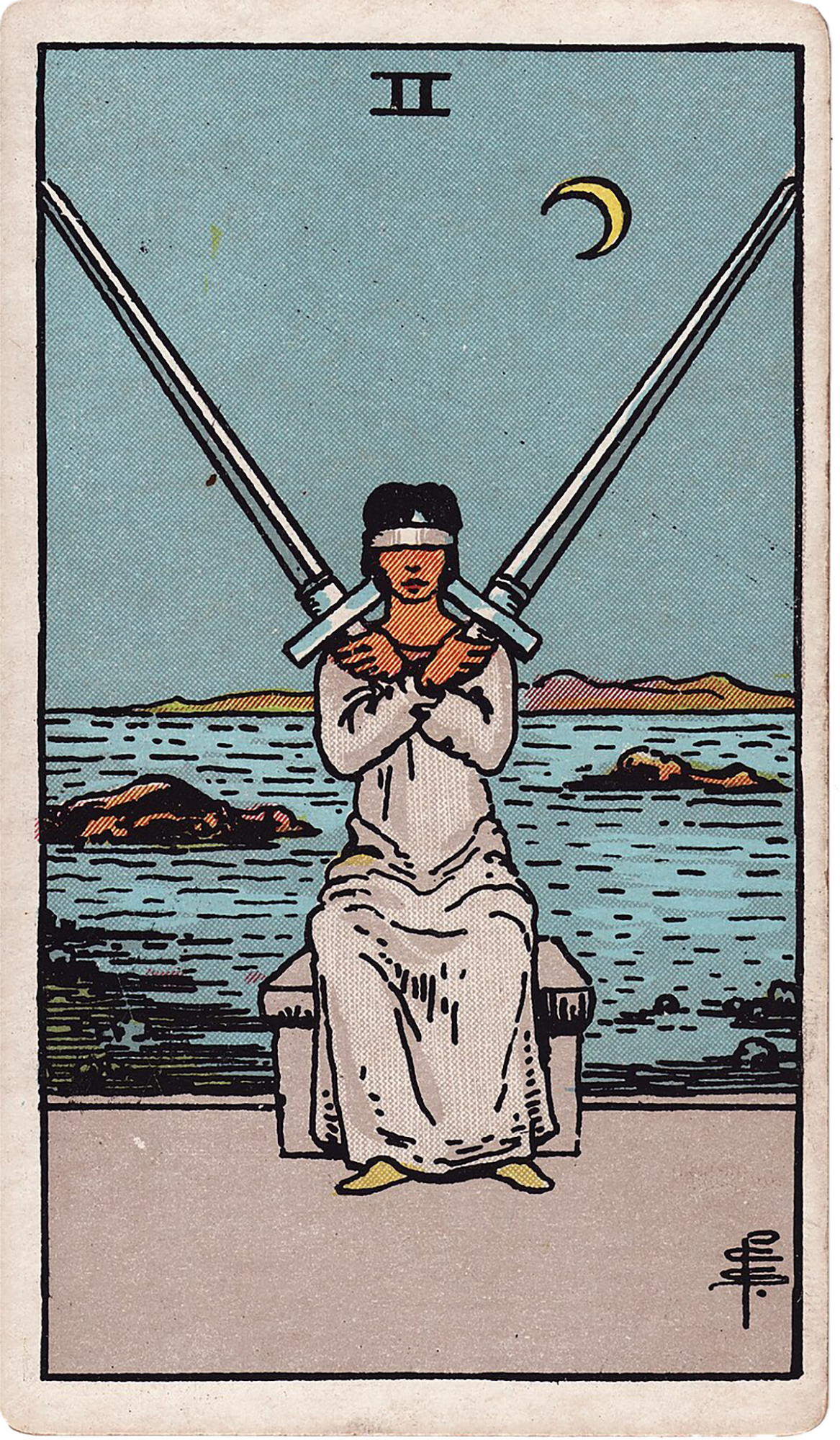 Past2 of Swords
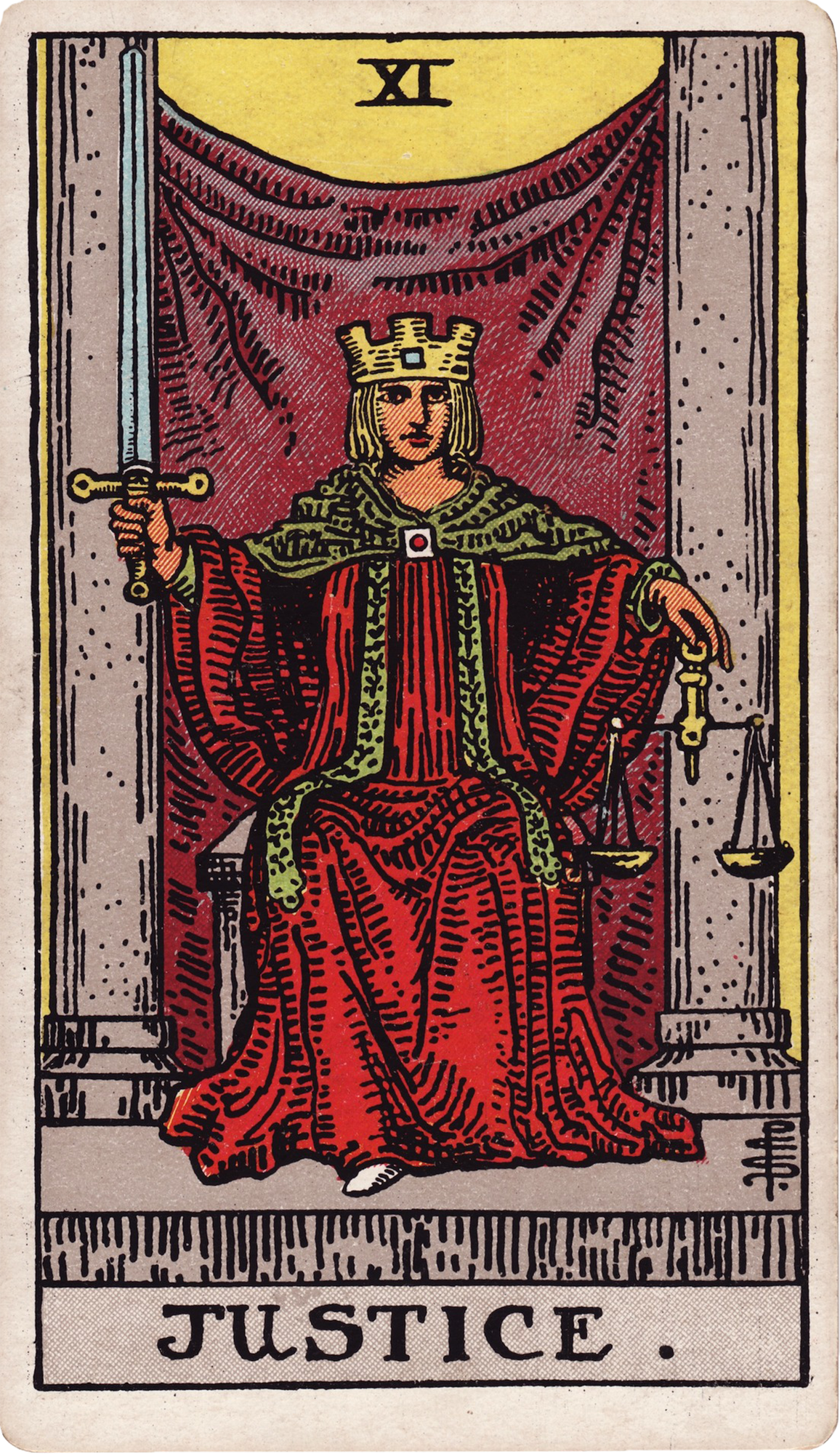 PresentJustice
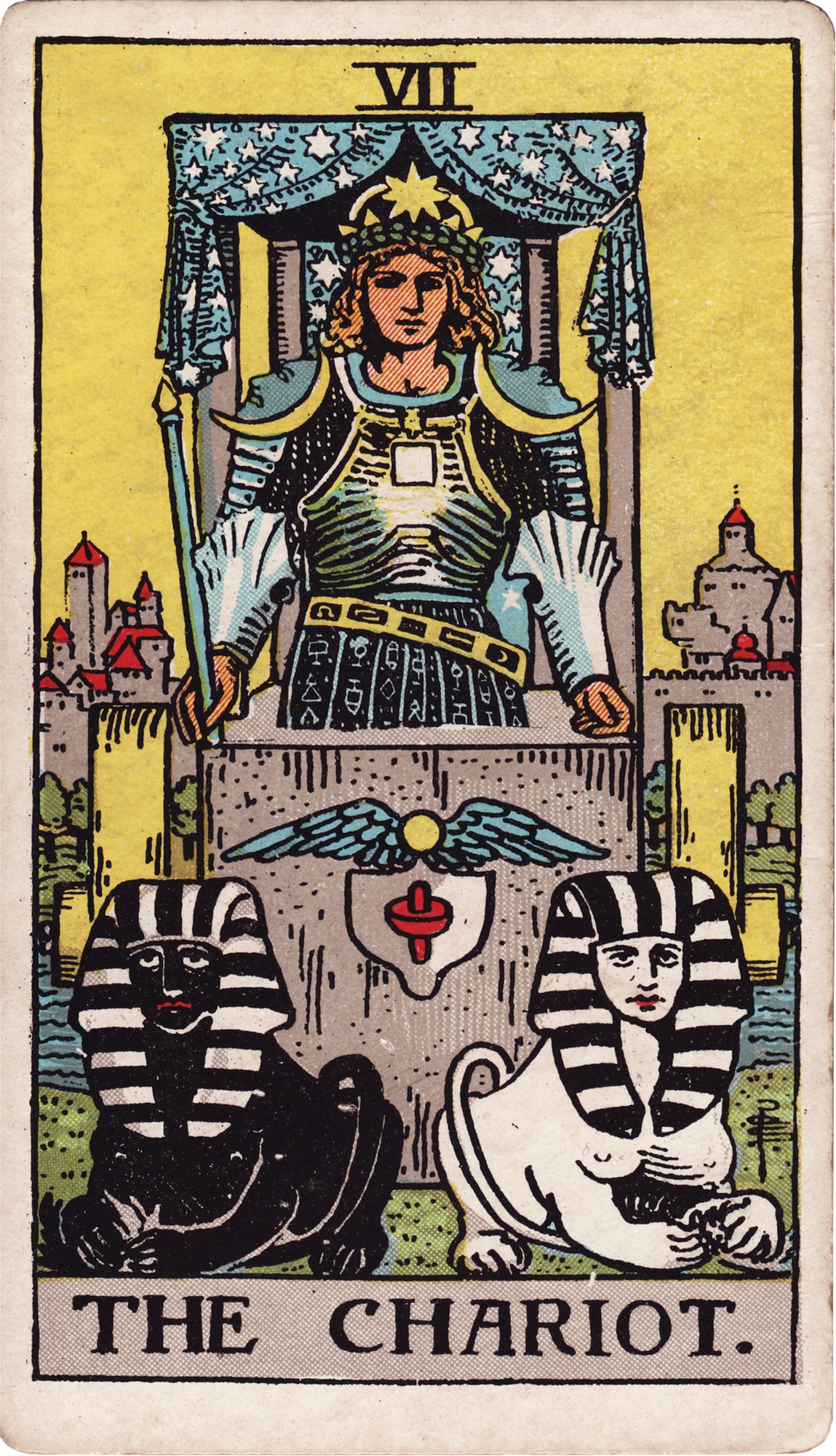 FutureThe Chariot
Introduction to the Three Card Spread for Decision Making
The three card spread is a classic and versatile Tarot layout widely used for exploring decision making and potential outcomes. Its simplicity makes it ideal for learners, while its depth offers rich interpretive possibilities. In this spread, three cards are drawn and placed in sequence, typically labeled Past, Present, and Future. This progression allows the reader to trace the evolution of a situation over time, especially suited for decisions where context, current dynamics, and likely consequences matter. Unlike more complex spreads, the three card spread provides clarity without overwhelming detail. It encourages the reader to focus on the essential energies influencing a decision and how they interact. As we explore the practical example with The Chariot, Justice, and 2 of Swords, consider how each card’s traditional Rider-Waite-Smith symbolism guides interpretation and how positional context shapes meaning.
Position One: Past and The Chariot Upright
The first card in the Past position represents the energies and influences leading up to the decision at hand. Here, we have The Chariot upright, a card symbolizing disciplined determination, direction, and the alignment of competing impulses. The imagery of The Chariot traditionally shows a figure harnessing two sphinxes or horses pulling in different directions, but steering with focus and willpower. In the Past position, this suggests that prior to the present moment, the querent has been navigating conflicting desires or challenges but has made a conscious effort to choose a clear path forward. Interpreted practically, The Chariot upright indicates that the decision-making process began with a recognition of the central issue and a deliberate attempt to engage it. The querent has likely set boundaries or asserted control to move forward, even if the situation was not easy. This sets the foundation for the current moment: the groundwork of active, focused choice is already present.
Position Two: Present and Justice Upright
The second card in the Present position reflects the current state of the decision or situation. Justice upright emphasizes clarity, fairness, and accountability. It invites the querent to look at facts clearly and make a choice that can withstand scrutiny. Justice’s imagery features scales balanced evenly and a sword held upright, symbolizing impartiality and truth. In this position, it suggests that the querent is being called to apply reason and honesty in assessing the situation now. This is not necessarily a peaceful moment, but one where direct responses, clearer boundaries, or deeper honesty are necessary. When placed after The Chariot, Justice indicates a progression from mere direction and willpower to a more nuanced evaluation of fairness and consequences. The querent is encouraged to work with what is available and recognize where accountability must be accepted. This card supports methodical weighing of options rather than impulsive action.
Position Three: Future and 2 of Swords Upright
The third card in the Future position projects the likely outcome or the next phase of the decision. The 2 of Swords upright often depicts a figure blindfolded, holding two crossed swords, symbolizing a decision held in suspension or emotional ambivalence. This card highlights that even after applying willpower and fairness, the querent may face a period where the decision feels incomplete or where information or emotional readiness is still lacking. It signals that a response fitting the current stage is needed rather than an idealized solution. Following Justice, the 2 of Swords suggests that the process moves from clarity and accountability to a point where decisions might require further contemplation or negotiation with internal conflict. The future outcome is not fully resolved but invites the querent to engage thoughtfully, using the mental faculties associated with Swords: communication, truth, and strategic thinking.
Interpreting Card-to-Card Relationships and Narrative Flow
A key strength of the three card spread lies in how the cards relate and build a narrative. Here, The Chariot in the Past position shows that the querent has already taken steps to align and engage the issue actively. It sets a stage of disciplined effort and determination. Justice in the Present position then refines this energy, moving from raw will to a critical evaluation of fairness, facts, and consequences. The sword in Justice’s hand echoes The Chariot’s disciplined control but adds the element of balanced judgment. Finally, the 2 of Swords in the Future position reveals that despite the efforts and fairness applied, the decision process remains in a state of suspension. The crossed swords and blindfold indicate internal conflict or incomplete readiness, suggesting the querent will need to pause, reflect, or seek additional clarity before moving forward decisively. Together, these cards tell a story: from active engagement and direction (The Chariot), through careful weighing and accountability (Justice), to the need for further contemplation and cautious decision (2 of Swords). This narrative respects the complexity of decision making — it is rarely linear or fully resolved immediately.
Practical Technique for Learners Using This Spread
To reproduce this method, learners should prepare by quieting the mind and focusing on a specific decision or situation. After shuffling, draw three cards and place them left to right as Past, Present, and Future. For each card, observe the imagery closely, noting symbols like The Chariot’s sphinxes and armor, Justice’s scales and sword, and the blindfold and crossed swords in the 2 of Swords. Consider the upright meanings but remain open to the intuitive impressions the cards give. Reflect on how the card’s energy fits the position: what occurred before (Past), what is happening now (Present), and what may come next (Future). Then, explore how the cards relate, forming a coherent story that respects the situation’s complexity. It is valuable to journal or verbalize the interpretation, noticing any emotional or intellectual insights. Learners should practice regularly with this spread to develop fluency, confidence, and a nuanced understanding of decision making through Tarot.
Common Mistakes to Avoid When Reading This Spread
A frequent error is treating the three cards as isolated snapshots rather than a connected narrative. Each card’s position adds meaning — ignoring this leads to superficial readings. Another mistake is overemphasizing a single card’s traditional meaning without accounting for the spread’s context. For example, reading the 2 of Swords solely as indecision without recognizing its place after Justice may miss the story of progression toward caution rather than paralysis. Learners also often expect Tarot to provide a definitive prediction or 'yes/no' answer. This spread is better suited for exploring energies and choices, so it requires embracing ambiguity and complexity. Finally, neglecting the card imagery and relying only on memorized keywords reduces depth. Careful observation of the Rider-Waite-Smith artwork enriches the interpretation and personalizes the reading.
Applying This Spread in Practical Family or Personal Contexts
This three card spread is especially useful for practical readings related to family or personal decisions. For example, when considering a family move, The Chariot in the Past might represent efforts to balance differing family needs. Justice in the Present shows the need to weigh facts like finances or schooling fairly. The 2 of Swords in the Future reflects the ongoing emotional ambivalence among family members before a final choice is made. When conducting such readings, approach gently and compassionately, acknowledging the layers of emotional and mental complexity. Encourage querents to see the spread as guidance to deepen awareness rather than fortune-telling. Using this spread regularly with familiar decision types builds the reader’s skill and sensitivity, supporting clearer choices and better outcomes in real life.
Summary and Encouragement for Learners
Mastering the three card spread with The Chariot, Justice, and 2 of Swords helps learners gain a powerful framework for exploring decision making and outcomes. Each card brings distinct but complementary energies: The Chariot’s determination, Justice’s fairness, and 2 of Swords’ thoughtful pause. By practicing this spread attentively, readers develop the ability to interpret Tarot with nuance, connecting symbolism, position, and narrative. The method fosters a respectful and practical approach to Tarot as a tool for insight and self-understanding. Remember that Tarot is a guide, not a crystal ball. The three card spread invites you to engage with your situation consciously, explore internal and external factors, and prepare for the next step with awareness. With patience and practice, you will find this spread a valuable addition to your Tarot toolkit.
Practice questions
• How does The Chariot card in your past influence your current decision-making process?
• In what ways can you apply the principles of Justice to assess your options fairly?
• What internal conflicts or uncertainties does the 2 of Swords suggest you might face in the future?
• How can observing the narrative flow between the three cards deepen your understanding of a decision?
• What steps can you take to avoid common mistakes when interpreting a three card spread?
Comments
Sign in to comment.
Continue learning
Interpreting the Dance of Justice and The Devil: Balancing Morality and Temptation in Tarot Readings
The combination of Justice and The Devil in tarot presents a profound exploration of morality, temptation, and personal accountability. This article unpacks how these cards influen...
Mastering Decision Making with the Five Card Cross Tarot Spread
The Five Card Cross Tarot Spread is a powerful tool for deepening decision-making skills by examining the present situation, past influences, future possibilities, challenges, and...
Enhancing Clarity in Complex Choices with the Five Card Cross Tarot Spread
The Five Card Cross Tarot Spread is a practical tool designed to clarify complex choices by breaking down the decision into manageable parts. This article explores each position in...
Using the Five Card Cross Spread to Make Confident Life Decisions
The Five Card Cross spread is a practical and insightful tarot layout designed to assist with complex life decisions by clarifying the situation, presenting options, uncovering hid...
Making Confident Life Choices with the Five Card Cross Tarot Spread
The Five Card Cross Tarot Spread is a powerful tool designed to aid practical decision-making, particularly within family or life-altering situations. This article explains the spr...
Using the Five Card Cross Tarot Spread to Gain Confidence in Difficult Decisions
The Five Card Cross spread is a powerful practical tool for navigating difficult decisions with confidence. By placing cards in positions representing Situation, Option A, Option B...
Using the Five Card Cross Spread to Gain Clarity in Difficult Life Decisions
The Five Card Cross Spread is a structured tarot layout designed to help clarify challenging life decisions by examining the situation, options, hidden influences, and advice. This...
Using the Five Card Cross Spread to Clarify Complex Decisions
The Five Card Cross Spread is a practical tarot method designed to clarify complex decisions by laying out the situation, contrasting options, hidden factors, and advice. This arti...
Using the Five Card Cross Spread to Gain Insight into Relationship Dynamics
This article provides an in-depth guide to using the Five Card Cross Spread for gaining clarity on relationship dynamics, especially within family contexts. Anchored by a worked ex...
Using the Five Card Cross Spread to Make Balanced and Informed Life Decisions
The Five Card Cross Spread is a powerful Tarot layout designed to aid balanced and informed decision-making. This article teaches learners how to use this spread effectively, focus...