
Reading Hands and Gestures in Tarot Imagery for Clearer Symbolic Interpretation
This article teaches a disciplined method for reading hands and gestures in tarot imagery, grounded in Rider‑Waite‑Smith symbolism and anchored repeatedly to the supplied cards: The Magician, Strength, The Hermit, and Justice. You will learn stepwise techniques for observation, context, and synthesis; how to distinguish open versus closed gestures, directional meaning, relational gestures, and internalized postures; common pitfalls; and practical exercises and example readings that show how gestures change or clarify upright and reversed meanings. Designed for learners, not fortune‑telling guarantees, the guide emphasizes evidence, nuance, and how hands move a card's story from static symbol to live counsel in a reading.
Cards explored in this article
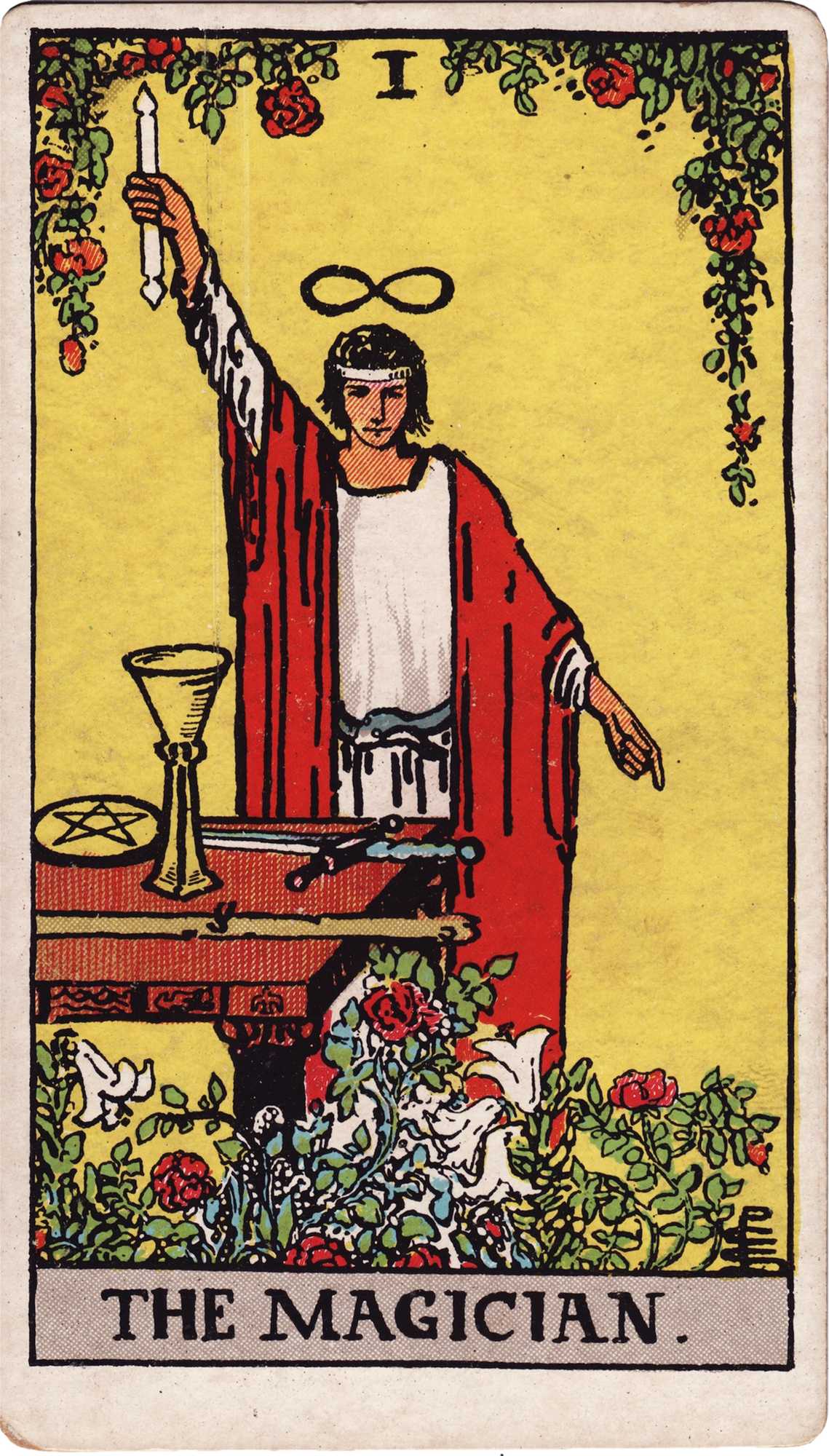 The Magician
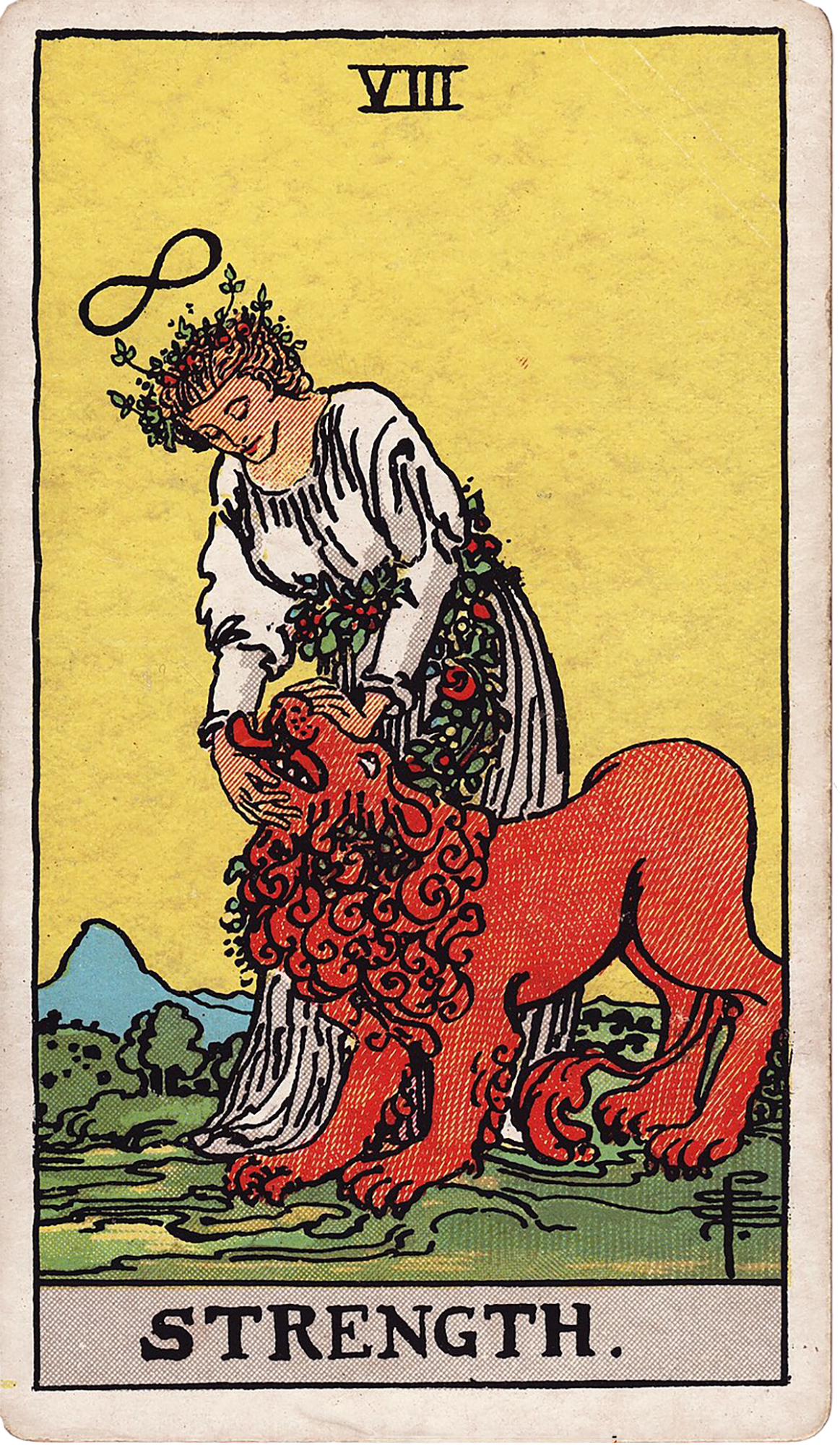 Strength
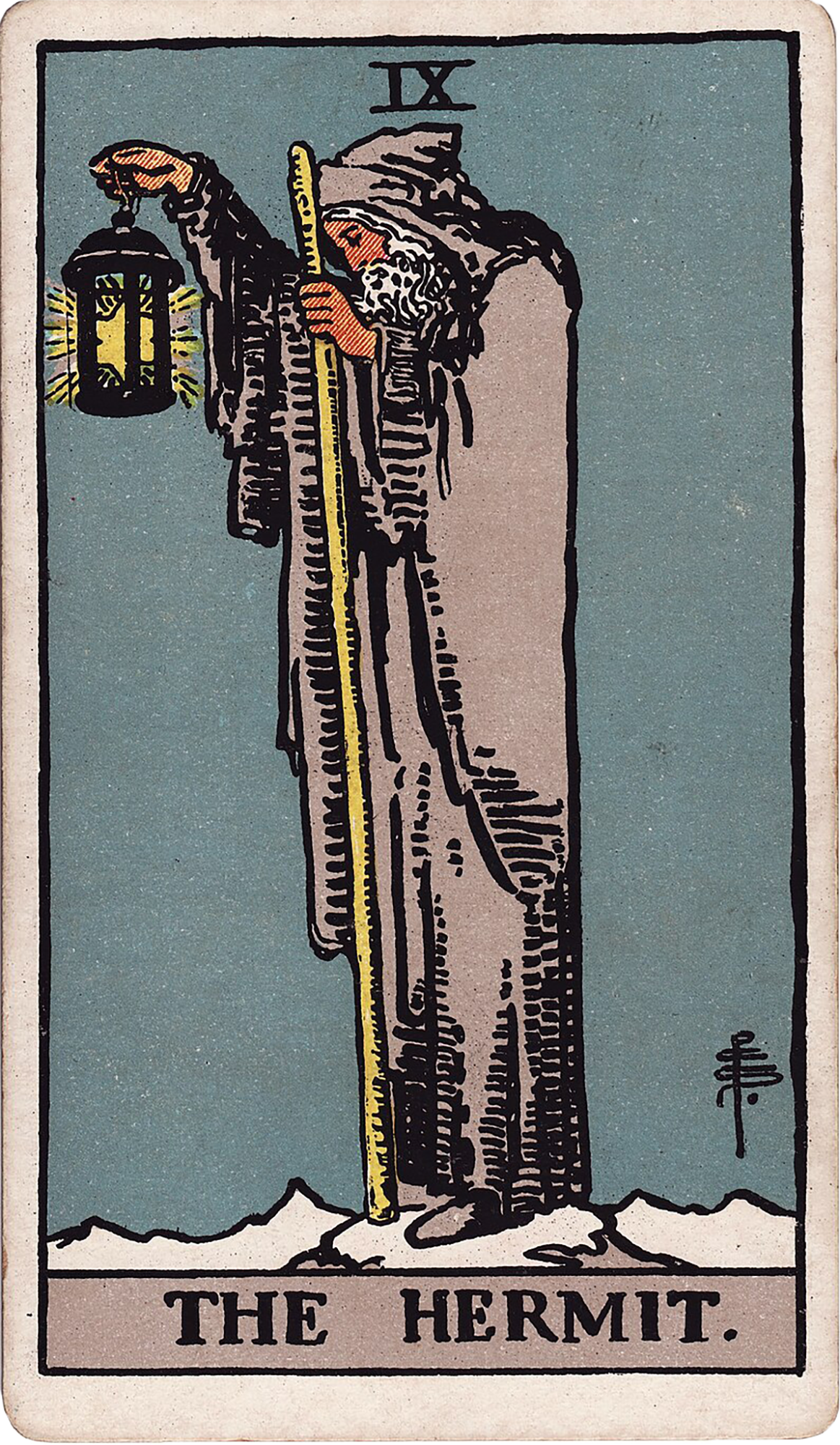 The Hermit
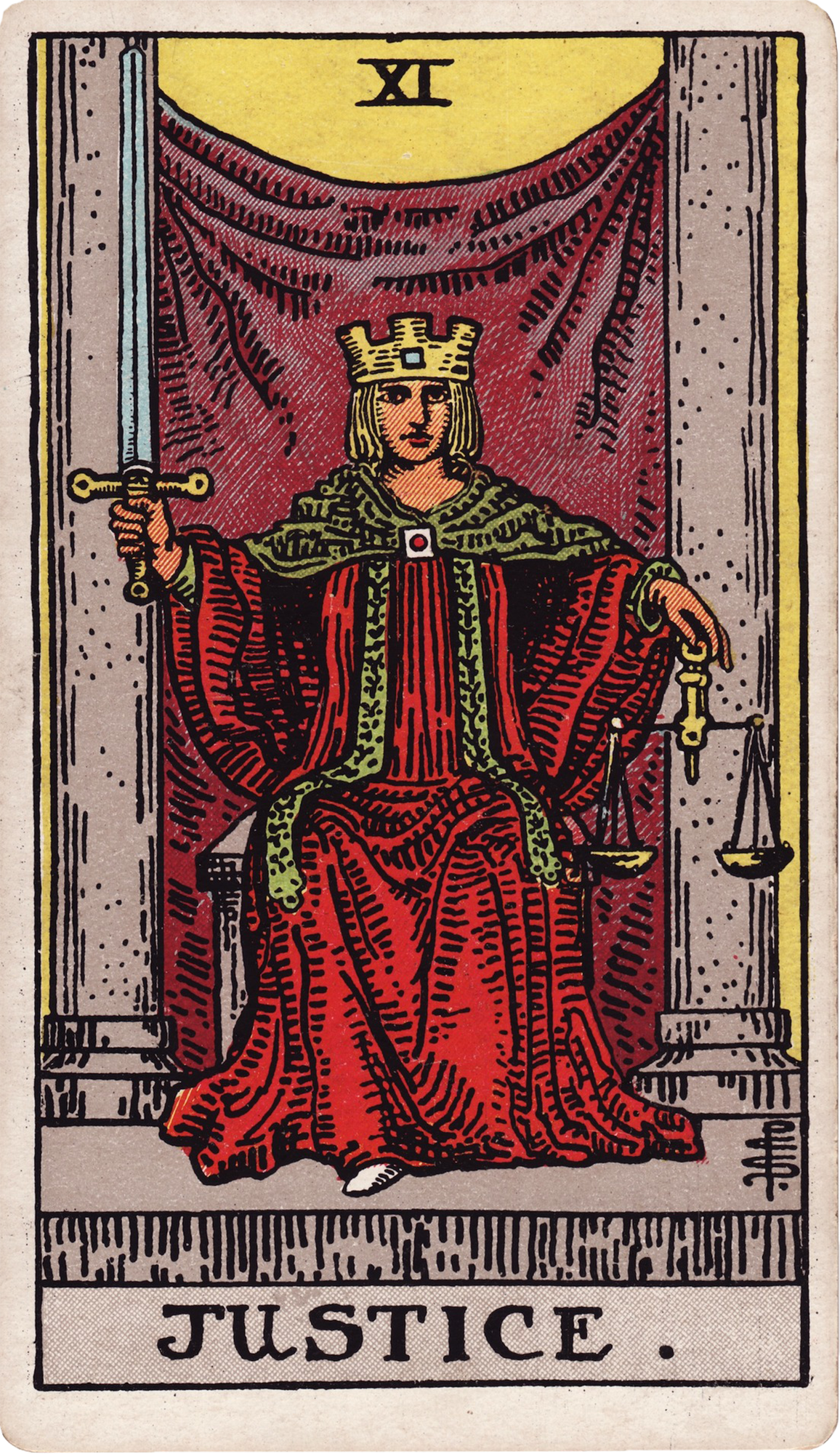 Justice
Why hands and gestures matter in tarot symbolism
Hands are the translators of intention. In visual art, the body expresses what words or objects cannot: authority, invitation, resistance, control, and relationship. In Rider‑Waite‑Smith (RWS) imagery the Major Arcana were deliberately composed so that small visual cues—tools on a table, the angle of an arm, the openness of a palm—modify and refine the card’s archetypal meaning. Reading hands and gestures is not an optional flourish; it is a core hermeneutic that helps you move from label to nuance. For example, The Magician’s characteristic up‑and‑down gesture (one hand toward heaven, the other toward earth) literally encodes the Hermetic maxim “as above, so below,” making the card’s message about channeling and active transformation visible. Strength’s gentle hold on the lion signals a method of influence rooted in patience and compassion rather than domination. The Hermit’s lantern and staff, and the way he supports or presents the light, orient the card’s solitary searching as a deliberate posture of guidance and measure. Justice’s scales and sword are already familiar, but the balance between the hands—how the scales are held, whether the sword is raised or lowered—affects whether Justice reads as principled impartiality or as rigid, punitive force. Learning to read these gestures changes a flat keyword into a textured, situational insight.
A practical observation method: six steps to read any gesture
Use a consistent, evidence‑based routine when you examine hands and gestures. This reduces projection and increases reproducibility in readings. The six steps below are compact but repeatable across cards and spreads. 1) Observe without naming. Start with neutral description: number of hands visible, what they touch (objects, other bodies), posture (open, closed, pointing, grasping), direction (up, down, inward, outward), and eye alignment. For example: "The Magician’s right hand points up toward the sky while the left points toward the table; items lie on the table." Say only facts. 2) Describe quality and energy. Convert neutral description into a qualitative observation: is the gesture soft or hard, active or receptive, contained or expansive? Strength’s hands closing the lion’s mouth are soft, restrained, and intimate; that quality implies gentle containment rather than brute force. 3) Locate agency and target. Ask: who or what is the hand acting on? Is it self‑directed (touching the heart), relational (touching another figure), or instrumental (holding a tool)? The Hermit’s lantern is self‑directed in that it illuminates the Hermit’s path, but the way he presents it can also be read as an offering to others. 4) Note directionality and polarity. Upward gestures often indicate aspiration, higher authority, or the transcendent (Magician’s upward hand); downward gestures indicate grounding, manifestation, or internalization. Lateral gestures suggest communication or exchange—Justice’s scale held laterally implies relational balance. 5) Cross‑reference with card attributes. Use known RWS motifs—tools, animals, clothing, landscape—and the textual upright/reversed meanings you have for the card. If The Magician is upright and uses the classic up/down gesture, link the image with the upright text about using available skills deliberately and converting potential into action. If Strength appears reversed, ask whether the gentle gesture is being strained, forced, or misapplied. 6) Synthesize into questions or counsels. Convert gesture readings into practical questions for the querent or directives for action. For example, noting The Magician’s directive hands, you might ask: What skill are you being invited to direct outward right now? If Justice’s hands appear rigid, ask: Where might bias or inflexibility be narrowing your sense of fairness?
Key gesture categories and what they usually indicate
Certain gesture archetypes recur across RWS imagery and have relatively stable symbolic resonances. Learn these categories and test them against the supplied cards. Open palms (receptive, honest, offering): An open palm often signals invitation, willingness, or transparency. In the RWS Major Arcana, although hands are not always palm‑out, the idea of offering appears in The Hermit if his lantern is tilted outward; similarly, The Magician’s table hand could be read as presenting the tools for use. Pointing (directive, selective, accusatory): A pointed finger or an index‑focused gesture directs attention and authority. The Magician’s pointing makes him a director of channels—selecting where energy is to go. Pointing can be benevolent (directing focus) or controlling (narrowing choices). Grasping/holding (possession, control, protection): Grasping an object or a creature shows ownership, control, or caretaking. Strength’s hands hold the lion’s jaws in a manner that suggests caretaking and containment rather than forceful possession. Justice holding scales is a formalized version of grasping—a regulated control over measure. Covering/concealment (protecting, denying, shaming): Hands that cover face or body suggest avoidance or internal struggle. While the supplied cards do not display overtly concealed faces, consider how The Hermit’s hood and the inward hand positions create an inwardness akin to covering. Vertical polarity (up vs. down): Upward hands tend to connect with aspiration, spiritual authority, or the idea of channeling higher influence (Magician). Downward hands are about grounding, materializing, or focusing inward (Magician’s lower hand shows manifestation). Symmetrical balance vs. asymmetrical action: Symmetry implies stable principle or justice (Justice), whereas asymmetry implies process, movement, or tension (Magician, who is actively bridging two realms). Read symmetry as equilibrium and asymmetry as dynamic agency.
Anchoring gesture reading to the supplied cards: The Magician
The Magician is a poster child for gesture symbolism in RWS. His classic upright pose—one hand raised to the sky, the other pointing to the earth—makes the hand reading mission trivial in one sense and profound in another. Observe these points: the upward hand is not waving; it marks reception or invocation. The downward hand is not passive; it indicates directed manifestation—putting received energy into form. The table with suit emblems is within reach but not grasped, indicating potential resources that are available to be used deliberately. Technique applied: When The Magician appears upright in a spread, treat his hands as a call to deliberate action: where can you take an inspired thought and move it into the world? The gesture asks you to identify the smallest proportionate step that will make the idea tangible. If The Magician is reversed, reexamine the hands as potential signs of distortion: is the upper hand disconnected from the lower (symbolizing scattered intention)? Is the downward gesture pointing at something that does not belong to the querent (manipulation)? Use the card context to decide whether the hands describe misplaced cleverness or a blocked channel. Common reader pitfalls with The Magician: (1) Reading the gesture only as "power" without differentiating source (divine/innate) and target (self/others). (2) Ignoring the table tools—hands are functional not theatrical. The message is not "do anything" but "work what is present now with integrity."
Anchoring gesture reading to the supplied cards: Strength and The Hermit
Strength and The Hermit provide contrasting but complementary lessons about posture and interior gesture. Strength: In RWS the gentle woman’s hands are on the lion’s jaws or mane. This is not an act of imposing dominance; it is a dialogic posture. The hand is both containment and invitation—she calms by presence, not by force. Read this as an embodied intelligence about regulating intensity. Upright, this gesture advises: meet intensity with steady hands—patience, compassionate limits, and self‑respect. Reversed, inspect the hand’s quality: are the fingers clenched? Is the contact tentative? Reversal often signals that the gentle method is compromised—either by suppression of anger, too much force, or an inability to access tenderness. The Hermit: The Hermit’s lantern is both a tool and an extended hand. How the lantern is held—close to the chest, extended ahead, or slightly turned—changes the Hermit’s interpersonal stance. A lantern held close signals inward working and personal discernment; a lantern slightly extended reads as guidance offered. The staff is a support gesture; hands on a staff show measured progress and steadiness. Upright, these gestures indicate deliberate withdrawal for clarity and measured guidance. Reversed, the gestures read as excessive withdrawal or misused solitude: the lantern may appear dim or held in a way that isolates instead of illumining. Technique applied: When Strength and The Hermit appear together or near each other, contrast active containment (Strength’s hands) with steady, directional solitude (Hermit’s hands on lantern/staff). Ask: which problem needs compassionate steadiness and which needs measured stepping back for clarity?
Anchoring gesture reading to the supplied cards: Justice
Justice is the archetype of measured hand action. She holds scales in one hand and a sword in the other. The gestures are codified: the scales measure relational weight; the sword enforces consequence. Read the scale‑hand as evaluative gesture—balancing claims, weighing evidence. Read the sword hand as executive—cutting through ambiguity, assigning consequence. Upright, Justice’s hands counsel clear-eyed fact, accountable choices, and decisions that will be scrutinized. Reversed, the hands can indicate bias: the scale tipped, the sword lowered or held awkwardly, or a tensely gripped sword implying rigidity rather than impartiality. Technique applied: In a spread where Justice appears, use the hands to formulate specific diagnostic questions: what evidence is being ignored? Which hand represents the querent—are they the weighers or the weighed? If neighboring cards show The Magician’s active hands, consider whether skillful action must be piped through fair process. If Strength is nearby, ask whether compassion is being sacrificed for strict application of rules.
Putting it together: combined readings and example interpretations
Gesture reading gains power when you synthesize across cards. Below are concrete examples using only the supplied cards. Remember to test these against position (past/present/future), reversal, and the querent’s question. Example A — The Magician (upright, center) + The Hermit (upright, left) + Justice (upright, right): The Magician’s up/down hands signal that a concrete plan is available now. The Hermit’s lantern held inward says the querent has already stepped back to clear thought. Justice’s balanced hands warn that any action will be held to standards. Interpretation logic: You have an idea and clarity (Magician + Hermit) but you must proceed in a way that is fair and accountable (Justice). Practical counsel: take a measured first step and document evidence; ask for peer review or legal clarity where appropriate. Example B — Strength (reversed, center) + The Magician (upright, left) + Justice (reversed, right): Strength’s compromised hand gesture suggests either suppressed anger or a forceful, clumsy approach to containment. The Magician’s directive hands show available skill and agency, but Justice reversed shows bias or unfairness in consequences. Interpretation logic: You can act cleverly, but the way you are handling intensity is likely to produce unfair outcomes. Practical counsel: before using clever techniques, address the emotional regulation issue—use the Magician’s tools for repair, not manipulation. Example C — The Hermit (reversed, center) + The Magician (upright, right) + Strength (upright, left): The Hermit’s lantern suggests excessive isolation; his hand posture reversed may show avoidance. The Magician offers a channel to bring private insight into the world. Strength’s hands indicate compassionate engagement. Interpretation logic: Your withdrawal is useful for insight but may be becoming avoidant; other cards advise translating that solitude into a modest action done with steady care. Practical counsel: practice a small, visible step that shares insight with someone who can be trusted, using Strength’s gentle containment to hold boundaries.
Common mistakes and how to avoid them
Mistake 1: Overreading tiny differences. Not every finger position is a secret. Ground interpretations in the card’s broader composition and in the upright/reversed text. Ask whether a handedness detail meaningfully affects agency in the spread before making bold claims. Mistake 2: Projecting contemporary body‑language rules uncritically. Gesture semiotics differ across cultures and across symbolic systems like RWS. Do not assume a modern real‑world body‑language rule (e.g., crossed arms = closed) will map directly onto medieval‑flavored or allegorical imagery. Mistake 3: Ignoring relational context. A hand pointing might be accusatory or might be an instruction—neighboring cards show whether the gesture is adversarial or cooperative. Mistake 4: Treating gestures as deterministic. Hands add texture and practical counsel but do not override the card’s core theme. Use gesture readings to nuance, not to negate, the main meaning. How to avoid them: Use the six‑step observation method; cross‑check with upright/reversed meanings; ask clarifying questions during a reading; and offer interpretations as guidance or hypothesis rather than absolute pronouncements.
Exercises to build skill and confidence
Exercise 1 — Single‑card gesture journal: Pull a single supplied card daily (rotate among The Magician, Strength, The Hermit, Justice). Spend five minutes describing—without interpretation—every hand, tool, direction, and eye line. Then write one paragraph integrating the upright meaning with the gesture evidence. Exercise 2 — Pair contrast: Lay out two of the supplied cards. Describe each card’s dominant gesture, then write three possible relationship narratives between them where the gestures interact (complement, contradict, correct). For example, how might The Magician’s directive hands be moderated by Strength’s compassionate hands? Exercise 3 — Reversal spotlight: For each card, sketch two interpretations—one where the hands operate at their healthiest (upright) and one where the hands’ function is blocked or distorted (reversed). Note which words or images you use to signal that distortion. Exercise 4 — Client‑focused questions: For each gesture you identify in a spread, formulate one open question and one practical action for the querent. Practice asking these as invitations rather than directives.
Bringing gesture reading into everyday practice as a tarot reader
Integrate gesture reading into your default reading protocol. Start every card reading with two sentences of neutral description of the hands and gestures, then proceed to contextual interpretation. Use gestures to refine questions you ask the querent and to suggest modest, proportionate actions. Keep a record of readings where gesture evidence led to particularly useful counsel—this builds empirical feedback on your method. Finally, remain humble: gestures are a door to nuance, not a crystal ball. They help the querent see what is already occurring in behavior and choice, and they point to small, ethical steps the querent can take.
Practice questions
• Which of the supplied cards’ hand gestures feels most familiar to you and why?
• In a recent decision you made, which card’s gesture best matches how you acted—The Magician’s directed hands, Strength’s gentle hold, The Hermit’s lantern posture, or Justice’s measured balance?
• When you read a card, do you tend to focus on objects or on gestures first? How would shifting that order change a typical reading for you?
• How might you translate The Magician’s up/down hands into a small, practical task for a querent?
• Describe a situation where Justice’s hand gestures would advise restraint rather than immediate action. What follow‑up question would you ask?
Comments
Sign in to comment.
Continue learning
Interpreting the Dance of Justice and The Devil: Balancing Morality and Temptation in Tarot Readings
The combination of Justice and The Devil in tarot presents a profound exploration of morality, temptation, and personal accountability. This article unpacks how these cards influen...
Mastering Decision Making with the Five Card Cross Tarot Spread
The Five Card Cross Tarot Spread is a powerful tool for deepening decision-making skills by examining the present situation, past influences, future possibilities, challenges, and...
Enhancing Clarity in Complex Choices with the Five Card Cross Tarot Spread
The Five Card Cross Tarot Spread is a practical tool designed to clarify complex choices by breaking down the decision into manageable parts. This article explores each position in...
Using the Five Card Cross Spread to Make Confident Life Decisions
The Five Card Cross spread is a practical and insightful tarot layout designed to assist with complex life decisions by clarifying the situation, presenting options, uncovering hid...
Making Confident Life Choices with the Five Card Cross Tarot Spread
The Five Card Cross Tarot Spread is a powerful tool designed to aid practical decision-making, particularly within family or life-altering situations. This article explains the spr...
Using the Five Card Cross Tarot Spread to Gain Confidence in Difficult Decisions
The Five Card Cross spread is a powerful practical tool for navigating difficult decisions with confidence. By placing cards in positions representing Situation, Option A, Option B...
Using the Five Card Cross Spread to Gain Clarity in Difficult Life Decisions
The Five Card Cross Spread is a structured tarot layout designed to help clarify challenging life decisions by examining the situation, options, hidden influences, and advice. This...
Using the Five Card Cross Spread to Clarify Complex Decisions
The Five Card Cross Spread is a practical tarot method designed to clarify complex decisions by laying out the situation, contrasting options, hidden factors, and advice. This arti...
Using the Five Card Cross Spread to Gain Insight into Relationship Dynamics
This article provides an in-depth guide to using the Five Card Cross Spread for gaining clarity on relationship dynamics, especially within family contexts. Anchored by a worked ex...
Using the Five Card Cross Spread to Make Balanced and Informed Life Decisions
The Five Card Cross Spread is a powerful Tarot layout designed to aid balanced and informed decision-making. This article teaches learners how to use this spread effectively, focus...