
Seven Card Horseshoe Spread to Prioritize Actions and Reduce Overwhelm
This article teaches the seven-card horseshoe spread as a tool for prioritizing actions and reducing overwhelm. Using a worked reading with The Chariot, Temperance, 8 of Wands, 10 of Wands, 4 of Swords, 2 of Pentacles, and 7 of Pentacles, you will learn each position's function, how images and Rider–Waite–Smith symbolism inform interpretation, relationships between cards, and a reproducible method to translate insight into practical next steps.
Seven Card Horseshoe
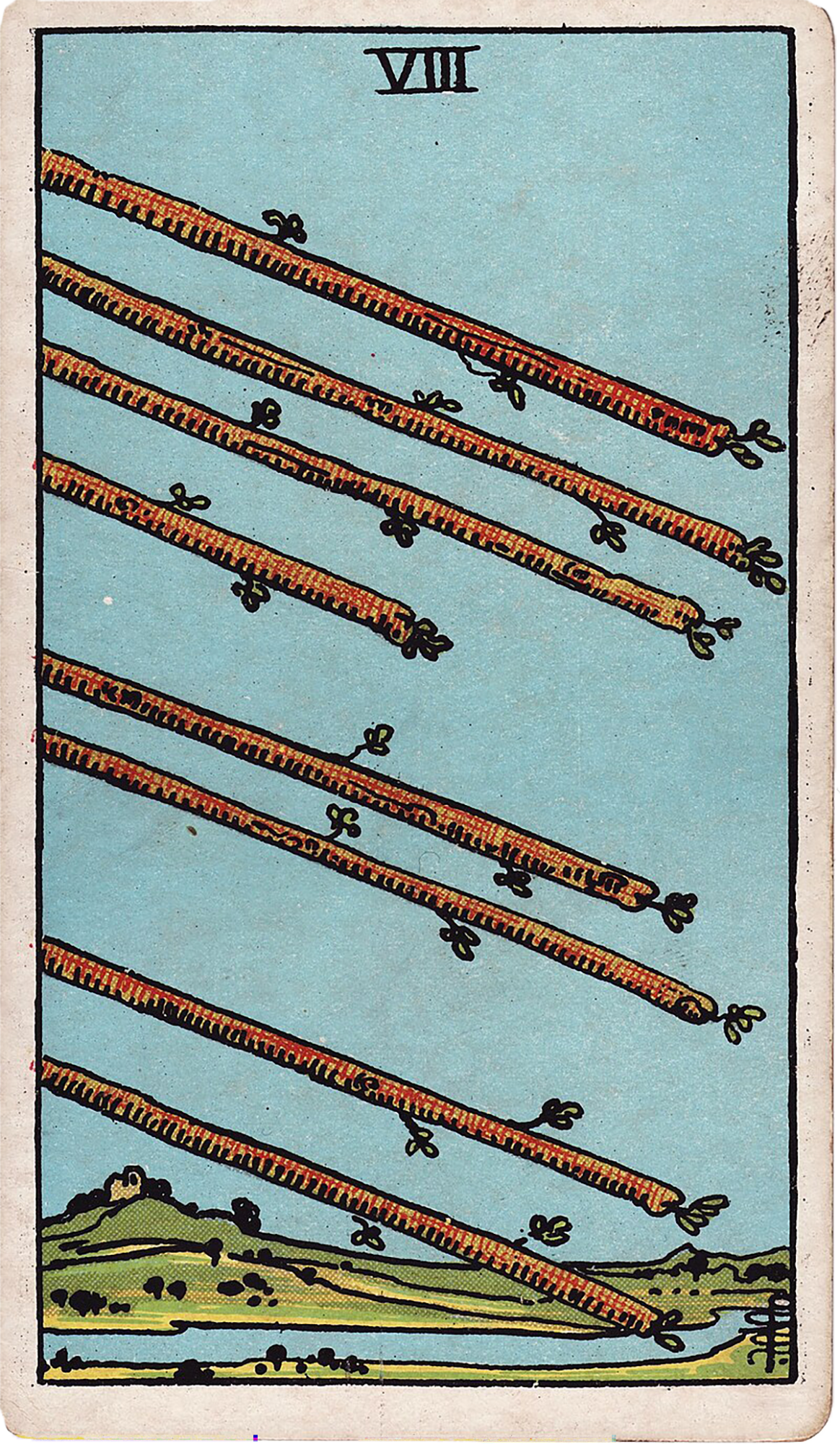 Past8 of Wands
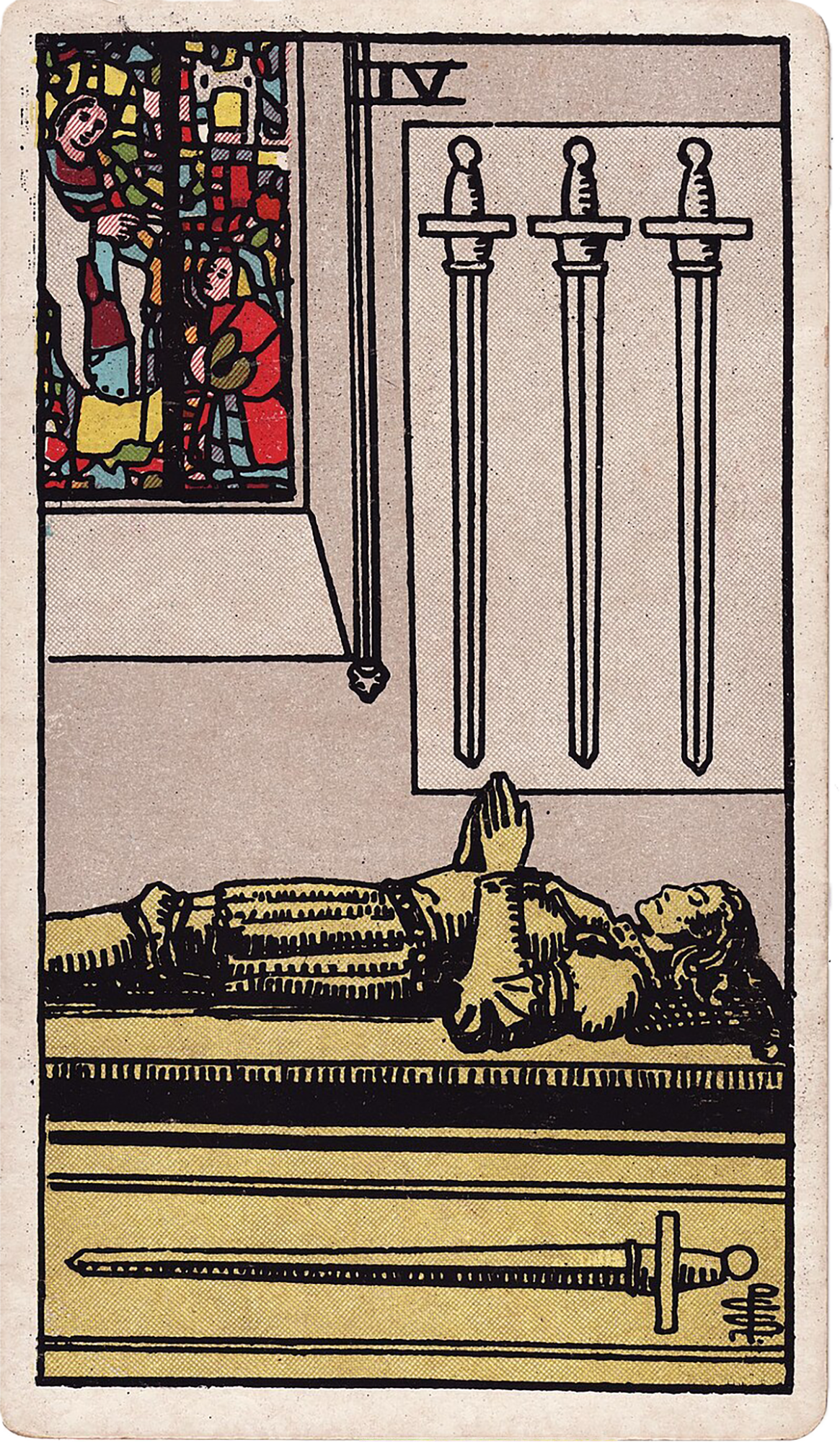 Present4 of Swords
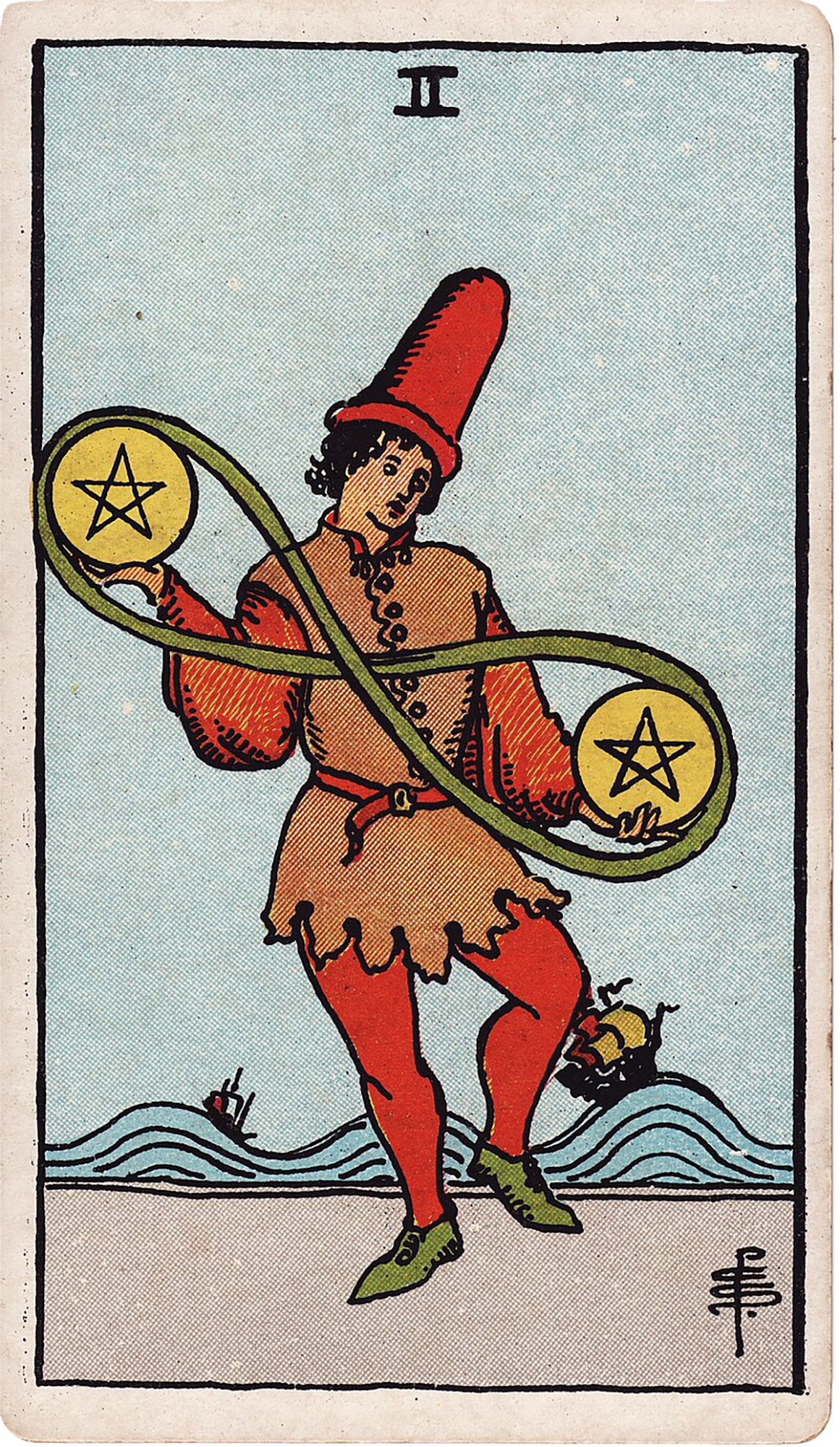 Hidden Influence2 of Pentacles
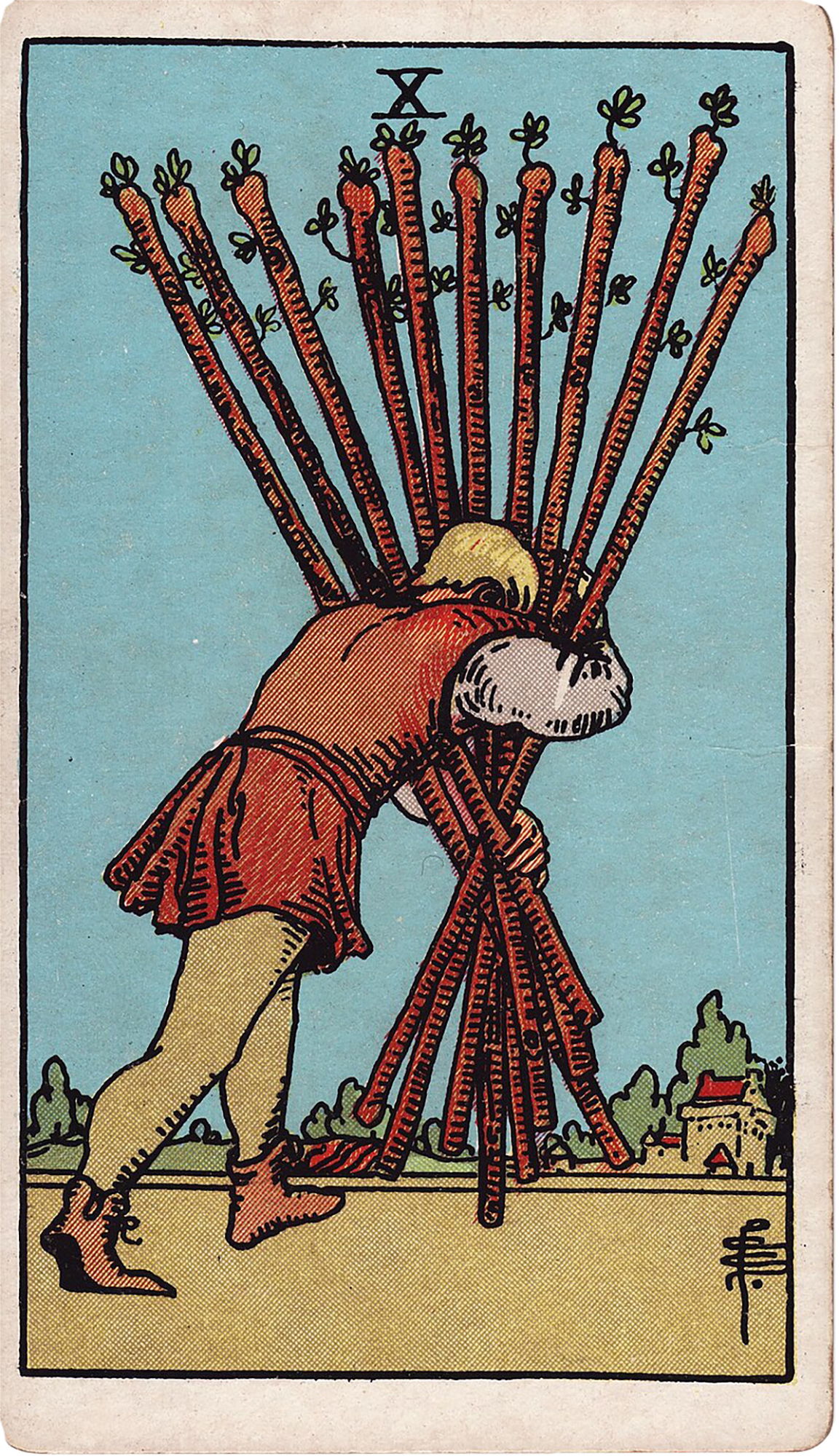 Obstacle10 of Wands
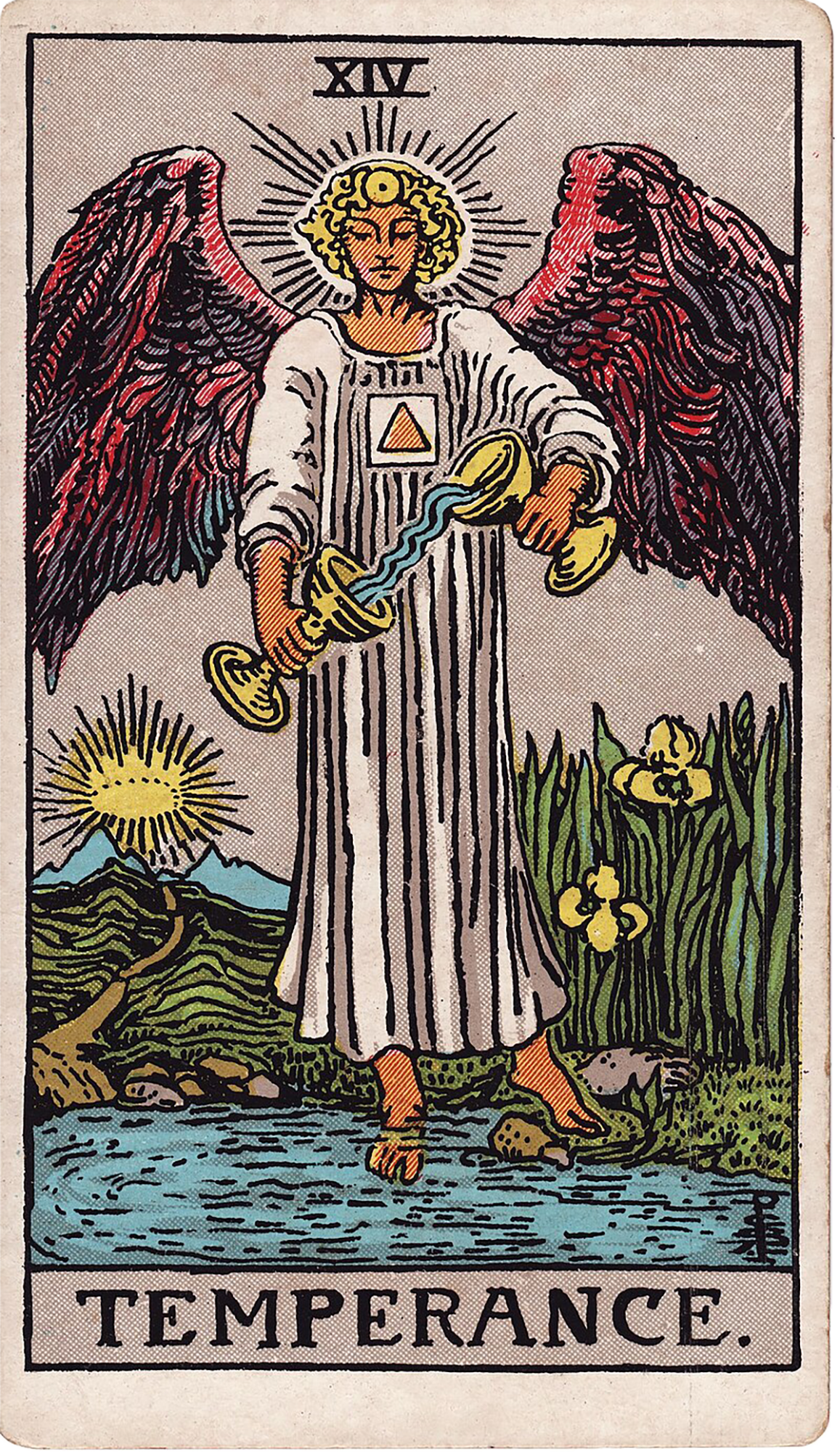 EnvironmentTemperance
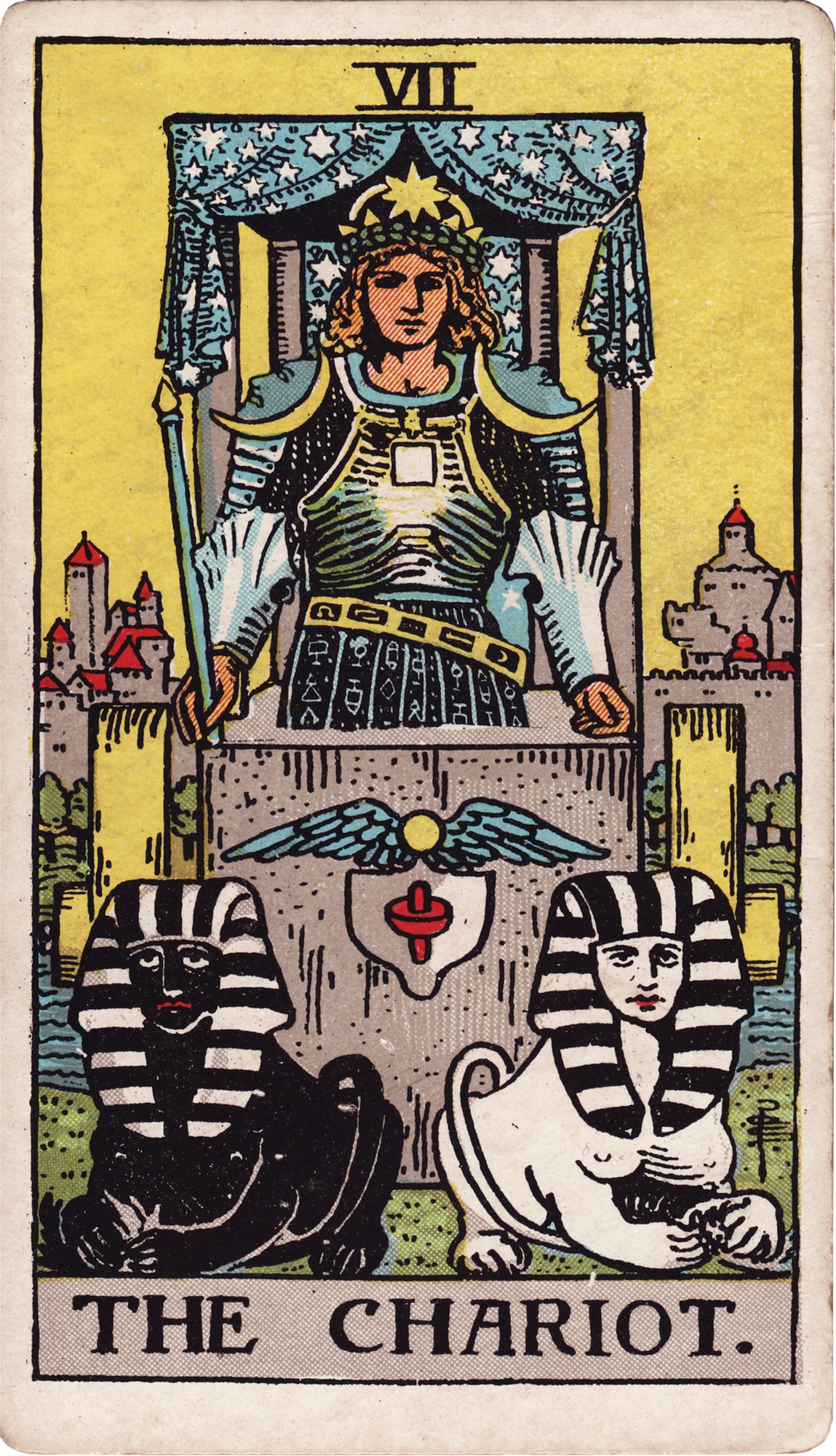 AdviceThe Chariot
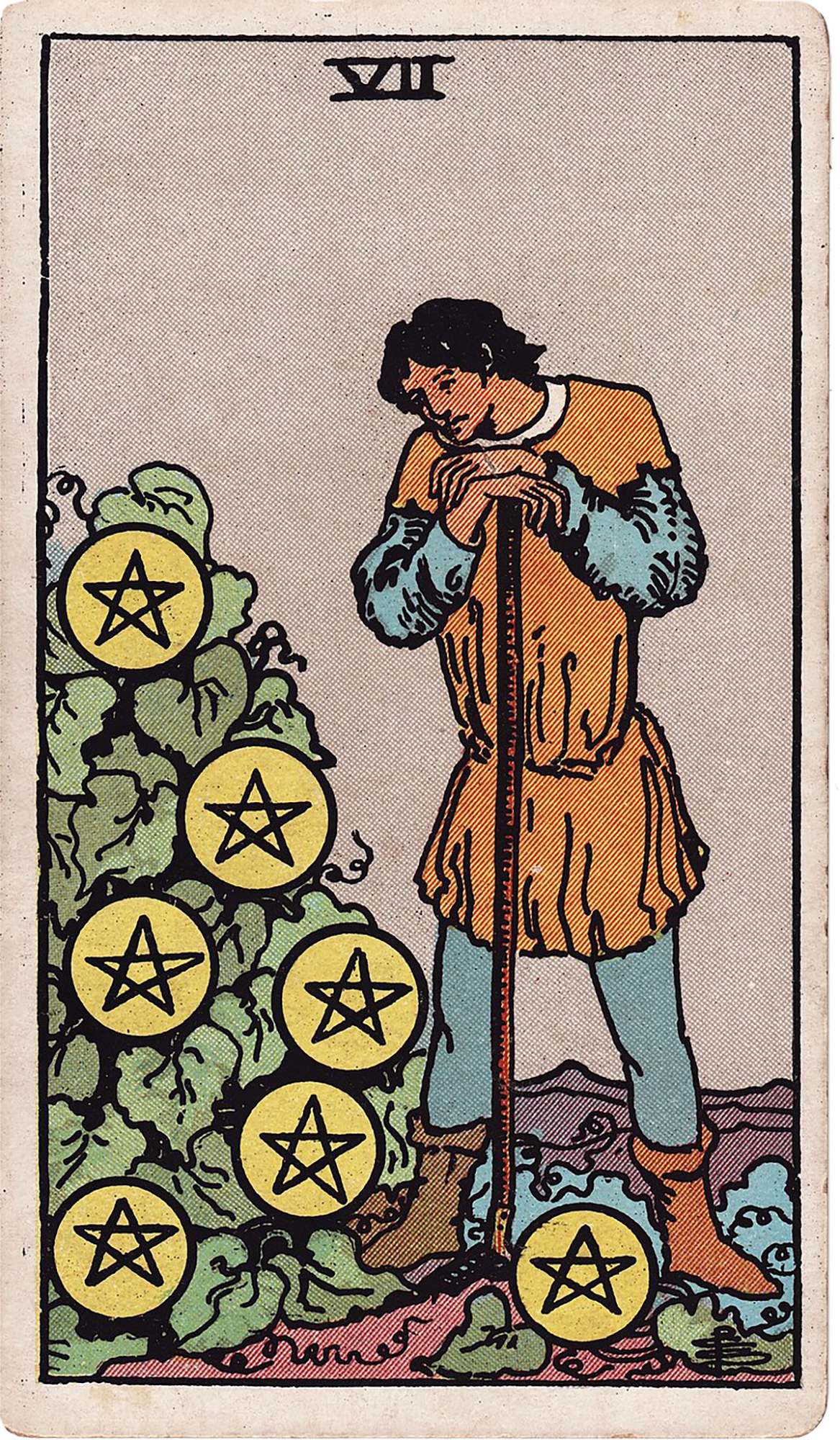 Outcome7 of Pentacles
Introduction and Purpose
The seven-card horseshoe is a compact, flexible spread ideal for practical decision-making. It maps past influence, present reality, hidden momentum, obstacles, environmental factors, actionable advice, and probable outcome. Its arc shape is easy to lay out and visually suggests movement from history into possibility. In this article we use the exact cards supplied—The Chariot (Past), Temperance (Present), 8 of Wands (Hidden Influence), 10 of Wands (Obstacle), 4 of Swords (Environment), 2 of Pentacles (Advice), and 7 of Pentacles (Outcome)—and anchor every interpretive step to their Rider–Waite–Smith imagery so learners can reproduce the process visually and practically.
When to Use This Spread
Use the horseshoe when your goal is practical: to reduce overwhelm, decide what to do next, and prioritize tasks without losing sight of context. It is especially useful when you feel pulled in several directions, when responsibilities have accumulated, or when a project requires both action and discernment. Unlike predictive layouts, this spread highlights capacities and constraints and gives a clear advice position to translate insight into prioritized steps.
Layout and Position Definitions
Arrange seven cards in a shallow arc (horseshoe) left to right. Label them in this order: Past, Present, Hidden Influence, Obstacle, Environment, Advice, Outcome. Each position has a practical prompt: - Past: What recent choices, momentum, or context brought you here? Look for learned patterns and energies that still shape present options. - Present: The current state demanding action; where you stand now. - Hidden Influence: Forces not yet obvious—incoming momentum, unnoticed communication, or internal drives. - Obstacle: A concrete or psychological block that must be acknowledged or removed to move forward. - Environment: External conditions and people that affect the situation and may shape what is feasible. - Advice: A specific action, habit, or stance to prioritize now—this is the most operational position. - Outcome: The probable near- to medium-term result if you follow the advice and acknowledge the cards' dynamics. Treat it as a direction rather than absolute fate.
Practical Setup and Reading Protocol
Materials: a deck (Rider–Waite-style helps with symbol reading), notebook, pen, quiet 10–20 minutes. 1) Frame a practical question. Good examples: "What should I do this month to reduce overwhelm?" or "Which actions will give me the most relief and forward motion right now?" 2) Shuffle until you feel ready. Keep the question in mind but avoid loading for a specific outcome. 3) Draw seven cards and lay them left to right in the horseshoe shape. 4) Note orientation (upright/reversed) and the images. If reversed, use the supplied reversal notes as a lens: look for distortion, delay, or internalized form of the upright quality. 5) Read positions singly, then pair adjoining cards (Past–Present; Hidden–Obstacle), then cross-relationships (Advice linking to Obstacle and Environment), and finally how Outcome synthesizes the set. 6) Translate images into concrete tasks by asking: "What one action can I take that aligns with the Advice card and reduces the Obstacle this week?" Write that action down along with a time-bound step and a delegation or boundary opportunity.
Card-by-Card Workup for This Reading
Here are the supplied cards placed in the horseshoe and what each means in this practical context. Past — The Chariot: In Rider–Waite symbolism The Chariot shows a driver who has chosen direction and harnessed opposing forces (often depicted as black and white sphinxes). In the Past position this indicates that a decisive push or commitment is recent and formative. You probably made a clear choice or took charge in a way that created forward motion. The Chariot's message here is: there was a point when direction was selected, discipline was applied, and momentum began. Present — Temperance: The central image of Temperance is an angel mixing water between cups, representing skillful integration and moderation. As Present, Temperance says the situation now needs measured blending: integrate competing demands, moderate energy, and avoid extremes. It invites steady, patient action and the deliberate mixing of resources rather than forceful driving. Hidden Influence — 8 of Wands: The RWS 8 of Wands shows wands flying through the air—clear signs of rapid movement and communication. Hidden Influence means momentum is arriving or about to arrive: things will move quickly, messages will come, or an acceleration is building that you may not yet see. This undercurrent can be positive (clarifying, finishing) or risky if it meets poor preparation. Obstacle — 10 of Wands: The image of a figure bearing a heavy bundle makes 10 of Wands archetypically the card of overloaded responsibility. As the Obstacle it shows that accumulated duties, poor delegation, or a sense of martyrdom is impeding progress. The weight makes it harder to respond to incoming momentum (8 of Wands) without collapse. Environment — 4 of Swords: RWS 4 of Swords depicts a figure lying in repose—rest and recovery after strain. In the Environment position this suggests that your surroundings are either providing or demanding a slower tempo: colleagues, family, or the external situation favors pause, healing, or decreased tempo. It can also indicate that the world around you will not reward frantic action now and may require strategic waiting. Advice — 2 of Pentacles: The juggler of the 2 of Pentacles (with its looping infinity ribbon) represents active, flexible balancing of priorities. As Advice this card tells you to prioritize flexible management: juggle fewer items intentionally, adopt adaptive scheduling, reassign or outsource where possible, and reapportion effort in dynamic response to the 8 of Wands momentum and the 10 of Wands burden. Outcome — 7 of Pentacles: The gardener pausing to assess growth makes 7 of Pentacles the card of review, patient assessment, and decision about continued investment. As Outcome it indicates a likely result of careful rebalancing and strategic patience: you'll reach a review point where you can honestly evaluate returns on effort and choose whether to persist, adjust, or withdraw.
Reading the Cards Together: Relationships and Narrative
Start by linking Past to Present: The Chariot → Temperance. A recent decisive push (The Chariot) has brought you to a point where the correct response is not more force, but integration and moderation (Temperance). This tells the learner that doing 'more of the same' is less appropriate than refining how resources and energies are mixed. Hidden Influence interacts with Obstacle: 8 of Wands (hidden) → 10 of Wands (obstacle). Rapid events are incoming while you already carry too much. This is the critical friction point: quick momentum without lightening the load risks collapse or mistakes. Practically, it says "prepare for acceleration by reducing the load now." Environment modifies Advice and Outcome: 4 of Swords (environment) influences both 2 of Pentacles (advice) and 7 of Pentacles (outcome). If your environment favors rest or slow tempo, the 2 of Pentacles advice should be adapted: juggling should include deliberate rest-blocks and scheduled low-effort windows rather than perpetual motion. The likely review in 7 of Pentacles will be more fruitful if you allow rest as part of the process. Advice directly targets Obstacle: 2 of Pentacles (advice) → 10 of Wands (obstacle). The juggler's skillful reprioritization is the remedy to the burden. The reading says: actively reshuffle duties, delegate or drop low-value tasks, and chunk large responsibilities into smaller, transferable pieces. Outcome synthesizes the whole: Temperance (present) plus 2 of Pentacles (advice) produces 7 of Pentacles (outcome). If you moderate your approach and actively manage commitments, the result is an honest appraisal of return on investment. The Chariot in the past explains why you may feel reluctant to change course: you value direction and control. The reading asks you to pair that confidence (Chariot) with Temperance-style finesse and 2 of Pentacles agility to reach a thoughtful 7 of Pentacles review instead of burning out under the 10 of Wands.
From Insight to Action: Prioritization Steps You Can Use Today
Translate these card relationships into a prioritized action plan using a three-step conversion process: 1) Reduce immediate overload (respond to 10 of Wands): Identify the single largest burden you carry. Ask: "What can be delegated, postponed, or dropped this week?" Use a 5-minute triage: list tasks, mark one-third as delegable, one-third as postponable, one-third as essential. Remove at least one delegable item. 2) Prepare for incoming momentum (respond to 8 of Wands) with small rehearsals: Anticipate quick communications or decisions. Create template responses, set a 15-minute buffer to process incoming messages, and pre-define two thresholds for escalation (reply now / note for later). This preserves clarity when things accelerate. 3) Balance and schedule (follow 2 of Pentacles advice and Temperance present): Adopt a juggling habit—time-block two kinds of energy periods: "active sprint" (focused work) and "integration" (administrative, rest, communication). Ensure each day includes one 20–40 minute integration slot where you check and re-balance priorities. At the end of two weeks, conduct a 7 of Pentacles-style review: what gave a reasonable return? What should change? Concrete example from this reading: This week delegate an administrative task (reduce 10 of Wands), create auto-responders or checklists for quick decisions (prepare for 8 of Wands), and set daily 30-minute integration periods (temperance + 2 of Pentacles). After two weeks evaluate (7 of Pentacles).
How Learners Can Reproduce and Practice the Method
Practice protocol for learners: - Frequency: Use this spread weekly when you're juggling multiple responsibilities, or monthly for project reviews. - Orientation handling: Note whether cards fall upright or reversed. Apply the supplied reversed texts: if a card is reversed, ask where the upright quality is blocked, exaggerated, internalized, or delayed. For example, reversed 10 of Wands may indicate a collapse or active release—treat that as a possible prompt to let go. - Journaling: Record the position, card image notes, one-sentence meaning, and one actionable step derived from Advice that week. Revisit after seven to fourteen days and note changes. - Timing: After laying out the horseshoe sit with each image for 30–90 seconds. Anchor on visual details from RWS: the sphinxes/chariot canopy, the angel's flowing water, the flying wands, the burden of the porter, the recumbent figure, the juggler's pentacles, and the gardener's pause. Write the first three feelings or ideas that come to mind for each—it helps prevent over-rationalizing and keeps the reading grounded in imagery.
Common Errors and Troubleshooting
Mistakes beginners make and how to avoid them: - Over-focusing on Outcome as fate: The horseshoe is practical. Treat Outcome as a probable path contingent on action. If the 7 of Pentacles looks unsatisfying, change the Advice action rather than resigning to destiny. - Ignoring environment: When 4 of Swords appears, students often try to force action. Remember environment can favor rest; match tempo accordingly. Scheduling rest is an action. - Missing card-to-card tension: Don't read each position in isolation. The real leverage often lies where cards oppose each other (8 of Wands speeding into 10 of Wands). Use those tensions to find targeted priorities. - Vague advice: Turn 2 of Pentacles counsel into a concrete testable action (e.g., "delegate client X's weekly summary to assistant and save 90 minutes a week") rather than a general 'be flexible' note. - Neglecting follow-up: This spread is ideal for short cycles. Set a review date (7 of Pentacles) and honor it—learning happens in the evaluation.
Practice Exercises
Try these exercises to build fluency: 1) Single-card focus: Lay only the Advice position (2 of Pentacles). Spend 10 minutes generating five concrete things that embody juggling for your life (calendar change, delegation, automation, drop, habit). Try one this week. 2) Tension mapping: Use the horseshoe but write only the tension lines: Past→Present, Hidden→Obstacle, Advice→Obstacle, Environment→Advice. For each pair write one sentence summary and one micro-action. 3) Reversal experiment: Shuffle until one card appears reversed. Read the reversed card per the supplied reversal text and note how its 'blocked' form suggests a small step to restore balance.
Final Summary
The seven-card horseshoe is a pragmatic spread for prioritization and reducing overwhelm. In this worked reading the story is clear: a prior decisive push (The Chariot) has given way to a need for measured integration (Temperance). Momentum is approaching quickly (8 of Wands) but you carry too much already (10 of Wands). Your environment invites pause (4 of Swords), so the practical remedy is flexible, active balancing (2 of Pentacles). If you follow that advice and schedule review, the likely result is measured assessment of your investments (7 of Pentacles). Use the step-by-step protocol, translate advice into one concrete delegated action plus a time-block for integration, and set a 7-of-Pentacles review date. Repetition and journaling will make the spread a reliable tool for staying clear, prioritized, and less overwhelmed.
Practice questions
• Which part of The Chariot's decisive energy did you carry into your present situation, and how can Temperance help you refine rather than repeat that approach?
• What is the single heaviest item (10 of Wands) you could delegate, postpone, or eliminate this week?
• How would you prepare systems (templates, buffers, checklists) so incoming momentum (8 of Wands) becomes manageable rather than destabilizing?
• How can you build intentional rest (4 of Swords) into your schedule while still honoring the need to juggle priorities (2 of Pentacles)?
• When you reach your next 7 of Pentacles review, what measurable sign will tell you that your rebalancing efforts worked?
Comments
Sign in to comment.
Continue learning
Mastering Decision Making with the Five Card Cross Tarot Spread
The Five Card Cross Tarot Spread is a powerful tool for deepening decision-making skills by examining the present situation, past influences, future possibilities, challenges, and...
Exploring The High Priestess in Career Relationships and Personal Growth
The High Priestess card in the tarot deck invites readers to explore intuition, hidden knowledge, and inner wisdom across various life contexts. This article examines how The High...
Understanding The Chariot Card in Personal Ambition and Overcoming Obstacles
The Chariot card represents the power of focused will, disciplined action, and choosing a clear direction amid competing impulses. Upright, it encourages decisive steps forward usi...
Enhancing Clarity in Complex Choices with the Five Card Cross Tarot Spread
The Five Card Cross Tarot Spread is a practical tool designed to clarify complex choices by breaking down the decision into manageable parts. This article explores each position in...
Using the Five Card Cross Tarot Spread to Navigate Career Changes with Confidence
The Five Card Cross Tarot Spread is a versatile and insightful tool for navigating career changes. This article guides learners through the method step-by-step using a practical ex...
Understanding The Hermit in Self Discovery and Spiritual Enlightenment
The Hermit card in the Rider-Waite-Smith deck embodies themes of introspection, solitude, and spiritual wisdom. This article examines how The Hermit's upright and reversed position...
Using the Five Card Cross Spread to Make Confident Life Decisions
The Five Card Cross spread is a practical and insightful tarot layout designed to assist with complex life decisions by clarifying the situation, presenting options, uncovering hid...
Unlocking Emotional Depth with The Moon and The Lovers in Tarot Combinations
This article delves into the nuanced interplay between The Moon and The Lovers tarot cards, emphasizing how their combination unlocks emotional depth and complexity. By examining u...
Making Confident Life Choices with the Five Card Cross Tarot Spread
The Five Card Cross Tarot Spread is a powerful tool designed to aid practical decision-making, particularly within family or life-altering situations. This article explains the spr...
Using the Five Card Cross Tarot Spread to Gain Confidence in Difficult Decisions
The Five Card Cross spread is a powerful practical tool for navigating difficult decisions with confidence. By placing cards in positions representing Situation, Option A, Option B...