
Turn Court Cards into Actionable Insights for Sprint Planning and Retrospectives
This article teaches a reproducible method for using court cards as behavioral archetypes and operational signals in sprint planning and retrospectives. Anchored to four supplied court cards (Knight of Wands, King of Swords, Page of Pentacles, Queen of Pentacles) and their Rider‑Waite‑Smith imagery, you will learn how to read upright and reversed expressions, convert those meanings into prompts and tasks, run a short Court‑Card Sprint Scan, interpret combinations, and avoid common mistakes. The approach is designed for teams and facilitators who want a visual, symbolic lens for diagnosing team dynamics, clarifying roles, and turning insights into concrete improvements without invoking destiny or fortune‑telling.
Cards explored in this article
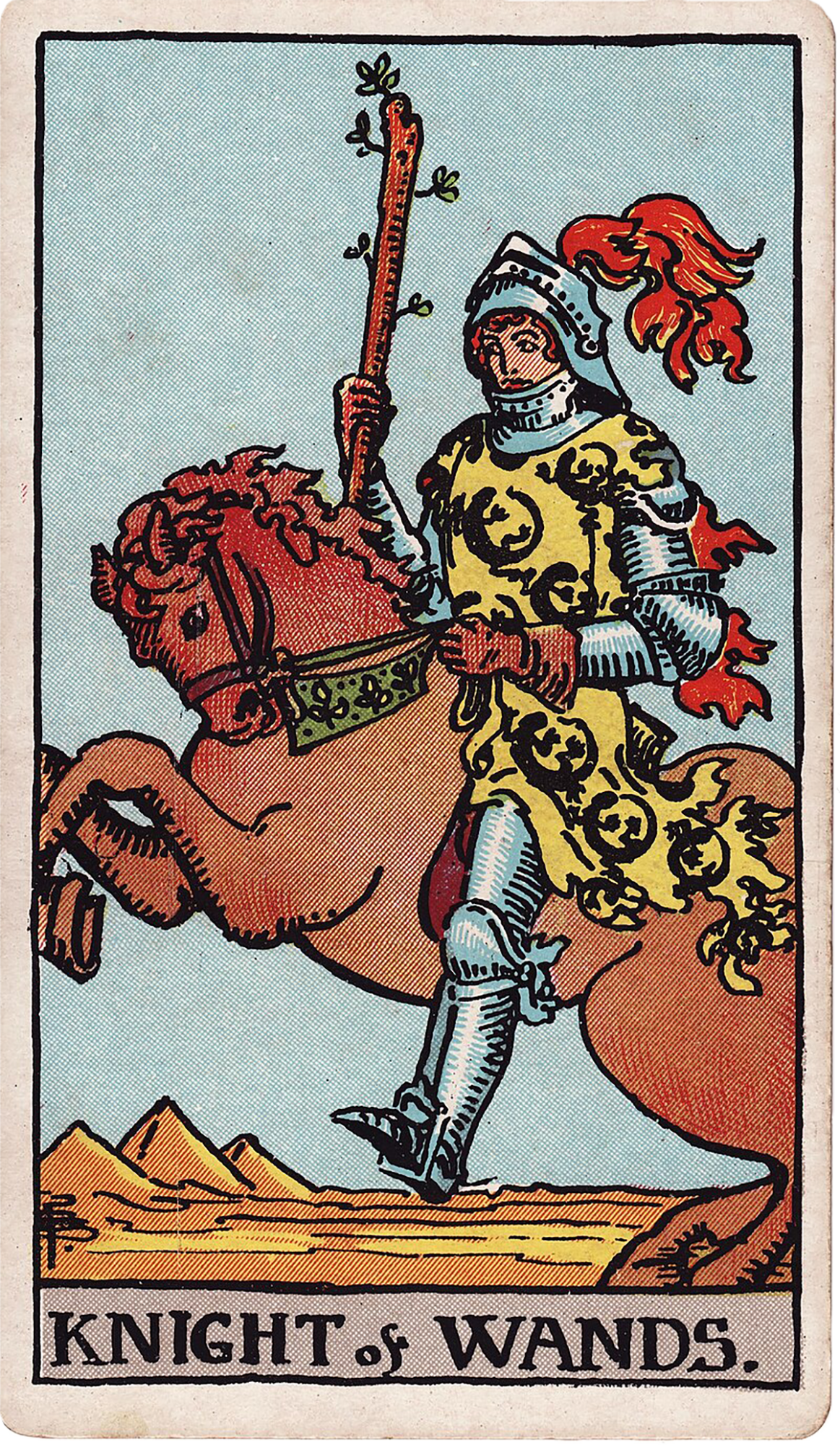 Knight of Wands
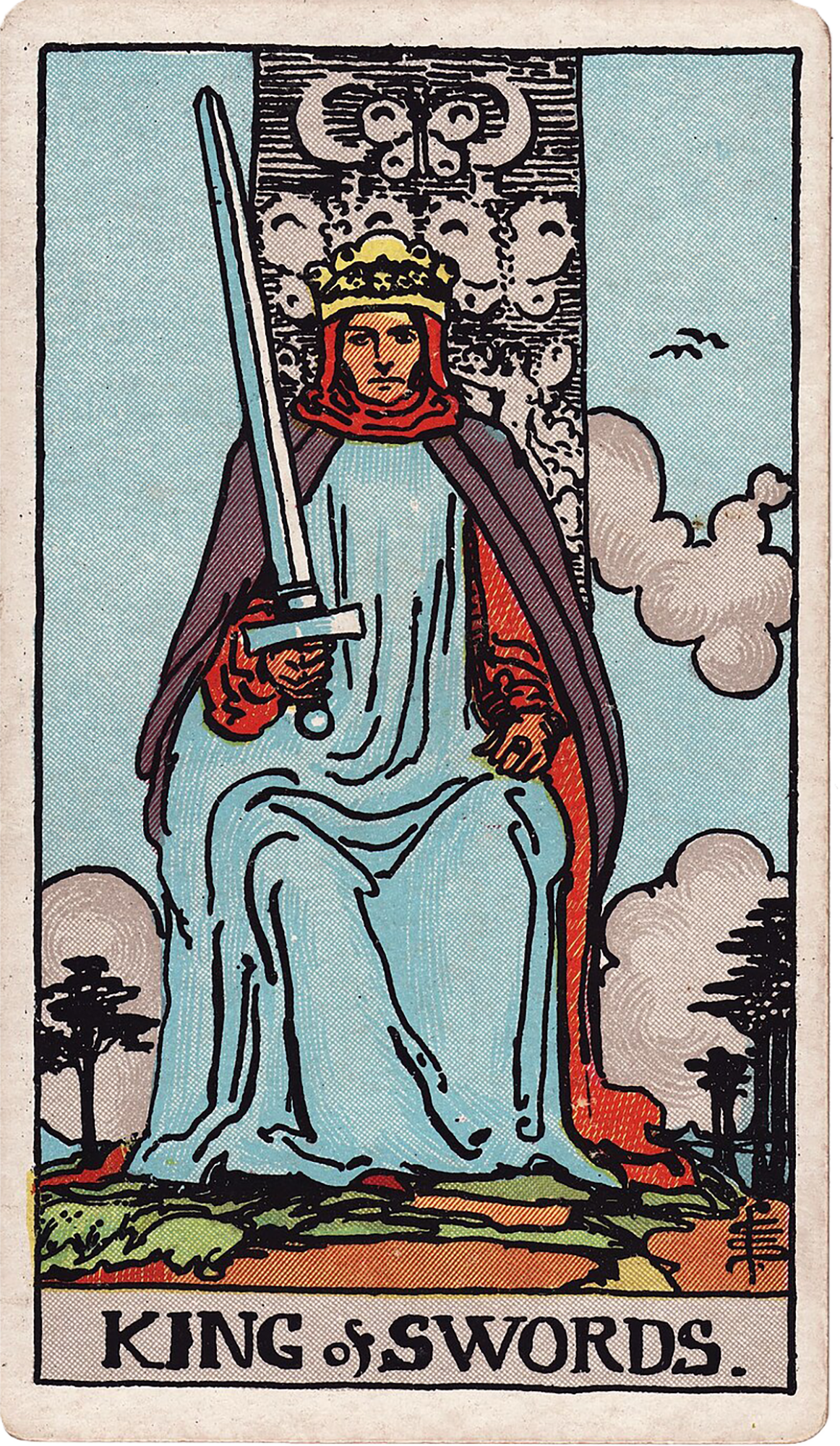 King of Swords
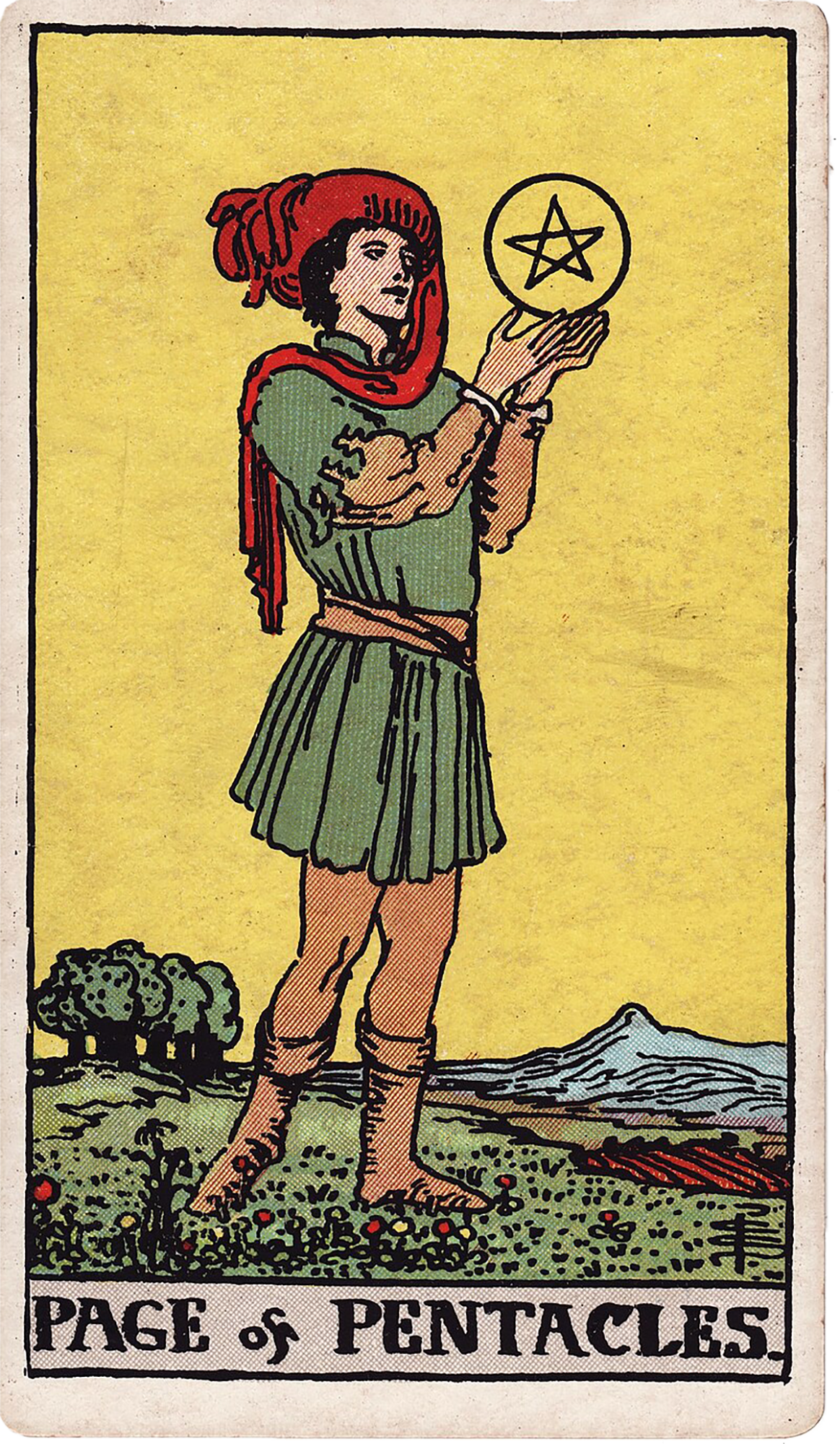 Page of Pentacles
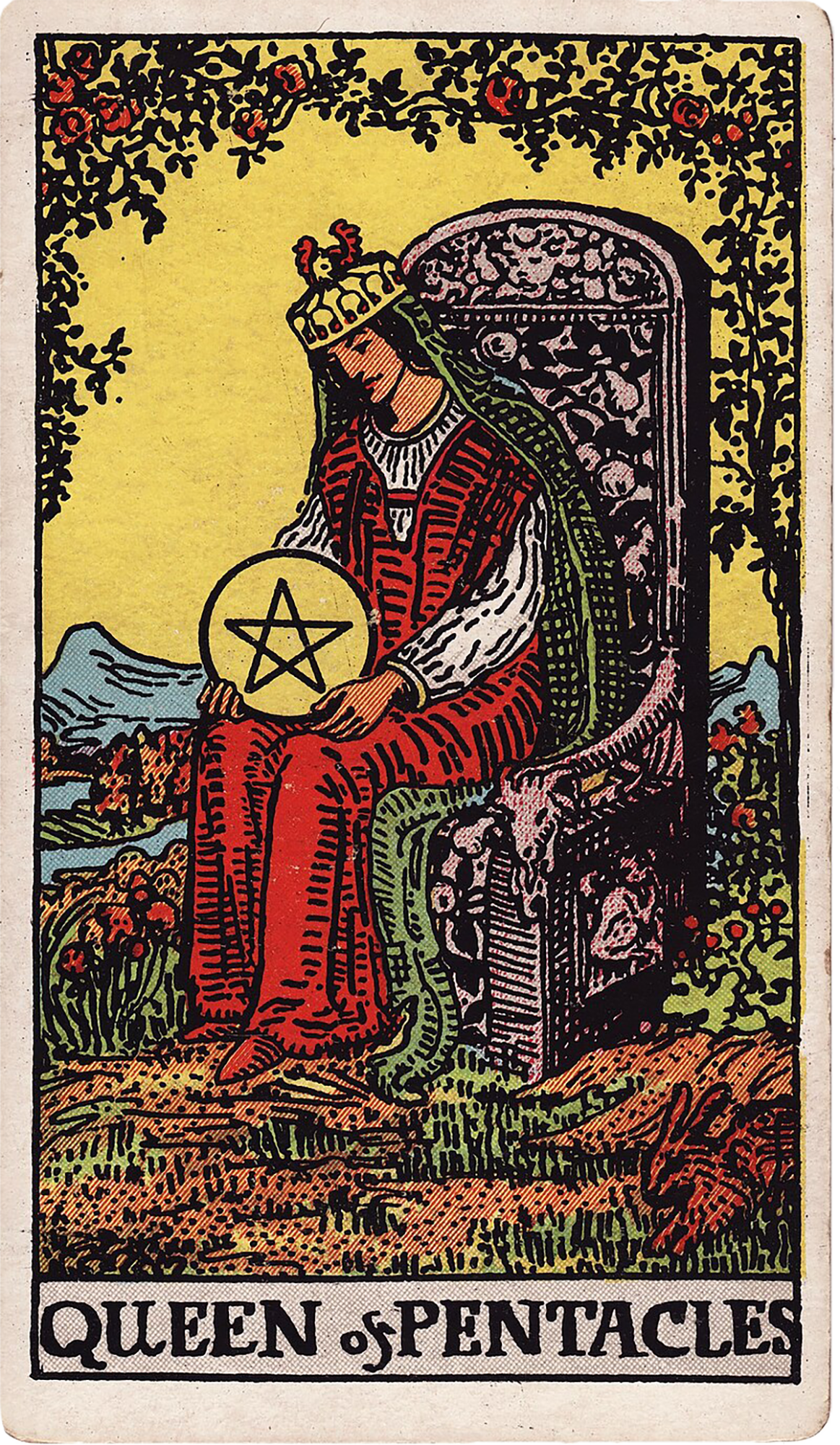 Queen of Pentacles
Introduction — Why use court cards in agile work
Court cards are portraits of human patterns: energy, voice, skill and role. In team work they function like quick diagnostic profiles—snapshots of how a person or group is operating in this phase of the project. Using court cards in sprint planning and retrospectives is not about prediction. It’s a practical way to translate archetypal language and visual cues into actionable prompts, so teams notice recurring behaviours, decide clear next steps, and design experiments to change dynamics. This article focuses on four supplied cards—Knight of Wands, King of Swords, Page of Pentacles and Queen of Pentacles—using their Rider‑Waite‑Smith imagery and the supplied upright and reversed descriptions to build a repeatable workshop method called the Court‑Card Sprint Scan.
Principles of turning imagery into action
Work from stage, not story: Court cards ask for responses that fit the present stage rather than abstract ideals. Read the visual cues as signals: posture, objects, environment and movement indicate where energy is focused. Translate upright traits into strengths to amplify; translate reversed traits into friction points to simplify, acknowledge, practice, release or communicate. Use the cards consistently as shorthand for behaviours: Knight of Wands = decisive movement and initiative; King of Swords = strategic clarity and judgment; Page of Pentacles = beginner learning and task focus; Queen of Pentacles = practical nurture and resource management. Anchor interpretations to what you actually see in the team’s work (backlog hygiene, code quality, meetings, morale) and then convert those interpretations into one or two concrete actions for the next sprint.
Reading court cards as roles, not labels
Court cards describe energies and patterns, not immutable identities. Encourage teams to see cards as temporary roles a person or the group is playing in a sprint. Roles can shift: one sprint a person may be a Knight of Wands pushing a risky initiative, the next a Page of Pentacles learning a new tool. For teams, a spread of court cards can show distribution of work: who is moving fast, who is holding resources, who provides judgment, who is learning. This avoids personalizing critique and focuses feedback on traceable behaviours. Use phrases like “the sprint is showing Knight of Wands energy” rather than “you are being reckless.”
Detailed card guidance and actionable prompts
We now anchor interpretive logic to the supplied cards and their Rider‑Waite‑Smith imagery. For each card you’ll find: a quick visual check, upright action prompts, reversed warning signs, and sprint planning + retrospective prescriptions. Knight of Wands — Visual cues and meaning Visual cues: In RWS imagery the Knight rides a spirited horse, often mid‑stride or rearing, clutching a flowering wand. Movement, dust or a sparse landscape emphasize speed and forward push. The supplied upright text highlights decisive movement, high energy, courage and a need for direction. Upright actionable prompts: - If you see Knight of Wands energy, identify the initiative that needs speed and name its boundary (scope, deadline, acceptance criteria). - Assign a short timeboxed spike or a focused owner who can prototype quickly while reporting clear checkpoints. - Use a safety net: define rollback or evaluation criteria to balance speed with risk control. Sprint planning use: Turn fast ideas into a Minimum Viable Experiment: write a one‑sentence hypothesis, define success metric and schedule a mid‑sprint check‑in. Retrospective use: Ask where momentum helped and where it outpaced alignment. Capture “what to accelerate” vs “what needs clearer guardrails.” Reversed warning signs and prescriptions Reversed image: the same motion is present but distorted—restlessness, unfinished ventures, or chasing novelty. The supplied reversed notes call for examining where the process is stuck and what needs simplification or communication. Practical fixes: - Pause to list unfinished items and why they stalled. Are they scope drift, dependency gaps, or lack of follow‑through? - Convert enthusiasm into small, repeatable deliverables and add explicit 'completion' criteria. - Assign an accountability buddy to help maintain continuity. King of Swords — Visual cues and meaning Visual cues: The RWS King sits upright, holding a sword upright as an emblem of clarity, principle and authority. The throne and his posture convey judgment and command. The supplied upright text emphasizes mature intellectual authority, strategic judgment and decisions based on evidence. Upright actionable prompts: - Where King of Swords energy appears, turn discussion into decision points: document the decision, the criteria used, and the next actions. - Use the King as a reminder to record tradeoffs and rationale in the sprint plan (why prioritize X over Y). - Assign a decision owner for ambiguous backlog items to prevent endless discussion. Sprint planning use: Slot a “strategy check” into planning: what assumptions do decisions rest on, and what evidence or experiment will validate them in this sprint? Retrospective use: Ask where the team made decisions that improved flow and where decisions became “coldness or arrogance” (per the reversed note). Capture needed course corrections. Reversed warning signs and prescriptions Reversed image: the King’s sword becomes a tool for domination—coldness, intellectual arrogance, treating people as problems. The supplied reversed text asks to examine where the process is stuck. Practical fixes: - Check for dismissed voices or decisions made without context. Re‑open the conversation with specific prompts to those who were quiet. - Reframe decisions as hypotheses and schedule a review rather than enforcing unilateral orders. - Use evidence logs: list the data that led to the decision and what would change your mind. Page of Pentacles — Visual cues and meaning Visual cues: In RWS the Page studies a pentacle, standing in a cultivated field—attentive, grounded and learning. The supplied upright text highlights beginner energy focused on learning a practical skill and starting realistic plans. Upright actionable prompts: - Use Page energy to frame onboarding, spikes or learning stories: define acceptance criteria that include knowledge transfer and documentation. - Break tasks into skill‑building steps and add measurable practice goals (pairing, code review targets, checklist completion). Sprint planning use: Reserve one backlog item as a ‘learning story’ with clear outcomes for competence, not just deliverable completion. Retrospective use: Ask what was learned and where processes need better scaffolding for growth. Reversed warning signs and prescriptions Reversed image: procrastination, unrealistic planning, lack of follow‑through. The supplied reversed note suggests the lesson may be understood intellectually but not lived consistently. Practical fixes: - Replace vague “learn X” with concrete micro‑tasks: 30 minutes reading, 2 paired sessions, one demo. - Add acceptance criteria that require evidence of competence (demo, checklist, merged PR). - Protect focus time: ensure the schedule has contiguous blocks for learning work. Queen of Pentacles — Visual cues and meaning Visual cues: The Queen of Pentacles sits in a fertile garden holding a pentacle; a rabbit may appear in RWS symbolism as a sign of fertility and attentiveness to the practical comforts of life. The supplied upright text emphasizes practical nurture, competence and making resources support real life. Upright actionable prompts: - Use Queen energy to evaluate sustainability: who is managing technical debt, team health, or operational stability? - Convert nurturance into tasks: allocate maintenance tickets, schedule refactor time, and add explicit team wellbeing checks. Sprint planning use: Create a balance of forward‑facing and sustaining work; assign visible ownership for infrastructure or docs. Retrospective use: Ask how well the team supported one another and what resource imbalances created risk. Reversed warning signs and prescriptions Reversed image: overwork, self‑neglect, measuring worth through usefulness. The supplied reversed prompt asks to identify where to simplify and what to release. Practical fixes: - If Queen energy is reversed, add protected time for rest and set firm limits on overtime; make 'no‑meetings' blocks visible in the calendar. - Reassess expectations: move nonessential tasks out of the sprint and communicate new priorities. - Encourage delegation and set up a safety plan for high‑stress contributors.
Court‑Card Sprint Scan — a step‑by‑step technique
This is a compact facilitation routine useful for planning meetings and retrospectives. Time: 20–40 minutes. Materials: printed images of the four supplied cards visible to the team, sticky notes or virtual board. Steps: 1) Frame the exercise (2 minutes): Explain that the cards represent current patterns and that the goal is to identify one concrete action for the coming sprint. 2) Quick individual read (5 minutes): Each participant picks the card that best represents their experience of the sprint so far (or they can choose two: one upright feeling, one reversed friction). They write a short note: 'I picked X because…' and one example of evidence. 3) Map distribution (3 minutes): Facilitator places the notes under each card. This produces a team map: which energies dominate, which are sparse, and where reversals cluster. 4) Diagnose patterns (5–8 minutes): For each card that gathered notes, ask: what about this card is helping our outcome? What is blocking us? Use the supplied upright and reversed descriptions as prompts. 5) Decide actions (5–10 minutes): For each dominant pattern choose one SMART action for the next sprint: owner, success criteria, and a check‑in time. Limit to 1–3 actions total to preserve focus. 6) Close with commitment (2 minutes): Each owner states the action and how they will demonstrate progress (demo, metric, checklist). Facilitator tips: Keep the language behaviour‑focused. If people tend to personalize, remind them the card is a role the team is temporarily occupying. Use the Knight as a flag for speed, the King for decisions, the Page for learning tasks, the Queen for nurture and sustainability.
Interpreting combinations and transitions
Cards rarely exist in isolation. Reading combinations helps translate how energies are interacting. - Knight of Wands + King of Swords: fast initiative backed by clear decision authority. Action: preserve speed but document decisions and tradeoffs so momentum doesn’t become reckless. - Knight of Wands + Page of Pentacles: enthusiasm meets learning. Action: break the initiative into learnable steps and add a short spike to confirm feasibility before full commitment. - Page of Pentacles + Queen of Pentacles: focused learning plus resource care. Action: turn knowledge gained into durable assets—docs, templates, tests. - King of Swords + Queen of Pentacles reversed: decisions are being made but care or sustainability is slipping. Action: require maintenance time or set limits before approving more feature work. Transitions matter: a Knight of Wands energy that becomes a repeated reversed pattern suggests chronic restlessness; convert it into a recurring experiment (timeboxed spikes) with explicit completion criteria. A Page of Pentacles that becomes upright over several sprints shows a successful learning curve—capture that as an onboarding procedure or team standard.
Common mistakes and how to avoid them
1) Mistaking archetype for verdict: Don’t use the cards to label or shame. Always connect insights to observable work and make actions practical. 2) Action overload: Teams sometimes produce long issue lists. Limit to 1–3 clear, measurable actions and defer the rest. 3) Ignoring reversals: Treat reversed court cards as diagnostic keystones. Ask 'what needs simplifying or practice' rather than assuming opposite meaning. 4) Over‑symbolizing: Rider‑Waite‑Smith imagery offers useful metaphors (horse, sword, garden, pentacle), but don’t stretch metaphors beyond their operational value. Use them to prompt behavior‑based questions. 5) Not measuring: Every chosen action should have a simple way to show progress in the next sprint: a demo, a reduced cycle time, a merged PR, or a survey of team wellbeing. 6) Allowing single‑person authority distortions: King of Swords energy can become authoritative if not checked; require explicit evidence logs and review dates for decisions, and invite those affected to respond.
Worked example: a realistic sprint planning scenario
Situation: The team has a backlog full of ambitious features and one high‑risk integration. In the Court‑Card Sprint Scan the notes cluster under Knight of Wands (many enthusiastic owners), Page of Pentacles (junior engineer assigned to integration), and Queen of Pentacles reversed (one engineer reporting burnout). Interpretation and action: - Knight of Wands upright energy: fast momentum exists. Convert this into a controlled experiment: create a one‑week spike with clear success criteria and a rollback plan. Owner: a senior engineer with authority to pause. - Page of Pentacles upright/reversed mix on the junior: create a learning story with paired programming, two specific learning tasks, and a demo sign‑off requirement. Owner: assigned mentor; success metric: integration tests passing and a short demo. - Queen of Pentacles reversed (sustainability risk): carve out two days of protected time for the overstressed engineer and move one nonessential feature to the next sprint. Owner: scrum master; success metric: reduced number of overtime hours reported and a brief wellness check at mid‑sprint. Outcomes to measure: spike results, mentor demo, logged hours. This keeps Knight energy but channels it; supports the Page’s learning and protects the Queen’s wellbeing.
Practical prompts and templates for meetings
Use these simple prompts tied to each card to guide planning and retro questions. Knight of Wands prompts: - What are we trying to move quickly this sprint? What is the minimal experiment to test it? - What is our rollback or evaluation criterion? King of Swords prompts: - What decision must be made now? Who owns it and on what evidence is it based? - What tradeoffs are we documenting and why? Page of Pentacles prompts: - What practical skill or knowledge does this sprint require? How will we measure competence? - Which tasks are explicitly learning items and which are deliverables? Queen of Pentacles prompts: - Which maintenance, documentation or wellbeing tasks need visible ownership? - What will we remove or reduce to prevent burnout? Simple templates: - One‑line hypothesis (Knight): "If we do X spike for Y hours, then we expect metric Z to improve by N%." - Decision log entry (King): "Decision: X. Rationale: Y. Owner: Z. Review date: D." - Learning story checklist (Page): "Goal, mentor assigned, paired sessions, demo, documentation." - Sustainability action (Queen): "Task, protected time, owner, success check (wellbeing or system stability metric)."
Learning practice and next steps
Start small: run the Court‑Card Sprint Scan once and treat the first run as an experiment. Record what actions were chosen and schedule review points. Keep a lightweight decision log and a short learning record for Pages. Use the cards repeatedly so the team builds fluency with the archetypes as operational shorthand. Over time you’ll be able to glance at a spread and rapidly spot what the team needs—speed, clearer decisions, learning scaffolds, or sustainability fixes—then create the exact sprint‑level actions that move work forward without adding drama. Final note on symbolism: Rider‑Waite‑Smith imagery helps with immediate visual recognition—the Knight’s movement prompts checks for momentum; the King’s upright sword asks for documented judgment; the Page’s study invites measurable learning; the Queen’s garden reminds you to tend resources and people. Use those images as persistent reminder cues in your planning board and retrospective templates.
Practice questions
• Which court card best described your last sprint and why? Give one observable example as evidence.
• When you saw Knight of Wands energy, what guardrails did you—or could you—put in place to prevent reckless drift?
• What learning stories (Page of Pentacles) should be formalized into templates or checklists for future sprints?
• Which decision required King of Swords clarity and how can you document its rationale so it can be reviewed?
• Where is Queen of Pentacles care absent? What single sustainability action will you protect in the next sprint?
• Which combination of cards is most likely to appear for your current roadmap and what single experiment would you run to test that interpretation?
Comments
Sign in to comment.
Continue learning
Mastering Decision Making with the Five Card Cross Tarot Spread
The Five Card Cross Tarot Spread is a powerful tool for deepening decision-making skills by examining the present situation, past influences, future possibilities, challenges, and...
Exploring The High Priestess in Career Relationships and Personal Growth
The High Priestess card in the tarot deck invites readers to explore intuition, hidden knowledge, and inner wisdom across various life contexts. This article examines how The High...
Understanding The Chariot Card in Personal Ambition and Overcoming Obstacles
The Chariot card represents the power of focused will, disciplined action, and choosing a clear direction amid competing impulses. Upright, it encourages decisive steps forward usi...
Enhancing Clarity in Complex Choices with the Five Card Cross Tarot Spread
The Five Card Cross Tarot Spread is a practical tool designed to clarify complex choices by breaking down the decision into manageable parts. This article explores each position in...
Using the Five Card Cross Tarot Spread to Navigate Career Changes with Confidence
The Five Card Cross Tarot Spread is a versatile and insightful tool for navigating career changes. This article guides learners through the method step-by-step using a practical ex...
Understanding The Hermit in Self Discovery and Spiritual Enlightenment
The Hermit card in the Rider-Waite-Smith deck embodies themes of introspection, solitude, and spiritual wisdom. This article examines how The Hermit's upright and reversed position...
Using the Five Card Cross Spread to Make Confident Life Decisions
The Five Card Cross spread is a practical and insightful tarot layout designed to assist with complex life decisions by clarifying the situation, presenting options, uncovering hid...
Unlocking Emotional Depth with The Moon and The Lovers in Tarot Combinations
This article delves into the nuanced interplay between The Moon and The Lovers tarot cards, emphasizing how their combination unlocks emotional depth and complexity. By examining u...
Making Confident Life Choices with the Five Card Cross Tarot Spread
The Five Card Cross Tarot Spread is a powerful tool designed to aid practical decision-making, particularly within family or life-altering situations. This article explains the spr...
Using the Five Card Cross Tarot Spread to Gain Confidence in Difficult Decisions
The Five Card Cross spread is a powerful practical tool for navigating difficult decisions with confidence. By placing cards in positions representing Situation, Option A, Option B...