
Understanding The Hanged Man for Embracing Surrender New Perspectives and Spiritual Growth
The Hanged Man tarot card invites readers to embrace deliberate pause, surrender control, and seek new perspectives for transformation. This article offers an in-depth exploration of The Hanged Man’s upright and reversed meanings, reflected through diverse life contexts such as love, career, money, advice, challenge, person, outcome, and spiritual reflection. By anchoring interpretation to the Rider-Waite-Smith symbolism present in the supplied card image, learners gain practical methods for reading this card thoughtfully and avoiding common pitfalls. Emphasizing the card’s role in conscious engagement and inner transformation, the article supports readers in harnessing The Hanged Man’s lessons for balanced growth and clarity.
Cards explored in this article
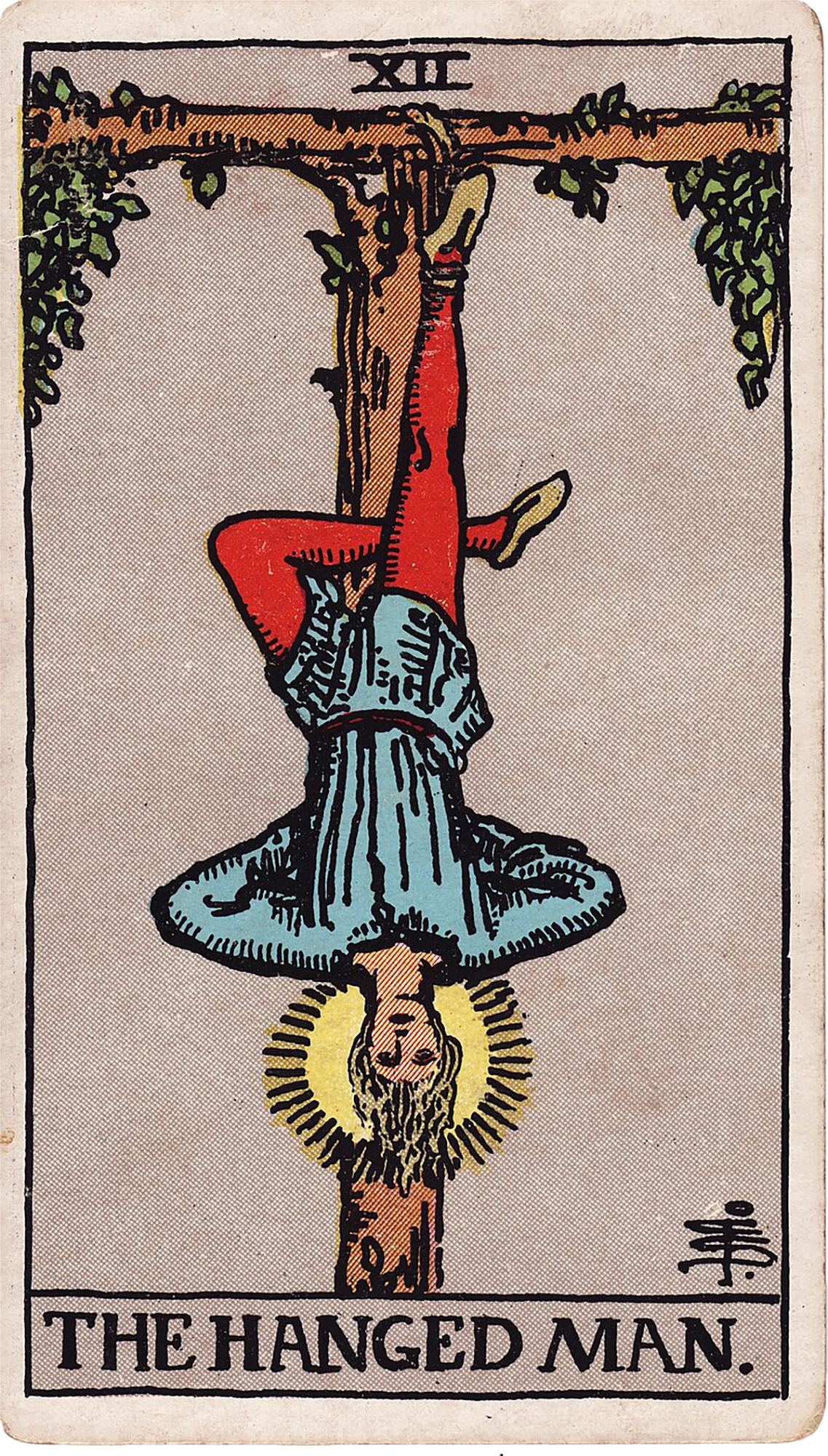 The Hanged Man
Introduction to The Hanged Man and Its Core Symbolism
The Hanged Man is a deeply evocative card traditionally illustrated by a figure suspended upside down by one foot from a tree or wooden structure. This posture symbolizes voluntary surrender, suspension, and a willingness to see the world from a radically different angle. The calm expression on the figure’s face reveals acceptance rather than distress, emphasizing the transformative power of pausing and releasing control. Rooted in the Rider-Waite-Smith deck, the image includes key symbols such as the halo around the head—denoting enlightenment and spiritual insight—and the crossed legs forming a shape reminiscent of the number four, representing stability within the suspension. The card’s upright meaning encourages embracing this intentional pause to gain clarity and insight, while the reversed position frequently points to difficulty in surrendering or stagnation. Understanding these symbols is essential for interpreting The Hanged Man across various contexts.
Technique for Reading The Hanged Man Effectively
When The Hanged Man appears in a reading, begin by observing the card’s imagery: the upside-down figure, the serene face, the halo, and the tree or structure supporting the suspension. Reflect on the concept of voluntary surrender and altered perspective. Ask yourself: Is the querent currently resisting a necessary pause or embracing it? Is there an opportunity to see the situation differently? Read The Hanged Man as an invitation to pause consciously rather than passively waiting. Consider the card’s position in the spread and the surrounding cards to determine if this pause is constructive or problematic. For instance, the upright card highlights where deliberate surrender can lead to breakthroughs, while the reversed card may indicate resistance, stagnation, or martyrdom. Avoid interpreting The Hanged Man as simply “doing nothing.” Instead, focus on its lesson of active engagement through acceptance and perspective shift.
Interpreting The Hanged Man in Love Contexts
In love readings, The Hanged Man urges openness to new perspectives regarding relationships. Upright, it may suggest a period where pausing is necessary to reflect on relationship dynamics without rushing to fix or change them. This can mean releasing control, suspending judgment, or allowing time for emotions and understanding to evolve naturally. It encourages asking where greater honesty, clearer boundaries, or deeper empathy can move the relationship forward. Reversed, The Hanged Man in love often points to resistance to surrender, such as clinging to outdated relationship patterns or waiting passively without learning from challenges. It may reveal martyrdom tendencies or stagnation caused by refusing to see the partner or situation differently. Practically, readers should encourage querents to identify if they are stuck in old loops or able to embrace growth through conscious pause.
The Hanged Man’s Meaning in Career and Work
When The Hanged Man appears in career contexts, it signals a time for strategic patience and reconsideration rather than impulsive action. The upright card advises working with what is available now by identifying the next proportionate step instead of forcing progress. It highlights that clarity about the central issue is emerging but requires thoughtful reflection before moving forward. This may mean temporarily stepping back from aggressive goals or re-evaluating one’s approach to projects, workplace relationships, or responsibilities. The reversed card warns against excessive delay, procrastination, or feeling trapped in an unproductive role without learning from the experience. It may indicate resistance to necessary change or internal conflict about career direction. The practical approach is to explore where balance between action and surrender can restore momentum.
Understanding The Hanged Man in Financial and Money Matters
Financial contexts often provoke anxiety about control, so The Hanged Man’s message of surrender can feel challenging. Upright, this card encourages accepting current financial realities without panic and using this pause to reconsider spending habits, budgeting, or investment strategies. It may highlight the need to release control over outcomes and trust a process of gradual improvement. The card suggests conscious engagement with financial choices rather than waiting for perfect conditions. Reversed, The Hanged Man can indicate stagnation caused by fear, denial, or refusal to change damaging money patterns. It may also reveal internal blocks preventing adjustment to new financial circumstances. Readers can help querents identify where surrender is blocked and which small, deliberate step can move finances forward.
The Hanged Man as Advice and Challenge
As advice, The Hanged Man instructs embracing surrender as a form of strength. It invites adopting a mindset of curiosity, letting go of resistance, and trusting that a new perspective will arise. This card challenges the querent to release the need for immediate control or certainty and to allow insight to develop over time. The challenge is to differentiate constructive pause from passive avoidance or stagnation. The reversed card often acts as a warning: it shows where surrender is distorted or absent, urging the querent to confront resistance or martyrdom tendencies honestly. Effective interpretation balances encouragement with awareness of possible blocks to growth, supporting conscious choice rather than forced impatience.
Person Representation Through The Hanged Man
When The Hanged Man personifies someone in a reading, it often describes an individual who embodies patience, introspection, and a non-traditional approach to life challenges. This person may be seen as wise, calm, and accepting, willing to endure discomfort for longer-term insight. They might appear detached or unconventional, choosing reflection over action. Upright, this figure embraces change through perspective shifts, while the reversed position suggests someone struggling with letting go or stuck in victim mentality. Readers should note the person’s role in the querent’s life and whether their influence encourages surrender and growth or reflects blockage and resistance.
Outcome Interpretations and Spiritual Reflection
As an outcome card, The Hanged Man signals that resolution will come not through force but through surrender and new understanding. The situation may require time and changing viewpoints before moving forward. It promises growth through spiritual or psychological transformation rather than immediate external change. In spiritual reflection, The Hanged Man highlights the value of voluntary sacrifice, humility, and seeing beyond ego-driven perspectives. The halo around the figure’s head symbolizes enlightenment gained through this process of suspension. The reversed card outcome cautions against clinging to old identities or resisting the inner work needed, signaling incomplete transformation or temporary pause. This understanding encourages readers to honor cycles of stillness as fertile ground for development.
Common Mistakes and Practical Reading Methods
One common mistake with The Hanged Man is interpreting it as mere inaction or passivity. Instead, it is an active choice to pause and shift perspective consciously. Another error is treating the reversed card as purely negative; rather, it signals where the card’s energy is blocked or distorted, inviting nuanced exploration rather than fear. Practical methods include comparing the upright and reversed meanings within the reading’s overall narrative and asking clarifying questions such as: What am I resisting? Where can I surrender constructively? Which viewpoint remains hidden? Using the card’s imagery as a meditation tool also deepens insight—imagining oneself in the figure’s position to experience the calm surrender visually depicted. This approach helps anchor abstract concepts in tangible symbolism.
Practice questions
• Where in my life am I resisting a necessary pause or moment of surrender?
• How can adopting a different perspective help me move forward in a challenging situation?
• What does conscious surrender mean to me, and how can I practice it more effectively?
• In what ways might I be stuck in old patterns that The Hanged Man asks me to release?
• How do I balance patience with deliberate action when faced with uncertainty?
Comments
Sign in to comment.
Continue learning
Harnessing the Power of The Magician and Ace of Wands: Igniting Creativity and Manifestation in Tarot Readings
The combination of The Magician and the Ace of Wands in tarot readings offers a potent blend of creative energy and manifestation power. This article delves into the ways these car...
Understanding the Synergy Between The Empress and The Emperor in Tarot Card Combinations
This article delves into the intricate synergy between The Empress and The Emperor cards in Tarot, focusing on how their combined energies modify and enrich readings across various...
Advanced Techniques for Combining The Moon and The Star to Enhance Intuition in Tarot Readings
This article explores advanced techniques to combine the symbolism and energy of The Moon and The Star Tarot cards to enhance intuition during Tarot readings. Drawing from traditio...
Using the Five Card Cross Tarot Spread to Navigate Career Changes with Confidence
The Five Card Cross Tarot Spread is a versatile and insightful tool for navigating career changes. This article guides learners through the method step-by-step using a practical ex...
Finding Emotional Healing and Renewal with The Star and The Moon Tarot Combination
This article examines the rich interplay between The Star and The Moon tarot cards when they appear together in a reading. Using the traditional Rider-Waite-Smith symbolism and the...
Using the Career Five Card Spread to Uncover Professional Strengths and Opportunities
This article presents a comprehensive guide to the Career Five Card Spread, designed to help learners explore professional strengths and opportunities using five specific Tarot car...
Unlocking Emotional Resilience with Strength and The Star in Tarot Combinations
This article delves into the Tarot card combination of Strength and The Star, revealing how their interplay highlights pathways to emotional resilience. Anchored in the Rider-Waite...
Unlocking Emotional Transformation with Death and The Moon Tarot Combination
This article explores the rich and complex interaction between the Death and The Moon tarot cards within the Rider-Waite-Smith tradition, focusing on their combined potential to un...
Unlocking Personal Ambition and Emotional Balance with The Chariot and Queen of Cups
The Chariot and Queen of Cups together represent a compelling combination of disciplined ambition and emotional maturity. This article guides learners through understanding how the...
Using the Three Card Spread to Gain Clarity on Past Present and Future Influences
This article guides learners through the practical use of the Three Card Spread to gain clarity on past, present, and future influences. Using the specific cards The Emperor in the...