
Understanding The Symbolism And Elemental Meanings Of The Suit Of Cups For Emotional Insight
The Suit of Cups in Tarot represents the realm of emotions, intuition, relationships, and the subconscious. Rooted in the elemental association with water, the Cups cards invite readers to explore emotional insight with depth and clarity. This article focuses on the symbolism and elemental meanings of the Suit of Cups, using the Ace, Queen, and King of Cups as primary examples. Each card highlights different stages and qualities of emotional experience—ranging from the opening of feeling and intuitive receptivity, through mature empathy and emotional containment, to steady emotional leadership with composure. Along with exploring traditional Rider-Waite-Smith symbolism, practical reading techniques and common interpretive pitfalls are discussed to help learners build nuanced emotional awareness during Tarot practice. This article emphasizes that emotional insight gained through Cups is a process of ongoing engagement rather than fixed prediction.
Cards explored in this article
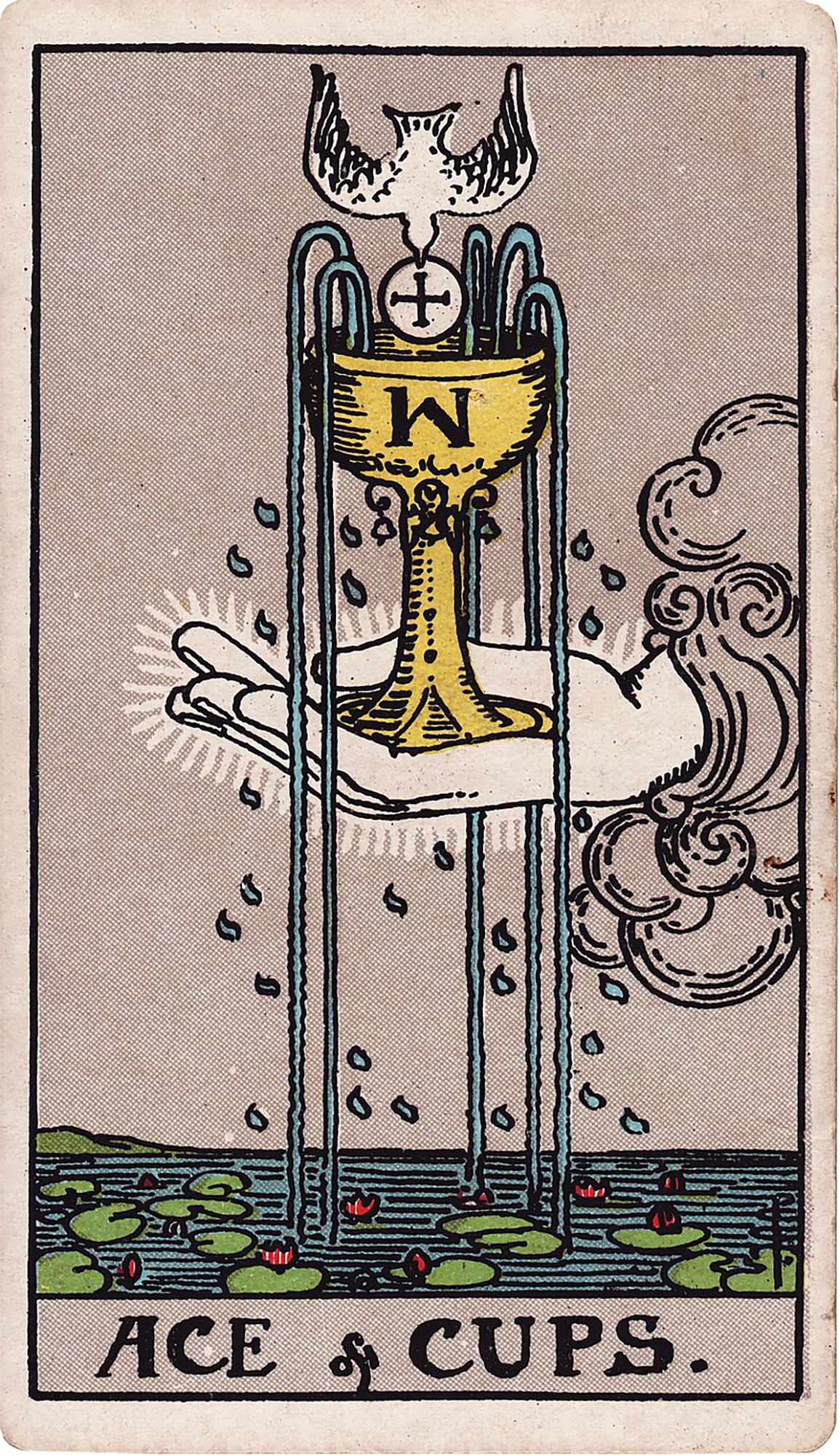 Ace of Cups
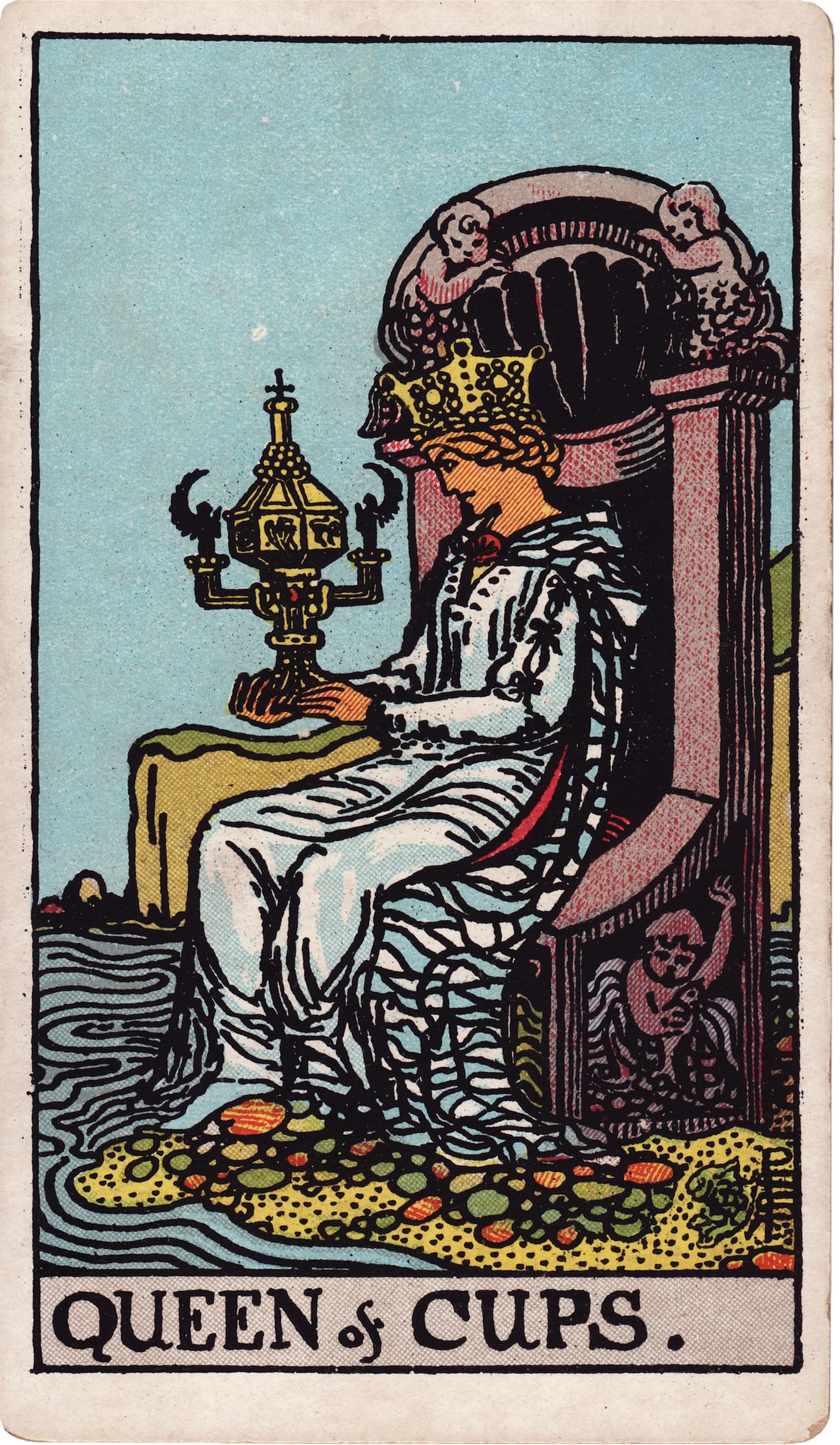 Queen of Cups
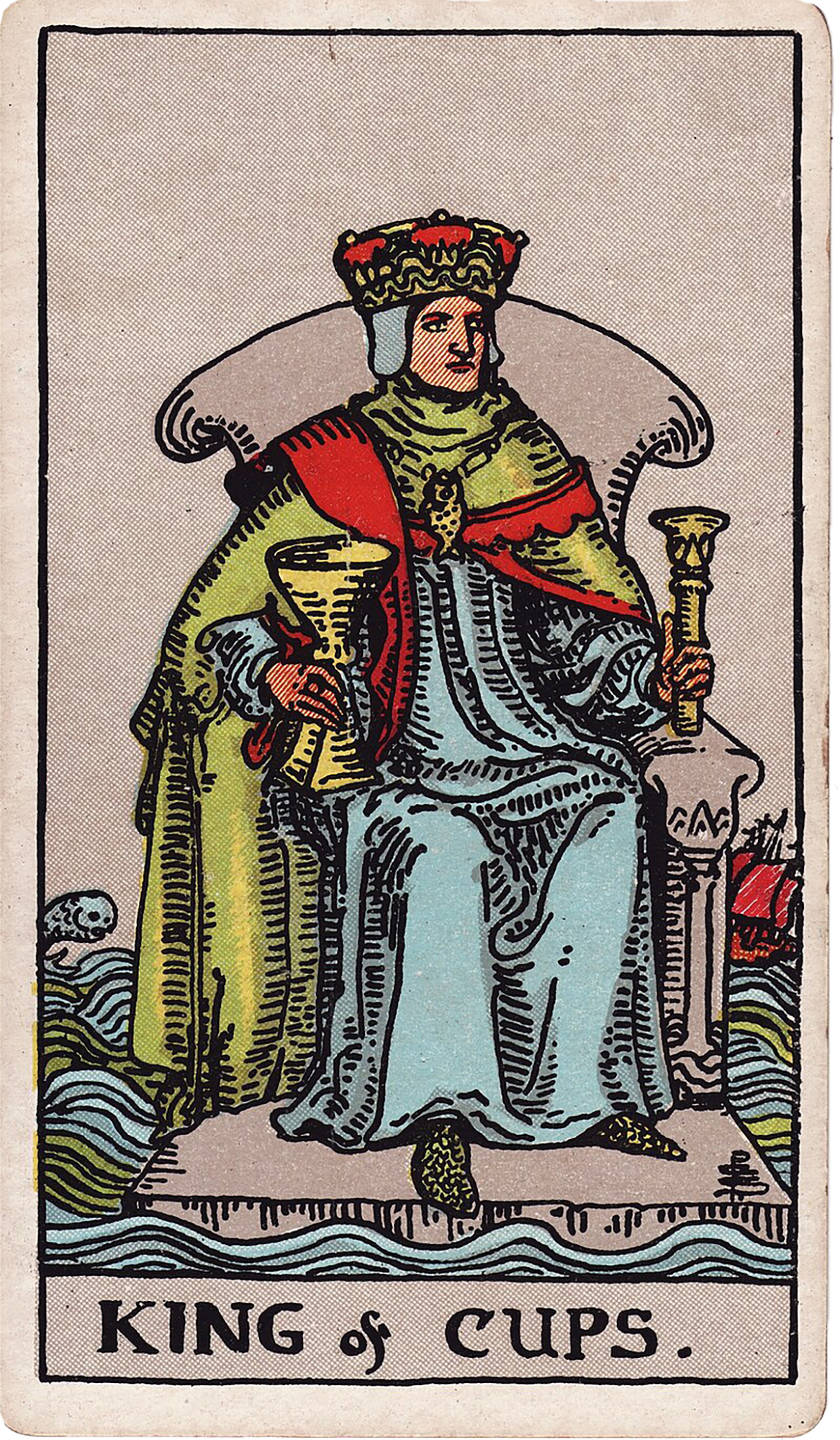 King of Cups
Introduction To The Suit Of Cups And Its Elemental Foundation
In Tarot, the Suit of Cups symbolizes the emotional and intuitive aspects of human experience. Cups are traditionally associated with the element of water, which represents fluidity, depth, receptivity, and the unconscious. Water’s qualities—such as being formless yet powerful, reflective yet mysterious—mirror the complexities of emotions and inner life. Understanding the elemental meaning behind Cups is crucial because it frames how these cards describe feelings, relationships, and internal processing rather than external events or material concerns. The Suit of Cups invites Tarot readers to explore emotional landscapes with sensitivity and openness, emphasizing that feelings are dynamic and often ambiguous. This elemental context also guides interpretation strategies, prompting readers to seek nuanced emotional states rather than simplistic answers.
Symbolism In The Ace Of Cups For Emotional Beginnings
The Ace of Cups is a foundational card within the Suit, representing the genesis of emotional experience and receptivity. In the Rider-Waite-Smith tradition, the Ace typically depicts a hand emerging from a cloud offering a chalice overflowing with water, symbolizing an abundant outpouring of feeling, compassion, and intuitive creativity. Upright, this card highlights an emotional opening—whether it be affection, intuitive receptivity, or the stirring of creative feeling that seeks expression. The card is practical in that it invites the querent to engage with emotions at their present stage rather than idealizing them. When interpreting the Ace of Cups during a reading, it is important to ask where this emotional pattern is visible and what action might support or deepen it. For example, is there a new relationship beginning, an intuitive insight ready to be embraced, or an emotional healing process underway? Reversed, the Ace of Cups points to emotional blockages, fear of vulnerability, or feelings that remain unprocessed internally. This should not be read as a simple negation but as an indication of where emotional flow is stuck or misdirected. The reversed position calls for attention to what needs acknowledgment or release before emotional health can restore.
The Queen Of Cups As A Symbol Of Mature Emotional Receptivity
The Queen of Cups embodies a mature and balanced emotional presence. She represents empathy, intuitive understanding, and the ability to hold feelings within an 'inner container'—meaning she experiences emotions deeply but maintains composure and discernment. The Queen often appears holding a chalice with a closed or veiled lid, signaling guarded intuition and careful emotional boundary-setting. Upright, this card asks readers to recognize situations where emotional maturity and receptivity are central. The Queen of Cups encourages compassionate listening, empathetic engagement, and honoring subtle emotional cues—both in oneself and others. This card serves as a practical reminder to respond with emotional intelligence appropriate to the present circumstances. When reversed, the Queen warns of emotional overwhelm, codependency, or difficulty separating genuine intuition from anxious projections. It points to emotional entanglement that can cloud healthy perception. This inversion invites reflection on where boundaries may be weakened or emotional energy misallocated, suggesting the need to disengage from unhealthy emotional patterns and regain internal balance.
King Of Cups Representing Emotional Leadership And Stability
The King of Cups symbolizes emotional mastery and leadership. Unlike the Queen’s nurturing presence, the King demonstrates steady control over feelings without suppression, embodying the ability to feel deeply while not being overwhelmed by emotional tides. Traditionally depicted as a composed figure on a throne surrounded by water and holding a cup, the King conveys safety and trustworthiness grounded in emotional wisdom. Upright, the King of Cups encourages readers to approach situations with calm emotional authority, offering support and guidance that stems from genuine vulnerability. This card invites practical reflection on how emotional steadiness can create safety for oneself and others in relational contexts. When reversed, the King of Cups signals emotional repression, manipulation, or withdrawal. It may also indicate a reluctance to show vulnerability while maintaining an illusion of calm. The reversal challenges the reader to identify where emotional honesty is avoided or where mood control is used to obscure true feelings. This highlights the importance of honest internal communication before healthier emotional expression can emerge.
Technique And Practical Methods For Reading The Suit Of Cups
Interpreting the Suit of Cups effectively requires sensitivity to both the imagery and the emotional processes the cards represent. First, always ground your reading in the elemental association with water, emphasizing fluidity and emotional nuance over rigid conclusions. When Cups cards appear upright, explore where emotional openness, receptivity, or mature feeling are present or developing. If reversed, look for emotional blockages, overwhelm, or distortion in how feelings are engaging the querent or the situation. Pay close attention to the surrounding cards to determine the stage of emotional development—whether an energy is emerging (as with the Ace of Cups), maturing (as with the Queen of Cups), or stabilizing (as with the King of Cups). Avoid the common mistake of treating reversed cards as simple negatives; instead, examine the degree and quality of emotional expression and what may be stuck or unresolved. Encourage querents to consider concrete actions or reflections that correspond with the card’s guidance rather than abstract ideals. Finally, connect the suit’s themes with the querent’s current emotional landscape, relationship dynamics, and intuitive signals to provide grounded and compassionate insight.
Common Interpretive Pitfalls And How To Avoid Them
A frequent error when reading Cups is to overgeneralize emotional positivity or negativity based solely on upright or reversed positions. Emotional experience is complex and layered; for instance, the Ace of Cups upright is not simply ‘joy’ but an invitation to engage with new or renewed emotional potential that requires nurturing. Similarly, reversed cards do not always indicate failure or harm but may reflect necessary pauses, internal conflicts, or developmental challenges. Another pitfall is ignoring the practical dimension: Cups cards ask for responses that fit the present moment, so avoid projecting idealized emotions that do not align with the querent’s reality. Additionally, neglecting the elemental water symbolism can lead to literal or surface-level interpretations, missing deeper subconscious or intuitive meanings. To avoid these pitfalls, focus on the card’s image in detail, consider the querent’s context, and use the surrounding cards to identify emotional dynamics in flux. Regular practice with cards such as the Ace, Queen, and King of Cups, while reflecting on their upright and reversed meanings, strengthens emotional literacy in Tarot reading.
Interpreting Emotional Insight Through The Lens Of The Ace, Queen, And King Of Cups
Using the Ace, Queen, and King of Cups as a focused study provides a clear pathway to understanding emotional insight within the Suit. The Ace signals beginnings—a moment when emotional energy becomes accessible or ready to flow. The Queen models how to hold and interpret feelings with empathy and boundary awareness. The King offers a blueprint for managing emotions with steady leadership and composure. By observing these three stages—initiation, maturation, and mastery—learners receive a structured framework for interpreting emotional states and relational dynamics. In practice, when these cards appear together or within a spread, consider the progression or regression in the emotional narrative. For example, an Ace of Cups upright followed by a Queen of Cups reversed might suggest an opening of feeling meets emotional confusion or overwhelm. Alternatively, a King of Cups upright near an Ace of Cups reversed could imply the need for emotional leadership to address blockages or vulnerability fears. This method anchors interpretation in the cards’ imagery and traditional symbolism while fostering nuanced emotional awareness tailored to the querent’s lived experience.
Practice questions
• How does the elemental water symbolism deepen your understanding of the Suit of Cups?
• In what ways can the Ace of Cups help identify new emotional beginnings in a reading?
• What signs from the Queen of Cups indicate emotional maturity versus emotional overwhelm?
• How can the King of Cups guide the querent toward emotional composure and leadership?
• How do you differentiate between a reversed Cups card as a blockage rather than a simple negative?
• What practical actions can you suggest to a querent based on the emotional states indicated by these Cups cards?
• How do the surrounding cards influence your interpretation of the Ace, Queen, and King of Cups?
• How might focusing on the imagery of these cards improve your intuitive and emotional reading skills?
Comments
Sign in to comment.
Continue learning
Harnessing the Power of The Magician and Ace of Wands: Igniting Creativity and Manifestation in Tarot Readings
The combination of The Magician and the Ace of Wands in tarot readings offers a potent blend of creative energy and manifestation power. This article delves into the ways these car...
Understanding the Synergy Between The Empress and The Emperor in Tarot Card Combinations
This article delves into the intricate synergy between The Empress and The Emperor cards in Tarot, focusing on how their combined energies modify and enrich readings across various...
Advanced Techniques for Combining The Moon and The Star to Enhance Intuition in Tarot Readings
This article explores advanced techniques to combine the symbolism and energy of The Moon and The Star Tarot cards to enhance intuition during Tarot readings. Drawing from traditio...
Using the Five Card Cross Tarot Spread to Navigate Career Changes with Confidence
The Five Card Cross Tarot Spread is a versatile and insightful tool for navigating career changes. This article guides learners through the method step-by-step using a practical ex...
Finding Emotional Healing and Renewal with The Star and The Moon Tarot Combination
This article examines the rich interplay between The Star and The Moon tarot cards when they appear together in a reading. Using the traditional Rider-Waite-Smith symbolism and the...
Using the Career Five Card Spread to Uncover Professional Strengths and Opportunities
This article presents a comprehensive guide to the Career Five Card Spread, designed to help learners explore professional strengths and opportunities using five specific Tarot car...
Unlocking Emotional Resilience with Strength and The Star in Tarot Combinations
This article delves into the Tarot card combination of Strength and The Star, revealing how their interplay highlights pathways to emotional resilience. Anchored in the Rider-Waite...
Unlocking Emotional Transformation with Death and The Moon Tarot Combination
This article explores the rich and complex interaction between the Death and The Moon tarot cards within the Rider-Waite-Smith tradition, focusing on their combined potential to un...
Unlocking Personal Ambition and Emotional Balance with The Chariot and Queen of Cups
The Chariot and Queen of Cups together represent a compelling combination of disciplined ambition and emotional maturity. This article guides learners through understanding how the...
Using the Three Card Spread to Gain Clarity on Past Present and Future Influences
This article guides learners through the practical use of the Three Card Spread to gain clarity on past, present, and future influences. Using the specific cards The Emperor in the...