
Understanding the Versatility of The Hermit in Personal Growth Career and Spiritual Reflection
The Hermit tarot card embodies deep introspection, solitude, and the search for inner wisdom. This article explores how The Hermit's upright and reversed meanings vary across key reading contexts including personal growth, career, love, advice, challenge, and spiritual reflection. By anchoring each interpretation in its Rider-Waite-Smith imagery and symbolism, readers gain an integrated understanding of how to apply this card’s lessons in practical readings. Techniques for balancing intuitive insight with context-sensitive questions help avoid common interpretive errors. Reflection prompts and examples illustrate The Hermit’s role as a guide toward clarity, honesty, and deliberate action in diverse life areas.
Cards explored in this article
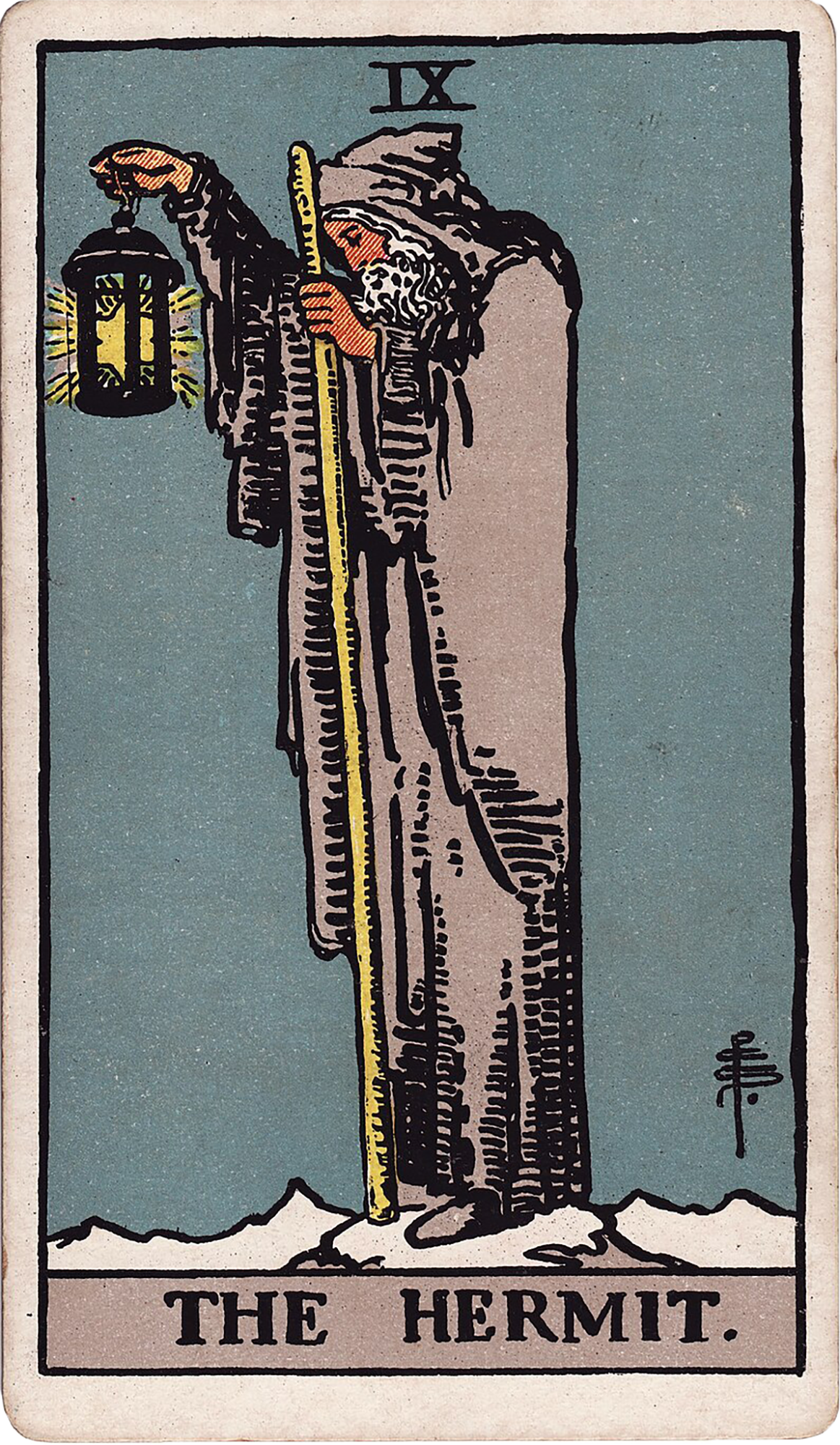 The Hermit
 Upright and Reversed Meaning Overview
Before exploring specific contexts, it’s essential to grasp the core symbolism of The Hermit card as depicted in the Rider-Waite-Smith deck. The upright Hermit shows an elderly figure holding a lantern that illuminates his path, symbolizing inner wisdom, guidance, and the search for truth through solitude. This card encourages stepping back from external noise to find clarity and deeper understanding. Upright, it suggests constructive withdrawal for reflection, deliberate choice-making, and confronting one's inner reality with honesty. In contrast, the reversed Hermit often indicates distorted or blocked introspection. This can manifest as excessive isolation, loneliness, avoidance, or overthinking. The reversed position doesn’t imply negativity outright but signals where the positive qualities of The Hermit—such as healthy solitude and insight—are imbalanced or delayed. The key question with the reversal is where the seeker’s energy is stuck or misdirected. Using the Hermit in readings involves asking: What is the next proportionate step toward clarity, and which parts of the Hermit's message are currently active or suppressed?
Interpreting The Hermit in Personal Growth Context
In personal growth readings, The Hermit upright invites the querent to embrace introspection as a tool for self-awareness and transformation. The lantern in the card’s imagery reminds us that the light we seek often comes from within, illuminating shadow aspects or unclear patterns. It encourages cultivating deliberate honesty and setting clear boundaries to foster maturity. The solitary figure suggests that growth sometimes requires temporary withdrawal from external influences to process inner truths. When reversed, The Hermit reflects challenges such as fear of being alone, avoidance of self-examination, or getting lost in excessive rumination that inhibits progress. It warns against retreating from necessary engagement with one’s emotions or life circumstances. Practically, this reversal asks the querent to identify resistances to facing internal work and to gently re-engage with their growth path. For example, someone feeling stuck in indecision may need to balance reflection with small, concrete actions rather than paralysis by analysis. Common mistakes include interpreting The Hermit as mere loneliness or social isolation without considering its constructive role. Instead, view solitude as intentional and purposeful, aligned with the Hermit's lantern as a symbol of conscious insight.
The Hermit’s Role in Career and Work Readings
In career contexts, The Hermit upright signifies a period to pause and reflect on professional direction. The imagery of the Hermit’s lantern can represent uncovering hidden career desires or reassessing goals with greater clarity and wisdom. This card encourages working with existing resources and knowledge rather than rushing into new ventures prematurely. It may indicate a need for quiet study, mentorship, or strategic planning away from workplace distractions. Reversed, The Hermit warns against excessive withdrawal that may manifest as avoidance of collaboration or refusal to seek necessary advice. This can lead to stagnation or missed opportunities arising from isolation. It could also highlight burnout symptoms, where the person feels disconnected or overwhelmed and thus disengages mentally or emotionally from work responsibilities. A practical reading approach here is to ask: Where is the querent over-isolating to their detriment? What small, visible step illuminated by the Hermit’s lantern can re-establish constructive career momentum? Anchoring interpretation in the image—the solitary figure holding a light—helps underline the theme of guided self-reliance over reckless independence or avoidance.
Love and Relationship Insights Through The Hermit
When The Hermit appears in love or relationship readings, its upright position suggests a time for thoughtful solitude or honest self-reflection about one’s emotional needs and boundaries. The card’s symbolism encourages seekers to clarify what they truly want from relationships instead of reacting impulsively or seeking external validation. In new relationships, The Hermit can counsel patience and careful evaluation rather than immediate immersion. For established partnerships, it encourages partners to respect each other’s need for space and independent thought as foundations for mutual growth. Reversed, The Hermit may indicate unhealthy withdrawal, emotional distance, or communication breakdowns. It warns against using solitude as an escape from relationship challenges or avoiding vulnerability. The reversed card invites honest confrontation of these avoidance patterns. Readers should take care not to assume The Hermit in love means loneliness only; instead, focus on its deeper message of using solitude constructively to nurture self-knowledge and healthier relational dynamics.
Advice and Challenge Contexts Using The Hermit
As advice, The Hermit upright suggests the querent should step back from the noise and distractions of the situation to gain clearer perspective. It recommends deliberate choice, honest boundary setting, and working consciously with available resources. The card’s lantern signifies the inner light of wisdom accessible through quiet reflection and measured action. In the challenge position, the upright Hermit asks: Are you avoiding engagement through overthinking? Is a lack of clarity or courage to act creating stagnation? The challenge is to transform solitude into constructive insight rather than isolation or avoidance. Reversed in advice or challenge roles, The Hermit points to distorted introspection such as withdrawal from necessary responsibilities, excessive self-doubt, or loneliness that impedes progress. It challenges the querent to recognize these blocks and gently re-enter participation with balanced awareness. Effective interpretation involves balancing the Hermit’s call for retreat with the need for eventual re-engagement, recognizing that reflection is a step toward purposeful action, not an end in itself.
The Hermit as a Person or Outcome in Readings
When The Hermit represents a person, it often describes someone who is introspective, wise, and values solitude. This individual may be a mentor, guide, or a seeker of deeper truths. The card’s imagery of the cloaked figure with a lantern underlines traits such as prudence, patience, and a preference for deliberate thought over impulsivity. Reversed, the person may be struggling with isolation, resistance to change, or difficulty expressing inner wisdom. As an outcome card, The Hermit suggests that the situation will culminate in a period of reflection or a turning inward, potentially leading to greater clarity and conscious decision-making. It indicates that answers lie within rather than external circumstances. However, with reversal, the outcome may involve unresolved isolation, confusion, or blocked insight. Common error is to see The Hermit outcome as final or passive; instead, interpret it as a phase in a cycle where inner work precedes the next external step.
Spiritual Reflection and The Hermit’s Deeper Lessons
Spiritually, The Hermit is a profound symbol of the quest for enlightenment and inner truth. The lantern represents the light of spiritual knowledge that leads through darkness and uncertainty. Upright, it encourages seekers to embrace solitude not as loneliness but as sacred space for meditation, prayer, or contemplation. The card’s worn cloak and staff symbolize protection and support on the spiritual path, emphasizing the value of wisdom accumulated through experience. Reversed, the Hermit may indicate spiritual bypassing—using solitude to avoid facing spiritual or emotional challenges—or feeling lost on the path. Reflection here focuses on authenticity and deliberate practice rather than superficial or escapist spirituality. The Hermit asks: Where can silence deepen your insight? How might solitude illuminate rather than isolate? Practitioners are reminded that spiritual growth requires both retreat and eventual reengagement with the world.
Technique and Practical Method for Reading The Hermit
When encountering The Hermit in any reading, start by observing the card’s central symbols: the lantern, the staff, the Hermit’s posture and expression, and the muted color palette. These details anchor interpretations in Rider-Waite-Smith tradition and reinforce themes of illumination, guidance, support, and withdrawal. Next, clarify the reading context—personal growth, career, love, etc.—and ask targeted questions about how introspection or solitude might manifest positively or as a challenge. For example, in career, ask: What insight is emerging that requires patience? In love: How is space or honest reflection serving the relationship? Recognize the distinction between healthy withdrawal (upright) and problematic isolation (reversed). Look for neighboring cards or the querent’s story to assess whether The Hermit’s energy is balanced or distorted. Avoid common pitfalls such as overgeneralizing The Hermit as only loneliness or mystery. Instead, apply its symbols to highlight concrete steps: setting boundaries, seeking mentorship, pausing for reflection, or moving deliberately toward clarity. Finally, encourage querents to consider which part of The Hermit’s teaching they already embody and what next small step aligns with the card’s guidance. This makes readings actionable and growth-focused rather than fatalistic.
Practice questions
• Where in my life do I need to create space for honest reflection and solitude?
• How can I distinguish between healthy introspection and avoidance or excessive isolation?
• What insights might I currently be overlooking because I am too caught in external noise or distractions?
• In what ways can the metaphor of the lantern guide my next deliberate step in a challenging situation?
• How do my personal boundaries support or hinder my inner growth?
• What patterns of withdrawal or resistance am I ready to recognize and transform?
• How might embracing The Hermit’s qualities improve my approach to relationships or career decisions?
• What does spiritual solitude mean to me, and how can I cultivate it without feeling disconnected?
Comments
Sign in to comment.
Continue learning
Harnessing the Power of The Magician and Ace of Wands: Igniting Creativity and Manifestation in Tarot Readings
The combination of The Magician and the Ace of Wands in tarot readings offers a potent blend of creative energy and manifestation power. This article delves into the ways these car...
Understanding the Synergy Between The Empress and The Emperor in Tarot Card Combinations
This article delves into the intricate synergy between The Empress and The Emperor cards in Tarot, focusing on how their combined energies modify and enrich readings across various...
Advanced Techniques for Combining The Moon and The Star to Enhance Intuition in Tarot Readings
This article explores advanced techniques to combine the symbolism and energy of The Moon and The Star Tarot cards to enhance intuition during Tarot readings. Drawing from traditio...
Using the Five Card Cross Tarot Spread to Navigate Career Changes with Confidence
The Five Card Cross Tarot Spread is a versatile and insightful tool for navigating career changes. This article guides learners through the method step-by-step using a practical ex...
Finding Emotional Healing and Renewal with The Star and The Moon Tarot Combination
This article examines the rich interplay between The Star and The Moon tarot cards when they appear together in a reading. Using the traditional Rider-Waite-Smith symbolism and the...
Using the Career Five Card Spread to Uncover Professional Strengths and Opportunities
This article presents a comprehensive guide to the Career Five Card Spread, designed to help learners explore professional strengths and opportunities using five specific Tarot car...
Unlocking Emotional Resilience with Strength and The Star in Tarot Combinations
This article delves into the Tarot card combination of Strength and The Star, revealing how their interplay highlights pathways to emotional resilience. Anchored in the Rider-Waite...
Unlocking Emotional Transformation with Death and The Moon Tarot Combination
This article explores the rich and complex interaction between the Death and The Moon tarot cards within the Rider-Waite-Smith tradition, focusing on their combined potential to un...
Unlocking Personal Ambition and Emotional Balance with The Chariot and Queen of Cups
The Chariot and Queen of Cups together represent a compelling combination of disciplined ambition and emotional maturity. This article guides learners through understanding how the...
Using the Three Card Spread to Gain Clarity on Past Present and Future Influences
This article guides learners through the practical use of the Three Card Spread to gain clarity on past, present, and future influences. Using the specific cards The Emperor in the...