
Use the Five Card Decision Spread to Reveal Biases and Improve Decisions
This article teaches a reproducible Five Card Decision Spread (decision-five) that reveals hidden biases and clarifies actionable choices. Using the exact cards displayed — The High Priestess, Justice, Ace of Swords, 2 of Swords, and Page of Swords — the piece explains each position, connects Rider‑Waite symbolism to interpretation, outlines step‑by‑step technique for learners, and identifies common mistakes. It emphasizes using the spread as a decision‑quality tool, not fortune telling, and shows how to translate tarot imagery into practical steps.
Decision Five
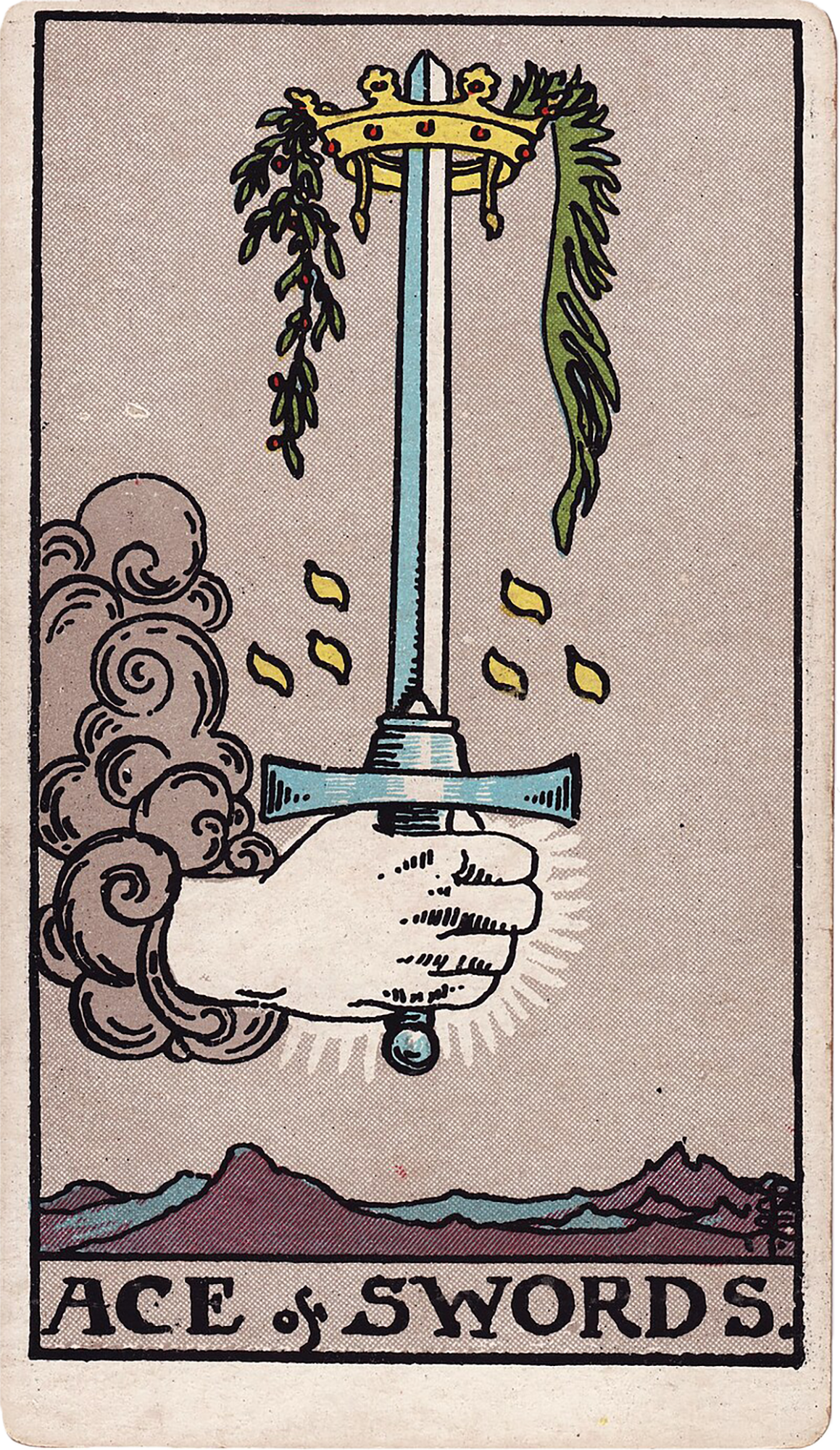 SituationAce of Swords
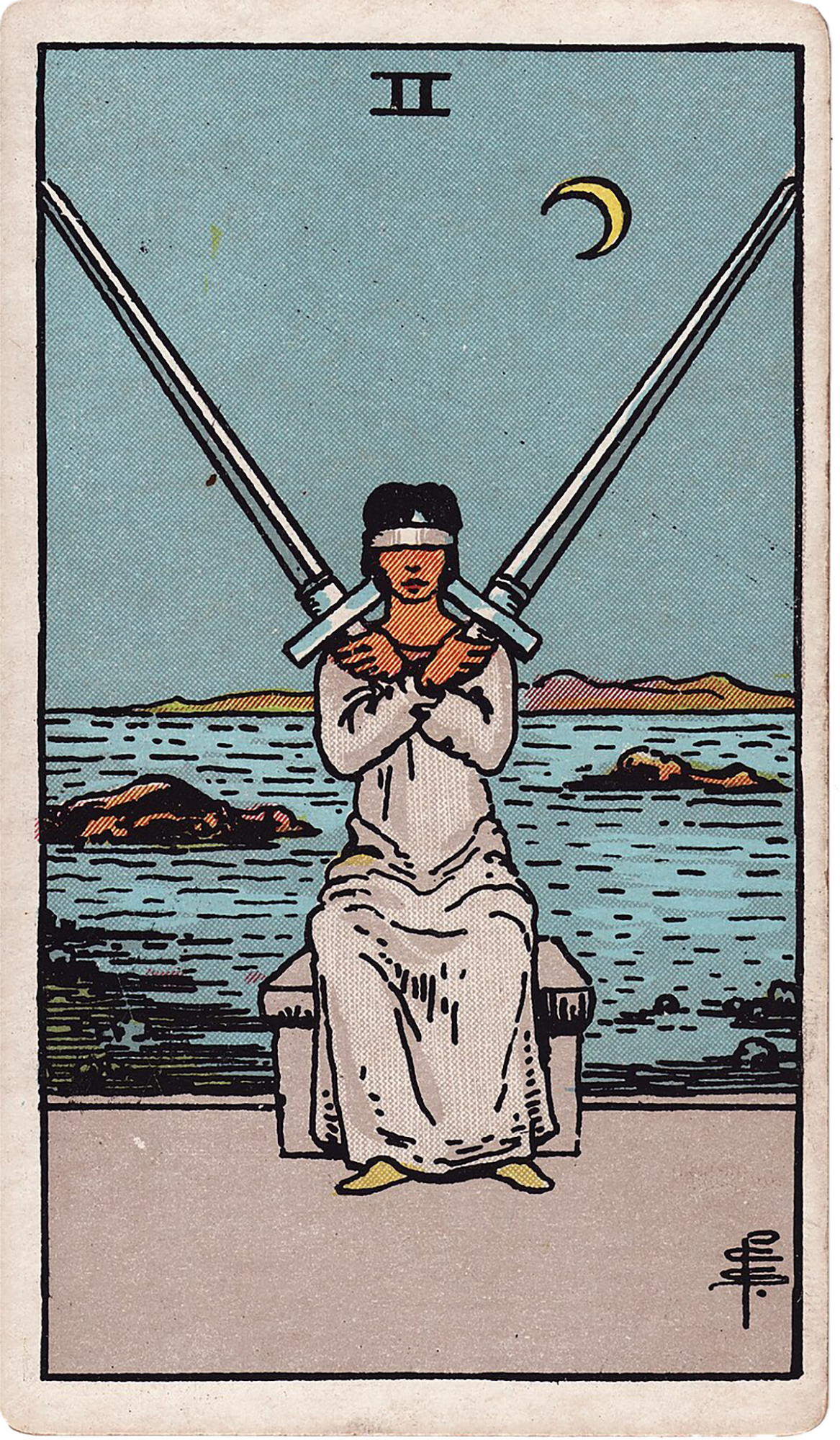 Option A2 of Swords
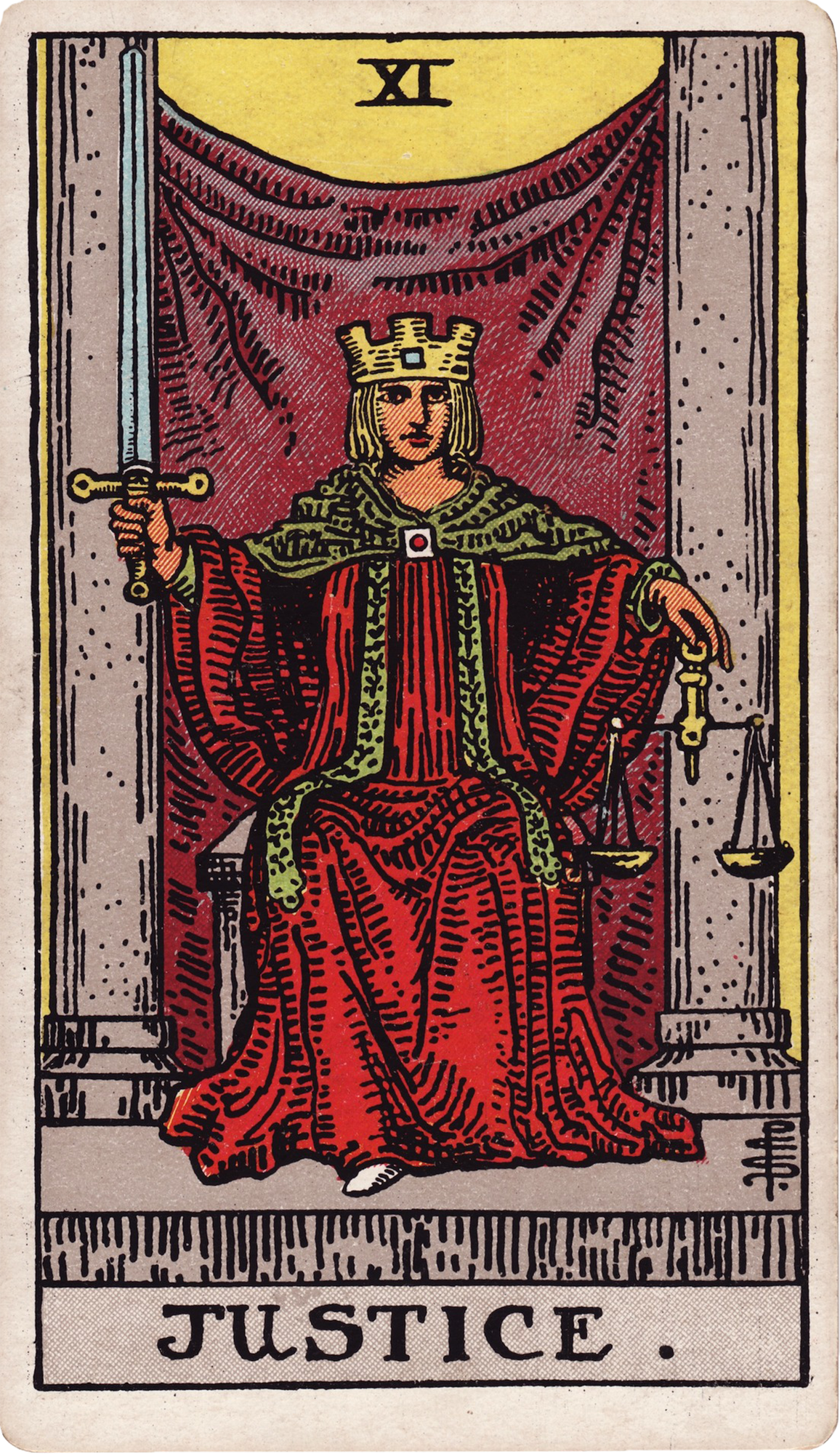 Option BJustice
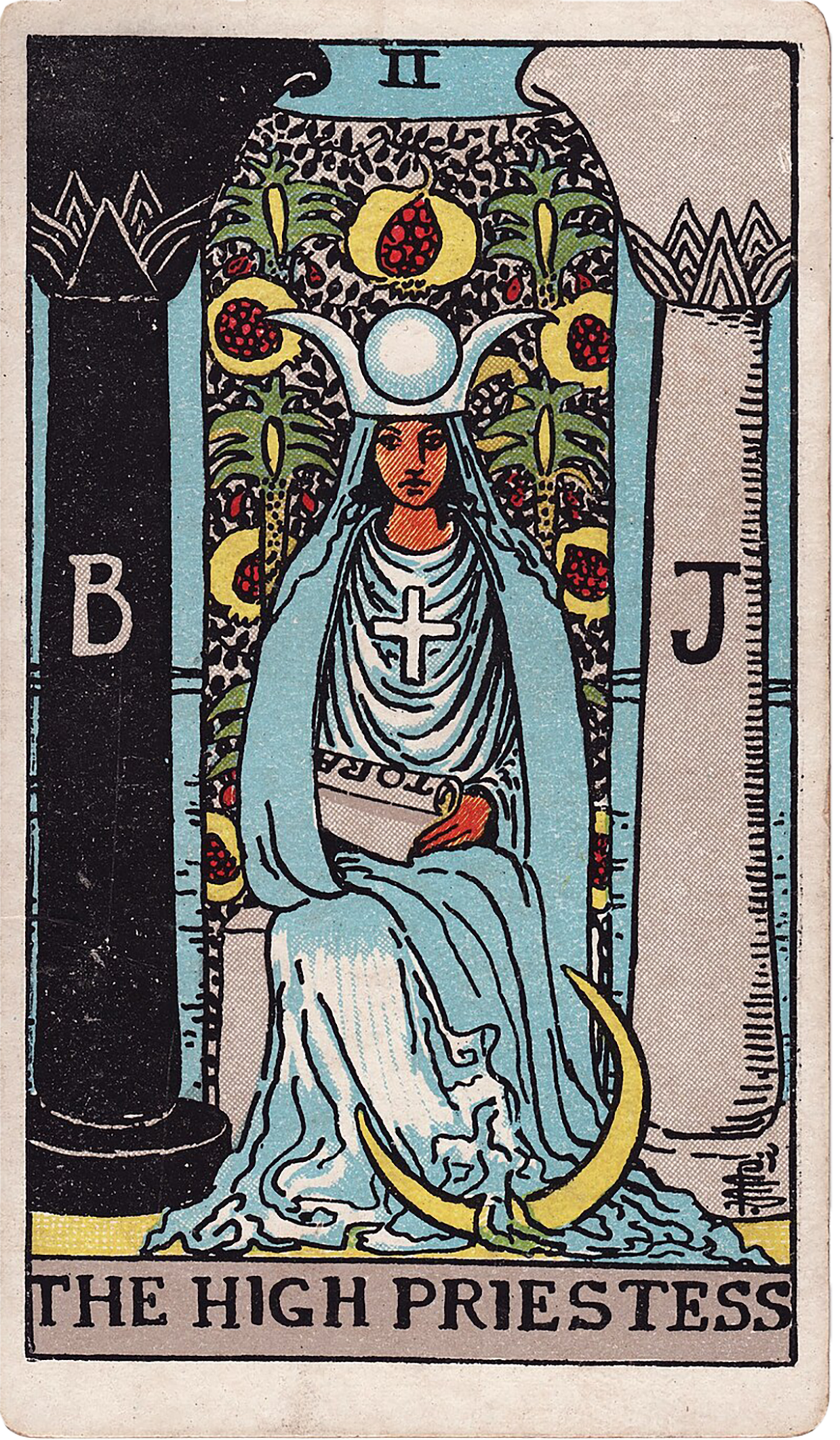 Hidden FactorThe High Priestess
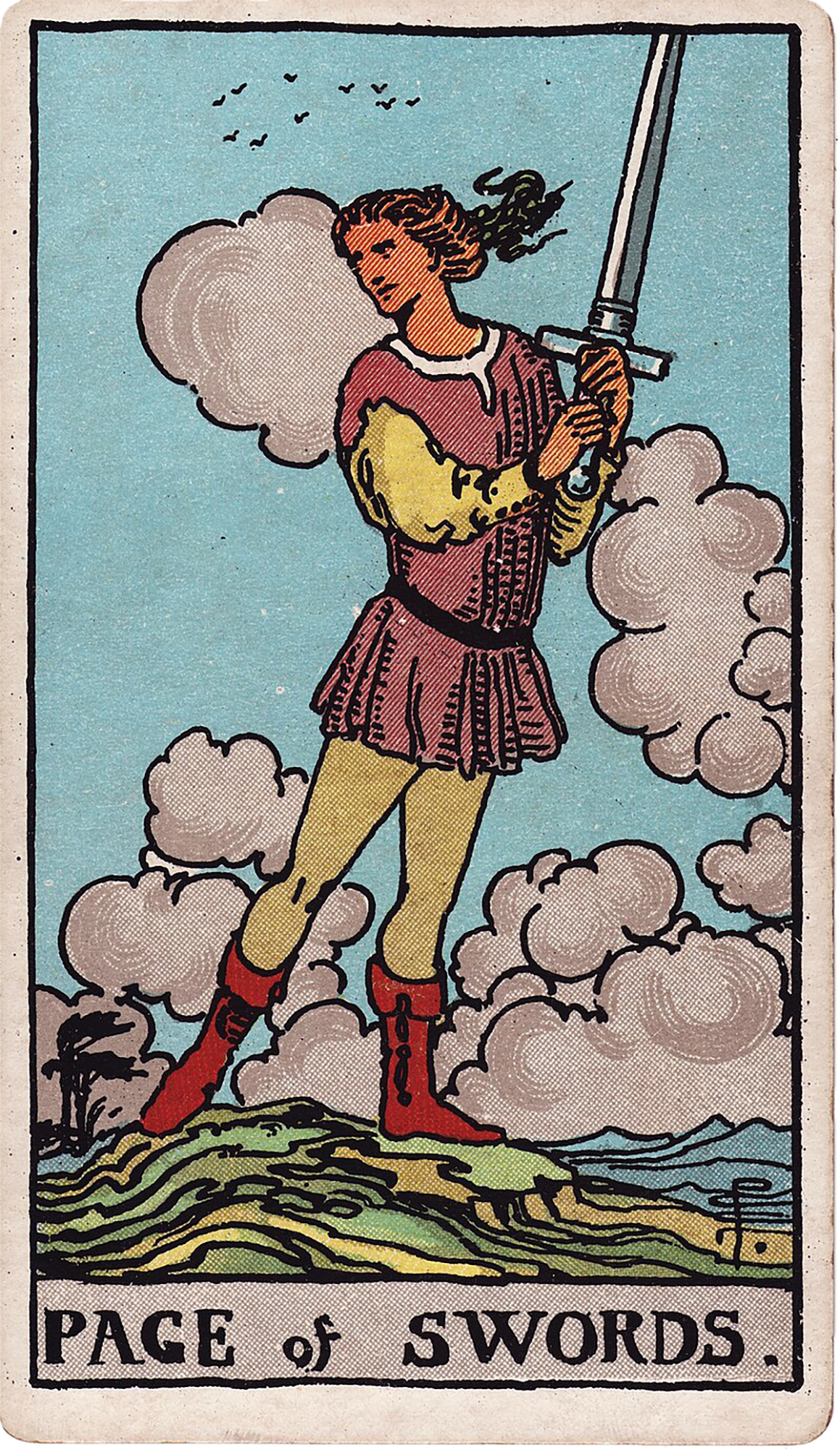 AdvicePage of Swords
Introduction: Purpose and context
The Five Card Decision Spread (decision-five) is designed for practical decisions where you want to expose blind spots, weigh two options, and finish with clear, evidence-based advice. This article is a worked reading using the exact cards shown: The High Priestess in Position 1 (Situation), Justice in Position 2 (Option A), Ace of Swords in Position 3 (Option B), 2 of Swords in Position 4 (Hidden Factor), and Page of Swords in Position 5 (Advice). Because the images will be displayed publicly, every interpretive step anchors to those cards' Rider‑Waite imagery and the upright/reversed meanings provided. The goal is not fortune telling but improving decision quality — identifying biases, clarifying what information is missing, and creating a proportionate next step.
When to use this spread
Use decision-five when you face a binary decision (two clear options) or two main strategies and you want to: - Compare the constructive potential of each option - Reveal what you are not seeing that affects the choice - Get concrete advice for gathering evidence or for communicating your decision This spread is especially useful when you suspect emotions, secrecy, authority, or overthinking may be skewing your judgment. It works well for work decisions, relationship choices, project pivots, or policy decisions. It is not designed for broad life path questions or open 'what will happen to me' queries; it performs best when the question is framed as a choice between identifiable options.
Layout: the decision-five positions
The layout is simple and easy to reproduce. Place five cards left-to-right and label them as follows: 1. Situation — the context and what is actually present 2. Option A — one practical path under consideration 3. Option B — the alternate practical path 4. Hidden Factor — the bias, block, or data gap affecting the choice 5. Advice — action to reduce bias and move forward For this worked example we read the supplied cards in that order: 1 = The High Priestess, 2 = Justice, 3 = Ace of Swords, 4 = 2 of Swords, 5 = Page of Swords. If you prefer a spatial cue, lay them in a loose arc or a straight row. Labeling visibly helps when you later analyze card-to-card relationships.
Position 1 Situation — The High Priestess
Meaning in the spread: In Position 1 the High Priestess describes the current atmosphere and what is most alive beneath the surface. Upright, the card emphasizes listening beneath surface appearances, allowing information to emerge, and trusting quiet discernment. Rider‑Waite imagery: a veiled woman between two pillars (B and J), a scroll partially hidden in her lap, and pomegranates behind her. These symbols point to secrecy, inner knowing, and to information that is available but not fully revealed. How to read this as Situation: The choice you face sits inside a context where not everything is explicit. Some facts or dynamics are private, subtle, or require patience to surface. Practical translation: you are dealing with incomplete visibility — there is more to learn, and rushing toward an external solution may miss internal cues. If the card were reversed, watch for avoidance of inner signals or secrecy being used destructively. Teaching anchor: when you look at the card image, ask where the veil might be in your real situation. What is the scroll (hidden data or contract clause) that you have only partially read? Notice the crescent moon at her feet: cycles and timing matter — the situation may become clearer with one deliberate pause or a small step to request facts.
Position 2 Option A — Justice
Meaning in the spread: Option A is represented by Justice. Upright, Justice emphasizes clarity of fact, weighing consequences, and making a decision that can withstand scrutiny. Rider‑Waite imagery: the figure holding balanced scales and an upright sword, seated between columns. This image anchors the idea of measured judgment and transparency. Interpreting Option A: Choosing this path would prioritize fairness, formal process, or documented accountability. If the decision involves policies, contracts, or institutional rules, Justice signals that this option aligns with those structures. Practical takeaway: Option A likely requires formal evidence, clear communication, and readiness to accept consequences. In terms of bias, Justice asks you to test your assumptions against objective criteria — can you document your reasons? If Justice appears reversed in an actual reading, be alert for bias, denial, or a decision made without adequate evidence. For learners, look at the scales — what do you have on each pan? List the measurable pros and cons for Option A and ask how easily each factor could be verified.
Position 3 Option B — Ace of Swords
Meaning in the spread: Option B is the Ace of Swords. Upright, the Ace of Swords denotes a clear insight, decisive conversation, or intellectual breakthrough that cuts through confusion. Rider‑Waite imagery: a single upright sword piercing clouds, often crowned and wreath-bound, symbolizing clarity emerging from uncertainty. Interpreting Option B: This path favors decisive communication, a new way of framing the problem, or a one‑time intervention (a conversation, a memo, a restructuring) that clarifies the core issue. Practical takeaway: Option B may deliver faster resolution by naming the issue directly and engaging a decisive conversation or strategy. Consider practical costs: the Ace can be sharp; clarity can demand confrontation or restructuring. If reversed, the same card warns of harshness or misuse of truth — an argument presented as clarity but actually weaponized. For learners, examine the crown and the clearing of clouds in the image: what truth or message could you surface to restore perspective?
Position 4 Hidden Factor — 2 of Swords
Meaning in the spread: The Hidden Factor is the 2 of Swords. Upright, the 2 of Swords indicates that a decision is being held in suspension because information or emotional readiness feels incomplete. Rider‑Waite imagery: a blindfolded figure with two crossed swords, a still sea and moon in the background — the image names stalemate, denial, or the conscious choice to avoid seeing a reality. Interpreting the hidden factor: The primary block to making this choice is avoidance or incomplete information. The presence of the moon suggests emotions or unconscious material influencing you. Practical consequence: You may be instinctively avoiding a risk, or there may be social pressure to not face facts. Relationship to The High Priestess: both cards point to hidden material — The High Priestess shows that information exists and is emerging; the 2 of Swords shows that you or stakeholders are not yet ready to face it. If reversed, 2 of Swords can mean decision fatigue or that stalemate is breaking — a useful signal that the hidden factor is shifting. For learners, ask: what are you refusing to look at? What would happen if you removed the blindfold (requested a report, had a candid conversation)?
Position 5 Advice — Page of Swords
Meaning in the spread: The Page of Swords is the explicit recommendation. Upright, the Page of Swords highlights mental curiosity, vigilance, and a desire to ask questions or gather information. Rider‑Waite imagery: a young, alert figure holding a sword upright, with wind-swept clouds and attentive posture — the card invites investigation, careful questioning, and collecting evidence. Practical advice for this reading: Act like the Page: ask precise questions, gather missing data, test assumptions, and avoid premature conclusions. The Page's youth implies low-stakes experiments (pilot conversations, short trials, or focused research) rather than full commitment. Translating to action: prepare a list of neutral questions to fill the gaps the 2 of Swords points to; request or create documentation if Justice is relevant; use the Ace of Swords energy to plan one decisive clarifying talk only after collecting the necessary facts. If reversed, the Page warns against gossip, spying, or scattered questioning — keep inquiries professional, purposeful, and transparent.
Card-to-card relationships: the narrative of this reading
Read cards in conversation to reveal dynamics and biases. Key relationships here: 1 -> 4 (Situation to Hidden Factor): The High Priestess and the 2 of Swords together describe an environment where relevant information is present but blocked by avoidance. The veil (High Priestess) and the blindfold (2 of Swords) form a visual pair: something is hidden and something is being refused. This combination points to omission bias (favoring inaction because of discomfort) or secrecy that prevents evidence from surfacing. 2 -> 3 (Option A to Option B): Justice vs. Ace of Swords contrasts process versus breakthrough. Justice offers formal, measured resolution; Ace of Swords offers a single sharp clarification. The tension reveals a practical decision pattern: do you proceed through established procedures and documentation, or do you aim for a decisive communicative act to cut through ambiguity? 4 -> 5 (Hidden Factor to Advice): The 2 of Swords blocked dynamic is directly answered by the Page of Swords. The Page suggests targeted information gathering to remove the blindfold, not emotional reactivity. 1 -> 5 (Situation to Advice): Because the High Priestess suggests patient, inner‑oriented discernment, the Page's investigative curiosity reframes that inner work into an outward, low‑risk information‑gathering strategy — ask questions that respect privacy and timing. Synthesizing the narrative: a context of partial visibility is causing stalemate; you have two credible options (formal fairness or decisive clarity); the practical next step is to collect missing evidence through careful questioning and small experiments before committing to either option.
Assessing bias and decision quality
This spread is intentionally oriented to expose common decision biases: - Omission bias: shown by the 2 of Swords; the tendency to prefer inaction to avoid responsibility. - Confirmation bias: watch for Justice reversed tendencies — choosing the rule or precedent that supports a preferred outcome. - Overconfidence/weaponized truth: the Ace of Swords reversed warns that clarity can be wielded to shut down discussion. - Secrecy and projection: the High Priestess reversed would indicate projecting inner states as facts. Use the cards as diagnostic signals. For example, if Justice (Option A) feels attractive because it appears 'fair,' ask whether you are selecting it to avoid conflict (omission) or to move accountability off your shoulders. If Ace of Swords (Option B) seems appealing because it promises immediate clarity, test whether the clarity is real (are you missing evidence) or performative. The Page of Swords as advice invites epistemic humility: collect disconfirming evidence and ask neutral, direct questions. Always seek to transform card signals into concrete critical‑thinking moves: set a short evidence‑gathering timeline, list the facts needed, and decide the form of proof that would justify either option.
How to reproduce the method step-by-step
1. Clarify the question: Phrase a binary question that names Option A and Option B. Example: 'Should I follow department policy X (Option A) or initiate a pilot conversation with stakeholders (Option B)?' 2. Shuffle and focus: Shuffle the deck while holding the question in mind. If you prefer, say the question aloud once. 3. Draw five cards and place left-to-right, labeling them Situation, Option A, Option B, Hidden Factor, Advice. 4. Note orientation: Record whether each card is upright or reversed; the supplied card texts give both upright and reversed meanings, and orientation affects nuance. 5. Read Position 1 first to set context. 6. Read Option A and Option B neutrally, listing pros and cons that correspond to the card imagery and practicality. 7. Read Hidden Factor as the main block or bias. 8. Read Advice as a concrete next step to reduce the block and improve decision quality. 9. Synthesize: Link cards pairwise to produce a narrative and then reduce that narrative to 1–3 concrete actions (for instance: 'Request three specific documents, schedule a 20-minute clarifying conversation, set a two-week evidence‑gathering window'). 10. Check for reversals: If a major card is reversed, explicitly consider how the upright quality is blocked or exaggerated and adjust actions (e.g., if Page reversed, avoid gossip; if Ace reversed, prepare for difficult feedback control).
Practical examples and sample questions
Example scenario (work): You must choose between following a formal procurement process (Option A) or directly negotiating a new contract with a supplier (Option B). Using decision-five, suppose cards fall as in this article: The High Priestess (Situation) tells you the procurement details are not fully visible; Justice (Option A) says process aligns with accountability; Ace of Swords (Option B) says a decisive negotiation could solve timing pressure; 2 of Swords (Hidden Factor) says stakeholders are avoiding a hard truth about budget; Page of Swords (Advice) recommends targeted questions to the finance office to reveal the budget constraint. Sample practical next steps: request written budget confirmation, schedule a brief negotiation with clear parameters, and document everything to satisfy Justice's call for accountability. Sample phrasing to avoid bias: Instead of asking 'Should I bypass procurement?', ask 'What specific evidence would justify bypassing procurement, and who must sign off?' This converts a value judgement into an evidence requirement. Practice prompts for learners: - Pull this spread for a small everyday decision (buying a laptop vs. repairing) and practice reducing cards to a one‑sentence action. - Use a timer: spend no more than 10 minutes on interpretation, and 30 minutes on real evidence-gathering actions.
Common mistakes and how to avoid them
1. Treating images as prophecy rather than prompts: Tarot images are tools for inquiry. Translate imagery into questions and actions, not inevitabilities. 2. Skipping orientation: Reversed meanings change nuance. Record upright/reversed and apply the supplied reversed descriptions rather than assuming 'bad' means 'end.' 3. Confusing metaphor with fact: The High Priestess suggests hidden information — do not assume specifics. Use the card to form targeted requests for evidence. 4. Overcomplicating synthesis: The spread's power is in converting symbolic conversation into 1–3 actionable steps. Always finish with measurable actions and a timeline. 5. Using the spread to avoid responsibility: Tarot can illuminate but not remove accountability. If the cards show stalemate, choose the small step that moves you out of it. 6. Ignoring ethical boundaries: The Page of Swords can suggest investigative questions, but do not pry into others' private information or break confidentiality. Keep questions professional and consent-based.
Interpreting reversals and shades of meaning
Because the supplied card texts include upright and reversed meanings, learners should practice both. Examples of how a reversal would change the reading: - High Priestess reversed in Situation: inner signals are blocked or being used to avoid responsibility — you may be rationalizing. - Justice reversed in Option A: the 'fair' process may be biased or used to deny accountability — check who benefits. - Ace of Swords reversed in Option B: a supposed breakthrough could be a blunt instrument that alienates stakeholders. - 2 of Swords reversed in Hidden Factor: stalemate is breaking, but you may be switching into reactive or rash choice. - Page of Swords reversed in Advice: avoid gossip or scattershot questions; instead set structured inquiries. Always ask: is the reversal describing an internal psychological state, an external block, or a temporary phase? Use neighboring cards to decide.
Wrapping up: turning insight into robust decisions
The decision-five spread is a compact, reproducible method to reveal biases and convert tarot symbolism into practical steps. In our worked reading, the imagery of the High Priestess (veil, scroll, moon) and 2 of Swords (blindfold, crossed swords) pinpointed the real issue: information exists but is being avoided. Justice and Ace of Swords provided two legitimate paths (process vs. decisive clarity), and the Page of Swords supplied a low-risk, high-impact tactic: ask focused questions, gather evidence, and document your findings. The consistent practice is: translate images into questions, test assumptions with neutral evidence-seeking, and create a short experimental timeline so the decision becomes an accountable action rather than paralysis. This technique improves decision quality by focusing on missing data and cognitive patterns rather than prognostication.
Practice questions
• What hidden information in my current situation might the High Priestess be pointing to?
• Am I choosing Option A (Justice) because it is truly fair or because it shifts accountability away from me?
• Would Option B (Ace of Swords) create useful clarity or merely force a premature confrontation?
• Where am I avoiding a decision in the way the 2 of Swords shows, and what small inquiry would remove the blindfold?
• How can I act like the Page of Swords to gather the exact evidence needed without escalating conflict?
Comments
Sign in to comment.
Continue learning
Interpreting the Dance of Justice and The Devil: Balancing Morality and Temptation in Tarot Readings
The combination of Justice and The Devil in tarot presents a profound exploration of morality, temptation, and personal accountability. This article unpacks how these cards influen...
Mastering Decision Making with the Five Card Cross Tarot Spread
The Five Card Cross Tarot Spread is a powerful tool for deepening decision-making skills by examining the present situation, past influences, future possibilities, challenges, and...
Enhancing Clarity in Complex Choices with the Five Card Cross Tarot Spread
The Five Card Cross Tarot Spread is a practical tool designed to clarify complex choices by breaking down the decision into manageable parts. This article explores each position in...
Using the Five Card Cross Spread to Make Confident Life Decisions
The Five Card Cross spread is a practical and insightful tarot layout designed to assist with complex life decisions by clarifying the situation, presenting options, uncovering hid...
Making Confident Life Choices with the Five Card Cross Tarot Spread
The Five Card Cross Tarot Spread is a powerful tool designed to aid practical decision-making, particularly within family or life-altering situations. This article explains the spr...
Using the Five Card Cross Tarot Spread to Gain Confidence in Difficult Decisions
The Five Card Cross spread is a powerful practical tool for navigating difficult decisions with confidence. By placing cards in positions representing Situation, Option A, Option B...
Using the Five Card Cross Spread to Gain Clarity in Difficult Life Decisions
The Five Card Cross Spread is a structured tarot layout designed to help clarify challenging life decisions by examining the situation, options, hidden influences, and advice. This...
Using the Five Card Cross Spread to Clarify Complex Decisions
The Five Card Cross Spread is a practical tarot method designed to clarify complex decisions by laying out the situation, contrasting options, hidden factors, and advice. This arti...
Using the Five Card Cross Spread to Gain Insight into Relationship Dynamics
This article provides an in-depth guide to using the Five Card Cross Spread for gaining clarity on relationship dynamics, especially within family contexts. Anchored by a worked ex...
Using the Five Card Cross Spread to Make Balanced and Informed Life Decisions
The Five Card Cross Spread is a powerful Tarot layout designed to aid balanced and informed decision-making. This article teaches learners how to use this spread effectively, focus...