
Using Clarifiers to Set Boundaries Empower Clients and Strengthen Ethical Readings
This article explains how to use clarifier cards intentionally to help clients set boundaries, increase agency, and maintain ethical standards in readings. Anchored repeatedly to the supplied cards Strength, Justice, and Queen of Swords, the piece moves from beginner practice to advanced technique. You will learn when to introduce clarifiers, how to frame questions, how to interpret upright and reversed appearances of these three specific cards, and how to translate imagery into practical, non-prescriptive guidance. The approach centers client empowerment: clarifiers are tools to refine options and illuminate actionable steps, not to dictate choices. The article also covers common mistakes, ethical traps, case examples focused on family boundary issues, and exercises for building confidence in using clarifiers during live sessions.
Cards explored in this article
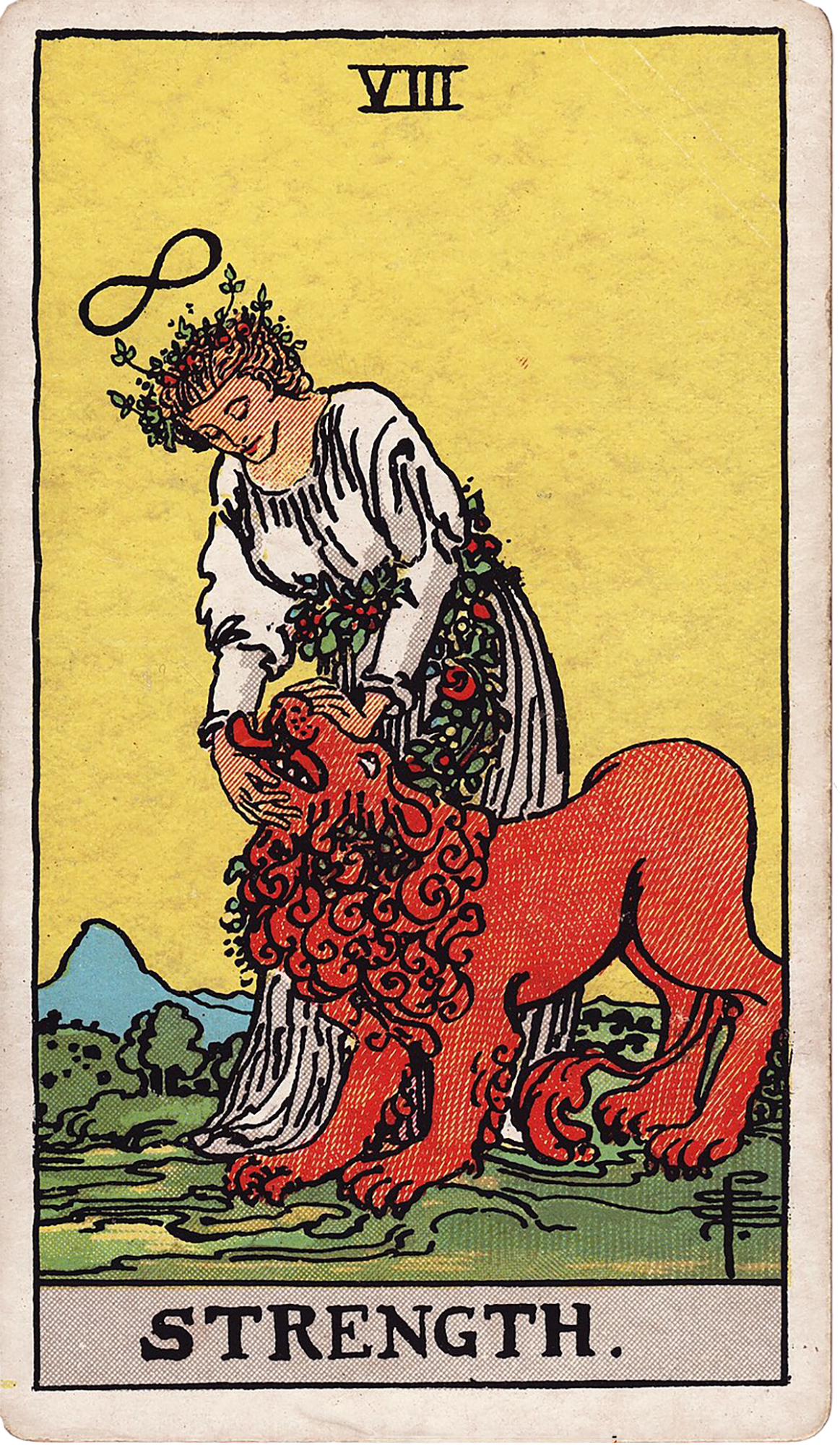 Strength
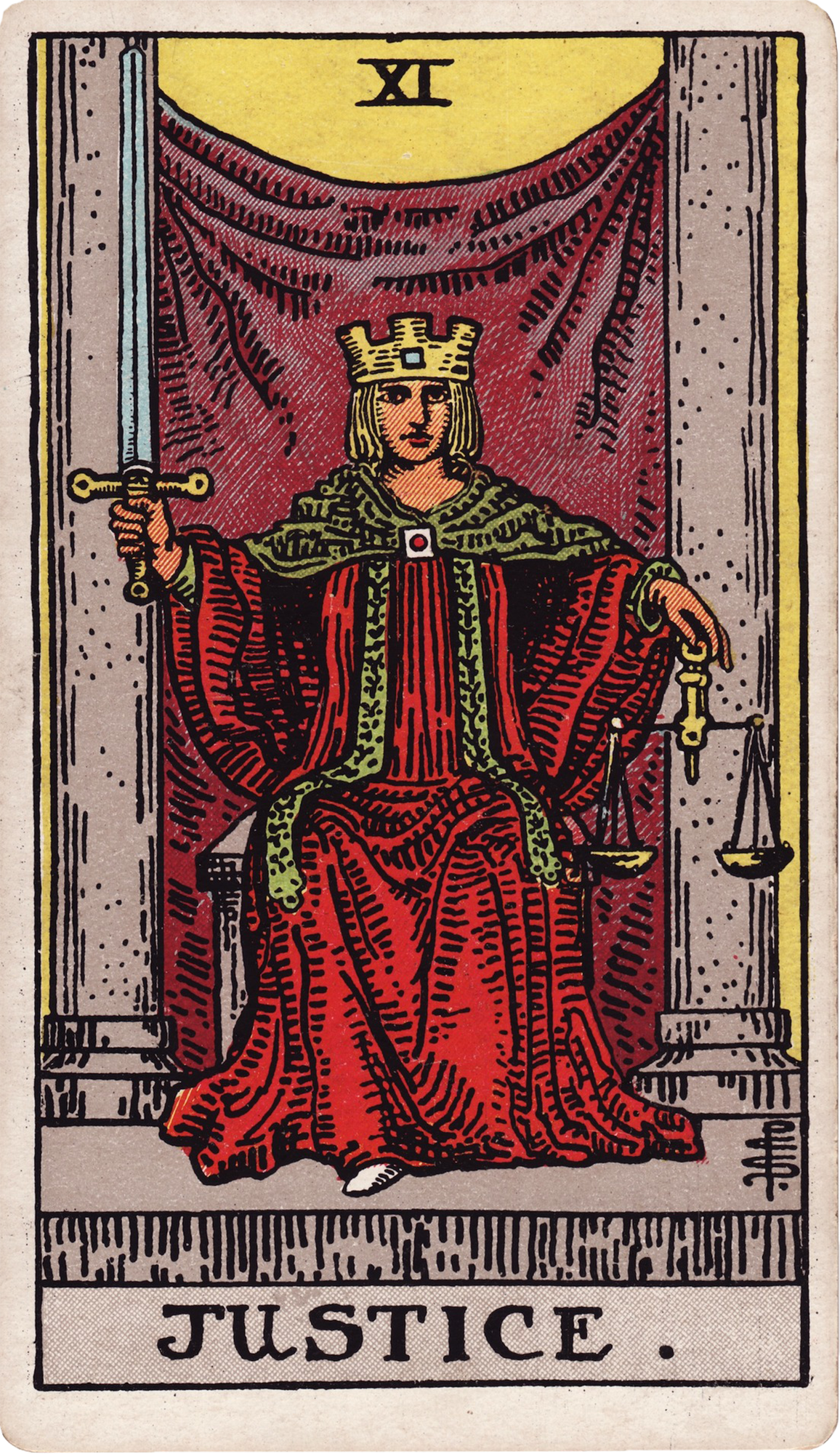 Justice
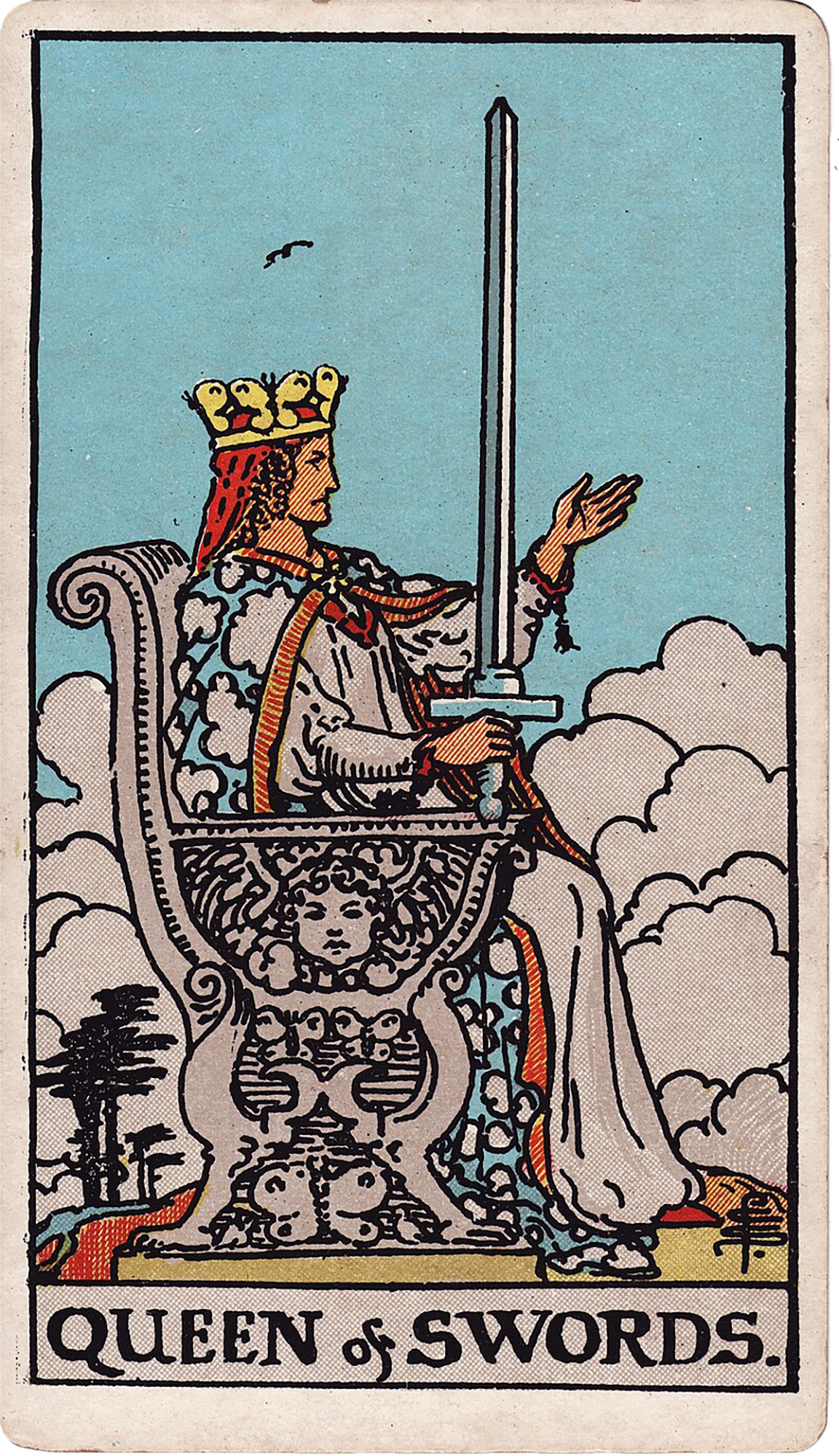 Queen of Swords
Introduction Why clarifiers matter for boundaries and ethics
Clarifiers are single cards or small sets drawn to refine an existing message, resolve ambiguity, or provide practical advice about how to act. When a client comes with a boundary issue — for example, a difficult family dynamic — the core spread often shows that a boundary is needed without saying how. Clarifiers let you, as the reader, translate the symbolic language of tarot into clear, ethical guidance that respects client autonomy. Instead of telling a client what to do, clarifiers help answer useful questions such as: How can this person find the courage to set a boundary? What form of boundary will be sustainable and fair? How should they communicate the boundary so the relationship has the best chance of healthy adjustment? Using the supplied cards — Strength, Justice, and Queen of Swords — we will develop concrete, repeatable methods that keep readings client-centered and practice-safe.
Theoretical foundation What a clarifier does and what it does not do
A clarifier modifies, narrows, or supplies the HOW/WHY/WHAT missing from a primary reading. It is not a command, a promise, or a guarantee. Ethically, a clarifier's job is to illuminate a pathway while preserving client agency. Practically, clarifiers function in three overlapping ways: (1) tonal clarifier — it tells you the emotional quality or stance to take (e.g., compassionate courage versus blunt firmness); (2) method clarifier — it suggests a practical approach (e.g., direct speech, legal steps, or inner work); (3) boundary-check clarifier — it indicates proportionality and likely consequences. When you use Strength, Justice, and Queen of Swords as clarifiers, each supplies a different axis: inner courage and patience (Strength), fairness and accountability (Justice), and clear communication and discernment (Queen of Swords). Together they form a diagnostic toolkit for boundaries that honors complexity.
Anchoring interpretation to imagery Using Strength to read courage and patience
Look at the Strength card's Rider-Waite imagery: the gentle woman and the lion, the infinity symbol above her head, and her calm, compassionate hold on the beast. As a clarifier, upright Strength suggests an approach that balances firm limits with self-respect and sustained patience. Practically, that might mean: offering the client actions that begin small and proportionate rather than dramatic ultimatums; recommending body-centered practices to build confidence before a conversation; and encouraging persistence when a boundary is met with testing. If Strength appears reversed, tie the reading to the card text supplied: expect self-doubt, suppressed anger, over-control or internalized fear. Here the clarifier is a call for self-compassion and skill-building: strengthen inner resources (therapy, rehearsal, safety planning) before enforcing a boundary that could escalate. In either position, point to visible details — the lion's expression, the woman's calm — to help the client imagine the desired stance rather than deliver a prescriptive script.
Anchoring interpretation to imagery Using Justice to read fairness and consequences
Justice shows the scales and the sword. Rider-Waite symbolism emphasizes clarity, balance, and consequence. As a clarifier, upright Justice indicates that a boundary should be organized around clear facts, fairness, and consistent consequences. For a family boundary, this might translate into setting explicit agreements (hours, contact methods), documenting incidents if legal or protective steps may follow, and making consequences proportionate and enforceable. If Justice appears reversed, use the supplied reversed meaning: bias, denial, avoidance of accountability, or a decision made without enough evidence. A reversed Justice clarifier warns the reader and client to check assumptions, verify facts, and consider power imbalances. It can also signal that a boundary will be resisted or that the client's sense of fairness is skewed; the appropriate action then is to create a clearer record, consult neutral supports, and avoid unilateral punitive moves until more information is available.
Anchoring interpretation to imagery Using Queen of Swords to read communication and clarity
The Queen of Swords in Rider-Waite holds an upright sword, sits on a throne under a cloud-streaked sky, and often includes a bird or birds in the background. She embodies clear thinking, crisp communication, and an ability to cut through emotional fog. As a clarifier, upright Queen of Swords recommends direct, honest communication that honors truth but avoids unnecessary cruelty. She is a model for scripts that are succinct, boundary-focused, and free of blame-laden monologues. Reversed, the Queen of Swords highlights bitterness, harshness, or intellectual avoidance of emotion. If reversed appears as a clarifier, steer the client away from coldness and toward tempered clarity: practice 'I' statements, remove accusatory language, and include a brief emotional check-in so the communication doesn't devolve into cutting remarks that close doors prematurely.
Beginner technique One-card clarifier and simple three-card spread
Start simple. A reliable beginner method is the three-card sequence: Card A = Current boundary question or situation, Card B = Recommended form of boundary, Card C = Clarifier for how to act. If Card C is one of the supplied cards, anchor your guidance accordingly. Example layout: a client asks whether they should limit evening visits from a demanding family member. Card A may show the emotional pressure; Card B might indicate the need for a limit; Card C (clarifier) is Queen of Swords upright. The practical reading: the Queen suggests a concise, direct statement: "I can host on Saturdays for two hours; weekends are not available." If Card C were Strength upright instead, advise training in small steps: rehearse the script with a friend, practice breathing to maintain calm, and prepare for gentle pushback. If Justice appears, help the client design boundaries with clear rules and predictable consequences. Teach beginners to ask clarifier questions explicitly: "How should this boundary be communicated?" or "What inner quality will support this boundary?" Keep clarifiers to one card to avoid confusion and to develop skill in reading single-card nuance.
Advanced technique Using multiple clarifiers directional and conditional clarifiers
Advanced readers use clarifiers in layers. Common patterns: (1) Directional clarifiers answer HOW (Queen of Swords), WHY or WHAT is needed (Justice), and WHO needs inner work (Strength). For example, draw three clarifiers labeled "How," "Why," and "Inner resource." Place Queen of Swords under "How" for communication style, Justice under "Why" to highlight fairness or consequence, and Strength under "Inner resource" to indicate the psychological quality to cultivate. (2) Conditional clarifiers explore contingencies: "If the family member accepts the boundary, what next?" "If the family member refuses, what protective steps follow?" Pull a clarifier for each condition. (3) Nested clarifiers: use a clarifier to interpret another clarifier when the message remains ambiguous; for instance, a reversed Justice clarifier may prompt a secondary clarifier to suggest whether to seek mediation or legal counsel. Advanced practice requires discipline: never pile clarifiers on indefinitely, keep the client involved, and always return to consent and the client's values before moving from insight to action.
Case examples Family boundary scenarios anchored to the three cards
Case 1: Setting visiting limits with a parent. Primary spread indicates repeated boundary violations; clarifier = Strength upright. Interpretation: advise incremental firmness. Suggest a rehearsed script, pre-agreed consequences (shorter visits), and emotional practices to maintain calm. Emphasize that Strength's infinity symbol implies ongoing practice, not one-time perfection. Case 2: A sibling demands money and denies responsibility. Clarifier = Justice upright. Interpretation: recommend documenting agreements, creating clear repayment terms, and being prepared to enforce consequences if terms are broken. Justice suggests fairness: offer a structured plan rather than cutting contact immediately. Case 3: The client wants to end a toxic friendship but fears being cruel. Clarifier = Queen of Swords reversed. Interpretation: the reversal warns against bitterness or overly harsh words. Coach the client to be clear and concise but compassionate: short statements, personal responsibility language, and an offer to revisit boundaries if the other party shows different behavior. Each example translates imagery into practice: the lion's calm, the balanced scales, the queen's upright blade become verbs — steady, measure, and speak.
Common mistakes to avoid and how to correct them
Mistake 1: Using clarifiers to make decisions for clients. Correction: Frame interpretations as options and probabilities, not orders. Ask clients which option feels aligned with their values. Mistake 2: Drawing excessive clarifiers when a single clear message would do. Correction: Limit clarifiers to one or three maximum and summarize frequently. Mistake 3: Ignoring reversals or forcing upright meanings. Correction: Treat reversals as data; reversed Strength signals inner block, reversed Justice indicates possible bias or missing facts, reversed Queen of Swords points to potential cruelty or avoidance. Use reversals to refine safety and readiness assessments. Mistake 4: Not obtaining consent for boundary-focused guidance. Correction: Ask permission before exploring legal, safety, or emotional boundary options. Clarifiers often shift readings into sensitive territory; confirm client comfort and capacity to act. Mistake 5: Translating imagery into platitudes instead of concrete steps. Correction: Always map symbolic language to three practical actions the client could take within a week or month.
Ethical practice How clarifiers support client empowerment and safety
Ethics in boundary work centers on autonomy, nonmaleficence, and competence. Clarifiers are ethical tools when used to expand choice and reduce harm. Practical rules: (1) obtain explicit consent to explore boundaries; (2) avoid giving legal, medical, or mental health advice beyond your scope; recommend professional referrals when Justice or Strength triggers safety or legal concerns; (3) respect confidentiality and avoid pressuring clients into actions; (4) use language that emphasizes client agency: "This card suggests options that might work for you; which of these could you try?" When Justice appears reversed and you suspect power imbalance or abuse, prioritize safety planning and referral resources rather than immediate boundary enforcement that could increase risk. The tarot's imagery — the Queen's sword, the lion's strength, the scales of Justice — should always be translated through a lens of harm reduction and client consent.
Practical step-by-step method for live readings
1) Intake and consent: Ask the client whether they want exploration of boundaries specifically, and get permission to use clarifiers. 2) Clarify the question: Help the client formulate a targeted prompt ("How can I set a sustainable boundary with my sibling about money?"). 3) Core spread: Use a layout that identifies the situation, the need for action, and obstacles. 4) Decide on clarifier type: If the core spread is ambiguous about tone, pull a tonal clarifier; if method is unclear, pull a how-to clarifier; if readiness is at issue, pull a Strength-type clarifier. 5) Draw clarifier(s): Keep to one or up to three and place them in labeled slots (How, Why, Resource). 6) Interpret visually: Describe the imagery — the woman soothing the lion, the scales and sword, the Queen's upright blade — and link to specific behaviors. 7) Check reversals and context: Ask how reversal changes recommendations and consult neighboring cards for confirmation. 8) Co-create an action plan: Translate symbolic advice into three concrete next steps, each with a small timeframe and measurable result. 9) Safety and referrals: If Justice reversed or Strength reversed suggests risk, provide resources and document referrals. 10) Follow-up: Offer a short follow-up to evaluate how the boundary worked and to refine clarifiers if needed.
Interpretation logic How to weigh clarifier influence and create balanced summaries
Interpretation is pattern recognition plus ethics. Rules of thumb: - Clarifiers modify emphasis, not destiny. They highlight approach and tone more than final outcomes. - Priority order: if a clarifier speaks to method (Queen of Swords) and another to inner resource (Strength), both are equally important; if Justice appears reversed while Queen is upright, treat Justice as a caution requiring fact-checking before action. - Use imagery anchors to craft client-facing language: describe the Queen's straight blade as "direct but measured speech," the Strength woman's gentle hold as "firm calmness," and Justice's scales as "clear rules with consequences." - When cards conflict, ask clarifying questions rather than forcing synthesis: "Are you prepared to follow through on consequences if they arise?" - Summaries should be short: three sentences linking imagery to three action steps. Example summary: "The Queen of Swords clarifier urges a short, honest statement of limits; Strength says practice calm persistence; Justice asks you to make the terms explicit and enforceable. A possible script is X; the first step this week is to rehearse it and set a firm boundary on day seven."
Practice exercises and closing advice
Exercise 1: Daily clarifier practice. Pull one clarifier card each morning and journal how that energy could guide a minor interpersonal boundary that day. Exercise 2: Roleplay with a partner. One person plays client, the other reads using a three-card layout and a single clarifier. Swap and give feedback on whether the reading empowered choice. Exercise 3: Reversal drill. Shuffle your small deck and intentionally practice reading reversed Strength, Justice, and Queen of Swords as clarifiers; write a short action plan for each reversed appearance focused on safety and readiness. Closing advice: keep clarifiers tight, keep clients central, and translate imagery into concrete, stepwise plans. The three supplied cards give complementary, practical guidance: Strength cultivates the inner steadiness to hold boundaries, Justice defines fair and enforceable terms, and Queen of Swords models clear, truthful communication. Use them to help clients act, not to act for them.
Practice questions
• When you imagine the woman calming the lion in Strength, what personal resource does that image suggest you could cultivate before setting a boundary?
• How might the scales and sword of Justice shape the terms you propose for a fair boundary in a family conflict?
• When Queen of Swords appears as a clarifier, what three-word guidance does the image suggest for your tone of voice?
• If a card appears reversed during a boundary clarifier, what safety checks will you put in place before advising action?
• Which part of your reading practice needs clearer consent protocols when you use clarifiers focused on family or safety issues?
Comments
Sign in to comment.
Continue learning
Interpreting the Dance of Justice and The Devil: Balancing Morality and Temptation in Tarot Readings
The combination of Justice and The Devil in tarot presents a profound exploration of morality, temptation, and personal accountability. This article unpacks how these cards influen...
Mastering Decision Making with the Five Card Cross Tarot Spread
The Five Card Cross Tarot Spread is a powerful tool for deepening decision-making skills by examining the present situation, past influences, future possibilities, challenges, and...
Enhancing Clarity in Complex Choices with the Five Card Cross Tarot Spread
The Five Card Cross Tarot Spread is a practical tool designed to clarify complex choices by breaking down the decision into manageable parts. This article explores each position in...
Using the Five Card Cross Spread to Make Confident Life Decisions
The Five Card Cross spread is a practical and insightful tarot layout designed to assist with complex life decisions by clarifying the situation, presenting options, uncovering hid...
Making Confident Life Choices with the Five Card Cross Tarot Spread
The Five Card Cross Tarot Spread is a powerful tool designed to aid practical decision-making, particularly within family or life-altering situations. This article explains the spr...
Using the Five Card Cross Tarot Spread to Gain Confidence in Difficult Decisions
The Five Card Cross spread is a powerful practical tool for navigating difficult decisions with confidence. By placing cards in positions representing Situation, Option A, Option B...
Using the Five Card Cross Spread to Gain Clarity in Difficult Life Decisions
The Five Card Cross Spread is a structured tarot layout designed to help clarify challenging life decisions by examining the situation, options, hidden influences, and advice. This...
Using the Five Card Cross Spread to Clarify Complex Decisions
The Five Card Cross Spread is a practical tarot method designed to clarify complex decisions by laying out the situation, contrasting options, hidden factors, and advice. This arti...
Using the Five Card Cross Spread to Gain Insight into Relationship Dynamics
This article provides an in-depth guide to using the Five Card Cross Spread for gaining clarity on relationship dynamics, especially within family contexts. Anchored by a worked ex...
Using the Five Card Cross Spread to Make Balanced and Informed Life Decisions
The Five Card Cross Spread is a powerful Tarot layout designed to aid balanced and informed decision-making. This article teaches learners how to use this spread effectively, focus...