
Using the Celtic Cross to Navigate Relationship Turning Points and Find Decision Clarity
This article teaches students how to use the classic Celtic Cross to examine family and relationship turning points and arrive at clearer, value‑aligned decisions. Using the supplied cards in order, it offers a position‑by‑position walkthrough, image‑based interpretations grounded in Rider‑Waite symbolism, card interactions, step‑by‑step technique for reproducing the spread, common mistakes to avoid, and a worked synthesis that turns insight into practical next steps.
Celtic Cross
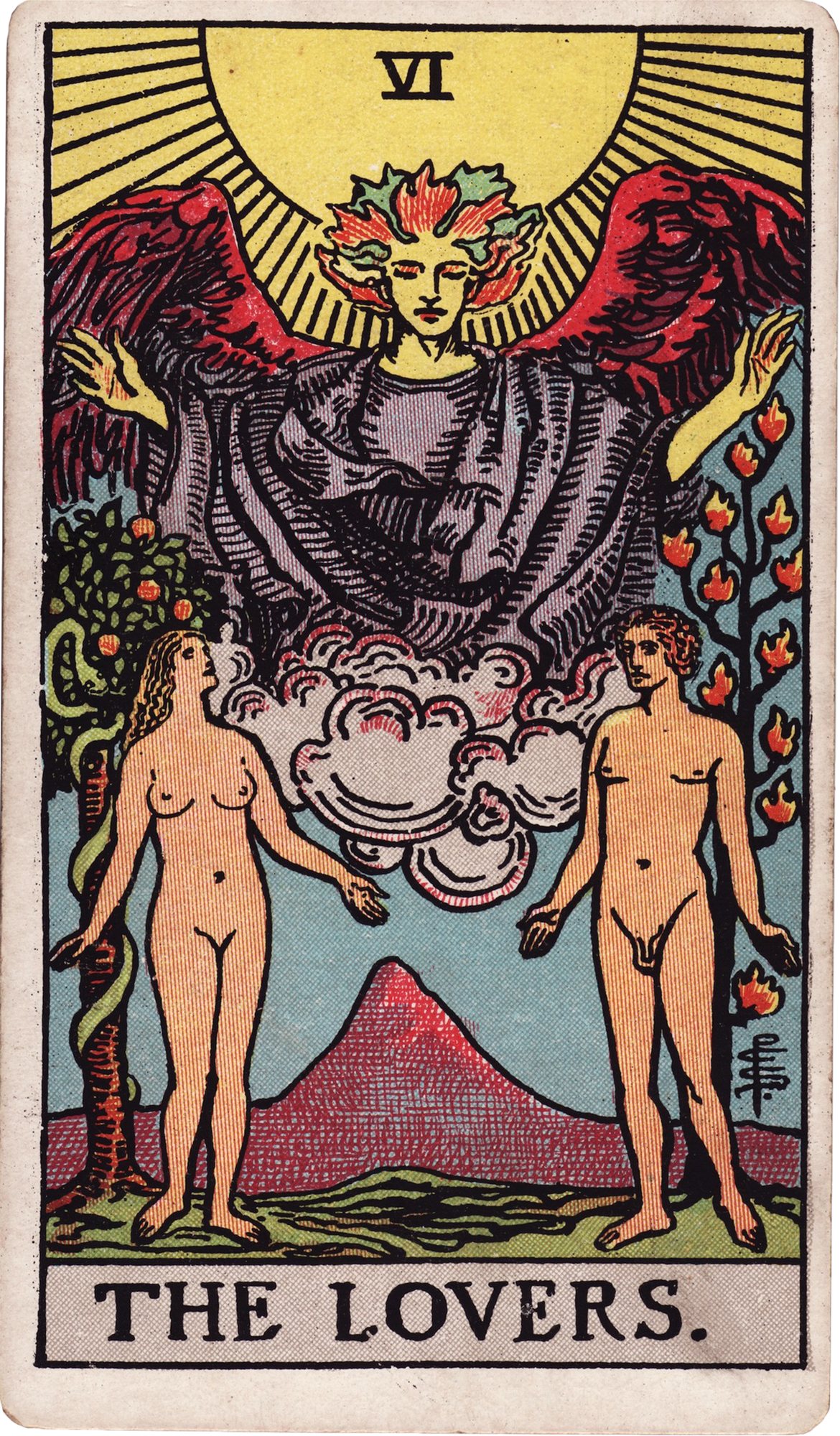 Present / HeartThe Lovers
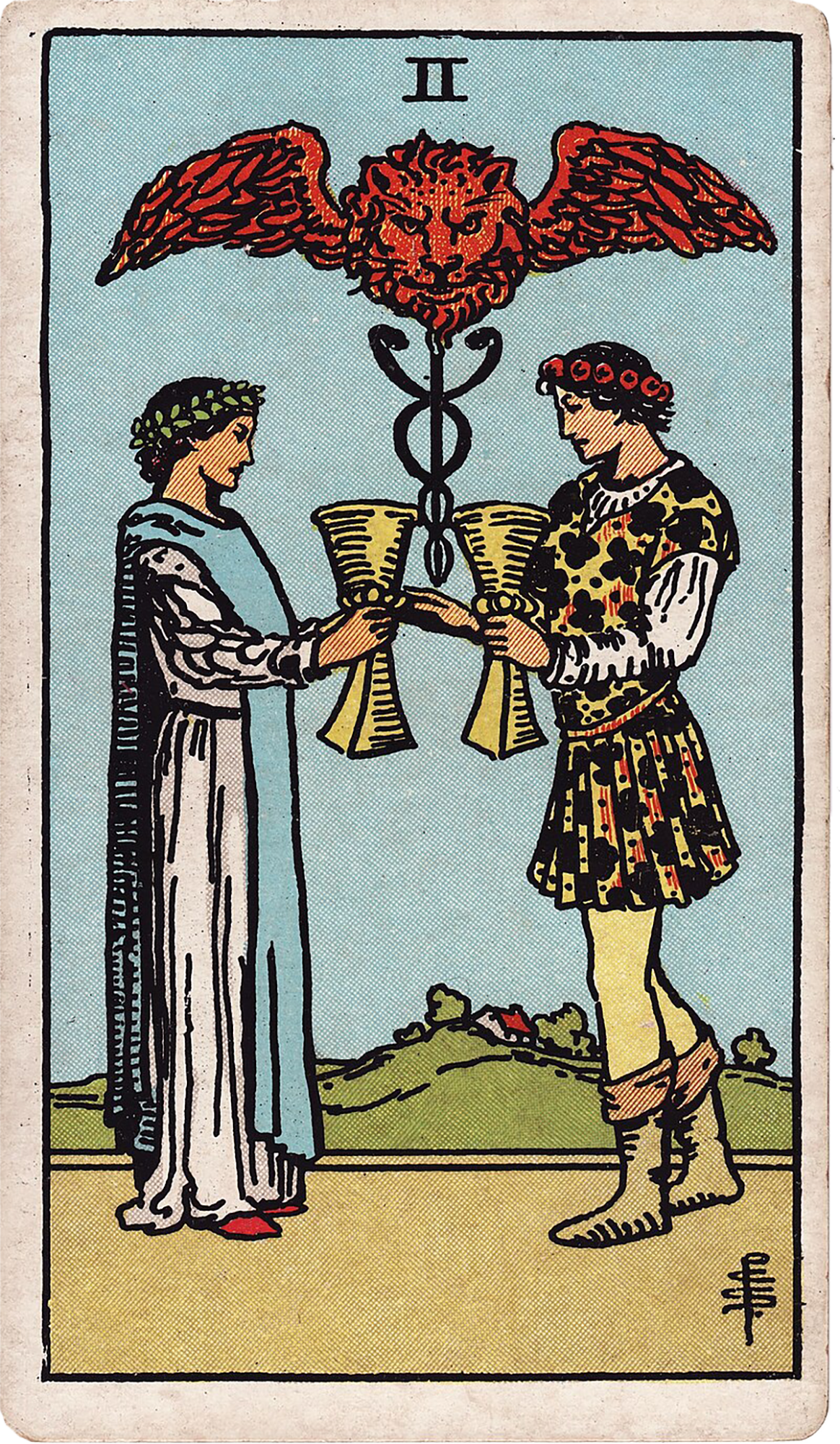 Challenge2 of Cups
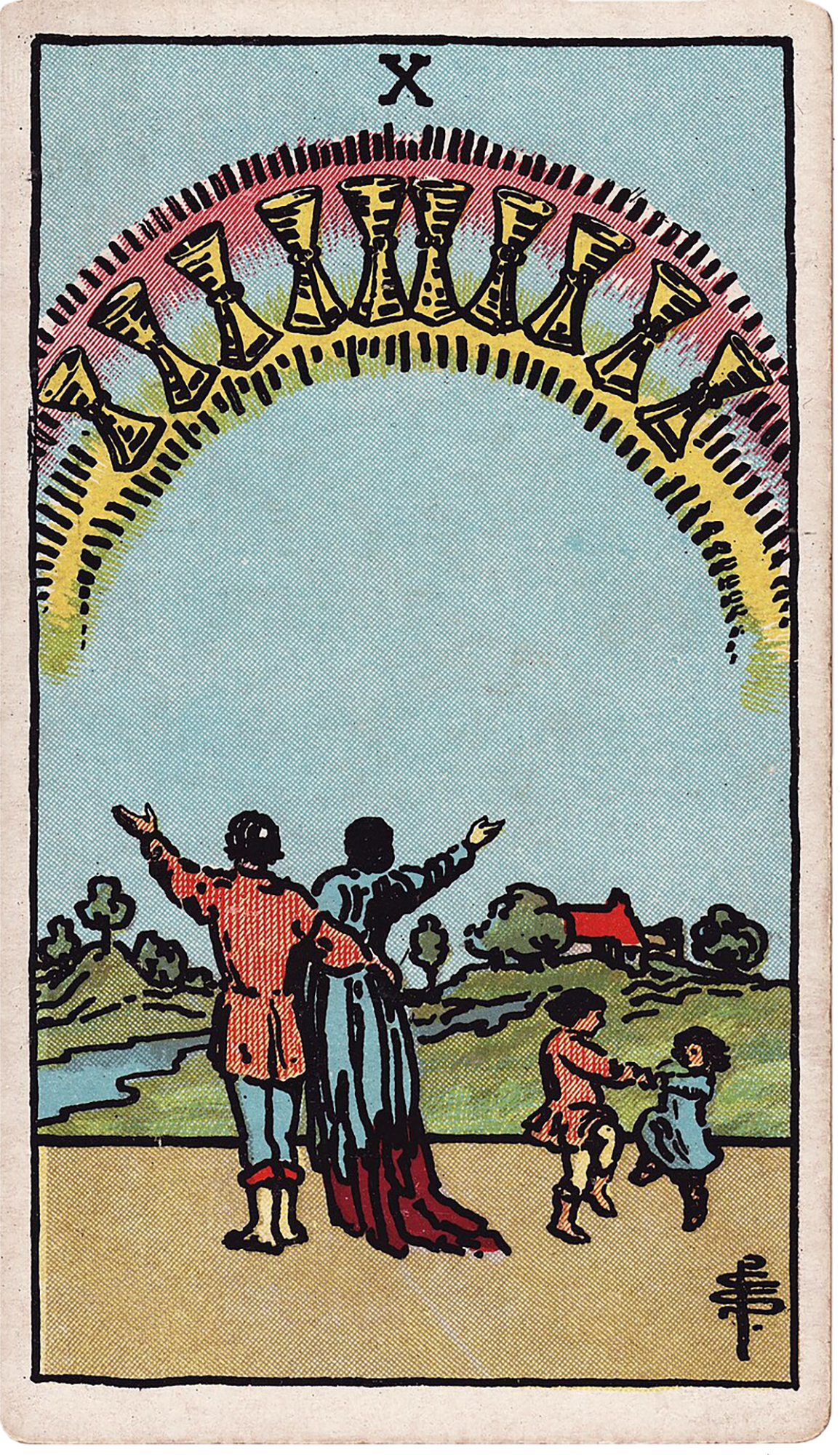 Foundation10 of Cups
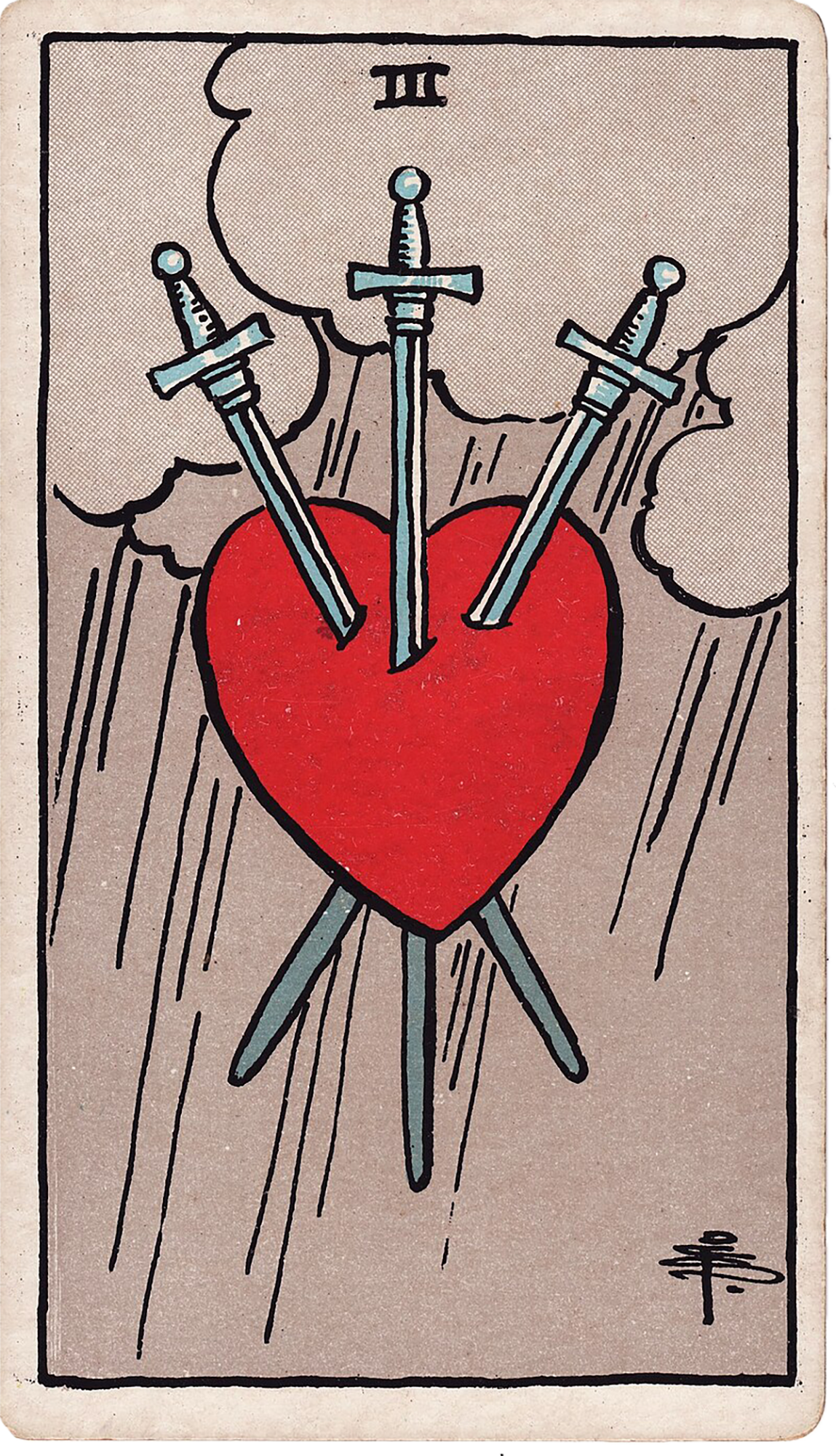 Recent Past3 of Swords
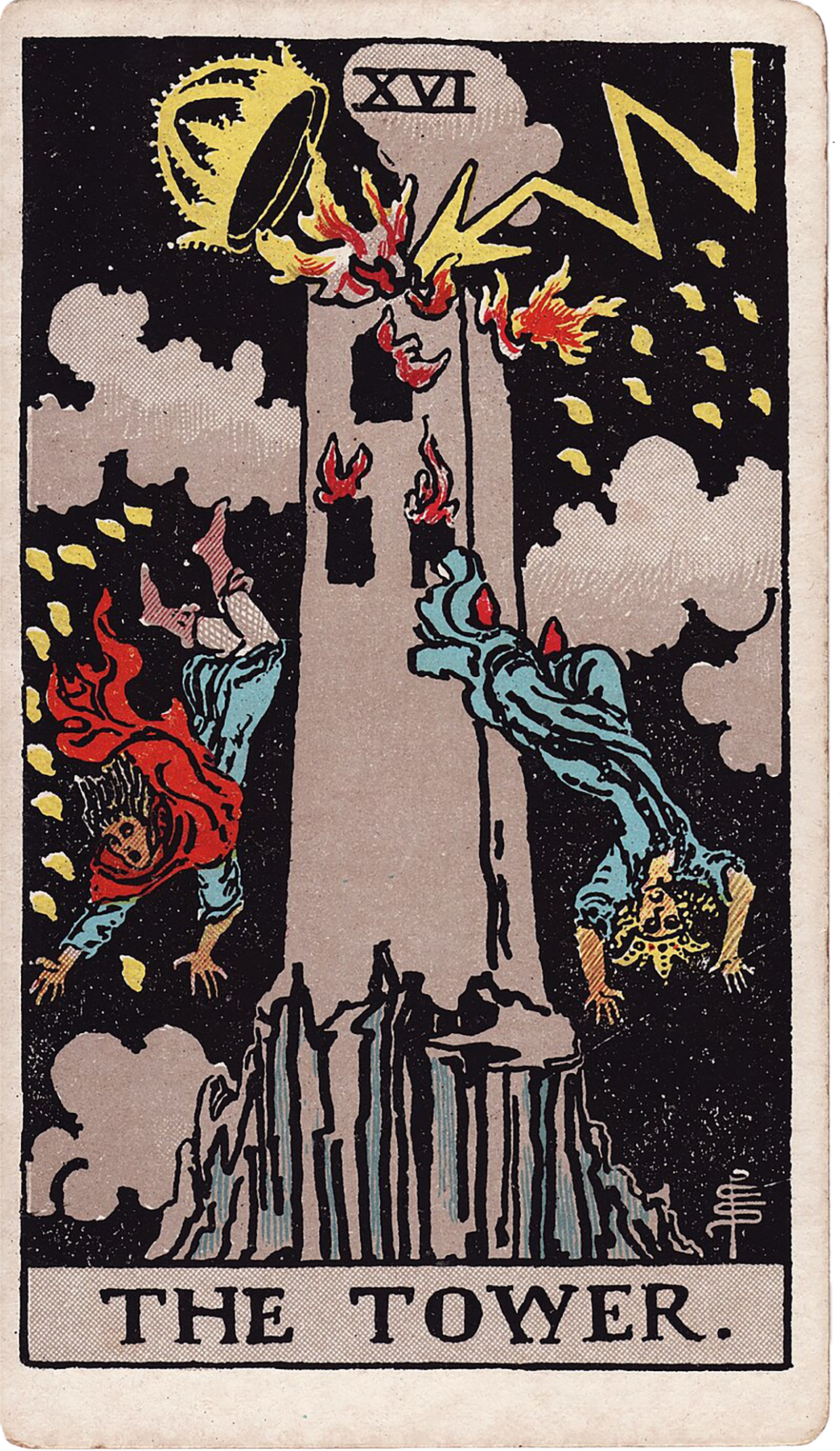 PossibilityThe Tower
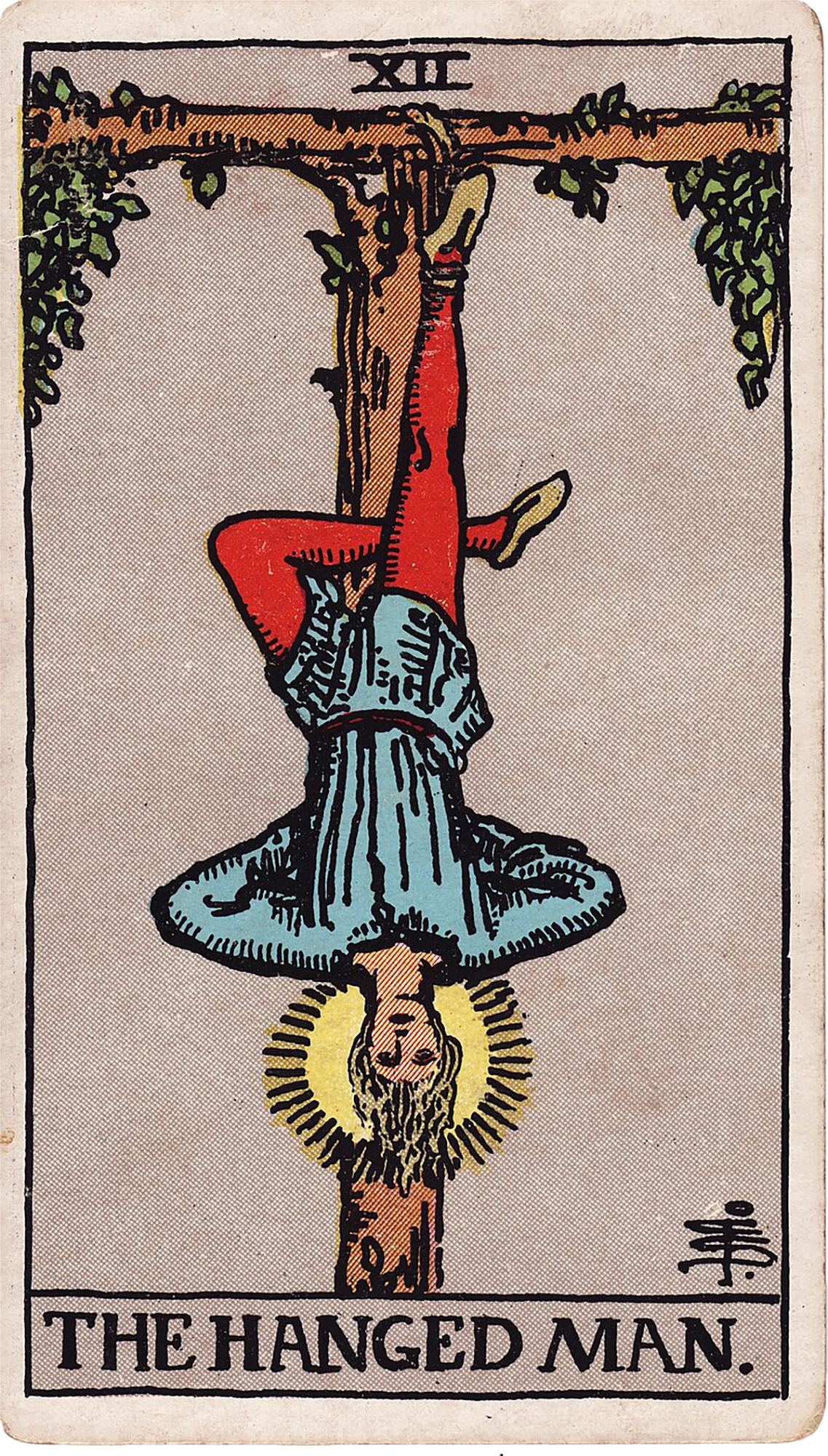 Near FutureThe Hanged Man
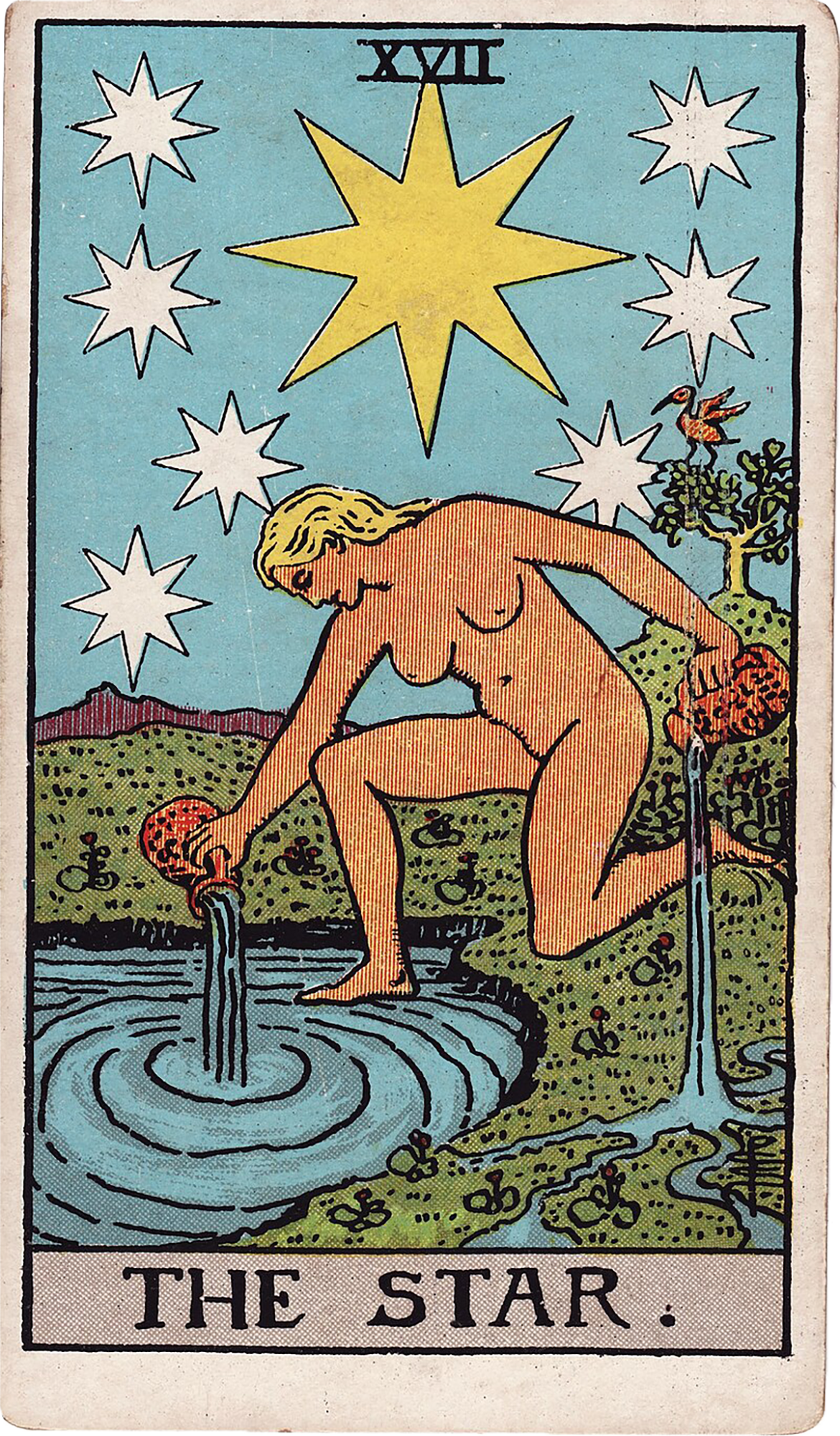 SelfThe Star
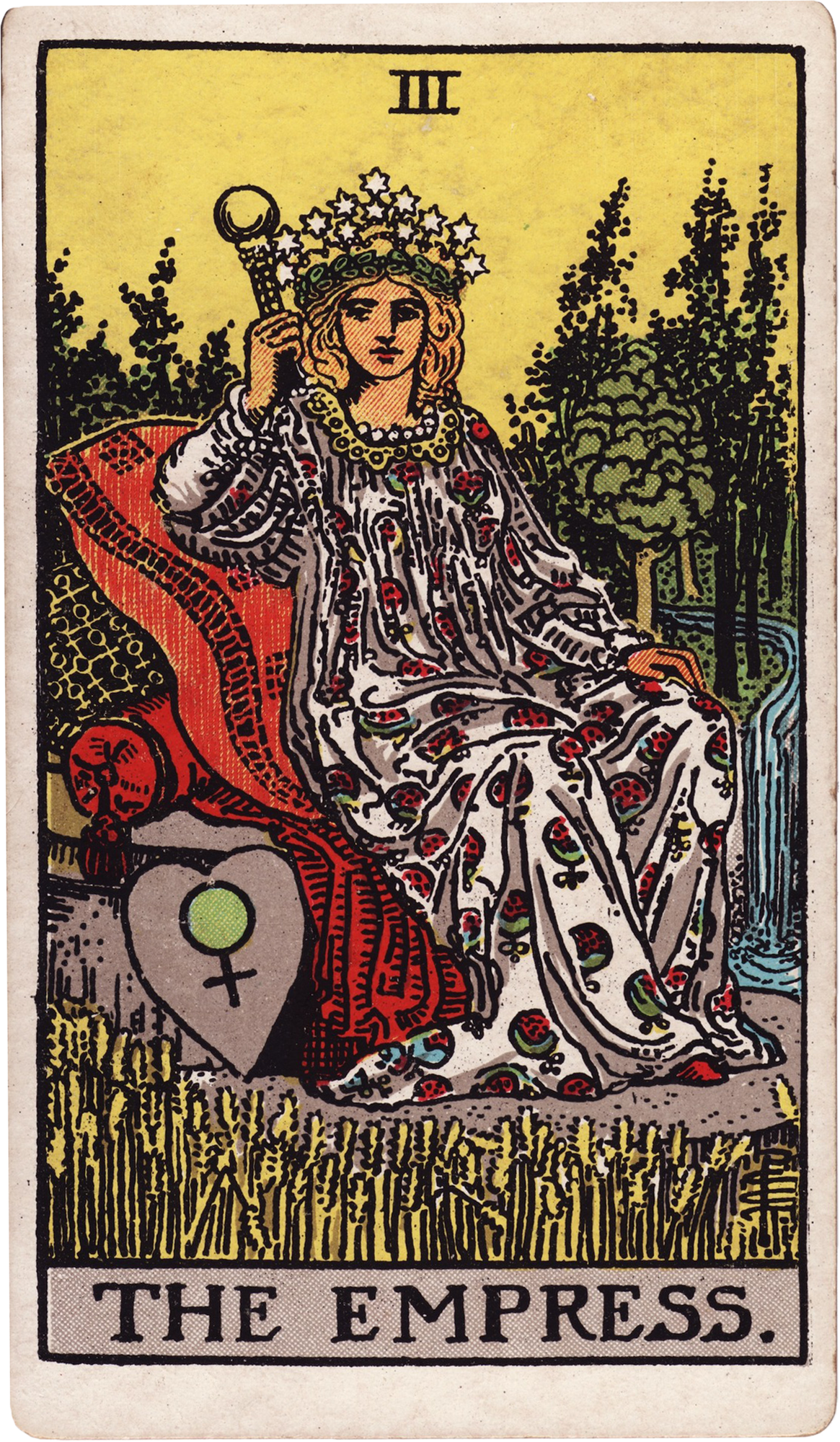 EnvironmentThe Empress
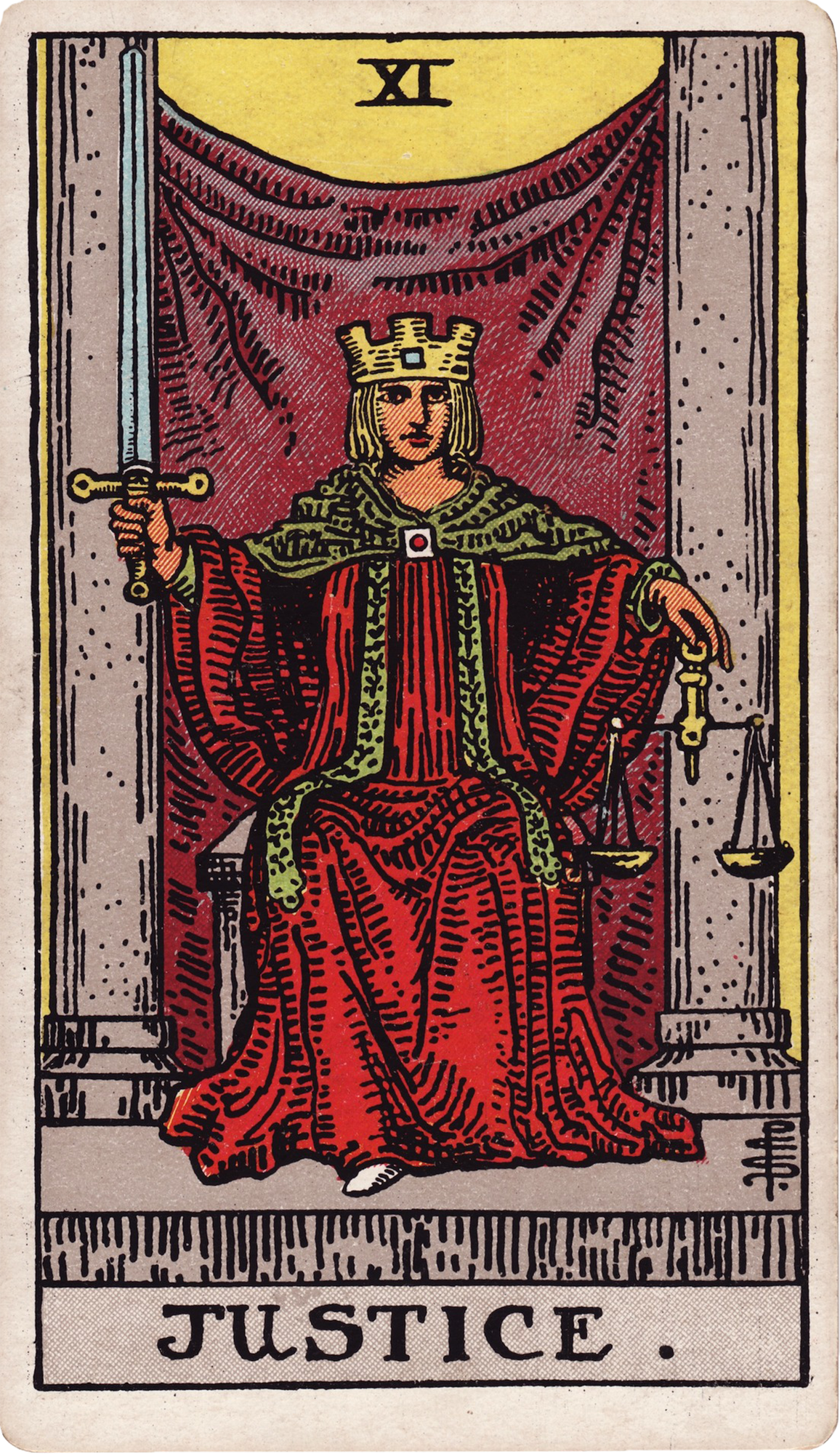 Hopes & FearsJustice
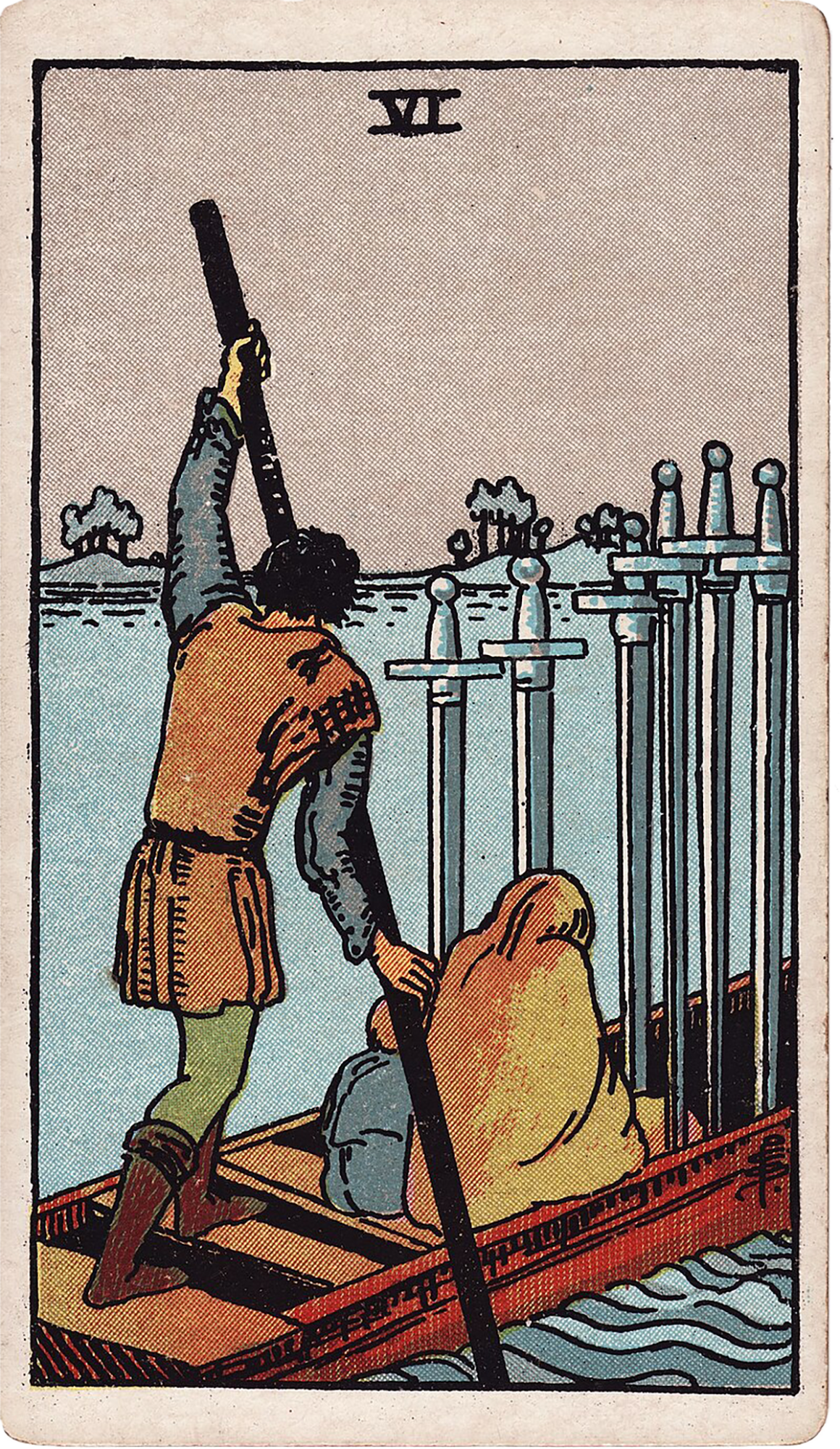 Outcome6 of Swords
Introduction
The Celtic Cross is one of the most versatile spreads for layered questions: it allows a reader to see a central issue, obstacles and supports, past context, likely unfolding, the querent’s stance, and the social field around them. When a relationship is at a turning point — a choice about staying or leaving, a redefinition of commitment, a family decision that affects many people — the Celtic Cross helps by organizing the tension into clear roles. This article is a learner’s guide and a worked example. The supplied card images (in order) are: The Empress, The Lovers, Justice, The Hanged Man, The Tower, The Star, 2 of Cups, 10 of Cups, 3 of Swords, and 6 of Swords. We will place them in the standard Celtic Cross layout with these exact position labels and read them as a coherent consult aimed at decision clarity and practical next steps. Throughout, I will anchor interpretation in Rider‑Waite symbolism (wheat, angels, scales, halos, lightning, stars, cups, boats, swords) and in the supplied upright and reversed contextual notes, so learners can see how imagery and practical meaning combine.
When to use this variation of the Celtic Cross
Use this Celtic Cross when the question is a relational turning point that requires both inner clarity and an understanding of external pressures — for example: whether to end a partnership, how to respond to a family crisis, or how to choose between competing loyalties. This layout is best when the querent wants both moral clarity and actionable steps. The spread’s combination of Major Arcana and Court/Minor suits (in this worked example we have many Majors plus Cups and Swords) is ideal for issues that mix deep values and clear communicative consequences. Expect the reading to name both “what is really at stake” (values, represented by Majors) and “what must be done” (skills, represented by Swords and Cups).
Preparing for the reading: setup and mindset
1) Question framing: Encourage a specific but open question. Instead of “Will I be happy?”, use “What needs to be decided now so I can move toward a stable family life?” or “What choice will align my values with my relationships?” 2) Physical setup: Lay the cards in the standard Celtic Cross arrangement so positions align with the labels we use here. Work in a quiet space with a journal. Keep the supplied images visible; use the Rider‑Waite details — the Empress’s throne and wheat, the Lovers’ angel, Justice’s scales — as anchors when speaking aloud. 3) Orientation: Unless a card’s orientation is clearly reversed in your deck, begin with upright interpretations and only invoke reversed meanings if a card appears reversed. In this article the supplied cards will be discussed primarily in their upright sense but I will note reversed alternatives where they change the practical advice. 4) Record keeping: Note keywords for each position, then build sentences that connect them. Use imagery to ground intangible feelings (e.g., ‘The Empress’s wheat suggests attention to what’s sustainable’).
Position-by-position walkthrough
Follow these positions in order. Each entry names the position label exactly, identifies the card placed there, explains the Rider‑Waite imagery and the supplied practical meaning, and gives specific questions to ask. 1) Present / Heart — The Empress The Empress in the Present / Heart position shows that the querent’s core motivation is to nurture growth and stability. In RWS imagery the Empress sits on a throne, surrounded by grain and a lush landscape, often with the Venus symbol nearby. The supplied note emphasizes "creating conditions in which people, projects, and relationships can grow through consistent care and attention." Practically: the querent currently cares deeply about providing safety, emotional nourishment, and a future that can flourish. Key questions: Where are you already offering care? Where is care being reciprocated? What self‑care are you missing? If the Empress were overactive, watch for smothering or overgiving (see the card's reversed wording as a diagnostic tool). 2) Challenge — The Lovers The Lovers as Challenge makes the decision itself central. RWS symbolism (an angel over two figures, a tree of knowledge) points to moral choice, attraction, and alignment between desire and values. The supplied upright meaning insists on "making a choice that aligns desire with values and accepting responsibility." In the challenge position this can look like a need to pick between two paths, to reconcile desire with long‑term values, or to face divided loyalties. Questions: What choice is being avoided? Which value must not be compromised? Is temptation clouding your long‑term view? 3) Foundation — Justice Justice in Foundation reveals that the underlying structure of the situation is about fairness, consequences, and measurable facts. RWS Justice holds scales and a sword; the supplied text stresses "looking at facts clearly, accepting consequences, and making a fair decision that can withstand scrutiny." This card as foundation suggests that legalities, promises, contracts, or moral accountability undergird the situation. Practically: decisions will have consequences that should be faced openly; ignoring this foundation risks later complications. Ask: What agreements are in place? What truth must be acknowledged for a fair outcome? 4) Recent Past — The Hanged Man The Hanged Man in Recent Past indicates a deliberate pause or perspective shift that has just occurred. In RWS the figure is suspended, often with a halo; the supplied note highlights "pausing deliberately, releasing control, and allowing a different perspective to transform understanding." This tells us the querent recently waited, surrendered a typical stance, or accepted a period of uncertainty. Consider how that pause prepared or frustrated present momentum. Ask: What perspective did that pause reveal? What has been sacrificed to gain it? 5) Possibility — The Tower The Tower in Possibility shows that a sudden truth, disruption, or necessary collapse is a real option. RWS lightning strikes a tower and figures fall: the supplied text emphasizes "responding honestly to a sudden truth, allowing false structures to fall, and rebuilding from what remains real." In a relationship turning point, the Tower might represent the reveal of a betrayal, a rupture in family narrative, or the collapse of a false assumption that must be accepted. Practically, it warns that rebuilding will likely be required if certain truths come out. Questions: What fragile structure is at risk? How would you respond if a difficult truth appears now? 6) Near Future — The Star The Star in Near Future signals a chance for healing and renewed hope. RWS imagery of a figure pouring water under a sky of stars signals replenishment. The supplied text says the Star emphasizes "allowing hope to return, acting from authenticity, and rebuilding confidence through openness and steady renewal." After the Tower possibility, the Star promises repair and steadier energy if authenticity is pursued. Questions: What small, regular actions will rebuild trust? Where can you practice openness that restores confidence? 7) Self — 2 of Cups 2 of Cups in the Self position shows how the querent is approaching the issue: seeking reciprocity and mutual recognition. The RWS image of two people exchanging cups signals meeting each other honestly. The supplied upright meaning highlights "reciprocity and mutual recognition" and a practical request to act proportionately to the present stage. This suggests the querent’s strategy is to repair or test whether feelings are mutual through honest exchange. Ask: Are you seeking balanced give‑and‑take or projecting hope onto another? What small reciprocal gesture would test the partnership? 8) Environment — 10 of Cups 10 of Cups as Environment points to family dynamics, social expectations, or domestic aims. The RWS card shows a rainbow and a family in a pastoral scene; the supplied upright meaning highlights "shared emotional fulfillment, belonging and the possibility of a stable atmosphere of love and mutual support." As environment, it says the querent is influenced by the ideal of family harmony or external pressure to reach that ideal. It can mean others (children, extended family, community) value continuity. Ask: Which external expectations affect your decision? How much of the pressure is internalized desire for the ideal? 9) Hopes & Fears — 3 of Swords 3 of Swords in Hopes & Fears makes the core ambivalence explicit: the desire to face painful truth and the fear of heartbreak are entangled. RWS shows a heart pierced by three swords; the supplied upright notes "pain that is clear enough to name" and also, in reversal, recovery. Here the querent both fears the hurt that truth may bring and hopes that naming the pain will lead to honest healing. Question to ask: Are you hoping that truth will free you, or fearing that it will destroy what you value? 10) Outcome — 6 of Swords 6 of Swords in Outcome points toward movement away from difficulty toward calmer ground. The RWS card shows a boat carrying figures across water, leaving a storm behind. The supplied upright meaning emphasizes "movement away from difficulty, often with sadness still present; transition can be necessary before full healing is possible." As an outcome, the card suggests a transition — whether that is a negotiated separation, a careful reconfiguration of the relationship, or a mental move away from toxic patterns. Expect solace mixed with lingering sadness. Ask: What practical steps are needed to make the transition safe and constructive?
Card-to-card relationships: reading the story
Interpreting cards in isolation is useful, but a Celtic Cross becomes powerful when you weave relationships between positions. Here are the central interactions in this layout, with practical reading logic. Empress (Present) ↔ Lovers (Challenge): Nurture versus choice. The Empress wants to sustain and cultivate; the Lovers demand a clear, value‑aligned decision. The tension: do you preserve the relationship at any cost, or choose the path that aligns with core values even if it disrupts care? Ask which form of care preserves integrity and which merely preserves appearances. Justice (Foundation) anchoring Empress+Lovers: Justice says that facts and fairness ground this nurturing desire and the choice at hand. This suggests the choice must be accountable — legal, moral, or contractual considerations will shape what an ethical, lasting decision looks like. The practical implication: before acting from emotion, inventory obligations and likely consequences. Hanged Man (Recent Past) → The Tower (Possibility) → The Star (Near Future): A movement narrative. The recent pause (Hanged Man) has changed perspective; that new vantage makes previously hidden instability visible (Tower as possibility). If the Tower’s disruption happens and is met honestly, healing begins (Star). This sequence suggests a workable path: pause → reveal → rebuild. The operative skill is seeing the Tower not only as catastrophe but as an opportunity to clear illusions that block authenticity. 2 of Cups (Self) ↔ 10 of Cups (Environment): Personal reciprocity meets family ideal. The querent approaches the turning point wanting two‑person reciprocity, while the environment pressures for collective harmony. If the two are aligned the outcome can be constructive; if misaligned, the querent may sacrifice personal reciprocity to meet the family ideal, which risks resentment. 3 of Swords (Hopes & Fears) over 6 of Swords (Outcome): The querent fears honest pain but also hopes it will enable passage. This pairing suggests that naming the heartbreak is cathartic and necessary to move toward calmer waters. The reader’s job is to help the querent see grief as a vehicle toward transition rather than an endpoint to avoid. Justice interacting with 6 of Swords: If Justice underlies the spread and 6 of Swords is the outcome, then transitions will be shaped by consequences and fairness — e.g., fair separation terms, acknowledged responsibilities during transition, or a public truth that frames the move. This ties ethical clarity to practical exit strategies.
Synthesis: what this reading recommends for decision clarity
Pulling the threads together, the spread says: your heart wants to nurture (Empress), but you are at a moral choice point (Lovers) grounded in consequences (Justice). You have recently stopped to look again (Hanged Man); that awareness makes a disruptive truth possible (Tower), but if handled with honesty it leads to repair and renewed hope (Star). You personally aim for mutual recognition (2 of Cups) while your environment prizes family stability (10 of Cups). You are both afraid of and hoping for the truth to be named (3 of Swords), and the likely result — if you act with fairness and courage — is a transition toward calmer water (6 of Swords). Actionable takeaways for the querent: - Clarify values before acting: use the Lovers as a checklist of non‑negotiables. Name the values that must not be compromised. - Inventory obligations and likely consequences: let Justice inform practical logistics (agreements, financials, children, household stability). - Use the Hanged Man’s pause constructively: schedule a nonreactive moment to prepare for difficult conversations rather than reacting under pressure. - Prepare for the possibility of necessary disruption (Tower) and plan rebuilding actions (small rituals, honest disclosures, safety nets) to activate the Star’s healing energies. - Test reciprocity with a small, honest exchange (2 of Cups), rather than mounting grand gestures. See if others respond in kind. - Manage expectations from the environment: be explicit about the difference between idealized harmony (10 of Cups) and reality; negotiate practical supports. - Allow grief if it occurs (3 of Swords). Grief is not failure; it often precedes the movement represented by 6 of Swords. Create space for mourning as part of transition.
Step-by-step method learners can reproduce
1) Prepare: Quiet space, journal, set an intention question focused on decision clarity in a relationship context. 2) Shuffle and draw: Shuffle while holding the question. Draw ten cards and lay them in the Celtic Cross order matching these labels: Present / Heart; Challenge; Foundation; Recent Past; Possibility; Near Future; Self; Environment; Hopes & Fears; Outcome. 3) Observe imagery: For each card, look at Rider‑Waite details — posture, landscape, symbolic objects (wheat, angel, scales, halo, lightning, stars, cups, boats, swords). Jot down 2–3 immediate image keywords. 4) Read positional meaning: Use the position to frame the card’s supplied meaning. Ask the specific position question listed in the walkthrough for each card. 5) Build connections: Find direct pairs (Present ↔ Challenge, Foundation ↔ Outcome, Recent Past → Possibility → Near Future, Self ↔ Environment, Hopes & Fears → Outcome). Write one sentence per pair that links image + position. 6) Synthesize action steps: Translate narrative into 3 practical next steps. Prefer concrete actions (schedule a conversation, consult legal aid, set financial boundaries, plan counseling session, create a safety plan) rather than vague advice. 7) Check reversals: If a card is reversed, read the supplied reversed note to see whether the energy is blocked, internalized, or delayed. Ask how that blocked energy can be unblocked practically. 8) Close the reading: Summarize the central choice, the consequences, and the immediate next action. Encourage the querent to journal their feelings after 24–48 hours and revisit the spread.
Common mistakes and troubleshooting
Mistake: Reading only the Majors and ignoring minors. In this layout the Majors show the staging (values, revelations) but Cups and Swords show how feelings and communication will operate. Remedy: Treat suit cards as instructions for technique and timing. Mistake: Forcing a single narrative. The Celtic Cross can support multiple plausible outcomes; pick the one that best fits evidence and ask clarifying questions if unsure. Remedy: Use the Foundation and Environment to adjudicate competing stories. Mistake: Skipping the Hopes & Fears. This position often reveals the querent’s internal block or wish that shapes their choices. Remedy: Ask whether the querent is acting from fear of pain (3 of Swords) or hope for liberation, and design steps to contain grief. Mistake: Letting wishful thinking flatten Justice. When Justice appears in Foundation, consequences matter. Remedy: Make a checklist of facts and practical obligations before deciding. Mistake: Ignoring timing and logistics. Cards like 6 of Swords point to a process rather than an instant fix. Remedy: Convert the reading into a short timeline of steps (e.g., pause and prepare → honest disclosure → negotiated transition → grief work → move). Troubleshooting: If the reading feels contradictory, prioritize higher order principles: Justice (foundation) often beats personal desire when legal or financial obligations are real. If Empress and 10 of Cups are out of alignment, focus on balancing self‑care with external expectations rather than immediate compromise.
Practice exercise and worked example synthesis
Use the supplied cards as a practice reading for a hypothetical querent: they want to know whether to stay in a long partnership that feels strained. Keywords from each position: Present / Heart — The Empress: nurture, provision, desire to sustain. Challenge — The Lovers: a decisive choice, values versus desire. Foundation — Justice: agreements, consequences, need for fairness. Recent Past — The Hanged Man: a deliberate pause, new perspective. Possibility — The Tower: potential reveal or needed collapse. Near Future — The Star: healing if authentic choices follow. Self — 2 of Cups: desire for reciprocal repair. Environment — 10 of Cups: pressure for family harmony. Hopes & Fears — 3 of Swords: fear of heartbreak, hope that truth frees. Outcome — 6 of Swords: transition toward calmer ground. Reading synthesis and concrete plan: 1) Values checklist (Lovers + Justice): List the non‑negotiables (child welfare, financial responsibility, safety) that must be preserved. Gather facts (legal, financial) to see what Justice requires. 2) Use the pause (Hanged Man) to script a difficult conversation. Prepare to name what needs changing rather than attacking personality. Accept that naming may produce a Tower moment but that is part of clearing illusions. 3) Test reciprocity (2 of Cups): Initiate a small, honest exchange — a request that asks for equivalent accommodation. See if your partner responds with mutuality; this is a practical probe. 4) Plan for family dynamics (10 of Cups): If children or extended family are involved, outline how to preserve stability during transition (school schedules, financial planning, shared responsibilities). 5) Allow grief (3 of Swords): Arrange support — a friend, therapist, or ritual — to process the hurt so you can move (6 of Swords) with clarity. 6) Rebuild with steady acts (Star): Commit to daily practices that restore trust and sense of self (consistent communication routines, transparent accounting of logistics, or therapeutic support). This exercise shows how the reading is both diagnostic (what’s true and why) and prescriptive (what to do next).
Closing notes: ethics, learner tips, and next steps
Ethics: Read sensitive relationship spreads with humility. Never coerce a choice. When readings reveal potential harm (abuse, coercion), prioritize safety planning and professional resources over interpretive nuance. Learner tips: - Keep an image journal: paste the RWS card images and write one sentence that connects the image to your own life examples. That trains visual associations. - Practice the pairing rules above (Present ↔ Challenge, Recent Past → Possibility → Near Future, Self ↔ Environment, Hopes & Fears → Outcome) until they feel natural. - Use clarifiers sparingly to focus on obstacles (e.g., card 2 or 5) but take care to not overload the querent. Next steps for study: Re‑read this worked example while viewing each supplied image. Note how a single symbol (a halo on The Hanged Man, the scales on Justice, the rainbow on 10 of Cups) can pivot your practical advice. Practice three live readings with friends or journal clients, focusing only on building action steps from each spread. Remember: This method is designed to create decision clarity — not to dictate fate. Use the cards as lenses that reveal values, facts, and actionable pathways. The images are anchors; your job as a reader is to translate them into honest, proportionate steps the querent can take now.
Practice questions
• What core value from The Lovers feels non‑negotiable for you, and how would honoring it change your current path?
• Where in your life are you acting from The Empress’s impulse to nurture at the cost of your own boundaries?
• What specific facts does Justice demand you acknowledge before making a decision?
• How did a recent Hanged Man moment (pause or surrender) change your perspective on this relationship?
• If a Tower moment occurred, what would you want to preserve and what could be allowed to fall away?
• What small reciprocal action could you take now to test whether mutual support (2 of Cups) exists?
• Which aspects of the 10 of Cups ideal are motivating you and which are pressure imposed by others?
• How can you create a grief ritual (3 of Swords) that safely allows you to move toward the 6 of Swords transition?
• What immediate practical step will you take in the next 48 hours to align action with the reading’s guidance?
• If a card appeared reversed in your own reading, how might that block or delay the expected development?
Comments
Sign in to comment.
Continue learning
Mastering Decision Making with the Five Card Cross Tarot Spread
The Five Card Cross Tarot Spread is a powerful tool for deepening decision-making skills by examining the present situation, past influences, future possibilities, challenges, and...
Exploring The High Priestess in Career Relationships and Personal Growth
The High Priestess card in the tarot deck invites readers to explore intuition, hidden knowledge, and inner wisdom across various life contexts. This article examines how The High...
Understanding The Chariot Card in Personal Ambition and Overcoming Obstacles
The Chariot card represents the power of focused will, disciplined action, and choosing a clear direction amid competing impulses. Upright, it encourages decisive steps forward usi...
Enhancing Clarity in Complex Choices with the Five Card Cross Tarot Spread
The Five Card Cross Tarot Spread is a practical tool designed to clarify complex choices by breaking down the decision into manageable parts. This article explores each position in...
Using the Five Card Cross Tarot Spread to Navigate Career Changes with Confidence
The Five Card Cross Tarot Spread is a versatile and insightful tool for navigating career changes. This article guides learners through the method step-by-step using a practical ex...
Understanding The Hermit in Self Discovery and Spiritual Enlightenment
The Hermit card in the Rider-Waite-Smith deck embodies themes of introspection, solitude, and spiritual wisdom. This article examines how The Hermit's upright and reversed position...
Using the Five Card Cross Spread to Make Confident Life Decisions
The Five Card Cross spread is a practical and insightful tarot layout designed to assist with complex life decisions by clarifying the situation, presenting options, uncovering hid...
Unlocking Emotional Depth with The Moon and The Lovers in Tarot Combinations
This article delves into the nuanced interplay between The Moon and The Lovers tarot cards, emphasizing how their combination unlocks emotional depth and complexity. By examining u...
Making Confident Life Choices with the Five Card Cross Tarot Spread
The Five Card Cross Tarot Spread is a powerful tool designed to aid practical decision-making, particularly within family or life-altering situations. This article explains the spr...
Using the Five Card Cross Tarot Spread to Gain Confidence in Difficult Decisions
The Five Card Cross spread is a powerful practical tool for navigating difficult decisions with confidence. By placing cards in positions representing Situation, Option A, Option B...