
Using the Five Card Cross Tarot Spread to Enhance Conflict Resolution Skills
The Five Card Cross Tarot Spread is an effective tool for personal insight and conflict resolution, particularly in family or practical relational settings. This article guides learners through the spread positions—Present, Past, Future, Challenge, and Advice—using the cards Strength, Justice, The Hanged Man, Temperance, and The Devil. Each card's symbolism is explored in context, showing how the spread reveals dynamics of conflict, emotional patterns, and pathways toward healthier communication and resolution. By mastering this spread, readers can foster clarity, patience, fairness, and self-awareness to navigate difficult conversations constructively.
Five Card Cross
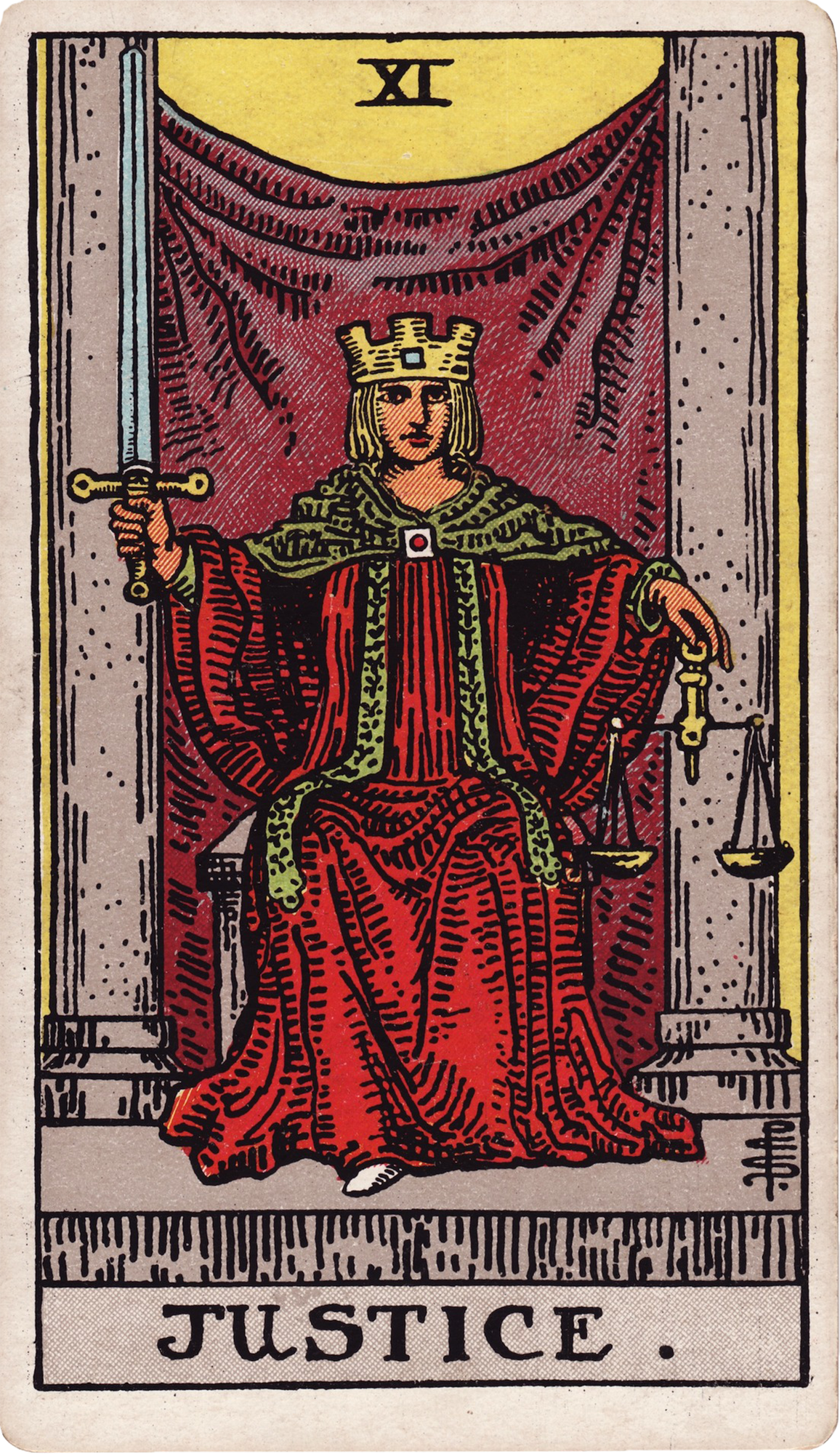 PresentJustice
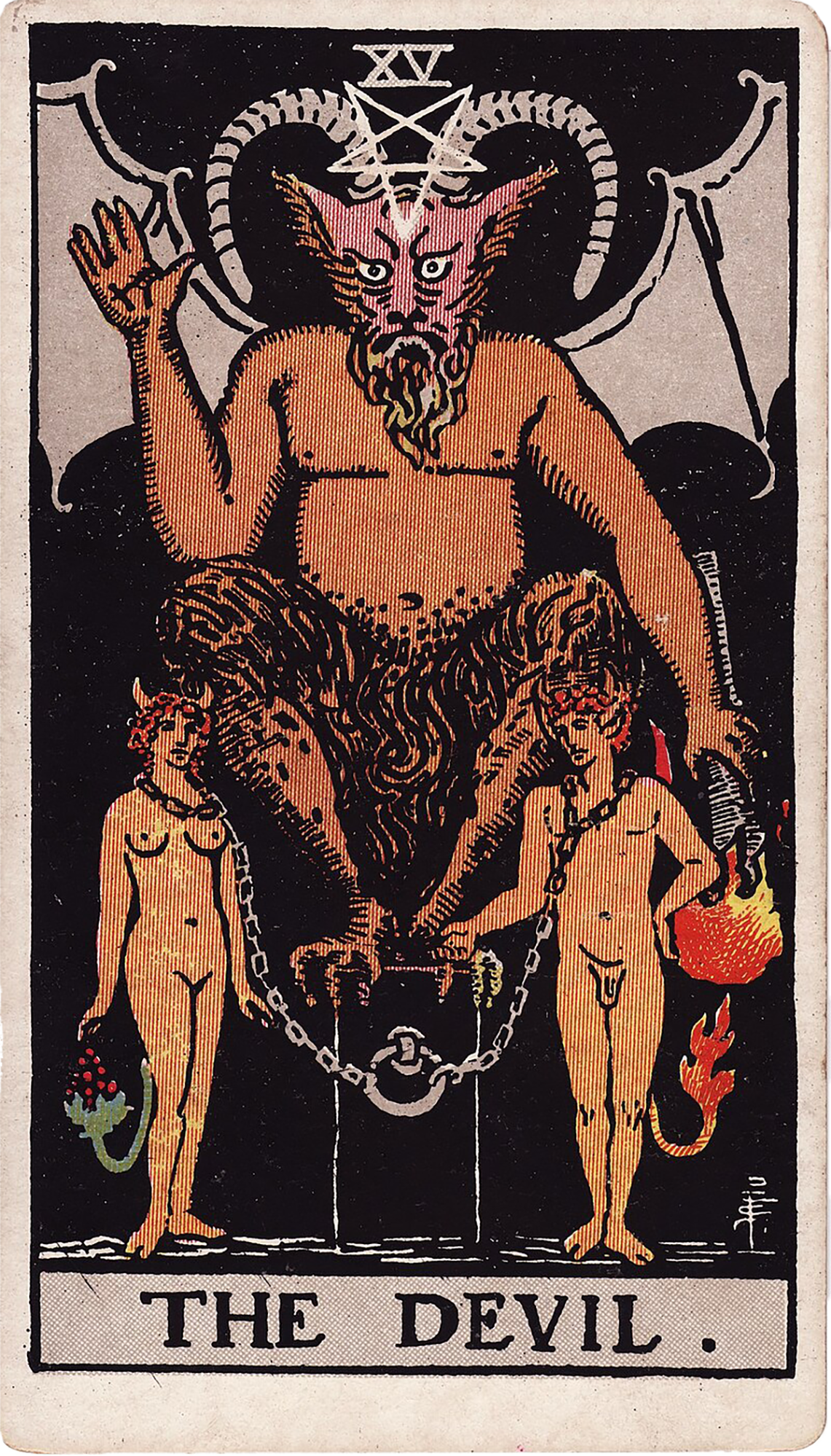 PastThe Devil
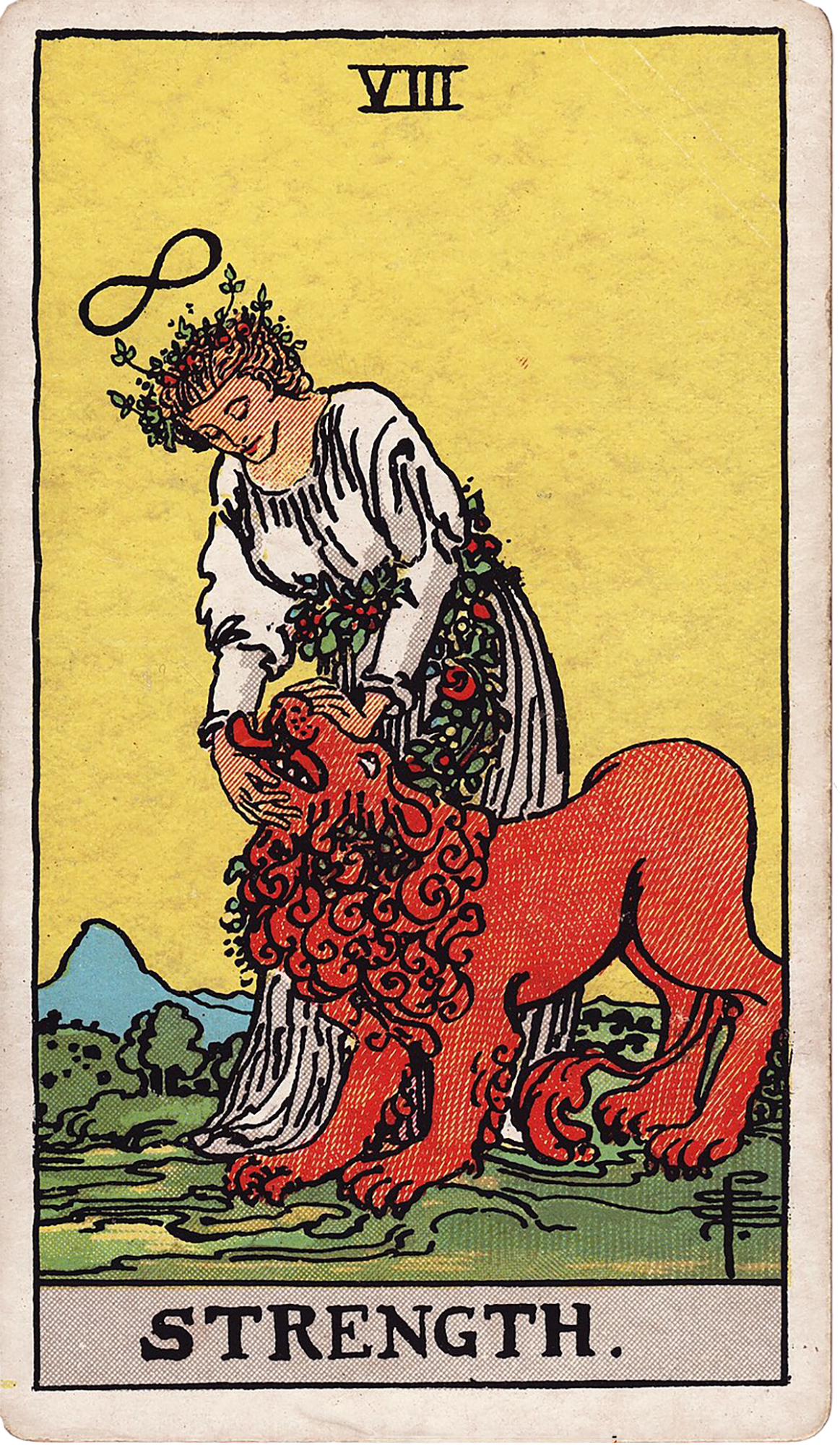 FutureStrength
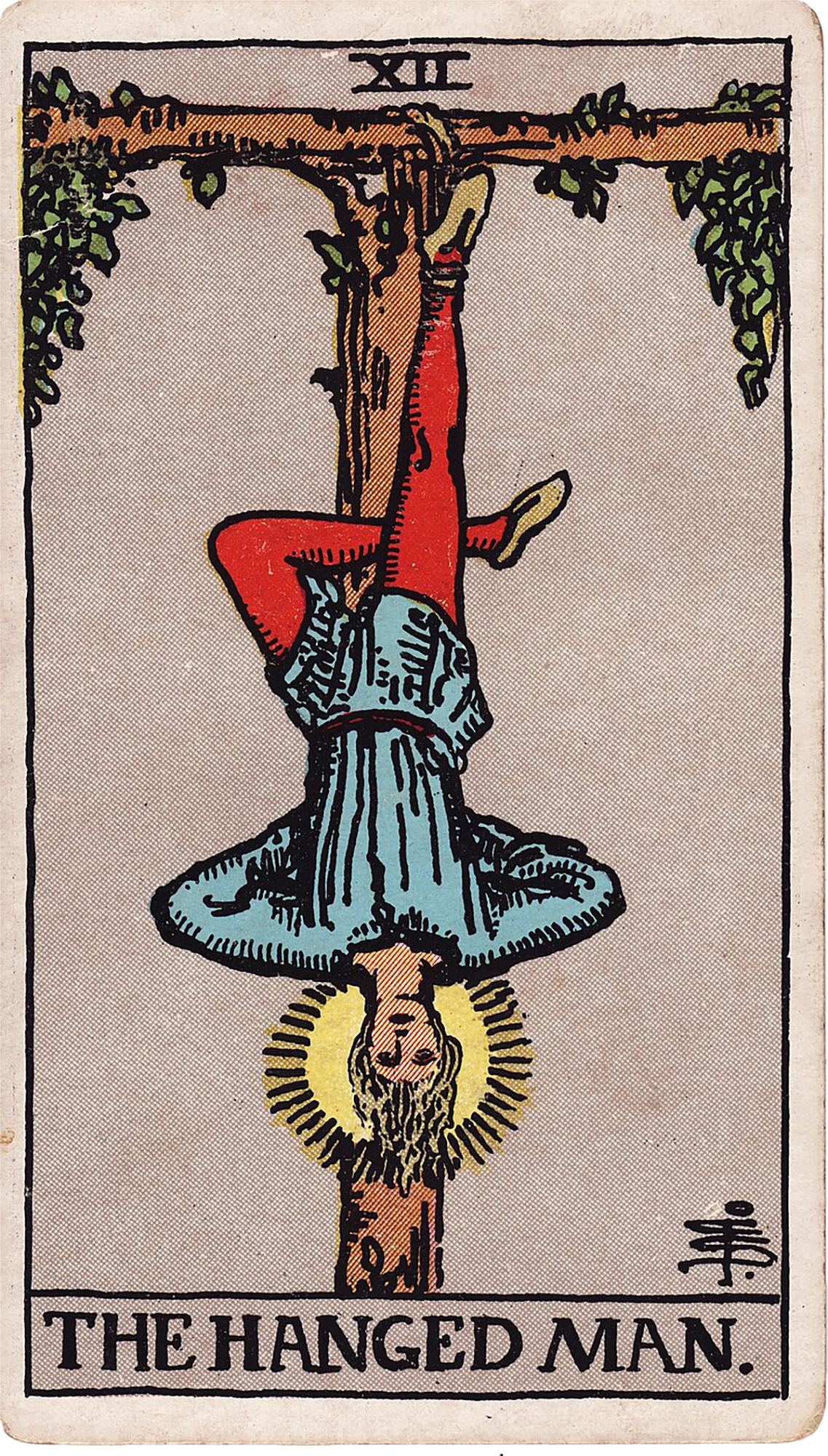 ChallengeThe Hanged Man
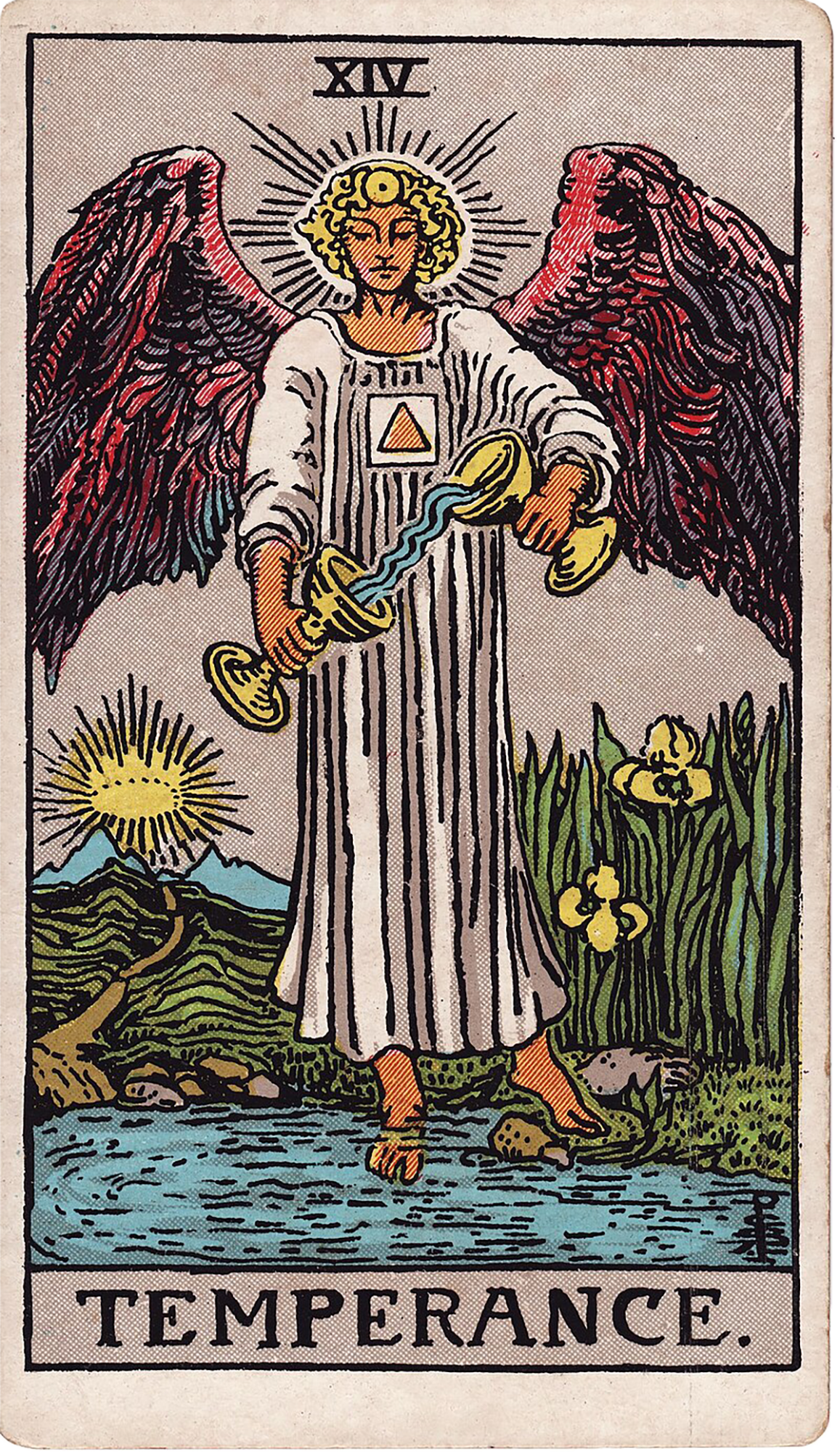 AdviceTemperance
Introduction to the Five Card Cross Tarot Spread and Conflict Resolution
Conflict is an inevitable part of human relationships, especially within family dynamics where emotions can run deep and histories are intertwined. The Five Card Cross Tarot Spread offers a structured yet flexible approach to uncovering the layers of conflict, illuminating unseen influences, and identifying actionable steps toward resolution. Unlike larger spreads, the five-card layout balances depth with clarity, making it practical for learners and readers who want to focus on conflict issues without becoming overwhelmed. Each card in the cross corresponds to a dimension of the conflict experience: the Present situation, Past influences, Future possibilities, the core Challenge, and the Advice to move forward. This article will guide you through the spread’s technique and interpretation using five major arcana cards—Strength, Justice, The Hanged Man, Temperance, and The Devil—each rich in symbolism relevant to family conflict.
Technical Setup and How to Perform the Spread
To perform the Five Card Cross spread, shuffle your deck with the question or situation in mind, for example, 'How can I better resolve the current conflict with my family member?' Lay out five cards in the familiar cross shape: the Present card in the center, Past card to the left, Future card to the right, Challenge card above the center, and Advice card below. This spatial arrangement helps visualize the temporal flow and focal tension points of the conflict. When interpreting, begin with the Present card to understand the current state of affairs. Move leftward to Past to identify historical or background factors. Then look right to Future for the trajectory of the conflict if current patterns continue. The top Challenge card highlights the primary obstacle or tension preventing resolution. Finally, the Advice card below offers guidance or actions to shift the situation. Common beginner mistakes include reading cards in isolation or skipping the relational dynamic between positions. It is crucial to see how cards interact — how the Past informs the Present, or how the Challenge contrasts with the Advice. Also, avoid jumping to immediate outcomes; instead, focus on understanding psychological and emotional currents to empower conscious choices.
Present Position with Strength Upright
The Present card, Strength, depicts a figure calmly taming a lion, symbolizing inner courage, patience, and controlled power. Upright, Strength encourages meeting intense emotional situations with calm and respect rather than fear or force. In family conflict, this card suggests that the current atmosphere demands self-restraint and honest, gentle assertiveness. Strength here indicates that the conflict has become visible enough to engage consciously. The querent is likely being called to embody patience and deliberate choice. Instead of reacting impulsively or withdrawing, the card’s imagery teaches the value of direct but respectful communication. The present moment is ripe for setting clearer boundaries or responding with honesty, yet requires ongoing emotional regulation to avoid escalation.
Past Position with Justice Upright
Justice upright in the Past position reveals that fairness, accountability, or balancing of truths has been a significant factor influencing the conflict. This card traditionally symbolizes clarity, moral responsibility, and the consequences of actions. In family disputes, it may point to past efforts to weigh facts fairly or decisions that shaped current tensions. Justice’s presence in the past reminds the reader that the roots of conflict often lie in how past grievances were addressed or ignored. Perhaps there was a call for truth that was only partially answered, or an imbalance that went uncorrected. This card invites reflection on how fairness was sought and whether accountability was embraced or resisted by parties involved. Understanding this backstory is key to seeing what patterns need correction or acknowledgment.
Future Position with The Hanged Man Upright
The Hanged Man card, upright in the Future position, suggests a need for deliberate pause and perspective shift in the unfolding conflict. It depicts a figure suspended upside-down, serenely observing the world from an altered vantage point. This signals that resolution may require letting go of control or habitual reactions. Anticipating the future, this card advises embracing surrender—not as defeat but as an opportunity to transform understanding. It encourages the querent to explore empathy and new viewpoints before acting. Waiting and reflecting may feel frustrating, but The Hanged Man promises that this pause can open pathways to breakthrough insight and meaningful change in family dynamics.
Challenge Position with Temperance Upright
Temperance, upright in the Challenge position, highlights the difficulty of achieving balance, moderation, and integration amidst conflict. The imagery of an angel blending water between cups symbolizes the artful combining of opposing elements into harmony. Here, the card suggests that the querent or parties involved struggle with coordinating different needs, emotions, or perspectives in a way that feels stable and fair. As a challenge, Temperance calls attention to potential impatience, extremes, or unclear boundaries undermining progress. It may indicate that attempts at reconciliation are premature or superficial without deeper skill in emotional regulation and negotiation. Overcoming this challenge means cultivating steady integration and recognizing the value of incremental, skillful compromise.
Advice Position with The Devil Upright
The Devil card in the Advice position may feel unsettling but offers crucial insight about the nature of attachments and fears fueling conflict. Upright, The Devil reveals patterns of unhealthy fixation, denial, or fear-based behaviors that bind parties into repetitive cycles. It encourages naming these shadow dynamics honestly. As advice, The Devil invites the querent to recognize where desires, fears, or power imbalances have become forms of bondage. Identifying these invisible chains can empower conscious choices to break free from unhelpful patterns. This card does not promise an easy solution but stresses the importance of transparency, facing uncomfortable truths, and reclaiming autonomy within the relational conflict.
Interpreting Card-to-Card Relationships in the Spread
Interpreting this Five Card Cross spread benefits greatly from examining how cards relate across positions. Strength (Present) builds on the foundation of Justice (Past), emphasizing that current courage and patience are responses to previous demands for fairness and accountability. The tension between Temperance (Challenge) and The Devil (Advice) frames the struggle: while Temperance urges balanced integration, The Devil exposes the underlying attachments preventing that harmony. The Hanged Man (Future) offers a bridge between these energies, suggesting that the path forward involves a conscious pause and perspective shift. This pause allows the querent to disentangle from the compulsions highlighted by The Devil and cultivate the measured moderation Temperance seeks. Together, the cards narrate a conflict resolution journey: grounded in past fairness, navigating present emotional strength, challenged by the need for balance, enlightened by facing shadow attachments, and transformed through intentional surrender and new perspectives.
Practical Tips for Applying the Five Card Cross in Family Conflict Readings
To reproduce the Five Card Cross spread effectively in practical family or relational conflict readings: 1. Frame the question clearly, focusing on understanding and resolution rather than prediction. 2. Approach the reading with an open, non-judgmental mindset, inviting insight rather than blaming. 3. Use the spatial positions to maintain structure—each card answers a specific inquiry about timing and function. 4. Engage deeply with card imagery, recalling Rider-Waite-Smith symbols such as the lion’s calm in Strength, scales in Justice, or the inverted figure of The Hanged Man. 5. Pay attention to card orientations (upright/reversed) as they nuance the energy—here all cards are upright, emphasizing accessible qualities rather than blockages. 6. Consider the emotional tone of the spread as a whole: is the querent being called to patience, honesty, balance, or release? 7. Use the Advice card not as a command but as a thoughtful suggestion to integrate into communication or behavior. Common pitfalls include overinterpreting single cards without context, forcing positive outcomes, or neglecting the querent’s lived reality. Instead, focus on the cards as lenses to illuminate internal and external dynamics, helping those involved to gain clarity and agency.
Conclusion and Encouragement for Learners
The Five Card Cross Tarot Spread, when applied with care and respect for its symbolism and structure, is a powerful educational tool for enhancing conflict resolution skills. Through the example of Strength, Justice, The Hanged Man, Temperance, and The Devil, learners can appreciate how tarot reveals complex emotional and relational patterns, encourages perspective shifts, and guides deliberate action. By practicing this spread regularly with real or hypothetical scenarios, readers develop the ability to hold space for difficult emotions, identify hidden influences, and approach family conflict with balanced courage and insight. Remember that tarot is not about predicting fixed outcomes but about fostering deeper awareness and empowering transformative choices. The qualities highlighted by these cards—courage, fairness, surrender, moderation, and truth—are foundational to healing and growth in any relationship.
Practice questions
• How can embodying the qualities of Strength help me remain calm during emotionally intense family conflicts?
• In what ways have past experiences influenced my current approach to fairness and accountability in relationships?
• What new perspectives might I gain by intentionally pausing and reflecting before reacting to conflict?
• Where might imbalance or impatience be preventing me from finding harmony in difficult conversations?
• What attachments or fears am I avoiding that might be perpetuating conflict dynamics?
• How can I apply the Advice card’s message constructively without forcing immediate change?
Comments
Sign in to comment.
Continue learning
Interpreting the Dance of Justice and The Devil: Balancing Morality and Temptation in Tarot Readings
The combination of Justice and The Devil in tarot presents a profound exploration of morality, temptation, and personal accountability. This article unpacks how these cards influen...
Mastering Decision Making with the Five Card Cross Tarot Spread
The Five Card Cross Tarot Spread is a powerful tool for deepening decision-making skills by examining the present situation, past influences, future possibilities, challenges, and...
Enhancing Clarity in Complex Choices with the Five Card Cross Tarot Spread
The Five Card Cross Tarot Spread is a practical tool designed to clarify complex choices by breaking down the decision into manageable parts. This article explores each position in...
Using the Five Card Cross Spread to Make Confident Life Decisions
The Five Card Cross spread is a practical and insightful tarot layout designed to assist with complex life decisions by clarifying the situation, presenting options, uncovering hid...
Making Confident Life Choices with the Five Card Cross Tarot Spread
The Five Card Cross Tarot Spread is a powerful tool designed to aid practical decision-making, particularly within family or life-altering situations. This article explains the spr...
Using the Five Card Cross Tarot Spread to Gain Confidence in Difficult Decisions
The Five Card Cross spread is a powerful practical tool for navigating difficult decisions with confidence. By placing cards in positions representing Situation, Option A, Option B...
Using the Five Card Cross Spread to Gain Clarity in Difficult Life Decisions
The Five Card Cross Spread is a structured tarot layout designed to help clarify challenging life decisions by examining the situation, options, hidden influences, and advice. This...
Using the Five Card Cross Spread to Clarify Complex Decisions
The Five Card Cross Spread is a practical tarot method designed to clarify complex decisions by laying out the situation, contrasting options, hidden factors, and advice. This arti...
Using the Five Card Cross Spread to Gain Insight into Relationship Dynamics
This article provides an in-depth guide to using the Five Card Cross Spread for gaining clarity on relationship dynamics, especially within family contexts. Anchored by a worked ex...
Using the Five Card Cross Spread to Make Balanced and Informed Life Decisions
The Five Card Cross Spread is a powerful Tarot layout designed to aid balanced and informed decision-making. This article teaches learners how to use this spread effectively, focus...