
Using the Five Card Decision Spread for Effective Conflict Resolution and Balanced Outcomes
The Five Card Decision Spread is a practical Tarot technique to explore complex decision-making, especially in conflict resolution contexts like family disputes. This article uses a worked example with The Hierophant, Knight of Wands, 6 of Swords, 10 of Swords, and 9 of Pentacles to demonstrate how to understand each card’s role in the spread. We explore how to interpret card positions, their relationships, and constructive ways to guide balanced outcomes. Learners will gain step-by-step instructions, common pitfalls, and methods to confidently use the spread for real-world practical readings.
Decision Five
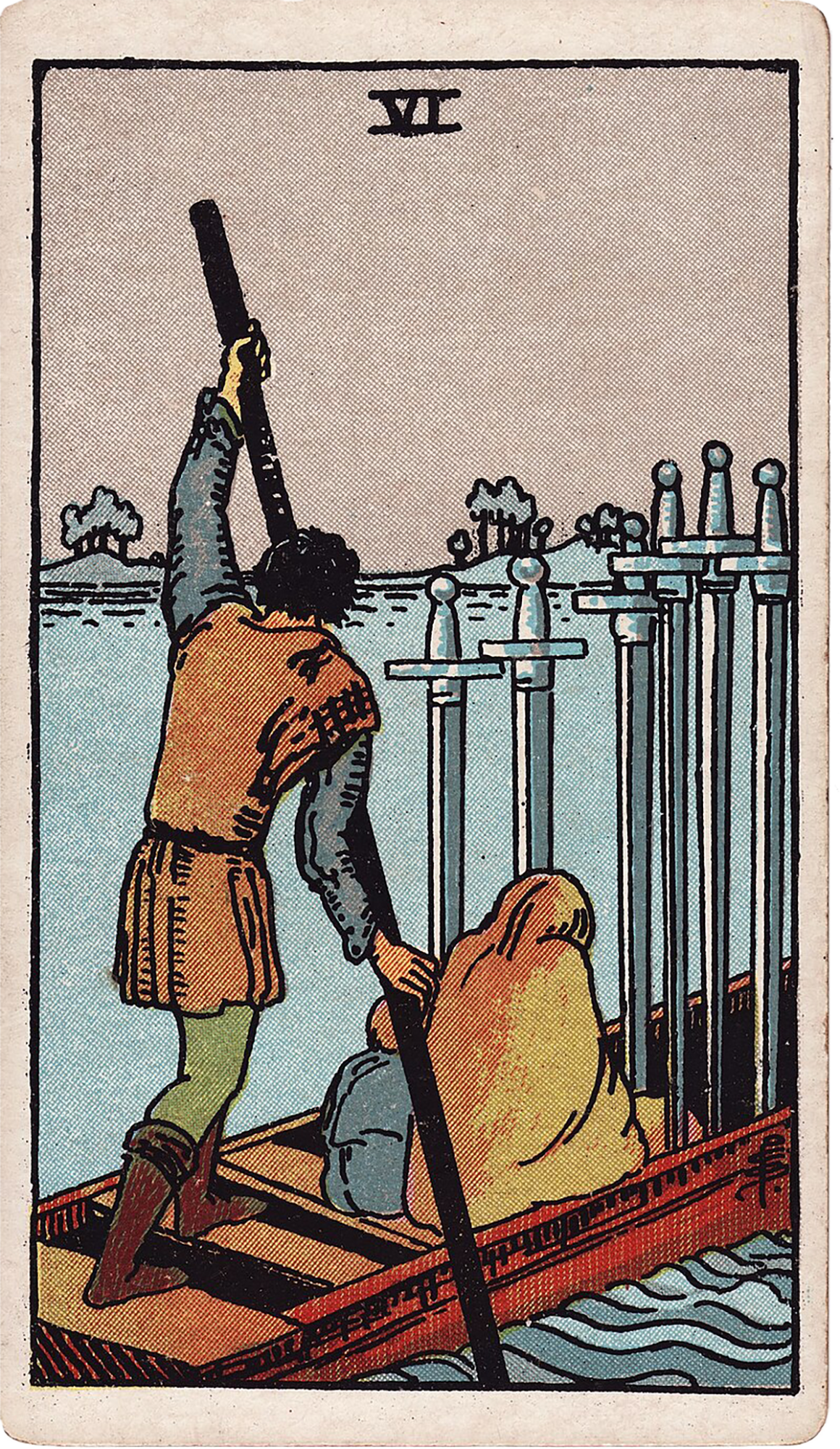 Situation6 of Swords
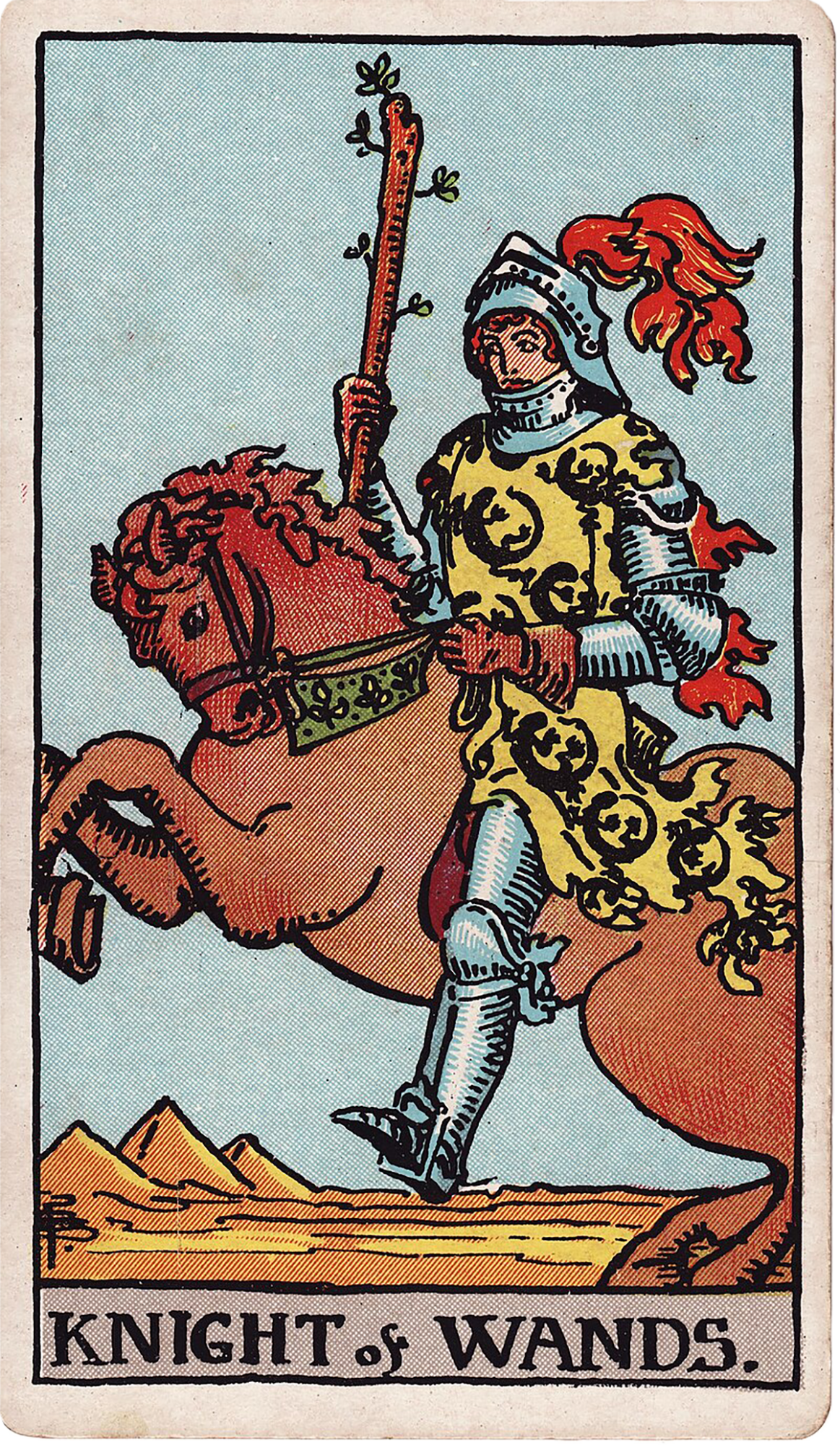 Option AKnight of Wands
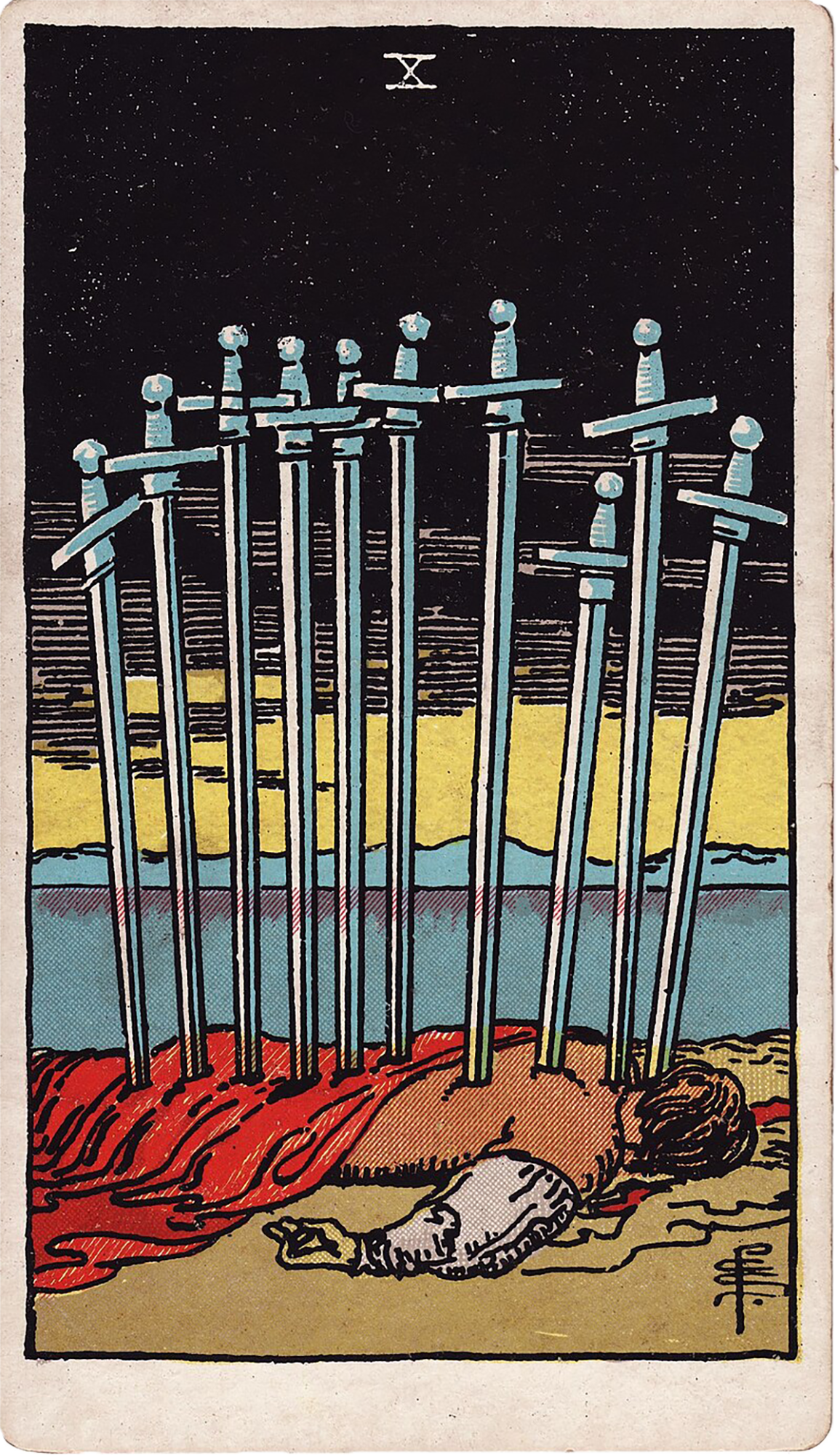 Option B10 of Swords
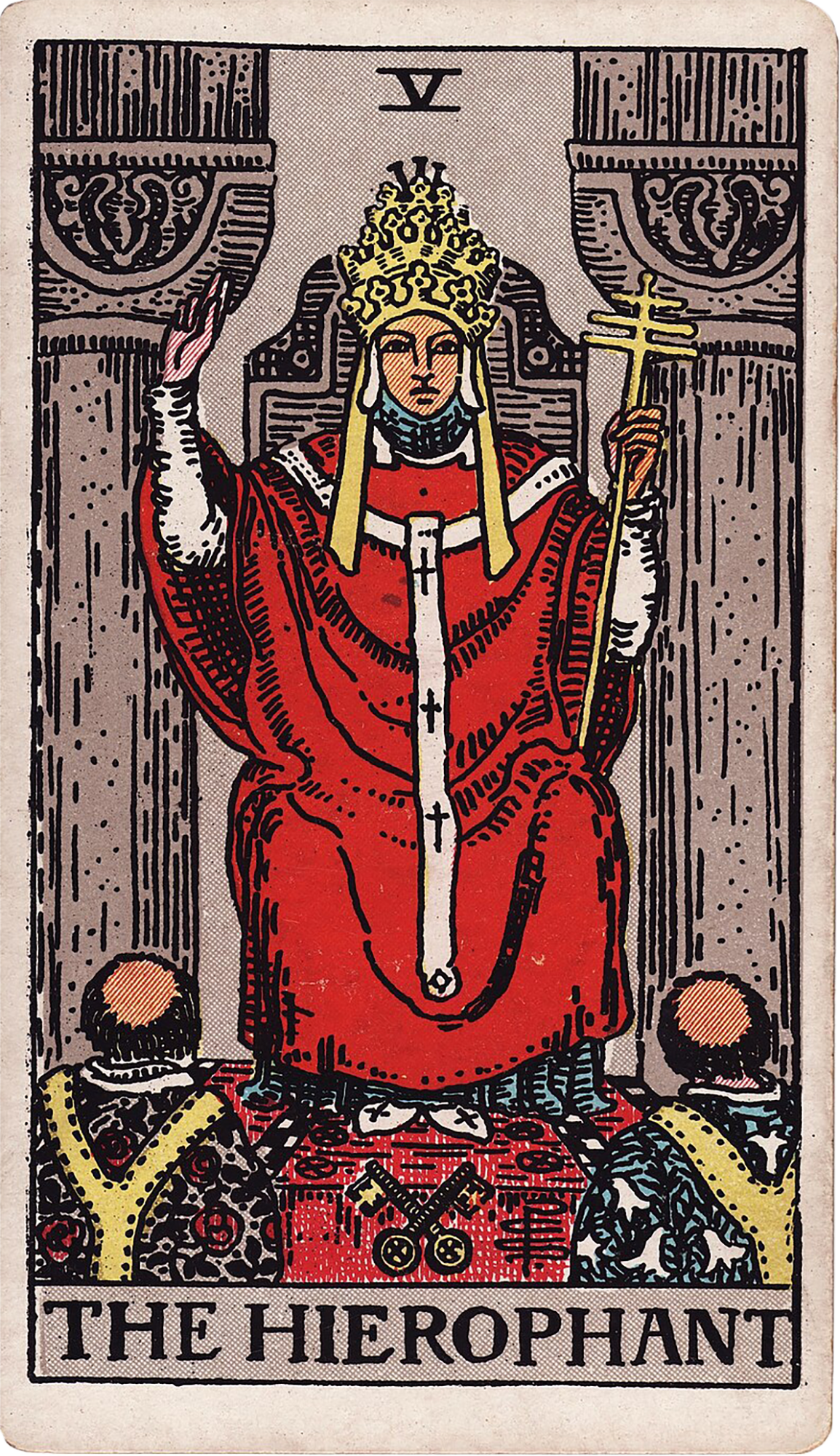 Hidden FactorThe Hierophant
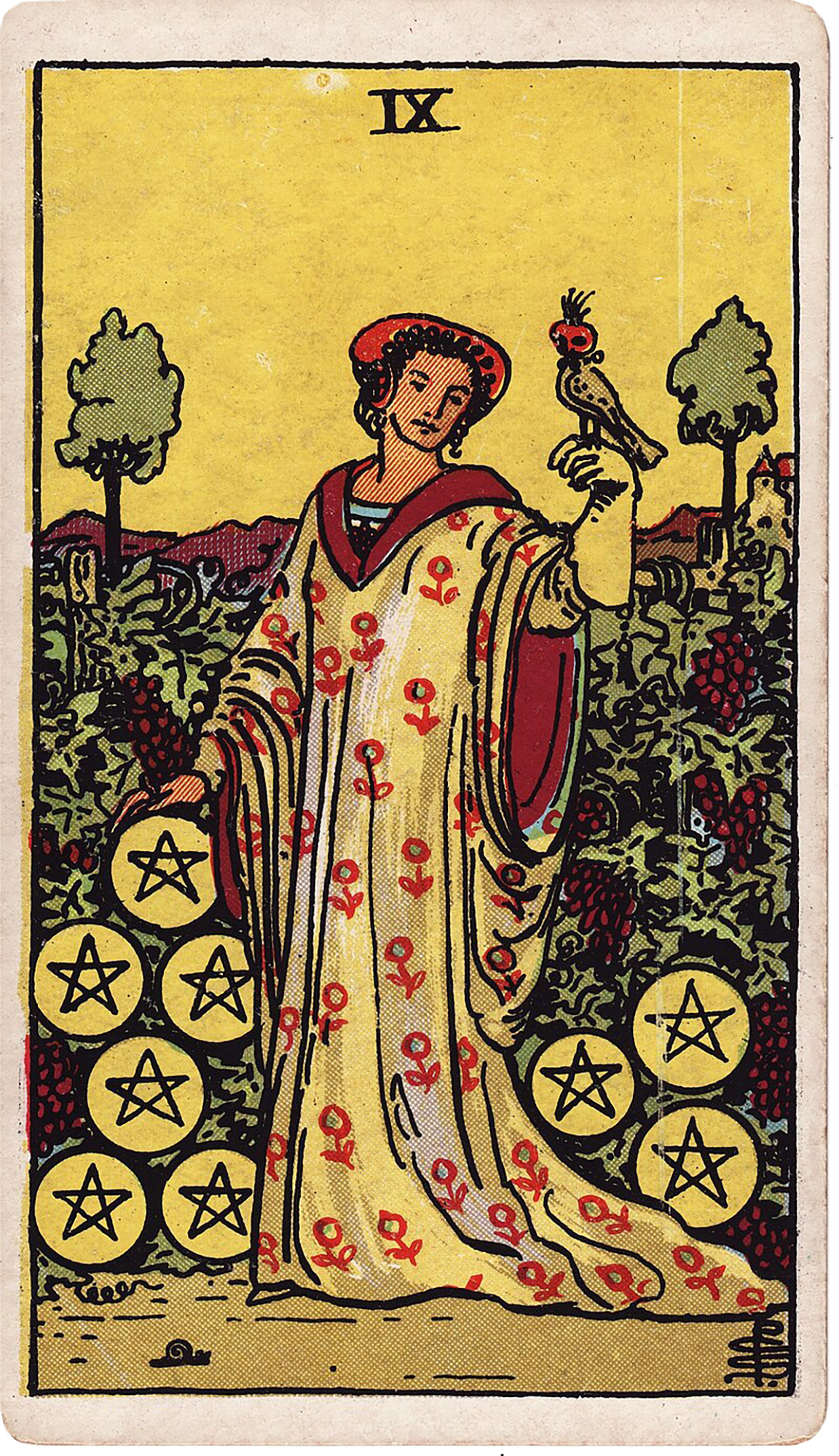 Advice9 of Pentacles
Introduction to the Five Card Decision Spread
The Five Card Decision Spread is a structured Tarot layout designed to provide clarity when facing choices, especially where conflict and competing options exist. By assigning each card a specific position—Situation, Option A, Option B, Hidden Factor, and Advice—this spread helps readers visualize the dynamics at play and weigh potential outcomes with deeper insight. This structure is particularly useful in family or interpersonal conflicts, where emotions and practicalities intertwine, requiring balanced guidance rather than one-dimensional answers. The spread encourages an exploration of both visible and concealed influences, allowing the querent to approach decisions with a comprehensive, grounded perspective.
Position One Analysis Situation The Hierophant Upright
The Hierophant card in the Situation position immediately sets the tone of the reading. Upright, The Hierophant emphasizes established wisdom, tradition, and the importance of understanding the accepted frameworks that govern the conflict. In a family context, this could indicate the presence of long-standing values, cultural norms, or institutional expectations influencing the dispute. The imagery of The Hierophant—often shown as a spiritual teacher or religious figure seated between pillars, offering blessings—invites the querent to seek qualified guidance or to consider the rules and boundaries that might structure a fair resolution. This card suggests the conflict is not random but rooted in established systems or shared beliefs, and progress may come from acknowledging these rather than rejecting them outright.
Position Two Analysis Option A Knight of Wands Upright
The Knight of Wands in Option A represents a decisive, energetic approach to resolving the situation. The Knight is traditionally depicted as a youthful figure charging forward on horseback, brandishing a wand — a symbol of creativity and ambition. This card’s presence here urges the querent to consider a bold, action-oriented strategy that involves courage and initiative. This option may involve stepping into the conflict with confidence, taking leadership, or initiating change quickly. However, the Knight also cautions that while speed and enthusiasm are assets, direction matters greatly; reckless or impetuous decisions could exacerbate tensions. Learners should note how this card’s fiery energy contrasts with the structured wisdom of The Hierophant, illustrating two different conflict-handling styles: tradition versus dynamic action.
Position Three Analysis Option B 6 of Swords Upright
The 6 of Swords in Option B presents a more measured, transitional approach. The card traditionally depicts a boat ferrying passengers across troubled waters toward calmer shores, symbolizing movement away from difficulty and toward healing. In this position, it advises considering an option that involves stepping back, seeking peace, or initiating a gradual transition rather than a sudden confrontation. This choice might reflect mediation, dialogue, or emotional processing within the family conflict. Notably, the Upright 6 of Swords acknowledges that sadness or discomfort remains but emphasizes that moving forward is necessary to reach resolution. This option contrasts with the Knight of Wands’ impulsiveness by offering a strategy grounded in reflection and communication.
Position Four Analysis Hidden Factor 10 of Swords Upright
The Hidden Factor is revealed as the 10 of Swords, a card known for its dramatic imagery of a figure pierced by swords, symbolizing painful endings and moments of crisis. Upright, this card reveals that beneath the surface of the conflict lies a cycle that has reached a critical limit. This factor may be an unresolved crisis or a long-standing hurt that colors the present dispute. Understanding this hidden energy is crucial because it indicates that any resolution must address these underlying pains rather than merely managing surface issues. The dawn breaking in the card’s traditional imagery reminds the querent that accepting an ending, difficult as it may be, is the path toward eventual recovery. This card contextualizes the options: neither bold action nor cautious transition will fully succeed without confronting this core rupture.
Position Five Analysis Advice 9 of Pentacles Upright
The Advice position brings the 9 of Pentacles, a card representing earned independence, self-sufficiency, and enjoying the fruits of one’s labor. The classical image often includes a figure in a lush garden, surrounded by symbols of wealth and personal achievement. As advice, this card encourages the querent to seek balance and stability through competence and confidence in their own abilities and resources. It suggests that resolution will come by fostering autonomy and maintaining healthy boundaries rather than relying excessively on external validation or conflict-driven dynamics. In family conflicts, this may mean cultivating respect for each person’s individuality and honoring long-term material and emotional security. This card beautifully complements The Hierophant’s call for grounded wisdom by emphasizing practical independence.
Integrating the Cards and Their Relationships
Taken together, these five cards tell a nuanced story about navigating a family conflict through the Five Card Decision Spread. The Hierophant as Situation establishes the frame: a conflict rooted in tradition or shared values needing conscious engagement. Option A (Knight of Wands) offers a courageous but potentially risky swift action; Option B (6 of Swords) provides a gentler, transitional path toward peace. The Hidden Factor (10 of Swords) demands recognition of a painful ending or crisis beneath the surface, without which no solution can fully take root. Finally, the Advice (9 of Pentacles) calls for fostering independence and balanced boundaries to achieve a sustainable, settled outcome. The contrast between fiery initiative (Knight of Wands) and thoughtful transition (6 of Swords) highlights the tension between acting boldly and responding with care. The 10 of Swords grounds these options by reminding readers that deep wounds must be acknowledged. The concluding 9 of Pentacles offers a hopeful blueprint: resolve through self-reliance and mature, balanced choices. This layered interpretation encourages the learner to see conflict resolution as a process, not a one-step fix.
Step-by-Step Practical Method for Using the Spread
1. Prepare the Question: Clearly formulate the conflict or decision to be explored, focusing on family or relational dynamics. 2. Shuffle and Draw Five Cards: Lay them out in the order corresponding to the positions—Situation, Option A, Option B, Hidden Factor, Advice. 3. Observe Each Card Individually: Start with the Situation card to understand the context. Then examine Options A and B as distinct strategies or paths. 4. Explore the Hidden Factor: Reflect on what underlying influences or unconscious dynamics might affect the decision. 5. Consider the Advice Card: Look for practical guidance on how to resolve the conflict or choose the best course. 6. Analyze Relationships: Notice contrasts, supports, or tensions between cards (e.g., The Hierophant’s tradition vs. Knight of Wands’ impulsiveness). 7. Encourage Client Reflection: Share insights in ways that empower the querent to make deliberate, conscious choices. 8. Avoid Absolutes: Emphasize that Tarot prompts thoughtful exploration rather than predetermined outcomes. Using this method fosters clarity and balance, helping learners provide nuanced readings that respect complexity and encourage practical action.
Common Mistakes and How to Avoid Them
One frequent error is treating options as mutually exclusive or rigid predictions rather than possibilities that require active engagement. Remember that Tarot offers lenses for reflection, not automatic answers. Another pitfall is overlooking the Hidden Factor or minimizing its significance. In this example, the 10 of Swords represents core pain that must be addressed; ignoring it risks superficial fixes. Also, learners sometimes misinterpret the Advice card as a command rather than a supportive suggestion. The 9 of Pentacles encourages balanced independence, but how that manifests depends on individual circumstances. Finally, neglecting the interplay between cards—in this case, the contrasting energies of The Hierophant and Knight of Wands or the tension between swift action and measured transition—can flatten the reading. Engage deeply with imagery and traditional symbolism to capture these dynamics.
How to Practice and Apply This Spread
Practicing the Five Card Decision Spread involves regular, mindful reading sessions focusing on real or hypothetical conflicts. Start by journaling the situation and the two options clearly. Draw the cards and write detailed interpretations for each position, noting imagery and keywords. Reflect on how the Hidden Factor informs the core issue and how the Advice card suggests a way forward. Seek feedback by sharing readings with trusted peers or mentors to refine interpretation skills. Over time, try variations such as reversing cards or changing query focus to deepen understanding. This spread also works well for self-reflection. When facing a dilemma, use it to explore internal attitudes (e.g., “Option A” as impulsive reactions, “Option B” as thoughtful responses) and uncover unconscious blocks or fears (Hidden Factor). Ultimately, the Five Card Decision Spread becomes a powerful tool for unlocking balanced resolutions, fostering empathy, and encouraging wise, constructive decisions.
Practice questions
• How does The Hierophant’s emphasis on tradition influence your approach to family conflicts?
• In what situations might the boldness of the Knight of Wands be beneficial or detrimental?
• How can recognizing the Hidden Factor represented by the 10 of Swords deepen your understanding of unresolved conflicts?
• What does the 9 of Pentacles teach about maintaining personal boundaries within relationships?
• How do the contrasting energies in Option A and Option B help clarify the best path forward?
Comments
Sign in to comment.
Continue learning
Mastering Decision Making with the Five Card Cross Tarot Spread
The Five Card Cross Tarot Spread is a powerful tool for deepening decision-making skills by examining the present situation, past influences, future possibilities, challenges, and...
Exploring The High Priestess in Career Relationships and Personal Growth
The High Priestess card in the tarot deck invites readers to explore intuition, hidden knowledge, and inner wisdom across various life contexts. This article examines how The High...
Understanding The Chariot Card in Personal Ambition and Overcoming Obstacles
The Chariot card represents the power of focused will, disciplined action, and choosing a clear direction amid competing impulses. Upright, it encourages decisive steps forward usi...
Enhancing Clarity in Complex Choices with the Five Card Cross Tarot Spread
The Five Card Cross Tarot Spread is a practical tool designed to clarify complex choices by breaking down the decision into manageable parts. This article explores each position in...
Using the Five Card Cross Tarot Spread to Navigate Career Changes with Confidence
The Five Card Cross Tarot Spread is a versatile and insightful tool for navigating career changes. This article guides learners through the method step-by-step using a practical ex...
Understanding The Hermit in Self Discovery and Spiritual Enlightenment
The Hermit card in the Rider-Waite-Smith deck embodies themes of introspection, solitude, and spiritual wisdom. This article examines how The Hermit's upright and reversed position...
Using the Five Card Cross Spread to Make Confident Life Decisions
The Five Card Cross spread is a practical and insightful tarot layout designed to assist with complex life decisions by clarifying the situation, presenting options, uncovering hid...
Unlocking Emotional Depth with The Moon and The Lovers in Tarot Combinations
This article delves into the nuanced interplay between The Moon and The Lovers tarot cards, emphasizing how their combination unlocks emotional depth and complexity. By examining u...
Making Confident Life Choices with the Five Card Cross Tarot Spread
The Five Card Cross Tarot Spread is a powerful tool designed to aid practical decision-making, particularly within family or life-altering situations. This article explains the spr...
Using the Five Card Cross Tarot Spread to Gain Confidence in Difficult Decisions
The Five Card Cross spread is a powerful practical tool for navigating difficult decisions with confidence. By placing cards in positions representing Situation, Option A, Option B...