
Using the Three Card Spread to Explore Decision Making and Outcomes
This article explores how to apply the Three Card Spread to examine decision making and outcomes through the illustrated example of The Chariot, Justice, and 2 of Swords. By assigning the cards to Past, Present, and Future positions, readers learn how to interpret each card’s message, analyze their interactions, and apply this method practically to their own readings. Emphasis is placed on understanding the balance between mental clarity, ethical considerations, and emotional readiness in resolving dilemmas. This guide walks learners through the symbolism, the spread technique, common pitfalls, and how to foster deeper insights into personal or querent choices.
Three Card
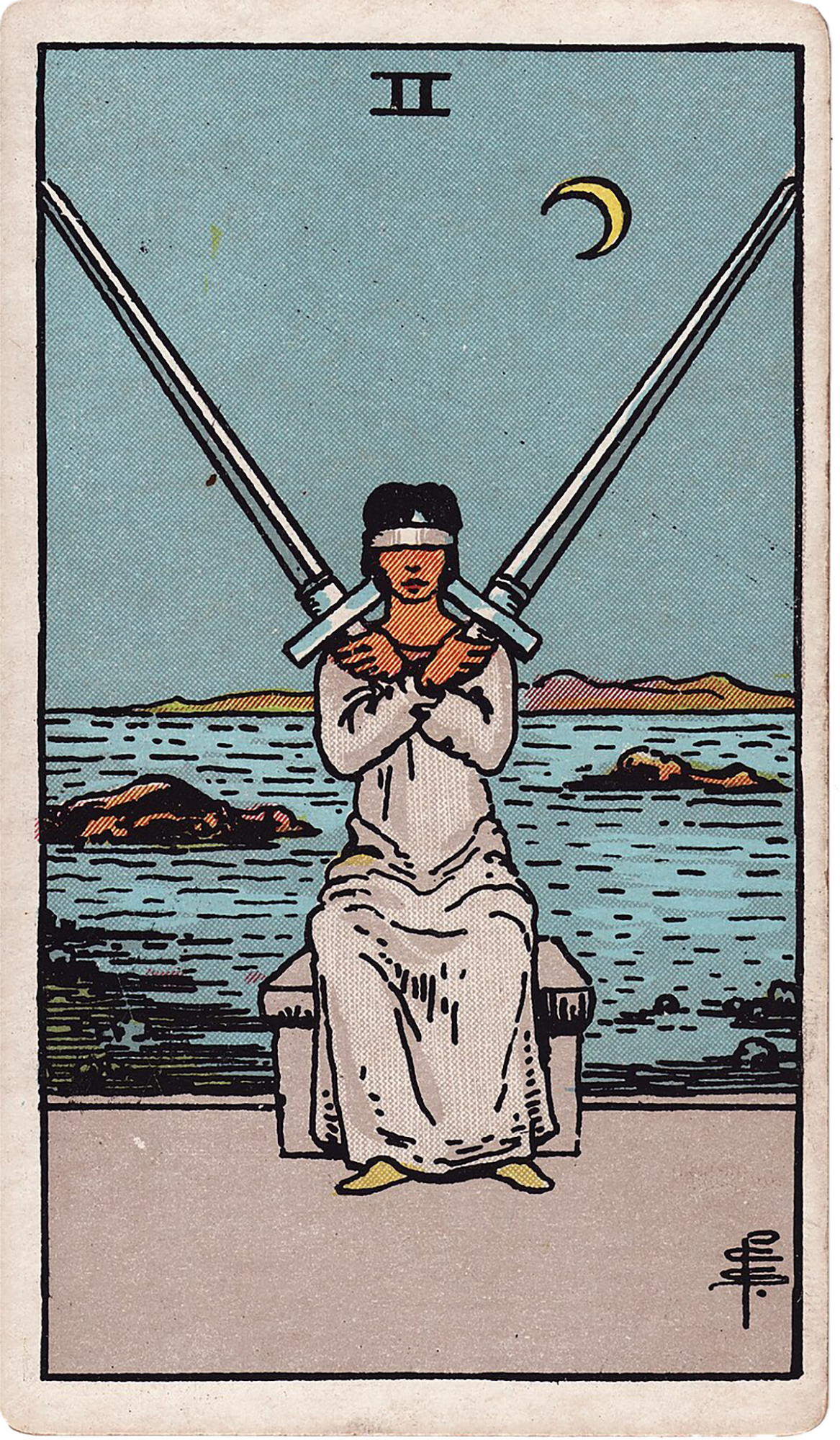 Past2 of Swords
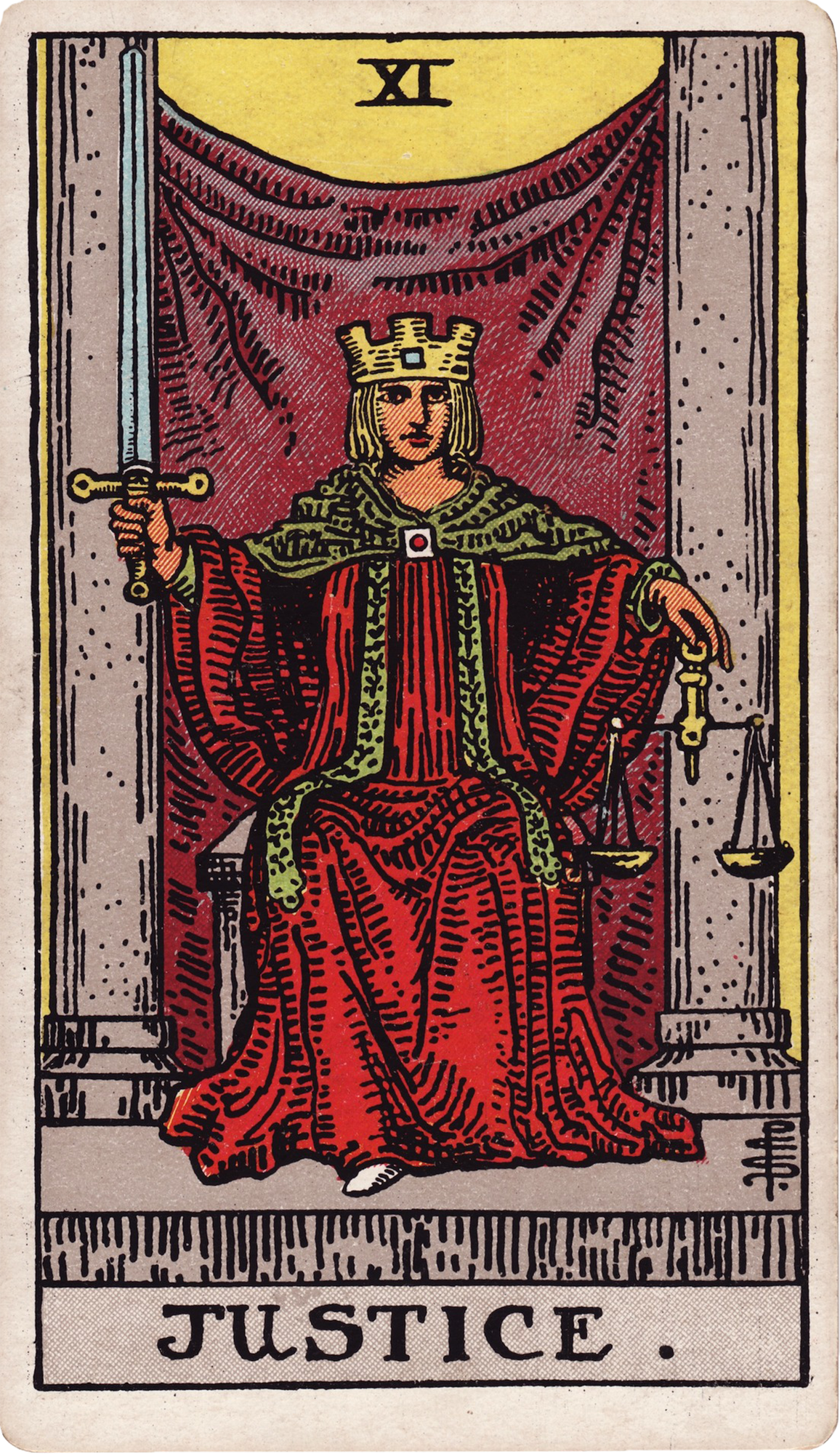 PresentJustice
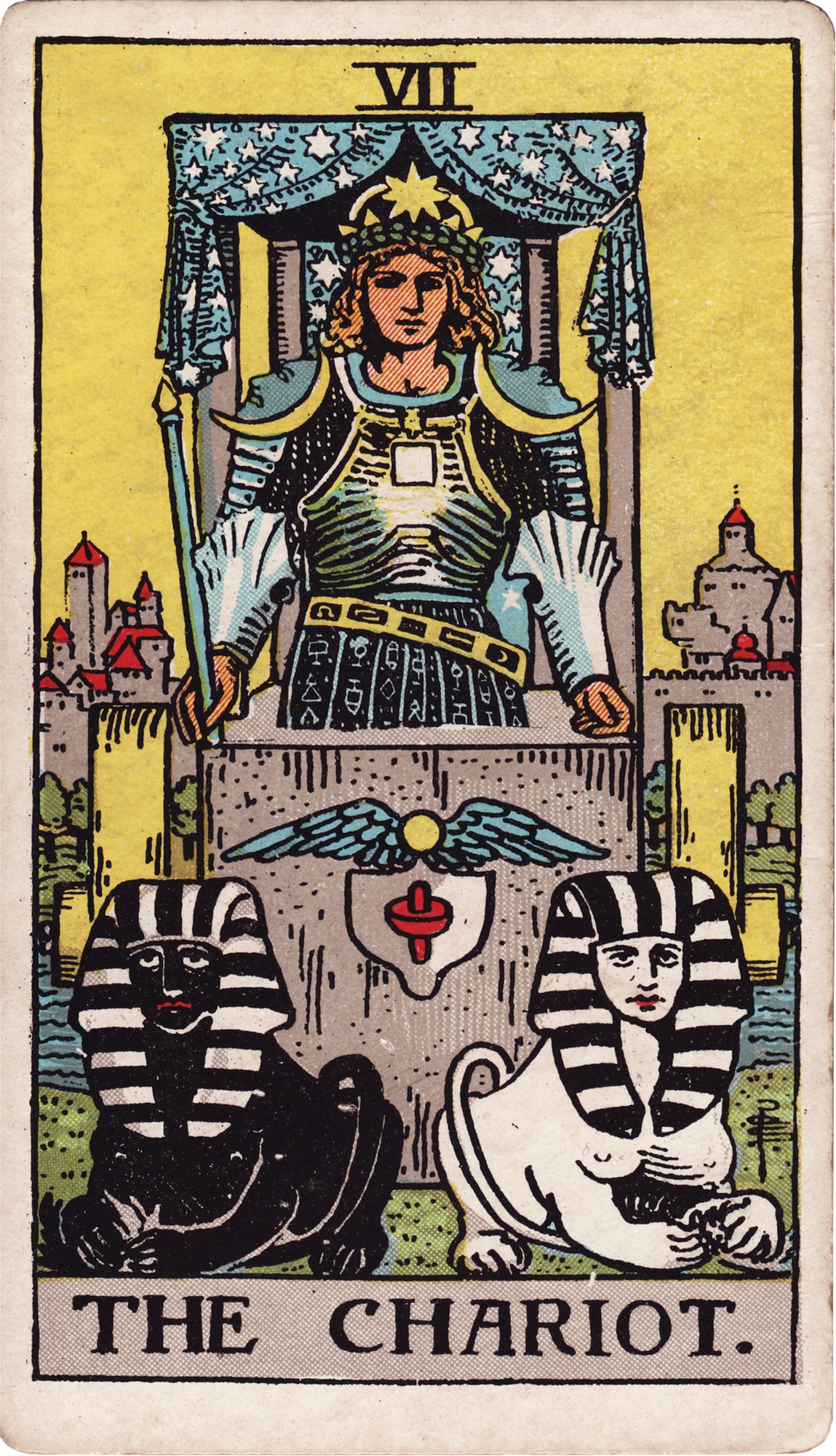 FutureThe Chariot
Introduction to the Three Card Spread for Decision Making
The Three Card Spread is one of the most accessible and versatile Tarot layouts, often used to explore past influences, current circumstances, and future possibilities. When focused on decision making, this spread offers a structured way to clarify the factors involved, the decision process itself, and the likely outcomes. Each card provides a layer of insight, while the sequence reveals the flow of energy and development. For learners, practicing this spread encourages honing interpretation skills in a manageable format that still captures complexity. In this article, we will use The Chariot, Justice, and 2 of Swords as our example cards, arranged in the positions Past, Present, and Future respectively, to understand how they illuminate different aspects of decision making.
Position Meanings and Card Context in Decision Making
Each position in the Three Card Spread has a traditional meaning that frames the interpretation. The Past position reveals the background or influences that shape the current decision. The Present position focuses on the decision or challenge in active process. The Future position suggests potential outcomes or the direction that current choices may lead. Using this structure, we can place the supplied cards and explore their symbolism: - Past: The Chariot (Upright) emphasizes a history of choosing direction with disciplined determination. The image of a charioteer controlling opposing forces symbolizes the effort to align internal and external impulses toward a goal. This suggests that the querent’s past involved a critical moment of focus and deliberate action, possibly overcoming confusion or scattered energy. - Present: Justice (Upright) centers the reading on fairness, clarity, and accountability. Justice in this position highlights that the decision currently being faced requires clear evaluation of facts and ethical consideration. It invites the querent or reader to consider consequences honestly and ensure that choices are balanced and justified. - Future: 2 of Swords (Upright) points toward an unresolved decision or a stalemate where information or emotional readiness is incomplete. The crossed swords and blindfolded figure visually convey suspension and the need for careful thought before moving forward. This future card suggests that while present intentions aim for fairness, the outcome remains uncertain pending further internal or external clarity.
Interpreting Card Relationships and Narrative Flow
Reading cards sequentially in a Three Card Spread allows deeper insight into the unfolding narrative of a decision. Here, the story begins with The Chariot’s disciplined drive to take control—indicating that the querent has previously made strong efforts to direct their path despite challenges. Justice at Present serves as a pivot, suggesting that those earlier energies are now concentrated around evaluating truth and fairness. It asks: Are the decisions made so far aligned with ethical principles? Is there transparency and accountability? This card’s imagery of scales and a sword reminds the reader that decisions must withstand scrutiny and that clarity is critical. Looking ahead, the 2 of Swords in Future reflects the possibility of indecision or internal conflict. The blindfold symbolizes that not all information or feelings are yet available or fully acknowledged. This suggests that despite the drive and fairness exercised earlier, the situation may yet require patience and deeper emotional or intellectual processing before resolution. Together, the cards form a coherent arc: past harnessing of will and focus (The Chariot), present ethical and factual weighing (Justice), and future suspension or hesitation pending fuller clarity (2 of Swords). This demonstrates the complex interplay between action, principle, and readiness in decision making.
How to Use This Spread Practically in Your Readings
To reproduce this method in your own practice, follow these steps: 1. Shuffle and Draw Three Cards: Focus on a decision or dilemma when shuffling. Draw three cards and place them left to right. 2. Assign Positions: Label the cards as Past, Present, and Future to set the interpretive framework. 3. Examine Each Card Individually: Consider the traditional meanings, imagery, and upright or reversed orientation. Ask how the card relates to its specific timeframe in the context of decision making. 4. Analyze Connections: Look for thematic or symbolic links between cards. For example, tension between willpower and fairness, or signs of internal conflict and hesitation. 5. Formulate a Narrative: Develop a coherent story that explains how past influences shape present challenges and future outcomes. 6. Ask Reflective Questions: Encourage the querent to consider what lessons each stage offers. Where is determination helping? What fairness or accountability is required? Where might hesitation signal the need for more information or emotional processing? Common pitfalls include rushing to conclusions, ignoring the middle card’s importance, or treating future cards as guaranteed predictions rather than possibilities. Maintaining an open, exploratory mindset will yield more meaningful guidance.
Deepening Understanding Through Imagery and Symbolism
Each card’s imagery offers clues that enrich interpretation: - The Chariot: The figure’s firm grip on the reins between the black and white sphinxes represents mastery over opposing forces—such as emotion versus reason or competing desires. The city behind suggests leaving behind old environments or mindsets to forge a new path. This image encourages readers to ask where their focus is disciplined or scattered. - Justice: The scales balance light and shadow, symbolizing careful weighing of evidence. The sword is upright, indicating clear truth and authority. The throne suggests stability through fair judgment. Noticing these details invites readers to reflect on their own integrity and willingness to accept consequences. - 2 of Swords: The crossed swords and blindfolded woman convey a pause in action and the need to confront inner conflict. The calm water suggests underlying emotions not yet fully acknowledged. This imagery supports questions about emotional readiness and the cost of delay. Encouraging learners to meditate on these visual elements deepens intuitive understanding beyond memorized definitions.
Examples of Interpretation and Reflection
Imagine a querent struggling with a job change decision: - Past (The Chariot): They have previously taken decisive action to control their career path despite uncertainties. - Present (Justice): Now they must fairly assess the pros and cons, including ethical or practical consequences. - Future (2 of Swords): The choice may remain unresolved; they might feel emotionally torn or awaiting new information. This spread suggests the querent reflect on how their past determination can inform present honesty and prepare them to sit with uncertainty before moving forward. Another example could be a relationship dispute: - Past (The Chariot): The querent tried to direct the relationship with strong will. - Present (Justice): They are called to fairly weigh each partner’s responsibilities and truths. - Future (2 of Swords): A stalemate may occur until emotional clarity is gained. Both examples show how this spread guides exploration rather than dictating outcomes.
Common Mistakes and How to Avoid Them
Beginners often make these errors: - Ignoring the timeline: Treating all cards as if they apply equally to the present. - Overemphasizing future prediction: Forgetting that future cards are possibilities, not certainties. - Skipping card relationships: Missing how cards inform each other’s meaning. - Neglecting imagery: Focusing solely on keywords rather than the rich visual clues. To avoid these, always place cards in the designated temporal order, view the spread as a story, and spend time with each card’s artwork. Use questions to deepen insight and remain open to multiple layers of meaning.
Summary and Encouragement for Learners
Using the Three Card Spread with The Chariot, Justice, and 2 of Swords offers a balanced framework for exploring decision making. It blends the necessity of focused will, ethical clarity, and emotional readiness, which are all essential in navigating complex choices. Learners benefit from practicing this spread regularly, reflecting on card imagery, and integrating card-to-card dynamics for nuanced readings. Remember, Tarot is a tool for insight and exploration, not fixed prediction. Approach each reading with curiosity and compassion, and your understanding of the decision-making process will deepen over time.
Practice questions
• What past experiences have shaped my current decision-making approach as symbolized by The Chariot?
• How can I apply the fairness and accountability of Justice to my present choices?
• What uncertainties or emotional blocks does the 2 of Swords suggest I need to acknowledge before moving forward?
• Where in my life am I rushing ahead without resolving inner conflicts?
• How can I balance determination with patience in my decision process?
Comments
Sign in to comment.
Continue learning
Interpreting the Dance of Justice and The Devil: Balancing Morality and Temptation in Tarot Readings
The combination of Justice and The Devil in tarot presents a profound exploration of morality, temptation, and personal accountability. This article unpacks how these cards influen...
Mastering Decision Making with the Five Card Cross Tarot Spread
The Five Card Cross Tarot Spread is a powerful tool for deepening decision-making skills by examining the present situation, past influences, future possibilities, challenges, and...
Enhancing Clarity in Complex Choices with the Five Card Cross Tarot Spread
The Five Card Cross Tarot Spread is a practical tool designed to clarify complex choices by breaking down the decision into manageable parts. This article explores each position in...
Using the Five Card Cross Spread to Make Confident Life Decisions
The Five Card Cross spread is a practical and insightful tarot layout designed to assist with complex life decisions by clarifying the situation, presenting options, uncovering hid...
Making Confident Life Choices with the Five Card Cross Tarot Spread
The Five Card Cross Tarot Spread is a powerful tool designed to aid practical decision-making, particularly within family or life-altering situations. This article explains the spr...
Using the Five Card Cross Tarot Spread to Gain Confidence in Difficult Decisions
The Five Card Cross spread is a powerful practical tool for navigating difficult decisions with confidence. By placing cards in positions representing Situation, Option A, Option B...
Using the Five Card Cross Spread to Gain Clarity in Difficult Life Decisions
The Five Card Cross Spread is a structured tarot layout designed to help clarify challenging life decisions by examining the situation, options, hidden influences, and advice. This...
Using the Five Card Cross Spread to Clarify Complex Decisions
The Five Card Cross Spread is a practical tarot method designed to clarify complex decisions by laying out the situation, contrasting options, hidden factors, and advice. This arti...
Using the Five Card Cross Spread to Gain Insight into Relationship Dynamics
This article provides an in-depth guide to using the Five Card Cross Spread for gaining clarity on relationship dynamics, especially within family contexts. Anchored by a worked ex...
Using the Five Card Cross Spread to Make Balanced and Informed Life Decisions
The Five Card Cross Spread is a powerful Tarot layout designed to aid balanced and informed decision-making. This article teaches learners how to use this spread effectively, focus...