
Why Tarot Cards Have Different Names Across Decks and Traditions
Decks give the same archetypal card different names for reasons of language, culture, artistry, occult theory, and chronology. This article explains the historical and practical reasons for name variation and gives step-by-step techniques to translate names into consistent, useful meanings in a reading. The supplied images of Strength and Justice are used repeatedly as concrete examples: learn how to map the imagery, compare numbering, create a deck lexicon, avoid common mistakes, and practice interpretation with real reading examples.
Cards explored in this article
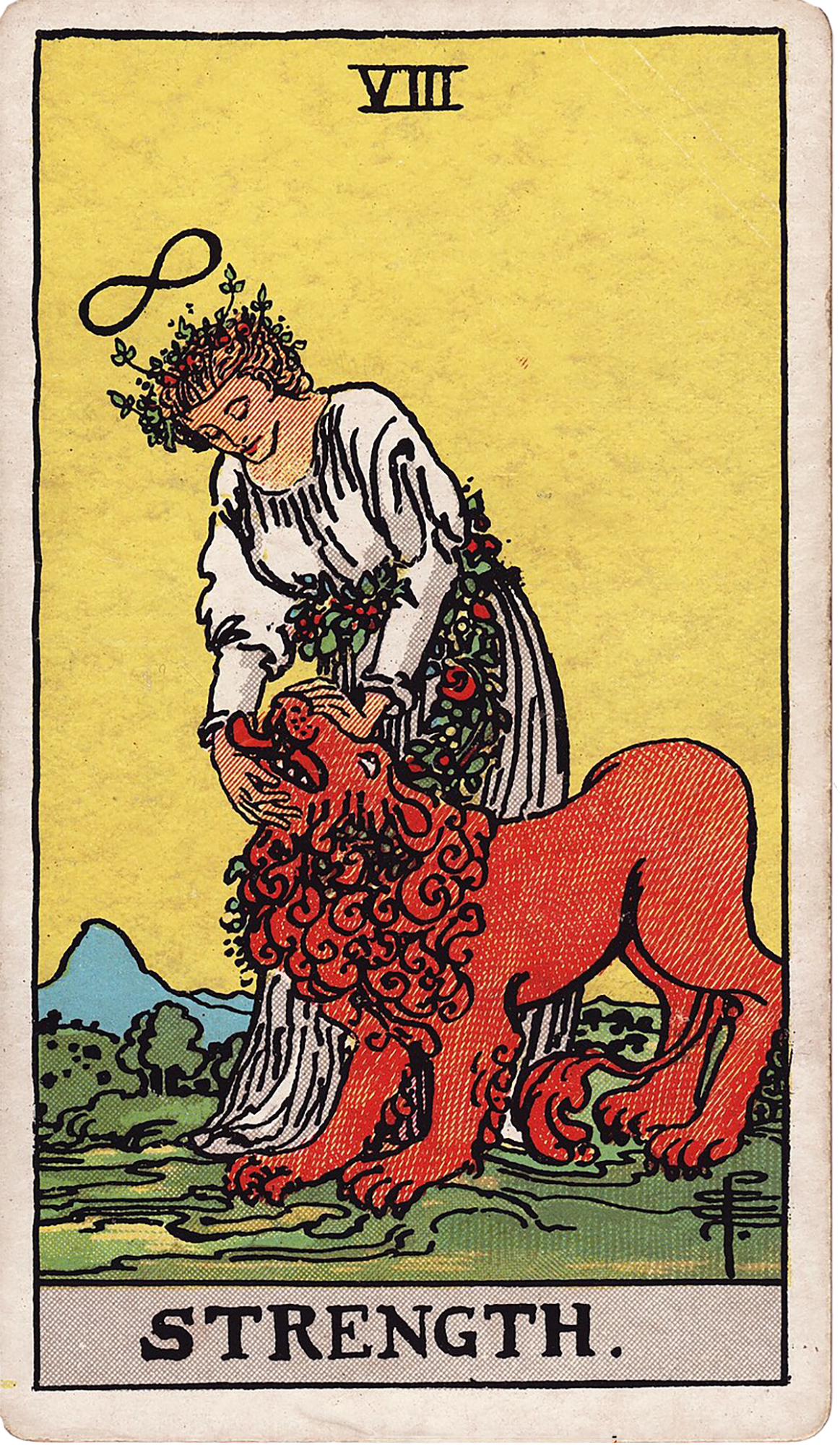 Strength
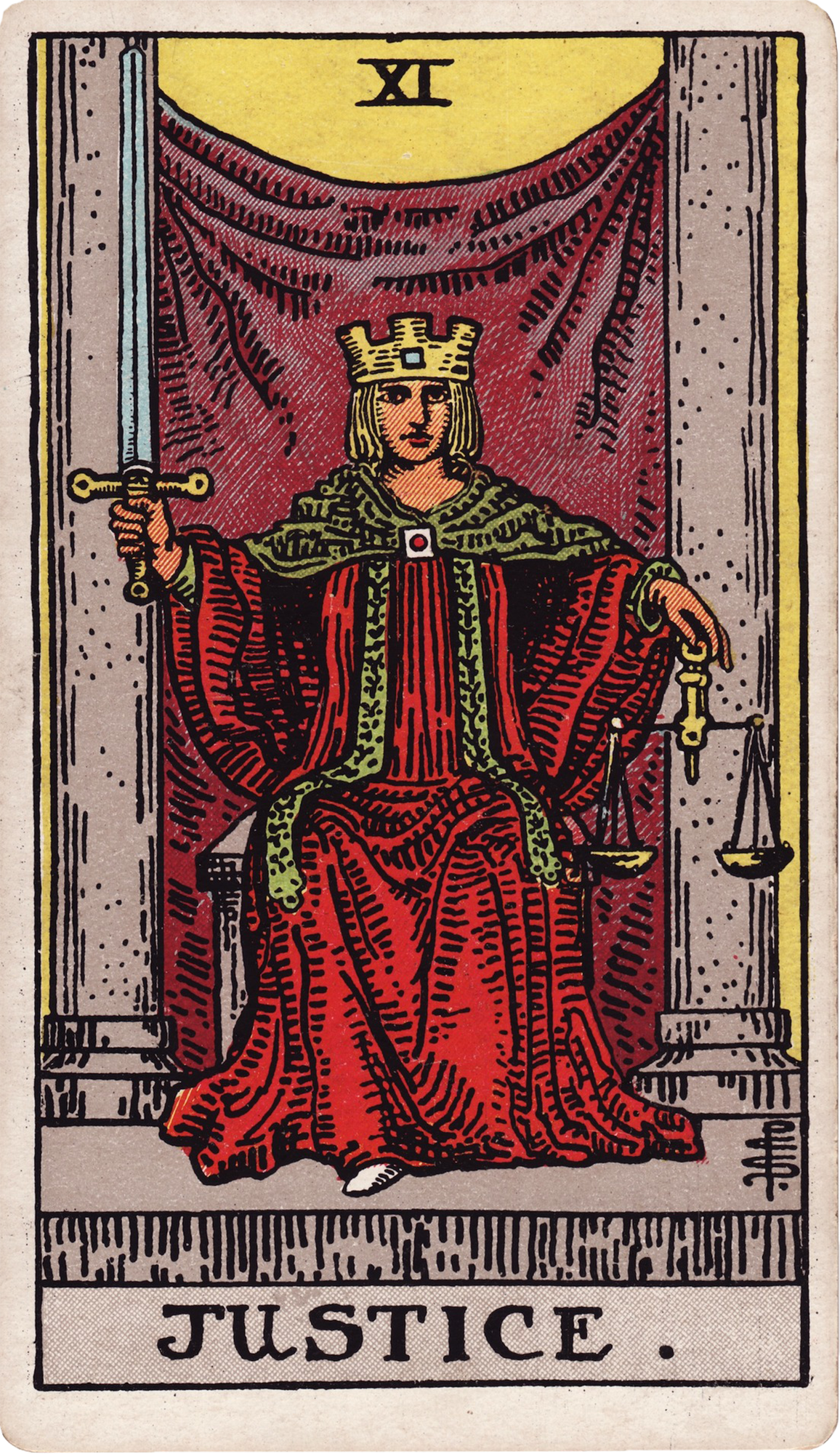 Justice
Introduction: Why this matters for learners
If you are learning tarot, encountering decks that call the same card by different names can be confusing. The label printed on a card is a shorthand offered by the artist or tradition; it is not a rule that overrides the visual symbolism, the card's number, or its role in a spread. In this article you will learn the historical reasons names differ and, importantly, practical methods for reading across those differences. The article repeatedly uses the two supplied cards — Strength and Justice — to show how naming, imagery, and number work together in practice. The public page will display images of Strength and Justice; use those images as your primary data rather than relying solely on the printed name of any deck.
A brief historical sketch: how names evolved
Tarot developed as a set of playing cards in Europe and later was adapted into an occult language of symbols. Early regional decks used names and images that reflected local languages and priorities. Two important patterns emerged that explain much of the later confusion about names: linguistic variation and interpretive variation. Linguistic variation is simple: a card that an Italian maker labeled Giustizia will be labeled Justice in English or Justicia in Spanish. Interpretive variation is deeper: as tarot moved from card-games to allegory to occult systems, authors and artists reinterpreted cards to emphasize different qualities. During the 18th–20th centuries, occultists and artists translated and reframed cards through lenses such as moral allegory, psychological archetypes, ceremonial magic, or artistic narrative. Each reframing often produced a different preferred name for a card to signal a different emphasis. For example, some modern decks alter the name of the card we now see as Strength to emphasize force (Lust, Fortitude) or compassion (Courage), and Justice has sometimes been called Adjustment to stress process over verdict. These differences are not arbitrary: they signal shifts in focus — inner quality versus external event, moral judgment versus practical balance.
Why a name can change without changing the card
A deck name can shift for at least four overlapping reasons. 1) Language and idiom: Translators choose words that fit their language and era. 2) Artistic emphasis: Artists rename to emphasize what their image highlights. A Strength card that foregrounds the lion’s ferocity might carry a name that celebrates power; one that foregrounds the woman’s calm might use Courage or Compassion. 3) Theoretical reframing: Some Tarot authors privilege juridical or social meanings; others focus on inner psychology. Naming reflects which of those lenses the deck uses. 4) Numbering and sequence changes: In some traditions the two justice-related cards swap positions; a name change may accompany a repositioning in the Major Arcana sequence. Crucially, the printed name is part of the deck’s voice, not a universal law. The way to interpret any deck is to read the card on three levels: name, image, and number. Give each of those attention and then synthesize. The images supplied — Strength and Justice — let us show how this synthesis works in practice. Look at the Strength image and ask: does the image match the deck’s name? If it does, the label reinforced what the artist emphasized. If it doesn’t, the artist may be asking you to consider a different aspect of the archetype than the label suggests. Use the same approach with Justice: the image’s scales, sword, and posture carry concrete clues you can weigh against any name the deck gives.
Rider-Waite-Smith symbolism as a baseline for comparison
Many learners use Rider-Waite-Smith (RWS) symbolism as a stable baseline because that deck is widely reproduced and referenced. In RWS Strength typically shows a figure gently interacting with a lion, often with an infinity sign above the figure’s head. The conventional RWS reading emphasizes inner courage, patience, and the gentle harnessing of force rather than coercion. RWS Justice usually shows a figure with scales and an upright sword, representing measured evaluation, truth, and accountability. Using RWS as a comparison is helpful because many subsequent decks either echo RWS imagery or deliberately diverge from it. When a deck renames a card, compare its art to these familiar images: does the art keep the same posture, tools, or iconography? If so, then you can reasonably translate the deck’s name into standard RWS concepts for practical readings. The supplied upright/reversed descriptions for Strength and Justice in this article also follow the RWS-inspired pattern. For Strength upright: "emphasizes meeting intensity with calm courage, using patience as power," and reversed: "self-doubt, suppressed anger, overcompensation." For Justice upright: "looking at facts clearly, accepting consequences, and making a fair decision," and reversed: "bias, denial, avoiding accountability." These lines give a dependable conceptual anchor even when a deck’s printed name shifts.
How to translate names into useful meaning: a five-step method
When you open a deck with unfamiliar names, use this practical five-step method to translate labels into working meanings. 1) Inventory the deck’s labels. Make a simple list of the Major Arcana names on the card faces. Note any that feel different or unexpected. This clarifies the degree of divergence. 2) Read the imagery closely. For each card, describe in a sentence what the central figure is doing, which objects are prominent, the posture, facial expression, and color mood. For the supplied Strength image, you might note the woman’s calm touch on the lion, the lion’s open mouth but relaxed body, and any infinity symbol or related iconography. For Justice, note the scales, the sword’s position, the seated posture, and any crown or robe details. 3) Check the number and position. If the deck keeps the traditional Major Arcana sequence you can map functionally by number — e.g., the card in the conventional Strength slot tends to occupy the same archetypal range. If numbers are swapped in the deck, that is an explicit signal to adjust your mapping. 4) Create a deck lexicon. For each card, write 2–3 working keywords that synthesize the card’s name, image, and number. For example, Strength might become "calm courage / inner steadiness / harnessing intensity," and Justice might be "measured accountability / consequence / clear evidence." 5) Test the lexicon in practice spreads. Pull cards with the deck while keeping your lexicon in front of you. Notice where interpretation feels strained; adjust wording until the card consistently yields meaningful impressions. This method centers imagery — the supplied Strength and Justice images — while allowing the deck’s label to inform nuance rather than dictate meaning.
Anchoring interpretation to the supplied images: examples and logic
Below are concrete examples showing how to move from name variation to a coherent interpretation, using the supplied images. Example A: Strength appears upright in a reading about a tense conversation. Begin with the image: a person calmly engaging a lion. Translate that to the provided upright description: "meeting intensity with calm courage, using patience as power." The image insists on gentleness that contains power. The interpretation logic: the lion represents raw emotion or instinct; the human figure represents conscious choice and steadiness. Choose language that fits the querent: "You have enough inner steadiness to speak firmly but kindly; use patience rather than force." If the deck you use labels this card "Fortitude" or "Lust" the image will tell you whether the emphasis is on restraining force (Fortitude/Courage) or on embracing passionate life force (Lust). Either way, your reading references the image first and then refines with the deck’s label. Example B: Justice appears reversed in a workplace fairness question. The image of scales tipped or a guarded posture invites questions about imbalance. The supplied reversed description helps you avoid alarmist conclusions: "Reversed, Justice often turns attention toward bias, denial, unfair treatment, avoiding accountability, or a decision made without enough evidence." Use interpretation logic to move from symbol to advice: "There is an argument about evidence or fairness here; someone is avoiding taking responsibility, or a decision was rushed. Look for facts and document them." The image provides the archetypal argument; the label may tilt your phrasing (e.g., a deck calling the card "Adjustment" might emphasize correction; "Justice" emphasizes formal or legal consequence). Always fold back to the image to choose the precise language for the querent.
Common mistakes and how to avoid them
Learners often make predictable errors when confronting name variation. Here are the most common, with practical corrections. Mistake: Treating the printed name as definitive. Correction: Read the image and number first; let the name nuance the reading. Use the five-step method above. Mistake: Ignoring numbering and sequence. Correction: Check the Major Arcana order in the deck; a deliberate resequencing often signals a theoretical shift. Mistake: Translating names too literally (for example, assuming "Justice" always means legal action). Correction: Ask whether the card’s imagery shows inner fairness, external judgment, or both; Justice can mean inner balance as readily as courtroom outcomes. Mistake: Over-valuing tradition while dismissing contemporary decks. Correction: Respect the deck’s voice but translate into your practical lexicon so you can read consistently across decks. Specific to the supplied cards: many readers conflate Strength and Justice because both can address self-control and fairness. Don’t do that. Strength’s imagery — intimate control of a powerful animal — points toward inner mastery and compassion. Justice’s imagery — scales, sword, formal posture — points to evaluation, consequence, and balance. Keep their roles distinct while noting where they overlap in a spread.
Practical reading exercises using Strength and Justice
Practice is the short path to fluency. Here are exercises that use only the supplied images and the methods in this article. Exercise 1 — Single-card anchor: Shuffle while thinking of a small, current decision. Pull one card. If you pull Strength, describe in one sentence how the woman’s posture and the lion’s expression mirror your inner resources. If you pull Justice, describe what facts you need to collect and what consequences might follow your choice. Write 3–4 sentences. Repeat daily for a week to see patterns. Exercise 2 — Three-day contrast: On day one, draw Strength and note the language you use. On day two, draw Justice and do the same. On day three, reflect: where did the two readings recommend different approaches (inner steadiness vs. evidence/accountability)? This highlights how names emphasize different domains. Exercise 3 — Role position: Create a three-position spread: Approach / Obstacle / Outcome. Place Strength and Justice into any of these positions (with the third position left blank or represented by a card you pull from the deck). Interpret them according to position. For example, Strength in Approach (upright) recommends steady, calm action; Justice in Obstacle (reversed) warns that bias or lack of clarity is blocking progress. Write the reading as advice, not prophecy.
Interpretation logic: from symbol to advice
Interpretation is an argumentative process: you gather evidence (image, name, number, position) and propose a plausible conclusion, then test it against the querent’s context. Use the following logical moves when you read: 1) Describe what you see in objective terms. For Strength: "a figure with a lion; touch is gentle; the lion is not fully subdued." For Justice: "a figure holds scales and a sword; posture is formal." 2) Translate to archetypal functions. Strength = harnessing instinct compassionately; Justice = weighing evidence and rendering balanced decisions. 3) Apply to the question. Ask: Is the situation asking for inner steadiness or external adjudication? 4) Generate practical advice. With Strength upright you might advise repeated small acts of steady courage; with Justice reversed you might advise gathering facts and documenting interactions. 5) Check for corroboration in the spread. If neighboring cards (or the querent’s story) support your read, keep it. If not, refine the interpretation. Note on reversals: Use them as nuance rather than moral verdicts. The supplied reversed descriptions for both Strength and Justice help: reversals often indicate a blocked or internalized form of the upright quality (self-doubt instead of courage; bias instead of fair evaluation). Ask whether the trouble is internal (psychological) or external (situational) and tailor advice accordingly.
Putting it together: a sample reading with explanation
Scenario: A querent asks whether to take on a new leadership role. You lay out a simple three-card spread: Current resource / Challenge / Likely next step. Suppose you draw Strength (upright) in Current resource and Justice (reversed) in Challenge. Step-by-step interpretation: 1) Describe imagery: Strength shows a calm person in intimate engagement with a lion; Justice shows scales that suggest imbalance. 2) Translate: The querent has inner steadiness and the capacity to meet intensity with calm courage (use the supplied upright wording: "meeting intensity with calm courage, using patience as power"). 3) Identify the challenge: Justice reversed indicates potential bias, lack of accountability, or incomplete evidence obstructing fair evaluation. 4) Synthesize into advice: Your inner resources are real and useful for leadership, but the environment may be messy — contracts, promises, or performance metrics could be unclear or unfair. Before accepting, gather documentation (ask for clear expectations and accountability structures). 5) Frame as learning steps: Recommend a short probation period, measurable milestones, or a written agreement so that the arena of responsibility reflects fairness. The image-led reading lets the deck’s name — whether the card is called Justice, Adjustment, or another variant — give nuance but not override the visible signs. This method keeps the querent’s agency central: you use images and logic to produce actionable advice rather than deterministic statements.
Conclusion: names are clues, not chains
Different decks and traditions rename cards for solid reasons: language, artistry, occult theory, and cultural emphasis. Those names are helpful clues to a deck’s voice, but they do not replace the visual and numeric data on the card. For learners, the practical habit is to read each deck on three axes — image, number, and name — then create a deck lexicon that maps unfamiliar labels onto stable, workable meanings. Use the supplied images of Strength and Justice as practice anchors: study posture, tools (scales, sword, lion), and mood; write compact keywords that tie name, image, and number together; and test in short, focused readings. Over time you will read a wide variety of decks confidently because you have trained yourself to prioritize the imagery and to use names as interpretive color rather than authoritative decree.
Practice questions
• When you look at the supplied Strength image, what three details stand out and why? How do they change the meaning you would use in a reading?
• How would you phrase the difference between inner mastery (Strength) and external accountability (Justice) so a querent can act on it?
• Is there a deck you use that gives Strength or Justice an uncommon name? How does that name change your initial emotional reaction to the card?
• When Justice appears reversed, what practical steps can a querent take to restore balance or evidence in the situation?
• How does checking the card number and the deck’s sequence help you translate a card with an unfamiliar name?
• Describe a time when a deck’s printed name misled you in a reading. What would you do differently now?
• Create two one-sentence readings using only the supplied Strength image: one for a professional challenge and one for a personal relationship. How are they similar and different?
• What are three keywords you would add to your deck lexicon for Strength and three for Justice based on the supplied imagery?
Comments
Sign in to comment.
Continue learning
Interpreting the Dance of Justice and The Devil: Balancing Morality and Temptation in Tarot Readings
The combination of Justice and The Devil in tarot presents a profound exploration of morality, temptation, and personal accountability. This article unpacks how these cards influen...
Mastering Decision Making with the Five Card Cross Tarot Spread
The Five Card Cross Tarot Spread is a powerful tool for deepening decision-making skills by examining the present situation, past influences, future possibilities, challenges, and...
Enhancing Clarity in Complex Choices with the Five Card Cross Tarot Spread
The Five Card Cross Tarot Spread is a practical tool designed to clarify complex choices by breaking down the decision into manageable parts. This article explores each position in...
Using the Five Card Cross Spread to Make Confident Life Decisions
The Five Card Cross spread is a practical and insightful tarot layout designed to assist with complex life decisions by clarifying the situation, presenting options, uncovering hid...
Making Confident Life Choices with the Five Card Cross Tarot Spread
The Five Card Cross Tarot Spread is a powerful tool designed to aid practical decision-making, particularly within family or life-altering situations. This article explains the spr...
Using the Five Card Cross Tarot Spread to Gain Confidence in Difficult Decisions
The Five Card Cross spread is a powerful practical tool for navigating difficult decisions with confidence. By placing cards in positions representing Situation, Option A, Option B...
Using the Five Card Cross Spread to Gain Clarity in Difficult Life Decisions
The Five Card Cross Spread is a structured tarot layout designed to help clarify challenging life decisions by examining the situation, options, hidden influences, and advice. This...
Using the Five Card Cross Spread to Clarify Complex Decisions
The Five Card Cross Spread is a practical tarot method designed to clarify complex decisions by laying out the situation, contrasting options, hidden factors, and advice. This arti...
Using the Five Card Cross Spread to Gain Insight into Relationship Dynamics
This article provides an in-depth guide to using the Five Card Cross Spread for gaining clarity on relationship dynamics, especially within family contexts. Anchored by a worked ex...
Using the Five Card Cross Spread to Make Balanced and Informed Life Decisions
The Five Card Cross Spread is a powerful Tarot layout designed to aid balanced and informed decision-making. This article teaches learners how to use this spread effectively, focus...