How to Use Tarot Card Element Correspondences to Enhance Your Beginner Readings
Discover how understanding the four elements connected to Tarot suits can help you interpret cards more clearly and build confidence in your readings. This beginner-friendly guide explains elemental meanings, offers practical examples, and shows how to apply this simple approach to everyday Tarot practice.
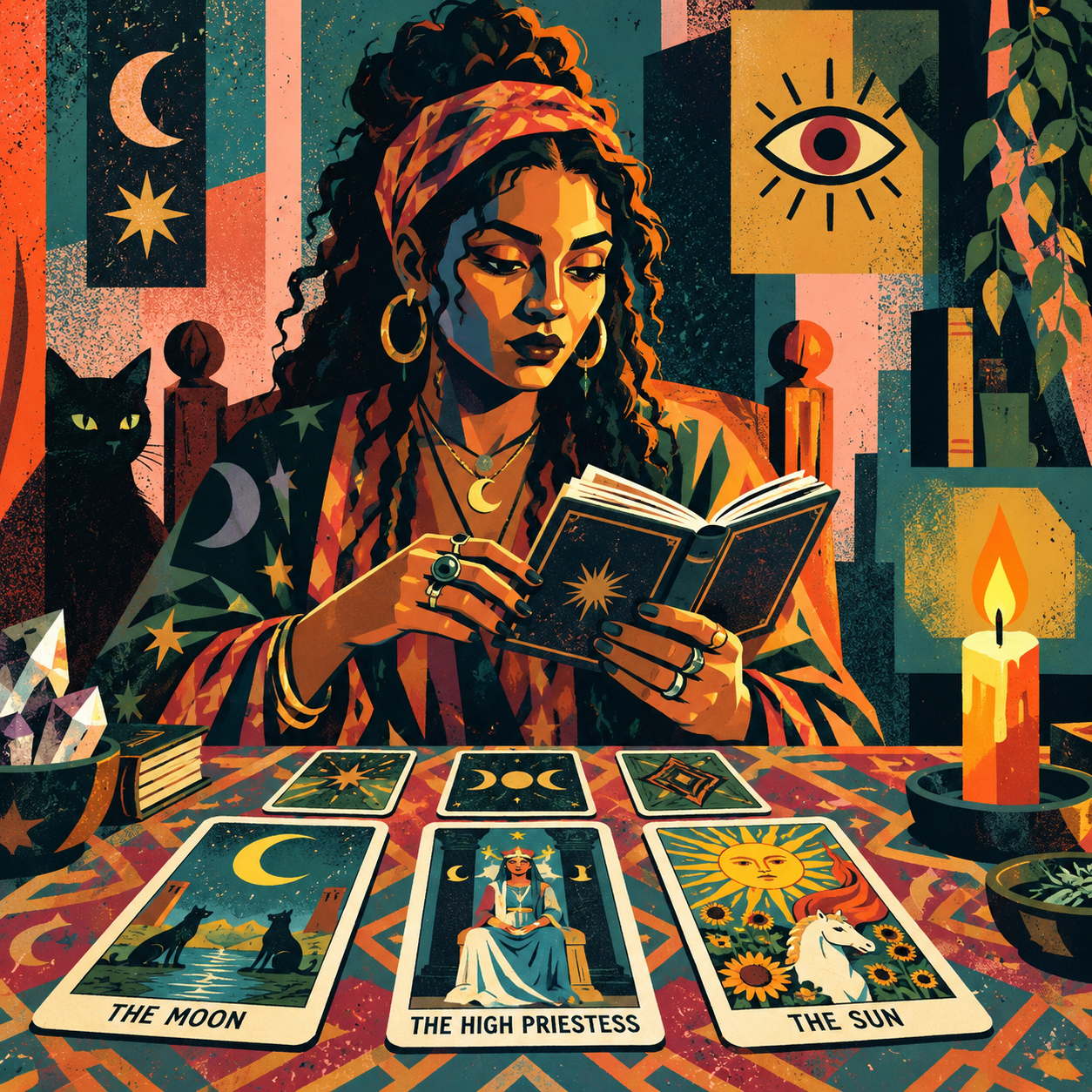
When you first start learning Tarot, it can feel overwhelming to remember all the card meanings and how they interact in a reading. One helpful way to simplify your understanding is by connecting the suits of the Tarot to the four classical elements: Fire, Water, Air, and Earth. Each element carries a basic energy theme that can guide your interpretation and make it easier to read cards in a meaningful way.
Understanding the Four Tarot Suits and Their Elements
The Minor Arcana cards are divided into four suits, and each suit corresponds to one of the four elements. Knowing these elemental links allows you to group cards by similar energies and gives you a solid way to approach card meanings as a beginner.
The common elemental correspondences are:
- Wands correspond to Fire: Fire represents action, creativity, passion, and energy. Wands often relate to inspiration, enthusiasm, and new projects.
- Cups correspond to Water: Water symbolizes emotions, intuition, relationships, and feelings. Cups usually address emotional matters, connections, and inner experiences.
- Swords correspond to Air: Air stands for thought, communication, conflict, and clarity. Swords reflect challenges, decisions, mental processes, and truth.
- Pentacles correspond to Earth: Earth relates to the material world, stability, money, health, and practical matters. Pentacles focus on work, finances, home life, and physical well-being.
Using Elemental Meanings in Your Readings
By identifying the element behind a suit, you can quickly sense the theme of the card without needing to memorize every detail right away. For example, if you pull the Three of Cups in a reading, knowing it belongs to Water suggests the message centers on emotional celebration or friendship.
This approach also helps when reading multiple cards. If you see many cards from the same element, it might indicate that this area of life is the focus. For instance, several Earth cards might point to career or financial concerns, signaling a need for stability or practical action.
Example of a Simple Three-Card Reading Using Elements
Imagine you draw the following three cards to explore your current situation:
- Page of Wands
- Six of Cups
- Queen of Pentacles
The Page of Wands (Fire) suggests new energy and enthusiasm, such as starting a creative project. The Six of Cups (Water) often connects with memories, emotional healing, or reconnecting with someone from the past. The Queen of Pentacles (Earth) represents nurturing, practicality, and taking care of home or finances.
Seeing these elemental clues, you might interpret this reading as new creative energy emerging while you reflect on meaningful past experiences, all grounded in a practical and caring approach to your daily life.
Tips for Practicing with Elemental Correspondences
Start by learning which suits match which elements. When you study cards, think about the qualities of Fire, Water, Air, and Earth, and how they relate to the card’s imagery and meaning.
Try sorting your deck by elements and pull cards from each group separately. Notice how the cards feel similar in theme and energy. Over time, this will enhance your intuition and understanding.
When doing readings, mention the elemental energies aloud or in your notes. This practice supports making quick connections and builds your confidence as a beginner.
Conclusion
Using the elements to understand Tarot suits is a straightforward and practical method to deepen your card interpretations. It gives you a clear framework to start reading cards in context and connecting their meanings with life themes. As you become more familiar with the Tarot, this elemental knowledge will continue to provide a strong foundation for your practice.
Remember, Tarot reading is a personal journey. Take your time with the elements, explore with curiosity, and enjoy the process of learning one card at a time.
Comments
Comments appear after approval.
Log in to comment