
Prabhāsvara: Ösel: The Yoga of Clear Light (The Six Yogas of Nāropa)

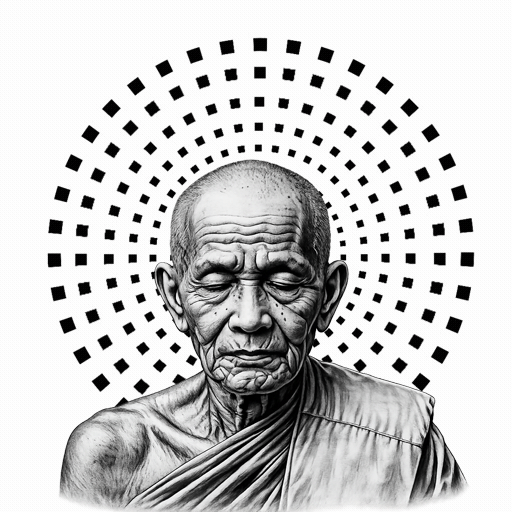
Discover Ösel, the Tibetan Yoga of Clear Light, in this modern English reader edition based on the historic teachings preserved in Tibetan Yoga and Secret Doctrines. This is Book IV of the KOANS collection The Six Yogas of Nāropa, a six-book series created to make these profound Vajrayāna teachings clearer for contemporary readers while preserving their traditional meaning, history, and contemplative depth.
The Six Yogas of Nāropa, more accurately called the Six Dharmas, form one of the most influential systems of advanced meditation in Tibetan Buddhism. Traditionally associated with Nāropa and transmitted to Tibet through Marpa, Milarepa, and the Kagyu lineage, they include Inner Heat, Illusory Body, Dream Yoga, Clear Light, the Intermediate State, and Transference of Consciousness.
Together, these teachings transform waking life, dreams, sleep, death, and rebirth into opportunities for recognizing the luminous and empty nature of mind.
What Is Ösel?
Ösel is the Tibetan term commonly translated as Clear Light. Prabhāsvara, the Sanskrit title used in this edition, means luminous, radiant, or naturally clear. Clear Light does not refer to physical brightness or a visual effect. It points to the naturally knowing quality of awareness when ordinary conceptual activity subsides. The teaching joins luminosity, the capacity of mind to know and manifest experience, with emptiness, the absence of any permanent or independent essence. Its purpose is not to produce unusual visions, but to recognize the nature of mind during waking meditation, sleep, deep sleep, dying, and the transitions associated with the Bardo.
Inside This Book
• Introduction to the Six Yogas of Nāropa
• Historical context on Nāropa and the transmission to Tibet
• A clear explanation of Ösel and Prabhāsvara
• The relationship between luminosity and emptiness
• A modern English adaptation of The Doctrine of the Clear Light
• Fundamental, Path, and Resultant Clear Light
• Daytime, nighttime, and deep-sleep recognition
• The Mother and Child Clear Light metaphor
• Clear Light in relation to death and the Bardo
• Reflections, diagrams, glossary, source notes, and warnings
The traditional teaching is organized into three divisions. The Fundamental Clear Light is the luminous and empty nature of mind, present whether recognized or not. The Clear Light on the Path concerns cultivated recognition during life, sleep, and dying. The Resultant Clear Light points to mature realization beyond habitual grasping. The historic English rendering by Lama Kazi Dawa-Samdup and the arrangement by W. Y. Evans-Wentz helped introduce Tibetan contemplative teachings to Western readers. However, the 1935 publication often uses archaic grammar, dense commentary, and difficult terminology.
This KOANS edition presents Ösel as a focused volume, modernizes the language, preserves the three-part structure, clarifies difficult concepts, distinguishes Clear Light from ordinary brightness, and connects the teaching with Dream Yoga, Bardo, and the complete Six Yogas system. It is a modern reader adaptation, not a new translation directly from Tibetan.
Important Practice Warning
Ösel is an advanced Vajrayāna completion-stage practice. Traditional training requires empowerment, oral transmission, vows, preliminary practice, meditation experience, and guidance from a qualified lineage teacher.
The historical text includes subtle-body methods, sleep practices, visualizations, and contemplations concerning dying and the dissolution of consciousness. These should not be attempted independently. This is a study edition, not a self-practice manual.
Prabhāsvara, Ösel: The Yoga of Clear Light
The Six Yogas of Nāropa, Book IV
Modern reader adaptation and design: KOANS
First KOANS Modern Reader Edition, 2026
Language: English
VoxFati participates in various affiliate programs. When you click on links to different merchants on this site and take certain actions, such as making a purchase or signing up for a service, it may result in us earning a commission.




Comments
Comments appear after approval.
Log in to comment