
Discovering The Hermit in Meditation and Self Reflection Practices
The Hermit tarot card, a symbol of introspection and deliberate solitude, offers profound lessons for meditation and self-reflection practices. This article unpacks its upright and reversed meanings through multiple life contexts such as love, career, money, advice, challenge, person, outcome, and spiritual reflection. Using the traditional Rider-Waite-Smith imagery of The Hermit, readers will learn practical techniques for incorporating this card's wisdom into tarot readings with an emphasis on clarity, boundaries, and balanced withdrawal. The article also highlights common interpretive pitfalls and guides learners to approach The Hermit as a tool for conscious personal growth rather than deterministic prediction.
Cards explored in this article
 The Hermit
Introduction to The Hermit in Meditation and Self Reflection
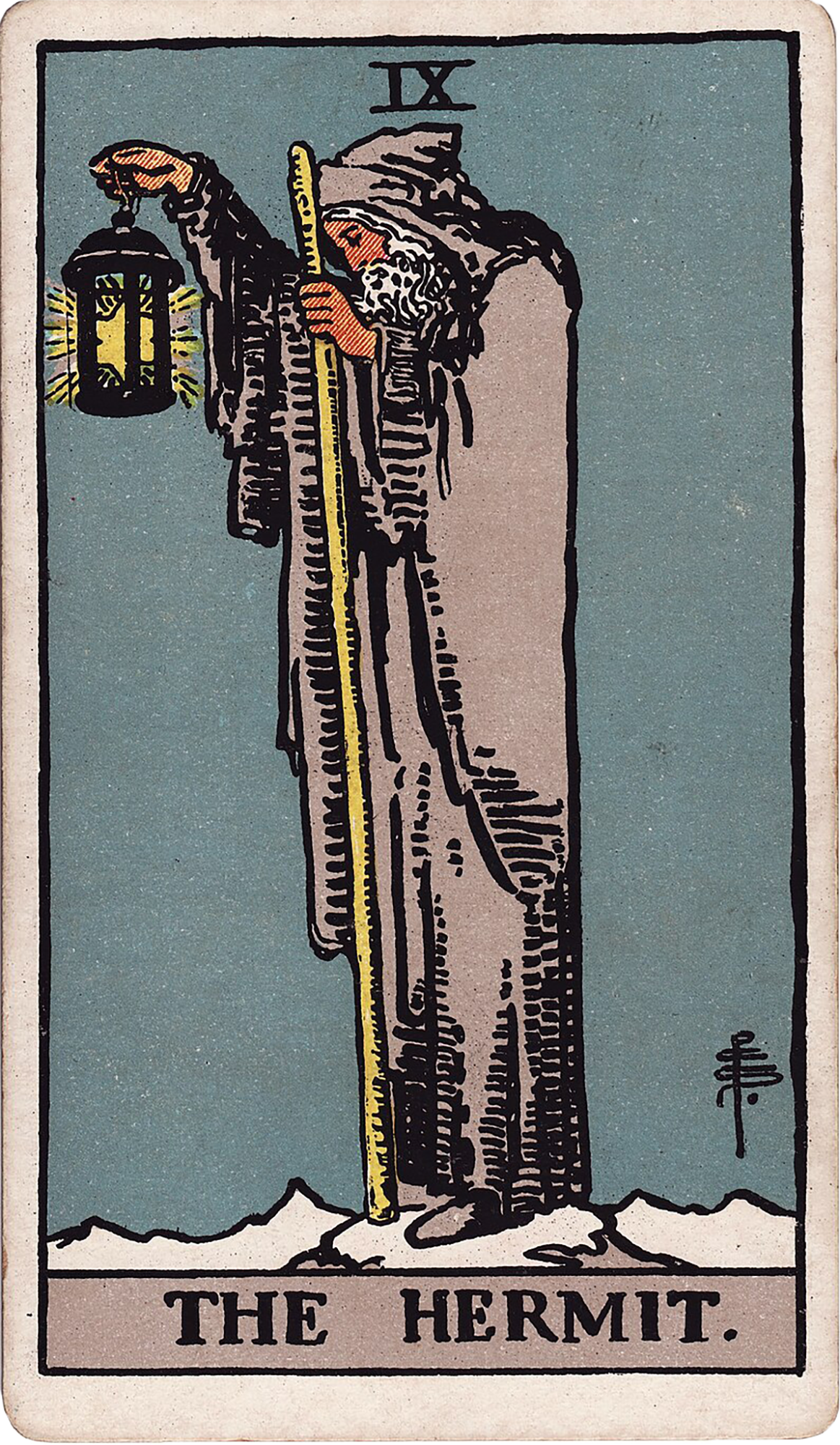
The Hermit card, traditionally depicted as a solitary figure holding a lantern high to illuminate the path ahead, invites the reader into a space of quiet contemplation and intuitive insight. In the Rider-Waite-Smith deck, this image symbolizes withdrawing from external noise to seek internal clarity. The Hermit is not a card of escape but of conscious stepping back to illuminate truths that guide future steps. In upright position, The Hermit emphasizes deliberate solitude, inviting meditators and tarot readers to embrace introspection as a constructive process rather than avoidance. Conversely, the reversed Hermit signals potential pitfalls like isolation or avoidance that need to be recognized and balanced.
Upright The Hermit Meaning and Symbolism
The upright Hermit encourages a pause from action and external distractions to cultivate inner wisdom. The glowing lantern represents the light of knowledge and truth that guides the seeker but only reveals what is necessary, emphasizing depth over breadth. The Hermit’s staff symbolizes support and stability during this introspective journey. Practically, this card highlights moments when a direct response or clearer boundary can move a situation forward by allowing space for reflection. It also signals readiness to operate with current resources rather than waiting for certainty. In meditation, this card suggests focusing inward to identify which thoughts or feelings require deeper examination.
Reversed The Hermit Meaning and Symbolism
When reversed, The Hermit’s constructive solitude may become distorted into unhealthy isolation or withdrawal. Excessive analysis or avoidance of necessary engagement can confuse the seeker rather than clarify. The lantern’s light may be dimmed or obscured, symbolizing blocked insight or delayed self-awareness. This reversed position often reflects a psychological or private struggle with old patterns still unaddressed. Instead of viewing this as purely negative, readers should examine where Hermit's energy is out of balance: Are boundaries too rigid? Is solitude being used as an escape? Understanding this nuance prevents misinterpretation and supports healing or re-engagement at the right time.
Applying The Hermit in Different Contexts
The Hermit card’s core theme of introspection manifests uniquely across life contexts. Rather than offering fixed predictions, it invites readers to explore where deliberate reflection or withdrawal may benefit or hinder progress. In love, upright Hermit suggests a period for personal clarity, emotional boundaries, and honest self-reflection before engagement. Reversed, it warns against isolation or avoidance that prevent connection. In career, the upright Hermit calls for strategic thinking, patience, and working with existing resources; the reversed form may indicate burnout, poor communication, or reluctance to participate in teamwork. Regarding money, upright signals managing finances thoughtfully and avoiding impulsive decisions. Reversed may imply financial isolation or denial of issues. As advice, this card encourages the seeker to trust inner guidance and prioritize quality over quantity in choices. Seen as a challenge, The Hermit asks: Where might you be resisting necessary solitude or clarity? Or conversely, where are you withdrawing excessively? When representing a person, this card often describes someone wise, introspective, and independent but possibly distant or withdrawn in unhealthy ways when reversed. In outcomes, upright Hermit implies a period of insight leading to deliberate, well-considered steps forward; reversed suggests delays or complications caused by avoidance or internal conflict. Spiritually, this card champions deep meditation and thoughtful self-examination as paths to enlightenment, with caution against getting stuck in isolation.
Techniques for Meditative and Reflective Tarot Reading with The Hermit
To integrate The Hermit effectively into meditation or reflective tarot practices, begin by focusing on the card’s imagery: the solitary figure, the lantern, and the staff. Visualize these as symbols of your current inner journey and what light you seek. When reading, ask yourself: - In what area of life do I need to step back and see more clearly? - What boundaries require clearer definition? - How can I use solitude constructively rather than avoidantly? During meditation, hold the card or place it nearby to anchor your focus. Use journaling prompts inspired by the card: - What truths am I overlooking? - How does solitude serve or hinder me in this moment? Avoid rushing to conclusions about outcomes. Instead, allow The Hermit to guide you toward incremental, conscious actions aligned with inner wisdom. Notice any resistance or discomfort as signals to examine balance between engagement and withdrawal.
Common Mistakes and How to Avoid Them
A frequent error with The Hermit is interpreting its call for solitude as simply meaning 'be alone' or 'avoid others.' True Hermit energy is purposeful and balanced, emphasizing quality reflection rather than escapism. Another mistake is to treat the card’s presence as a definite sign of loneliness or depression; instead, consider the card’s position and accompanying cards to discern context. Ignoring the reversed meaning’s complexity is also common. Rather than assuming it is 'bad,' view reversals as opportunities to identify where Hermit qualities are inaccessible or exaggerated. Lastly, some readers apply The Hermit as a predictor of outcomes without encouraging active participation. This card is best used as a guide to conscious awareness, not passive fate.
Practical Reading Method for Single-Card Hermit Interpretations
When The Hermit appears alone in a reading, begin by observing the card’s upright or reversed position and recalling its symbolic elements—the hooded figure, the glowing lantern, and the staff. Reflect on your initial emotional or intuitive reaction to these images. Next, place The Hermit within the question or life area you are exploring (e.g., love, career). Ask: - Where is deeper honesty or clearer boundary needed here? - What next small step aligns with my current insights? Consider both upright and reversed meanings as potential energies at play, asking whether introspection is balanced or distorted. Write down impressions, noting any resistance or clarity. Use the card to design a simple action plan emphasizing reflection, boundary setting, or mindful solitude. Follow up with journaling or meditation sessions that revisit The Hermit’s message and monitor shifts over time.
Interpreting The Hermit in Love Context
In love readings, the upright Hermit encourages intentional solitude to gain clarity about personal needs, boundaries, and emotional priorities before deepening connection or making relationship decisions. The lantern symbolizes the inner light shining on hidden feelings or motivations, inviting honest self-assessment. For singles, this card may suggest a beneficial pause from dating to focus on self-understanding. For partners, it can mean creating space for mutual reflection or resolving conflicts through honest communication. Reversed, The Hermit warns of withdrawal that leads to loneliness or avoidance of emotional intimacy. It asks the reader to question whether fear or past wounds are preventing openness. This balanced approach helps learners apply the card’s wisdom actively rather than passively interpreting it as a fixed outcome.
Interpreting The Hermit in Career Context
The Hermit upright in career contexts advises stepping back to evaluate goals, skills, and next steps with patience and strategic insight. The lantern’s light encourages working with available information and resources while resisting impulsive decisions. This card may indicate a need for further learning, mentoring, or solitary focus to develop expertise. Reversed, it can signify burnout, isolation from teamwork, or reluctance to share ideas, which may hamper progress. Readers should use The Hermit to identify whether their current approach is balanced between reflection and action or skewed toward unproductive withdrawal.
Interpreting The Hermit in Money Context
In financial readings, The Hermit upright signals prudence, cautious planning, and thoughtful management of resources. The seeker is advised to resist noise or pressure, focusing instead on sustainable, deliberate choices. The lantern's glow suggests illuminating hidden financial patterns or assumptions through introspection. Reversed, this card might indicate denial of financial realities or excessive isolation from consultative support. The reader is encouraged to identify where financial clarity is blocked and to seek balance between independent management and informed advice.
Interpreting The Hermit as Advice and Challenge
When given as advice, The Hermit invites the seeker to embrace solitude intentionally, cultivate deeper honesty, and make choices that are proportionate to the present reality. It encourages trusting inner wisdom rather than rushing for external validation or quick fixes. As a challenge, the card probes where the seeker might resist needed reflection or overdo withdrawal to avoid confronting difficult truths or responsibilities. It asks for awareness about balancing participation and retreat. Engaging with these layers deepens the reading’s practical application.
Interpreting The Hermit as a Person and Outcome
When representing a person, The Hermit typically describes someone introspective, wise, and independent—often a mentor or guide figure. This person values truth and clarity but may also be emotionally reserved or private. In reversed form, they might be withdrawn in unhealthy ways, reluctant to engage, or caught in excessive self-criticism. As an outcome, upright Hermit promises thoughtful insight leading to deliberate, wise steps forward, even if progress is slow. Reversed outcome suggests delays, confusion, or the need to address internal resistance before moving on.
Interpreting The Hermit in Spiritual Reflection
Spiritually, The Hermit represents the archetype of the seeker who turns inward to discover sacred truth. The lantern is the divine light guiding the soul’s path beyond distractions and superficial understanding. The upright card promotes meditation, contemplation, and sincere self-examination as essential tools for spiritual growth. Its reversal suggests spiritual stagnation, avoidance of inner work, or isolation from community support. Using The Hermit as a meditation focus helps cultivate patience and trust in the unfolding inner journey.
Practice questions
• Where in my life could stepping back and reflecting more deeply provide clarity or insight?
• How do I distinguish between healthy solitude and avoidance or isolation?
• What inner boundaries need clearer definition to support my personal growth?
• In what ways am I currently working with available resources rather than waiting for perfect certainty?
• How can I balance introspection with active participation in relationships or projects?
• What truths might I be overlooking that The Hermit’s lantern could help illuminate?
• Am I open to recognizing old patterns that may be blocking my progress?
• How does the imagery of The Hermit resonate with my current spiritual or meditative practice?
• Where might I be resisting necessary self-reflection or delayed insight?
Comments
Sign in to comment.
Continue learning
Understanding the Synergy Between The Empress and The Emperor in Tarot Card Combinations
This article delves into the intricate synergy between The Empress and The Emperor cards in Tarot, focusing on how their combined energies modify and enrich readings across various...
Exploring The High Priestess in Career Relationships and Personal Growth
The High Priestess card in the tarot deck invites readers to explore intuition, hidden knowledge, and inner wisdom across various life contexts. This article examines how The High...
Using the Five Card Cross Tarot Spread to Navigate Career Changes with Confidence
The Five Card Cross Tarot Spread is a versatile and insightful tool for navigating career changes. This article guides learners through the method step-by-step using a practical ex...
Exploring The Hierophant in Modern Spiritual Practices and Personal Development
The Hierophant tarot card symbolizes structured wisdom, tradition, and the pursuit of knowledge through established systems. This article explores how The Hierophant’s upright and...
Unlocking Personal Ambition and Emotional Balance with The Chariot and Queen of Cups
The Chariot and Queen of Cups together represent a compelling combination of disciplined ambition and emotional maturity. This article guides learners through understanding how the...
Understanding The Tower in Tarot for Navigating Sudden Change and Crisis
The Tower card in Tarot symbolizes sudden, often disruptive change that destroys false foundations and compels honest reassessment. This article provides a comprehensive exploratio...
Understanding The Hanged Man in Personal Sacrifice and Spiritual Growth
The Hanged Man tarot card embodies the themes of intentional pause, surrender, and gaining new perspectives that foster personal sacrifice and spiritual growth. In this article, we...
Unlocking Emotional Balance with The Lovers and Temperance in Tarot Combinations
This article explores the dynamic interplay between The Lovers and Temperance cards in Tarot readings, focusing on how their combination unlocks emotional balance and integration....
Understanding the Court Cards of Pentacles for Practical Wisdom and Grounded Ambition
The Court Cards of Pentacles—Page, Knight, Queen, and King—offer a rich framework for understanding practical wisdom, grounded ambition, and stewardship of material resources. Anch...
Exploring The Star Card for Spiritual Hope and Emotional Renewal
This article explores The Star card from the Tarot deck as a symbol of spiritual hope and emotional renewal. Using the supplied upright and reversed card interpretations and Rider-...