
Understanding The Hanged Man in Personal Sacrifice and Spiritual Growth
The Hanged Man tarot card embodies the themes of intentional pause, surrender, and gaining new perspectives that foster personal sacrifice and spiritual growth. In this article, we explore how its upright and reversed forms manifest differently across common reading contexts: love, career, money, advice, challenge, person, outcome, and spiritual reflection. Using the card's rich Rider-Waite-Smith imagery as a grounding point, we offer practical techniques to avoid common interpretive mistakes and deepen your understanding of the card’s dynamic role in your readings. This comprehensive guide empowers learners to apply The Hanged Man’s lessons constructively, whether facing internal resistance or embracing transformation.
Cards explored in this article
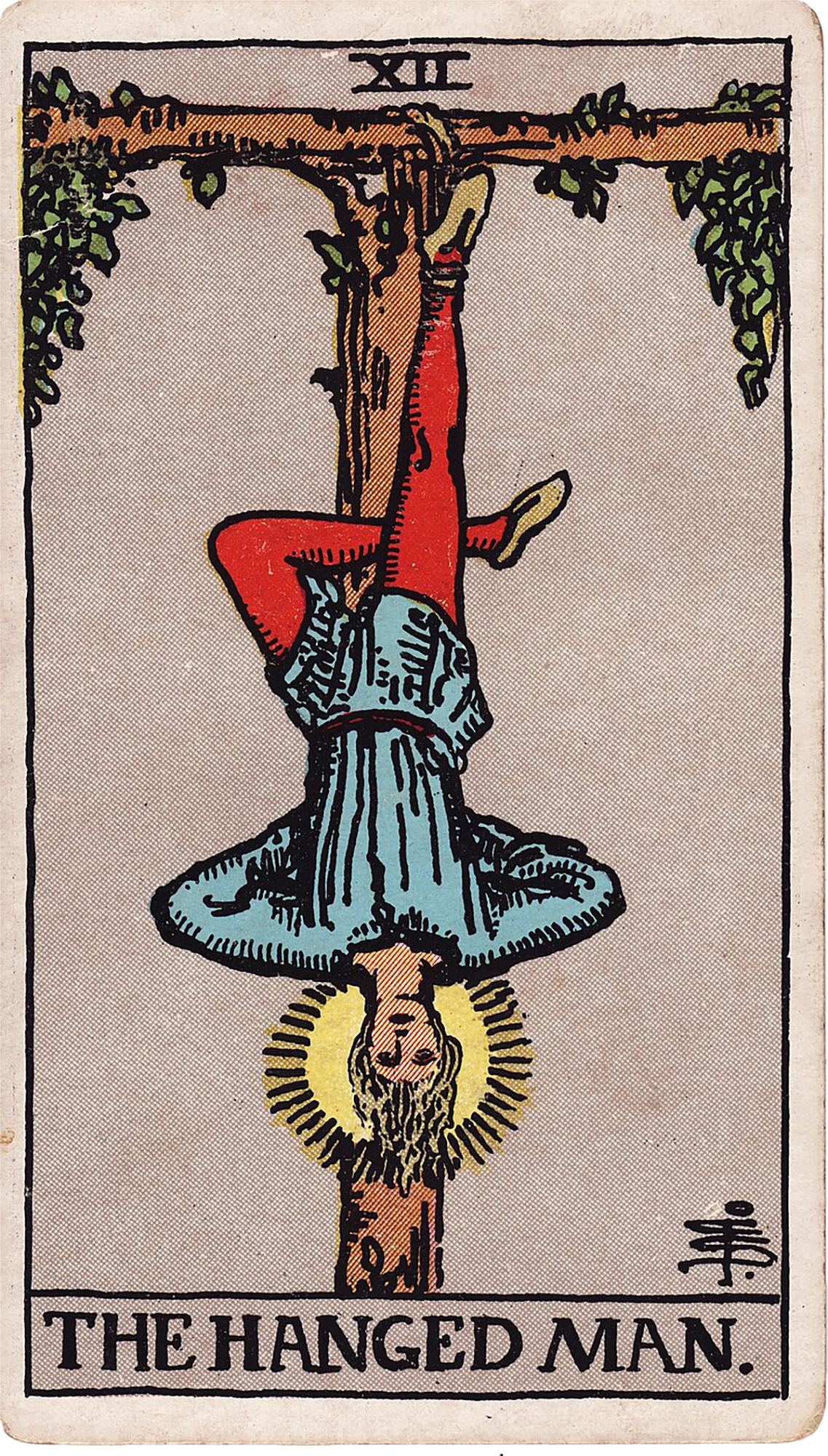 The Hanged Man
Introduction to The Hanged Man Symbolism and Meaning
The Hanged Man is a powerful Major Arcana card traditionally numbered XII in the Rider-Waite-Smith deck. The imagery depicts a man suspended upside down by one foot from a tree or wooden structure, often with a serene expression. This iconic visual suggests voluntary surrender, suspension of action, and a shift in perspective. The card’s upright meaning revolves around deliberate pause, releasing control, and allowing insight to emerge through altered viewpoints. It encourages the querent to work consciously with current circumstances rather than forcing immediate solutions. Conversely, the reversed Hanged Man highlights challenges such as stagnation, martyrdom, resistance to necessary surrender, or delays without progress. It signals that the card’s positive qualities may be blocked, exaggerated, or internalized without balance. Understanding these dual meanings sets the foundation for interpreting The Hanged Man across different reading contexts.
Upright and Reversed Interpretations in Card Contexts
The Hanged Man’s core themes manifest uniquely depending on the context in which it appears. Upright, it generally advises conscious acceptance of pause and perspective shift; reversed, it warns against unproductive resistance or stagnation. For example, in a love context, upright suggests taking time to reassess relationships from a new angle, while reversed may indicate emotional martyrdom or unwillingness to change. In career, upright encourages strategic patience and re-evaluation, whereas reversed warns of wasted delays or feeling stuck in unsatisfying roles. This approach applies to money, advice, challenge, person, outcome, and spiritual reflection contexts as well, each shaped by the card’s symbolism and the nature of the question. Repeatedly anchoring to the card’s visual details—such as the halo around the Hanged Man’s head symbolizing enlightenment gained through the pause—supports a grounded, nuanced interpretation.
The Hanged Man in Love and Relationships
When The Hanged Man appears in a love reading upright, it suggests that a pause or period of reflection could bring new understanding to the relationship. The suspended figure invites looking at dynamics from a different perspective—perhaps recognizing patterns previously overlooked or valuing patience over immediate action. This can be a time for personal sacrifice, such as yielding control or expectations, to allow the relationship to evolve naturally. Reversed, the card cautions about staying stuck in unhealthy dynamics, such as martyrdom where one partner sacrifices excessively without mutual growth, or resistance to making necessary changes. It may also indicate delays in emotional progress caused by fear or unwillingness to surrender old patterns. Practical technique: In readings, ask the querent where they might be holding on too tightly or avoiding seeing the relationship through another’s eyes. The card encourages dialogue around releasing control and embracing vulnerability.
Career and The Hanged Man’s Message of Strategic Pause
Career readings featuring The Hanged Man upright emphasize the importance of thoughtful pause, reassessment, and adapting perspective. The card’s imagery of suspension suggests stepping back from immediate pressures to evaluate goals and strategies more clearly. It advises working with what is available now, even amid uncertainty, rather than forcing premature decisions. In reversed position, the card may indicate stagnation at work, frustration with lack of progress, or a tendency to cling to outdated roles or approaches. It warns against martyrdom through overwork or refusing to change course despite visible signs of the need for transformation. Readers should explore with querents whether they are resisting necessary shifts or failing to learn from current challenges. Emphasize measured, conscious choices over reactive decisions.
Financial Interpretations of The Hanged Man
The Hanged Man in money readings highlights the value of patience and rethinking financial strategies. Upright, it encourages accepting temporary limitations and investing time in learning or reframing one’s relationship with money. This card suggests that clear sight on financial issues has emerged, allowing for deliberate, proportionate action rather than impulsive moves. When reversed, the card often signals financial stagnation caused by resistance to adapt spending or saving habits. It can also point to self-imposed delays or feeling trapped in unproductive financial cycles. A practical reading tip is to ask the querent what old financial beliefs or habits they need to release to foster growth. The Hanged Man encourages a mindset of surrendering control to improve long-term stability.
Advice and Challenge Contexts Emphasizing Surrender and Awareness
As advice, The Hanged Man upright counsels deliberate pause and openness to new perspectives. It suggests the querent should resist the urge for immediate reaction and instead identify what part of the situation requires acceptance or a shift in viewpoint. This can be especially useful in times of uncertainty or conflict. In challenge contexts, the reversed card points to difficulty surrendering or seeing patterns clearly. It may highlight martyrdom tendencies or passive delay that blocks progress. The key question is identifying where energy is stuck or distorted and working toward balance. Technique: Encourage querents to reflect on where resistance to change is creating unnecessary suffering. This card invites an honest internal dialogue about control, patience, and conscious choice.
Person and Outcome Readings with The Hanged Man’s Transformative Energy
When representing a person, The Hanged Man typically describes someone who embodies contemplation, patience, and spiritual insight. This individual may be voluntarily stepping back to gain clarity or accepting circumstances beyond their control with grace. Upright, this person often inspires others through their ability to surrender and see things differently. If reversed, the person might be struggling with feelings of being stuck, overly self-sacrificial, or resistant to necessary inner change. Recognizing this dynamic can help frame advice with compassion and encouragement for growth. Regarding outcomes, the upright Hanged Man suggests that the situation will benefit from a pause that leads to enlightened understanding and constructive next steps. Reversed may warn that progress is delayed by resistance or failure to internalize lessons fully. Readers should guide querents to identify what must be released or reexamined to move forward.
Spiritual Reflection and The Hanged Man’s Path to Growth
Spiritually, The Hanged Man is a profound symbol of transformation through surrender and altered consciousness. Upright, it invites the querent to embrace the discomfort of letting go, trusting that the pause will yield new insights and growth. The halo in the card’s imagery represents enlightenment gained by seeing the world from a radically different angle. Reversed, the card highlights blocks in spiritual progress caused by clinging to ego, martyrdom, or fear of change. It calls for awareness of these internal obstacles and compassionate effort to transcend them. Learners should practice meditative reflection on The Hanged Man’s image to deepen their grasp of non-attachment and open-mindedness as spiritual disciplines. This card can serve as a guide for intentionally embracing sacrifice as a path to awakening.
Common Mistakes and Practical Reading Techniques
A common mistake with The Hanged Man is interpreting the card as purely negative or passive. Instead, it represents active surrender—a conscious choice to pause and view situations differently. Another error is ignoring the reversed form’s nuance, which is not inherently bad but highlights blocks or distortions in the upright qualities. Practically, readers should anchor interpretations in the card’s Rider-Waite imagery—the inverted figure’s calm expression, the halo, the natural setting—to reinforce themes of surrender, enlightenment, and natural cycles. Always tailor meaning to the querent’s question and surrounding cards if present. Techniques include asking reflective questions about control, perspective, and timing. For example: 'Where might stepping back reveal new insight?' or 'What old pattern needs to be released before moving forward?' These prompts help integrate the card’s wisdom constructively.
Practice questions
• In what areas of my life am I resisting necessary pause or surrender?
• How can adopting a new perspective help me overcome current challenges?
• Where might I be sacrificing too much without reciprocal growth?
• What can I release now to allow for spiritual or personal transformation?
• How do patience and delayed action serve my long-term goals?
Comments
Sign in to comment.
Continue learning
Understanding the Synergy Between The Empress and The Emperor in Tarot Card Combinations
This article delves into the intricate synergy between The Empress and The Emperor cards in Tarot, focusing on how their combined energies modify and enrich readings across various...
Exploring The High Priestess in Career Relationships and Personal Growth
The High Priestess card in the tarot deck invites readers to explore intuition, hidden knowledge, and inner wisdom across various life contexts. This article examines how The High...
Using the Five Card Cross Tarot Spread to Navigate Career Changes with Confidence
The Five Card Cross Tarot Spread is a versatile and insightful tool for navigating career changes. This article guides learners through the method step-by-step using a practical ex...
Exploring The Hierophant in Modern Spiritual Practices and Personal Development
The Hierophant tarot card symbolizes structured wisdom, tradition, and the pursuit of knowledge through established systems. This article explores how The Hierophant’s upright and...
Unlocking Personal Ambition and Emotional Balance with The Chariot and Queen of Cups
The Chariot and Queen of Cups together represent a compelling combination of disciplined ambition and emotional maturity. This article guides learners through understanding how the...
Understanding The Tower in Tarot for Navigating Sudden Change and Crisis
The Tower card in Tarot symbolizes sudden, often disruptive change that destroys false foundations and compels honest reassessment. This article provides a comprehensive exploratio...
Discovering The Hermit in Meditation and Self Reflection Practices
The Hermit tarot card, a symbol of introspection and deliberate solitude, offers profound lessons for meditation and self-reflection practices. This article unpacks its upright and...
Unlocking Emotional Balance with The Lovers and Temperance in Tarot Combinations
This article explores the dynamic interplay between The Lovers and Temperance cards in Tarot readings, focusing on how their combination unlocks emotional balance and integration....
Understanding the Court Cards of Pentacles for Practical Wisdom and Grounded Ambition
The Court Cards of Pentacles—Page, Knight, Queen, and King—offer a rich framework for understanding practical wisdom, grounded ambition, and stewardship of material resources. Anch...
Exploring The Star Card for Spiritual Hope and Emotional Renewal
This article explores The Star card from the Tarot deck as a symbol of spiritual hope and emotional renewal. Using the supplied upright and reversed card interpretations and Rider-...