
Exploring the Transformative Power of Death and Temperance in Tarot Combinations
This article explores the deep transformative dynamics when the Death and Temperance cards appear together in a Tarot spread. By examining their traditional Rider-Waite-Smith symbolism and upright and reversed positions, readers gain insight into how endings and integration work in concert. The article offers practical advice for interpreting these cards in relationship, career, and emotional contexts, emphasizing a holistic reading approach that avoids simplistic one-card interpretations. Through examples and reflective questions, learners develop a nuanced understanding of these archetypes and their combined meaning in Tarot practice.
Read the cards together
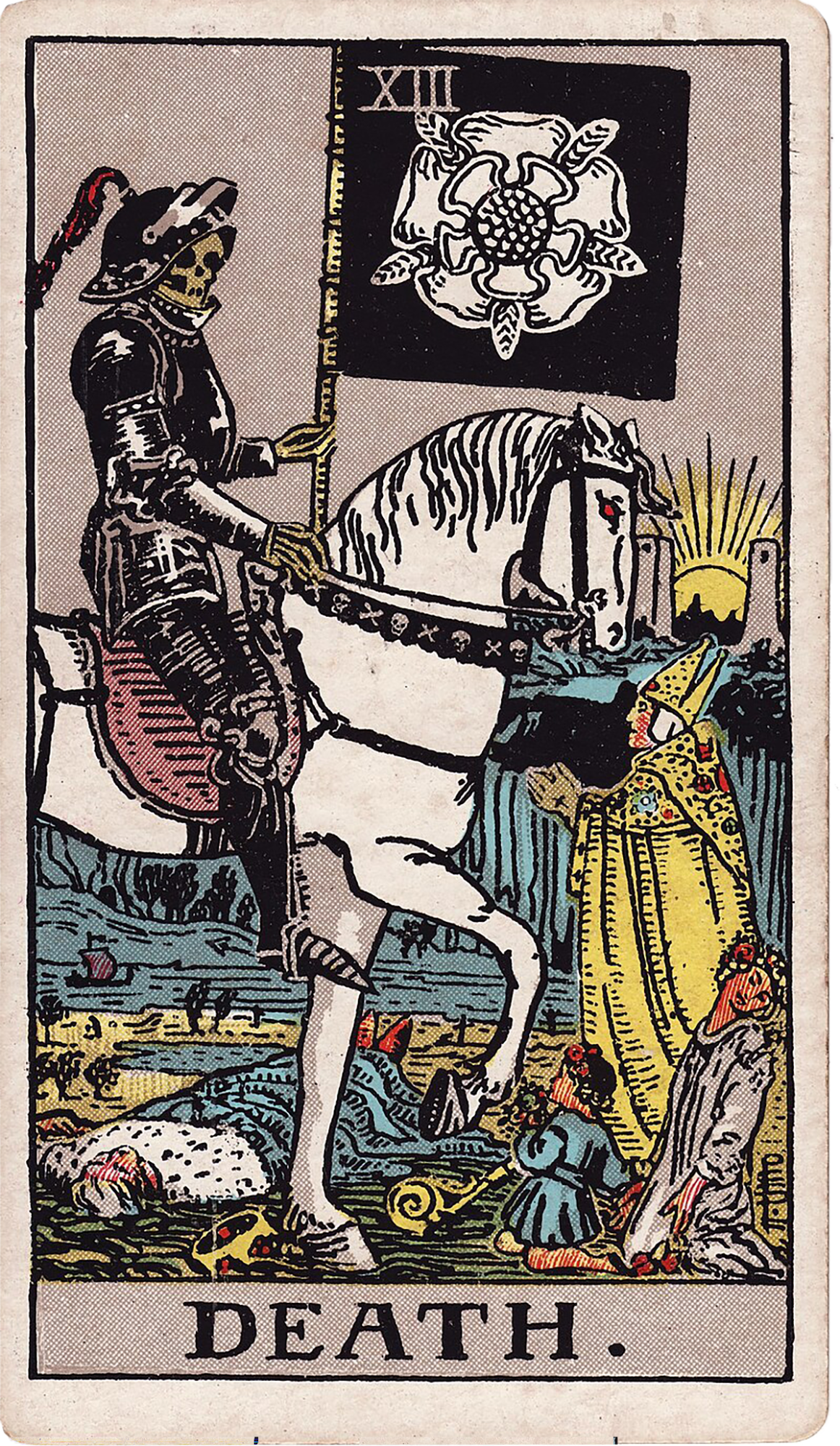 Death
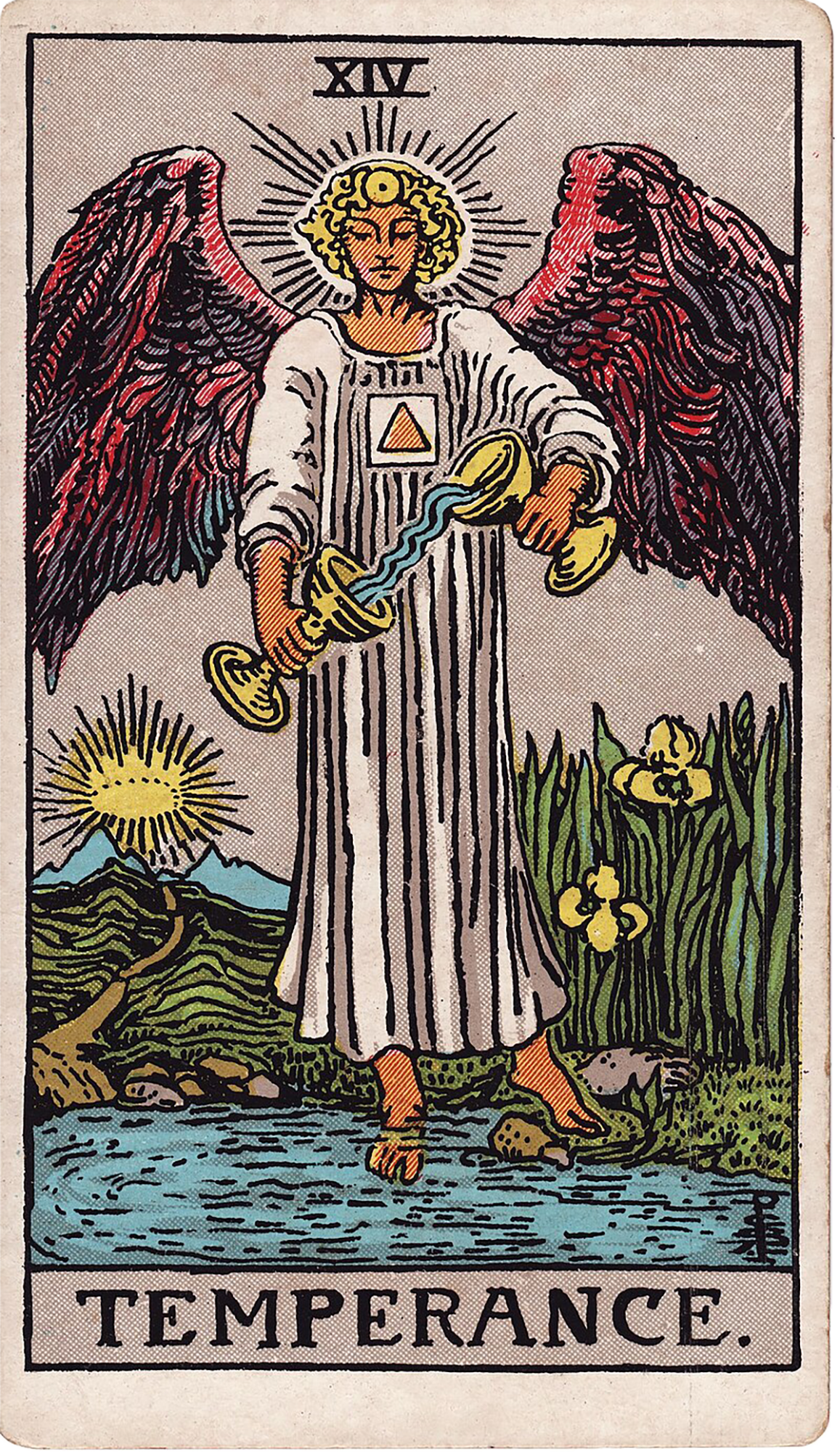 Temperance
Understanding the Symbolism of Death and Temperance in Tarot
The Tarot cards Death and Temperance each carry profound archetypal imagery rooted in transformation and balance. In the traditional Rider-Waite-Smith deck, Death depicts a skeletal figure riding a white horse, symbolizing the inevitability of endings and the release of old forms. The card’s upright meaning emphasizes making endings real and using conscious choice to facilitate transformation. It is not a card of literal death but a metaphor for cycles, closure, and rebirth. Nearby imagery such as the rising sun and the fallen king remind us that renewal follows even the most significant conclusions. Temperance, on the other hand, features an angelic figure pouring water between two cups, symbolizing the skillful integration of opposites and the pursuit of moderation. It represents combining diverse elements with patience and harmony to produce a better whole. Upright, Temperance encourages steady, deliberate balance and working with what is available rather than rushing toward certainty. Both cards emphasize qualities that can be cultivated consciously—Death with acceptance of endings and Temperance with blending and moderation.
The Power of Combining Death and Temperance in Card Combinations
When these two cards appear together, the combination enriches the reading by weaving themes of transformation and integration. Death’s call to release what no longer serves gains a complementary energy from Temperance’s invitation to blend and moderate what remains. This union encourages a thoughtful and balanced approach to change: endings are honored and made clear, while new forms are shaped with care and patience. Avoiding simplistic interpretations is crucial. Instead of reading each card separately, the reader should explore how Temperance’s energy modifies Death’s abrupt transformation. For example, where Death might indicate a sudden or painful ending, Temperance suggests that the querent has the capacity to manage that transition with grace, avoiding extremes or reckless behavior. Conversely, Temperance’s call for moderation might be challenged by Death’s emphasis on decisive closure, highlighting tensions between the need to let go and the desire to hold on.
Interpreting Death and Temperance in Relationship Contexts
In relationship readings, this card combination is rich with nuanced meaning. Death signals that a chapter within the relationship—whether the relationship itself or a particular dynamic—is coming to a close. This ending can be challenging but necessary. Temperance indicates the importance of tempering emotions, balancing differing needs, and integrating lessons learned. Together, they advise that transformation in relationships is most successful when accompanied by patient communication and emotional moderation. For example, if a couple faces a breakup (Death), the presence of Temperance might reveal the possibility for an amicable separation or personal growth through the experience rather than reactive bitterness. Alternatively, the combination may suggest healing old wounds by blending new perspectives, encouraging the querent to consciously balance endings with forgiveness or reconciliation. Reading reversed positions can highlight resistance to change (Death reversed) or difficulty maintaining balance (Temperance reversed), pointing to areas where emotional work is needed before healthy transformation can occur.
Exploring Career and Practical Life Insights from This Combination
In career or practical life spreads, Death and Temperance together articulate a powerful message about endings and new beginnings that require careful integration. Death upright signals a phase that must end—perhaps a job, project, or approach—while Temperance encourages the querent to blend new skills, ideas, or attitudes gradually rather than rushing into change. For instance, a reader might interpret this combination as a call to consciously close a chapter in professional life and then patiently cultivate balance between old competencies and emerging opportunities. The imagery of Temperance’s flowing water between cups can symbolize the transfer and mixing of knowledge, emphasizing that transformation involves synthesis rather than abrupt rupture. A mistake often made is to interpret Death as pure destruction and Temperance as passivity. Instead, these cards together highlight active, skillful engagement with transformation. Reversed cards might indicate impatience or fear around these transitions, suggesting the querent needs to clarify boundaries or slow down to avoid overwhelm.
Emotional and Psychological Dimensions of Death and Temperance
Emotionally, Death and Temperance invite deep inner work. Death’s energy pushes the individual to confront endings and release attachments, while Temperance supports this process by fostering internal harmony and self-regulation. This combination encourages the querent to notice where emotional patterns no longer serve and to blend new, healthier habits or perspectives steadily. The angelic figure in Temperance pouring water between cups visually represents this ongoing emotional alchemy—transmuting pain or loss into healing and balance. In readings where one or both cards are reversed, the dynamic may highlight internal resistance, imbalance, or delayed transformation. The reader can look to the interplay of the two cards to identify whether the querent is overwhelmed by endings or struggling to find emotional moderation. Ultimately, this card combination supports a psychological process that is neither hurried nor avoided, but integrated mindfully.
Techniques for Reading Death and Temperance Combinations Effectively
To interpret these two cards together effectively, begin by grounding your reading in their shared themes of transformation and balance. Observe the imagery carefully: Death’s armored horse and rising sun, Temperance’s angel and flowing water, and the posture and details of each figure. Ask how the qualities of each card modify the other. Consider questions such as: Where is the querent being called to make an ending real? How can they apply moderation to this process? Where might impatience or clinging be interfering? Avoid reading the cards in isolation or jumping to deterministic conclusions. Instead, use the combination as a conversation between energies, exploring how they manifest in the querent’s life context. Use clarifying questions and look at neighboring cards for further nuance. Pay special attention to whether each card is upright or reversed, as this will shape the nature of the interaction—whether it is harmonious, challenging, or indicative of internal resistance. The practical method includes: - Describing each card’s core message. - Exploring how Temperance’s moderation influences Death’s endings. - Applying the combined meaning to the querent’s question (relationship, career, emotional). - Reflecting on imagery and symbolism to deepen interpretation. By weaving these threads, the reader creates a dynamic, layered interpretation that respects complexity and nuance.
Common Mistakes and How to Avoid Them in This Card Combination
A frequent mistake is to treat Death as purely negative or fearful and Temperance as simply ‘nice’ or passive. This diminishes their powerful roles as active energies of transformation and integration. Another error is to read each card separately without considering their interplay, leading to fragmented or superficial readings. Avoid oversimplifying Death as 'death or loss' and Temperance as 'just patience.' Instead, connect to their Rider-Waite-Smith symbolism: Death’s white horse representing inevitability and renewal, Temperance’s angel symbolizing spiritual balance and alchemy. Also, beware of ignoring reversed cards or treating reversals as automatic bad omens. Focus on how reversed Death might reveal resistance or delayed endings, and reversed Temperance indicate imbalance or extremes. These nuances enrich interpretation. Finally, neglecting context—relationship, career, emotional—can lead to generic or inaccurate readings. Always tailor interpretation to the querent’s situation and integrate both cards’ energies rather than isolating them.
Practical Examples Demonstrating the Combination in Readings
Example 1: Relationship Reading — The querent draws Death upright and Temperance upright when asking about a troubled partnership. The reader interprets that a significant chapter is ending, such as habitual conflict or emotional distance. However, Temperance suggests that with patience and balanced communication, the couple can blend new understanding rather than simply break apart. The combination highlights both necessary closure and hopeful integration. Example 2: Career Reading — With Death upright and Temperance reversed, the querent faces job loss but struggles with impatience and imbalance. The reader advises embracing the ending (Death) but cautions against impulsive decisions or overextending energy (reversed Temperance). The cards counsel developing moderation and measured steps in the transition. Example 3: Emotional Reading — Death reversed and Temperance upright appear when the querent wonders why emotional growth feels stalled. Death reversed points to clinging to past patterns, while Temperance upright encourages steady internal blending and healing. The reader suggests focusing on releasing old attachments to allow Temperance’s integrative energy to promote emotional renewal. These examples illustrate how the cards dynamically interact and why reading them together yields richer insights than isolated interpretations.
Practice questions
• How do the themes of ending and integration appear in your current life situation?
• Where might you be resisting a necessary ending or transformation?
• In what ways can you cultivate patience and balance when navigating change?
• How does the imagery of the Death card’s horse and the Temperance angel speak to your personal journey?
• What internal or external factors might be influencing your ability to blend new elements after an ending?
Comments
Sign in to comment.
Continue learning
Interpreting the Dance of Justice and The Devil: Balancing Morality and Temptation in Tarot Readings
The combination of Justice and The Devil in tarot presents a profound exploration of morality, temptation, and personal accountability. This article unpacks how these cards influen...
Harnessing the Power of The Magician and Ace of Wands: Igniting Creativity and Manifestation in Tarot Readings
The combination of The Magician and the Ace of Wands in tarot readings offers a potent blend of creative energy and manifestation power. This article delves into the ways these car...
Understanding the Synergy Between The Empress and The Emperor in Tarot Card Combinations
This article delves into the intricate synergy between The Empress and The Emperor cards in Tarot, focusing on how their combined energies modify and enrich readings across various...
Decoding Transformation and Renewal with Death and The Star in Tarot Combinations
This article delves into the card combination of Death and The Star, two powerful Major Arcana cards from the Rider-Waite-Smith deck. It explores how their imagery and meanings int...
Balancing Ambition and Compassion with The Emperor and Queen of Cups in Tarot Combinations
This article delves into the nuanced Tarot card combination of The Emperor and Queen of Cups, emphasizing how their energies complement and challenge each other. By analyzing their...
Finding Emotional Healing and Renewal with The Star and The Moon Tarot Combination
This article examines the rich interplay between The Star and The Moon tarot cards when they appear together in a reading. Using the traditional Rider-Waite-Smith symbolism and the...
Unlocking Emotional Wisdom with The High Priestess and The Queen of Cups in Tarot Combinations
This article delves into the card combination of The High Priestess and The Queen of Cups, emphasizing their shared themes of intuition, emotional depth, and receptivity. By examin...
Unlocking Emotional Resilience with Strength and The Star in Tarot Combinations
This article delves into the Tarot card combination of Strength and The Star, revealing how their interplay highlights pathways to emotional resilience. Anchored in the Rider-Waite...
Unveiling Emotional Strength with Strength and The Queen of Cups in Tarot Combinations
This article delves into the dynamic Tarot combination of Strength and The Queen of Cups, emphasizing how these cards together illuminate emotional strength, compassionate boundari...
Unlocking Emotional Transformation with Death and The Moon Tarot Combination
This article explores the rich and complex interaction between the Death and The Moon tarot cards within the Rider-Waite-Smith tradition, focusing on their combined potential to un...