
Harness Court Card Archetypes to Build a Personal Skill Development Plan
This article teaches a method for using four Minor Arcana court cards — the King of Wands, Knight of Cups, Queen of Swords, and Page of Pentacles — as archetypal roles that shape a sustainable, stage-aware personal skill development plan. You will learn how to read the supplied images for practical cues, run targeted tarot spreads to identify strengths and gaps, translate upright and reversed court-card dynamics into concrete actions, and combine tarot insights with habit science and measurement. Exercises, sample readings, and common mistakes help you use these court cards as functional coaches rather than fortune-telling shortcuts.
Cards explored in this article
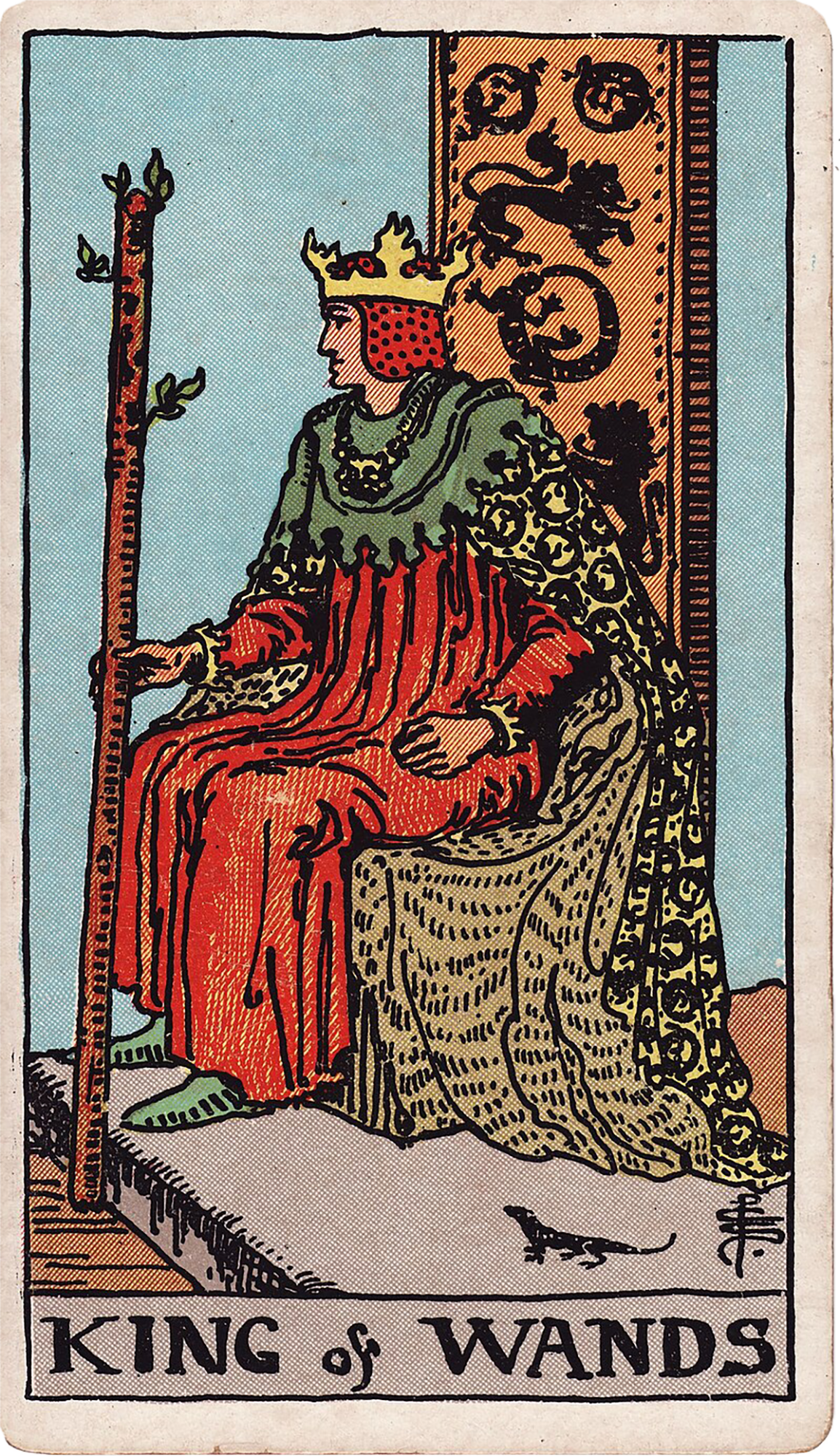 King of Wands
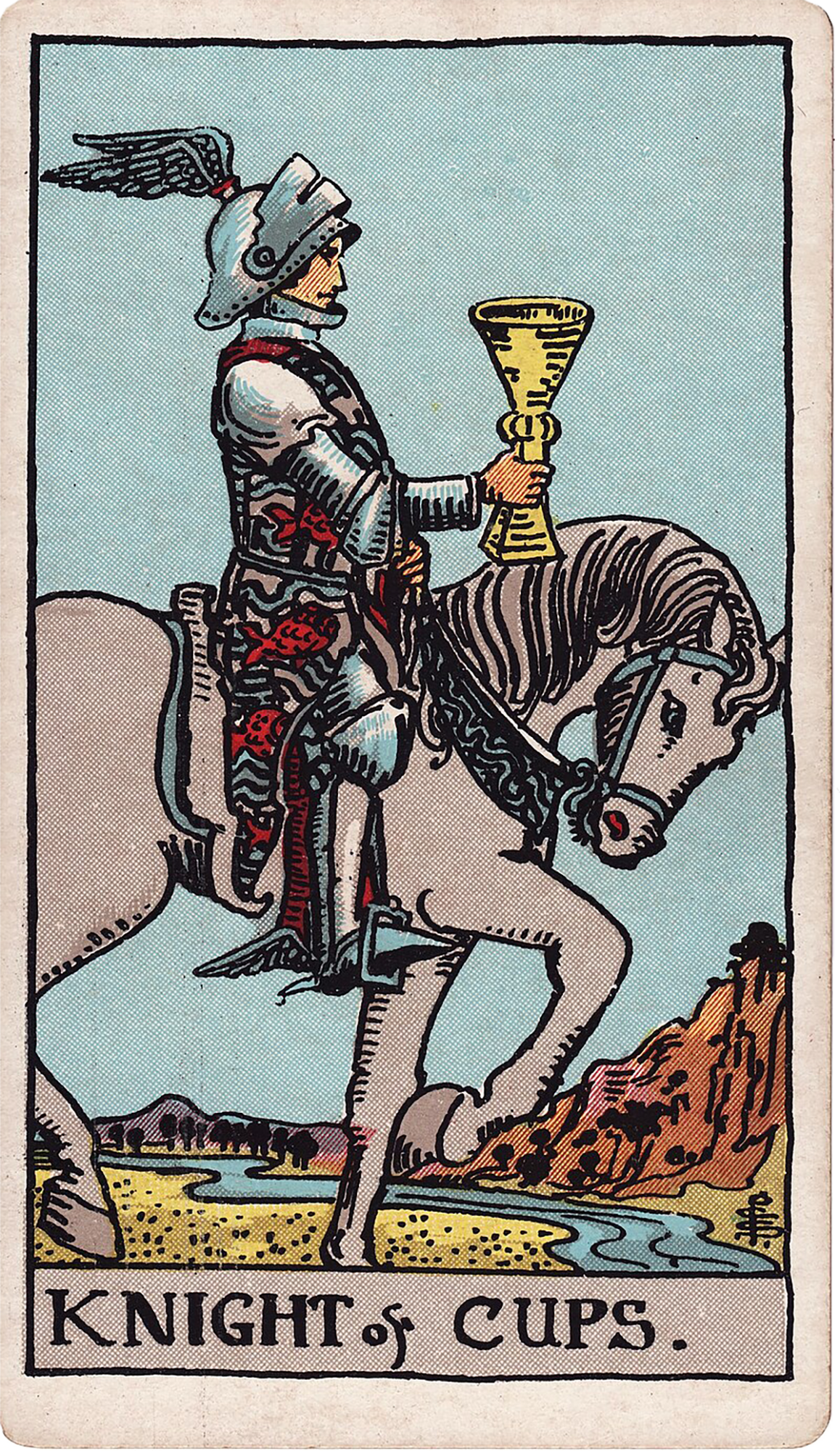 Knight of Cups
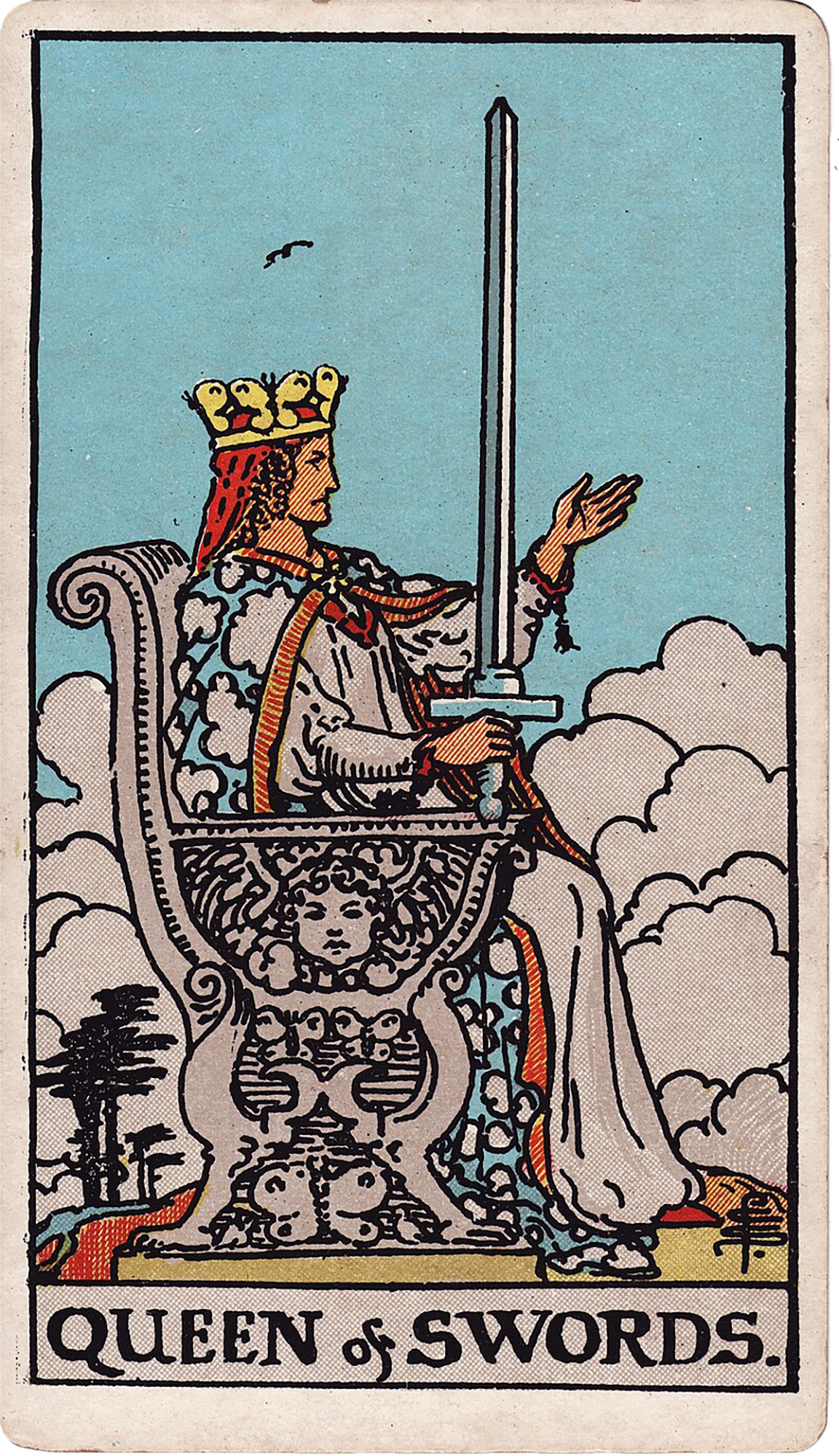 Queen of Swords
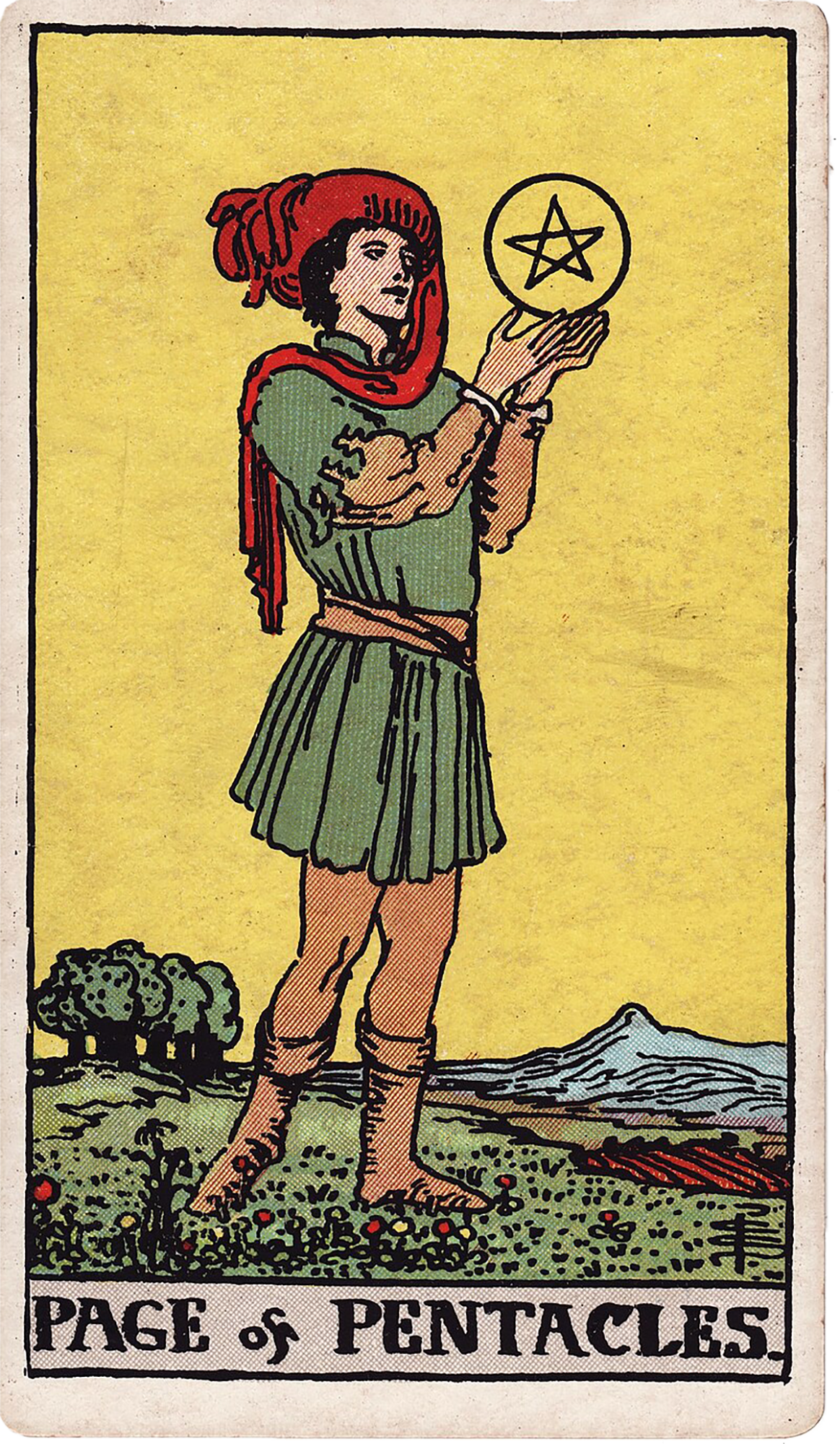 Page of Pentacles
Introduction: Why use court cards for skill development
Court cards are not just personality labels or signifiers of people in a spread; they are compact role-model archetypes that describe how an energy or approach behaves in a situation. When you want to learn or master a skill, you are asking not only what to do but who you need to be at different stages. The King of Wands, Knight of Cups, Queen of Swords, and Page of Pentacles each embody a particular stance toward motivation, planning, thinking, and learning. Using these archetypes helps you translate symbolic insight into specific practices, accountabilities, and measurement. This article treats the provided card images as a working toolkit: observe them, read them as stages in a project, and use their upright and reversed meanings to diagnose blockages and prescribe next steps.
Court-card archetypes and what they contribute to a learning plan
Before we build a plan, learn the primary contribution of each supplied card. - King of Wands: leadership, mature creative direction, vision, courage, entrepreneur-minded responsibility. In Rider-Waite imagery the king holds a flowering wand and sits on a throne decorated with symbols of vitality and transformation (lions and salamanders in many decks), which signals deliberate stewardship of creative fire. In a plan this archetype provides long-range vision, prioritization, and the discipline to channel enthusiasm into concrete outcomes. - Knight of Cups: motivated by heart and imagination. The Knight travels with a chalice, mounted on a horse that often suggests movement guided by feeling; rivers or cups in the image point to emotional navigation and receptivity. In a development plan this archetype supplies emotional engagement, values-based motivation, and the narrative that keeps you committed — but it can idealize or start chasing fantasies if ungrounded. - Queen of Swords: clarity, boundaries, honest feedback, and intellectual strategy. The Queen’s upright sword and clear-eyed posture in RWS imagery indicate the ability to isolate what’s true, set limits, and communicate crisply. For learning, she designs evaluation criteria, edits scope, and enforces standards without unnecessary cruelty. - Page of Pentacles: the student archetype — curiosity, practical study, and attentive beginner energy. The Page gazes at the pentacle (a tangible skill or resource), standing in a field ready to practice. This card represents habits, micro-skills, and the slow accumulation of competence. Viewed together, these four cards form a complete loop: vision and stewardship (King), heart and motivation (Knight), critical intelligence and structure (Queen), and daily practice and foundation-building (Page).
Reading the supplied images: details to observe and why they matter
When the visual images of these four cards are displayed, use specific Rider-Waite-Smith symbolism to extract practical cues. - King of Wands imagery: note the wand’s state (blooming or bare), the king’s gaze (forward, confident, stern), and the throne’s decorations (lions or salamanders). Blooming indicates fertile projects; salamanders (fire) signal adaptability to change; lions point to courage and authority. Ask: where in my plan do I need that steady, charismatic direction? Are you acting like a steward or like a control-freak commander? - Knight of Cups imagery: observe the horse’s posture (calm, advancing, or hesitant), the knight’s offering gesture, and any water or river elements. A forward-moving horse suggests following a path; a hesitant animal suggests stalled feelings. Use these cues to check if your emotional commitment is steady or romanticized. - Queen of Swords imagery: focus on the sword’s edge and direction, the queen’s expression (clear but not cruel), and the sky behind her (clear or clouded). These visual markers help you determine how rigorous your evaluation is: Are you cutting to the heart of what matters, or hiding behind critique as a defensive posture? - Page of Pentacles imagery: watch the page’s attention to the pentacle, posture, and the field or soil depicted. A focused page suggests willingness to study and consistent routine; a distracted page suggests procrastination or poor study structure. By making these observations you convert symbolic details into operational questions: Is my vision flourishing? Is my motivation steady? Do my standards help or hinder? Are my study habits reliable?
A practical four-card Roles Spread for building a skill plan
Use this spread with the supplied court cards as archetypes. Either draw cards from your deck or, if you are working with the displayed images, assign the cards to positions and answer the prompts. Positions and prompts: 1) Vision / Big Why — King of Wands: What long-range creative direction or mission will sustain this skill? What decision makes me accountable as a steward of this goal? 2) Motivation / Emotional Engine — Knight of Cups: What values and feelings will keep me engaged? What story about this skill do I need to tell myself to stay motivated? 3) Strategy / Standards — Queen of Swords: What are the clear criteria for ‘‘good enough’’ at each milestone? What boundaries or rules protect my progress? 4) Practice / Execution — Page of Pentacles: What daily habits, study sessions, or micro-tasks will I commit to? How will I break the skill into practiceable units? How to work the spread: spend 1–2 minutes per position looking at the corresponding card image. Write brief answers. Then synthesize: turn the King’s vision into a 90‑day objective, translate the Knight’s motivation into a ritual or reminder, convert the Queen’s standards into checkpoints and rubrics, and program the Page’s tasks into a daily habit tracker or calendar. After two weeks, revisit the spread: note which archetype is dominant, which is missing, and whether any card’s reversed dynamics are appearing in your behavior.
Translating upright and reversed dynamics into concrete actions
Use the upright meanings and the supplied reversed descriptions to diagnose where the process is working or stalled. - King of Wands upright: You have vision plus responsibility. Actions: write a 90-day plan, identify one public commitment (a talk, deadline, launch), delegate specified tasks, and schedule weekly review. If you see the King’s upright energy already present, your job is to temper enthusiasm with feasibility: list three practical constraints and plan around them. - King of Wands reversed: Watch for domination, impatience, or uncommunicated expectations. Actions: simplify goals, clarify delegated tasks, practice patience by inserting realistic timelines, solicit feedback from a peer to ensure your vision is shared. - Knight of Cups upright: You are emotionally aligned. Actions: create motivational prompts (a values manifesto, a playlist, an emotional anchor such as a phrase), add creative exercises that keep novelty, and schedule reflection to prevent romanticization. - Knight of Cups reversed: The risk is idealization or moodiness. Actions: ground emotional drives with concrete evidence (short feedback loops), set anti-distraction rules, and list three objective indicators of progress to stop chasing fantasies. - Queen of Swords upright: Clear standards and boundaries. Actions: design evaluation rubrics, set time limits for decisions, prepare scripts for saying no, and create a metrics sheet for honest feedback. - Queen of Swords reversed: Beware of excessive criticism or using “analysis” to avoid doing. Actions: reduce perfectionist checkpoints, schedule time-bound experiments, and introduce compassionate review prompts (what did you try, what did you learn?). - Page of Pentacles upright: Beginner energy ready to learn. Actions: create a microlearning syllabus, set a daily 20–40 minute deliberate practice window, keep a skills log, and celebrate small wins with a checklist. - Page of Pentacles reversed: Procrastination or poor follow-through. Actions: shorten practice windows (start with 5–10 minutes), remove friction from study (materials ready), use accountability (study buddy or app), and transform vague goals into discrete tasks.
Example walkthrough: designing a six-week plan for a new technical skill
Scenario: you want to learn a practical technical skill (for example: basic data visualization). Use the court-card roles to organize the six-week plan. 1) King of Wands (Vision): Define a concrete deliverable that captures vision and responsibility. Example: ‘‘Create and publish three clear visualizations about local data by week six to demonstrate practical competence and attract one project.’’ Use the King’s imagery — the flowering wand and throne — to ask: what would it look like to steward this skill publicly? 2) Knight of Cups (Motivation): Identify the heart reasons. Example: ‘‘I want to translate complex numbers into stories that help community groups make decisions.’’ Make an emotional anchor: a short paragraph linking the skill to impact, printed and placed near your workspace. 3) Queen of Swords (Strategy): Establish criteria for success. Example: ‘‘Each visualization must be understandable in 30 seconds, use accessible color and labels, and be reproducible from raw data.’’ Create a one-page rubric and schedule three critique sessions: after week two, week four, and week six. 4) Page of Pentacles (Practice): Break it into micro-tasks and habit. Example: ‘‘Daily: 30 minutes hands-on practice (data cleaning, plotting), three mini-projects across six weeks, and a weekly reflection log.’’ Use the Page’s attentive posture to keep a learning journal and a checklist for each practice session. Interpret reversals in this example: if you notice impatience (King reversed) cut scope; if moodiness (Knight reversed) add short feedback loops; if harsh self-critique (Queen reversed) add only two mandatory rubrics; if procrastination (Page reversed) shrink tasks and add immediate rewards.
Exercises and daily practices tied to each archetype
Make the archetypes actionable with small exercises you can use repeatedly. King of Wands practices: - Weekly ‘‘command briefing’’: 15 minutes to list top-three priorities and one delegation item. - Vision board with a single measurable outcome (e.g., ‘‘publish X’’) and one accountability partner. Knight of Cups practices: - Morning values reminder: 2–3 sentences about why this skill matters emotionally. - Creative micro-challenges: one playful variation per week to keep novelty. Queen of Swords practices: - Rubric creation: write two to five objective criteria that define progress for the week. - Decision time-box: 30 minutes for any planning choice, then act. Page of Pentacles practices: - Daily focused practice: start with 10 minutes and scale gradually. - Skill log: three things learned per session and one measurable improvement. Use these exercises in rotation. A practical weekly structure: King Monday planning, Knight midweek motivation check-in, Queen Friday critique and edits, Page daily practice windows.
Common mistakes and how to avoid them
Learners commonly misuse court-card archetypes in several ways. Here are mistakes anchored to the four supplied cards and how to correct them. 1) Treating archetypes as fixed identities: ‘‘I am a Queen of Swords, so I must only be critical.’’ Correction: use archetypes as roles to perform when helpful. You can call on the King’s stewardship for planning, then return to the Page for humble practice. 2) Ignoring stage-appropriate tasks: trying to act like the King (big vision) before doing Page-level practice. Correction: sequence tasks — establish a Page-level routine before launching a public King-level project. 3) Over-relying on the Knight’s inspiration without structure: you may start many creative experiments but finish few. Correction: pair Knight sessions with Queen-defined rubrics and Page micro-practice quotas. 4) Reading reversals as moral failure: viewing a reversed King or Page as “bad.” Correction: reversed cards signal where the process is stuck. Use the supplied reversed prompts as diagnostic steps to simplify, practice, or release. 5) Using the Queen of Swords as a cover for avoidance: hiding behind critique instead of acting. Correction: time-box analysis and add Page practice obligations as the antidote. 6) Scalability mismatch: setting King-level goals without Page-level hours. Correction: compute realistic progress by estimating time-on-task and comparing it to your calendar; then scale the vision accordingly.
Measuring progress and iterating the plan
Court cards help you define what to measure. The Queen of Swords gives criteria; the Page of Pentacles supplies the practice units; the King of Wands names outcomes; the Knight of Cups keeps you emotionally honest. Use these guidelines: - Define 3–5 objective indicators (Queen): completion of micro-projects, accuracy metrics, time-on-task, number of peer reviews. - Track daily or weekly micro-practice (Page): use a spreadsheet or habit app and record short notes about what was practiced. - Evaluate with an outcomes test (King): at the end of your chosen period, present a deliverable to a real audience or mentor. - Check emotional alignment (Knight): weekly reflection on whether the work still feels meaningful; if not, reframe or adjust scope. Iterate: if metrics lag, consult the reversed-card diagnostics: are you projecting (King reversed), chasing fantasies (Knight reversed), criticizing without trial (Queen reversed), or avoiding practice (Page reversed)? Then apply the corrective actions described earlier and run the Roles Spread again.
How to combine court-card planning with other tools
Tarot archetypes complement conventional planning tools. Suggestions: - Use Kanban boards to honor the Page’s practice flow: ‘‘To Do / Doing / Review / Done’’ maps well to micro-practice cycles. - Use weekly retrospectives (Queen) to enforce rubrics and measure outcomes. - Use accountability partners or public commitments (King) to create external responsibility. - Use emotional journaling (Knight) to keep motivation aligned with values. When you document results, pair objective metrics with short subjective notes about mood and perceived progress so that Knight and Queen inputs stay in dialogue. The tarot-to-tool mapping keeps your plan both soulful and testable.
Closing guidance and practice plan for your first month
Start with a four-week trial: week 1 — establish Page routines and a micro-syllabus; week 2 — draft a Queen rubric and run the first critique; week 3 — create a King-level public or accountable milestone; week 4 — assess motivation with Knight reflections and iterate. Use the supplied images as anchors: before each weekly session, look at the corresponding card and answer three focused questions (King: what must I steward? Knight: what do I love about this? Queen: what counts as progress? Page: what will I practice today?). Remember: court cards are coaches, not oracles. They help you see roles to play and gaps to fill. Use their Upright strengths as templates and their Reversed warnings as troubleshooting signals. Keep measurements small and time-boxed, and revisit the spread whenever you feel stuck or ready to scale.
Practice questions
• Which of the four supplied court cards (King of Wands, Knight of Cups, Queen of Swords, Page of Pentacles) feels most present in how you approach learning right now, and why?
• Looking at the King of Wands image, what one 90‑day deliverable could you steward that aligns with your creative energy?
• When you imagine the Knight of Cups’ journey, what emotional anchors or values would keep your motivation steady?
• How would the Queen of Swords evaluate your current standards for ‘‘good enough’’? List three criteria she might insist on.
• Which Page of Pentacles habits do you already have, and which do you need to begin practicing daily?
• If one of these cards were reversed in a reading for your plan, what specific blockage might that indicate in your current workflow?
• Where do the archetypes clash in your plan (for example, King’s urgency versus Page’s slow practice), and how could you create a protocol for resolving that tension?
• How will you measure progress in four weeks — what objective evidence will demonstrate forward movement?
Comments
Sign in to comment.
Continue learning
Exploring The High Priestess in Career Relationships and Personal Growth
The High Priestess card in the tarot deck invites readers to explore intuition, hidden knowledge, and inner wisdom across various life contexts. This article examines how The High...
Using the Five Card Cross Tarot Spread to Navigate Career Changes with Confidence
The Five Card Cross Tarot Spread is a versatile and insightful tool for navigating career changes. This article guides learners through the method step-by-step using a practical ex...
Understanding The Hermit in Self Discovery and Spiritual Enlightenment
The Hermit card in the Rider-Waite-Smith deck embodies themes of introspection, solitude, and spiritual wisdom. This article examines how The Hermit's upright and reversed position...
Applying The Star Card to Foster Hope and Renewal in Personal Growth
The Star card in Tarot symbolizes hope, authenticity, and the process of steady renewal. In a single-card reading, The Star encourages embracing what is present, cultivating openne...
Unlocking Leadership Styles Through the Court Cards of Wands
The Wands court cards—Page, Knight, Queen, and King—offer a rich spectrum of leadership styles rooted in the fiery energy of motivation, creativity, and initiative. This article de...
Using the Five Card Cross Spread to Enhance Emotional Intelligence and Self Awareness
The Five Card Cross spread is a powerful tool for cultivating emotional intelligence and self-awareness. This article explores how to use this practical spread in personal tarot pr...
Using the Five Card Cross Spread to Navigate Personal Growth Challenges
This article presents an in-depth exploration of the Five Card Cross spread designed to help learners navigate personal growth challenges. Using the cards The Fool, Strength, The H...
Exploring The Sun Card for Boosting Confidence and Personal Growth
The Sun card is a powerful symbol of clarity, confidence, and personal growth in tarot readings. This article explores how to interpret The Sun in various contexts such as love, ca...
Making Confident Career Decisions with the Five Card Cross Tarot Spread
This article presents an in-depth guide to the Five Card Cross Tarot Spread designed specifically to aid confident career decision-making. By exploring the symbolism and interplay...
Discovering The Hermit in Meditation and Self Reflection Practices
The Hermit tarot card, a symbol of introspection and deliberate solitude, offers profound lessons for meditation and self-reflection practices. This article unpacks its upright and...