
Interpreting Authority Temptation and Healing with The Emperor The Devil and Temperance
This guide teaches how to read the three-card combination of The Emperor, The Devil, and Temperance in family-centered tarot work. Anchored in Rider-Waite-Smith imagery, it explains how authority, unhealthy attachment, and integration modify one another in relationship, career, and emotional contexts. The article covers technique for reading combinations rather than single cards, upright and reversed nuance, practical spreads, example readings, symbolism to watch, common errors, and concrete steps readers can suggest to clients or apply personally.
Read the cards together
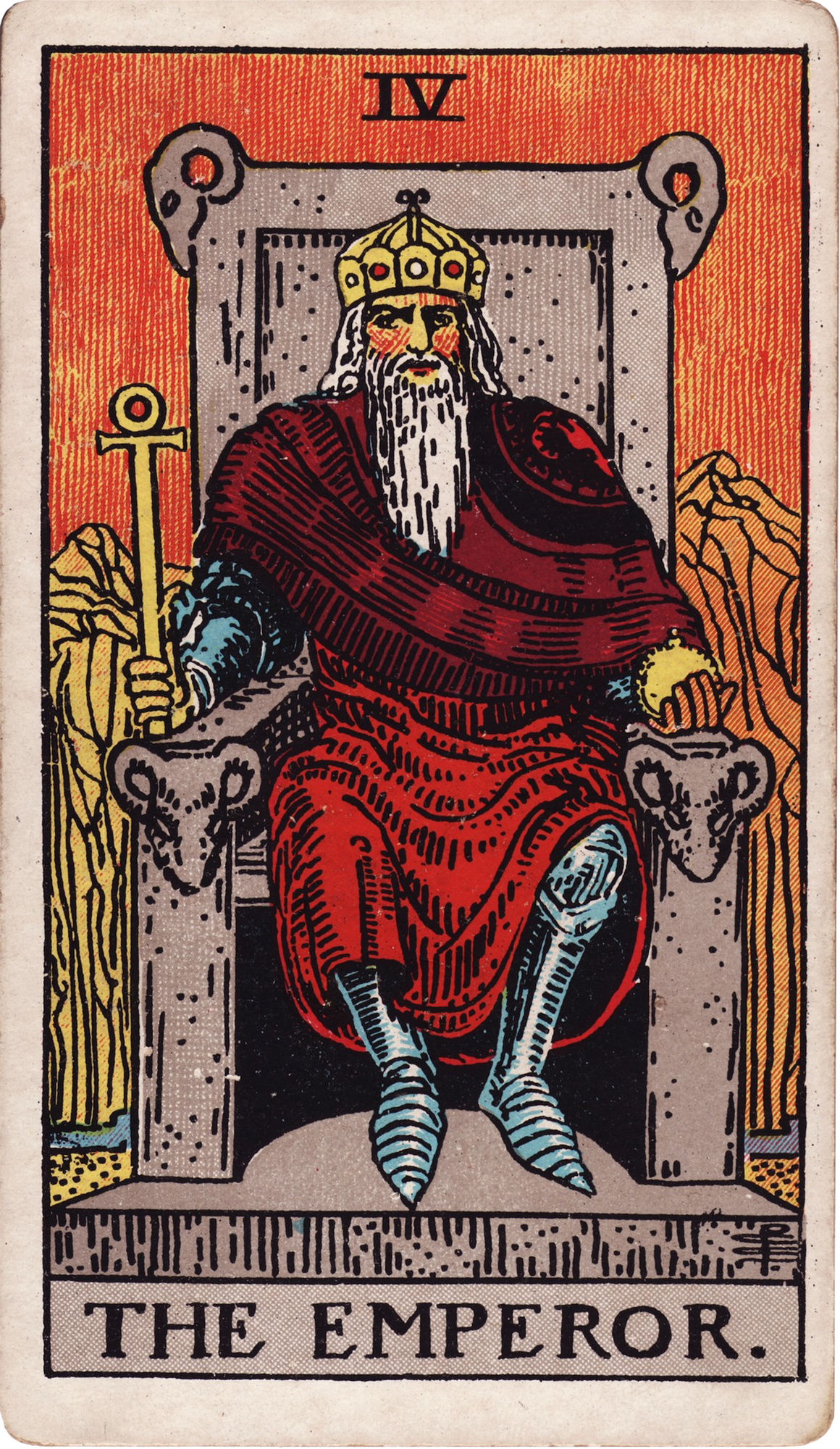 The Emperor
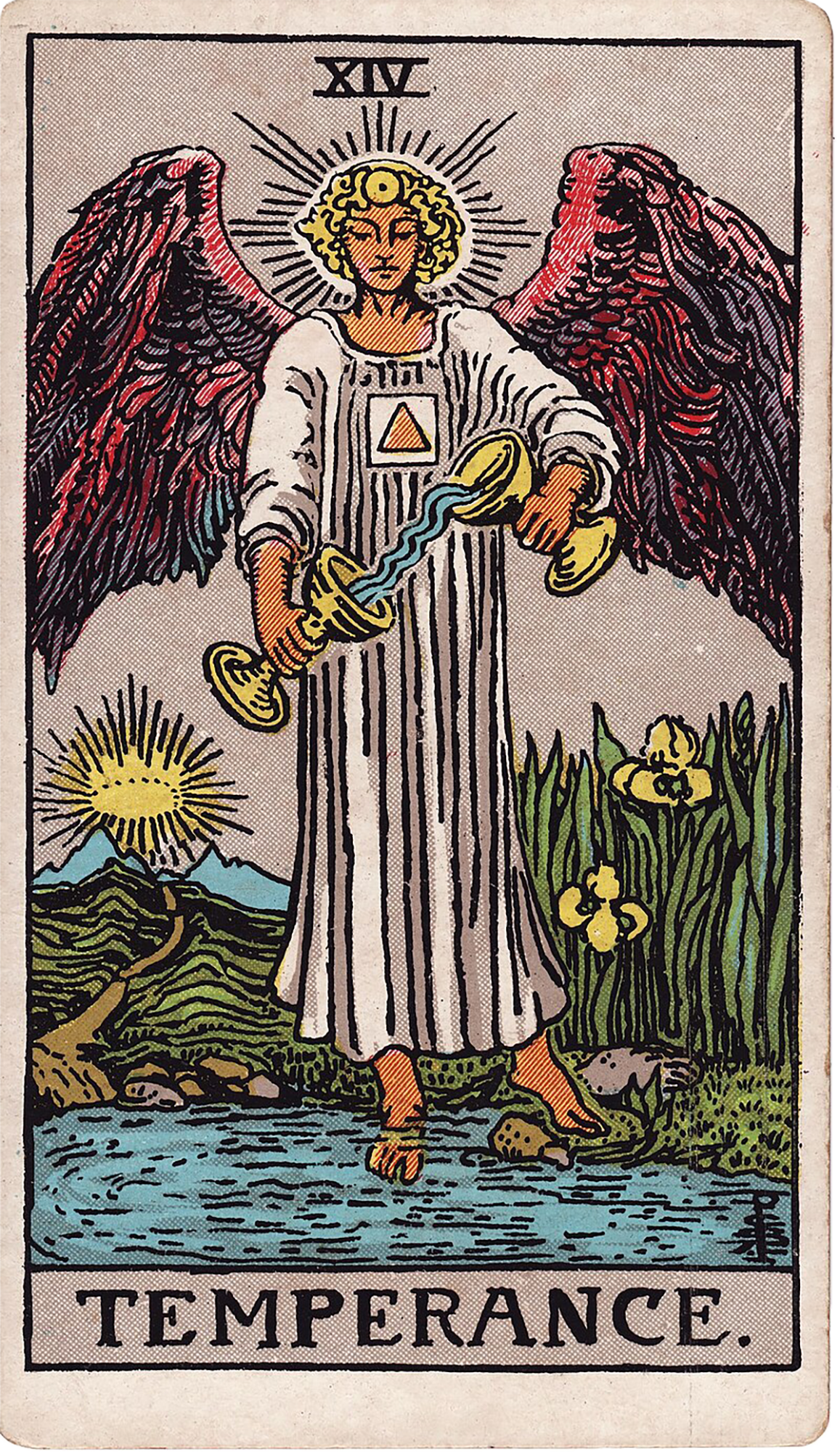 Temperance
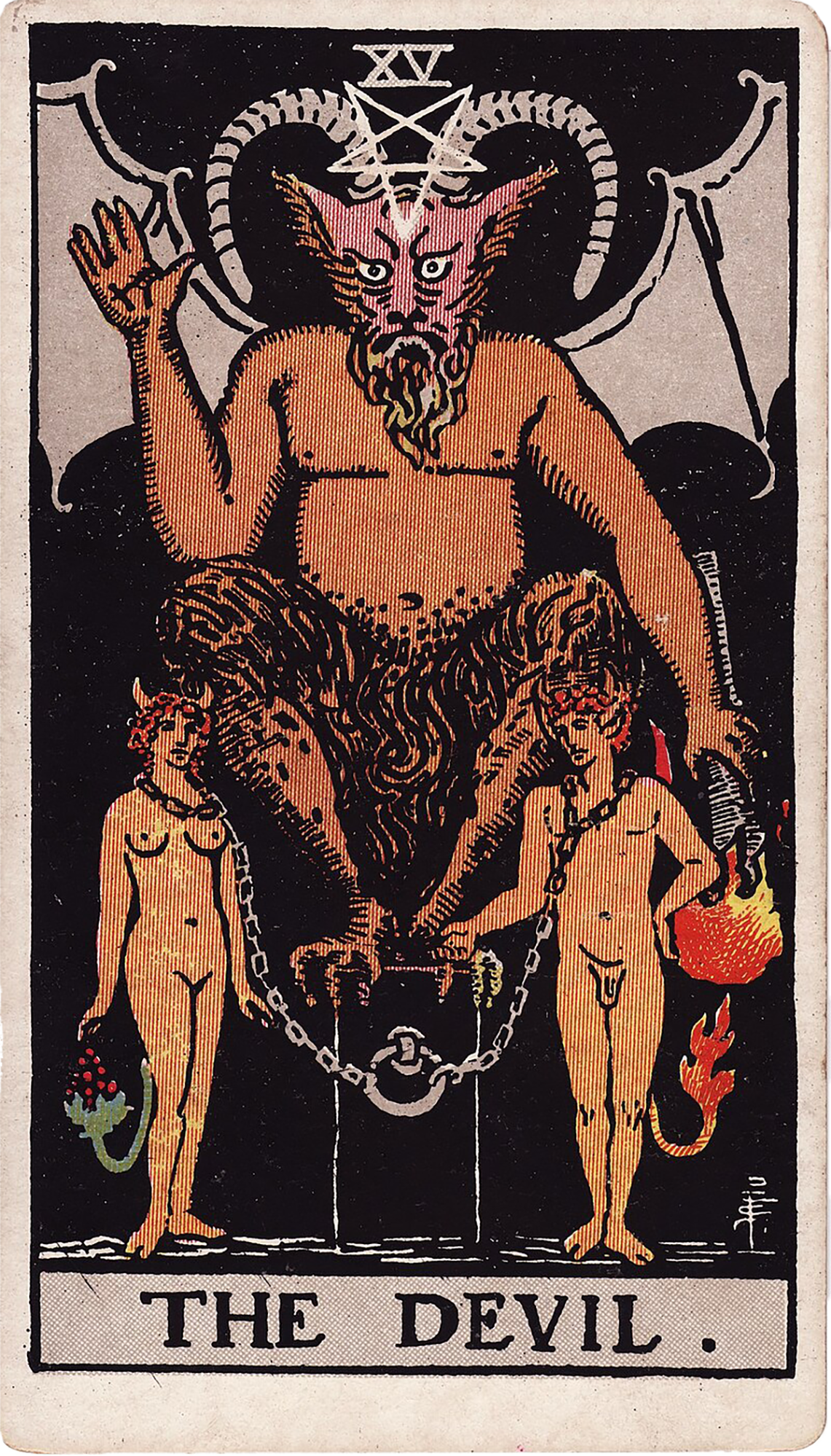 The Devil
Introduction and pedagogical aim
This lesson focuses on the three supplied cards The Emperor, The Devil, and Temperance and how they behave together in readings about family. You will see the supplied images while you read, so the goal here is practical: teach you to interpret these three cards in combination rather than as separate short definitions. The combination is rich because it names a common family drama arc: authority and structure, the pull of temptation or unhealthy attachment, and the possibility of integration or healing. I will use Rider-Waite-Smith symbolism where it helps anchor interpretations to the pictures you have, and I will emphasize techniques for avoiding simplistic one-card-at-a-time reading. This article is for learners who want repeatable interpretive moves they can use in readings and journaling.
Card overviews anchored to imagery
Before we explore combinations, briefly anchor each card to its visual cues so you know which details to look for in the supplied images. Refer back to these images as you read combinations. The Emperor Upright and reversed meanings are already provided in your card contexts; visually look for the Emperor seated on a stone throne decorated with ram heads. He wears armor and a crown, holds an ankh-like scepter and an orb. The throne, the ram symbology, the mountains behind him, and his rigid posture signal authority, structure, Aries energy, and the imposition of order. In readings notice the direction of his gaze, how firm his grip on the scepter is, and whether his armor looks prominent—these visual details accentuate control, boundary-setting, and intentional structure. The Devil The Devil image shows a horned, bat-winged figure perched above two chained human figures who appear half-naked and resigned. There is an inverted pentagram and other symbols of bondage and lower impulses. Notice the chains, the facial expressions of the figures, and whether the figures appear to be looking at the Devil or have inward gazes. The card points you toward bondage by desire, normalized compulsion, or habitual gratification that functions as a kind of family glue or secret. Temperance Temperance depicts an angelic figure with one foot on land and one in water, gently mixing liquid between two cups while a path and distant sun are visible. The angel's calm posture, the flow of water, and the blending action visually communicate moderation, integration, and tempered alchemy. Look at the angle of the water flow, the angel's wings and garments, and the horizon; these details help you sense whether integration is gentle, deliberate, or interrupted. Keep these images in mind. Combinations become concrete when you describe how the ram-headed throne faces the chained figures or how the angel's water might try to dilute the heat of the Emperor's Mars-driven will or the Devil's smoky coals.
Why not read cards one at a time
A common beginner mistake is to read each card as if it were a stand-alone sentence and then list them. Combinations are more like sentences that combine grammar, tone, and subtext. Here are simple rules for combination thinking: - Look for role assignment. In a three-card layout the cards often play parts: who is enacting authority, who is tempting or binding, and who is offering or blocking integration. The cards can swap roles depending on layout position. - Trace visual conversation. Do elements from one card continue into another? For example, the Emperor's downward gaze toward the Devil's chained figures creates a hierarchical interaction. The angel's flowing water between the other two can be seen as mediation. - Ask relational how and why questions. How does the Emperor enable or restrain the Devil? Why does Temperance appear now? What practical step would integrate these forces? - Weigh tone and movement. Cards show directions, posture, and dynamics. Is energy flowing from one figure to another or is it blocked by chains or walls? Use motion to decide what is active and what is latent. These moves will keep your interpretations rooted in interaction rather than discrete definitions.
Basic pairwise dynamics and modifiers
Before handling the full three-card spread, it helps to examine pairwise relationships because they show the basic dyads a three-card reading will build from. The Emperor with The Devil Visual cue: The Emperor's throne and the Devil's chained pair suggest a power dynamic. Interpretations: - Upright Emperor plus Upright Devil can indicate an authority figure who enforces or normalizes an unhealthy attachment or compulsion in the family. Think of a parent who runs the household through fear or who enforces rules that maintain a secret addiction. - Emperor reversed with Devil upright often points to abusive control, misplaced domination, or structures that protect vice rather than safety. The reversal softens visible authority but intensifies covert control or chaos. - Emperor upright with Devil reversed can show a leader attempting to free people from bondage by stricter structure or by naming the pattern and imposing change. The Emperor with Temperance Visual cue: The Emperor is rigid; Temperance is fluid. Interpretations: - Emperor upright with Temperance upright suggests leadership attempting a calibrated integration. The image of the angel blending liquid can mean a parent or family elder who combines firmness with compassion to restore balance. - Emperor reversed with Temperance upright may show that rigid control is being questioned and that healing moderation is available if the family is willing to adapt. - Temperance reversed near Emperor upright warns that attempts to mediate without clear boundaries can produce sloppy compromise or neither firm protection nor healthy flow. The Devil with Temperance Visual cue: bondage versus blending. Interpretations: - Devil upright with Temperance upright shows recognition and conscious work on temptation. The angel mixing cups next to the chained figures suggests therapy, honest naming of desire, and skillful integration of impulses. - Devil upright with Temperance reversed warns that attempts to 'mix in' moderation are failing. The family might be pretending things are balanced while addictive patterns persist. - Devil reversed with Temperance upright can represent a real break from pattern accompanied by skillful rebuilding and tempering of newly freed impulses.
Three-card family-context reading method
Use a clear position scheme before drawing. For family readings choose positions that map well onto the supplied archetypes. One effective scheme is Authority Temptation Healing: position 1 The role and quality of authority in the situation, position 2 the nature of the temptation or attachment at work, position 3 the path toward integration. Step-by-step method: 1. Place the cards left to right or in a triangle, labeling positions 1 Authority 2 Temptation 3 Healing. The supplied images will be displayed; identify posture and gaze. 2. Read each card as a role rather than an isolated meaning. For example The Emperor in position 1 describes who or what is acting as authority. The Devil in position 2 shows the particular gravity of temptation. Temperance in position 3 shows how integration might be enacted. 3. Observe visual links. Does The Emperor look toward The Devil? Does the angel's water bridge the two other cards? If Temperance is between Emperor and Devil it can symbolically pour balm into the hierarchy. If Temperance sits at the far edge the healing may be possible but peripheral. 4. Consider polarity and flow. Which card seems active? Which passive? Are chains visible, are mouths open, is there a sense of movement? Use those cues to decide where agency lies. 5. Synthesize into a narrative and propose concrete next steps. Avoid moralizing. Translate the card language into behavioral steps that a family can try: boundary setting, contracted roles, therapy, small experiments in moderation. This method keeps you from saying isolated one-line definitions and forces actionable interpretation.
Reading for relationships and family systems
In family work these three cards commonly show up when authority is entangled with compulsion and when healing requires recalibrating boundaries and desires. Possible readings and how to phrase them for clients or journal work: - Scenario A Authority enmeshed with enabling: The Emperor upright in the authority position and The Devil upright in temptation can indicate a parent or elder whose rules actually protect unhealthy patterns. Visually you might say The Emperor's stone throne is close to the chained couple in The Devil card as if the throne overlooks them. Suggested action: Map decision points where rules are protecting rather than helping. Introduce limits that separate safety from secrecy. Suggest a family meeting with clear agenda, small, trackable boundary experiments, and a non-blaming statement from the authority figure. - Scenario B Coercive control: Emperor reversed with Devil upright describes covert or overt abuse under the guise of discipline. The flipped Emperor image usually diminishes expressed control while amplifying fear or unpredictability. Suggested action: Prioritize safety. Encourage external support, crisis planning, and professional help. In readings avoid implying quick resolution and be explicit that interpretation is not a substitute for intervention. - Scenario C Healing through skillful integration: Temperance upright in the healing slot with either of the other two upright can mean that integration is possible through moderation and careful mixing. Use the angel's two cups as a metaphor for negotiated give-and-take: physically design one compromise exercise that both parties agree to and test for two weeks, then review. Always translate arcane language into pragmatic steps. In family work that usually means named boundaries, scheduled check-ins, and skillful naming of desires and needs.
Career and household responsibility contexts
These cards also show up in career-family crossroads—for example when a family elder's expectations shape a younger person's career path. - Emperor upright, Devil upright: A workplace or family system where an authority figure rewards conformity to short-term gratification or unethical patterns. The image of the Emperor's scepter indicates institutional power while The Devil's chains show how desire or market pressure traps people into compromising positions. Interpretation: Consider ethical boundary setting and ask where external oversight or accountability can be placed. - Emperor upright, Temperance upright: Leadership that combines clear policies with a commitment to moderation. This could appear in a family business where an elder leader is willing to blend old practices with new boundaries so younger family members can develop autonomy. Suggest concrete steps—documented roles, phased responsibility, and mentoring aimed at temperance rather than quick promotion. - Devil with Temperance reversed: Risk of glamorized freedom that is actually unregulated. An employee leaving a stable family business for an unstructured venture may feel tempted by immediate gratification without systems to sustain them. The visual contrast of the Devil's enticing posture and the angel's interrupted blending suggests designing guardrails before leap-taking: a probationary plan, financial planning, and accountability.
Emotional and practical readings
In purely emotional or practical contexts these cards map feeling states and interventions. Emotional tone readings - The Emperor upright evokes containment and a need to structure emotion. In family grief for example The Emperor asks who will hold ritual, who will manage logistics, and how decisive leadership could create space for feeling. - The Devil upright names compulsive coping strategies such as denial, blame, or secret keeping. Look at the chained figures for clues about mutual denial or mutual culpability. - Temperance upright shows emotional first aid that is steady and incremental. Use the angel's repeated pouring as a model for small consistent acts—short check-ins, ritualized meals, shared tasks. Practical steps - Convert images into micro-practices. If The Emperor is present, encourage the client to write a one-page plan with clear responsibilities. If The Devil is present ask for a daily habit log to make the compulsion visible. If Temperance appears suggest one simple integration exercise like alternating responsibility of chores or a shared cooling ritual for conflicts. These micro-practices help avoid vague spiritualizing and keep readings actionable.
Upright and reversed interplay when useful
Only mention reversals when they clarify role shifts. Use reversals to refine agency and to show whether energies are internalized or blocked rather than to moralize. Useful reversal patterns - Emperor reversed in authority position means visible leadership is failing or is being used to hide insecurity. The deception could be intentional or unconscious. In family contexts it often signals dysfunctional patterning masquerading as control. - Devil reversed in the temptation slot is a hopeful sign indicating a pattern is breaking or that someone is beginning to see the matrix of their attachment. But beware of premature declarations of freedom. The Devil reversed can also indicate denial dressed as liberation. - Temperance reversed as the healing card is a clear red flag. It warns that 'trying to balance' is producing confusion or that mixing incompatible elements without clear boundaries is dangerous. Practical interpretive moves - If one card is reversed and the others upright, treat the reversal as an internal or developing quality and read it as a lever in the system. For example Emperor upright, Devil reversed, Temperance upright could mean a strong authority has already named the problem and healing work is underway. - If multiple reversals appear, slow down the reading and emphasize assessment, small steps, and safety planning.
Examples of three-card readings with concrete phrasing
Example 1 Family finance scenario Positions Authority Temptation Healing Cards The Emperor upright The Devil upright Temperance upright Interpretation phrasing: The Emperor in this spread looks like a parent or older family member who runs decisions about money. The Devil sitting in the temptation slot shows that money is the glue for a habitual pattern—perhaps enabling an addicted family member or keeping secrets. Temperance suggests that the way out is careful negotiated moderation. Practical suggestion: ask the family to create a short written financial boundary for two months, assign one person to oversee transactions, and schedule a weekly 15-minute accountability meeting. Example 2 Parenting and control Positions Authority Temptation Healing Cards The Emperor reversed The Devil upright Temperance reversed Interpretation phrasing: The reversed Emperor suggests that the authority role is either absent, inconsistent, or being used to punish unpredictably. The Devil shows a child or adult acting out through compulsion or secrecy. Temperance reversed warns that attempts at blending or compromise are failing and may be producing mixed messages. Practical suggestion: prioritize re-establishing consistent, predictable boundaries rather than patchwork compromises. Recommend a short-term professional consultation to rebuild predictable routines before attempting emotional reconciliation. Example 3 Breaking the cycle Positions Authority Temptation Healing Cards The Emperor upright The Devil reversed Temperance upright Interpretation phrasing: Here a strong, visible structure exists and the temptation is weakening. The Devil reversed suggests someone is beginning to break a pattern. Temperance upright shows the potential for skillful reintegration. Practical suggestion: design a graduated freedom plan where recovered behaviors are tested with supportive structure and regular review.
Common mistakes and cautions
Mistakes to avoid when reading these cards in family contexts: - Moralizing The Devil. The Devil names human desire and bondage not a metaphysical condemnation. Calling someone evil closes options for constructive work. - Over-valuing authority as cure-all. The Emperor can help but authoritarian solutions can entrench a different kind of harm. Always ask who benefits from the existing structure. - Ignoring small visual cues. The angle of the angel's water, the Emperor's gaze, or the chain slackness in the Devil card matter. They change interpretation nuance. - Skipping practicality. Tarot is most useful when it produces one or two small experiments a client can do. Avoid vague spiritual prescriptions. - Assuming reversals are 'bad'. Reversals more often mean internalization, delay, or a corrective process. Use them diagnostically, not pejoratively. Cautions for family safety When cards suggest abuse, compulsion, or danger prioritize external resources and do not overpromise transformation. Tarot can illuminate but is not a substitute for professional intervention. If the reading indicates immediate safety concerns, suggest hotlines, legal steps, or mental health professionals as appropriate.
Symbol-focused exercises to deepen your reading skill
Practice exercises to build habit of looking visually and syntactically at combination cards: Exercise 1 Visual conversation Place the three card images in front of you. Draw arrows between figures according to where they look or move. Write one sentence describing the conversation those arrows reveal. Exercise 2 Elemental mapping Label each card with elemental cues you see: Emperor earth/Aries for structure and visible solidity, Devil earth or lower impulses, Temperance water and air mixing. Notice if elements clash or blend. Use this to decide whether action should emphasize boundary (earth) or flow (water). Exercise 3 Action prescription For each combination you practice, write three concrete next steps of rising difficulty and a suggested three-week timeline for testing them. These exercises force you to convert symbolism into behaviorally specific guidance.
Integrating readings into continued practice and conclusion
When you work with The Emperor The Devil and Temperance repeatedly you will see common family patterns: entrenched authority that both protects and binds; temptation that is sometimes a symptom of unmet needs; and healing that succeeds when structure and compassion are deliberately mixed. Keep your readings practical by translating image into small experiments and by noticing whether the angel's cup or the ram's throne is dominating the visual field of your spread. Final practical checklist for a reading using these three cards - Identify roles and position scheme before drawing. - Describe the visual conversation between images. - Note upright and reversed indications as modifiers of access and agency. - Translate symbolism into three concrete, time-bound steps. - If safety or abuse appears, prioritize external resources. With this approach the supplied images will serve as a living scene on which you improvise careful, humane, and precise interventions rather than fortune-telling pronouncements.
Practice questions
• When you look at the Emperor image in your spread who in your family or life holds similar posture or symbolically sits on a stone throne?
• Which elements of the Devil card feel most familiar as a pattern in your family: the chains the resigned posture or the seductive gaze?
• In the Temperance image where would you imagine the angel pouring its water to have most effect between the Emperor and the Devil?
• If the Emperor represents a necessary structure in your life what practical boundary could you introduce this week to protect rather than control?
• If the Devil shows a habit that feels like safety how could you name it non-judgmentally and create one small experiment to render it visible?
• How would you design a two-week Temperance experiment that mixes firmness and compassion in a measurable way?
• Which reversal scenario scares you more and why—loss of authority or false claims of freedom?
• After this reading what is one immediate action and one longer-term practice you are willing to try?
Comments
Sign in to comment.
Continue learning
Interpreting the Dance of Justice and The Devil: Balancing Morality and Temptation in Tarot Readings
The combination of Justice and The Devil in tarot presents a profound exploration of morality, temptation, and personal accountability. This article unpacks how these cards influen...
Harnessing the Power of The Magician and Ace of Wands: Igniting Creativity and Manifestation in Tarot Readings
The combination of The Magician and the Ace of Wands in tarot readings offers a potent blend of creative energy and manifestation power. This article delves into the ways these car...
Understanding the Synergy Between The Empress and The Emperor in Tarot Card Combinations
This article delves into the intricate synergy between The Empress and The Emperor cards in Tarot, focusing on how their combined energies modify and enrich readings across various...
Decoding Transformation and Renewal with Death and The Star in Tarot Combinations
This article delves into the card combination of Death and The Star, two powerful Major Arcana cards from the Rider-Waite-Smith deck. It explores how their imagery and meanings int...
Balancing Ambition and Compassion with The Emperor and Queen of Cups in Tarot Combinations
This article delves into the nuanced Tarot card combination of The Emperor and Queen of Cups, emphasizing how their energies complement and challenge each other. By analyzing their...
Finding Emotional Healing and Renewal with The Star and The Moon Tarot Combination
This article examines the rich interplay between The Star and The Moon tarot cards when they appear together in a reading. Using the traditional Rider-Waite-Smith symbolism and the...
Unlocking Emotional Wisdom with The High Priestess and The Queen of Cups in Tarot Combinations
This article delves into the card combination of The High Priestess and The Queen of Cups, emphasizing their shared themes of intuition, emotional depth, and receptivity. By examin...
Unlocking Emotional Resilience with Strength and The Star in Tarot Combinations
This article delves into the Tarot card combination of Strength and The Star, revealing how their interplay highlights pathways to emotional resilience. Anchored in the Rider-Waite...
Unveiling Emotional Strength with Strength and The Queen of Cups in Tarot Combinations
This article delves into the dynamic Tarot combination of Strength and The Queen of Cups, emphasizing how these cards together illuminate emotional strength, compassionate boundari...
Unlocking Emotional Transformation with Death and The Moon Tarot Combination
This article explores the rich and complex interaction between the Death and The Moon tarot cards within the Rider-Waite-Smith tradition, focusing on their combined potential to un...