
Mastering the Five Card Cross Spread for Navigating Complex Life Decisions
The Five Card Cross is a classic tarot spread designed to illuminate complex life decisions by balancing past influences, present realities, future possibilities, challenges, and advice. This article teaches readers how to master this spread using key cards like The Lovers, 4 of Cups, 4 of Swords, 10 of Swords, and Page of Swords. Detailed explanations of each card’s symbolism, position, and interrelationships help learners apply the method practically and thoughtfully. The guide emphasizes thoughtful interpretation over prediction and encourages readers to engage with the spread repeatedly to build confidence and depth in readings.
Five Card Cross
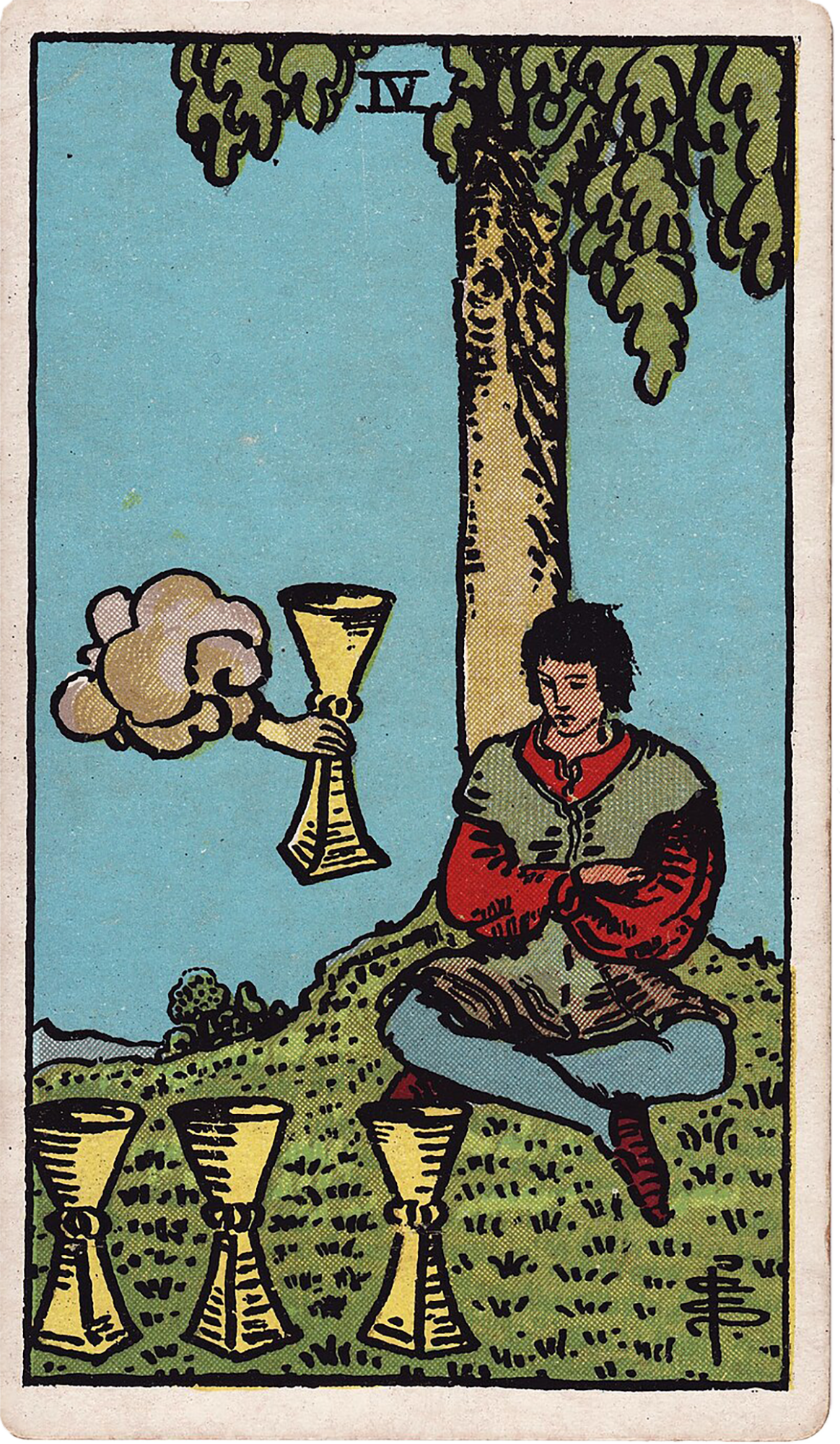 Present4 of Cups
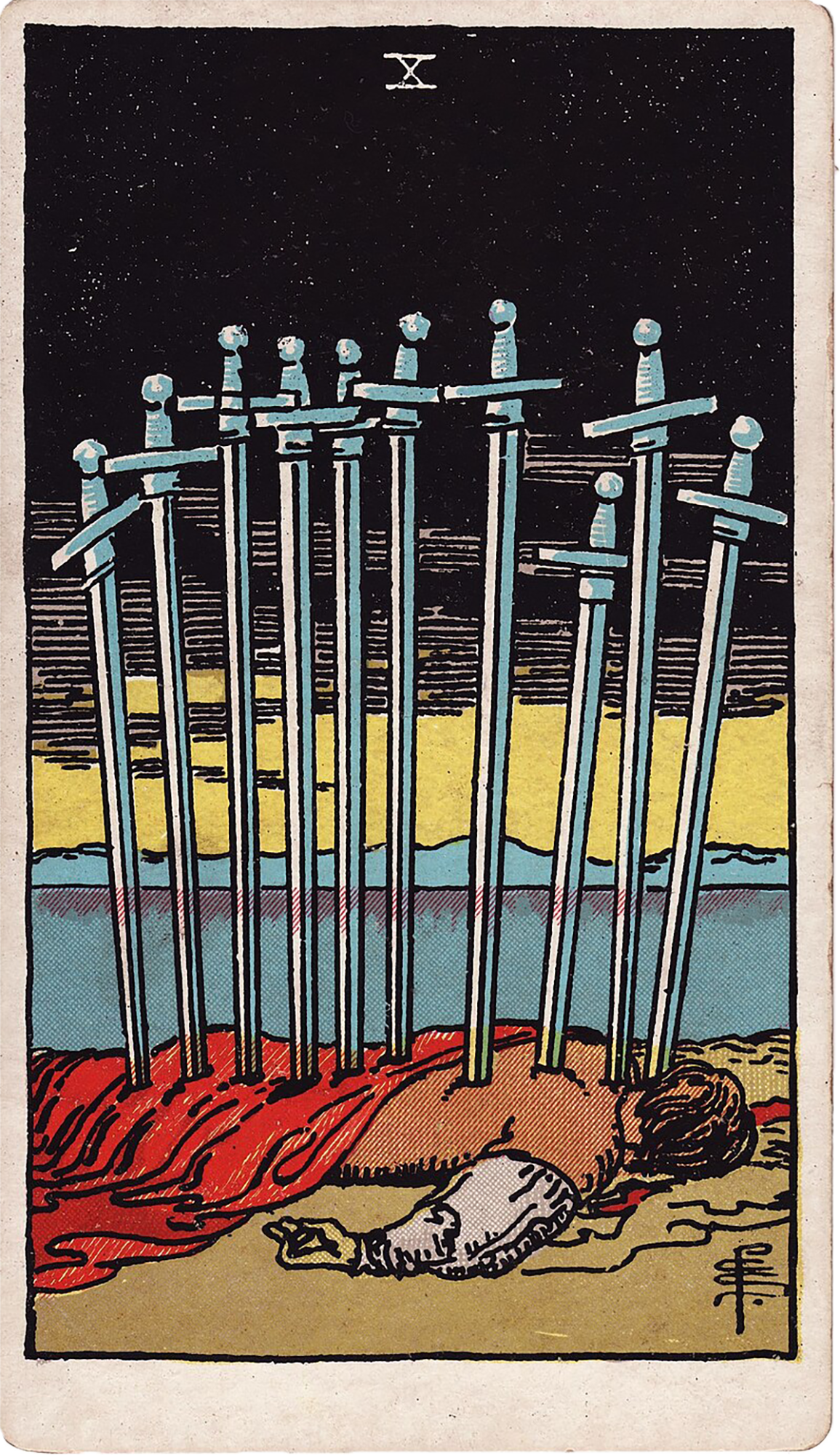 Past10 of Swords
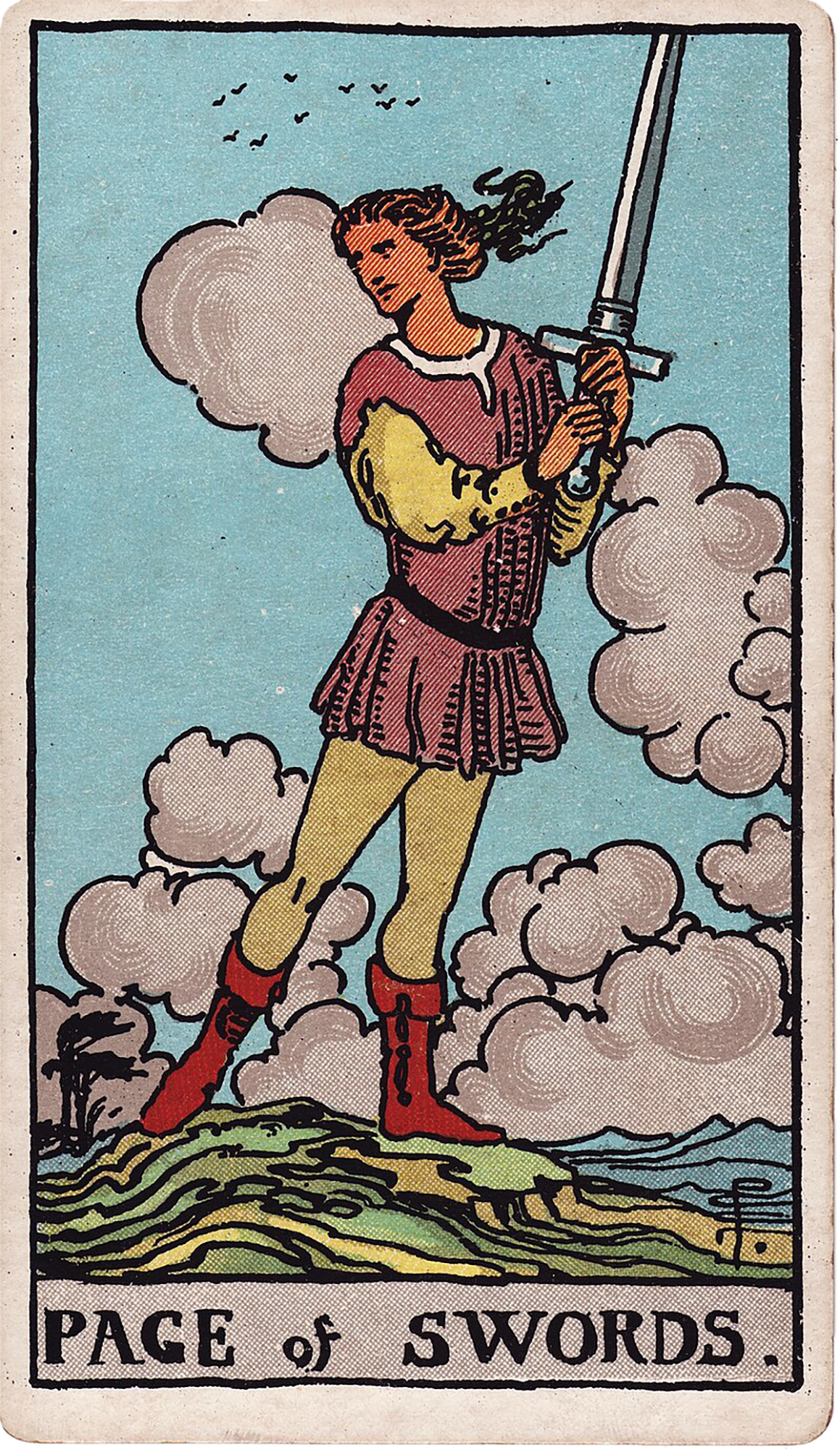 FuturePage of Swords
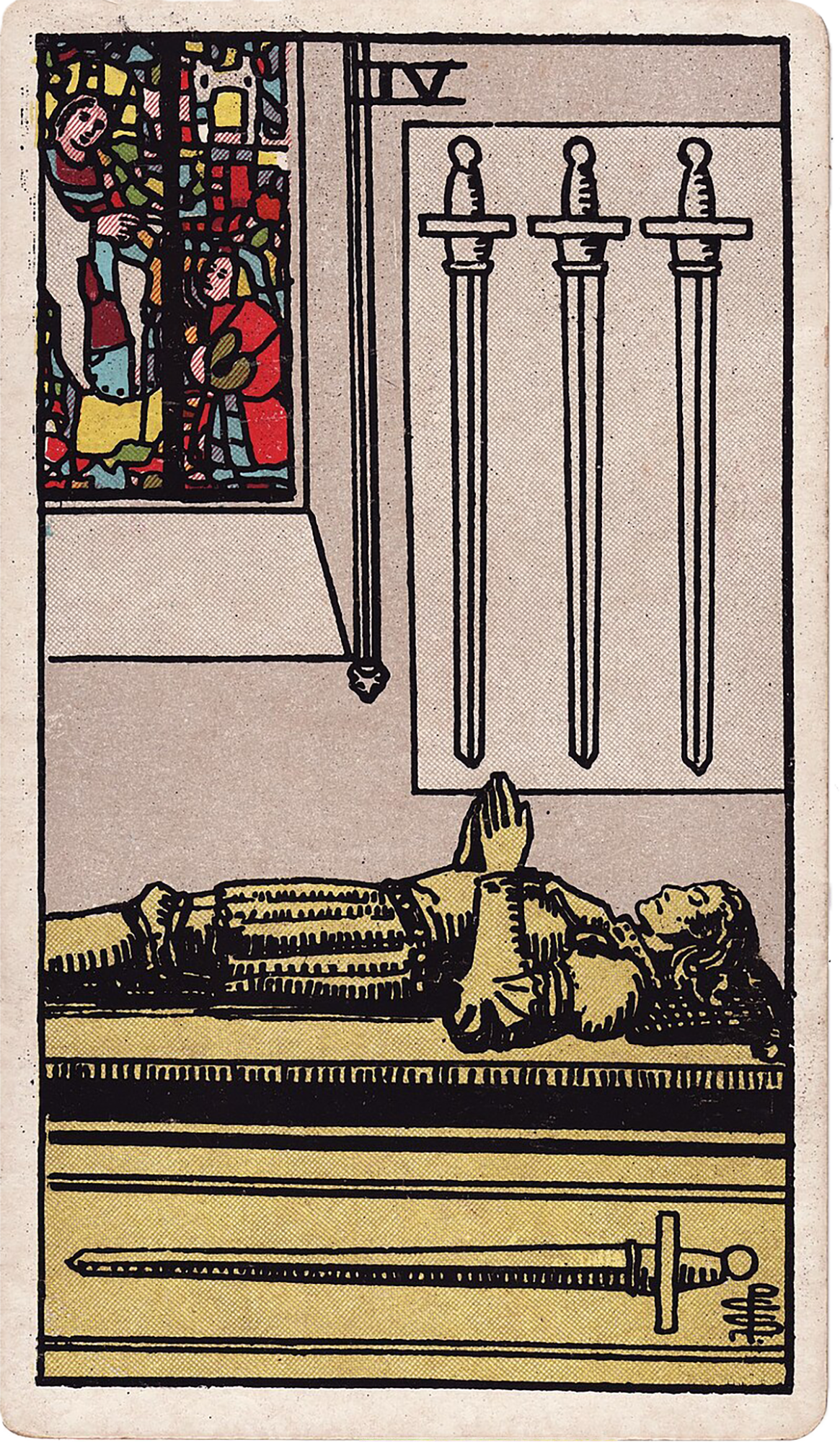 Challenge4 of Swords
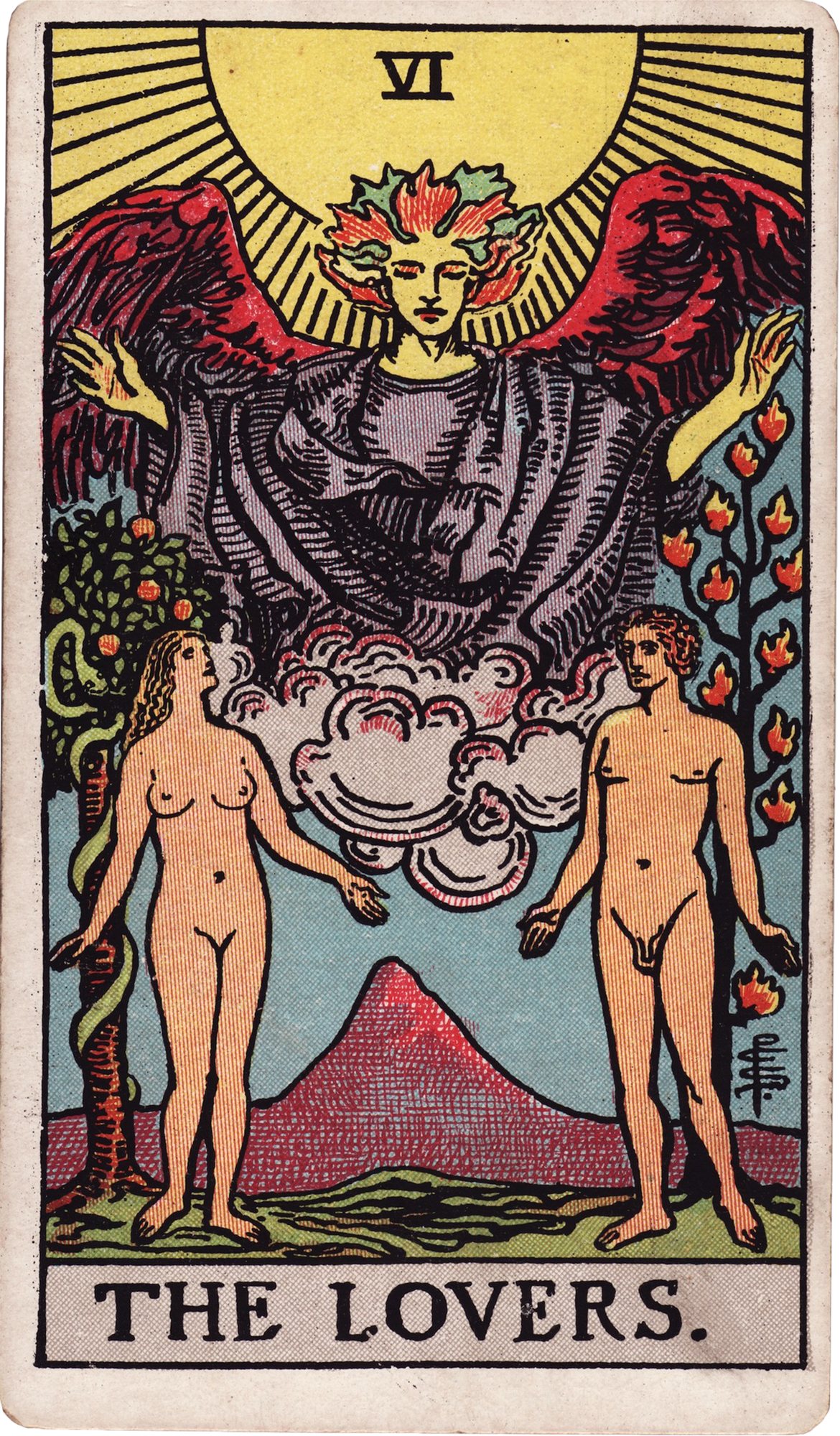 AdviceThe Lovers
Introduction to the Five Card Cross Spread
The Five Card Cross spread is a versatile and insightful layout often used to navigate complex life decisions, especially those involving emotional and mental challenges. The spread’s design reflects a cross, representing the intersection of time and influence, highlighting the dynamic interplay between past, present, and future, while also accounting for challenges and guidance. Each card’s position provides a different lens on the situation, allowing for a multifaceted exploration that is particularly practical for family or relational decisions. Unlike larger spreads, the Five Card Cross balances simplicity with depth, making it a perfect learning tool for readers aiming to develop interpretative skills and confidence.
Understanding the Spread Positions and Their Purpose
The Five Card Cross consists of five distinct positions, each with a focused question or theme to guide interpretation: 1. Present: What is the current state or the core issue? 2. Past: What past influences or patterns feed into the present? 3. Future: What potential outcome or direction is forming? 4. Challenge: What obstacle, tension, or hidden factor must be acknowledged? 5. Advice: What guidance or action can move the situation forward? This structure encourages readers to view the issue holistically, integrating emotional, mental, and situational elements. By assigning each card a clear role, the reader can avoid common mistakes such as conflating positions or overlooking nuances within each card’s symbolism. Practically, it helps focus the reading as a conversation with the querent, highlighting areas for reflection and decision-making.
Card 1 Present The Lovers Upright Explored
In the Present position, The Lovers upright emphasizes a critical choice aligning desire with personal values. Traditionally linked to relationships and moral decisions, this card here indicates that the querent is consciously facing a decision that involves not just external circumstances but their deeper integrity and authenticity. The imagery of two figures under an angel suggests divine or higher guidance, but it also calls attention to personal responsibility and deliberate choice. The upright Lovers urges the reader and querent to consider where honesty, clearer boundaries, or more direct communication might clarify the situation. It signals that the core issue is sufficiently visible to engage actively rather than passively hoping for certainty. As a practical step, the querent should work with what is currently at hand, identifying which part of the Lovers’ lesson—commitment, alignment, choice—is already present in their behavior. This grounded approach avoids romanticizing the decision or waiting indefinitely for perfect conditions.
Card 2 Past 4 of Cups Upright and Its Role
Positioned in the Past, the 4 of Cups upright highlights a previous emotional pause or reevaluation that has shaped the current dilemma. Traditionally, this card shows dissatisfaction or withdrawal, reflecting a stage where the querent may have been disengaged or internally processing unmet emotional needs. Its placement suggests that the present moment’s tension partly arises from this earlier pause—perhaps opportunities were overlooked or emotions were withheld. The imagery of a figure sitting beneath a tree with arms crossed, ignoring a cup offered from a cloud, reminds us of the risk of emotional stagnation or missed awareness. Practically, recognizing this pattern helps the querent understand that emotional withdrawal once served a purpose but now might limit their ability to see new possibilities. The reader should encourage reflecting on what emotional lessons from that past phase are still relevant and what needs to shift to prevent repetition.
Card 3 Future 4 of Swords Upright as a Path Forward
The 4 of Swords upright appearing in the Future indicates a period of deliberate pause and mental restoration ahead. This card’s traditional imagery—of a figure resting in a tomb-like setting—symbolizes strategic withdrawal after conflict or strain, emphasizing recovery and thoughtful reflection. In terms of future outlook, it suggests that the querent will benefit from stepping back to allow mental and emotional recuperation. The card offers a practical reminder that rushing forward without adequate rest may undermine decision-making quality. The reader can advise embracing this pause as a constructive stage rather than a delay or failure. This future position also implies that the querent’s current challenges will necessitate a calm, deliberate approach. It aligns logically with the Present and Past cards showing emotional and moral complexity, suggesting that recovery and regrouping will be essential next steps.
Card 4 Challenge 10 of Swords Upright and Its Implications
The 10 of Swords upright in the Challenge position reveals a painful cycle reaching its limit. The stark imagery of a figure pierced by swords lying face down conveys an ending that, while dramatic, opens the door to recovery as dawn breaks in the background. This card challenges the querent to confront the reality of a difficult conclusion or crisis that must be accepted to move forward. It warns against resistance to endings or denial of necessary change. The reader should interpret this not as a fatalistic prediction but as a call to acknowledge how past or present pain impacts the situation. When relating this challenge to earlier cards, the 10 of Swords complements the need for rest (4 of Swords) and deliberate choice (The Lovers). It highlights that the querent’s path involves facing hard truths and potentially letting go of old patterns or relationships that no longer serve them.
Card 5 Advice Page of Swords Upright as Guidance
The Page of Swords upright in the Advice position encourages mental curiosity, vigilance, and active inquiry. Depicting a youthful figure poised with a sword against the wind, the card symbolizes readiness to ask questions, gather information, and communicate clearly. As advice, it counsels the querent to adopt a stance of openness and agility, seeking clarity through careful observation and honest conversation. It advises against jumping to conclusions or reacting defensively; instead, the querent should engage with the situation intellectually and strategically. This card’s dynamic energy balances the 4 of Swords’ restful future, suggesting that after a period of paused reflection, mental alertness and adaptability will be crucial. It propels the reading forward by offering a practical approach to overcoming the challenge of the 10 of Swords: active, thoughtful engagement rather than avoidance or resignation.
Interpreting Card Relationships and Narrative Flow
In any spread, but especially the Five Card Cross, understanding the interplay between cards is essential for nuanced interpretation. Here, the narrative flows from emotional and moral choice (The Lovers) to a background of past withdrawal (4 of Cups). The future promise of rest and recovery (4 of Swords) contrasts with the painful but necessary ending highlighted by 10 of Swords, forming a cycle of tension and resolution. The advice of the Page of Swords offers a key to navigating this cycle: maintain mental clarity and curiosity even as you rest and recover. This interaction suggests a journey from emotional complexity and indecision through acceptance of hardship toward renewed mental engagement. Learners should practice tracing these relationships visually and conceptually, asking how each card informs or complicates its neighbors. Noticing how the Cups and Swords suits interact here—emotion and thought—adds depth to the reading and prevents oversimplification.
Step-by-Step Method to Reproduce the Five Card Cross Reading
To effectively use the Five Card Cross spread in your own readings or practice sessions, follow these steps: 1. Shuffle and focus on a complex decision or issue, framing a clear question. 2. Lay out five cards in a cross pattern, assigning them to Present, Past, Future, Challenge, and Advice in that order. 3. Examine each card in its position, noting traditional symbolism alongside practical context. 4. Look for narrative connections and suit interactions to build a coherent story. 5. Reflect on the querent’s real-life circumstances and emotional state to ground abstract meanings. 6. Avoid predicting fixed outcomes; instead, emphasize learning, choice, and possibilities. 7. Encourage journaling or discussion after the reading to deepen insight. By repeating this process with different questions and decks, learners build confidence and intuition, gaining the ability to adapt the spread flexibly while maintaining interpretive clarity.
Common Mistakes and How to Avoid Them
Several pitfalls can hinder effective Five Card Cross readings: - Confusing card positions or ignoring their distinct questions dilutes the spread’s structure. - Overemphasizing dramatic cards like 10 of Swords as merely ‘bad omens’ rather than part of a transformative process. - Reading cards in isolation without exploring their relationships misses the narrative richness. - Imposing personal biases without testing interpretations against card imagery and context. - Rushing the reading without allowing time for reflection and synthesis. To avoid these, consistently ground interpretations in traditional symbolism and the card’s visual cues. Use the spread’s framework as a guide, not a constraint, and maintain an open, curious mindset.
Practical Applications for Family and Relationship Decisions
This spread is particularly effective for family or relational issues, where emotions and values intertwine deeply. For example, The Lovers in Present may indicate a crossroads in partnership or family loyalty; the 4 of Cups in Past could reflect past emotional withdrawal within those relationships. The 4 of Swords Future suggests a needed pause to heal relational tensions, while the 10 of Swords Challenge encourages facing painful truths, such as ending dysfunctional patterns. The Page of Swords Advice then supports clear, honest communication and mental flexibility—crucial skills in navigating family dynamics. Using this spread, readers can help querents see their situation from multiple angles, balance heart and mind, and identify concrete next steps grounded in both emotional awareness and practical strategy.
Conclusion and Encouragement for Continued Practice
Mastering the Five Card Cross spread empowers tarot learners to approach complex life decisions with greater clarity, compassion, and strategic insight. By anchoring interpretations in detailed exploration of card positions and their interrelationships, readers create nuanced, meaningful narratives that honor the querent’s autonomy. Remember, tarot is a tool for reflection and guidance, not fixed fate. Practicing this spread regularly with different questions and decks strengthens not only your technical skills but also your intuitive understanding. Engage with the imagery of cards like The Lovers, 4 of Cups, 4 of Swords, 10 of Swords, and Page of Swords actively—observe details, meditate on symbolism, and relate these lessons to your own and others’ experiences. With patience and openness, the Five Card Cross becomes a trusted companion in navigating life’s most challenging decisions.
Practice questions
• How does the position of each card influence its meaning in the Five Card Cross spread?
• In what ways can The Lovers card help clarify the core issue when upright in the present position?
• What past emotional patterns does the 4 of Cups highlight, and how might these affect current decisions?
• Why is the 4 of Swords a valuable card to appear in the future, especially following The Lovers and 4 of Cups?
• How can the 10 of Swords in the challenge position encourage healthy acceptance of difficult endings?
• What practical steps can the Page of Swords’ advice inspire when facing complex family decisions?
• How can understanding card-to-card relationships deepen the meaning of a tarot reading?
• What strategies can you use to avoid common mistakes when working with this spread?
Comments
Sign in to comment.
Continue learning
Understanding the Synergy Between The Empress and The Emperor in Tarot Card Combinations
This article delves into the intricate synergy between The Empress and The Emperor cards in Tarot, focusing on how their combined energies modify and enrich readings across various...
Making Informed Life Choices with the Five Card Cross Tarot Spread
This article guides learners through the Five Card Cross Tarot Spread, a practical tool for making informed life choices, especially within family contexts. Using the cards The Foo...
Mastering Life Balance with the Three Card Tarot Spread
This article presents an educational guide on mastering life balance using a practical three-card Tarot spread in the family context. Featuring Justice in the Past, Temperance in t...
Using the Five Card Cross Spread to Make Confident Relationship Decisions
The Five Card Cross spread is a powerful tool for navigating difficult relationship decisions by examining the situation, two possible paths, hidden influences, and advice. This ar...
Using the Five Card Cross Spread to Assess Relationship Challenges and Growth
The Five Card Cross spread is a practical and insightful Tarot layout widely used to assess relationship challenges and growth. This article explores the method and interpretation...
Using the Relationship Five Card Spread to Identify Communication Blocks and Strengthen Emotional Bonds
This article provides an in-depth exploration of the Relationship Five Card Spread, a practical tool designed to identify communication blocks and improve emotional bonds within re...
Exploring Emotional Balance with The Queen of Cups and The King of Pentacles in Tarot Card Combinations
This article explores the intricate interplay between The Queen of Cups and The King of Pentacles in tarot readings, focusing on emotional balance within personal and practical con...
Unlocking Emotional Clarity and Communication with The Queen of Swords and The Knight of Cups
The Queen of Swords paired with The Knight of Cups creates a powerful combination that balances emotional insight with clear, honest communication. This article explores how these...
Using the Relationship Five Card Spread to Identify and Transform Communication Patterns
The Relationship Five Card Spread offers a practical and insightful method for uncovering communication patterns between two people. By analyzing the positions 'You,' 'The Other Pe...
Understanding the Many Facets of the Ten of Cups in Emotional Fulfillment and Relationship Harmony
The Ten of Cups is a pivotal card in the Cups suit, symbolizing shared emotional fulfillment, belonging, and the potential for a stable atmosphere of love and mutual support. This...