
Unlocking Emotional Clarity and Communication with The Queen of Swords and The Knight of Cups
The Queen of Swords paired with The Knight of Cups creates a powerful combination that balances emotional insight with clear, honest communication. This article explores how these cards interact in upright and reversed positions, revealing nuanced meanings in family and relational contexts. By grounding interpretations in Rider-Waite-Smith symbolism and practical technique, learners discover how to read this duo as a combined narrative rather than isolated messages. This approach helps unlock deeper emotional clarity and effective dialogue within varied life situations.
Read the cards together
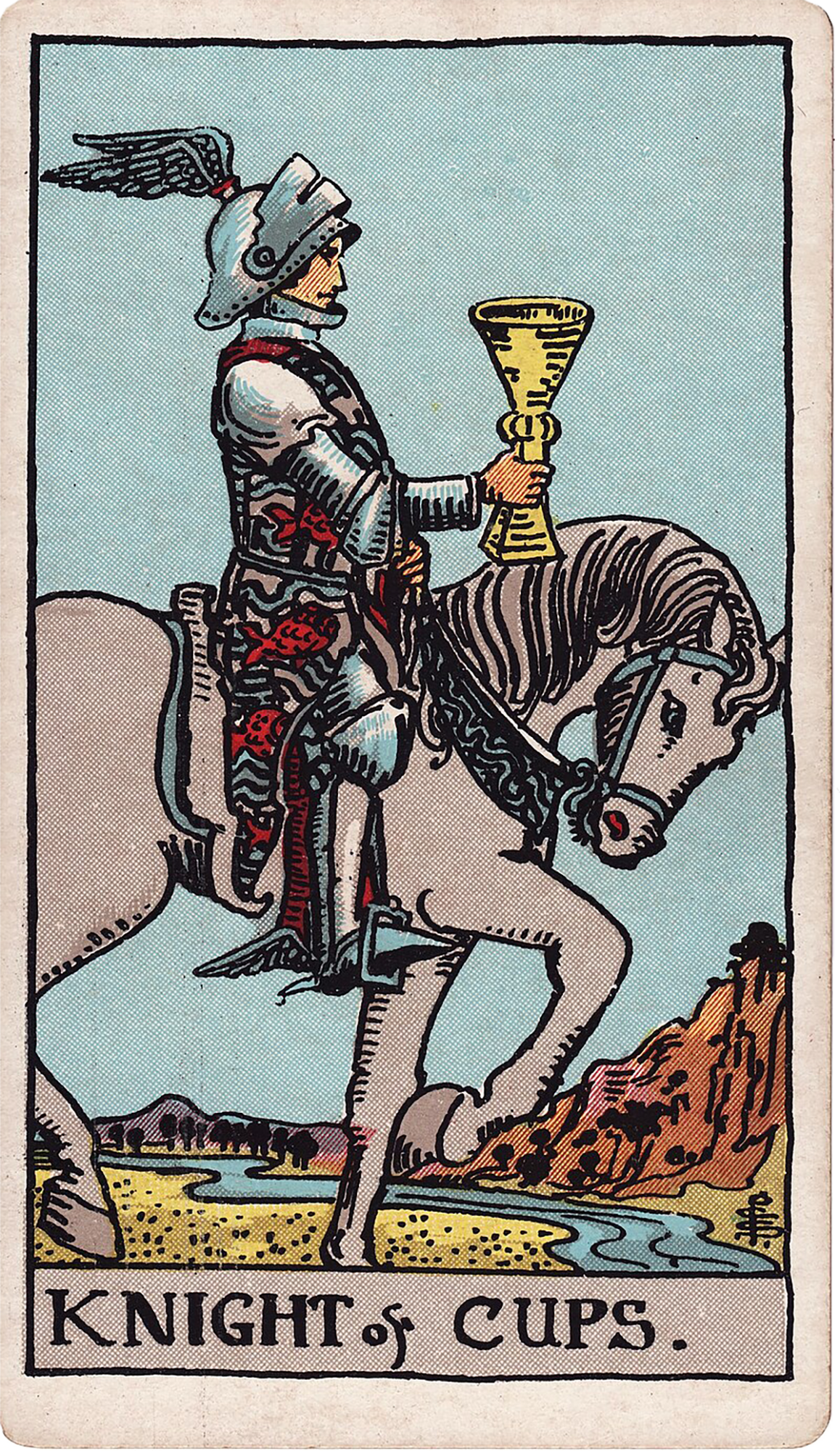 Knight of Cups
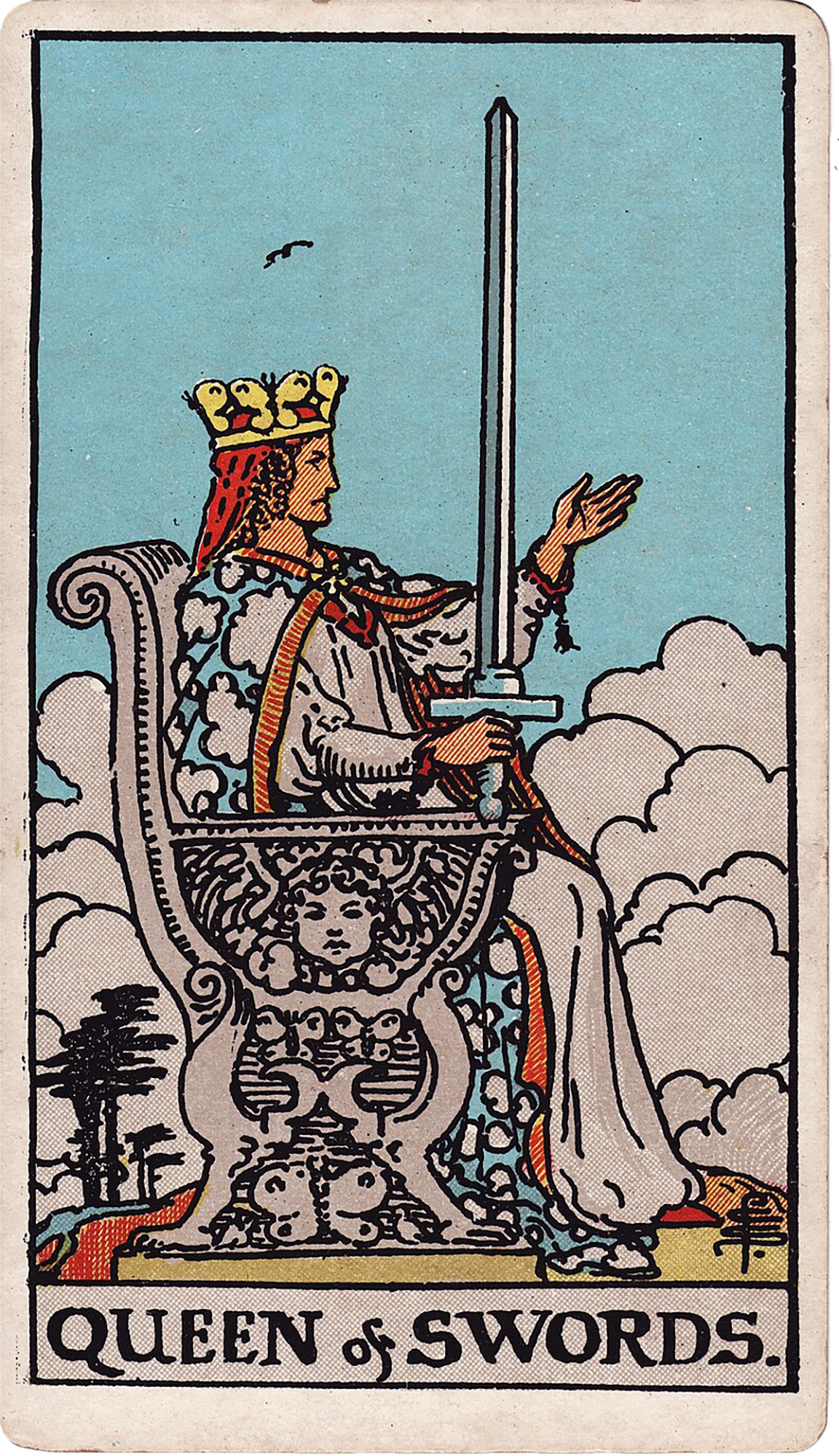 Queen of Swords
Introduction to The Queen of Swords and The Knight of Cups
The Queen of Swords and The Knight of Cups stand as archetypes representing distinct yet complementary energies in the Tarot. The Queen of Swords embodies intellectual clarity, independence, and truthful communication. Her sword is sharp, signifying mental acuity and the ability to cut through confusion or emotional fog. She balances honesty with compassion, setting boundaries without cruelty. In contrast, The Knight of Cups channels the emotional and intuitive realm. He is the messenger of the heart, characterized by grace, imagination, and emotional intention. The Knight actively pursues what he values emotionally, inviting receptivity and openness in relationships and introspection. His presence often signals movement within emotional landscapes, offering the promise of new understanding or romantic and creative developments. When these cards appear together, they suggest a synthesis of heart and mind, feeling and thought, intuition and rationality. For Tarot learners, appreciating this synergy is key to moving beyond one-card interpretations and into a holistic reading.
Interpreting The Queen of Swords with The Knight of Cups in Card Combinations
Combining The Queen of Swords with The Knight of Cups invites us to explore how clear communication interacts with emotional pursuit or receptivity. Both cards are upright by default unless otherwise noted, but each can temper or amplify the other's energies. The Queen's clarity and boundary-setting can ground the Knight’s sometimes idealistic or emotionally fluid nature. She helps articulate feelings with precision, ensuring emotional honesty rather than fantasy or confusion. Conversely, the Knight of Cups softens the Queen’s sometimes sharp intellect by introducing empathy and emotional nuance. His influence encourages her to listen to intuition and feelings, not simply logical conclusions. This dynamic is visible in the Rider-Waite-Smith imagery: the Queen seated with a sword upright, eyes clear and focused, contrasts with the Knight’s forward movement on horseback, cup extended, symbolizing emotional offering and action. Together, they represent a dialogue between thought and feeling, where communication is informed by emotional truth and feelings are expressed with thoughtful clarity.
Application in Family and Relationship Contexts
Within family or close relationships, this card combination can highlight the process of navigating emotional honesty paired with intellectual understanding. The Queen of Swords suggests the need for honest conversations, setting appropriate boundaries, and making decisions grounded in reality rather than wishful thinking. The Knight of Cups brings in emotional receptivity, the willingness to express affection, and empathetic listening. For example, a family reading showing these cards might indicate a moment where a family member must speak clearly about their feelings or needs (Queen of Swords), while also being open to the emotional expressions of others (Knight of Cups). This combination encourages balancing assertive communication with emotional warmth. Care must be taken to avoid extremes: The Queen’s sharpness can become cutting or detached if not softened by the Knight’s emotional presence, while the Knight’s romanticism might become unrealistic if not anchored by the Queen’s clarity. Encouraging a dialogue where both cards’ energies are respected leads to emotional clarity and healthier communication.
Career and Practical Life Interpretations
In career or practical decision-making contexts, the Queen of Swords paired with the Knight of Cups suggests a blending of strategic thinking and emotional intelligence. The Queen’s analytical skills and capacity for honest assessment can guide practical planning, while the Knight of Cups highlights the importance of passion, intuition, and emotional motivation in work or projects. This combination may appear when someone is asked to lead with both head and heart—for example, a manager who must make tough decisions but also keep team morale and individual needs in mind. It can also indicate pursuing career paths aligned with personal values and emotional fulfillment, rather than solely logical benefits. The Rider-Waite imagery supports this: the Queen’s seated posture indicates careful deliberation, while the Knight’s advancing horse symbolizes movement and active pursuit. Together, they suggest a balance between thoughtful contemplation and inspired action. Ignoring either side can cause imbalance: overly rational decisions might lack the human touch needed for lasting success, while unchecked emotional impulses could cloud judgment. The cards teach a method where clarity and empathy co-create sustainable results.
Interpreting Upright and Reversed Combinations Together
While upright meanings provide the foundational reading for these cards, reversals add complexity and nuance to their interaction. For instance, a reversed Queen of Swords may indicate bitterness, overly critical communication, or emotional avoidance, whereas a reversed Knight of Cups might point to moodiness, idealization, or emotional disconnect. When paired, reversed positions emphasize where emotional clarity and communication might be blocked or distorted. For example, a reversed Queen of Swords combined with an upright Knight of Cups could suggest that emotional intentions are sincere but the communication surrounding them is harsh or confusing. Conversely, an upright Queen with a reversed Knight might indicate clarity in thought but unrealistic emotional expectations or unexpressed feelings. Rather than treating reversals as simply problematic, consider them signals of where the combined energy has become stuck or imbalanced. The practical technique is to ask: What emotional or mental habit needs releasing? What communication style requires adjustment? How can the querent bring these energies back into productive dialogue? This layered approach avoids oversimplifying readings and honors the complexity of human emotional and intellectual interplay.
Practical Reading Method for Card Combinations
To effectively read this combination in practice, start by observing each card’s core meaning and Rider-Waite imagery independently. Note the Queen’s posture, her sword, and expression. Observe the Knight’s horse, cup, and forward motion. Then, consider how their energies interact in the querent’s current context. Ask clarifying questions: Where is emotional clarity needed? How is communication shaping or impeding relationships or decisions? Is there a tension between heart and mind? What boundaries or emotional expressions are missing or excessive? Use the surrounding cards to establish timing and developmental stage—whether these energies are emerging, fully active, or resolving. Look for patterns showing how the Queen’s mental clarity might direct the Knight’s emotional pursuit or how the Knight’s feelings could soften the Queen’s intellect. Avoid reading each card in isolation or assigning overly deterministic predictions. Instead, see the cards as parts of a story, each modifying and deepening the meaning of the other. This approach helps learners develop nuanced, empathetic, and practical Tarot readings.
Common Mistakes and How to Avoid Them
A frequent mistake when reading this combination is to treat the cards as separate messages rather than a single integrated dialogue. For example, reading the Queen of Swords as purely intellectual detachment and the Knight of Cups as naive romanticism misses their potential synergy. Another error is to overemphasize reversals as negative or to invert meanings simplistically. Instead, reversals should be read contextually, asking what blocks or internal processes they reveal. Ignoring the Rider-Waite imagery is also common. The Queen’s solitary seating, the sword held upright, and the Knight’s forward-moving horse and cup are vital visual cues that enrich interpretations. To avoid these pitfalls, focus on how the cards’ symbolism interacts, actively question how the querent’s situation relates to both heart and mind, and balance analytical and intuitive thinking in your reading process.
Case Study: Reading the Queen of Swords and Knight of Cups Together
Consider a hypothetical family reading where these cards appear upright. The querent feels tension between wanting to express honest feelings clearly and the fear of emotional vulnerability. The Queen of Swords signals the need for direct communication and setting healthy boundaries within the family dynamic. The Knight of Cups encourages the querent to pursue this with emotional openness and grace, showing readiness to listen and empathize. The advice might be to prepare carefully what you want to say (Queen), then approach the conversation with heartfelt intention and receptivity (Knight). If the Knight were reversed, it might warn against romanticizing the situation or avoiding difficult emotions, suggesting the querent needs to ground their approach in reality. This example illustrates how integrating both cards forms a richer, more actionable narrative than considering either alone.
Practice questions
• How do the Queen of Swords and Knight of Cups balance each other’s energies in your personal life?
• In what situations can clear communication support emotional understanding, and how might these cards guide that process?
• When reading these cards together, how do you avoid isolating their messages and instead create a cohesive narrative?
• What challenges arise if either clarity (Queen of Swords) or emotional intention (Knight of Cups) is missing or distorted?
• How can you use the Rider-Waite-Smith imagery to deepen your intuitive connection with this card combination?
Comments
Sign in to comment.
Continue learning
Interpreting the Dance of Justice and The Devil: Balancing Morality and Temptation in Tarot Readings
The combination of Justice and The Devil in tarot presents a profound exploration of morality, temptation, and personal accountability. This article unpacks how these cards influen...
Harnessing the Power of The Magician and Ace of Wands: Igniting Creativity and Manifestation in Tarot Readings
The combination of The Magician and the Ace of Wands in tarot readings offers a potent blend of creative energy and manifestation power. This article delves into the ways these car...
Understanding the Synergy Between The Empress and The Emperor in Tarot Card Combinations
This article delves into the intricate synergy between The Empress and The Emperor cards in Tarot, focusing on how their combined energies modify and enrich readings across various...
Decoding Transformation and Renewal with Death and The Star in Tarot Combinations
This article delves into the card combination of Death and The Star, two powerful Major Arcana cards from the Rider-Waite-Smith deck. It explores how their imagery and meanings int...
Balancing Ambition and Compassion with The Emperor and Queen of Cups in Tarot Combinations
This article delves into the nuanced Tarot card combination of The Emperor and Queen of Cups, emphasizing how their energies complement and challenge each other. By analyzing their...
Finding Emotional Healing and Renewal with The Star and The Moon Tarot Combination
This article examines the rich interplay between The Star and The Moon tarot cards when they appear together in a reading. Using the traditional Rider-Waite-Smith symbolism and the...
Unlocking Emotional Wisdom with The High Priestess and The Queen of Cups in Tarot Combinations
This article delves into the card combination of The High Priestess and The Queen of Cups, emphasizing their shared themes of intuition, emotional depth, and receptivity. By examin...
Unlocking Emotional Resilience with Strength and The Star in Tarot Combinations
This article delves into the Tarot card combination of Strength and The Star, revealing how their interplay highlights pathways to emotional resilience. Anchored in the Rider-Waite...
Unveiling Emotional Strength with Strength and The Queen of Cups in Tarot Combinations
This article delves into the dynamic Tarot combination of Strength and The Queen of Cups, emphasizing how these cards together illuminate emotional strength, compassionate boundari...
Unlocking Emotional Transformation with Death and The Moon Tarot Combination
This article explores the rich and complex interaction between the Death and The Moon tarot cards within the Rider-Waite-Smith tradition, focusing on their combined potential to un...