
Reading the Pages as Learning and Communication Styles
This article explores the Pages of the Minor Arcana as portraits of beginner-level learning and communication styles. Anchoring the teaching to the images and conventional Rider–Waite–Smith meanings of the Page of Wands, Page of Cups, Page of Swords and Page of Pentacles, the piece explains how to read these cards in family, suit and court-card contexts. It offers a clear reading method, sample mini-readings, interpretation logic for upright and reversed positions, common mistakes readers make, and practice exercises to develop accurate, empathetic, and actionable readings.
Cards explored in this article
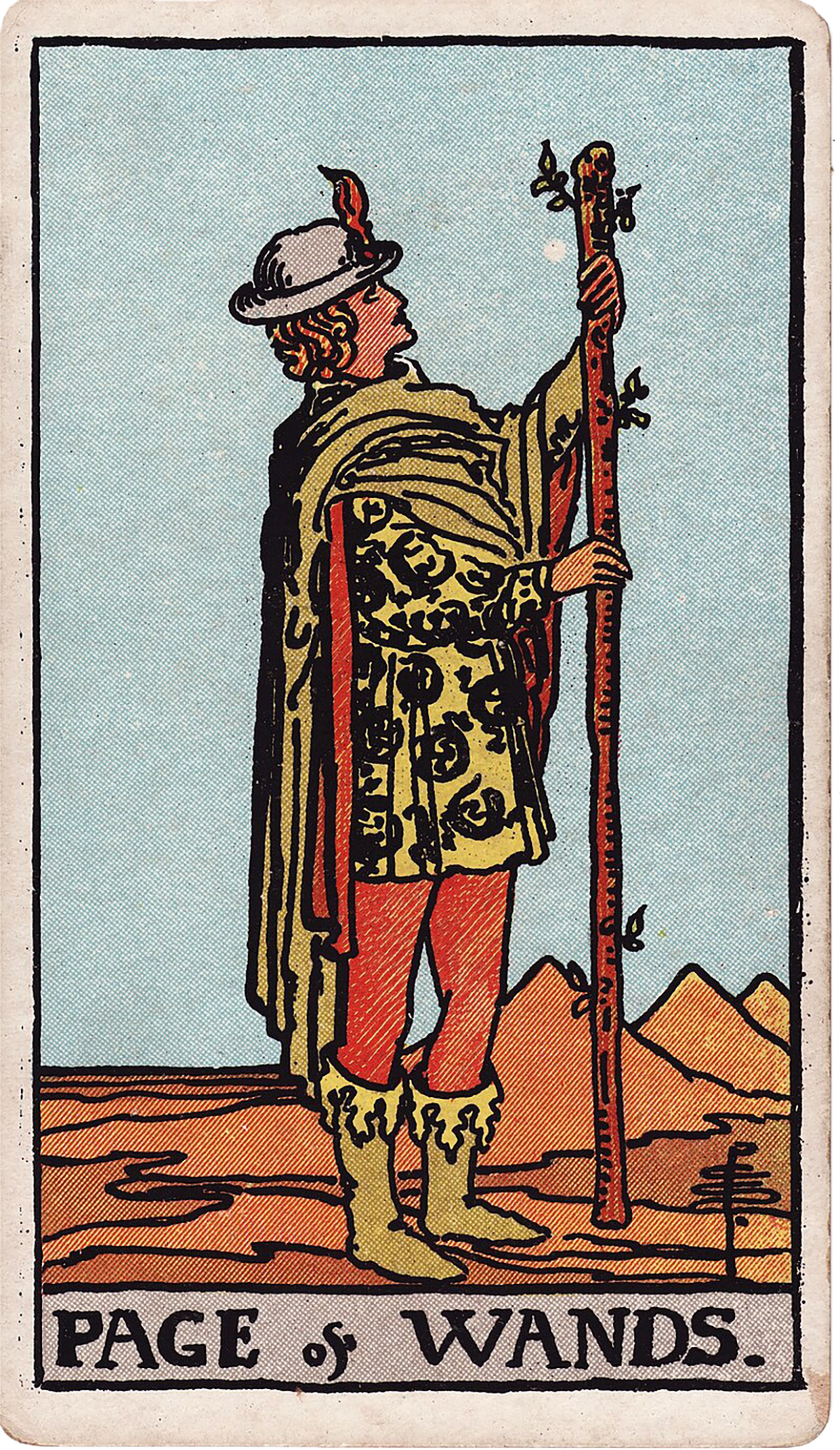 Page of Wands
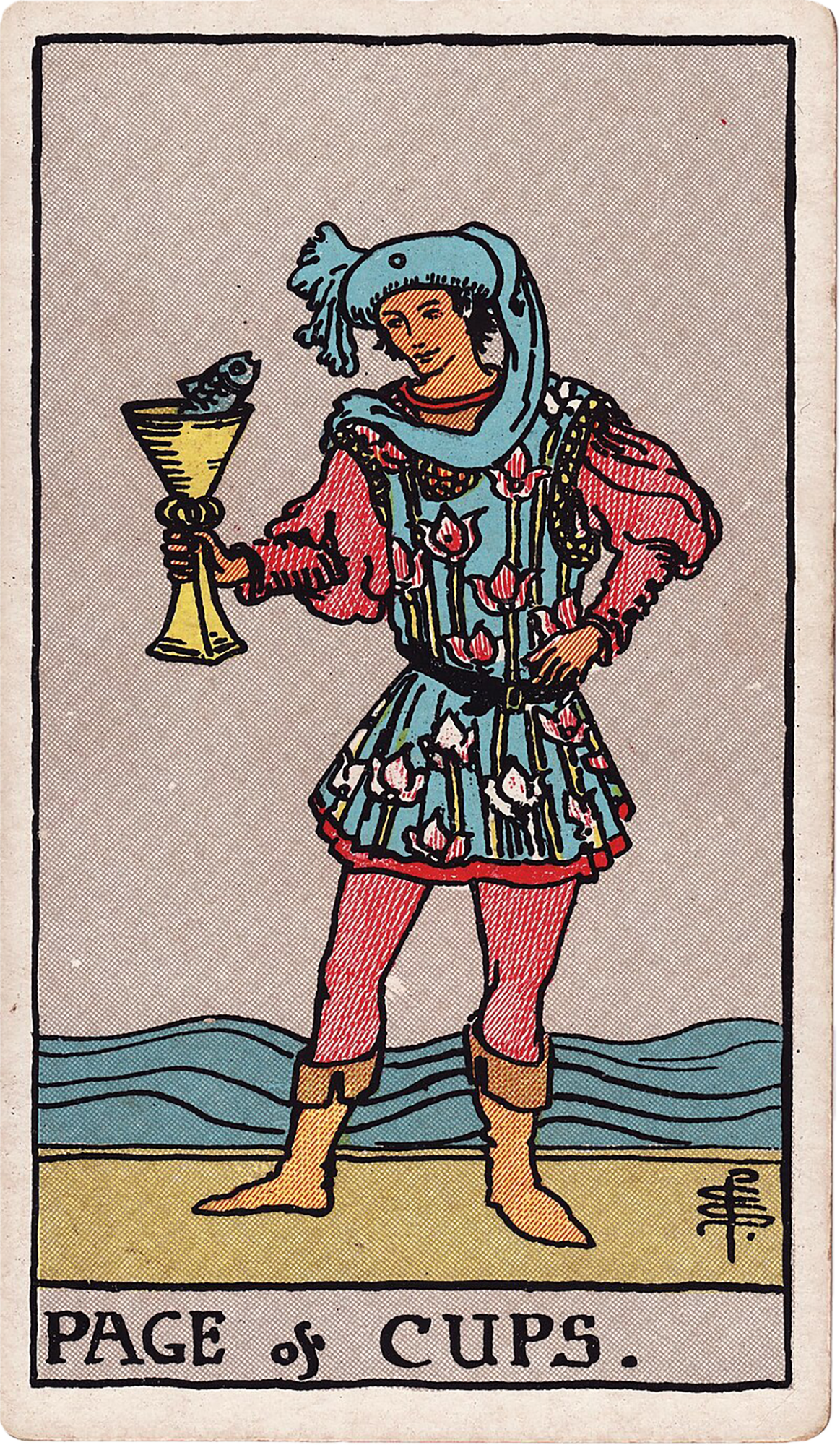 Page of Cups
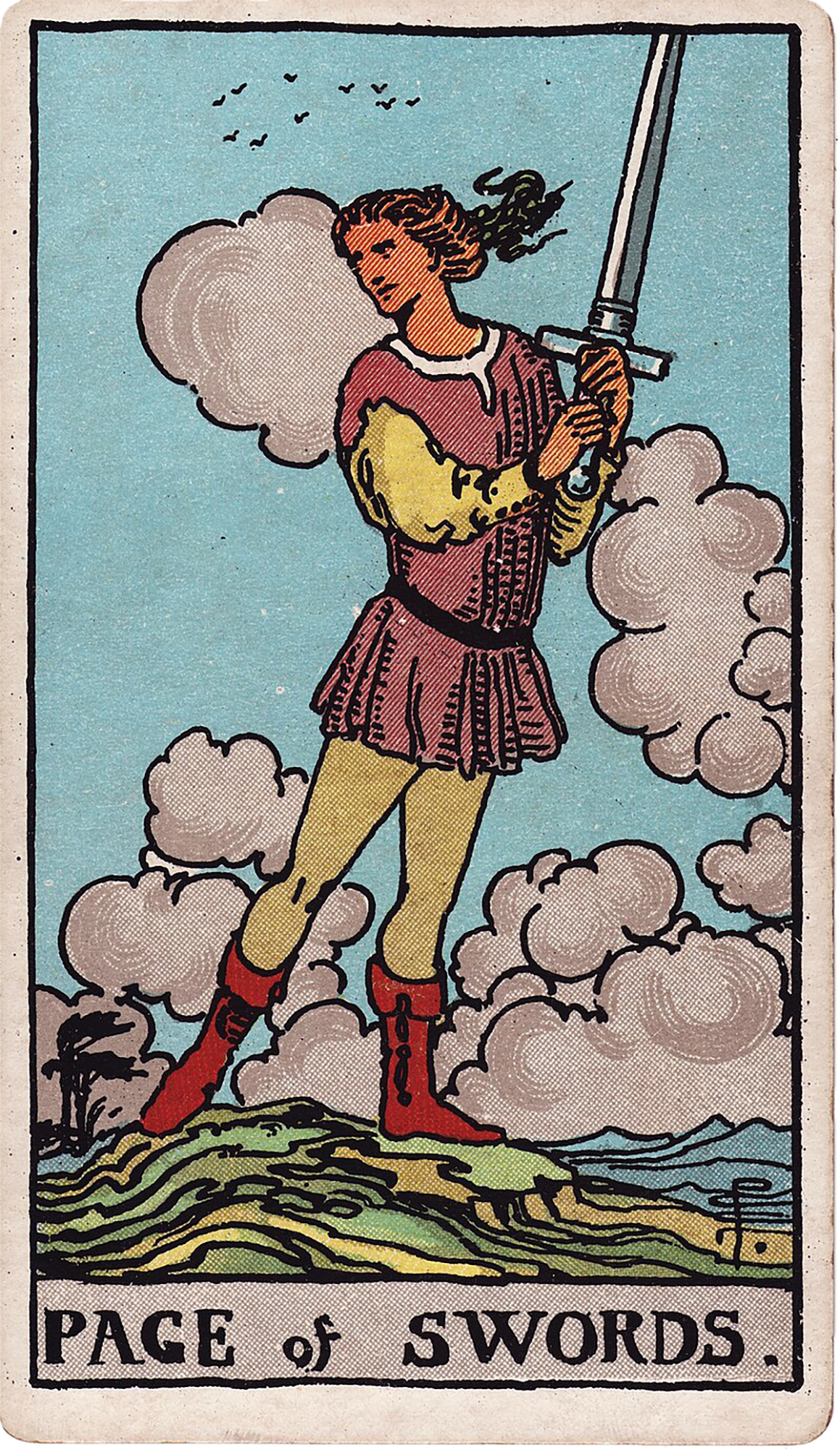 Page of Swords
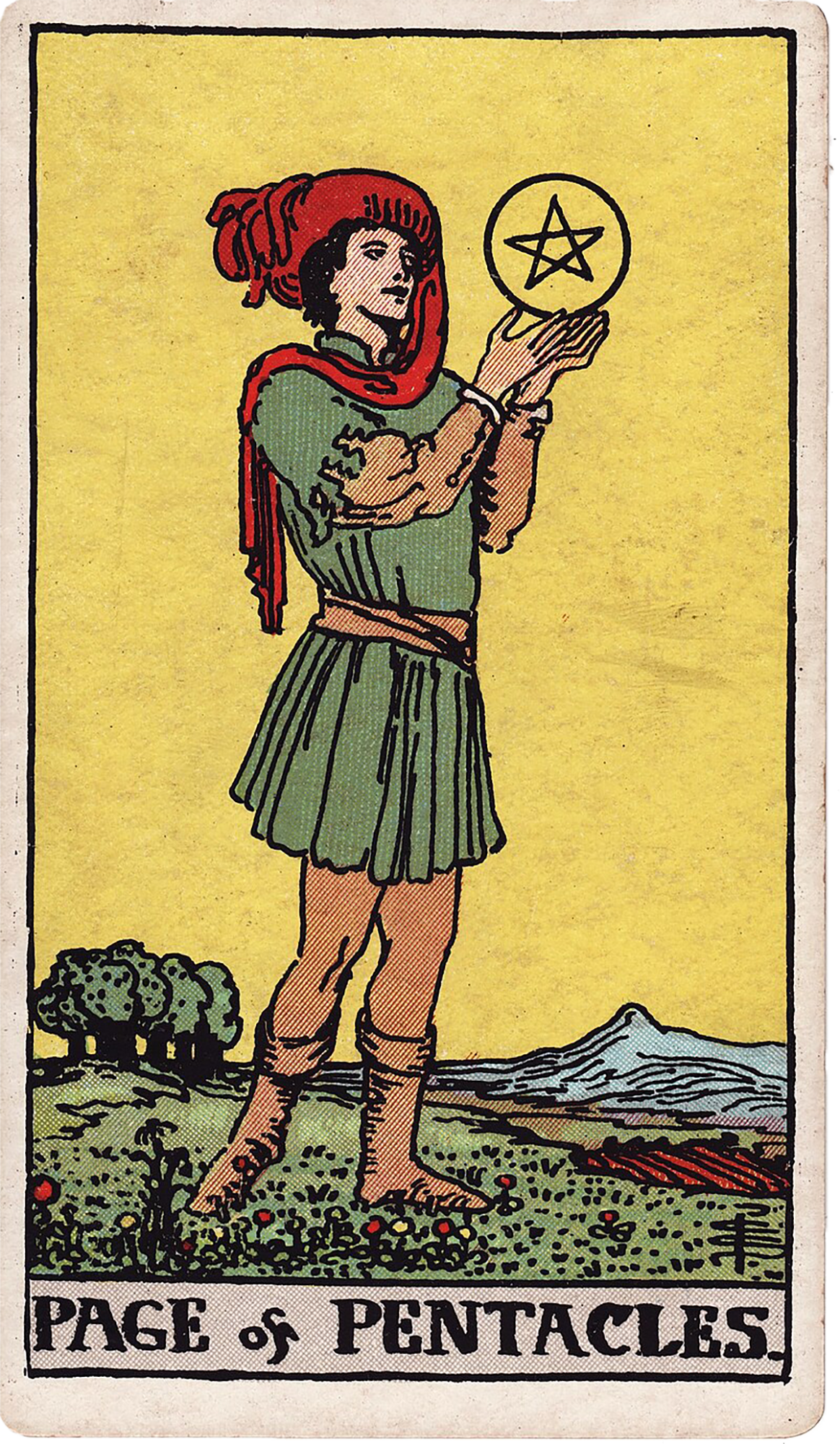 Page of Pentacles
Introduction: Why the Pages Matter for Learners and Families
Pages are the youngest court figures in the Minor Arcana. In readings they often represent beginners, messages, new beginnings and the first stage of a skill or relationship. When you study the Pages as expressions of learning and communication styles you gain a toolbox for reading family dynamics, mentorship roles, and the early phases of projects. This article focuses exclusively on four supplied cards—the Page of Wands, Page of Cups, Page of Swords and Page of Pentacles—using their traditional Rider–Waite–Smith symbolism to map how people start, respond, and speak when they are in a formative place. Throughout, treat these descriptions as psychological and pedagogical lenses for interpretation; they are not deterministic predictions.
Court Card Function and Family Context
Court cards often act like people in a story. Pages typically show an orientation toward learning, reporting, and first attempts rather than finished mastery. In a family reading, a Page can represent any family member in a learner role—an apprentice, a young child, someone newly responsible for a task, or a person bringing news. When multiple Pages appear together they create a chorus of beginner energy; the suits tell you how those beginners are learning and communicating. Use the supplied images to place emphasis: the Page of Wands brings fiery experimentation to the household, the Page of Cups introduces emotional messages or creative invitations, the Page of Swords adds curiosity and questioning, and the Page of Pentacles points toward new practical study or money-and-skill concerns.
Visual Symbolism to Watch and What It Teaches
Rider–Waite–Smith imagery gives immediate cues for reading Pages as learners. Look closely at these supplied cards and tie the visual details to behavior and advice. Page of Wands: In RWS the Page stands in a warm, open landscape holding a budding staff. The staff’s sprout and the Page’s posture signal initiation and appetite for exploration. For learning styles this shows a student who learns by doing, by bold trials and by following enthusiasm. In family dynamic readings it can mean someone volunteering for projects or proposing adventurous ideas. Upright: curiosity, experimentation, promising beginnings. Reversed: immaturity, inconsistency, ideas with no follow-through. Page of Cups: The RWS Page looks at a fish peeking from a cup, wearing a fanciful hat—symbols of surprise, intuition and the psyche’s playfulness. This Page learns via feeling, images, and invitations; they absorb emotional tone and respond to creative prompts. In families they might be the empath, the artist, or the person who signals emotional shifts. Upright: unexpected emotional messages, receptive creativity. Reversed: hypersensitivity, escapism, dismissed intuition. Page of Swords: The youth stands alert with a raised sword, clouds and wind at their back—symbols of keen observation, questioning, and sometimes restlessness. This Page learns by asking questions, debating, and gathering information. In family settings they might be the inquisitor or the communicator who wants clarity and fairness. Upright: mental curiosity, vigilance. Reversed: gossip, scattered attention, speaking before understanding. Page of Pentacles: The Page studies a pentacle in a green field—an image of focused attention on a material or skill-based object. This Page learns through practice, study and systematic steps. In families they represent apprenticeship, budgeting learners or someone starting a course of practical training. Upright: realistic planning, skill-building. Reversed: procrastination, poor study habits, unrealistic plans.
Technique: A Practical Reading Method for Pages
Use a compact, repeatable method so Pages retain their role as stage-based indicators rather than fixed characterizations. Try this three-step technique for family or learning-focused questions: 1) Clarify the Question and Role: Ask whether you are reading about a person, a role (student/mentor), or a process (learning/communication). If a family is involved, determine whether the Page points to a specific person or to a role someone occupies right now. 2) Identify the Suit Skill: Tie the Page’s suit to a type of learning or communication. Wands = energy-driven experimentation and identity; Cups = emotional receptivity and imaginative learning; Swords = inquiry, information and debate; Pentacles = practical study and craft. 3) Read Upright/Reversed as Process Status: Use the supplied upright/reversed descriptions to judge whether the learning pattern is functional, overdone, or stuck. Upright signals the healthy beginning stage; reversed draws attention to where practice, clarity, or communication is missing. Don’t default to ‘‘bad’’ for reversed—read it as a stage that needs simplification, practice, or clearer messaging. Suggested spread: a three-card mini-spread using only Pages or a Page plus two contextual cards. Positions: The Learner’s Style (which Page appears); The Best Method (what practice or communication the suit suggests); The Environment or Barrier (upright/reversed read as status). Read all three through the lens of the Page imagery supplied.
Examples and Readings Anchored to the Supplied Pages
Example 1 — A parent asks why their child resists a music teacher. Cards: Page of Pentacles upright in position 1 (Learner), Page of Cups reversed in position 2 (Method), Page of Swords upright in position 3 (Environment). Interpretation: The child’s Page of Pentacles upright image—studying a pentacle in green field—shows they want structured practice and tangible goals. The Page of Cups reversed suggests that the teacher’s emotionally driven, freeform approach is triggering the child’s discomfort (escaped or dismissed emotional cues). The Page of Swords upright indicates that clear communication and questions between parent and teacher can resolve mismatches. Advice: build a practice plan (Pentacles) and ask the teacher direct questions (Swords) while acknowledging the child's emotional boundaries (Cups reversed). Example 2 — A family member begins a small business. Cards: Page of Wands upright (ambition), Page of Pentacles reversed (planning), Page of Swords reversed (communication). The Page of Wands imagery—youth holding a budding staff—shows enthusiasm and a creative offer. Page of Pentacles reversed warns about lack of realistic planning; the Page of Swords reversed points to scattered or reactive messaging (oversharing, defensiveness). Advice: hold the initial creative impulse (Wands) while adding grounded steps and study (flip Pentacles to upright through habit) and slow down public communication until a plan is in place.
Common Mistakes and How to Avoid Them
1) Treating Reversed as Simply the Opposite: The supplied card descriptions emphasize that reversed Pages often indicate stuck processes, excesses or inner struggles rather than direct opposites. Ask how the Page’s energy is blocked. 2) Ignoring Suit Skills: Pages show learning styles tied to suits. A Page of Swords is not just ‘‘talky’’—it teaches you to value questioning and discernment. Always translate suit symbols into practical advice. 3) Over-personalizing Court Cards: A Page can be a role, a transitory state, or an external message. In family readings check context—Pages frequently signify temporary learning stages, not permanent personality traits. 4) Overlooking Imagery Details: Use the RWS details in the supplied images—the budding staff, the fish in the cup, the raised sword and the attentive pentacle—because they tell you HOW the learner engages. Mentioning these images in your reading helps clients see the connection. 5) Missing Interaction Patterns: When multiple Pages appear, interpret how their suit energies combine. Two Pages of different suits may suggest complementary learning methods; two of the same suit may mean an overfocus that needs balancing.
Interpretation Logic and Turning Insight into Action
Interpretation should move from observation (what the card shows) to translation (what that behavior looks like) to practical advice. Follow this logic chain: 1) Observe the image and suit-specific symbols on the supplied card (e.g., Page of Wands’ staff sprouting, Page of Cups’ fish, Page of Swords’ wind-clouds, Page of Pentacles’ careful study). 2) Name the learning or communication style succinctly (experimenter, empathic receiver, questioner, apprentice). 3) Diagnose the process state using upright/reversed notes: is it a nascent skill, a habit needing practice, an excess, or an internal blockage? 4) Offer concrete, stage-appropriate steps: for Wands suggest small experiments and accountability; for Cups propose reflective check-ins and creative exercises; for Swords recommend structured inquiry and listening practice; for Pentacles give a study plan and milestone-based tracking. 5) Tie advice to family roles or systems: who must adapt, who must provide space, who must offer structure, who must model patience? This logic keeps readings practical and learner-focused rather than metaphorically vague.
Practice Exercises and Integration
1) Image Journaling: Pull each supplied Page and write a short paragraph from that Page’s perspective about a family learning scenario—focus on sensory details from the RWS image. 2) Three-Card Role Drill: Over several days, draw three cards for three roles—Learner, Teacher, Household Environment—using only the supplied Pages when they appear. Note how advice changes when the Page is upright vs reversed. 3) Role-Switch Readings: If a Page appears about someone else, ask the querent to try the Page’s recommended method for a week (e.g., a Swords-style list of questions or a Pentacles-style practice schedule) and then report back. Regular practice with these supplied images will build fluency in translating symbolic cues into effective, stage-appropriate advice.
Practice questions
• Which Page image (Wands, Cups, Swords, Pentacles) first captures your attention and why? How might that reflect your preferred learning or communication style?
• When you see a Page reversed, what initial story do you tell yourself? Can you reframe that to a specific stuck process that needs practice or clearer messaging?
• In a family setting, who currently occupies the role of ‘Page’—a beginner, messenger, or apprentice—and which suit best describes how they should be supported?
• How can you convert one Page’s advice into an immediate 7-day action plan (one small habit for Wands, an emotional check-in for Cups, a questioning routine for Swords, or a study slot for Pentacles)?
• What imagery detail from each supplied Page will you mention next time you read to help a client see the card’s practical meaning?
Comments
Sign in to comment.
Continue learning
Navigating Conflict Resolution and Inner Struggles with the Five Card Cross Tarot Spread
This article delves into the Five Card Cross Tarot Spread as a practical tool for navigating conflict resolution and inner struggles, especially within family contexts. Using the s...
Deepening Connection and Communication Using the Relationship Five Card Spread
This article introduces the Relationship Five Card Spread as a practical tool to enhance family communication and connection. Using five specific card positions—You, The Other Pers...
Unlocking Personal Insight with the Seven Card Horseshoe Spread
The Seven Card Horseshoe Spread is a practical and insightful Tarot layout ideal for exploring personal and family dynamics. This article breaks down each position—Past, Present, H...
Finding Emotional Healing and Renewal with The Star and The Moon Tarot Combination
This article examines the rich interplay between The Star and The Moon tarot cards when they appear together in a reading. Using the traditional Rider-Waite-Smith symbolism and the...
Using the Relationship Five Card Spread to Deepen Emotional Bonds and Improve Communication
This article presents a comprehensive guide to the Relationship Five Card Spread, focusing on deepening emotional bonds and improving communication within family and interpersonal...
Using the Relationship Five Card Spread to Strengthen Communication and Emotional Connection
This article explores the practical use of the Relationship Five Card Spread to enhance communication and emotional connection within family relationships. Anchored by the Tarot ca...
Unlocking Emotional Maturity with The Emperor The Hierophant and The King of Cups
This article delves into the card combination of The Emperor, The Hierophant, and The King of Cups as a powerful trio for understanding and unlocking emotional maturity. Focusing o...
Balancing Ambition and Intuition with The Emperor and The High Priestess in Tarot Combinations
This article delves into the card combination of The Emperor and The High Priestess, highlighting their complementary energies of structure and intuition. It explores how these car...
Combining The Lovers The Empress and The Hierophant to Understand Relationship Growth
This article explores the Tarot card combination of The Lovers, The Empress, and The Hierophant within the context of relationship growth. Each card’s upright and reversed qualitie...
Interpreting The Hierophant in Modern Life Decisions and Traditions
The Hierophant card offers rich insights into the role of tradition, guidance, and the structures that shape our decisions in modern life, especially within family and personal dev...