
Navigating Conflict Resolution and Inner Struggles with the Five Card Cross Tarot Spread
This article delves into the Five Card Cross Tarot Spread as a practical tool for navigating conflict resolution and inner struggles, especially within family contexts. Using the specific cards Strength, Justice, The Hanged Man, 5 of Wands, and 9 of Swords, it explains each position’s meaning, card interactions, and interpretative strategies. The guide includes detailed advice for learners on how to use this spread effectively, common pitfalls, and practical applications, anchoring the teaching firmly in traditional Rider-Waite-Smith symbolism and the supplied card imagery.
Five Card Cross
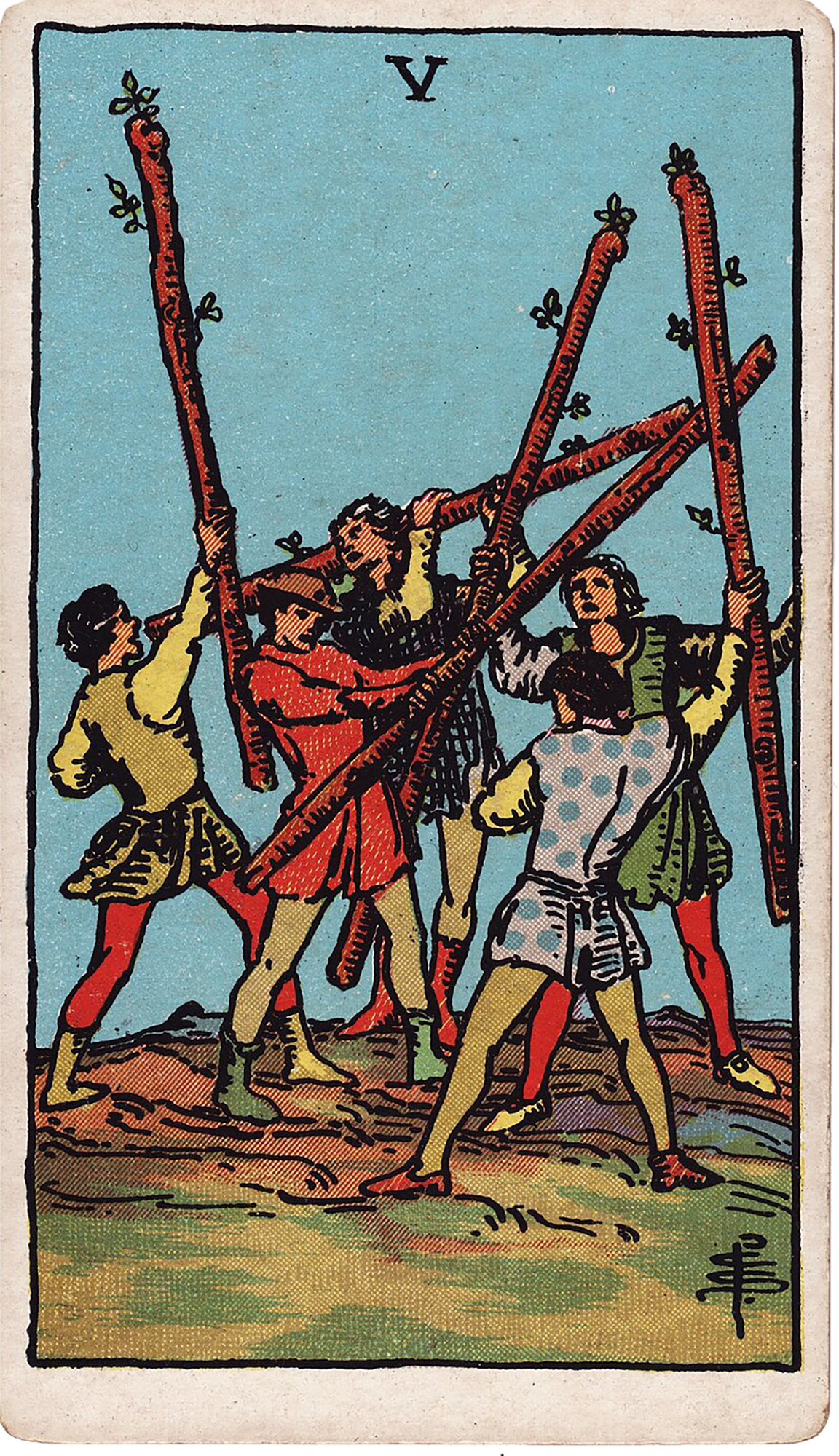 Present5 of Wands
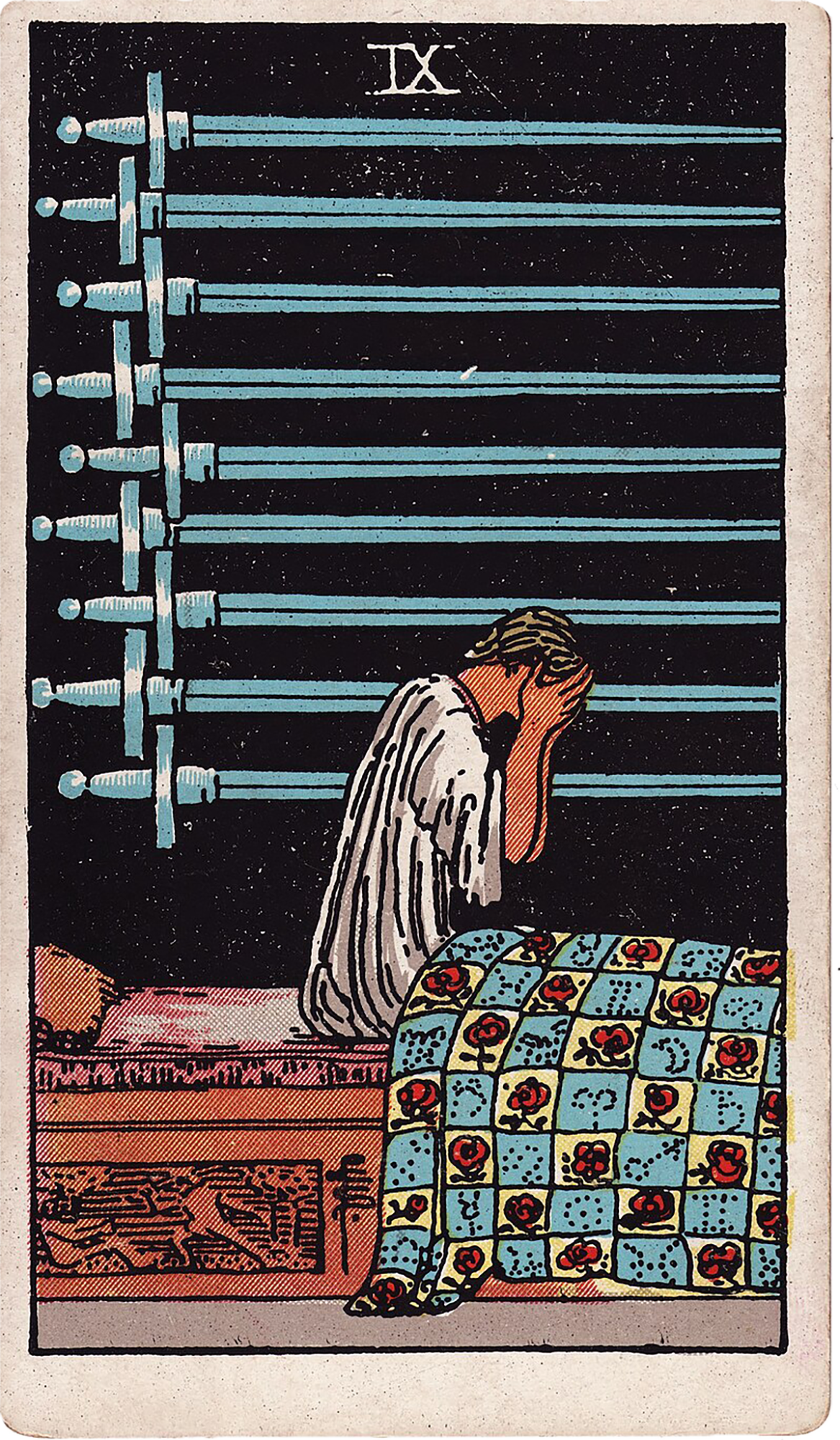 Past9 of Swords
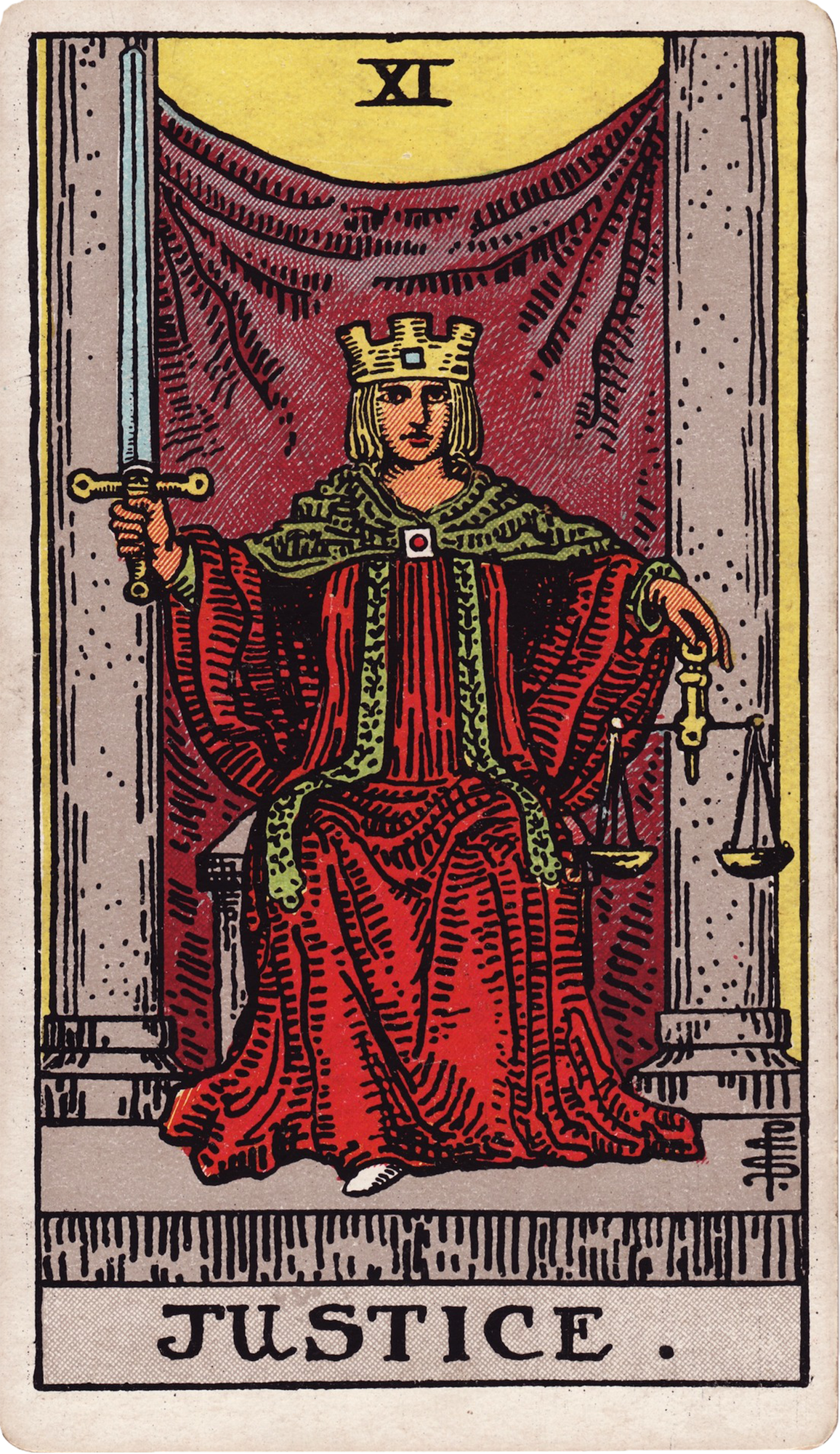 FutureJustice
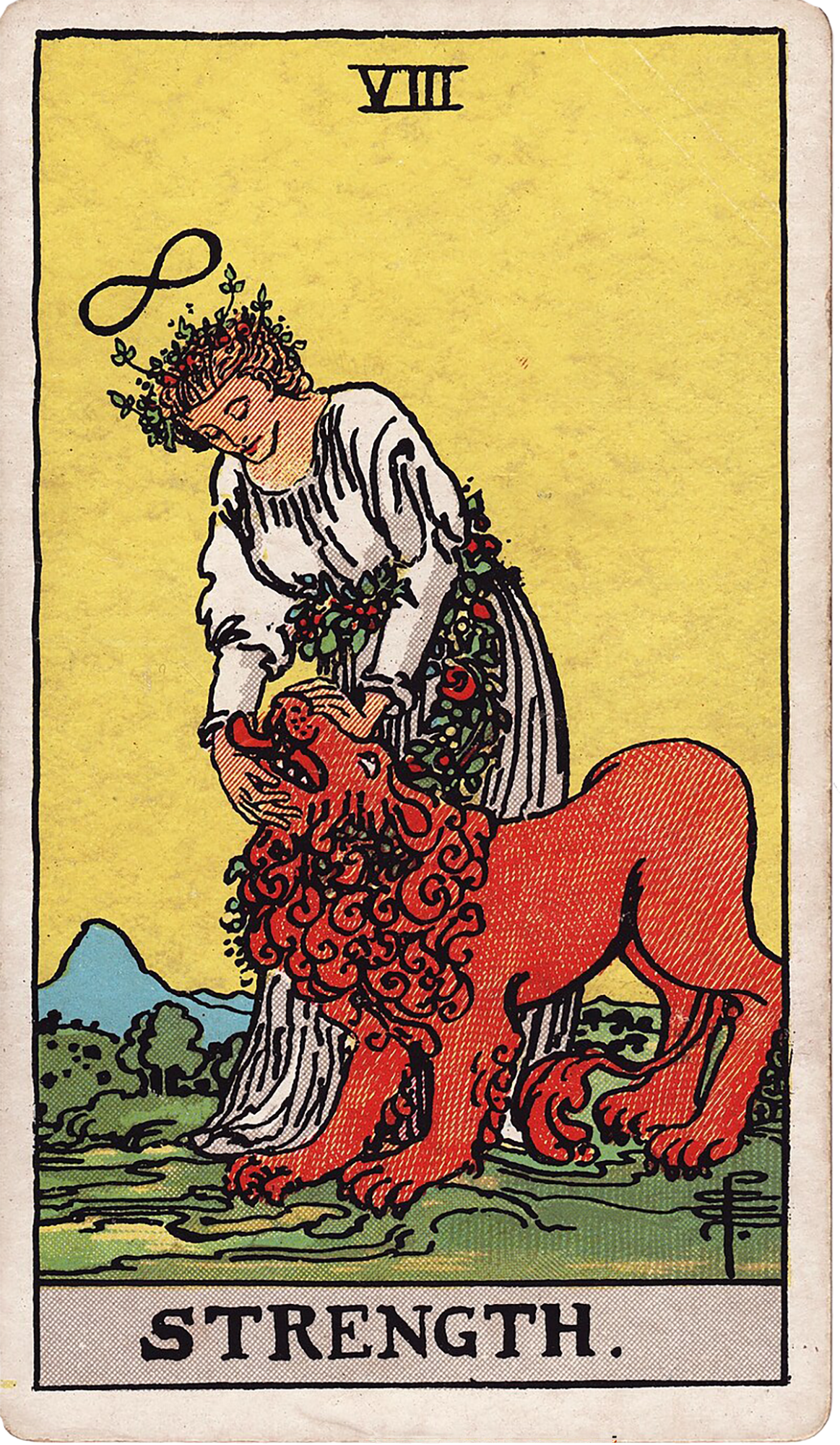 ChallengeStrength
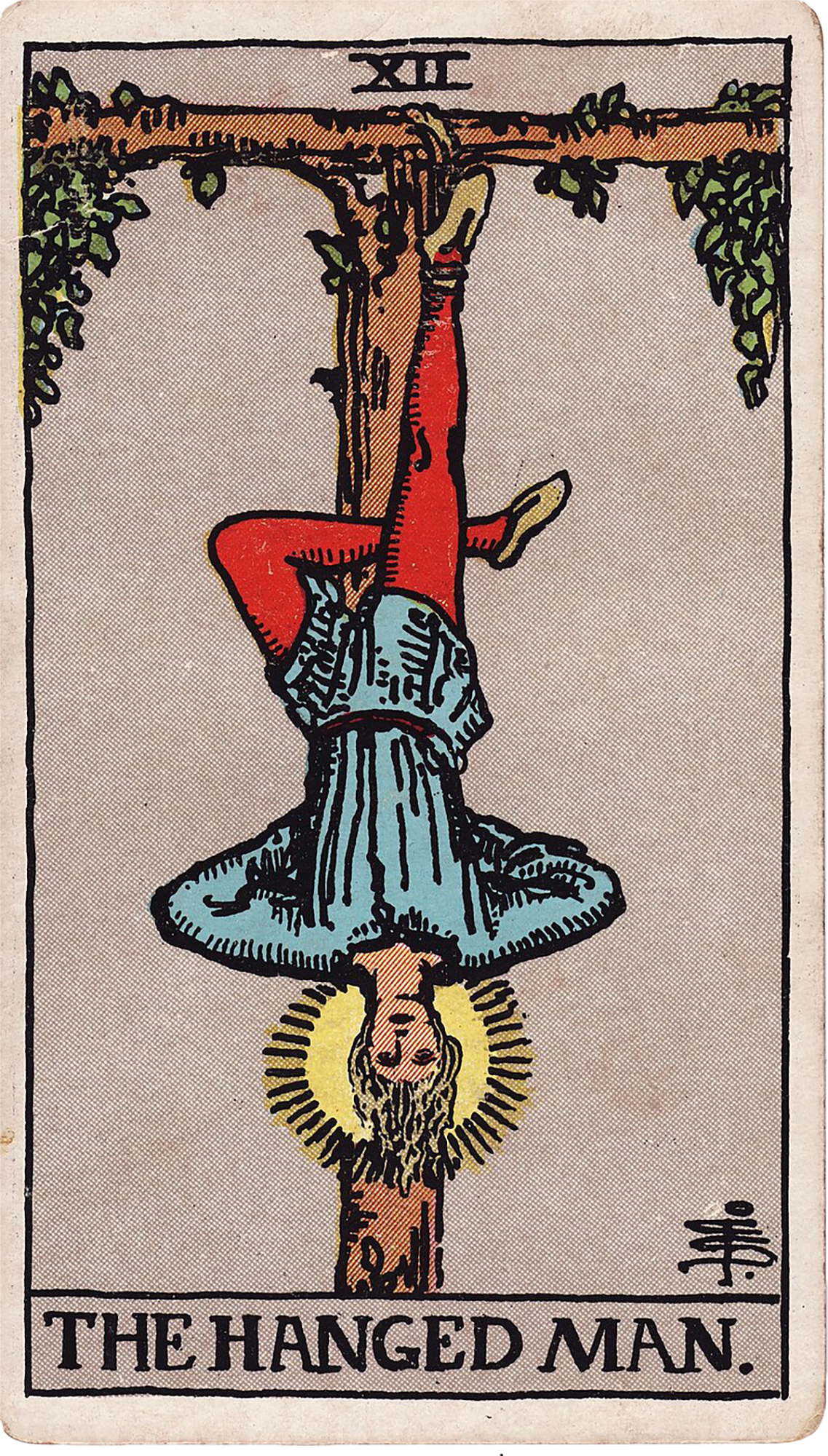 AdviceThe Hanged Man
Introduction to the Five Card Cross Tarot Spread in Conflict Resolution
The Five Card Cross Tarot Spread is an elegant, balanced layout designed to dissect complex situations with clarity and depth. Particularly suited for family and practical conflict situations, this spread maps out the Present, Past, Future, Challenge, and Advice, providing a structured narrative to guide understanding and action. By focusing on both external conflict and internal psychological dynamics, it offers readers a clear methodology to identify core issues and potential pathways forward. This article uses the supplied cards—Strength, Justice, The Hanged Man, 5 of Wands, and 9 of Swords—to showcase how the spread works in practice. Each card is examined in context to its spread position, revealing layered insights for learners.
Understanding the Spread Positions and Their Roles
To effectively use the Five Card Cross Spread, it is crucial to understand each position's function: 1. Present: This card highlights the current state or central theme of the querent’s situation. 2. Past: This reveals influences or events from the past that have shaped the present context. 3. Future: This position indicates likely developments or emerging trends if current energies continue. 4. Challenge: This card identifies obstacles or difficulties that must be addressed. 5. Advice: Offering practical guidance, this card suggests how to engage with the situation constructively. The cross formation allows the Past and Future to anchor the timeline, with Present at the center. The Challenge overlays the Present, emphasizing tension, while Advice offers a resolution path. This symmetry helps learners organize interpretations logically, creating a narrative flow and practical application.
Interpreting the Present Position with Strength
The Present position is occupied by the Strength card, upright. This card traditionally symbolizes calm courage, patience, and inner power. The Rider-Waite-Smith imagery shows a woman gently holding a lion, symbolizing control not by force but compassion and self-respect. In the context of conflict resolution, Strength encourages meeting tension with calmness and deliberate choice rather than reacting impulsively. For learners, seeing Strength here means the querent is currently called to embody patience and clear boundaries. The central issue is visible enough to engage consciously, and the card suggests working with available resources calmly and confidently. Strength does not promise ease but advises a mature, measured approach to the family or internal conflict.
Exploring the Past with Justice
Justice appears upright in the Past position, reinforcing themes of fairness, accountability, and clear-eyed assessment. Justice’s iconography, featuring scales and a sword, calls for truth and balanced decisions. Placed in the Past, it suggests that prior events or past decisions involved attempts at fairness or facing consequences honestly. This historical grounding shapes the present condition represented by Strength. For the learner, Justice here means recognizing that previous fairness or imbalance impacts current dynamics. The past may include unresolved issues of accountability or ethical considerations that still influence the querent’s state.
Anticipating the Future with The Hanged Man
The Future card is The Hanged Man, upright, a symbol of suspension, perspective shift, and voluntary surrender. Its classic imagery shows a figure hanging upside down, serene, indicating a pause that enables transformation. As a forecast, The Hanged Man advises that forthcoming developments will require patience, release of control, and openness to new viewpoints. For learners interpreting this, it signals that resolution may not come through direct action but through inner work, reconsideration, or accepting delays. This card suggests the querent might benefit from stepping back to gain insight before pushing forward.
Identifying the Challenge with 5 of Wands
The Challenge card is the 5 of Wands, upright, representing friction, competition, or conflict. The Rider-Waite-Smith image depicts five figures wielding wands in a chaotic clash, symbolizing differing agendas or creative tension. Here, 5 of Wands highlights the core difficulty as managing or distinguishing between productive challenge and wasteful struggle. It reflects conflict that is real and active, possibly within family or internal mental conflicts. Learners should note that this card calls for clarity in action—understanding whether the conflict energizes growth or simply drains resources. The challenge is to navigate this tension effectively.
Receiving Advice through 9 of Swords
The Advice card is the 9 of Swords, upright, often associated with anxiety, fear, and mental anguish. In the Rider-Waite-Smith deck, the card shows a figure sitting up in bed, hands covering their face, surrounded by swords symbolizing worrisome thoughts. In advice position, 9 of Swords invites the querent to acknowledge fears and mental patterns rather than suppress them. It suggests that care, evidence, and support are needed to address worry constructively. For practical readings, this means encouraging open communication, seeking help if needed, and reframing negative thoughts. The card also stresses the importance of distinguishing realistic concerns from amplified fears, a crucial step in resolving conflict and inner struggles.
Synthesizing the Cards for a Cohesive Reading
When combined, these cards tell a nuanced story of conflict management and psychological navigation. The present strength is grounded in past fairness, suggesting a foundation of integrity but also responsibility. The future’s call for a shift in perspective through The Hanged Man indicates that resolution involves more than action—it requires conscious surrender and reassessment. The challenge of 5 of Wands points to active conflict, urging the querent to discern productive dispute from harmful opposition. Finally, the 9 of Swords as advice highlights the mental and emotional components underlying the conflict, encouraging compassionate self-awareness and communication. Learners should observe how the upright qualities of these cards blend: courage and patience (Strength), fairness and accountability (Justice), perspective and surrender (The Hanged Man), tension and challenge (5 of Wands), and anxiety requiring care (9 of Swords). This synthesis reveals a path through conflict that balances action with reflection, external fairness with inner honesty.
Practical Techniques for Using the Five Card Cross Spread
To reproduce this spread effectively, learners should: 1. Shuffle and focus clearly on the question or situation, ideally related to family or personal conflict. 2. Draw five cards and place them in the cross layout with Past and Future horizontally across, Present in the center, Challenge just above Present, and Advice below. 3. Begin interpretation with the Present card to ground understanding. 4. Contextualize the Past and Future as influences framing the current situation. 5. Highlight the Challenge to identify obstacles and tensions. 6. Conclude with the Advice to find practical, balanced steps forward. Common mistakes include reading cards in isolation, ignoring reversals or nuances, or neglecting the narrative flow. Avoid forcing a predictive reading; instead, focus on the qualities and energies represented, using the cards as guides to self-awareness and decision-making.
Common Pitfalls and How to Avoid Them
One frequent error is treating tarot cards as fortune-telling tools that guarantee outcomes. Instead, learners must approach the Five Card Cross as a reflective framework that highlights energies and choices. Particularly with complex cards like Strength and Justice, it’s vital to explore how qualities manifest personally rather than applying generic interpretations. Ignoring card relationships is another pitfall. For example, the interplay between Strength (Present) and Justice (Past) offers insight into how past fairness influences current courage. Similarly, The Hanged Man’s future perspective reframes the challenge of 5 of Wands and the anxiety of 9 of Swords. Not weaving these connections leads to fragmented, superficial readings. Lastly, rushing through interpretations without considering the querent’s context or emotional state can reduce the usefulness of the spread. Learners should take time to reflect on symbolism, ask clarifying questions, and encourage clients or themselves to engage with the process thoughtfully.
Applying This Spread to Family and Practical Situations
Family conflicts often involve layered emotions, shared history, and ongoing dynamics. The Five Card Cross Spread offers an accessible yet deep method to clarify these complexities by structuring the reading into temporal and functional parts. For example, Strength in the Present can encourage patience with difficult relatives, while Justice in the Past reminds the querent of prior efforts at fairness or imbalance to resolve. The Hanged Man’s future advice to pause and change perspective is particularly valuable in family disputes, where entrenched positions may need softening. The 5 of Wands challenge acknowledges the reality of conflict without demonizing it, encouraging reframing competition into constructive dialogue. The 9 of Swords advice supports mental health awareness around family tension, fostering open communication about fears and anxieties. Practitioners and learners can use this spread to facilitate discussions that emphasize growth, respect, and emotional honesty.
Practice questions
• How does the Strength card in the Present position influence your approach to current conflicts?
• In what ways has Justice in the Past shaped the fairness or imbalance in your family dynamics?
• What might The Hanged Man’s future perspective reveal about your readiness to change or surrender control?
• How can recognizing the 5 of Wands as a Challenge help differentiate between productive and destructive conflict?
• What steps can you take to address the fears and worries symbolized by the 9 of Swords in your personal or family context?
Comments
Sign in to comment.
Continue learning
Mastering Decision Making with the Five Card Cross Tarot Spread
The Five Card Cross Tarot Spread is a powerful tool for deepening decision-making skills by examining the present situation, past influences, future possibilities, challenges, and...
Using the Five Card Cross Tarot Spread to Navigate Career Changes with Confidence
The Five Card Cross Tarot Spread is a versatile and insightful tool for navigating career changes. This article guides learners through the method step-by-step using a practical ex...
Unlocking Personal Insight with the Seven Card Horseshoe Spread
The Seven Card Horseshoe Spread is a practical and insightful Tarot layout ideal for exploring personal and family dynamics. This article breaks down each position—Past, Present, H...
Using the Career Five Card Spread to Identify Growth Opportunities and Challenges
This article explores the Career Five Card Spread, a practical tarot method designed to spotlight growth opportunities, strengths, and obstacles within a career context. By analyzi...
Unlocking Life Insights with the Celtic Cross Tarot Spread
This article offers a thorough exploration of the Celtic Cross Tarot Spread, focusing on its application within family and practical life contexts. Using a worked example featuring...
Deepening Connection and Communication Using the Relationship Five Card Spread
This article introduces the Relationship Five Card Spread as a practical tool to enhance family communication and connection. Using five specific card positions—You, The Other Pers...
Unlocking Career Clarity with the Seven Card Horseshoe Tarot Spread
This article explores the Seven Card Horseshoe Tarot Spread as a practical technique to gain clarity in career matters, focusing on detailed interpretations of Pentacles cards. Usi...
Using the Three Card Spread to Gain Clarity on Past Present and Future Influences
This article guides learners through the practical use of the Three Card Spread to gain clarity on past, present, and future influences. Using the specific cards The Emperor in the...
Using the Three Card Spread to Gain Insight on Past Present and Future Challenges
This article explores the practical three card tarot spread designed to provide insight into challenges across time: Past, Present, and Future. Using the Ace of Wands, 10 of Wands,...
Enhancing Clarity in Complex Choices with the Five Card Cross Tarot Spread
The Five Card Cross Tarot Spread is a practical tool designed to clarify complex choices by breaking down the decision into manageable parts. This article explores each position in...