
Steering Ambition with Patience The Chariot and Temperance in Tandem
This lesson shows how The Chariot and Temperance work together as a single conversation in a spread. The Chariot brings direction, tension, and forward will; Temperance brings blending, timing, and moderation. Read together they offer a model for purposeful movement that is paced, skillful, and resilient — or, when one is reversed or distorted, an explanation for impatience, scattered effort, or stalled integration. The article explains the Rider–Waite–Smith imagery that anchors these meanings, demonstrates how each card modifies the other across career, relationship, emotional, and practical contexts, gives step-by-step interpretation technique, suggests spreads and journaling exercises, and lists common mistakes and corrective strategies.
Read the cards together
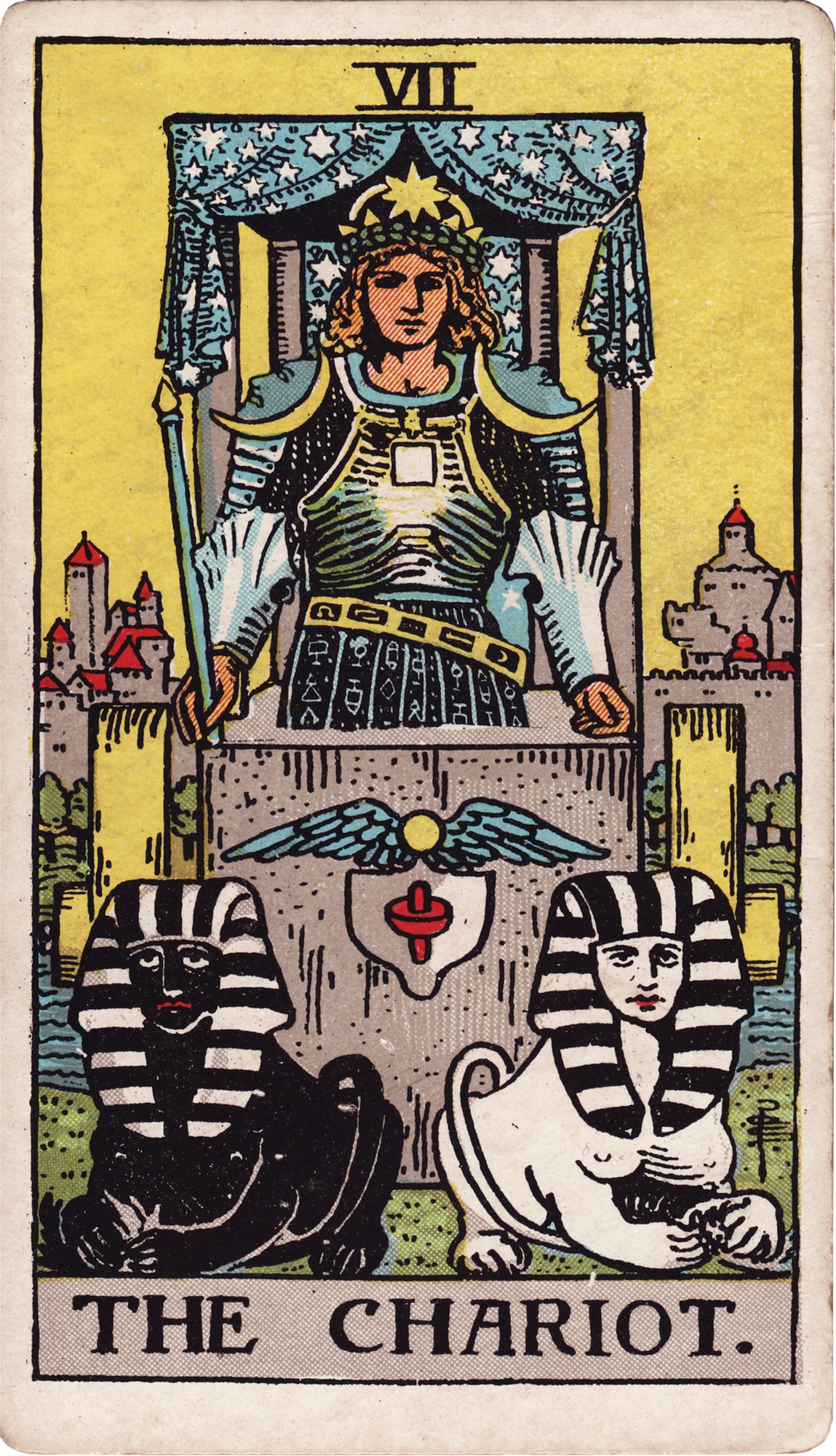 The Chariot
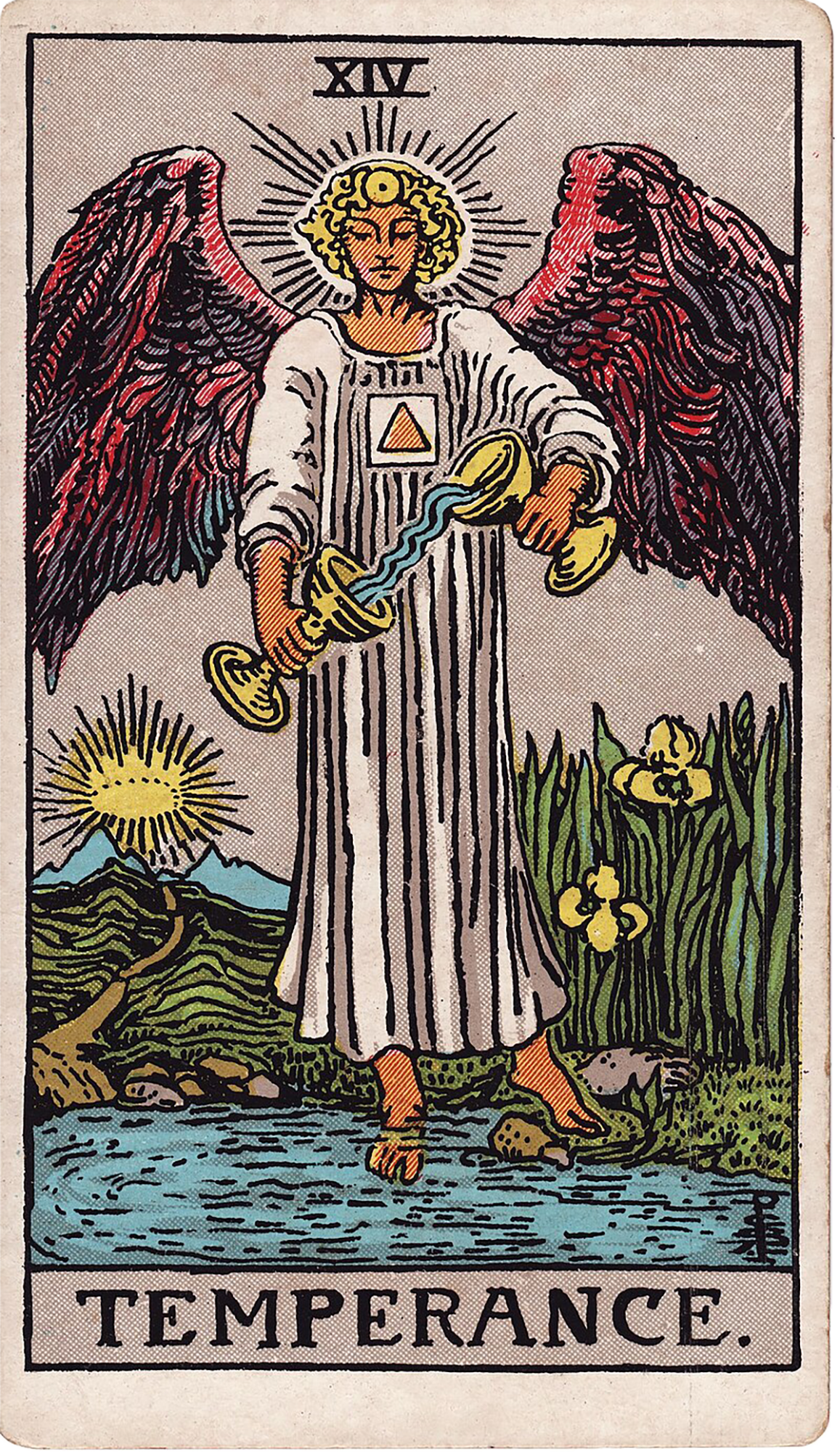 Temperance
Introduction: Why Pair These Cards
The Chariot and Temperance are both Major Arcana cards whose images and meanings form a clear, complementary dialogue. The Chariot pictures a focused driver harnessing opposition (the black and white sphinxes), moving with armor, a canopy of stars, and a sense of determined motion. Temperance depicts an angel gently pouring liquid between cups, one foot in water, one on land, a path toward distant mountains, and a triangle on the chest — an image of calibrated blending and patient integration. When they appear together they rarely deliver competing messages. Instead they reveal how the human capacities to willfully move (The Chariot) and skillfully integrate (Temperance) influence each other. This pairing is particularly useful when a querent is asking about momentum, planning, recovery, collaboration, or any project that needs both energy and restraint. The goal of this article is to teach you how to read these two cards as a relational unit rather than two isolated signals.
Visual Vocabulary and Symbolic Dialogue
Anchor interpretations to the images you can see. The Chariot: a driver wearing armor and a laurel crown, pulled by two sphinxes (traditionally black and white), a chariot canopy patterned with stars, and a city wall behind. Key image-verbs: harnessing, steering, boundary-setting (the city behind), and crossing a threshold. Temperance: an angel mixes water between two cups, one foot in water and one on land, a winding path leading to a triangle-capped mountain and a radiant crown in the distance. Key image-verbs: pouring, timing, moderation, bridge-building between elements. Read them as a short scene: The Chariot asks, 'Where do I steer first?' Temperance answers, 'With what mixture and cadence will that motion be sustained?' In practice, notice how details speak: the Chariot’s sphinxes show competing instincts needing alignment; Temperance’s flowing water suggests a tempo for blending impulses. The mountain in Temperance’s background echoes the Chariot’s destination motif: movement with an aim. Use these image-links to convert abstract words like 'ambition' and 'balance' into concrete interpretive choices (which drive to harness, which elements to mix, what pace to choose).
Core Combined Meanings
Read the cards together as a sentence. The Chariot supplies directionality — a decision to move, clearer boundaries, and controlled force. Temperance supplies calibration — the process for making movement sustainable, the negotiating of opposites so progress doesn't fracture. Together they describe: - Steering ambition with moderation: a plan that moves and endures. - Applied integration: bringing opposed impulses (the sphinxes) into a blended technique (the cups' exchange). - Tactical timing: the urgency of the charioteer contained by Temperance’s tempo so force doesn’t burn out. When both appear upright, the combination often reads as much more than momentum plus moderation: it promises disciplined application of a measured strategy. When one or both are reversed, the pair describes where that balance breaks down or how a new strategy is being developed privately. Always ask: which energy is primary (movement or integration), and which acts as a modifier?
Upright The Chariot with Upright Temperance
This is the archetypal 'steered, sustainable advance.' The Chariot gives a clear intention or project; Temperance offers the method for maintaining it. Practical signals: a project with a timetable that values incremental progress; a person who has a strong goal and a method for reconciling conflicting demands; a relationship where partners can move forward together because they deliberately regulate tempo and expectations. Image reading: imagine the charioteer setting a course and Temperance’s angel as the coach who shows how to mix patience, resources, and feedback to reach the summit shown in both cards. Advice to give a querent: break goals into measurable phases, name opposing impulses (ambition vs comfort) and design small rituals that allow each impulse expression without derailing the plan (for example, short sprints with planned rest).
Temperance Upright with The Chariot Reversed
Here Temperance’s skill at blending is available, but movement is faltering. The Chariot reversed often signals loss of direction, internal conflict, or forcing outcomes prematurely. Temperance upright indicates the necessary remedy: slow down, re-mix competing aims, cultivate moderation and technique before pushing ahead. In a career reading, this might show excellent planning and coordination exist, but the querent lacks confidence or clarity to execute; focus on skillful rehearsal and boundary work rather than pushing for immediate promotion. In emotional contexts, it can describe someone integrating feelings but not yet ready to act; therapy, mentorship, or ritualized steps can restore the Chariot’s forward motion. Image-wise: the angel pours carefully even as the charioteer hesitates — the remedy is tempering impatience, not more force.
The Chariot Upright with Temperance Reversed
Ambition is active but the method for blending is compromised. Temperance reversed points to extremes, poor timing, or attempts to combine elements without clear boundaries. The Chariot upright energizes the situation, so this combination often warns of pushing too fast, coasting on will while ignoring calibration. In relationships, it may show one partner trying to move the partnership forward while refusing to negotiate—this reads as momentum without consent. In career matters, the querent might bulldoze colleagues to meet a goal; practical advice is to invent structured pauses for consultation. Visually, think of the charioteer racing forward while the angel’s cups are leaking — action is not matched by craft. The reading should focus on slowing down, establishing simple rules for integration, and adding feedback loops before pressing the accelerator.
Both Cards Reversed
When The Chariot and Temperance are both reversed, you have a strong signal that the energetic blueprint for forward movement and the methods for integrating opposites are both compromised. This configuration often points to confusion, burnout, impulsive recoveries, or cycles of trying and stalling. Interpretive priorities: identify which reversal is most urgent (is directionlessness causing chaos, or is inability to moderate producing destructive pushes?). Practical responses include crisis containment (short-term boundaries), re-establishing rhythm (daily micro-practices), and seeking external scaffolding (coach, therapist, project manager). Image work: the sphinxes pull apart while the angel’s cups are misused — the path to the mountain is blocked by both misapplied will and failed integration.
Contextual Readings: Career
Example 1 — Promotion or Major Project (Chariot upright + Temperance upright): You see defined ambition and a realistic tempo. Translate into concrete steps: draft a roadmap with milestones, schedule feedback reviews, and protect time for reflection between sprints. The Chariot supplies the intention (promotion) and Temperance prescribes the technique (mentoring, paced skill-building). Example 2 — Overdrive (Chariot upright + Temperance reversed): The querent is moving fast but alienating allies. Advice: slow the timeline, communicate trade-offs, create formal check-ins to integrate colleagues’ needs. Example 3 — Planning without Launch (Chariot reversed + Temperance upright): You have coherent systems but no launch energy. Focus on confidence work, pilot experiments, and small public commitments to restore directional momentum. In all career readings, parse whether the question is about speed, direction, or method; these two cards map directly to those three concerns.
Contextual Readings: Relationship
Example 1 — Shared Movement (Both upright): Partners share a goal and moderate their pace. Practical guidance: co-create a plan, assign roles that respect each person’s pull (the sphinxes) and each person’s limits (Temperance's cups). Example 2 — One Pressing, One Pausing (Chariot upright + Temperance reversed): One partner pushes for change without negotiating boundaries, creating imbalance. Advice: set a temporary pause, pick one small joint experiment to test pace. Example 3 — Integration Before Action (Chariot reversed + Temperance upright): The relationship is building internal harmony but is not ready for external change (moving in together, career change). Stay in integration mode until a clearer shared direction emerges. Use the imagery literally: are the partners acting like sphinxes tugging opposite ways, or like two hands pouring into a single cup?
Contextual Readings: Emotional and Practical Life
Recovery, creativity, or habit change often require both will and moderation — exactly this pair’s domain. Example 1 — Creative Project (Both upright): Discipline plus deliberate mixing of influences leads to sustainable output. Plan blocks of creation that alternate with study and rest. Example 2 — Addiction or Compulsive Pattern (Chariot reversed + Temperance upright): The person is learning to integrate triggers and supports but has trouble applying that change outwardly. Emphasize relapse prevention plans and small public commitments. Example 3 — Quick Fix Temptation (Chariot upright + Temperance reversed): Drive to change seeks immediate solutions, increasing relapse risk. Advice: slow and codify supports before launching dramatic change. In practical contexts, recommend rituals that enact Temperance (timers, measured portions, accountability) while mapping The Chariot’s direction into achievable phases.
Technique: Reading the Pair Without Reducing to One-Card Meanings
Avoid the trap of treating these as two separate messages. Use this stepwise method: 1) Name the dominant verb present in each card’s imagery (steer, harness vs pour, blend). 2) Decide orientation: which card is initiating (moving) and which is modifying (tempering)? Sometimes they swap roles; sometimes they co-lead. 3) Translate the verbs into the querent’s domain (career, relationship, emotional). Map actions: who needs to change behavior, which systems need recalibration, what timeline fits the cards’ tempo? 4) Look for image links: both cards reference a path/mountain — is the question about destination, or about the way? 5) Determine advice level: are these instructive (do this), cautionary (avoid that), or descriptive (this is happening)? 6) Form an integrative sentence that names the problem and offers a proportional next step, e.g., 'Your desire to move forward (Chariot) will succeed if you formalize practices that pace that drive (Temperance) — start with one weekly check-in.' This method transforms card pairing into a single interpretive unit rather than two isolated signals.
Suggested Spreads and Practical Steps
Three useful mini-spreads for this pair: A) Two-Position Dialogue: position 1 = The Chariot (desired direction or available will), position 2 = Temperance (how to pace or integrate). Read left to right as plan and method. B) Integration Spread (3 cards): Card A = Current push (The Chariot), Card B = Integration skill needed (Temperance), Card C = Practical first step. Use The Chariot and Temperance as clarifiers to the other spread cards. C) Timing and Technique: Card 1 = When to act, Card 2 = How to act. If The Chariot appears in Card 1 and Temperance in Card 2, proceed with structured timing. Practical steps to recommend to querents regardless of context: set micro-goals, schedule deliberate pauses, define one boundary to protect momentum, document small wins, and create measurable rituals that embody Temperance’s moderation. Use the images as prompts: name the two opposing impulses (the sphinxes) and write a short sentence about how the cups would combine them.
Common Mistakes and Troubleshooting
Mistake 1 — One-card-at-a-time habit: reading The Chariot simply as 'go' and Temperance simply as 'slow' misses how they reframe each other. Remedy: always create a linking sentence that forces interaction. Mistake 2 — Over-prescriptive pacing: telling a querent to 'be patient' without concrete steps fails Temperance’s practical spirit. Remedy: give rituals, time frames, and accountability. Mistake 3 — Moralizing reversals: do not treat reversals as 'bad'; treat them as locked or misapplied energies. Explain what is blocking and suggest corrective skill training. Mistake 4 — Temporal assumptions: the Chariot signals movement but not necessarily immediate action. Temperance’s presence often means a phased approach; avoid promising instant transformation. Mistake 5 — Ignoring image details: the charioteer’s armor, the sphinxes’ directionality, the angel’s foot placement — all provide cues about inner vs outer work. Always reference them when possible.
Practical Exercises and Journaling
Exercise 1 — Two-Column Sphinx Exercise: Draw two columns labeled after the sphinxes. In column A list the impulses that pull you toward action (ambition, fear of missing out, obligation). In column B list the impulses that pull you back (safety, caution, need for polish). Now, following Temperance’s image, write a short plan for how one item from each column can be 'poured' together into a weekly practice. Exercise 2 — 7-Day Micro-Sprint: Choose one Chariot-sized goal and pair it with a Temperance rule (for example: 'Work for 45 minutes, rest 30; reflect 10 minutes'). Log what changed. Exercise 3 — Imagery Meditation: Sit with The Chariot image for five minutes, then Temperance for five minutes. Note what direction feels most compelling and what moderation feels necessary. Create a single sentence combining both images to guide the next step. These exercises move the cards from symbol to embodied practice.
Closing Notes on Interpretation Logic
Always place the image first and the idea second: describe what you see on the cards and then convert that to advice. The Chariot is about harnessed opposites and boundary crossing; Temperance is about careful mixing and rhythm. Their interaction answers the pivotal question: how should ambition be steered so it lasts? In most readings, the correct advice is neither simply 'charge ahead' nor 'wait indefinitely.' Instead, the paired message usually recommends a calibrated, phased approach with clear roles, explicit timing, and safety checks. When reversals appear, translate them as information about where the system is stuck rather than moral failure. Finally, use the pairing to teach querents local skills — pacing, naming opposing desires, setting rituals — because Major Arcana lessons become useful when embodied as repeatable habits.
Practice questions
• Which impulse (the black sphinx vs the white sphinx) is strongest for me right now, and what would a Temperance-style ritual look like that allows both impulses expression?
• If The Chariot represents my immediate goal, what would Temperance ask me to add before I take the next step?
• When I have tried to move quickly in the past, where did a lack of Temperance-style calibration cause problems?
• If both cards are reversed in a reading for me, which reversal feels most urgent: loss of direction or breakdown of integration?
• What is one concrete micro-practice I can invent this week that literalizes the angel’s pouring — a small way to blend two competing needs?
Comments
Sign in to comment.
Continue learning
Interpreting the Dance of Justice and The Devil: Balancing Morality and Temptation in Tarot Readings
The combination of Justice and The Devil in tarot presents a profound exploration of morality, temptation, and personal accountability. This article unpacks how these cards influen...
Harnessing the Power of The Magician and Ace of Wands: Igniting Creativity and Manifestation in Tarot Readings
The combination of The Magician and the Ace of Wands in tarot readings offers a potent blend of creative energy and manifestation power. This article delves into the ways these car...
Understanding the Synergy Between The Empress and The Emperor in Tarot Card Combinations
This article delves into the intricate synergy between The Empress and The Emperor cards in Tarot, focusing on how their combined energies modify and enrich readings across various...
Decoding Transformation and Renewal with Death and The Star in Tarot Combinations
This article delves into the card combination of Death and The Star, two powerful Major Arcana cards from the Rider-Waite-Smith deck. It explores how their imagery and meanings int...
Balancing Ambition and Compassion with The Emperor and Queen of Cups in Tarot Combinations
This article delves into the nuanced Tarot card combination of The Emperor and Queen of Cups, emphasizing how their energies complement and challenge each other. By analyzing their...
Finding Emotional Healing and Renewal with The Star and The Moon Tarot Combination
This article examines the rich interplay between The Star and The Moon tarot cards when they appear together in a reading. Using the traditional Rider-Waite-Smith symbolism and the...
Unlocking Emotional Wisdom with The High Priestess and The Queen of Cups in Tarot Combinations
This article delves into the card combination of The High Priestess and The Queen of Cups, emphasizing their shared themes of intuition, emotional depth, and receptivity. By examin...
Unlocking Emotional Resilience with Strength and The Star in Tarot Combinations
This article delves into the Tarot card combination of Strength and The Star, revealing how their interplay highlights pathways to emotional resilience. Anchored in the Rider-Waite...
Unveiling Emotional Strength with Strength and The Queen of Cups in Tarot Combinations
This article delves into the dynamic Tarot combination of Strength and The Queen of Cups, emphasizing how these cards together illuminate emotional strength, compassionate boundari...
Unlocking Emotional Transformation with Death and The Moon Tarot Combination
This article explores the rich and complex interaction between the Death and The Moon tarot cards within the Rider-Waite-Smith tradition, focusing on their combined potential to un...