
Surrender Grief and Rebalance with The Hanged Man Three of Swords and Temperance
This lesson teaches how to read the three-card combination The Hanged Man, 3 of Swords, and Temperance as a single narrative about surrendering, feeling, and rebalancing. Anchored in Rider‑Waite‑Smith imagery — the suspended figure of The Hanged Man, the pierced heart in 3 of Swords, and the angelic blending water in Temperance — the sequence maps a useful process: pause, name the wound, then integrate slowly. The article covers reading technique, position ideas, upright and reversed nuances when useful, contextual interpretations (relationship, career, emotional/practical), common interpretive mistakes, and step‑by‑step exercises learners can use during readings or personal practice.
Read the cards together
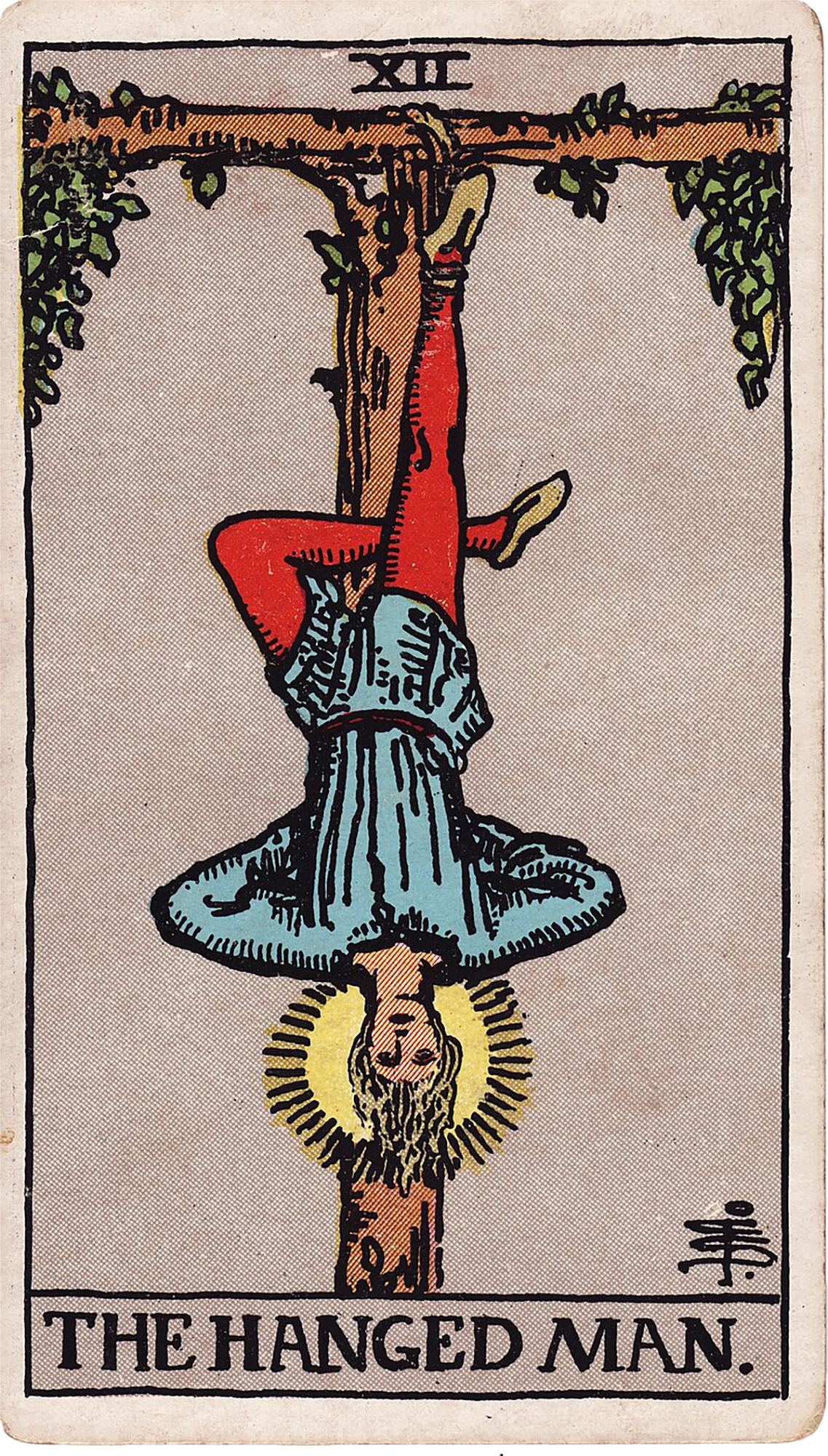 The Hanged Man
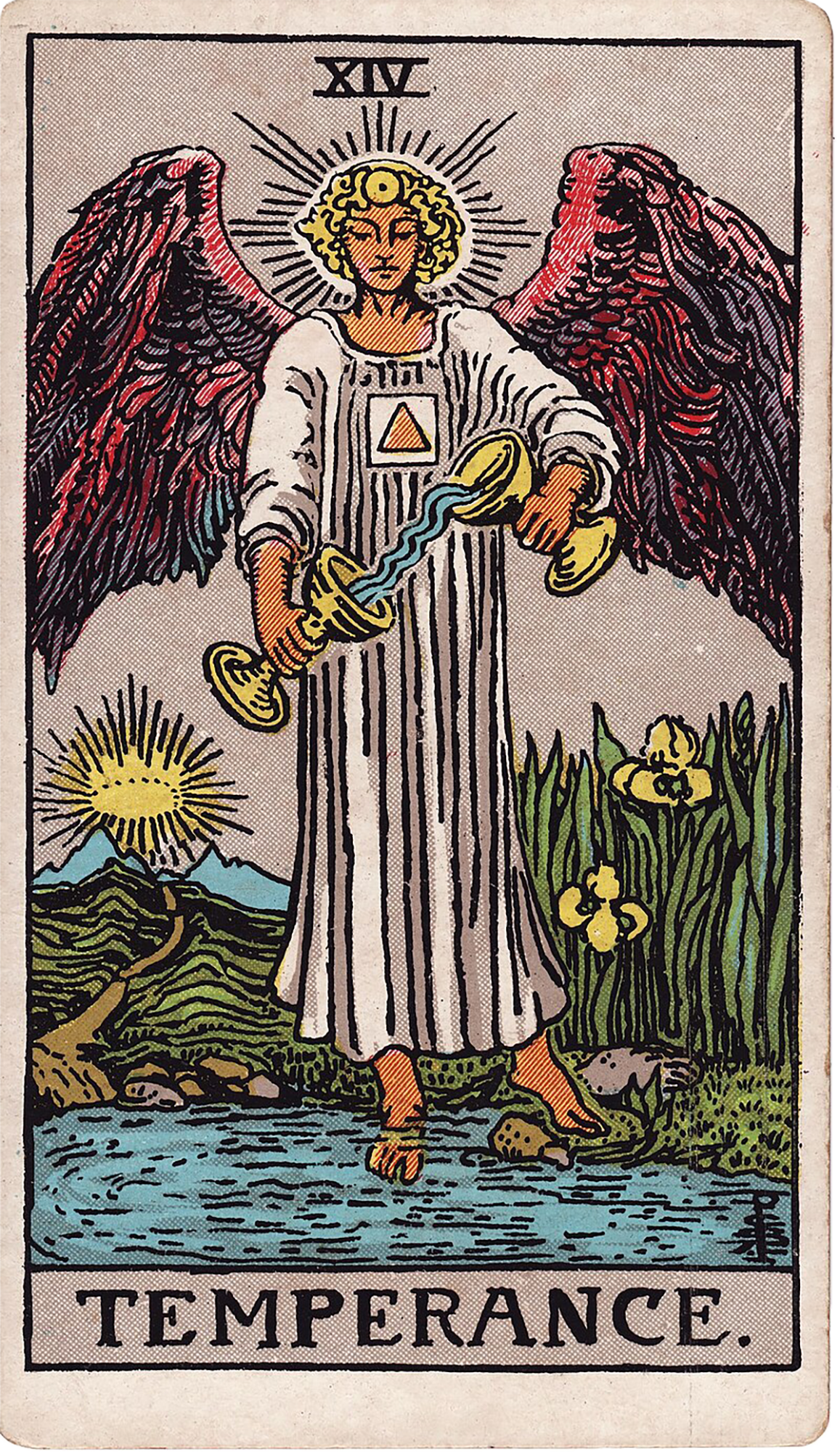 Temperance
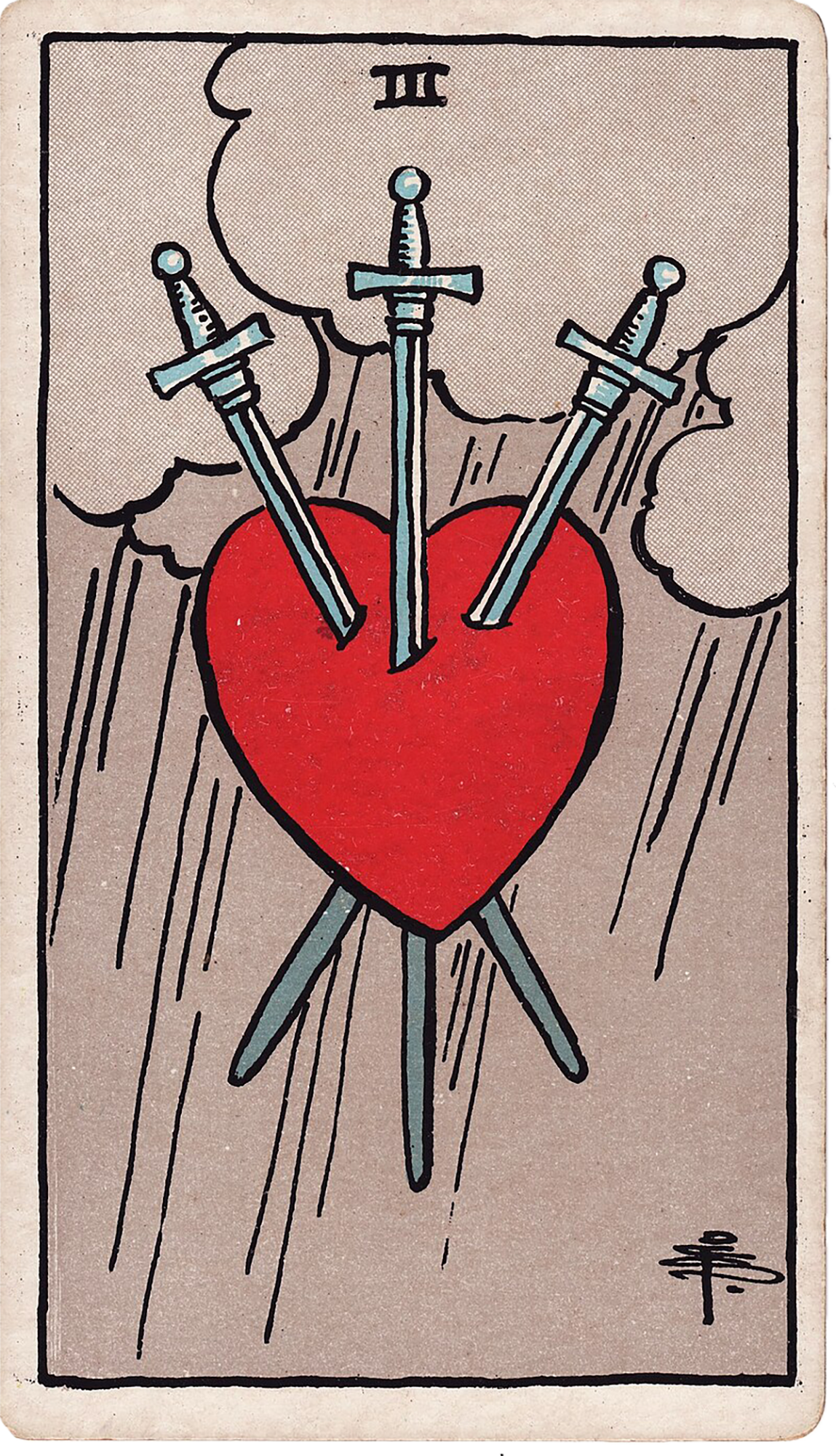 3 of Swords
Why this combination matters: an overview
The Hanged Man, 3 of Swords, and Temperance form a compact, layered narrative that invites you to move from voluntary suspension through the clear naming of pain and into measured integration. In Rider‑Waite‑Smith symbolism the Hanged Man shows a figure suspended by one foot, serene, haloed, and upside‑down — an image of deliberate pause, sacrifice, and perspective shift. The 3 of Swords shows a heart pierced by three swords, storm clouds and rain — a blunt portrait of grief, heartbreak, or intellectual clarity about a painful truth. Temperance shows an angel mixing water between cups with one foot on land and one in water — the classic emblem of moderation, alchemy, and integration. Together they trace a practical healing architecture: stop and let orientation change (Hanged Man), honestly acknowledge the wound that must be felt or spoken (3 of Swords), then use steady moderation and blending to rebuild balance (Temperance).
How to lay out the cards and basic positional methods
Use a simple three‑card spread that reflects process rather than static description. Three clear positions work well: 1) Pause or stance (The Hanged Man position): what must be slowed, surrendered, or seen from another angle; 2) The wound or truth (3 of Swords position): what pain is present, what needs naming or clearing; 3) The path to rebalance (Temperance position): practical steps and attitude to integrate. Alternative positional sets: past/present/future (past = Hanged Man, present = 3 of Swords, future = Temperance), or inner/outer/advice (inner = Hanged Man, outer = 3 of Swords, advice = Temperance). Always inspect the cards visually: note colors, gestures, directions, proximity to one another, and how each card's imagery interacts (for example, look at the Hanged Man's halo and how it anticipates Temperance's calm angel). Avoid treating the cards as isolated bullets; instead read them as a sentence or short paragraph that moves through time and process.
Interpretation logic: how these cards modify each other
Interpretation should follow relational logic: which card is offering context, which is core issue, which offers advice or outcome. In the standard layout above, The Hanged Man frames the atmosphere of the reading. It can change the tone of 3 of Swords from sudden stabbing betrayal to necessary revelation depending on whether the Hanged Man suggests a chosen pause or enforced suspension. The 3 of Swords supplies the specific content: heartbreak, truth, or a mental breakthrough that hurts. Temperance reframes resolution: it does not erase the wound but offers a method for mixing what was once separate (emotion and reason, action and rest) so balance can return. Read as interactions: if The Hanged Man is prominent and Temperance is present, the reading emphasizes that healing requires both inward shift and practiced moderation. If 3 of Swords is the sharpest visual, the energy centers on the need to name pain before Temperance's blending can meaningfully work. Numerically and elementally, the two Majors (The Hanged Man and Temperance) act like structural forces around the Swords suit (Air). That positions mental clarity and emotional processing within larger spiritual or life lessons, not only temporary upsets.
Imagery work: reading with Rider‑Waite‑Smith symbolism
Anchor interpretations in what you see. The Hanged Man's suspended posture and halo suggest enlightenment available through inversion: look for options the querent has not tried because they have been facing life from the usual angle. The rope and single leg can indicate one tether or one decision that keeps them in stasis. The 3 of Swords' storm, cloud, and pierced heart point to grief that is both emotional and cognitive; the swords suggest words, decisions, or facts that caused or clarify the pain. Temperance's mixing motion and the angel's one foot on land and one in water remind you that integration uses both conscious boundary (land) and emotional flow (water). In practice, say out loud or journal the visible details: "The Hanged Man's halo is bright — is there insight already present?" "In the 3 of Swords, how strong is the storm? Is there a sense of clearing rain or ongoing downpour?" "Does Temperance's stream move calmly or rapidly?" These observations shift a reading from abstractions to concrete images that naturally produce questions and practical steps for the querent.
Upright and reversed dynamics and how to use them selectively
Use reversals only where they meaningfully change the relational logic. Upright Hanged Man emphasizes a conscious pause and perspective shift. Reversed Hanged Man may show resistance to surrender — waiting without learning, martyrdom, or pointless stagnation. Upright 3 of Swords points to naming the hurt and the mental clarity surrounding it; reversed 3 of Swords often indicates suppressed grief, recovery in progress, or a wound that is internalized rather than shared. Upright Temperance invites steady moderation and skillful blending; reversed Temperance warns of extremes, impatience, or attempts to combine incompatible elements without clear boundaries. When interpreting reversals in this combination, ask whether the reversal blocks the process: reversed Hanged Man plus upright 3 of Swords suggests someone exposed to pain but refusing the pause they need — they may react impulsively and compound the hurt. Upright Hanged Man with reversed 3 of Swords can indicate someone pausing to avoid naming a wound — the suspension becomes avoidance. Temperance reversed at the end of the sequence highlights that the usual mode of healing (temperate blending) is compromised and the querent needs stricter boundaries or a different integration method. Always confirm reversals by looking at imagery and client response; avoid automatic doom language. Reversals are pointers to where to change technique or take a different kind of action.
Relationship context: emotional honesty, grief, and the slow return to balance
In relationships this trio guides a subtle but powerful practice. The Hanged Man says: pause the usual defensive reactions. Instead of meeting an argument with counterattack, allow the upside‑down perspective: what role have you been missing? The 3 of Swords then names the heart of relational pain — betrayal, separation, harsh truth, or a necessary boundary. Temperance offers the middle path: neither denial nor total capitulation. Practical reading language: "Right now you are being asked to suspend immediate retaliation (Hanged Man), face what was broken or said plainly (3 of Swords), and then take small, regular steps that blend honesty with care (Temperance)." If the 3 of Swords appears reversed, this can show grief that is hidden or forgiveness that is only beginning; combine that with the Hanged Man to suggest a private processing time before reopening conversation. If Temperance is reversed in a relationship reading, warn about forced halfway solutions or impatience — a slow reintegration or therapy practice may be necessary rather than quick compromises.
Career and practical life context: pause, accept loss, rebalance workflow
Applied to work, this combination describes a professional setback or structural change that will require slowed decision‑making and steady recalibration. Hanged Man upright: take a strategic pause — stop the frantic activity and reassess assumptions. The 3 of Swords: identify the concrete setback — a failed project, budget cut, or critical feedback that hurts but clarifies what needs changing. Temperance: rebuild with steady, blended habits — adjust processes, mix creative risk with disciplined review, and institute moderate timelines. Example reading phrasing: "You may need to stop pushing for the original plan (Hanged Man), accept the failure or decisive feedback that points to real weakness (3 of Swords), and rebuild using incremental, tempered changes (Temperance)." If Hanged Man is reversed and the querent is refusing the pause, they may double down and risk deeper harm; coach for structured stops like timeboxing or external review. If Temperance is reversed, be wary of trying to patch the problem superficially; instead design clear phases of remediation, not a rushed fix.
Emotional and practical healing context: grief processing and integration rituals
This sequence is a strong model for grief work. The Hanged Man asks for permission to sit with interruption — allow daily routines to shift so feelings can surface. 3 of Swords gives permission to name the pain: rituals of acknowledgment, letter writing, or therapy conversations. Temperance instructs on measured practices to carry the grief forward without being consumed: breathing exercises, incremental reengagement with life, small rituals that honor loss while resuming activity. Concretely: sit in the Hanged Man position by scheduling a day or structured window to notice feelings without forcing solutions; use 3 of Swords techniques like writing what hurts or speaking the truth in a safe setting; then practice Temperance methods such as daily micro‑habits that combine presence and boundary (e.g., 10 minutes of journaling, 20 minutes of walking, gradual social contact). The goal is not quick fix but slow alchemy.
Common mistakes and how to avoid them
1) One‑card thinking: Treating each card as a standalone label ("This is just heartbreak") is a frequent error. Read the cards as a sentence: who is doing what to whom? 2) Over‑simplifying reversals: Saying reversed equals "bad" is reductive. Use reversals as diagnostic flags for blocked processes. 3) Ignoring imagery: If you fail to anchor interpretations in what you see — the Hanged Man's serenity, the rain in the 3 of Swords, Temperance's mixing gesture — readings become generic. 4) Forcing a positive spin: Temperance does not negate pain; it offers a method. Avoid telling querents their pain will simply disappear. 5) Neglecting timeline and pacing: Hanged Man and Temperance both imply time. Do not promise immediate outcomes. 6) Forgetting context: Always ask whether the cards describe internal experience, external events, or both. Use clarifying questions and situational details to anchor meaning. To avoid these mistakes, practice a consistent reading ritual: note images first, then synthesize, then ask clarifying questions before finalizing advice.
Practical reading method and step‑by‑step example readings
Method: 1) Shuffle while asking a clear process question ("What process will help me move from this pain into balance?"). 2) Lay the cards as Pause / Wound / Integration. 3) Describe imagery out loud: gestures, color, direction, emotional tone. 4) Synthesize: form a sentence linking the three cards. 5) Offer concrete micro‑steps and test them with the querent. Example 1 — Relationship, all upright: If The Hanged Man is upright, 3 of Swords upright, Temperance upright: "You are being asked to stop immediate reactions and allow a different perspective (Hanged Man); the core issue is a specific hurt or truth that needs naming (3 of Swords); healing will come through steady, balanced action — small honest conversations, patience, and boundaries (Temperance)." Practical steps: schedule a non‑reactive conversation, write the felt hurt first, and set a weekly check‑in. Example 2 — Career with reversed Hanged Man and upright Temperance: "Resistance to pausing has you rushing decisions (reversed Hanged Man), which causes avoidable mistakes (3 of Swords). Temperance suggests you can still rebuild by mixing careful review with incremental changes. Practical steps: impose a mandatory 48‑hour review window, ask a colleague for feedback, create a phased rollback plan." Example 3 — Grief with reversed 3 of Swords and upright Hanged Man: "You're taking time and seeing the world differently (Hanged Man) but grief is suppressed or internalized (reversed 3 of Swords). Temperance (if present upright) suggests slow practices to allow that grief to surface safely — journaling, small rituals. If Temperance were reversed, recommend more structured support: therapist, grief group, or strict routines until integration can begin."
Exercises and journaling prompts to practice with the cards
1) Image mapping: Lay the three cards and spend five minutes describing only visual details. Then write one sentence connecting them. 2) Role reversal journaling: With The Hanged Man visible, write as if your perspective were literally inverted — what do you notice now that you didn't before? 3) Naming pain exercise: Look at the 3 of Swords and list concrete facts about the wound — what happened, who said what, which boundary crossed. Avoid interpretation; write facts first, feelings second. 4) Temperance micro‑habit experiment: Choose one small daily habit that blends two needs (e.g., creativity + rest = 10 minutes of sketching before sleep) and keep a seven‑day log. 5) Safe sharing practice: Use the Hanged Man position to plan a one‑to‑one conversation where you both pause five deep breaths before speaking, then state one painful truth (3 of Swords) and one intention for balance (Temperance). Reflect on outcomes. These exercises train you to respect process and to move deliberately from pause to acknowledgment to measured action.
Final teaching note and how to expand this combination into larger spreads
This three‑card set works as a micro‑curriculum: pause, feel, integrate. When expanding into larger spreads, keep the narrative chain intact. For instance, add a fourth card after Temperance to show long‑term outcome or a card before The Hanged Man to describe why the suspension is necessary. In multi‑person spreads, assign one of the three cards to each participant to clarify roles: who needs to pause, who must be heard, and who must practice temperate response? Most importantly, practice reading the images first, synthesize second, and tie to the querent's immediate choices third. This keeps interpretation grounded, practical, and respectful of both pain and the slow work of healing.
Practice questions
• What is one habitual reaction you could suspend right now to allow a new perspective to emerge?
• Where in your life is there a wound that you have described intellectually but not felt fully? How would you begin naming that pain?
• What small, daily practice could serve as a Temperance exercise for you — blending two needs like rest and productivity, or feeling and boundary?
• When you look at the imagery of The Hanged Man, the 3 of Swords, and Temperance together, what single sentence summarizes their conversation?
• Are any of these cards reversed in your reading? If so, what blocked process does that reversal point to and what practical step would unblock it?
Comments
Sign in to comment.
Continue learning
Interpreting the Dance of Justice and The Devil: Balancing Morality and Temptation in Tarot Readings
The combination of Justice and The Devil in tarot presents a profound exploration of morality, temptation, and personal accountability. This article unpacks how these cards influen...
Harnessing the Power of The Magician and Ace of Wands: Igniting Creativity and Manifestation in Tarot Readings
The combination of The Magician and the Ace of Wands in tarot readings offers a potent blend of creative energy and manifestation power. This article delves into the ways these car...
Understanding the Synergy Between The Empress and The Emperor in Tarot Card Combinations
This article delves into the intricate synergy between The Empress and The Emperor cards in Tarot, focusing on how their combined energies modify and enrich readings across various...
Decoding Transformation and Renewal with Death and The Star in Tarot Combinations
This article delves into the card combination of Death and The Star, two powerful Major Arcana cards from the Rider-Waite-Smith deck. It explores how their imagery and meanings int...
Balancing Ambition and Compassion with The Emperor and Queen of Cups in Tarot Combinations
This article delves into the nuanced Tarot card combination of The Emperor and Queen of Cups, emphasizing how their energies complement and challenge each other. By analyzing their...
Finding Emotional Healing and Renewal with The Star and The Moon Tarot Combination
This article examines the rich interplay between The Star and The Moon tarot cards when they appear together in a reading. Using the traditional Rider-Waite-Smith symbolism and the...
Unlocking Emotional Wisdom with The High Priestess and The Queen of Cups in Tarot Combinations
This article delves into the card combination of The High Priestess and The Queen of Cups, emphasizing their shared themes of intuition, emotional depth, and receptivity. By examin...
Unlocking Emotional Resilience with Strength and The Star in Tarot Combinations
This article delves into the Tarot card combination of Strength and The Star, revealing how their interplay highlights pathways to emotional resilience. Anchored in the Rider-Waite...
Unveiling Emotional Strength with Strength and The Queen of Cups in Tarot Combinations
This article delves into the dynamic Tarot combination of Strength and The Queen of Cups, emphasizing how these cards together illuminate emotional strength, compassionate boundari...
Unlocking Emotional Transformation with Death and The Moon Tarot Combination
This article explores the rich and complex interaction between the Death and The Moon tarot cards within the Rider-Waite-Smith tradition, focusing on their combined potential to un...