
Unlocking Decision Making and Ambition with The Chariot The Knight of Swords and The Emperor
This article explores the powerful Tarot card combination of The Chariot, The Knight of Swords, and The Emperor, focusing on how these three cards interact to illuminate the dynamics of decision making and ambition. By examining their traditional Rider-Waite-Smith symbolism alongside their upright and reversed meanings, we uncover how this trio speaks to balancing direction, swift action, and disciplined leadership. Through detailed contexts such as relationships, career, and emotional challenges, readers will learn to interpret these cards not in isolation but as a synergistic system. Practical reading techniques, common pitfalls, and how to integrate these cards' lessons effectively are also discussed, offering Tarot learners a rich framework for deep, nuanced readings.
Read the cards together
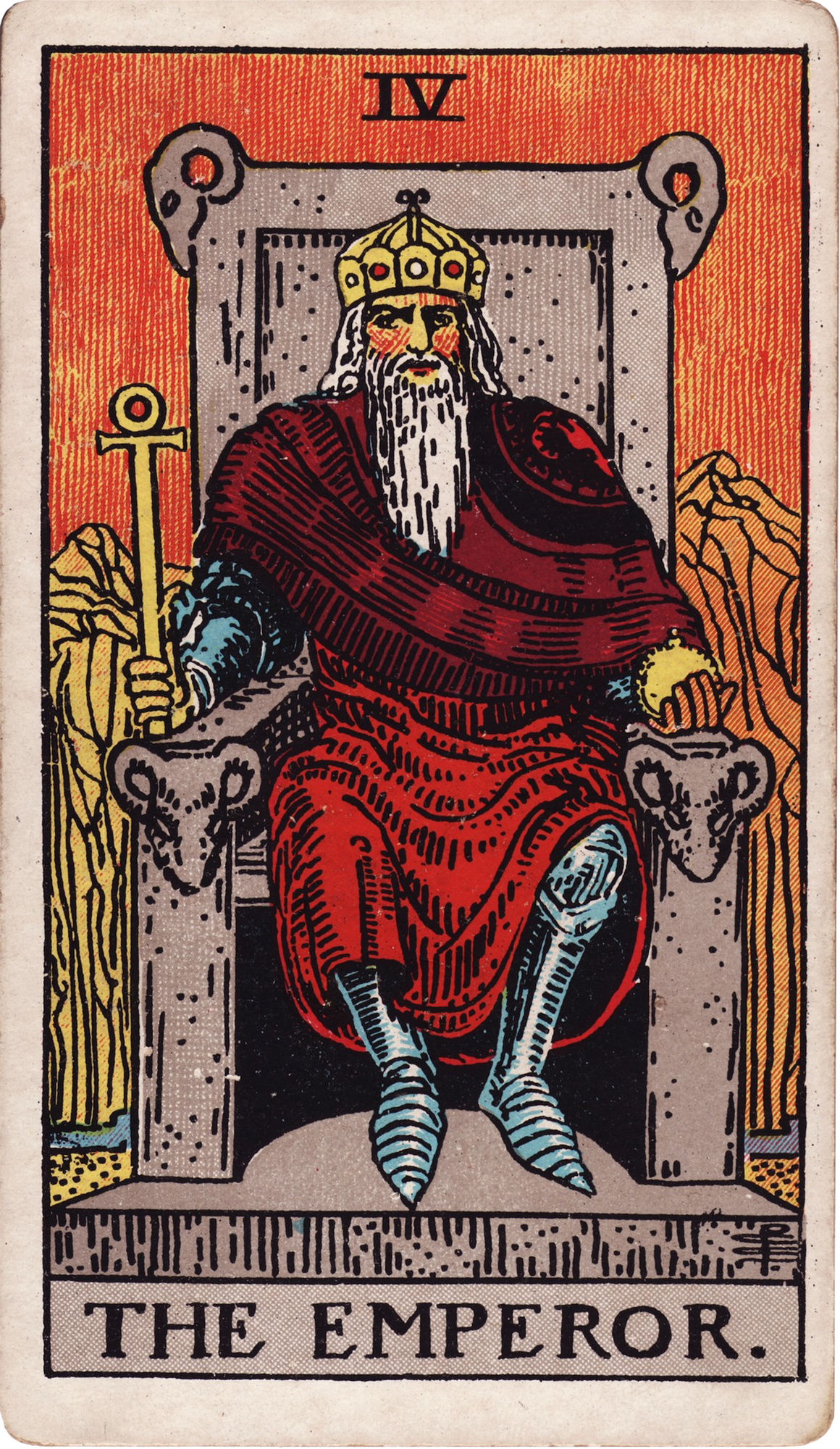 The Emperor
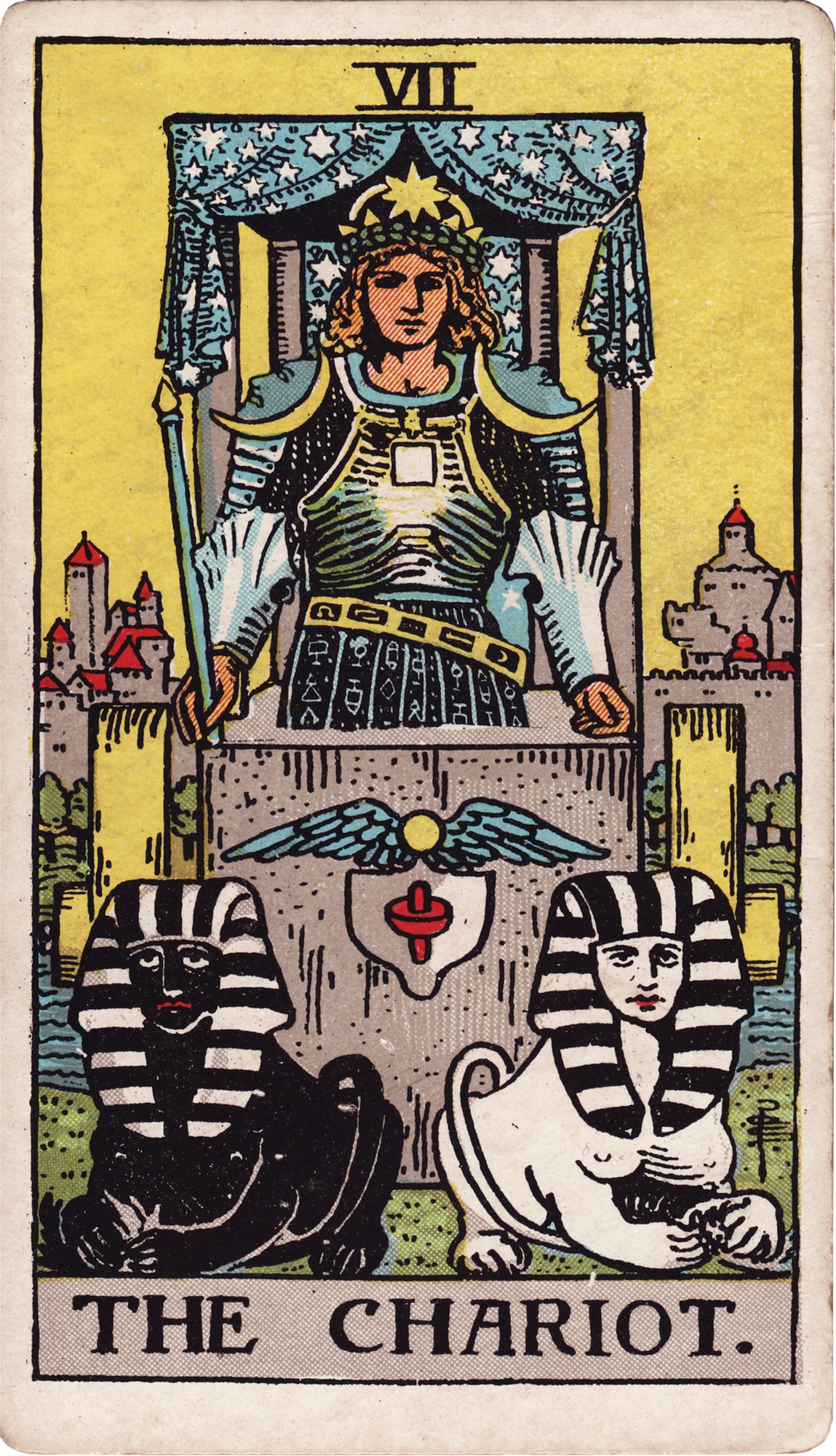 The Chariot
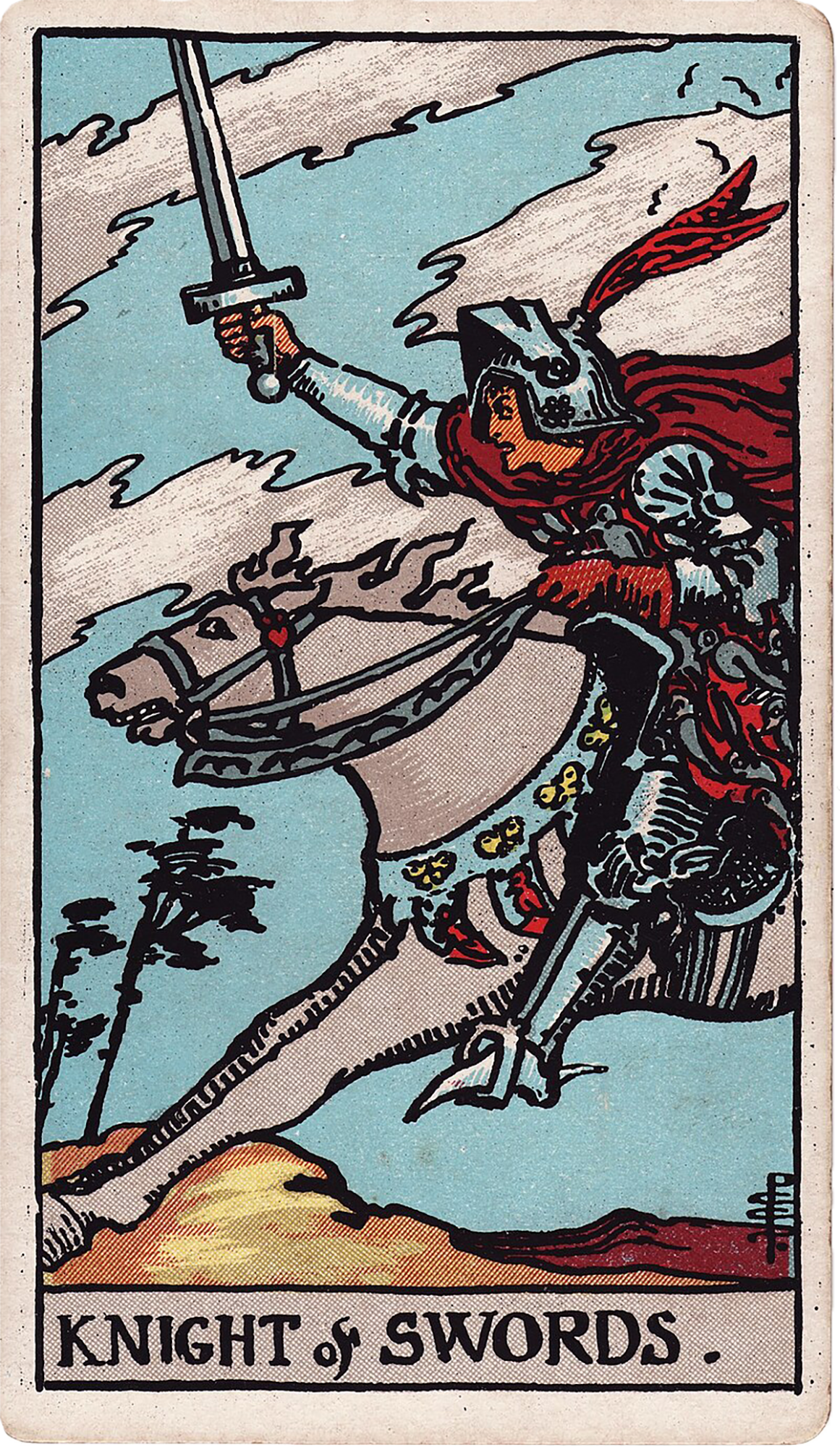 Knight of Swords
Introduction to Card Combinations and The Importance of Context
In Tarot practice, interpreting cards in combination rather than isolation is vital for depth and nuance. Each card’s meaning is modified and enriched by its neighbors, creating a dynamic narrative that reflects the querent’s unique situation. The cards The Chariot, Knight of Swords, and The Emperor—each rich with symbolism centered on control, action, and authority—offer a compelling study in how ambition and decision making manifest in different life areas. This article will guide readers through integrating these three cards in readings, emphasizing the importance of context, balance, and the interplay between mind, willpower, and structure.
Overview of The Chariot The Knight of Swords and The Emperor
Before we explore their combination, it’s essential to understand what each of these cards individually represents in the Rider-Waite-Smith tradition. The Chariot symbolizes focused determination, aligning competing forces, and moving forward with disciplined will. The image of a strong charioteer controlling two sphinx-like creatures, often black and white, embodies balancing opposites through sheer mastery and choice. The Knight of Swords represents swift decisive action, intellectual courage, and the ability to cut through confusion with clarity and debate. The knight rides aggressively forward, sword raised, embodying mental agility and the challenge of rapid response. The Emperor is the archetype of authority, structure, and stability. His throne and regal attire signify leadership based on clear boundaries and responsibility. Upright, he champions disciplined, deliberate governance; reversed, he warns against rigidity and domination that lack flexibility. Together, these cards create a powerful triad addressing how one sets aims (The Emperor), pursues them decisively (The Knight of Swords), and maintains control and balance over competing drives (The Chariot).
How The Chariot The Knight of Swords and The Emperor Modify Each Other’s Meanings
When these three cards appear together, their energies intertwine to highlight a complex but coherent story about ambition and decision making. The Chariot’s emphasis on direction and balance tempers the Knight of Swords’ rapid, sometimes impulsive, mental energy, suggesting that while swift action is necessary, it must be steered with control and purpose. Meanwhile, The Emperor grounds both by stressing the need for structure, accountability, and a clear hierarchy or system. For example, The Knight of Swords’ rush to act can risk recklessness, but The Chariot reminds us to integrate opposing forces and maintain steadiness, preventing burnout or chaos. The Emperor’s presence then invites the reader to consider where frameworks and boundaries can support this momentum, turning raw ambition into sustainable progress. In reversed positions, these cards can reveal blockages or distortions: The Chariot reversed may signal loss of direction, which could amplify the Knight of Swords’ impulsiveness or The Emperor’s rigid control. Thus, the combination encourages the reader to look at where ambition might be misdirected or where leadership needs to adapt for healthier expression.
Interpreting The Chariot The Knight of Swords and The Emperor in Relationship Contexts
When these cards appear in a relationship reading, they speak to themes of communication, leadership, and mutual progress. The Knight of Swords encourages honest, clear communication and the courage to confront difficult topics, cutting through delays or misunderstandings. The Chariot suggests the couple must find a shared direction, balancing conflicting impulses or desires with disciplined effort. The Emperor adds a layer of responsibility and boundary-setting, indicating that leadership or authority—whether individual or shared—will be crucial in shaping the relationship’s future. This could mean one partner stepping up to provide stability or both partners negotiating a healthy power dynamic. For example, upright cards might suggest a couple actively working through conflict with courage and clear goals, while reversed cards could warn against domination, reckless verbal attacks, or losing sight of mutual aims. The combination invites readers to seek balance between speaking truth, decisive progress, and maintaining respectful boundaries.
Applying the Combination in Career and Ambition Readings
In career or ambition-focused spreads, this trio is particularly powerful. The Knight of Swords signals the need for quick decisions, strategic thinking, and the readiness to engage in challenging conversations or debates. Swift mental clarity is a strong asset here. The Chariot emphasizes perseverance, managing competing priorities, and staying aligned with a clear goal despite distractions or obstacles. It reassures the querent that disciplined focus will lead to success even if the path is demanding. The Emperor situates this ambition within a framework of leadership and structure. It encourages establishing systems, taking responsibility for outcomes, and exercising authority wisely. Together, these cards suggest that success depends not only on intellectual agility and courage but also on the ability to govern one’s actions with discipline and clear boundaries. If any card appears reversed, it is a prompt to examine where ambition may be misfiring—whether through scattered effort, impulsive moves, or authoritarian tendencies that undermine teamwork or adaptability.
Emotional and Practical Considerations in the Three Card Combination
Emotionally, The Chariot, Knight of Swords, and The Emperor challenge the querent to balance feeling with thought and action. The Knight of Swords’ mental assertiveness must be harmonized with The Chariot’s emotional and psychological integration of opposing drives. The Emperor’s stable presence encourages the querent to bring order to emotional turbulence without suppressing it. Practically, this combination advises deliberate pacing: act swiftly when necessary but within a structure that supports long-term sustainability. It discourages rushing ahead blindly or relying solely on forceful will without regard for systems or ethical leadership. When reading these cards, avoid a simplistic additive interpretation (e.g., “just be decisive and lead”). Instead, consider how the qualities interact dynamically. Is the querent pushing too hard without structure? Or is leadership present without the courage to challenge delays? This reflection helps unlock deeper insights.
Common Mistakes and How to Avoid One-Card-At-A-Time Reading
One common mistake in Tarot reading is treating each card as an isolated message rather than part of an interconnected story. For instance, reading The Knight of Swords as purely aggressive or The Emperor as merely authoritarian misses the nuance gained by considering their combination with The Chariot. To avoid this, always compare imagery and meaning across the cards. Notice how The Chariot’s sphinxes symbolize balancing opposites, which can soften or focus the Knight of Swords’ rush. Likewise, The Emperor’s throne and ram symbolism remind us of leadership that can either harness or suppress these energies. Another pitfall is ignoring reversed cards or assuming negative outcomes. Instead, use reversals as indicators of balance issues or internal psychological shifts. Look at how these reversals amplify or mitigate the energy of the other cards. This holistic approach deepens interpretive accuracy.
Practical Method for Reading This Card Combination
When The Chariot, Knight of Swords, and The Emperor appear together, follow a step-by-step approach: 1. Identify the position and orientation of each card (upright or reversed). 2. Observe the imagery: note the charioteer’s posture, the knight’s forward charge, and the emperor’s stable throne. 3. Reflect on each card’s core themes: direction and balance (Chariot), rapid decisive thought (Knight of Swords), and disciplined leadership (Emperor). 4. Consider how these themes interact: Where does swift action need to be balanced by control? Where does leadership need to adapt to mental or emotional impulses? 5. Apply the combination to the querent’s question or context, be it relationship, career, or personal growth. 6. Look for any tensions or harmonies formed by upright/reversed states to guide practical advice. This process encourages a layered, context-rich reading that honors the cards’ complexity.
Conclusion Unlocking Ambition Through Balanced Decision Making
The combination of The Chariot, Knight of Swords, and The Emperor offers a profound lesson in harnessing ambition through clear decision making, courageous action, and disciplined leadership. Rather than rushing blindly or imposing rigid control, these cards challenge us to integrate mental clarity, emotional balance, and structural responsibility. For Tarot learners, this trio is a valuable example of how card combinations deepen understanding. By anchoring interpretations in traditional symbolism and considering upright and reversed nuances, readers can provide insightful, practical guidance tailored to diverse life situations. Ultimately, this combination empowers the querent to move forward with purpose, adapt leadership styles when needed, and act decisively without losing sight of balance.
Practice questions
• How do the qualities of The Chariot balance or modify the impulsive energy of the Knight of Swords in your current decision-making process?
• In what areas of your life could The Emperor’s call for structure and responsibility help channel your ambition more effectively?
• When considering relationships, how might clear communication (Knight of Swords) combined with leadership and boundaries (The Emperor) improve mutual understanding?
• What signs might indicate that The Chariot’s direction or The Emperor’s authority is being expressed in a distorted or unbalanced way?
• How can you practice integrating swift mental clarity with disciplined action to avoid recklessness or rigidity?
Comments
Sign in to comment.
Continue learning
Interpreting the Dance of Justice and The Devil: Balancing Morality and Temptation in Tarot Readings
The combination of Justice and The Devil in tarot presents a profound exploration of morality, temptation, and personal accountability. This article unpacks how these cards influen...
Harnessing the Power of The Magician and Ace of Wands: Igniting Creativity and Manifestation in Tarot Readings
The combination of The Magician and the Ace of Wands in tarot readings offers a potent blend of creative energy and manifestation power. This article delves into the ways these car...
Understanding the Synergy Between The Empress and The Emperor in Tarot Card Combinations
This article delves into the intricate synergy between The Empress and The Emperor cards in Tarot, focusing on how their combined energies modify and enrich readings across various...
Decoding Transformation and Renewal with Death and The Star in Tarot Combinations
This article delves into the card combination of Death and The Star, two powerful Major Arcana cards from the Rider-Waite-Smith deck. It explores how their imagery and meanings int...
Balancing Ambition and Compassion with The Emperor and Queen of Cups in Tarot Combinations
This article delves into the nuanced Tarot card combination of The Emperor and Queen of Cups, emphasizing how their energies complement and challenge each other. By analyzing their...
Finding Emotional Healing and Renewal with The Star and The Moon Tarot Combination
This article examines the rich interplay between The Star and The Moon tarot cards when they appear together in a reading. Using the traditional Rider-Waite-Smith symbolism and the...
Unlocking Emotional Wisdom with The High Priestess and The Queen of Cups in Tarot Combinations
This article delves into the card combination of The High Priestess and The Queen of Cups, emphasizing their shared themes of intuition, emotional depth, and receptivity. By examin...
Unlocking Emotional Resilience with Strength and The Star in Tarot Combinations
This article delves into the Tarot card combination of Strength and The Star, revealing how their interplay highlights pathways to emotional resilience. Anchored in the Rider-Waite...
Unveiling Emotional Strength with Strength and The Queen of Cups in Tarot Combinations
This article delves into the dynamic Tarot combination of Strength and The Queen of Cups, emphasizing how these cards together illuminate emotional strength, compassionate boundari...
Unlocking Emotional Transformation with Death and The Moon Tarot Combination
This article explores the rich and complex interaction between the Death and The Moon tarot cards within the Rider-Waite-Smith tradition, focusing on their combined potential to un...