
Unlocking Decision Making and Emotional Insight with The Queen of Swords The King of Cups and The Two of Swords
This article delves into the combined interpretation of The Queen of Swords, The King of Cups, and The Two of Swords within Tarot readings. It offers learners a structured approach to integrating these cards' meanings, focusing on decision making and emotional insight. By examining how these cards interact in various contexts such as relationships and career, readers develop nuanced reading skills that move beyond one-card-at-a-time interpretations. The article highlights traditional Rider-Waite-Smith symbolism, upright and reversed nuances when relevant, and practical techniques for constructing coherent narratives from card combinations.
Read the cards together
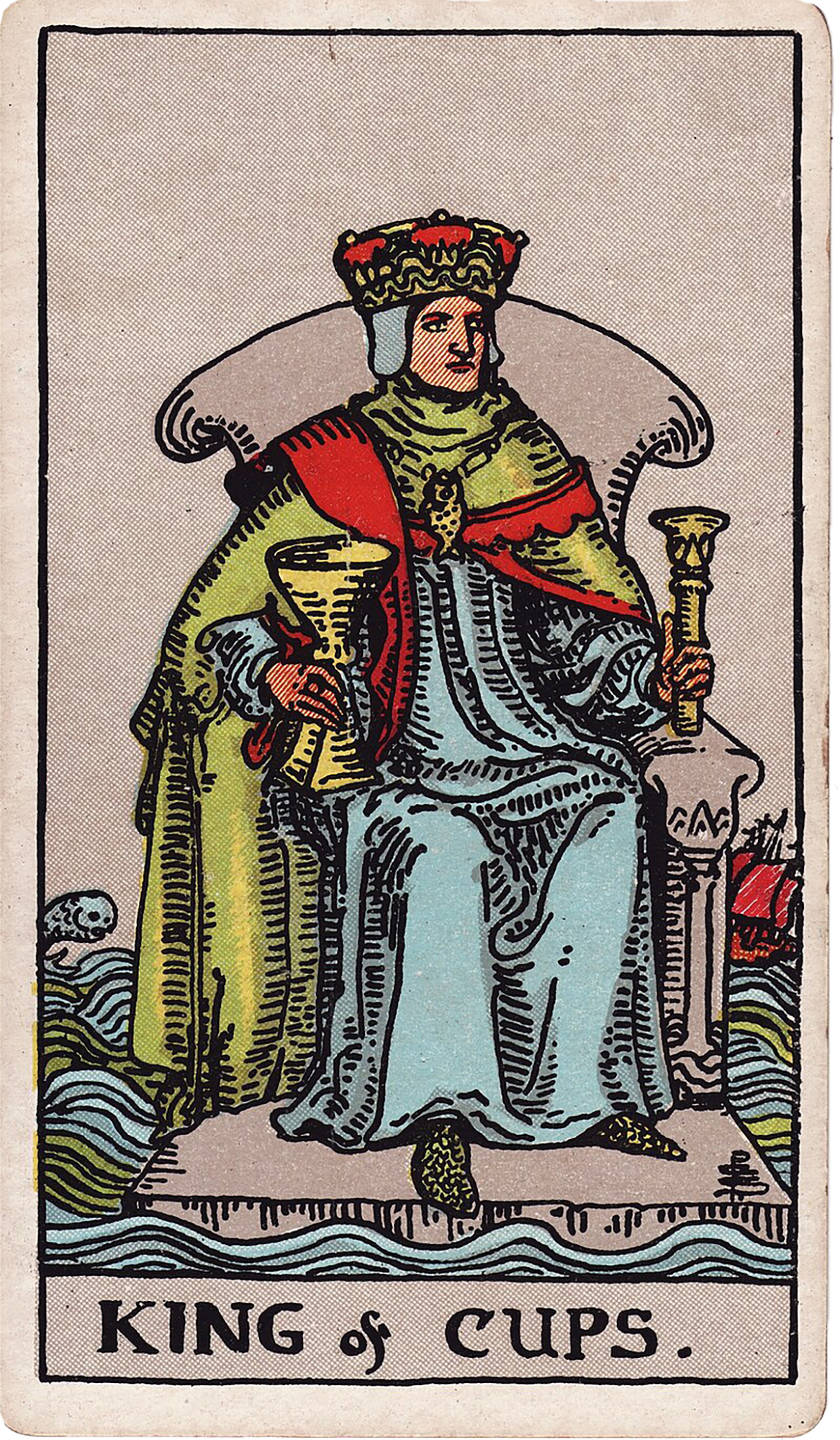 King of Cups
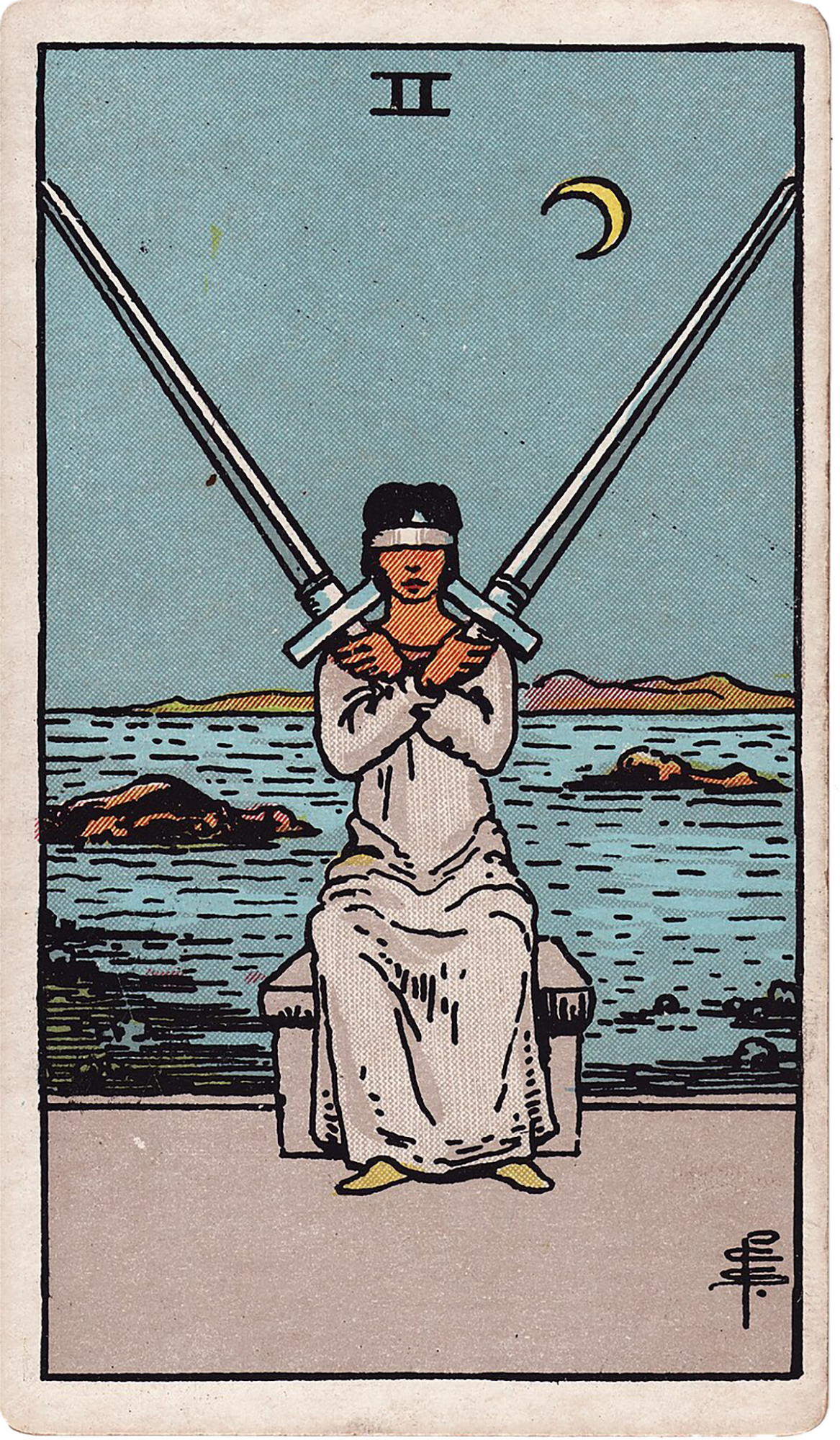 2 of Swords
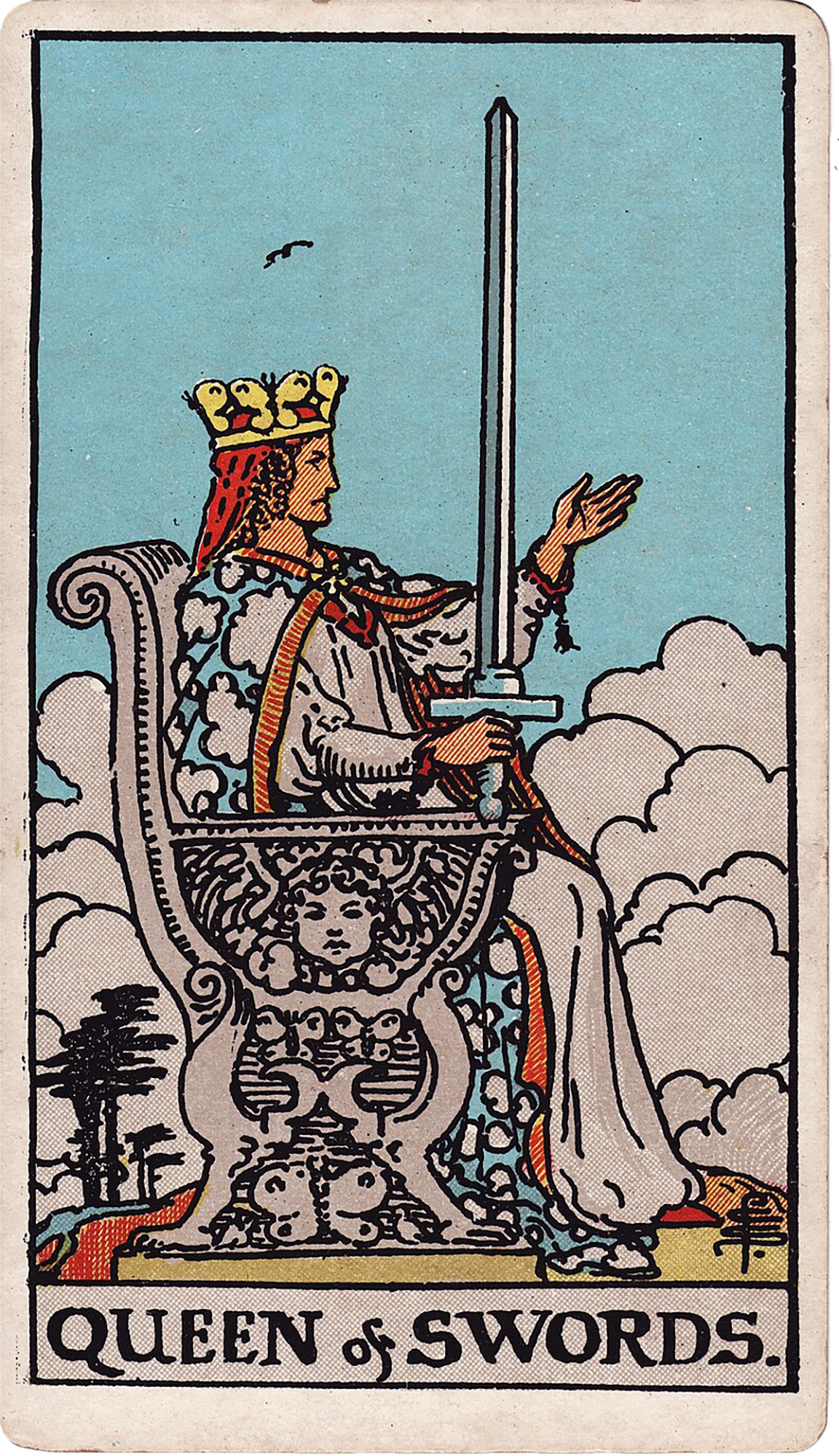 Queen of Swords
Introduction to Card Combination Reading
In Tarot reading, understanding how cards interact is essential for deep, meaningful interpretations. Card combinations reveal layered nuances that single-card readings cannot capture alone. The Queen of Swords, The King of Cups, and The Two of Swords each carry distinct energies—mental clarity, emotional steadiness, and decision suspension, respectively. When these cards appear together, they create a complex dialogue between intellect, feeling, and choice. This article provides an educational framework for deciphering their combined messages, emphasizing the importance of context, symbolism, and the dynamics between the cards rather than isolated meanings.
Core Symbolism and Energy of The Queen of Swords The King of Cups and The Two of Swords
The Queen of Swords embodies clear-minded independence, intellectual honesty, and communication that respects truth without cruelty. She wields the sword with precision, symbolizing sharp discernment and boundaries. Rider-Waite-Smith imagery highlights her upright posture and gaze, reflecting mental clarity that cuts through confusion. The King of Cups represents steady emotional leadership. He balances feeling deeply with composure, managing inner tides without being overwhelmed. His throne amid water signifies his dominion over emotions, blending intuition and practical response to the present moment. The Two of Swords depicts a moment of suspended decision, where information or emotional readiness is incomplete. The figure’s blindfold signals internal conflict or avoidance, holding crossed swords that symbolize mental tension and the need for balance. Together, these cards form a triad of thought, feeling, and decision, inviting the reader to explore how intellectual clarity, emotional management, and choice-making interplay in a querent's life.
Interpreting Upright and Reversed Interactions in Card Combinations
While upright positions are often prioritized for clarity, reversed cards provide critical insight into internal blocks or imbalances. For example, an upright Queen of Swords paired with an upright King of Cups suggests balanced communication aligned with emotional maturity, enabling clear decisions. However, if the King of Cups is reversed, it may indicate emotional repression or manipulation undermining the Queen of Swords’ clarity, complicating decision-making related to the Two of Swords’ suspended choice. Similarly, a reversed Two of Swords can signal breaking stalemates or forced decisions, often triggered by shifts in the emotional or intellectual energies from the Queen and King. The interplay challenges the reader to consider where the decision process is stuck and what internal work is necessary. Avoid simplistic readings by not treating reversals as mere opposites but as indicators of where the process needs refinement—whether simplifying information, practicing emotional honesty, or communicating boundaries.
Applying Card Combinations to Relationships
In relational contexts, these three cards offer a powerful narrative about communication, emotional safety, and decision readiness. The Queen of Swords advocates for honest, direct conversations that respect boundaries while avoiding harshness. The King of Cups supports emotional steadiness, creating a safe space to express feelings without being overwhelmed. The Two of Swords suggests when partners or family members are caught in indecision or emotional stalemate. This card combination can indicate a need to balance head and heart—encouraging clear communication (Queen of Swords) alongside emotional empathy and leadership (King of Cups) to resolve relational impasses. For example, a querent facing a family conflict may see these cards as advice to pause (Two of Swords), cultivate emotional composure (King of Cups), and express truths respectfully (Queen of Swords) before progressing. The combination highlights that decision-making in relationships is not about rushing but harmonizing intellect and emotion.
Insights for Career and Practical Decision Making
In career readings, the Queen of Swords signals strategic thinking, honest appraisal of challenges, and setting clear professional boundaries. The King of Cups encourages emotional intelligence in leadership roles, managing workplace dynamics with calmness and empathy. The Two of Swords reflects moments of indecision—perhaps between job offers, project directions, or team conflicts—where the querent may feel information is incomplete or emotional readiness is lacking. Together, these cards urge a balanced approach: gather facts and communicate clearly (Queen of Swords), maintain emotional composure and responsiveness (King of Cups), and recognize when to pause or make decisions (Two of Swords). The combination warns against impulsivity or avoidance and instead supports measured, thoughtful action. It also reminds the reader to consider both mental strategies and emotional awareness as intertwined forces in practical problem-solving.
Avoiding Common Pitfalls in Card Combination Reading
One common mistake is interpreting cards in isolation without considering their dynamic relationship. For instance, reading the Queen of Swords as solely harsh or the King of Cups as purely emotional softness misses their balanced potentials, especially when combined. Another pitfall is treating reversed cards as simple negatives. Instead, reversals often point to internal states or developmental phases needing attention. For example, a reversed King of Cups is not just a bad omen but a signal to explore emotional repression or lack of vulnerability. Practitioners should also avoid forcing a narrative that fits preconceived notions rather than the cards’ symbolism and interaction. Allow the cards to lead the story by observing how their energies blend, conflict, or complement each other in context. Finally, neglecting the querent’s unique situation and surrounding cards reduces the subtlety of combination reading. Always anchor interpretation in the lived experience and broader spread.
Practical Techniques for Reading The Queen of Swords The King of Cups and The Two of Swords Together
Begin by grounding yourself in each card’s core meanings and Rider-Waite-Smith imagery. Note the Queen’s upright figure with an extended sword—signifying readiness to cut through confusion; the King’s calm but alert expression set against watery backgrounds; and the Two’s blindfolded figure holding crossed swords, symbolizing tension and balance. Next, identify the context of the reading—relationship, career, or other. Reflect on how intellect (Queen), emotion (King), and choice (Two) interact in that realm. Ask key questions: Where is the querent experiencing mental clarity or confusion? How are emotions being managed or repressed? Where is decision-making stalled or pressured? Map the energy flow: Does the Queen’s clarity support the King’s emotional steadiness? Is the Two indicating an internal conflict between these forces? What action or mindset does the combination suggest to move forward? If reversals appear, identify what internal obstacle or imbalance they highlight and how it affects the overall dynamic. Use the combination to craft a coherent narrative rather than separate meanings. Finally, summarize your interpretation by synthesizing the cards’ messages into practical advice or insight tailored to the querent’s situation.
Examples to Illustrate Card Combination Interpretation
Example 1 Relationship Reading: A querent asks about a family dispute. The Queen of Swords appears upright, the King of Cups reversed, and the Two of Swords upright. This suggests the querent is encouraged to communicate honestly and establish clear boundaries (Queen) but faces emotional repression or withdrawal from another family member (King reversed). The Two signals a decision is pending but stuck. The combined message is to acknowledge emotional blockages and create safe dialogue to resolve the impasse. Example 2 Career Reading: All cards upright. The querent is considering a job change. The Queen of Swords advises clear-headed evaluation and truthful communication with employers. The King of Cups encourages emotional maturity and empathy in leadership or teamwork. The Two of Swords implies a careful weighing of options before deciding. The reading supports balanced, informed choice rather than rushed decisions. Example 3 Personal Growth: Queen reversed, King upright, Two reversed. This highlights the querent’s tendency toward bitterness or isolation (Queen reversed) that conflicts with a mature emotional core (King upright). The reversed Two indicates breaking free from a mental stalemate. The combination suggests working on communication style to better integrate emotional wisdom and resolve internal indecision.
Conclusion and Integrative Insights
The Queen of Swords, King of Cups, and Two of Swords form a powerful trio for exploring the interplay of thought, feeling, and choice. Mastering reading their combinations enriches Tarot practice by deepening insight into complex life situations. This approach encourages readers to move beyond one-card-at-a-time interpretations and consider layered interactions within a spread. By consistently anchoring readings in the cards’ traditional symbols and meanings—as seen in Rider-Waite-Smith imagery—practitioners build nuanced, empathetic, and practical guidance. Ultimately, these cards remind us that decision making involves harmonizing clear communication, emotional awareness, and timing. Learning to read their combined messages equips Tarot learners with tools for unlocking deeper understanding in relationships, career, and personal growth.
Practice questions
• How do the mental clarity of the Queen of Swords and emotional steadiness of the King of Cups influence your approach to difficult decisions represented by the Two of Swords?
• In what ways can recognizing reversal states in these cards help identify internal blocks rather than surface problems?
• How might the symbolism of the Queen’s sword and the King’s cup inform your interpretation of communication and emotional leadership in real-life situations?
• What steps can you take to avoid reading cards in isolation and instead focus on their interactive narrative?
• How do these card combinations challenge common assumptions about intellect versus emotion in decision making?
Comments
Sign in to comment.
Continue learning
Interpreting the Dance of Justice and The Devil: Balancing Morality and Temptation in Tarot Readings
The combination of Justice and The Devil in tarot presents a profound exploration of morality, temptation, and personal accountability. This article unpacks how these cards influen...
Harnessing the Power of The Magician and Ace of Wands: Igniting Creativity and Manifestation in Tarot Readings
The combination of The Magician and the Ace of Wands in tarot readings offers a potent blend of creative energy and manifestation power. This article delves into the ways these car...
Understanding the Synergy Between The Empress and The Emperor in Tarot Card Combinations
This article delves into the intricate synergy between The Empress and The Emperor cards in Tarot, focusing on how their combined energies modify and enrich readings across various...
Decoding Transformation and Renewal with Death and The Star in Tarot Combinations
This article delves into the card combination of Death and The Star, two powerful Major Arcana cards from the Rider-Waite-Smith deck. It explores how their imagery and meanings int...
Balancing Ambition and Compassion with The Emperor and Queen of Cups in Tarot Combinations
This article delves into the nuanced Tarot card combination of The Emperor and Queen of Cups, emphasizing how their energies complement and challenge each other. By analyzing their...
Finding Emotional Healing and Renewal with The Star and The Moon Tarot Combination
This article examines the rich interplay between The Star and The Moon tarot cards when they appear together in a reading. Using the traditional Rider-Waite-Smith symbolism and the...
Unlocking Emotional Wisdom with The High Priestess and The Queen of Cups in Tarot Combinations
This article delves into the card combination of The High Priestess and The Queen of Cups, emphasizing their shared themes of intuition, emotional depth, and receptivity. By examin...
Unlocking Emotional Resilience with Strength and The Star in Tarot Combinations
This article delves into the Tarot card combination of Strength and The Star, revealing how their interplay highlights pathways to emotional resilience. Anchored in the Rider-Waite...
Unveiling Emotional Strength with Strength and The Queen of Cups in Tarot Combinations
This article delves into the dynamic Tarot combination of Strength and The Queen of Cups, emphasizing how these cards together illuminate emotional strength, compassionate boundari...
Unlocking Emotional Transformation with Death and The Moon Tarot Combination
This article explores the rich and complex interaction between the Death and The Moon tarot cards within the Rider-Waite-Smith tradition, focusing on their combined potential to un...